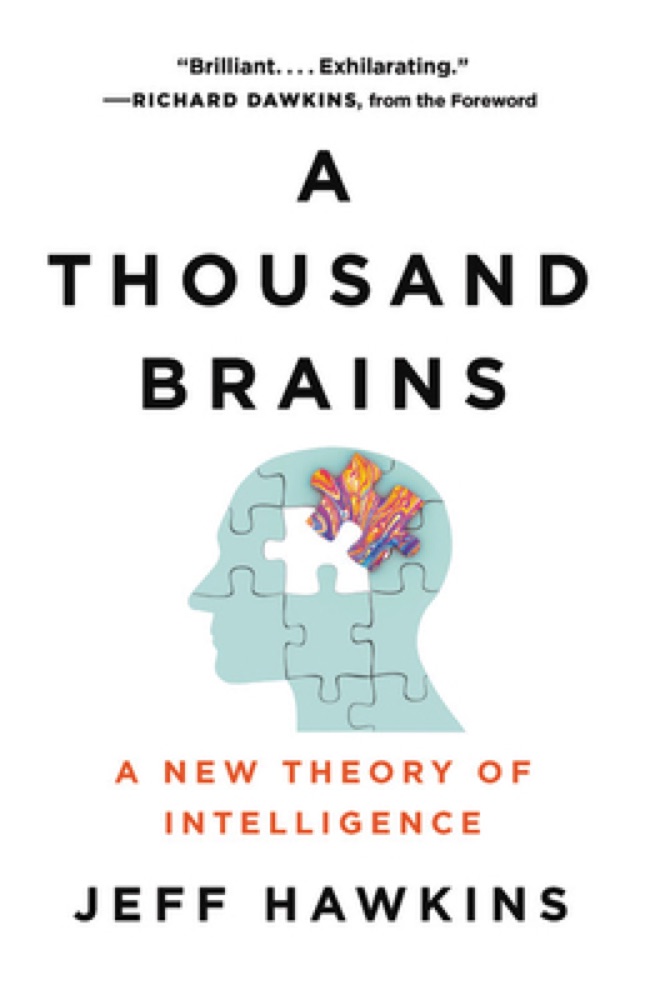
 The Future of the Mind: The Scientific Quest to Understand, Enhance, and Empower the Mind
Quotes from the Book
It is human nature - aka old brain - to suspect everyone wants to steal your idea, where the reality is that you are lucky if anyone cares about your idea at all.
8
There are two ways to think about ourselves. One is as biological organisms, products of evolution and natural selection. From this point of view, humans are defined by our genes, and the purpose of life is to replicate them. But we are now emerging from our purely biological past. We have become an intelligent species. We are the first species on Earth to know the size and age of the universe. We are the first species to know how the Earth evolved and how we came to be. We are the first species to develop tools that allow us to explore the universe and learn its secrets. From this point of view, humans are defined by our intelligence and our knowledge, not by our genes. The choice we face as we think about the future is, should we continue to be driven by our biological past or choose instead to embrace our newly emerged intelligence?
7
At some point in the future, we will accept that any system that learns a model of the world, continuously remembers the states of that model, and recalls the remembered states will be conscious.
3
We are intelligent not because we can do one thing particularly well, but because we can learn to do practically anything.
3
The point is that anything capable of self-replication, especially viruses and bacteria, is a potential existential threat. Intelligence, on its own, is not.
2
In the battle between the old brain and the neocortex, the old brain usually wins. We eat the cake.
2
The difficult part of knowledge is not stating a fact, but representing that fact in a useful way.
2
The list of things everyone should know is short. I would include how the brain is composed of the new part and the older parts. I would include how the neocortex learns a model of the world, whereas the older parts of the brain generate our emotions and more primitive behaviors. I would include how the old brain can take control, causing us to act in ways we know we shouldn’t. And I would include how all of us are susceptible to false beliefs and how some beliefs are viral.
2
life is not about having a correct model of the world. Life is about replication.
2
A future driven by genes has little to no direction and only short-term goals: stay healthy, have kids, enjoy life. A future designed in the best interest of knowledge has both direction and end goals.
2
Our neocortex has invented powerful technologies that are capable of changing the entire Earth, but the human behavior that controls these world-changing technologies is often dominated by the selfish and shortsighted old brain.
2
through the sensory nerves. The nerves only send spikes. And since we do not perceive spikes, everything we do perceive must be fabricated in the brain. Even the most basic feelings of light, sound, and touch are creations of the brain; they only exist in its model of the world.
2
Uploading your brain entails recording all the details of your brain, and then using them to simulate your brain on a computer. The simulator would be identical to your brain, so “you” would then live in the computer. The goal is to separate your mental and intellectual “you” from your biological body. This way, you can live indefinitely, including in a computer that is remote from Earth. You wouldn’t die if Earth became uninhabitable.
1
The choice we face as we think about the future is, should we continue to be driven by our biological past or choose instead to embrace our newly emerged intelligence? We may not be able to do both.
1
There are neurons in the old part of our brain that are known to learn maps of the places we have visited, and these neurons have been under evolutionary pressure for so long that they are fine-tuned to do what they do. In mammals, the old brain parts where these map-creating neurons exist are called the hippocampus and the entorhinal cortex.
1
However, if one or more of the neurons are in the predictive state, our theory says, only those neurons spike and the other neurons are inhibited. Thus, when an input arrives that is unexpected, multiple neurons fire at once. If the input is predicted, then only the predictive-state neurons become active. This is a common observation about the neocortex: unexpected inputs cause a lot more activity than expected ones.
1
To predict the next note, you can’t just look at the previous note or the previous five notes. The correct prediction may rely on notes that occurred a long time ago.
1
We have learned a tremendous amount of knowledge and facts about the brain, but we have little understanding of how the whole thing works.
1
The unit of processing in the neocortex is the cortical column. Each column is a complete sensory-motor system—that is, it gets inputs and it can generate behaviors.
1
We realized that the brain’s model of the world is built using maplike reference frames. Not one reference frame, but hundreds of thousands of them. Indeed, we now understand that most of the cells in your neocortex are dedicated to creating and manipulating reference frames, which the brain uses to plan and think.
1
we learn by moving. In order to learn a model of a building, we must walk through it, going from room to room. To learn a new tool, we must hold it in our hand, turning it this way and that, looking and attending to different parts with our fingers and eyes. At a basic level, to learn a model of the world requires moving one or more sensors relative to the things in the world.
1
Although we can’t know the details of the future, the Thousand Brains Theory can help us define the boundaries. Understanding how the brain creates intelligence tells us what things are possible, what things are not, and to some extent what advances are likely.
1
Knowledge in the brain is distributed. Nothing we know is stored in one place, such as one cell or one column. Nor is anything stored everywhere, like in a hologram. Knowledge of something is distributed in thousands of columns, but these are a small subset of all the columns.
1
Our reality is similar to the brain-in-a-vat hypothesis; we live in a simulated world, but it is not in a computer—it is in our head.
1
Being able to learn practically anything requires the brain to work on a universal principle.
frightening. It won’t give you nightmares. But it is so exhilarating, so stimulating, it’ll turn your mind into a whirling maelstrom of excitingly provocative ideas—you’ll want to rush out and tell
We face a dilemma. 'We' -- the intelligent model of ourselves residing in the neocortex -- are trapped. We are trapped in a body that not only is programmed to die but is largely under the control of an ignorant brute, the old brain. [...] We try to control our old brain's destructive and divisive impulses, but so far we have not been able to do this entirely. Many countries on Earth are still ruled by autocrats and dictators whose motivations are largely driven by their old brain: wealth, sex, and alpha-male-type dominance. The populist movements that support autocrats are also based on old-brain traits such as racism and xenophobia.
To hold on to a false model, such as a flat Earth, requires dismissing evidence that conflicts with your model. Flat-Earth believers say they distrust all evidence that they cannot directly sense. A picture can be fake. An explorer's account can be fabricated. Sending people to the moon in the 1960s could have been a Hollywood production. If you limit what you believe to only things you can directly experience, and you are not an astronaut, then a flat-Earth model is what you end up with. To maintain a false model, it also helps to surround yourself with other people who have the same false beliefs, thus making it more likely that the inputs you receive are consistent with your model. Historically, this entailed physically isolating yourself in a community of people with similar beliefs, but today you can achieve a similar result by selectively watching videos on the internet.
Not that long ago, the question 'What is life?' was as mysterious as 'What is consciousness?'. It seemed impossible to explain why some pieces of matter were alive and others were not. [...] At some point in the future, we will accept that any system that learns the model of the world, continuously remembers the states of that model, and recalls the remembered states will be conscious. There will be remaining unanswered questions, but consciousness will no longer be talked about as 'the hard problem'. It won't even be considered a problem.
Why do we have a singular perception if we have thousands of models? When we hold and look at a coffee cup, why does the cup feel like one thing and not thousands of things? If we place the cup on a table and it makes a sound, how does the sound get united with the image and feel of the coffee cup? In other words, how do our sensory inputs get bound to a singular percept? [...] Instead of converging onto one location, the connections go in every direction. This is one of the reasons why the binding problem is considered a mystery, but we have proposed an answer: columns vote. Your perception is the consensus the columns reach by voting.
Did you know?
- The book features a foreword by evolutionary biologist Richard Dawkins.
- Its central claim is that the human neocortex contains roughly 150,000 cortical columns, each building its own model of the world.
- Hawkins calls the map-like coordinate systems the brain uses to organize knowledge reference frames.
- It was named one of the Financial Times' best books of 2021 and recommended by Bill Gates.
- Hawkins had earlier co-founded Palm and Handspring before turning to full-time brain research.
- The book is a follow-up to his 2004 work On Intelligence.
Watch on YouTube
About Jeff Hawkins
About the book
At the heart of Jeff Hawkins's A Thousand Brains is a bold reframing of how the neocortex produces intelligence. Hawkins argues that the neocortex is not a single, hierarchical model-builder but a collection of roughly 150,000 near-identical cortical columns, each running the same basic algorithm and each constructing its own complete model of the world. The key mechanism, he proposes, is the reference frame: a map-like coordinate system that a column attaches to objects, allowing it to represent locations, track how sensory input changes as we move, and make predictions. Because thousands of columns model the same object from different sensory inputs and vantage points, they must reconcile their conflicting guesses through a kind of voting, and that consensus is what we experience as a single, stable perception. This is the Thousand Brains Theory: intelligence emerging not from one brain but from thousands of parallel models working in concert.
The book's second half turns from neuroscience to its consequences for machines and for humanity. Hawkins contends that reference frames are used not only for physical objects but for abstract concepts as well, which is why the same cortical machinery can do mathematics, language, and reasoning. He argues that truly intelligent machines will require this same architecture rather than today's narrow pattern-matching systems, and he pushes back against fears of a spontaneous, malevolent superintelligence, since motivations like self-preservation come from the older brain, not the neocortex. In the final part he widens the lens to the long-term survival of knowledge itself, warning that human intelligence is fragile in a world capable of both building AI and destroying its own environment. He proposes what amounts to estate planning for humanity, seeking durable ways to preserve what our species has learned.
Reception was broadly positive and the book reached a wide audience. It carries a foreword by Richard Dawkins, was named one of the Financial Times' best books of 2021, and was included among Bill Gates's recommended reads, with Gates praising its insights into the architecture of the brain and its clues about the future of intelligent machines. Reviewers in outlets such as Forbes and Kirkus generally admired the clarity and ambition of the core theory, particularly the first half's account of the neocortex, while some noted that the neuroscience can be demanding for newcomers and that the later speculation about AI and humanity's future is more provocative than settled.
Book details
- First published
- 2021
- Length
- 288 pages
- Reading time
- 5 hours
- Author
- Jeff Hawkins
- Genre
- Nonfiction
- Goodreads rating
- 4.05 (7k ratings)
Critical reception
- Named one of the Financial Times' best books of 2021.
- Recommended by Bill Gates, who praised its insights into the architecture of the brain and the future of intelligent machines.
- Reviewers such as Forbes' Calum Chace praised the clarity and ambition of the Thousand Brains Theory, especially the first half's account of the neocortex.
- Kirkus and other reviewers noted the neuroscience can be challenging for readers new to the subject.
If you liked this, read…
- 1On IntelligenceHawkins's own earlier book laying the groundwork for his theory of the cortex.
- 2How to Create a MindRay Kurzweil's complementary attempt to reverse-engineer the neocortex for AI.
- 3The Brain That Changes ItselfNorman Doidge's accessible tour of neuroplasticity and how the brain models the world.
Keep reading
The Future of the Mind: The Scientific Quest to Understand, Enhance, and Empower the Mind
 Livewired: The Inside Story of the Ever-Changing Brain
 How the Mind Works
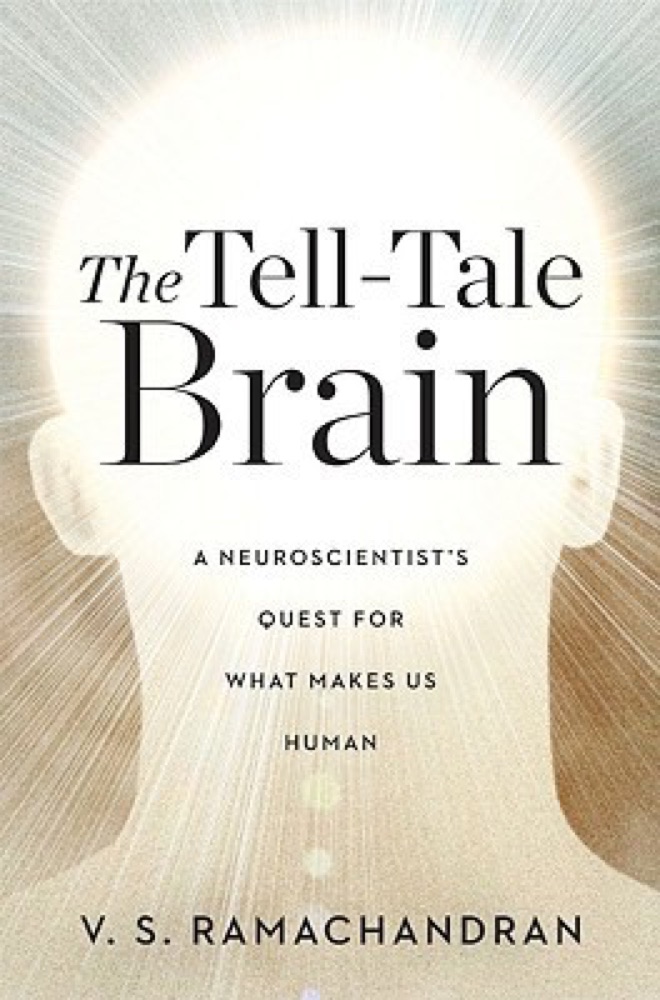 The Tell-Tale Brain: A Neuroscientist's Quest for What Makes Us Human
 Incognito: The Secret Lives of the Brain
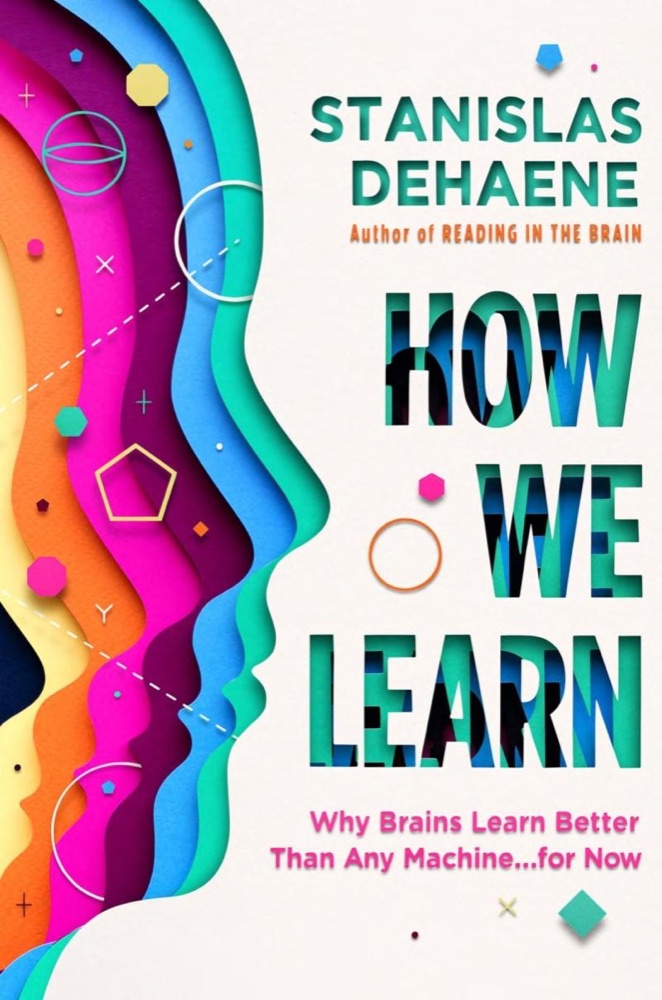 How We Learn: Why Brains Learn Better Than Any Machine . . . for Now
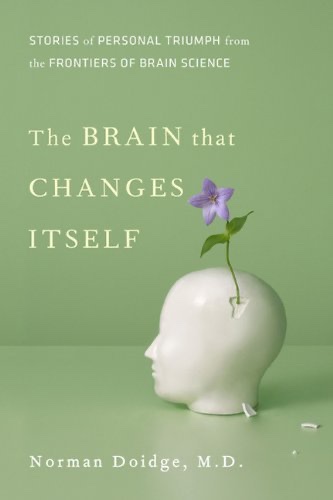 The Brain That Changes Itself: Stories of Personal Triumph from the Frontiers of Brain Science
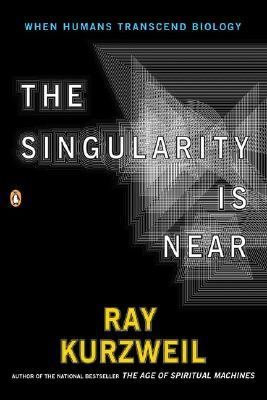 The Singularity is Near: When Humans Transcend Biology
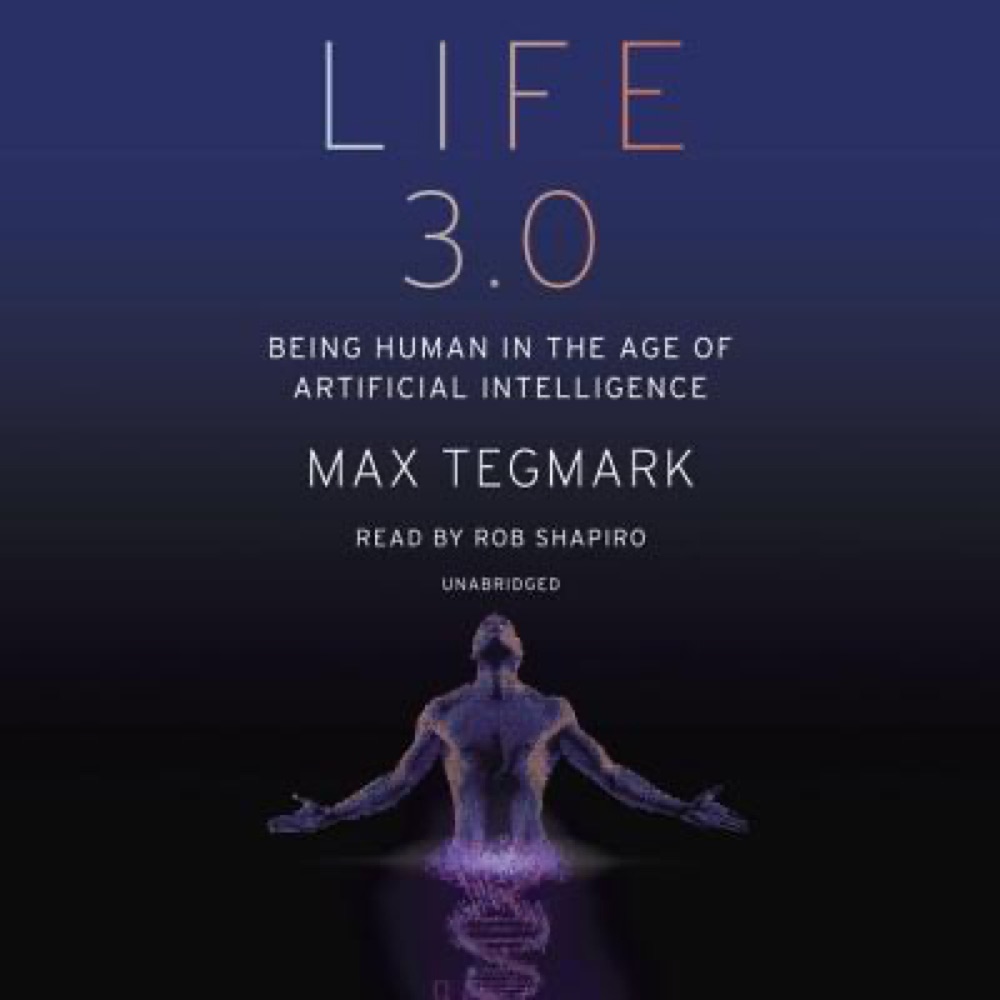 Life 3.0: Being Human in the Age of Artificial Intelligence
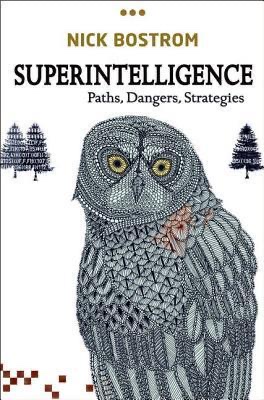 Superintelligence: Paths, Dangers, Strategies
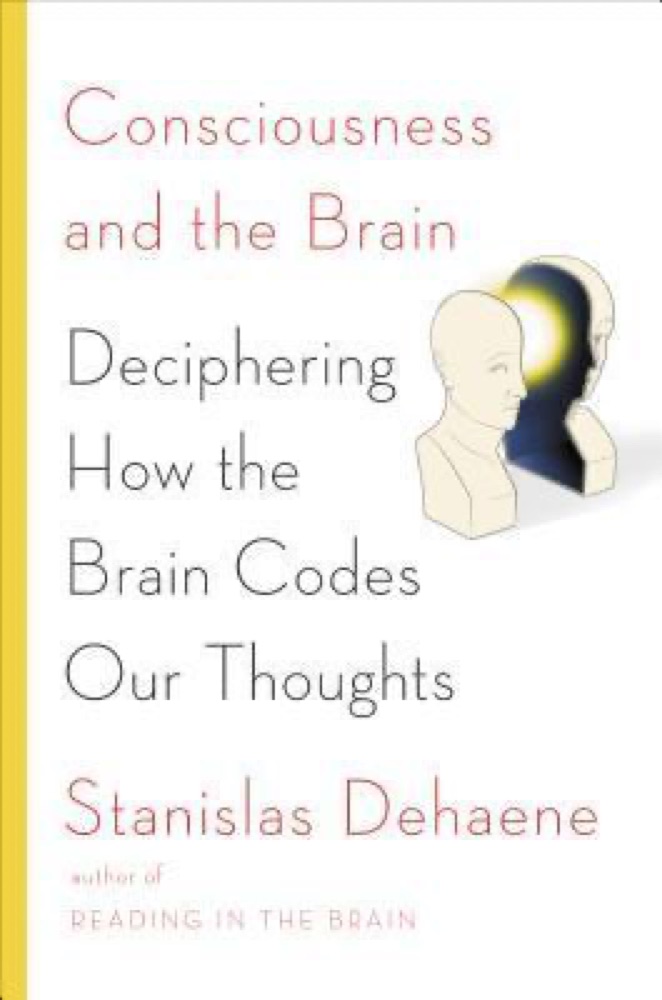 Consciousness and the Brain: Deciphering How the Brain Codes Our Thoughts
 The Ego Tunnel: The Science of the Mind and the Myth of the Self
 The Case Against Reality: Why Evolution Hid the Truth from Our Eyes
 The Blind Watchmaker: Why the Evidence of Evolution Reveals a Universe Without Design
 From Bacteria to Bach and Back: The Evolution of Minds
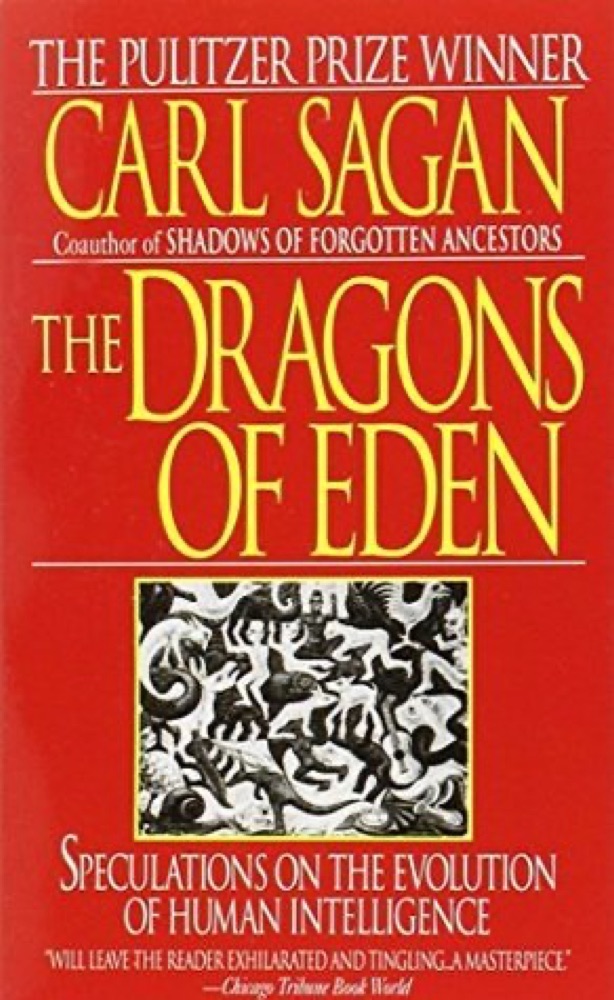 Dragons of Eden: Speculations on the Evolution of Human Intelligence
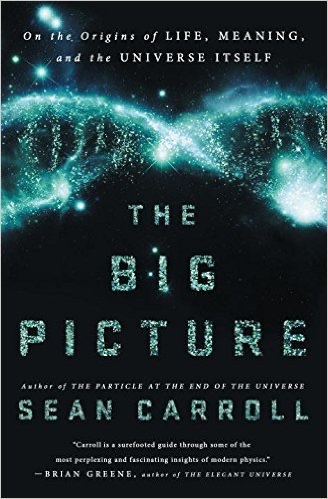 The Big Picture: On the Origins of Life, Meaning, and the Universe Itself
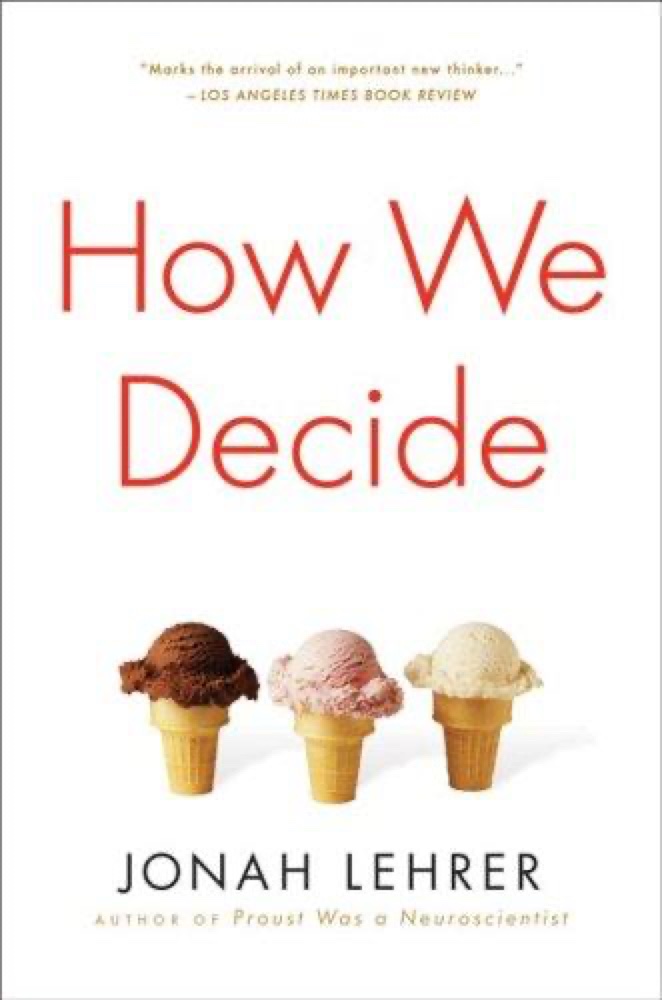 How We Decide
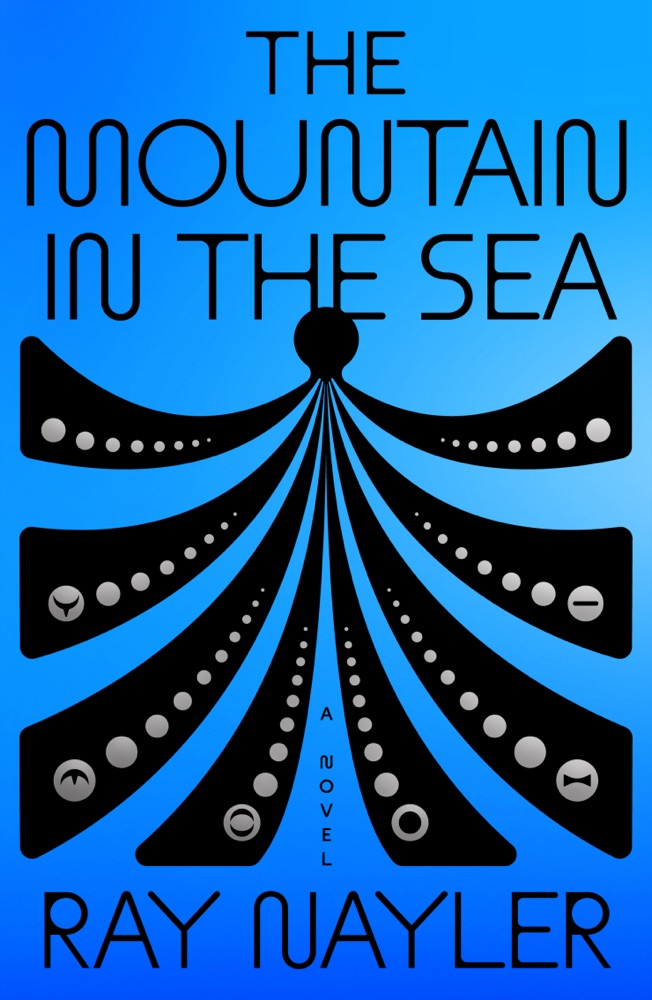 The Mountain in the Sea
 The Grand Design
 No Self, No Problem: How Neuropsychology Is Catching Up to Buddhism
 Echopraxia
 Descartes' Error: Emotion, Reason and the Human Brain
 The Information: A History, a Theory, a Flood
 The Future of Humanity: Terraforming Mars, Interstellar Travel, Immortality and Our Destiny Beyond Earth
 Genome
 The Society of Mind
 What Technology Wants
 The Biology of Belief: Unleashing the Power of Consciousness, Matter and Miracles
 The Master and His Emissary: The Divided Brain and the Making of the Western World
 God's Debris: A Thought Experiment
 Behave: The Biology of Humans at Our Best and Worst
 A User's Guide to the Brain: Perception, Attention, and the Four Theaters of the Brain
 Evolve Your Brain: The Science of Changing Your Mind
 Homo Deus: A History of Tomorrow
 The Organized Mind: Thinking Straight in the Age of Information Overload
 How to Change Your Mind: The New Science of Psychedelics
 The Tale of the Dueling Neurosurgeons: The History of the Human Brain as Revealed by True Stories of Trauma, Madness, and Recovery
 21 Lessons for the 21st Century
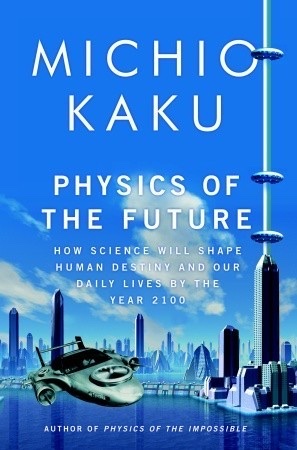 Physics of the Future: How Science Will Shape Human Destiny and Our Daily Lives by the Year 2100
 The Lives of a Cell: Notes of a Biology Watcher
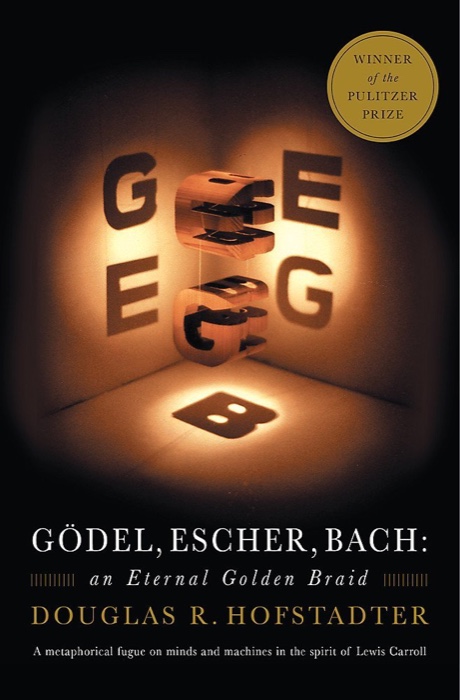 Gödel, Escher, Bach: An Eternal Golden Braid
 The Origin of Consciousness in the Breakdown of the Bicameral Mind
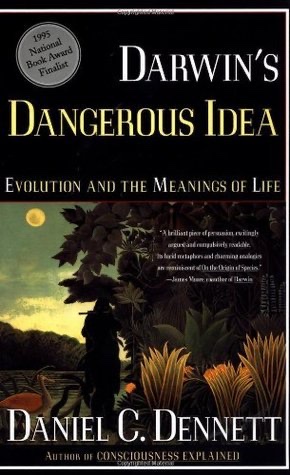 Darwin's Dangerous Idea: Evolution and the Meanings of Life
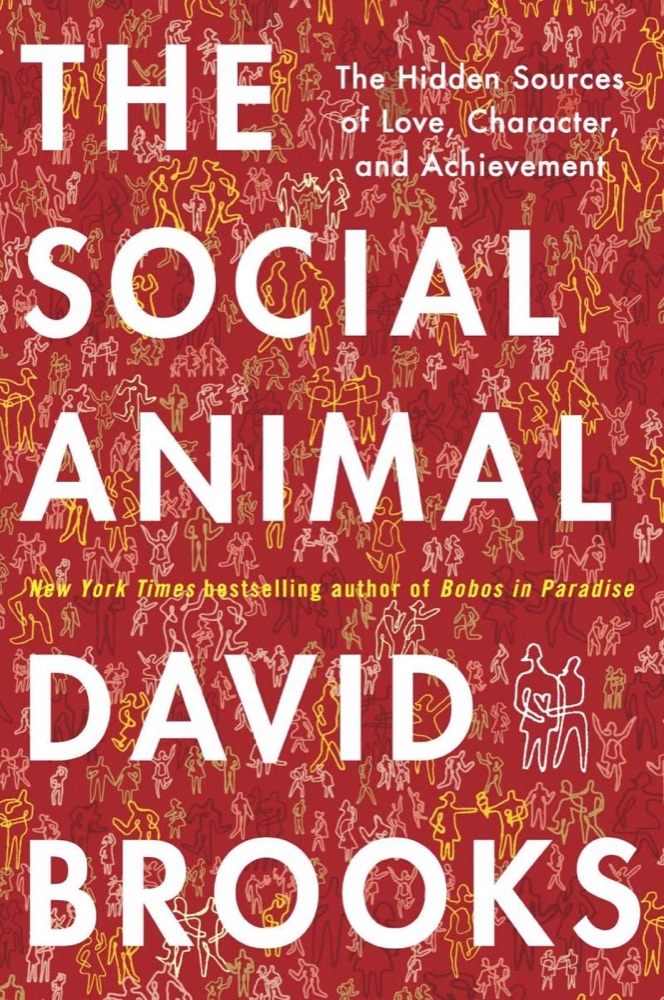 The Social Animal: The Hidden Sources of Love, Character, and Achievement
 Are We Smart Enough to Know How Smart Animals Are?
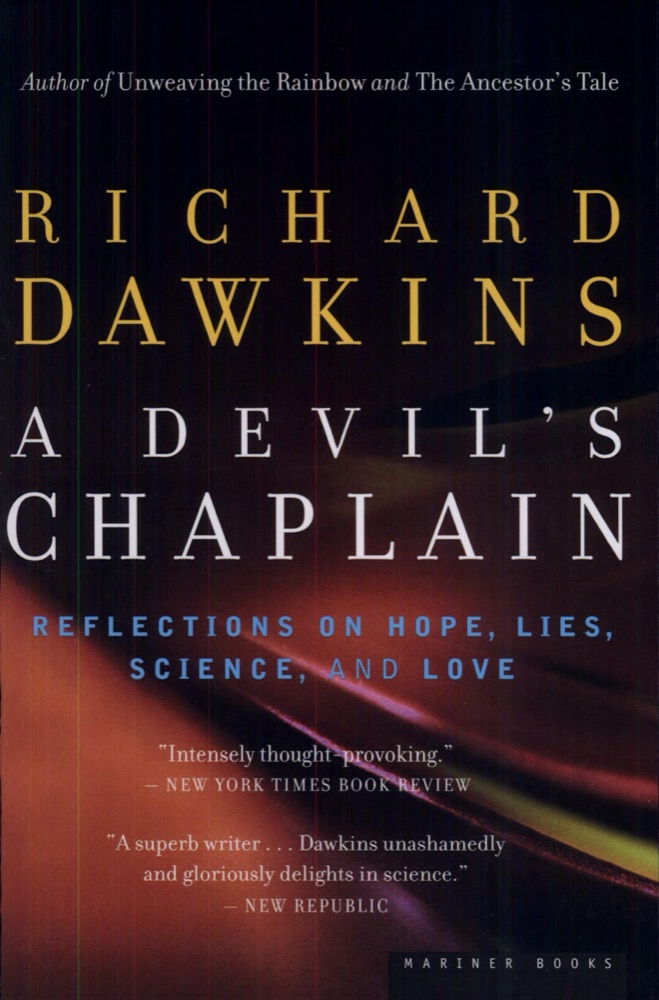 A Devil's Chaplain: Reflections on Hope, Lies, Science, and Love
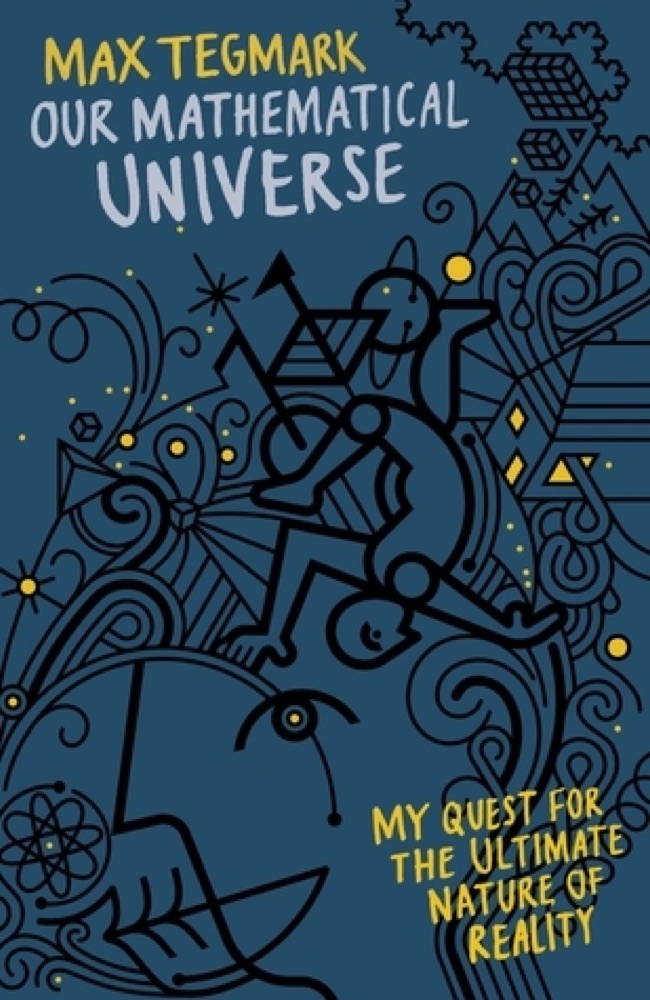 Our Mathematical Universe: My Quest for the Ultimate Nature of Reality
 My Stroke of Insight: A Brain Scientist's Personal Journey
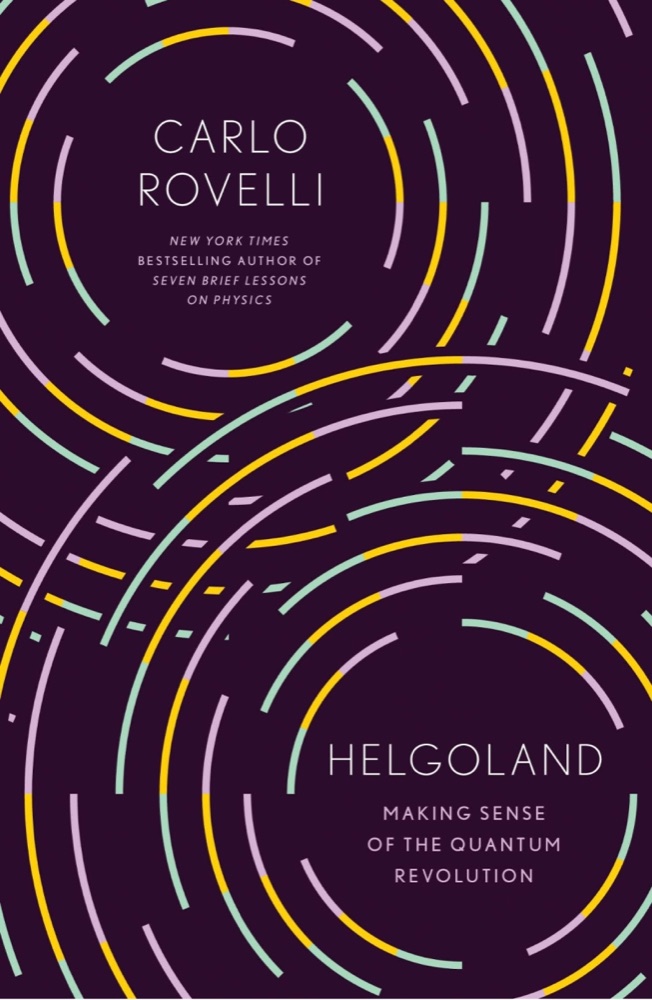 Helgoland: Making Sense of the Quantum Revolution
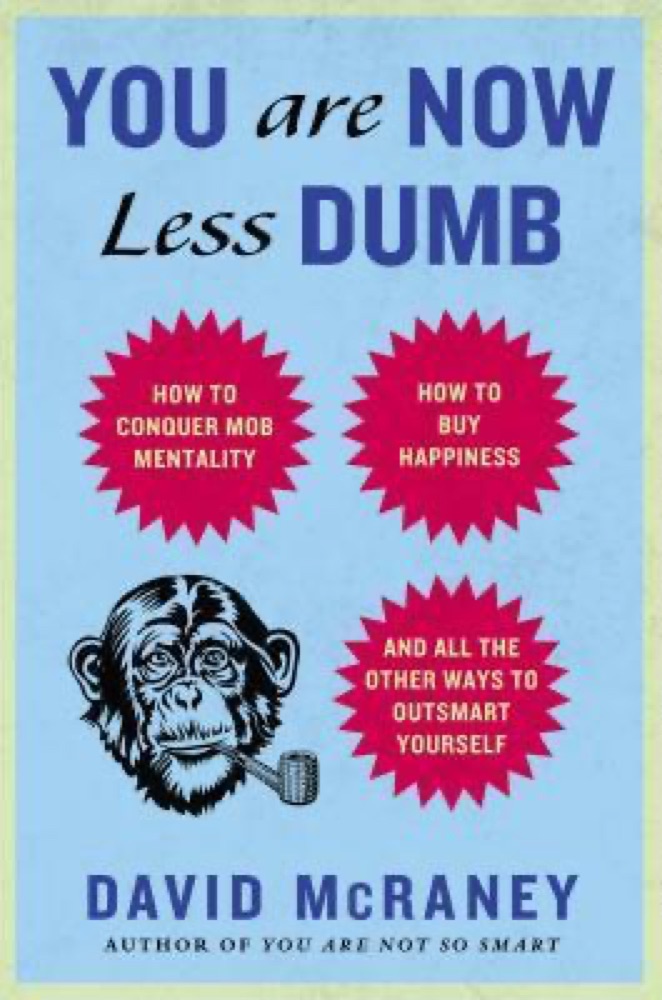 You Are Now Less Dumb: How to Conquer Mob Mentality, How to Buy Happiness, and All the Other Ways to Outsmart Yourself
 The Lost World
 Destination: Void
 Successful Aging: A Neuroscientist Explores the Power and Potential of Our Lives
 Until the End of Time: Mind, Matter, and Our Search for Meaning in an Evolving Universe
 Genome: the Autobiography of a Species in 23 Chapters
 The Song of the Cell: An Exploration of Medicine and the New Human
 Think Like a Rocket Scientist: Simple Strategies You Can Use to Make Giant Leaps in Work and Life
 Mastermind: How to Think Like Sherlock Holmes
 Co-Intelligence: Living and Working with AI