Quotes from the Book
I cannot say this frequently enough: the goal is not to clear your mind but to focus your mind—for a few nanoseconds at a time—and whenever you become distracted, just start again. Getting lost and starting over is not failing at meditation, it is succeeding.
6
As Mark Twain is reputed to have said, “Some of the worst things in my life never even happened.
4
Buddhism is not something to believe in, but rather something to do.”)
3
Here are some key attributes of the voice in my head. I suspect they will sound familiar. • It’s often fixated on the past and future, at the expense of whatever is happening right now. The voice loves to plan, plot, and scheme. It’s always making lists or rehearsing arguments or drafting tweets. One moment it has you fantasizing about some halcyon past or Elysian future. Another moment you’re ruing old mistakes or catastrophizing about some not-yet-arrived events. As Mark Twain is reputed to have said, “Some of the worst things in my life never even happened.” • The voice is insatiable. The default mental condition for too many human beings is dissatisfaction. Under the sway of the ego, nothing is good enough. We’re always on the hunt for the next dopamine hit. We hurl ourselves headlong from one cookie, one promotion, one party to the next, and yet a great many of us are never fully sated. How many meals, movies, and vacations have you enjoyed? And are you done yet? Of course not. • The voice is unrelievedly self-involved. We are all the stars of our own movies, whether we cast ourselves as hero, victim, black hat, or all three. True, we can get temporarily sucked into other people’s stories, but often as a means of comparing ourselves to them. Everything ultimately gets subordinated to the one plotline that matters: the Story of Me.
3
Equanimity is the capacity to let your experience be what it is, without trying to fight it and negotiate with it. It’s like an inner smoothness or frictionlessness.
2
Meditation forces you into a direct collision with a fundamental fact of life that is not often pointed out to us: we all have a voice in our heads.
2
5. Non-identification. Can you let the emotional feeling do its thing without taking it personally? Try to see your emotions like you see the weather: not as something to judge yourself for but, rather, as part of the natural atmospheric conditions of the moment. This is a deeper form of allowing. After you’ve let this happen for a while, go back to the breath or to your home or rest sensation for a bit. Before you open your eyes, take a few minutes to relax and do nothing.
1
Everyone should meditate once a day. And if you don’t have time to meditate, then you should do it twice a day.
1
happiness is not just something that happens to you; it is a skill.
1
Studies show the more you meditate, the better you are at activating the regions of the brain associated with attention and deactivating the regions associated with mind-wandering.
1
When you are unaware of this ceaseless inner talkfest, it can control and deceive you. The ego’s terrible suggestions often come to the party dressed up as common sense:
1
In recent years, there has been an explosion of research into meditation, which has been shown to: • Reduce blood pressure • Boost recovery after the release of the stress hormone cortisol • Improve immune system functioning and response • Slow age-related atrophy of the brain • Mitigate the symptoms of depression and anxiety
1
The untrained mind is stupid.” —AJAHN CHAH, meditation master
1
As Sharon Salzberg has said, “We don’t meditate to get better at meditating; we meditate to get better at life.
1
Meditation is not about feeling a certain way. It’s about feeling the way you feel.
1
We had found many effective rebuttals for the “I can’t do this” fear: the impossibility of perfection, the simplicity of just beginning again, the power of friendliness (even if I myself still failed to fully comprehend it).
This is the beauty of meditation. The superpower. The judo move. What you see clearly cannot drive you. Ignorance is not bliss.
Respond, not react: this is a game changer.
One of my favorite quotes on the matter is “Buddhism is not something to believe in, but rather something to do.”)
I love New Orleans. Even after—perhaps especially after—having covered the horror of Hurricane Katrina. I adore everything about the place: the people, the architecture, the history, the life-altering music, and the life-shortening cuisine.
of them because you need to change lanes, and they go ballistic. I mean, obviously it’s not just about you pulling in front of them. There’s got to be layers and layers and layers of stuff that happened that day, that week, that month, that year, that lifetime, that get expressed in that moment. When you stop and calm your mind down, you start seeing those things. You start to respond
You can age badly, and you can age well,” he said. “I know affable older folks who sit in the park and watch the kids play, and they’ve got that good-natured, easygoing quality. A serious practice just makes that happen sooner in your life, so you have it in the middle of your life, or even earlier. You get to have the best of being old while you’re still a little more sprightly.” Yes. That’s why we do this.
The goal is to engineer a daily collision with the a-hole in your head,” I explained to Brian. “And then when that a-hole gives you bad ideas, you’re better able to resist him.
PRO TIPS: Little tricks and tips that may make breath meditation easier: Count the breaths from one to ten, and then start over. Breathe in, one, then out. Breathe in, two, then out. Et cetera. Some people like to recite a little phrase to help them stay with what’s going on. “Just this breath” is a good one. It reminds us not to start anticipating the next breath, or to think about the last one, or to imagine in any of the innumerable ways the mind imagines that anything else is supposed to be happening other than exactly what is happening—which is noticing exactly this breath. “Just this breath.” Repeating this helps soothe and simplify our experience, reminding us again and again not to overcomplicate things. Get forensically curious about the breath. Can you notice the exact moment the breath ends? The exact moment it begins? Can you notice the mysterious little space between breaths? Be like a private investigator of breathing. For particularly busy minds, some teachers recommend the use of “touch points.” So: breathe in, feel your rear/hands/whatever, breathe out, feel your rear/hands/whatever, and so on. The idea is to keep your mind occupied by filling up every possible “down” moment with a new noticing. Recruit an image. Sometimes I imagine the in-breath as a gentle wave moving up the beach, pshhhh, and on the out-breath the wave recedes, sssssshh. Back and forth. This rhythm can be very entrancing, so make sure to stay mindful. Find an image that works for you. This can be especially helpful if the breath starts to get subtle and hard to notice. It is possible this vague image may gradually replace the sensation of breathing and become the new object of focus. If this starts to happen, just go with it. Give guided audio meditations a shot. Some people wrongly assume that guided audio meditations are a form of cheating—or training wheels. I disagree. Anyone who has ever meditated will know that even the simplest instructions are quickly forgotten. Having someone in your ear can be really helpful. My advice is to experiment with both audio and solo meditations and see what works.
if you start meditating and find yourself in a thought-free field of bliss, either you have rocketed to enlightenment or you have died.
the goal is not to clear your mind but to focus your mind—for a few nanoseconds at a time—and whenever you become distracted, just start again. Getting lost and starting over is not failing at meditation, it is succeeding.
As you breathe out, imagine you are breathing out whatever worry or concern may have been spinning around in your head.
Start by stopping, wherever you are: lying in your bedroom, parked in your car, standing in an elevator. Try it with your eyes open, but keep your gaze soft (it’s the perfect stealth meditation).
The only difference is we’re adding some adult curiosity about the process, in particular the process of shifting our attention from our mental preoccupations to our breath.
Watch on YouTube
About Dan Harris

We have collected 59 quotes from 2 books by Dan Harris on BookQuoters.
More about the author →More by Dan Harris
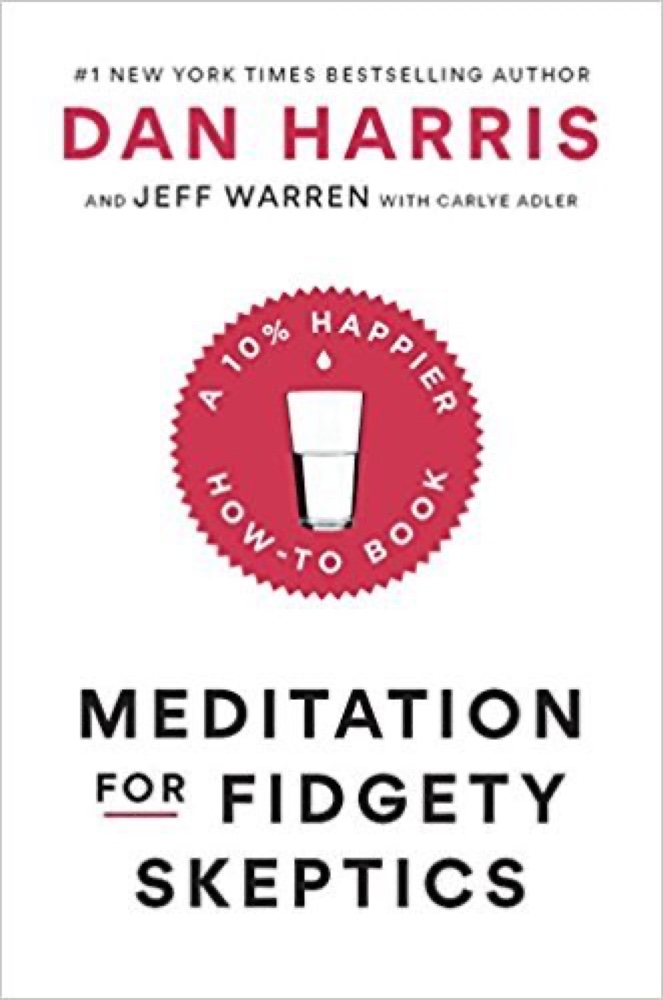
About the book
ABC News anchor Dan Harris used to think that meditation was for people who collect crystals, play Ultimate Frisbee, and use the word “namaste” without irony. After he had a panic attack on live television, he went on a strange and circuitous journey that ultimately led him to become one of meditation’s most vocal public proponents.
Here’s what he’s fixated on now: Science suggests that meditation can lower blood pressure, mitigate depression and anxiety, and literally rewire key parts of the brain, among numerous other benefits. And yet there are millions of people who want to meditate but aren’t actually practicing. What’s holding them back?
In this guide to mindfulness and meditation for beginners and experienced meditators alike, Harris and his friend Jeff Warren, a masterful teacher and “Meditation MacGyver,” embark on a cross-country quest to tackle the myths, misconceptions,
Book details
- First published
- 2017
- Author
- Dan Harris
- Genre
- Nonfiction
- Goodreads rating
- 3.84 (11k ratings)
Keep reading
 Real Happiness: A 28-Day Program to Realize the Power of Meditation
 How to Meditate: A Practical Guide to Making Friends with Your Mind
 Mindfulness in Plain English
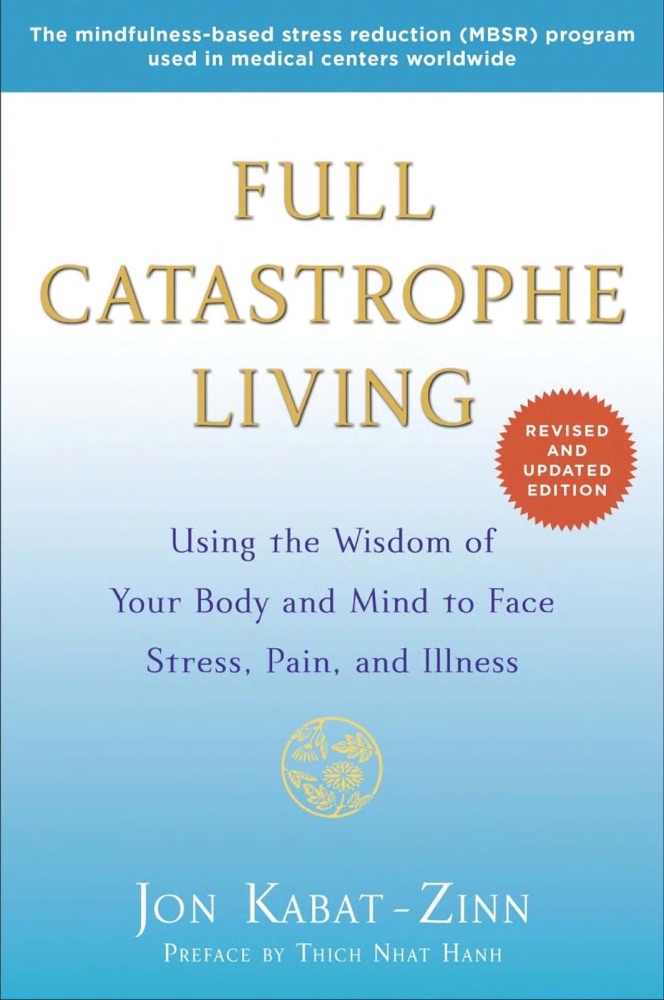 Full Catastrophe Living: Using the Wisdom of Your Body and Mind to Face Stress, Pain, and Illness
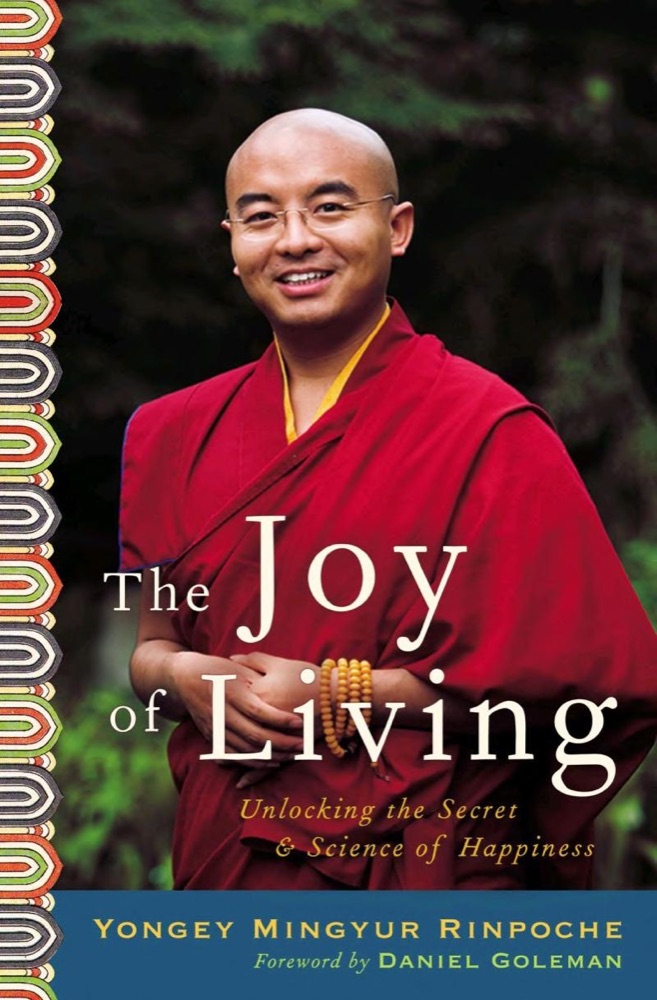 The Joy of Living: Unlocking the Secret and Science of Happiness
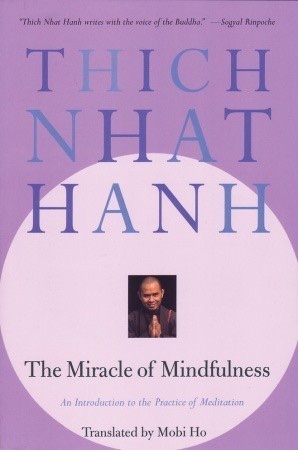 The Miracle of Mindfulness: An Introduction to the Practice of Meditation
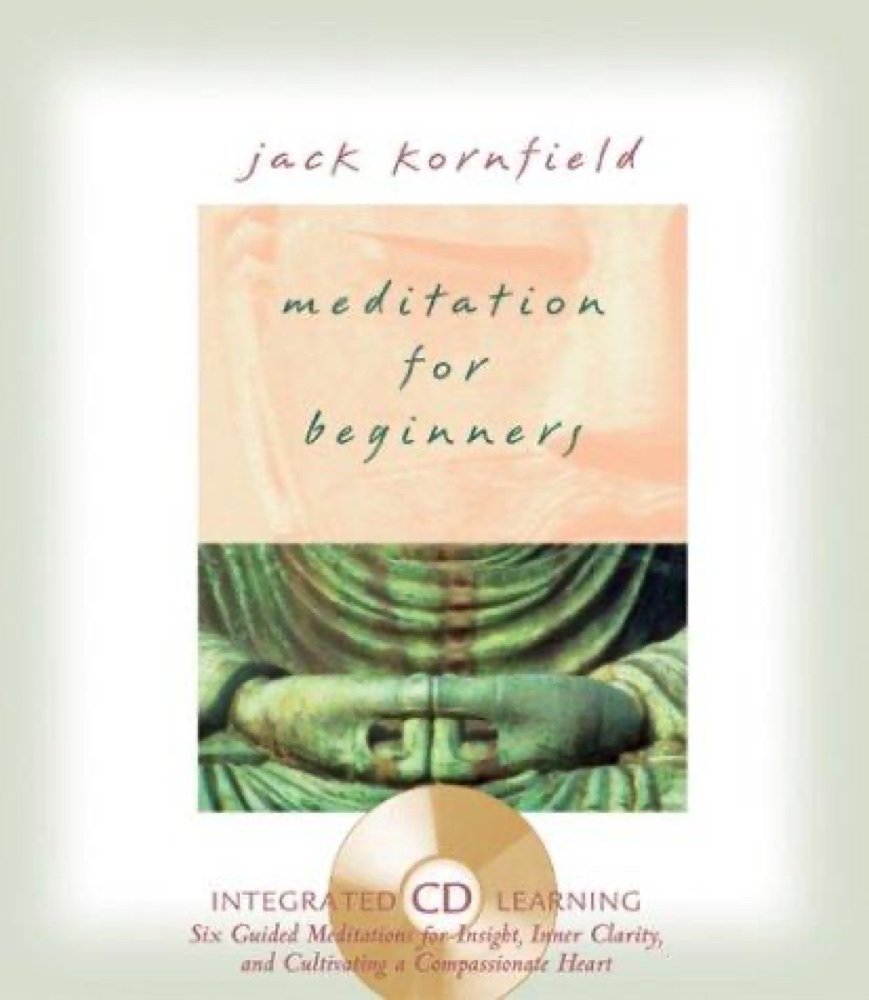 Meditation for Beginners
 Living Beautifully with Uncertainty and Change
 Wherever You Go, There You Are: Mindfulness Meditation in Everyday Life
 How to Sit
 The Wisdom of No Escape: How to Love Yourself and Your World
 Meditation
 Advice Not Given: A Guide to Getting Over Yourself
 Peace Is Every Breath: A Practice for Our Busy Lives
 The Mind Illuminated: A Complete Meditation Guide Integrating Buddhist Wisdom and Brain Science
 Stillness Is the Key
 Everyday Zen: Love & Work
 Waking Up: A Guide to Spirituality Without Religion
 The Tibetan Book of Living and Dying
 Breaking the Habit of Being Yourself: How to Lose Your Mind and Create a New One
 Awakening the Buddha Within
 Stillness Speaks
 Going to Pieces without Falling Apart: A Buddhist Perspective on Wholeness
 The Practicing Mind: Bringing Discipline and Focus into Your Life
 Way of the Peaceful Warrior: A Book That Changes Lives
 Buddhist Boot Camp
 Zen and the Art of Motorcycle Maintenance
 Buddha's Brain: The Practical Neuroscience of Happiness, Love, and Wisdom
 The Dalai Lama's Cat and the Power of Meow
 True Refuge: Finding Peace and Freedom in Your Own Awakened Heart
 The Wise Heart: A Guide to the Universal Teachings of Buddhist Psychology
 The Buddha Walks into a Bar . . .: A Guide to Life for a New Generation
 The Mindful Athlete: Secrets to Pure Performance
 No Self, No Problem: How Neuropsychology Is Catching Up to Buddhism
 Change Your Thoughts - Change Your Life: Living the Wisdom of the Tao
 Why Buddhism Is True: The Science and Philosophy of Meditation and Enlightenment
 The Upward Spiral: Using Neuroscience to Reverse the Course of Depression, One Small Change at a Time
 You Can Heal Your Life
 Why Has Nobody Told Me This Before?
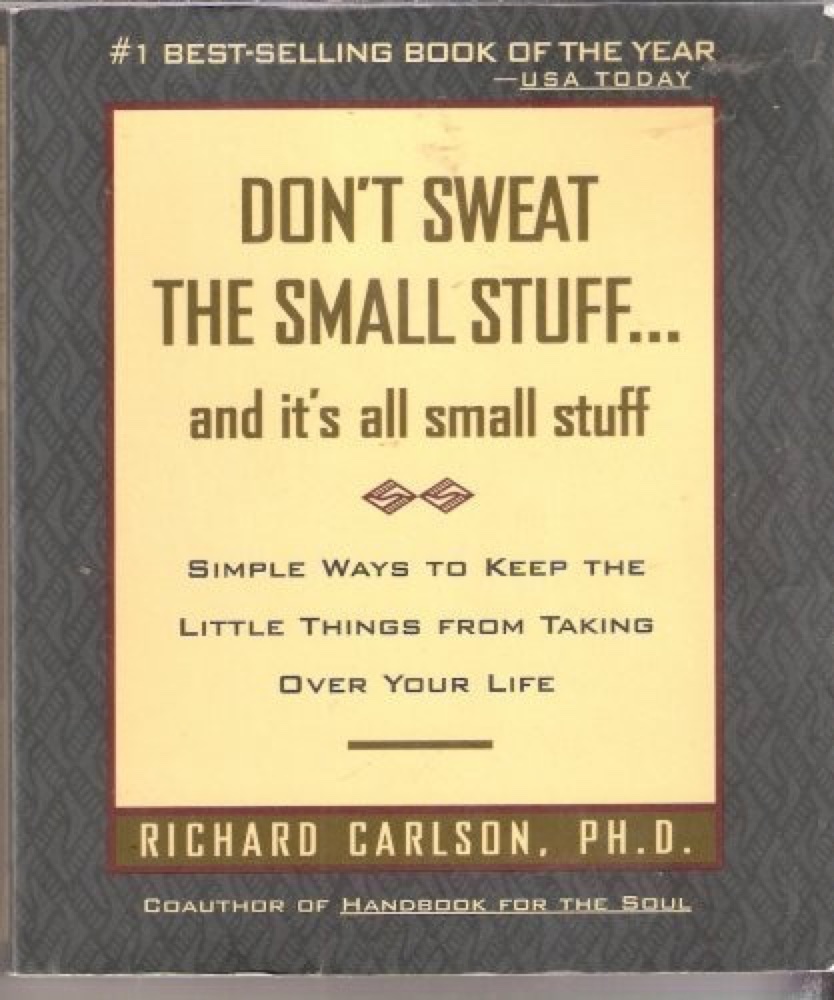 Don't Sweat the Small Stuff ... and it's all small stuff: Simple Ways to Keep the Little Things from Taking Over Your Life
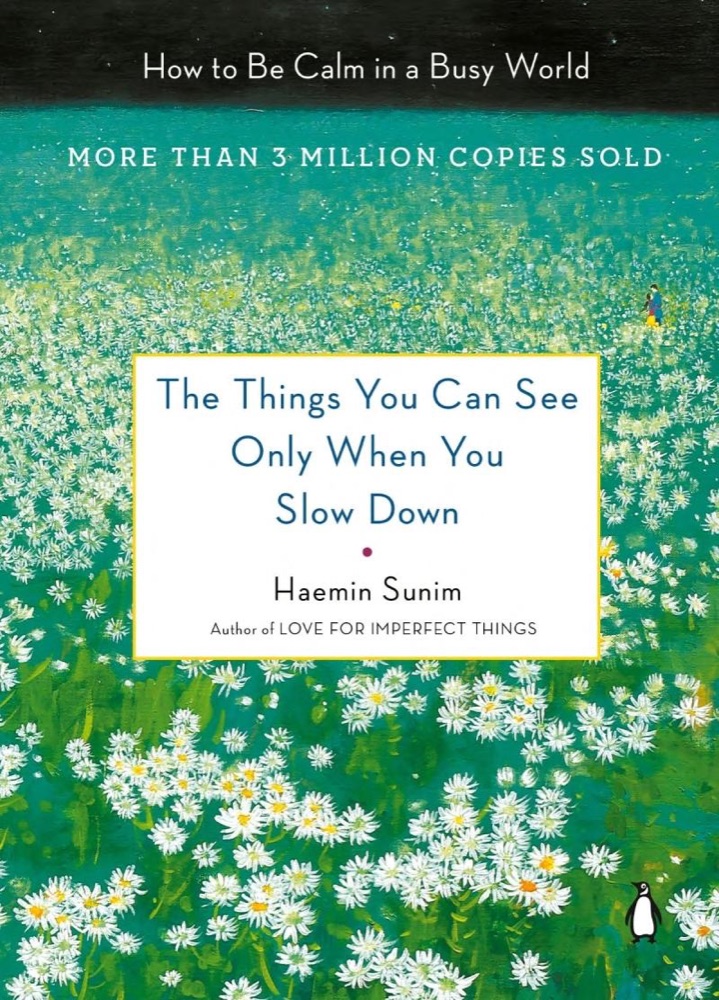 The Things You Can See Only When You Slow Down: How to Be Calm in a Busy World
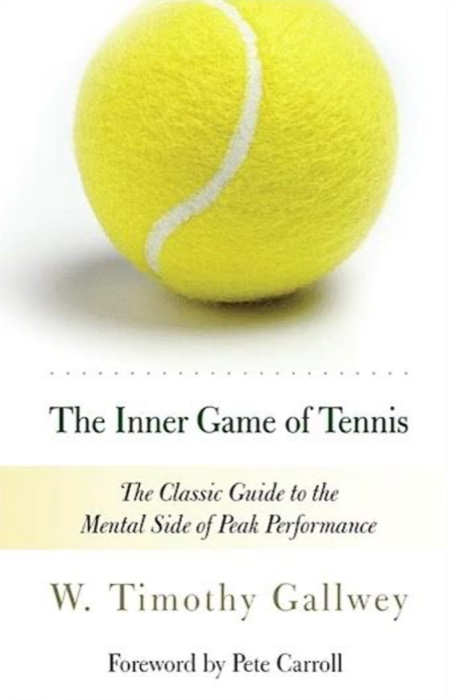 The Inner Game of Tennis: The Classic Guide to the Mental Side of Peak Performance
 The Book of Secrets
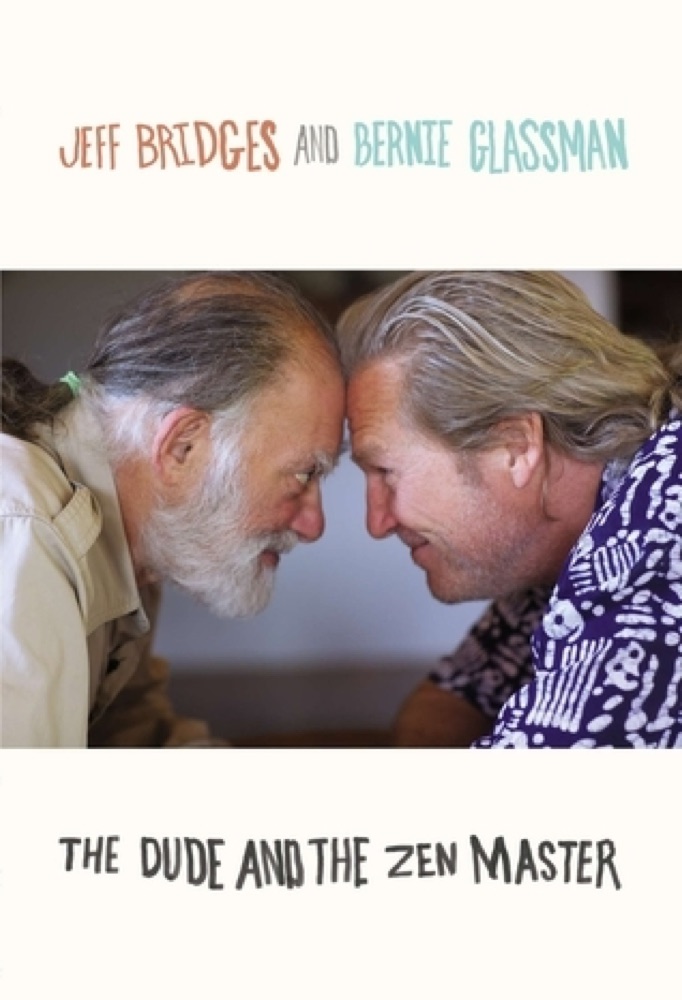 The Dude and the Zen Master
 Be Water, My Friend: The Teachings of Bruce Lee
 First, We Make the Beast Beautiful: A New Story About Anxiety
 Living Untethered: Beyond the Human Predicament
 Thrive: The Third Metric to Redefining Success and Creating a Life of Well-Being, Wisdom, and Wonder
 The Yoga Sutras of Pantanjali
 Ready for Anything: 52 Productivity Principles for Getting Things Done
 A New Earth: Awakening to Your Life's Purpose
 The Antidote: Happiness for People Who Can't Stand Positive Thinking
 Becoming Supernatural: How Common People are Doing the Uncommon
 Stolen Focus: Why You Can't Pay Attention— and How to Think Deeply Again
 How to Be Here: A Guide to Creating a Life Worth Living
 Awaken The Giant Within
 My Stroke of Insight: A Brain Scientist's Personal Journey
 The Untethered Soul: The Journey Beyond Yourself