
 Sum: Forty Tales from the Afterlives
Quotes from the Book
The difference between predictions and outcomes is the key to understanding a strange property of learning: if you’re predicting perfectly, your brain doesn’t need to change further… Changes in the brain happen only when there’s a difference between what was expected and what actually happens.
3
So how does the massively complicated brain, with its eighty-six billion neurons, get built from such a small recipe book? The answer pivots on a clever strategy implemented by the genome: build incompletely and let world experience refine. Thus, for humans at birth, the brain is remarkably unfinished, and interaction with the world is necessary to complete it.
2
Dropping into the world with a half-baked brain has proven a winning strategy for humans. We have outcompeted every species on the planet: covering the landmass, conquering the seas, and bounding onto the moon. We have tripled our life spans. We compose symphonies, erect skyscrapers, and measure with ever-increasing precision the details of our own brains. None of those enterprises were genetically encoded. At least they weren't encoded directly. Instead, our genetics bring about a simple principle: don't build inflexible hardware; build a system that adapts to the world around it. Our DNA is not a fixed schematic for building an organism; rather, it sets up a dynamic system that continually rewrites it's circuitry to reflect the world around it and to optimize its efficacy within it.
2
The thrill of life is not about who we are but about who we are in the process of becoming.” “Dreams are the means by which the visual cortex prevents takeover.” Every man can, if he so desires, become the sculptor of his own brain. —SANTIAGO RAMÓN Y CAJAL (1852–1934), neuroscientist and Nobel laureate
2
Or that babies will mimic an adult sticking out her tongue, a feat requiring a sophisticated ability to translate vision into motor action.
2
If you’re missing the tool, create it.
1
the experiences and goals of a person are always reflected in the brain’s structure.
1
Brain circuitry comes to reflect what you do, and so the cortex of a highly trained musician morphs into something measurably different—in a way that you can see on brain imaging, even with an untrained eye. If you pay careful attention to a region of the motor cortex involved in hand movement, you’ll find something amazing: musicians have a puckering on their cortex where nonmusicians do not, shaped roughly like the Greek letter omega (Ω).4 The thousands of hours of practice on the instrument physically molds the brains of the musicians.
We’ve all heard of the Spidey sense: the tingling sensation by which Peter Parker detected trouble in the vicinity. Why not have a Tweety sense?
... So the basis of behavioral improvement is not simply the repeated performance of a task; it also requires neuromodulatory systems to encode relevance. Without acetylcholine, the ten thousand hours is wasted time.
The fact is that the future is hard to predict. Whatever the case, as we move toward the horizon, the only certainty is that we will increasingly choose our own plug-and-play peripheral devices. We are no longer a natural species who has to wait millions of years for Mother Nature's next sensory gift. Instead, like any good parent, Mother Nature has given us the cognitive capacity to go out and shape our own experience.
Several emerging companies, still in their infancy, hope to increase the speed of brain communication to the outside world by writing and reading neural data rapidly by means of direct plug-ins. The problem is not theoretical but practical. When an electrode is placed into the brain, the tissue slowly tries to push it out, in the same way that the skin of your finger pushes out a splinter. That's the small problem. The bigger one is that neurosurgeons don't want to perform the operations, because there is always the risk of infection or death on the operating table is the operating table. And beyond disease states (such as Parkinson's or severe depression), it's not clear that consumers will undergo an open-head surgery just for the joy of texting their friends more rapidly.
The answer is simply that you don’t know where the prosthetic leg is. Your good leg is streaming an enormous amount of data to the brain, telling about the position of your leg, how much the knee is bent, how much pressure is on the ankle, the tilt and twist of the foot, and so on. But with the prosthetic leg, there’s nothing but silence: the brain has no idea about the limb’s position.
especially as 87 percent of visually impaired people live in developing countries.
Watch on YouTube
About David Eagleman
We have collected 66 quotes from 3 books by David Eagleman on BookQuoters.
More about the author →More by David Eagleman
Sum: Forty Tales from the Afterlives
 Incognito: The Secret Lives of the Brain
About the book
What does drug withdrawal have in common with a broken heart? Why is the enemy of memory not time but other memories? How can a blind person learn to see with her tongue, or a deaf person learn to hear with his skin? Might we someday control a robot with our thoughts, just as we do our fingers and toes? Why do we dream at night, and what does that have to do with the rotation of the earth? The answers to these questions are right behind our eyes. The greatest technology we have ever discovered on our planet is the three-pound organ carried in the vault of the skull. The magic of the brain is not found in the parts it’s made of but in the way those parts unceasingly reweave themselves in an electric, living fabric. In Livewired , you will surf the leading edge of neuroscience atop the anecdotes and metaphors that have made David Eagleman one of the best scientific translators of our gene
Book details
- First published
- 2014
- Author
- David Eagleman
- Genre
- Nonfiction
- Goodreads rating
- 4.16 (5k ratings)
Keep reading
 A Thousand Brains: A New Theory of Intelligence
 The Future of the Mind: The Scientific Quest to Understand, Enhance, and Empower the Mind
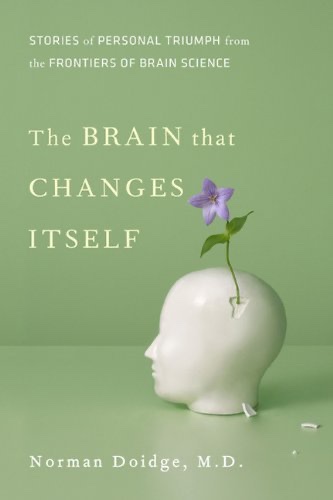 The Brain That Changes Itself: Stories of Personal Triumph from the Frontiers of Brain Science
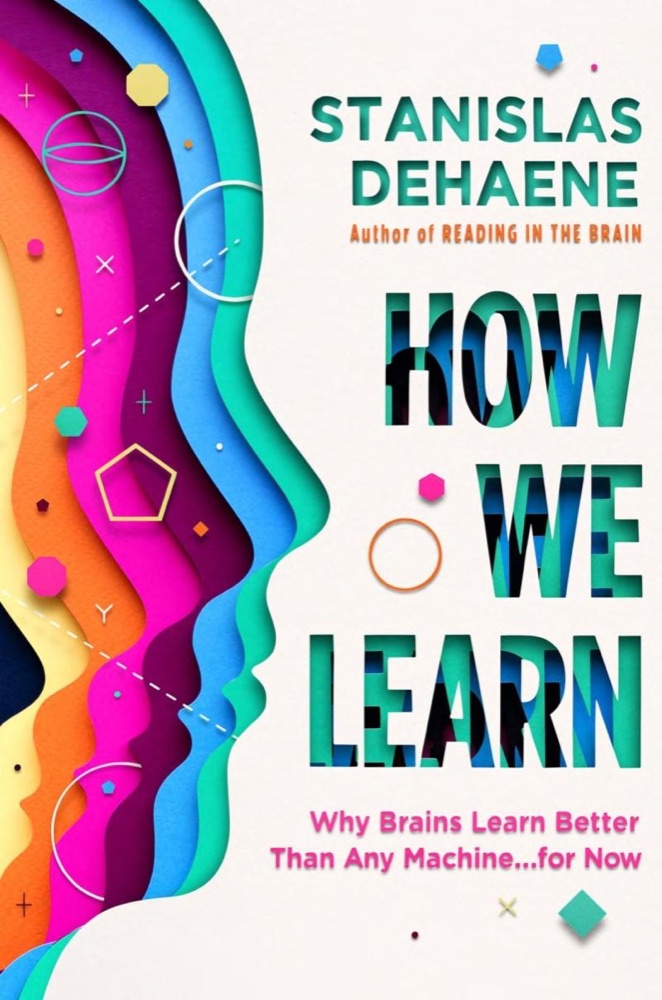 How We Learn: Why Brains Learn Better Than Any Machine . . . for Now
Incognito: The Secret Lives of the Brain
How We Learn: Why Brains Learn Better Than Any Machine . . . for Now
Incognito: The Secret Lives of the Brain
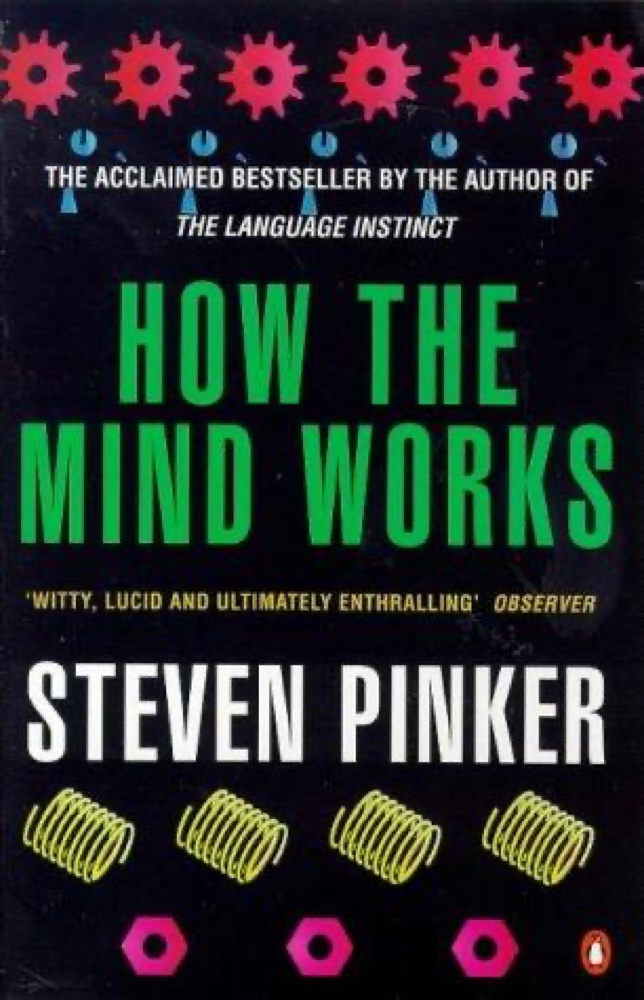 How the Mind Works
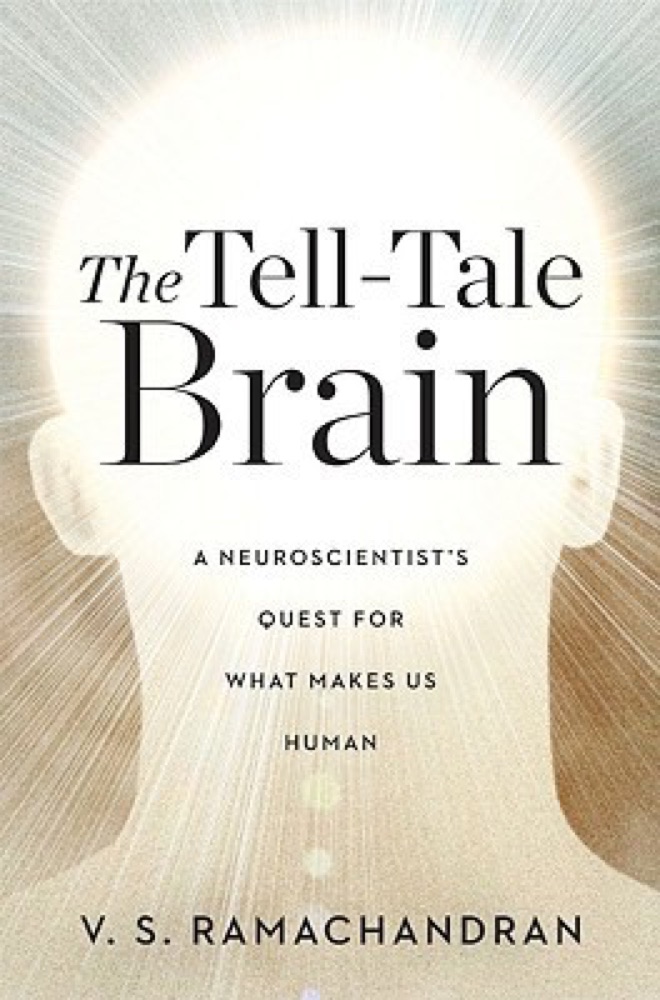 The Tell-Tale Brain: A Neuroscientist's Quest for What Makes Us Human
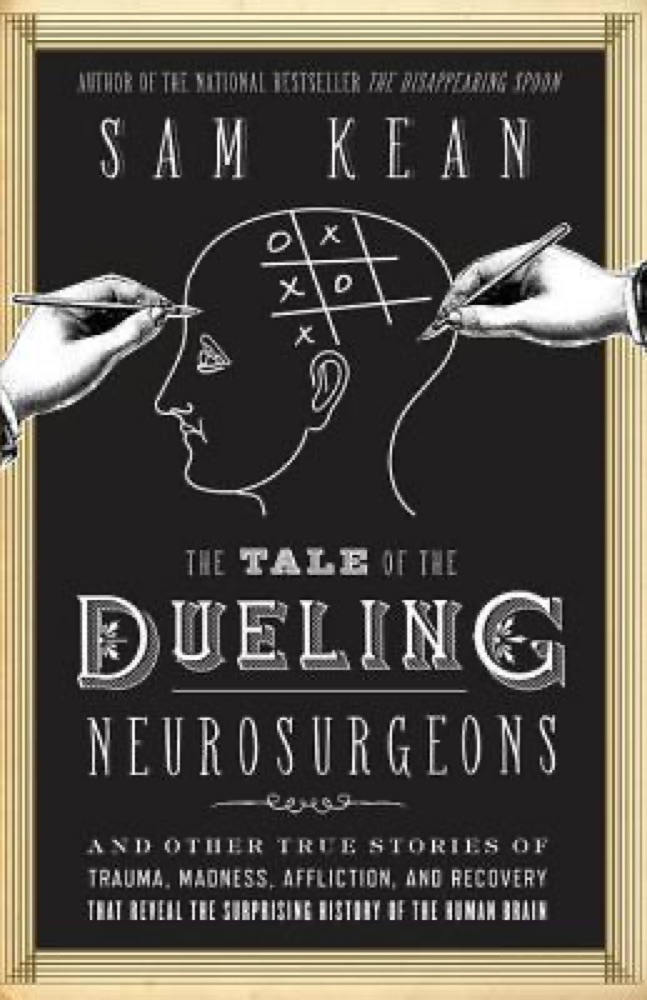 The Tale of the Dueling Neurosurgeons: The History of the Human Brain as Revealed by True Stories of Trauma, Madness, and Recovery
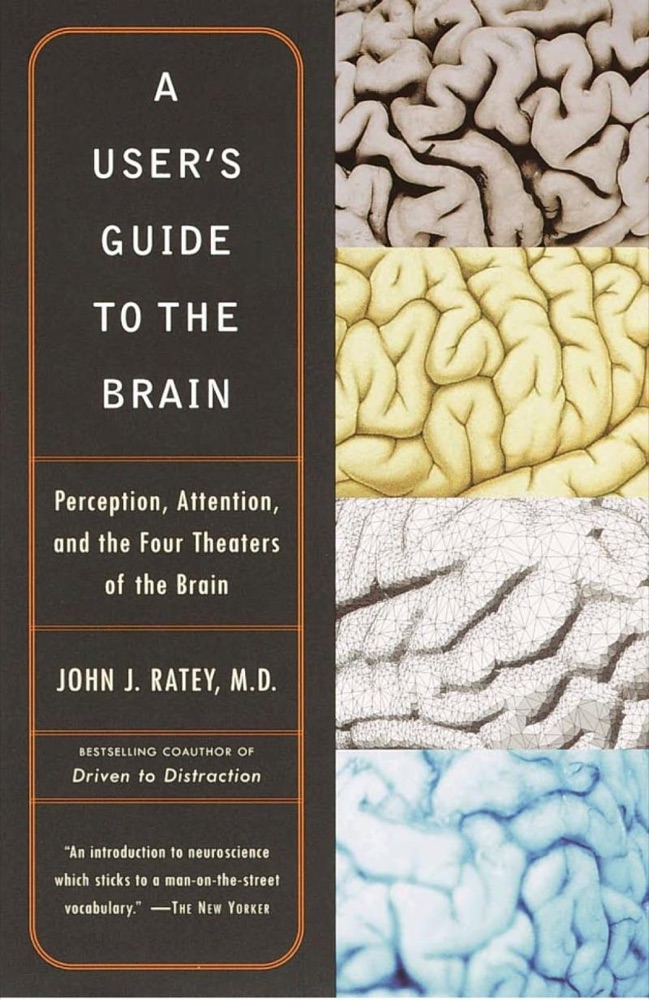 A User's Guide to the Brain: Perception, Attention, and the Four Theaters of the Brain
 The Singularity is Near: When Humans Transcend Biology
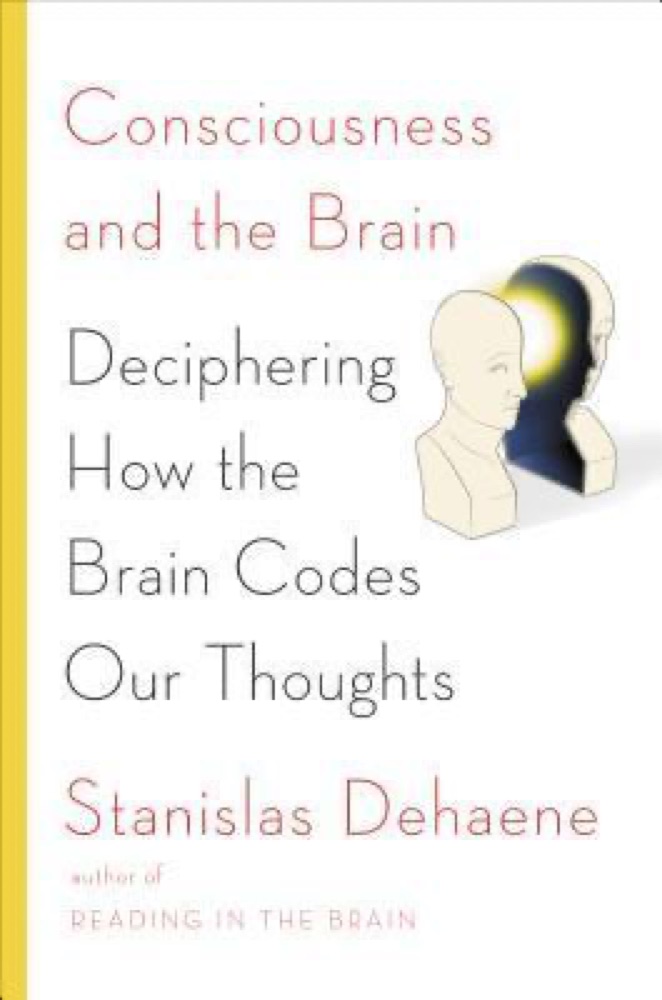 Consciousness and the Brain: Deciphering How the Brain Codes Our Thoughts
 Emotional Design: Why We Love (or Hate) Everyday Things
 Echopraxia
 The Organized Mind: Thinking Straight in the Age of Information Overload
 Behave: The Biology of Humans at Our Best and Worst
 Superintelligence: Paths, Dangers, Strategies
 The Blind Watchmaker: Why the Evidence of Evolution Reveals a Universe Without Design
 Successful Aging: A Neuroscientist Explores the Power and Potential of Our Lives
 How We Decide
 My Stroke of Insight: A Brain Scientist's Personal Journey
 Thinking In Pictures: and Other Reports from My Life with Autism
 Descartes' Error: Emotion, Reason and the Human Brain
 No Self, No Problem: How Neuropsychology Is Catching Up to Buddhism
 Dragons of Eden: Speculations on the Evolution of Human Intelligence
 Evolve Your Brain: The Science of Changing Your Mind
 The Case Against Reality: Why Evolution Hid the Truth from Our Eyes
 Life 3.0: Being Human in the Age of Artificial Intelligence
 From Bacteria to Bach and Back: The Evolution of Minds
 The Future of Humanity: Terraforming Mars, Interstellar Travel, Immortality and Our Destiny Beyond Earth
 The Mountain in the Sea
 The New Drawing on the Right Side of the Brain
 An Anthropologist on Mars
 Blindsight
 Rewire Your Brain: Think Your Way to a Better Life
 What Technology Wants
 Stolen Focus: Why You Can't Pay Attention— and How to Think Deeply Again
 Peak: Secrets from the New Science of Expertise
 How to Change Your Mind: The New Science of Psychedelics
 Mindsight: The New Science of Personal Transformation
 Blink: The Power of Thinking Without Thinking
 A Whole New Mind: Why Right-Brainers Will Rule the Future
 The Lives of a Cell: Notes of a Biology Watcher
 The Master and His Emissary: The Divided Brain and the Making of the Western World
 Understanding Media: The Extensions of Man
 The Social Animal: The Hidden Sources of Love, Character, and Achievement
 This Is Your Brain on Music
 The Song of the Cell: An Exploration of Medicine and the New Human
 The Elephant in the Brain: Hidden Motives in Everyday Life
 Genome
 Are We Smart Enough to Know How Smart Animals Are?
 Wired
Wired
 Physics of the Future: How Science Will Shape Human Destiny and Our Daily Lives by the Year 2100
 The Ego Tunnel: The Science of the Mind and the Myth of the Self
 Gödel, Escher, Bach: An Eternal Golden Braid
 Destination: Void
 Your Inner Fish: A Journey Into the 3.5-Billion-Year History of the Human Body
 The Code Breaker: Jennifer Doudna, Gene Editing, and the Future of the Human Race
 God's Debris: A Thought Experiment
 Zen and the Art of Motorcycle Maintenance
 The Most Human Human: What Talking with Computers Teaches Us About What It Means to Be Alive