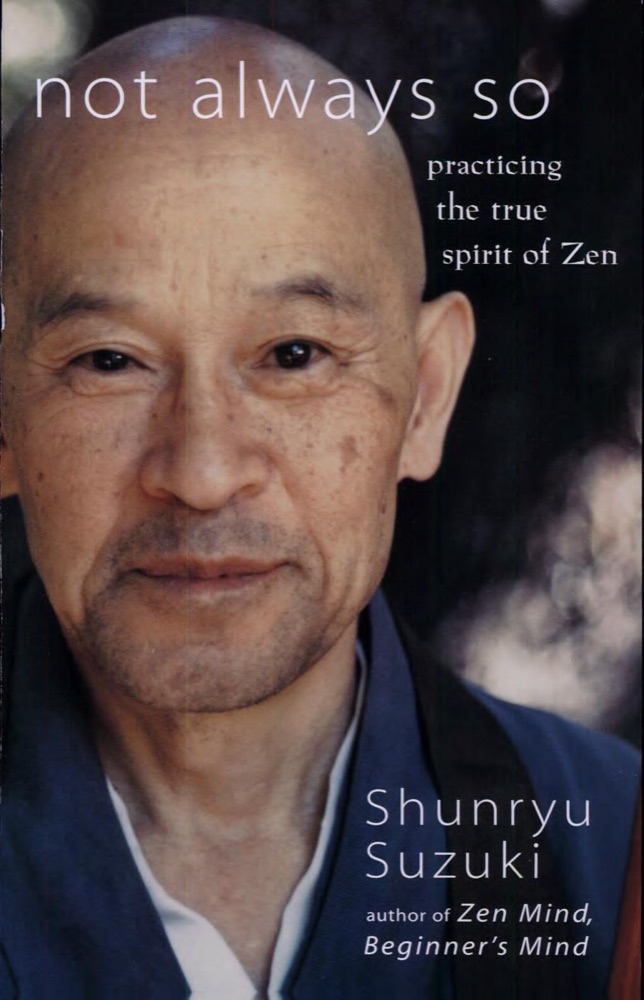
 Not Always So: Practicing the True Spirit of Zen – The Final Teachings of Shunryu Suzuki to Empower Your Freedom
Quotes from the Book
Treat every moment as your last. It is not preparation for something else.
423
In the beginner’s mind there are many possibilities, but in the expert’s there are few
282
Even though you try to put people under control, it is impossible. You cannot do it. The best way to control people is to encourage them to be mischievous. Then they will be in control in a wider sense. To give your sheep or cow a large spacious meadow is the way to control him. So it is with people: first let them do what they want, and watch them. This is the best policy. To ignore them is not good. That is the worst policy. The second worst is trying to control them. The best one is to watch them, just to watch them, without trying to control them.
136
To have some deep feeling about Buddhism is not the point; we just do what we should do, like eating supper and going to bed. This is Buddhism.
91
What we call "I" is just a swinging door which moves when we inhale and when we exhale.
87
We do not exist for the sake of something else. We exist for the sake of ourselves.
76
When something dies is the greatest teaching.
71
Calmness of mind does not mean you should stop your activity. Real calmness should be found in activity itself. We say, "It is easy to have calmness in inactivity, it is hard to have calmness in activity, but calmness in activity is true calmness.
69
The best way is to understand yourself, and then you will understand everything. So when you try hard to make your own way, you will help others, and you will be helped by others. Before you make your own way you cannot help anyone, and no one can help you.
68
When you do something, you should do it with your whole body and mind; you should be concentrated on what you do. You should do it completely, like a good bonfire. You should not be a smoky fire. You should burn yourself completely. If you do not burn yourself completely, a trace of yourself will be left in what you do.
67
While you are continuing this practice, week after week, year after year, your experience will become deeper and deeper, and your experience will cover everything you do in your everyday life. The most important thing is to forget all gain ing ideas, all dualistic ideas. In other words, just practice zazen in a certain posture. Do not think about anything. Just remain on your cushion without expecting anything. Then eventually you will resume your own true nature. That is to say, your own true nature resumes itself.
59
Emotionally we have many problems, but these problems are not actual problems; they are something created; they are problems pointed out by our self-centered ideas or views.
52
In the zazen posture, your mind and body have, great power to accept things as they are, whether agreeable or disagreeable. In our scriptures (Samyuktagama Sutra, volume 33), it is said that there are four kinds of horses: excellent ones, good ones, poor ones, and bad ones. The best horse will run slow and fast, right and left, at the driver's will, before it sees the shadow of the whip; the second best will run as well as the first one does, just before the whip reaches its skin; the third one will run when it feels pain on its body; the fourth will run after the pain penetrates to the marrow of its bones. You can imagine how difficult it is for the fourth one to learn how to run!
43
The true purpose [of Zen] is to see things as they are, to observe things as they are, and to let everything go as it goes... Zen practice is to open up our small mind.
35
Time goes from present to past.
35
When you listen to someone, you should give up all your preconceived ideas and your subjective opinions; you should just listen to him, just observe what his way is. We put very little emphasis on right and wrong or good and bad. We just see things as they are with him, and accept them. This is how we communicate with each other. Usually when you listen to some statement, you hear it as a kind of echo of yourself. You are actually listening to your own opinion. If it agrees with your opinion you may accept it, but if it does not, you will reject it or you may not even really hear it.
33
We should not hoard knowledge; we should be free from our knowledge.
32
The person who can freely acknowledge that life is full of difficulties can be free, because they are acknowledging the nature of life - that it can't be much else.
29
Now it is raining, but we don't know what will happen in the next moment. By the time we go out it may be a beautiful day, or a stormy day. Since we don't know, let's appreciate the sound of the rain now.
28
Zen is not some fancy, special art of living. Our teaching is just to live, always in reality, in its exact sense. To make our effort, moment after moment, is our way. In an exact sense, the only thing we actually can study in our life is that on which we are working in each moment. We cannot even study Buddha’s words.” - “So we should be concentrated with our full mind and body on what we do; and we should be faithful, subjectively and objectively, to ourselves, and especially to our feelings. Even when you do not feel so well, it is better to express how you feel without any particular attachment or intention. So you may say, “Oh, I am sorry, I do not feel well.
26
The goal of practice is always to keep our beginner’s mind.
25
Waves are the practice of the water.
23
But as long as you think, "I am doing this," or "I have to do this," or "I must attain something special," you are actually not doing anything... when you do not try to do anything special, then you do something. When there is no gaining idea in what you do, then you do something.
21
There is no connection between I myself yesterday and I myself in this moment
18
The best way to control people is to encourage them to be mischievous.
17
When we have our body and mind in order, everything else will exist in the right place, in the right way.
16
We should not attach to some fancy ideas or to some beautiful things. We should not seek for something good. The truth is always near at hand, within your reach.
15
If your mind is empty, it is always ready for anything; it is open to everything. In the beginner’s mind there are many possibilities; in the expert’s mind there are few.
13
Watch on YouTube
About Shunryu Suzuki
We have collected 35 quotes from 2 books by Shunryu Suzuki on BookQuoters.
More about the author →More by Shunryu Suzuki
Not Always So: Practicing the True Spirit of Zen – The Final Teachings of Shunryu Suzuki to Empower Your Freedom
About the book
“In the beginner’s mind there are many possibilities, but in the expert’s there are few.” So begins this most beloved of all American Zen books. Seldom has such a small handful of words provided a teaching as rich as has this famous opening line. In a single stroke, the simple sentence cuts through the pervasive tendency students have of getting so close to Zen as to completely miss what it’s all about. An instant teaching on the first page. And that’s just the beginning.In the forty years since its original publication, Zen Mind, Beginner’s Mind has become one of the great modern Zen classics, much beloved, much reread, and much recommended as the best first book to read on Zen. Suzuki Roshi presents the basics—from the details of posture and breathing in zazen to the perception of nonduality—in a way that is not only remarkably clear, but that also resonates with the joy of insight fro
Book details
- First published
- 1970
- Author
- Shunryu Suzuki
- Genre
- Philosophy
- Goodreads rating
- 4.21 (51k ratings)
Keep reading
 Everyday Zen: Love & Work
 Buddhism Plain & Simple: The Practice of Being Aware, Right Now, Every Day
 The Miracle of Mindfulness: An Introduction to the Practice of Meditation
 Change Your Thoughts - Change Your Life: Living the Wisdom of the Tao
 The Wisdom of No Escape: How to Love Yourself and Your World
 Nothing Special: A Zen Buddhist Guide to Awakening Through Daily Life's Feelings, Relationships, and Work
 Be Water, My Friend: The Teachings of Bruce Lee
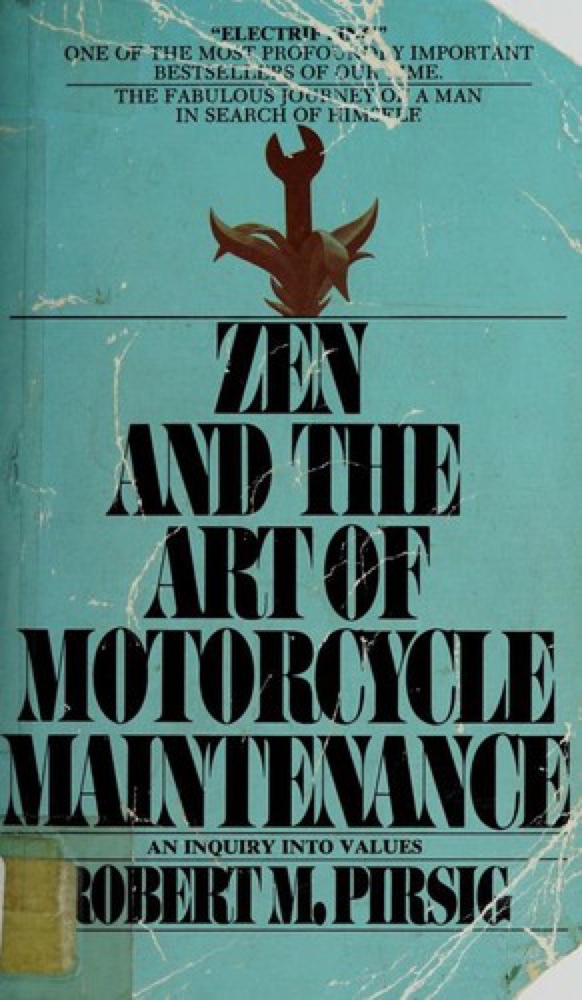 Zen and the Art of Motorcycle Maintenance
 The Art of Power
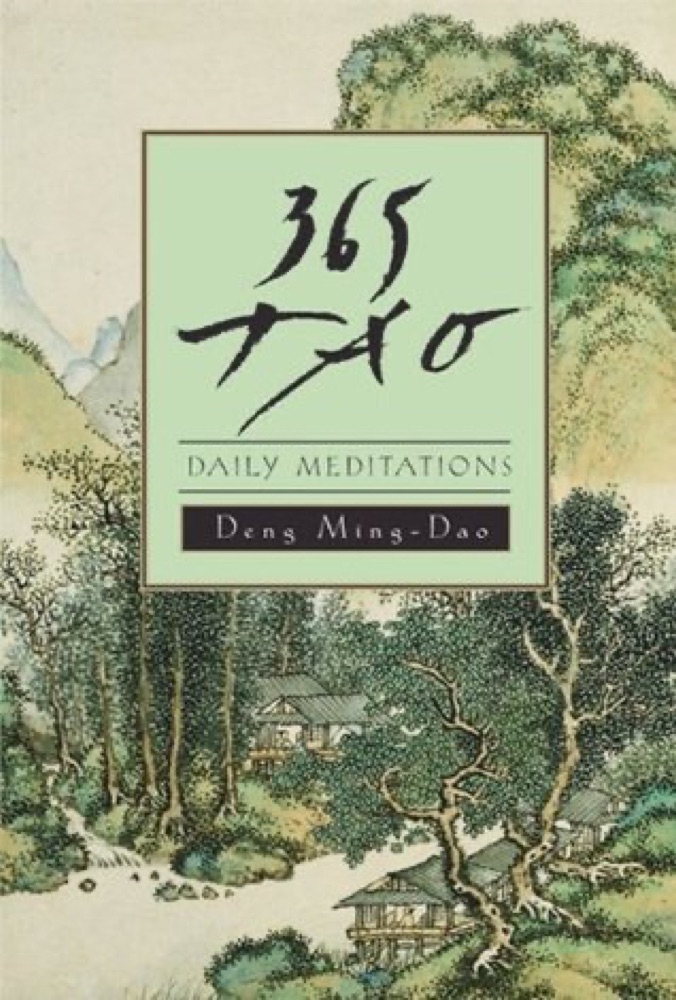 365 Tao: A Study of Taoist Wisdom for Daily Life
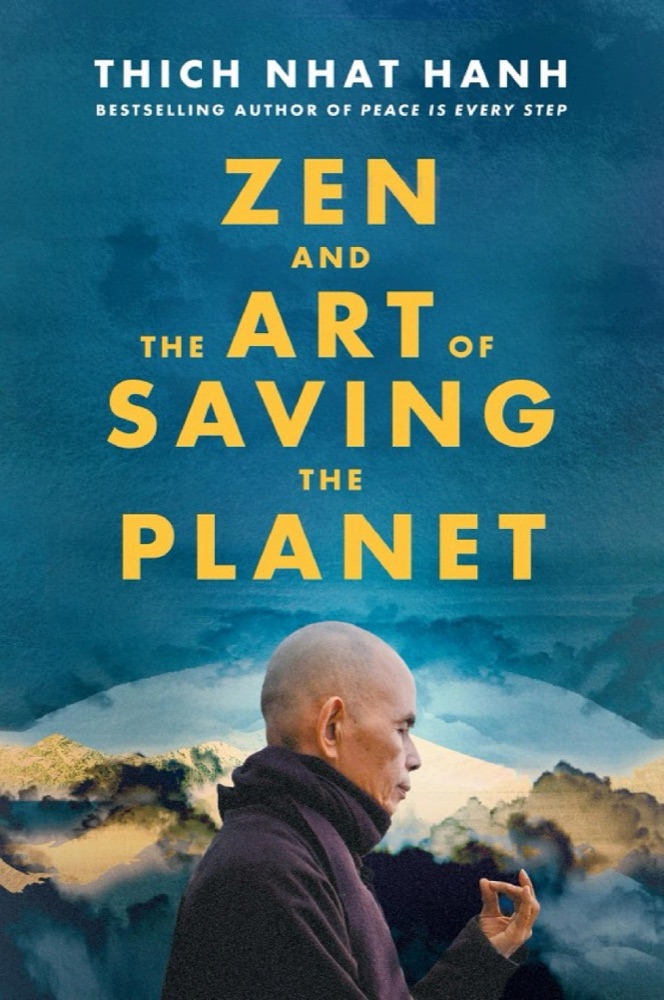 Zen and the Art of Saving the Planet
 Striking Thoughts: Bruce Lee's Wisdom for Daily Living
Not Always So: Practicing the True Spirit of Zen – The Final Teachings of Shunryu Suzuki to Empower Your Freedom
Striking Thoughts: Bruce Lee's Wisdom for Daily Living
Not Always So: Practicing the True Spirit of Zen – The Final Teachings of Shunryu Suzuki to Empower Your Freedom
 The Way of Zen
 The Tibetan Book of Living and Dying
 Awakening the Buddha Within
 Way of the Peaceful Warrior: A Book That Changes Lives
 Wherever You Go, There You Are: Mindfulness Meditation in Everyday Life
 Mindfulness in Plain English
 The Joy of Living: Unlocking the Secret and Science of Happiness
 The Yoga Sutras of Pantanjali
 Meditation for Beginners
 Meditation
 Living Beautifully with Uncertainty and Change
 Tao of Jeet Kune Do
 Waking Up: A Guide to Spirituality Without Religion
 The Power of Now: A Guide to Spiritual Enlightenment
 The Book of Secrets
 Full Catastrophe Living: Using the Wisdom of Your Body and Mind to Face Stress, Pain, and Illness
 The Pocket Pema Chodron
 How to Stop Worrying and Start Living
 Buddhist Boot Camp
 Mastery
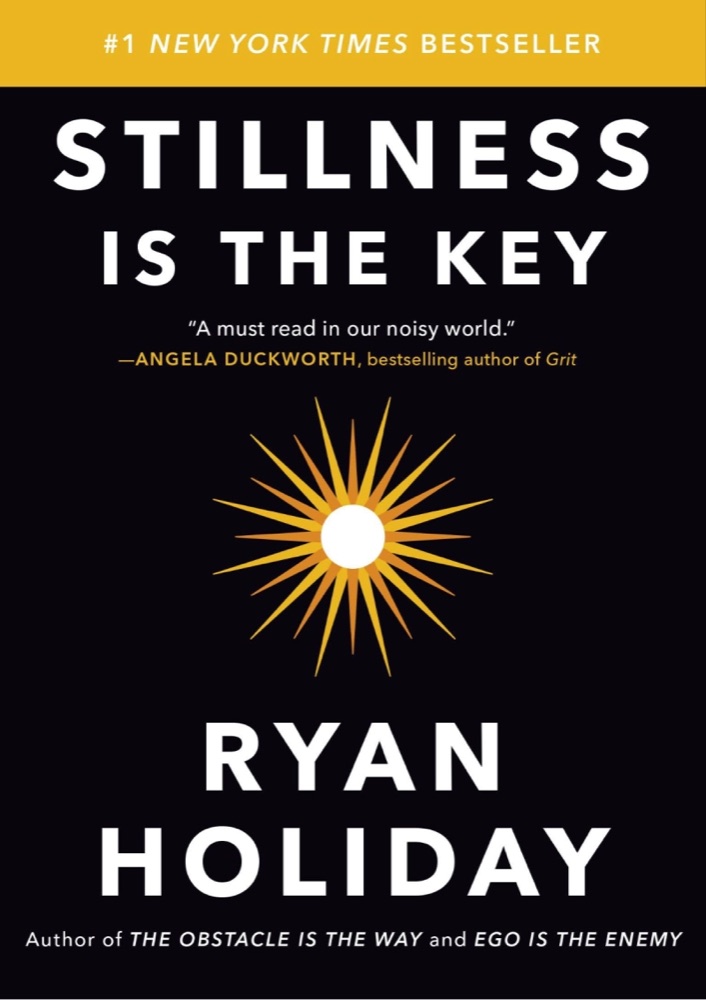 Stillness Is the Key
 The Practicing Mind: Bringing Discipline and Focus into Your Life
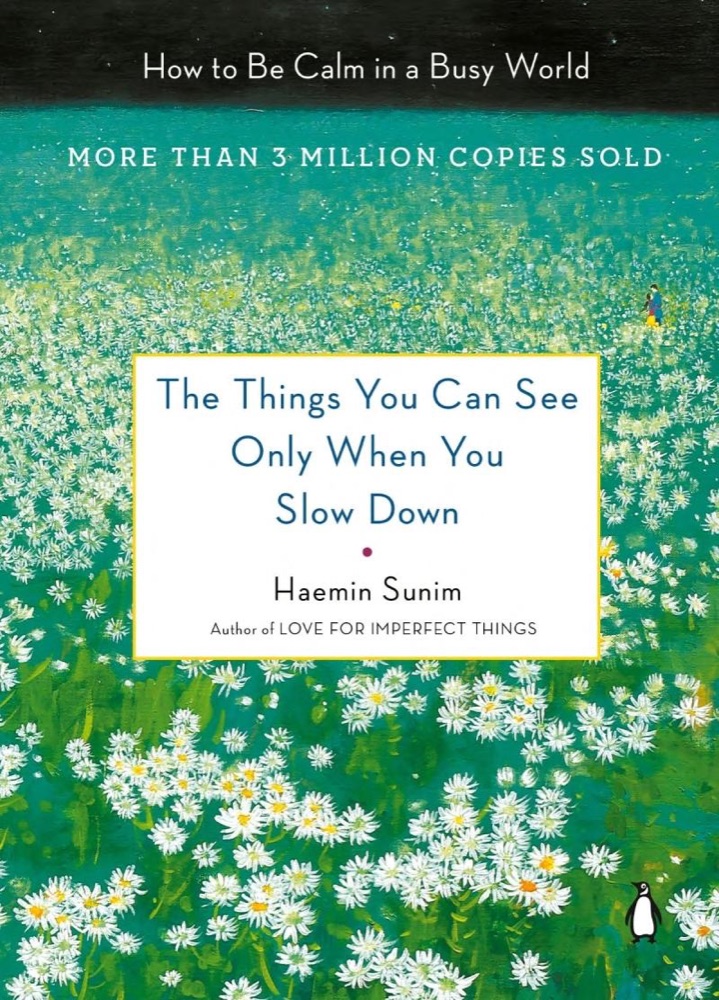 The Things You Can See Only When You Slow Down: How to Be Calm in a Busy World
 The Dalai Lama's Cat and the Power of Meow
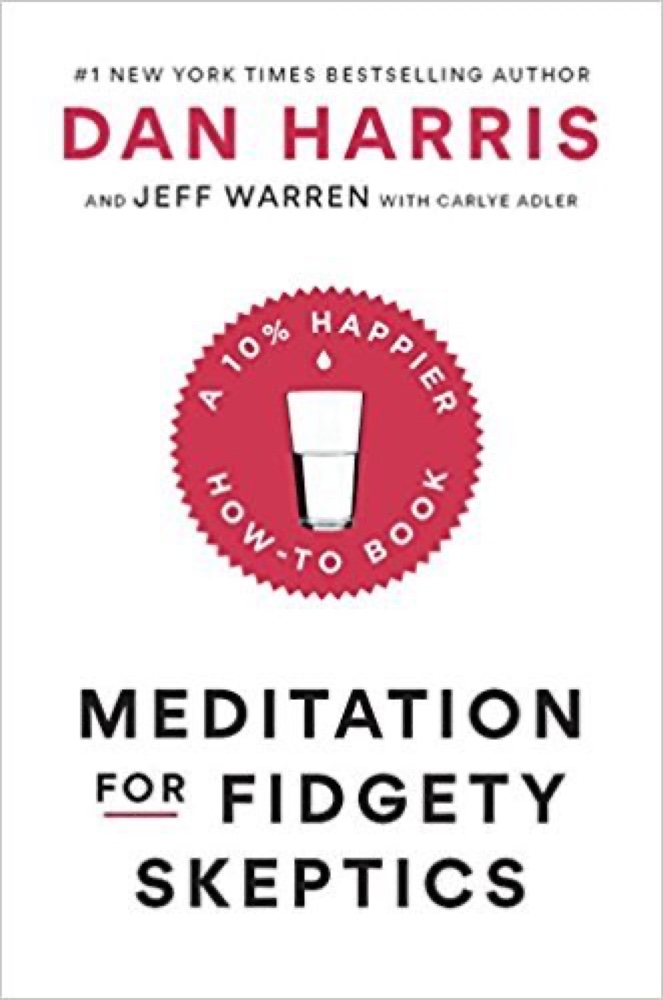 Meditation for Fidgety Skeptics: A 10% Happier How-To Book
 The Book of Wisdom
 The Daily Laws: 366 Meditations
 The Book of Secrets: Unlocking the Hidden Dimensions of Your Life
 Practicing the Power of Now: Essential Teachings, Meditations, and Exercises from the Power of Now
 Total Freedom: The Essential Krishnamurti
 The Tao of Pooh
 The Dude and the Zen Master
 The Daily Stoic: 366 Meditations on Wisdom, Perseverance, and the Art of Living
 The Wise Heart: A Guide to the Universal Teachings of Buddhist Psychology
 The Yoga Sutras of Patanjali
 The Art of Living: The Classical Manual on Virtue, Happiness and Effectiveness
 The Book of Chuang Tzu
 Hardcore Zen: Punk Rock, Monster Movies and the Truth about Reality
 Real Happiness: A 28-Day Program to Realize the Power of Meditation
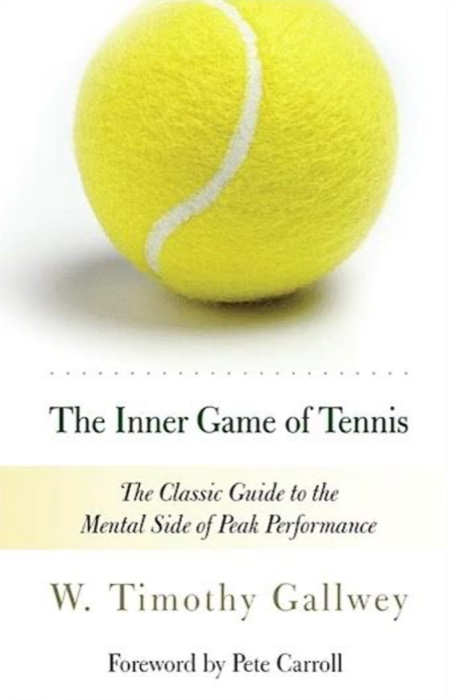 The Inner Game of Tennis: The Classic Guide to the Mental Side of Peak Performance
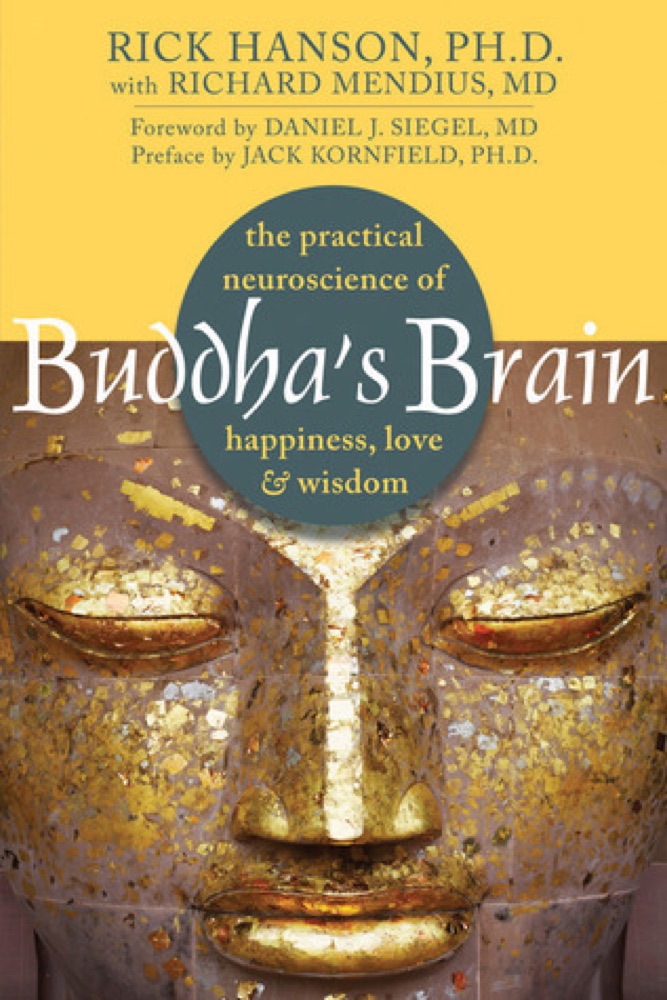 Buddha's Brain: The Practical Neuroscience of Happiness, Love, and Wisdom
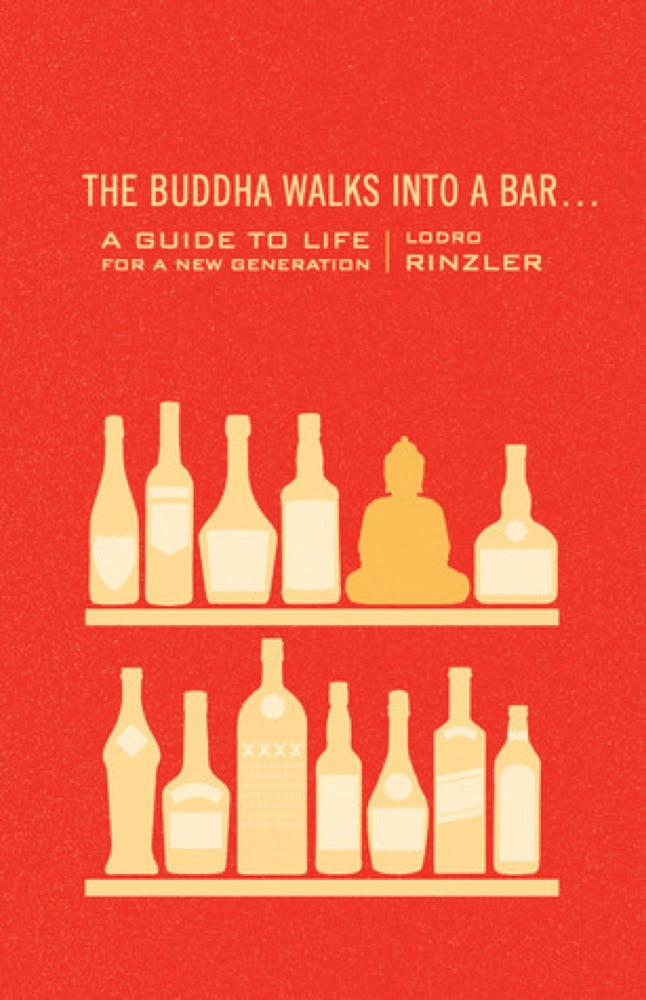 The Buddha Walks into a Bar . . .: A Guide to Life for a New Generation
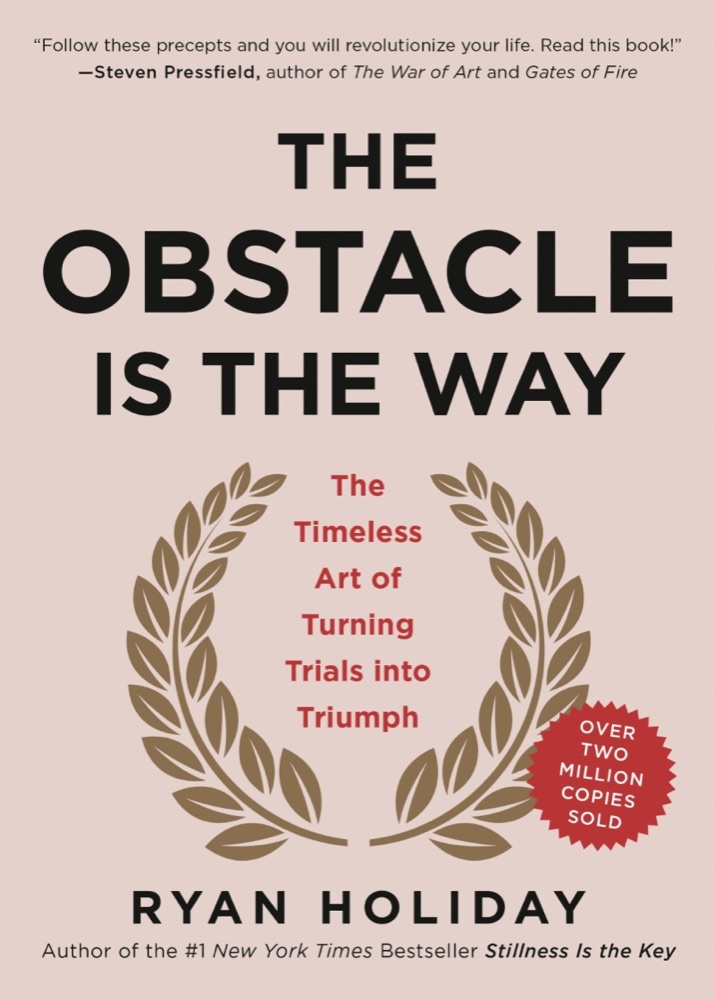 The Obstacle Is the Way: The Timeless Art of Turning Trials into Triumph
 You Can Heal Your Life