
 Why Has Nobody Told Me This Before?
Quotes from the Book
In mountaineering, if you’re stuck in a bad situation and you don’t know the right way out, you just have to pick a direction and go. It doesn’t have to be the best direction; there may not even be a best direction. You certainly don’t have enough information to know for sure. So if you start down a path and end up at a cliff, you’ll just have to pick another direction from there. Because guess what? In a dire situation, you can’t be certain of the right path; what you do know is that if you sit there and do nothing, you’re screwed.
18
Be as patient and kind with yourself as you would be with a cute little puppy that you’re trying to house-train. Stressing the puppy out will only make it pee on the floor.
11
For the first thirty years of your life you make your habits. For the last thirty years of your life, your habits make you.
10
Worrying is often triggered by wanting to make the perfect choice or by trying to maximize everything. When buying a used car, you want one that is cheap, reliable, safe, sexy, the right color, and fuel efficient. Unfortunately, no single option is likely to be the best in all those dimensions. If you try to have the best of everything, you’re likely to be paralyzed by indecision or dissatisfied with your choice. In fact, this kind of “maximizing” has been proven to increase depression.
10
Focusing on the present helps reduce anxiety and worry,
8
You can change dopamine and the dorsal striatum with exercise. You can boost serotonin with a massage. You can make decisions and set goals to activate the ventromedial prefrontal cortex. You can reduce amygdala activity with a hug and increase anterior cingulate activity with gratitude. You can enhance prefrontal norepinephrine with sleep.
7
Go for good enough. Worrying is often triggered by wanting to make the perfect choice or by trying to maximize everything. When buying a used car, you want one that is cheap, reliable, safe, sexy, the right color, and fuel efficient. Unfortunately, no single option is likely to be the best in all those dimensions. If you try to have the best of everything, you’re likely to be paralyzed by indecision or dissatisfied with your choice. In fact, this kind of “maximizing” has been proven to increase depression. So don’t try to make the most amazing dinner; start out by just making a good dinner. Don’t try to be the perfect parent; just be a good one. Don’t try to be your happiest; just be happy.
7
Improving your ability to stay present, a practice known as “mindfulness,” helps enhance these activations and leads to long-term improvements in anxiety and worrying.
7
Gratitude Improves Activity in Dopamine Circuits. The benefits of gratitude start with the dopamine system, because feeling grateful activates the brain stem region that produces dopamine. Additionally, gratitude toward others increases activity in social dopamine circuits, which makes social interactions more enjoyable. Keep a gratitude journal. Take a few minutes every day to write down three things you’re grateful for. To make it a better habit, try doing it at the same time every day. If you can’t think of three things, just write one. If you can’t think of even one thing, just write, “I’m grateful for the food I ate today” or “I’m grateful for the clothes I’m wearing.” Even if a situation is 90 percent what you don’t want, you can still be grateful for the other 10 percent.
4
Go out in the sunlight. Bright sunlight helps boost the production of serotonin. It also improves the release of melatonin, which helps you get a better night’s sleep. So if you’re stuck inside, make an effort to go outside for at least a few minutes in the middle of the day. Go for a walk, listen to some music, or just soak in the sun.
4
Shift your focus to what’s occurring right now. This is why Buddhist monks and yogis practice nonjudgmental awareness—the process of being aware of the present, without attaching emotional reactivity to it. This mindfulness practice cuts off worry and anxiety at the source.
4
Each electrical pulse—and resulting squirt of neurotransmitter—is not an order commanding the next neuron’s actions; it is more like a vote on what the next neuron should do. The whole pattern of activity is like a presidential election. Everyone votes on who the president should be, and depending on those votes, the country veers off in one direction or another. If you can change the number of votes in a few key swing states by only a few percentage points, you can dramatically change the course of the country. The same is true of the brain. By changing the firing rate of neurons in a few key regions, you can influence the pattern of activity in the entire brain.
4
Acceptance, on the other hand, teaches that how you feel is simply how you feel. It’s neither good nor bad. It just is. And interestingly, when you’re stewing in negative emotions, accepting them often helps them dissipate, like an early morning mist beneath a ray of sun.
3
Unfortunately, people with depression tend to create nebulous goals that are poorly defined, which makes progress and achievement difficult.
3
Making a decision, even a tiny decision, starts shedding light on ways to improve your life.
3
Massage reduces pain because the oxytocin system activates painkilling endorphins. Massage also improves sleep and reduces fatigue by increasing serotonin and dopamine and decreasing the stress hormone cortisol. So if you’re feeling out of sorts, get a massage. You’ll be actively triggering the neurotransmitter systems that work to make you happier.
2
Exercise beforehand. Walk up and down the stairs twice. Do ten sit-ups. Jog around the block. You were going to have the reward anyway, so just insert a little activity into your inactivity. And when you feel that you earned that television show or that ice cream, it’s even more enjoyable.
2
In a commencement address in 2012, author and graphic novelist Neil Gaiman made the keen observation that “if you’re making mistakes, it means you’re out there doing something.
2
The big problem with the downward spiral of depression is that it doesn’t just get you down, it keeps you down. Depression is a very stable state—your brain tends to think and act in ways that keep you depressed.
2
People often think depression is just being sad all the time, but it’s far more than that. In fact, people with depression do not necessarily feel sad—they often feel numb, like an emptiness where emotion should be. Hopeless and helpless.
2
Notice what you notice. You can’t control the random bits of information that pop into your head. But you can start to notice your biases. When you get annoyed that you’re stuck at a red light think, Oh, that’s interesting. I noticed this red light, but I didn’t notice the last green light I made. In short, try practicing nonjudgmental awareness. Nonjudgmental awareness is a form of mindfulness that simply means noticing without reacting emotionally, even when things don’t turn out as you expected. Awareness does not require emotion, because emotion and awareness are mediated by different brain regions. Noticing a mistake might automatically trigger the emotional amygdala, but becoming aware of your own reaction activates the prefrontal cortex, which calms the amygdala.
2
Stay in the now. Pay attention to the things that are happening now, and don’t pay attention to the things that aren’t happening now. Focusing on the present helps reduce anxiety and worry, because it decreases emotional, self-focused processing in the ventromedial prefrontal cortex. Attention to the present also increases dorsolateral and ventrolateral prefrontal activity, allowing these regions to calm the amygdala.15 Improving your ability to stay present, a practice known as “mindfulness,” helps enhance these activations and leads to long-term improvements in anxiety and worrying.
2
My life has been full of terrible misfortunes, most of which never happened.
2
In particular, aerobic exercises, like running and biking, are best at boosting serotonin. Interestingly, if you try to do too much exercise or feel forced to do it, it may not have the right effect.
2
Fear is a response to actual danger that is right here, right now, while anxiety is concern for events that only might happen—events
2
Similarly, expressing gratitude activates serotonin production, which improves your mood and allows you to overcome bad habits, giving you more to be grateful for.
2
A million years ago, some early human looked at a cave and said, “I think I’ll go check it out.” His friend was a little more anxious and grunted back, “Not sure that’s such a good idea.” And guess what? The first guy got eaten by a bear and the second guy is your ancestor.
2
That can also include feeling fatigued and unmotivated. These bad habits are primarily caused by disrupted activity in the striatum, which is an ancient subcortical region deep below the surface that we inherited from the dinosaurs.
2
Everything is interconnected. Gratitude improves sleep. Sleep reduces pain. Reduced pain improves your mood. Improved mood reduces anxiety, which improves focus and planning. Focus and planning help with decision making. Decision making further reduces anxiety and improves enjoyment. Enjoyment gives you more to be grateful for, which keeps that loop of the upward spiral going. Enjoyment also makes it more likely you’ll exercise and be social, which, in turn, will make you happier.
1
In fact, while most people were worried that talking with a stranger would be unpleasant, after doing so, they actually had a happier commute.
1
Watch on YouTube
About Alex Korb
We have collected 30 quotes from 1 book by Alex Korb on BookQuoters.
More about the author →About the book
Depression can feel like a downward spiral, pulling you down into a vortex of sadness, fatigue, and apathy. Based in the latest research in neuroscience, this audiobook offers dozens of little things you can do every day to rewire your brain and create an upward spiral towards a happier, healthier life.
Depression doesn't happen all at once. It starts gradually and builds momentum over time. If you go through a difficult experience, you may stop taking care of yourself. You may stop exercising and eating healthy, which will end up making you feel even worse as time goes on. You are caught in a downward spiral, but you may feel too tired, too overwhelmed, and too scared to try and pull yourself back up. The good news is that just one small step can be a step in the right direction.
In The Upward Spiral, neuroscientist Alex Korb demystifies the neurological processes in the brain tha
Book details
- First published
- 2015
- Author
- Alex Korb
- Genre
- Nonfiction
- Goodreads rating
- 4.25 (7k ratings)
Keep reading
Why Has Nobody Told Me This Before?
 Why Zebras Don't Get Ulcers
 First, We Make the Beast Beautiful: A New Story About Anxiety
 Burnout: The Secret to Unlocking the Stress Cycle
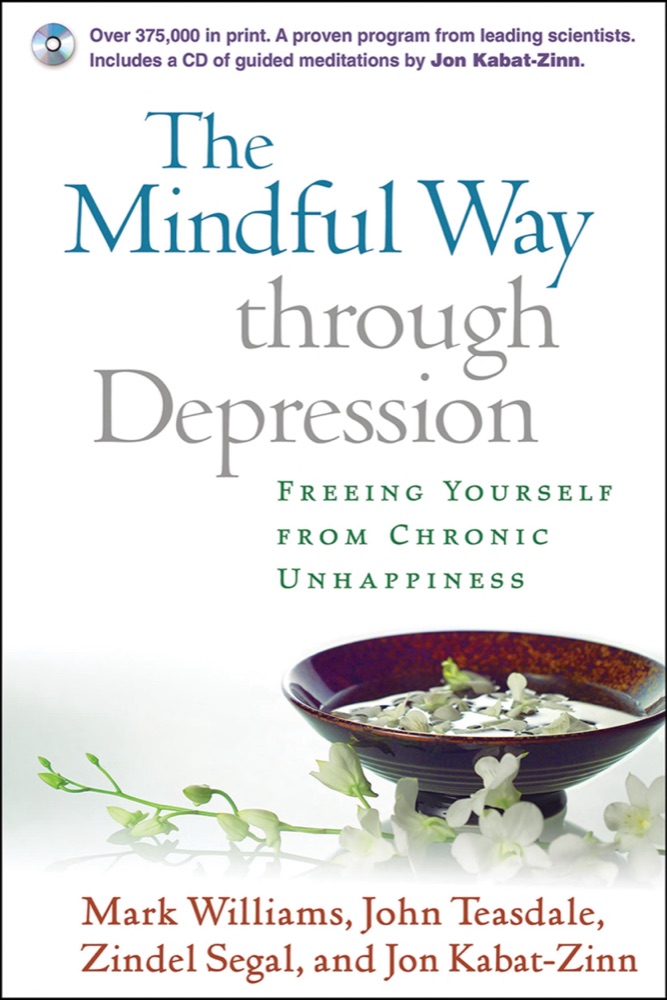 The Mindful Way through Depression: Freeing Yourself from Chronic Unhappiness
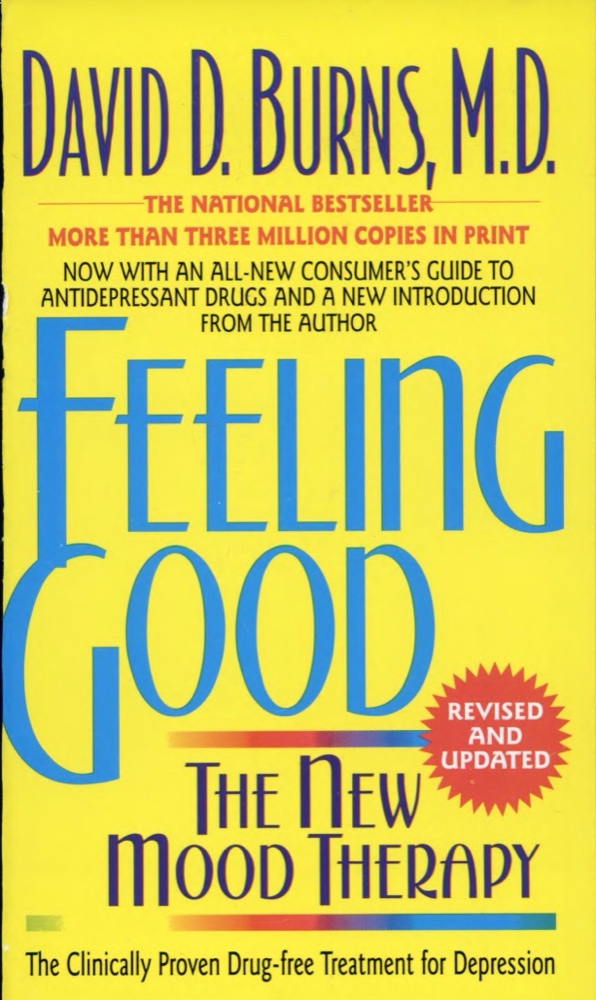 Feeling Good: The New Mood Therapy
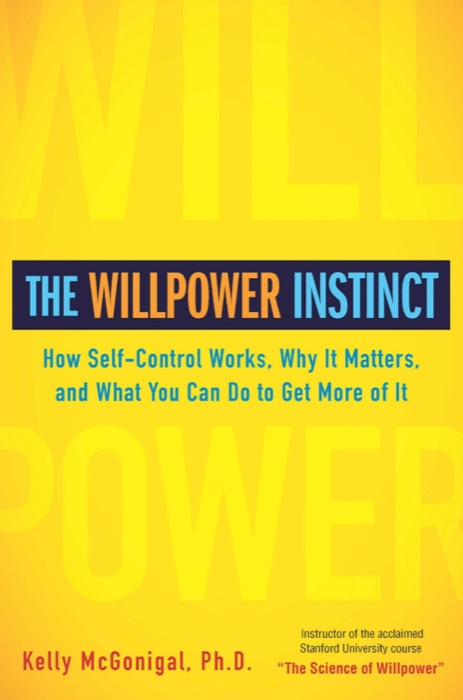 The Willpower Instinct: How Self-Control Works, Why It Matters, and What You Can Do to Get More of It
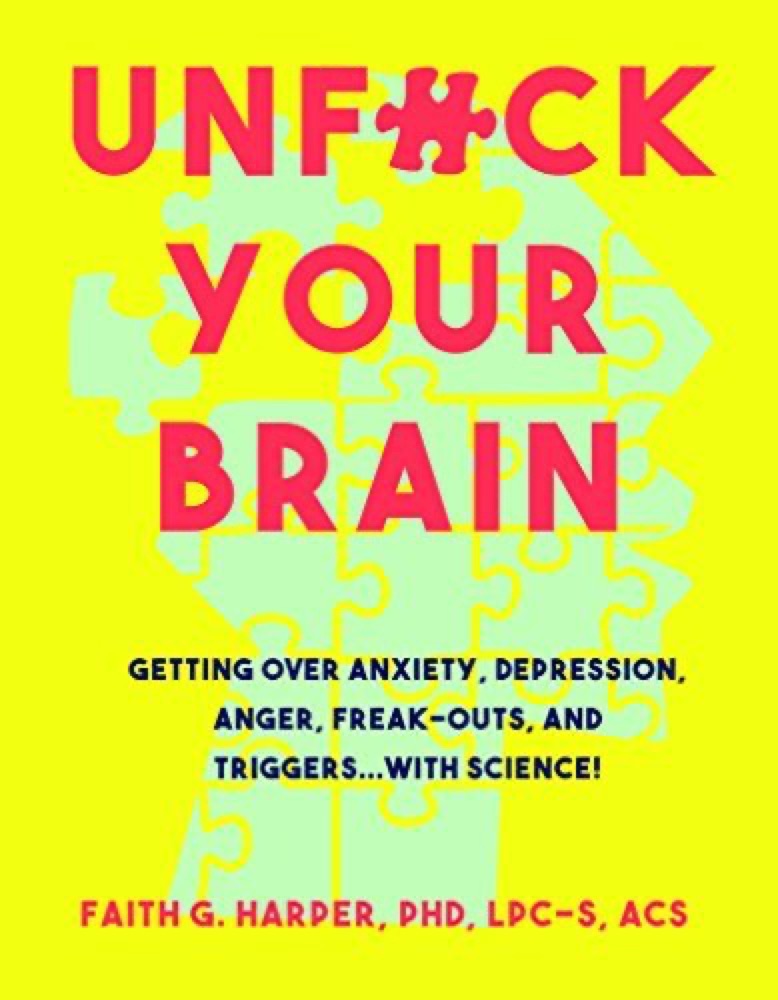 Unfuck Your Brain: Using Science to Get Over Anxiety, Depression, Anger, Freak-Outs, and Triggers
 Monkey Mind: A Memoir of Anxiety
 Successful Aging: A Neuroscientist Explores the Power and Potential of Our Lives
 Meditation for Fidgety Skeptics: A 10% Happier How-To Book
 The Mountain Is You: Transforming Self-Sabotage Into Self-Mastery
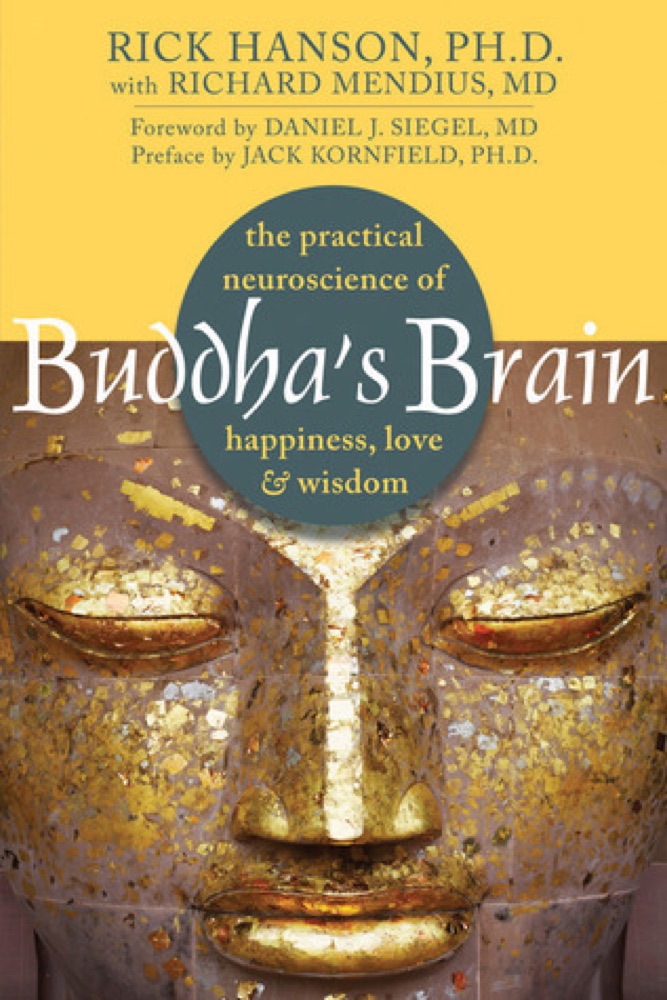 Buddha's Brain: The Practical Neuroscience of Happiness, Love, and Wisdom
 Hardcore Self Help: F**k Anxiety
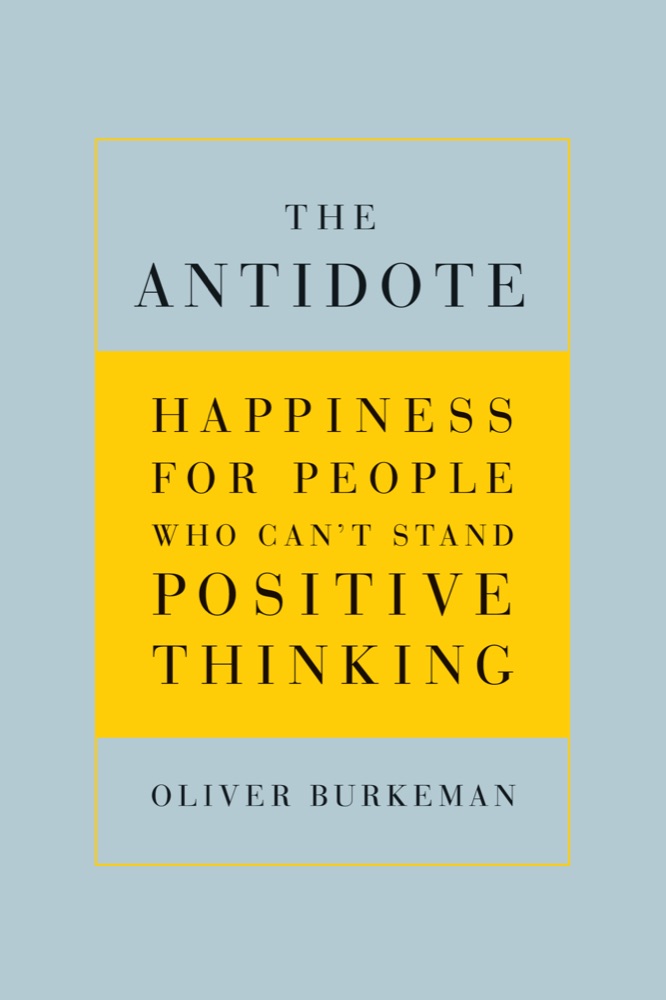 The Antidote: Happiness for People Who Can't Stand Positive Thinking
 Rewire Your Brain: Think Your Way to a Better Life
 How to Stay Sane
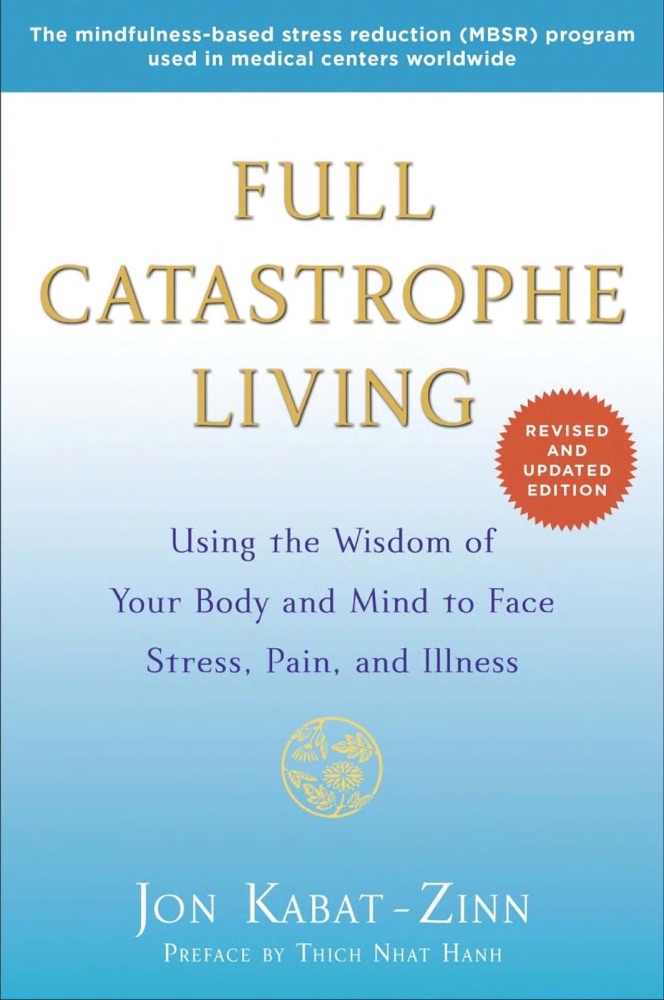 Full Catastrophe Living: Using the Wisdom of Your Body and Mind to Face Stress, Pain, and Illness
 Becoming Supernatural: How Common People are Doing the Uncommon
 Dopamine Nation: Finding Balance in the Age of Indulgence
 Letting Go: The Pathway To Surrender
 A User's Guide to the Brain: Perception, Attention, and the Four Theaters of the Brain
 Real Happiness: A 28-Day Program to Realize the Power of Meditation
 When the Body Says No: The Cost of Hidden Stress
 It's Not Always Depression: Working the Change Triangle to Listen to the Body, Discover Core Emotions, and Connect to Your Authentic Self
 Your Erroneous Zones: Step-By-Step Advice for Escaping the Trap of Negative Thinking and Taking Control of Your Life
 Breaking the Habit of Being Yourself: How to Lose Your Mind and Create a New One
 Life Reimagined: The Science, Art, and Opportunity of Midlife
 The Worry Trick: How Your Brain Tricks You Into Expecting the Worst and What You Can Do About It
 Notes on a Nervous Planet
 Behave: The Biology of Humans at Our Best and Worst
 How to Relax
 Scarcity Brain: Fix Your Craving Mindset and Rewire Your Habits to Thrive with Enough
 The How of Happiness: A Scientific Approach to Getting the Life You Want
 I've never been (Un)happier
 Reasons to Stay Alive
 The Happiness Advantage: The Seven Principles of Positive Psychology That Fuel Success and Performance at Work
 The Noonday Demon: An Atlas of Depression
 Good Reasons for Bad Feelings: Insights from the Frontier of Evolutionary Psychiatry
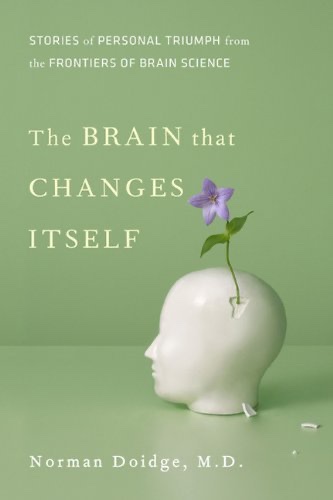 The Brain That Changes Itself: Stories of Personal Triumph from the Frontiers of Brain Science
 You Are the Placebo: Making Your Mind Matter
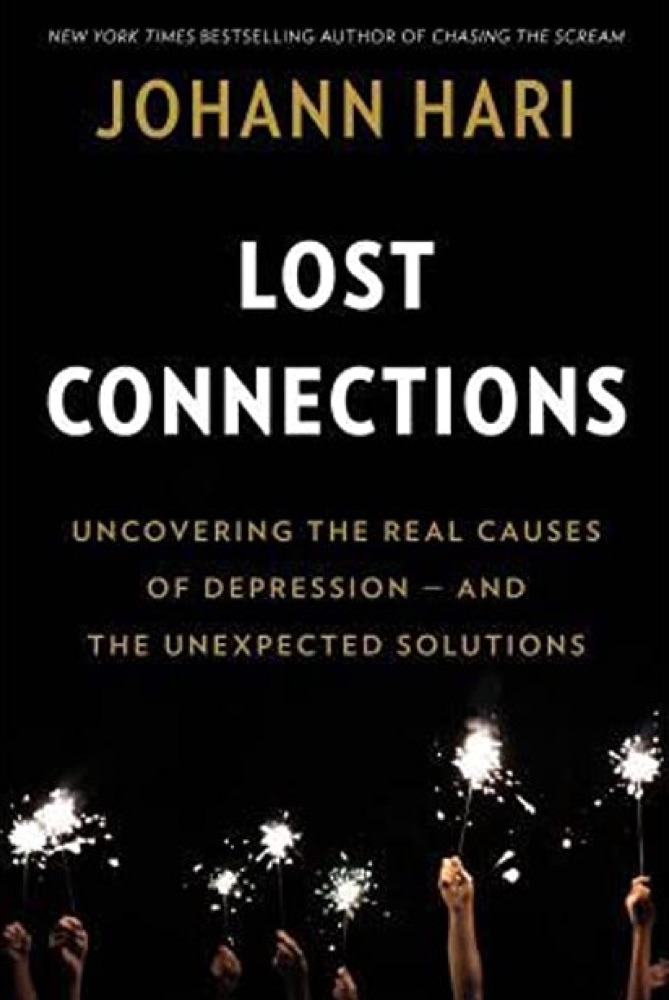 Lost Connections: Uncovering the Real Causes of Depression - and the Unexpected Solutions
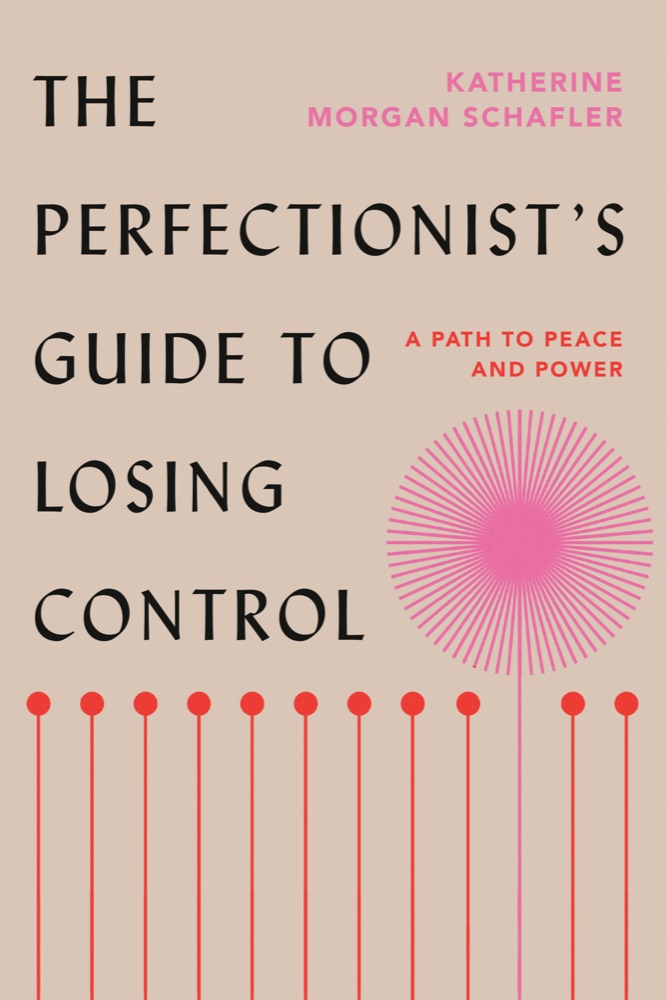 The Perfectionist's Guide to Losing Control: A Path to Peace and Power
 Mindfulness in Plain English
 Good Morning, Monster: A Therapist Shares Five Heroic Stories of Emotional Recovery
 The Bullet Journal Method: Track Your Past, Order Your Present, Plan Your Future
 The Happiness Hypothesis: Finding Modern Truth in Ancient Wisdom
 Build the Life You Want: The Art and Science of Getting Happier
 Tribe Of Mentors: Transformative Wisdom From Icons and Innovators to Help You Navigate Life's Challenges
 When Things Fall Apart: Heart Advice for Difficult Times
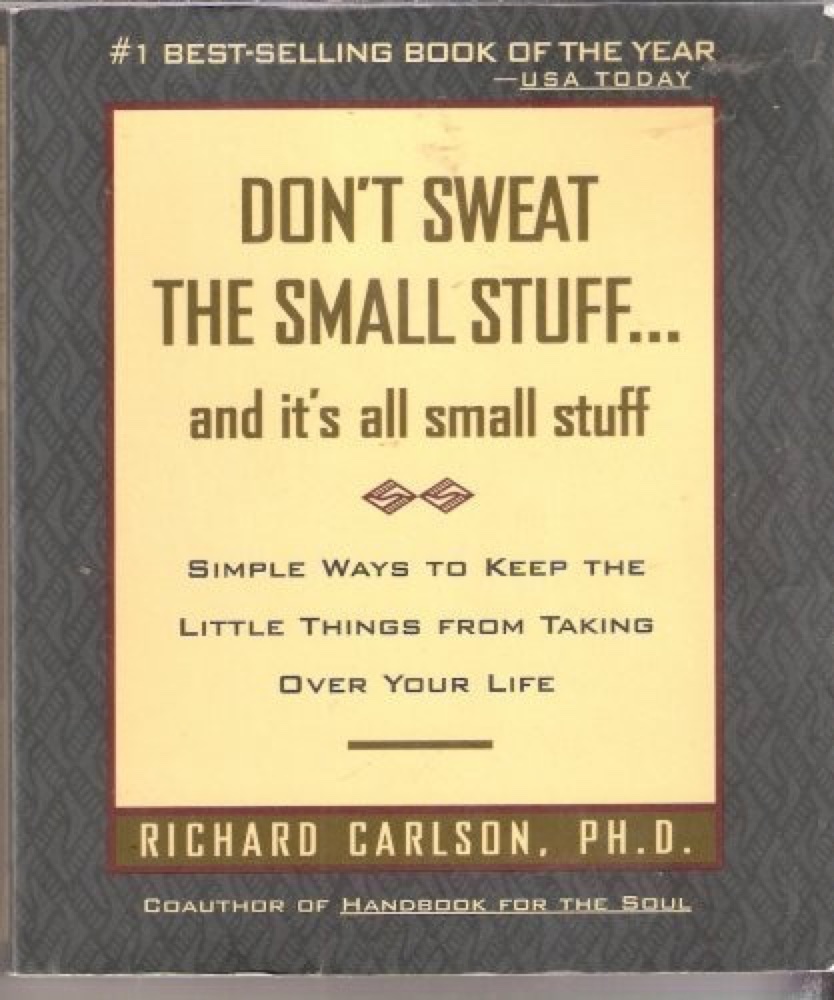 Don't Sweat the Small Stuff ... and it's all small stuff: Simple Ways to Keep the Little Things from Taking Over Your Life
 101 Essays That Will Change The Way You Think
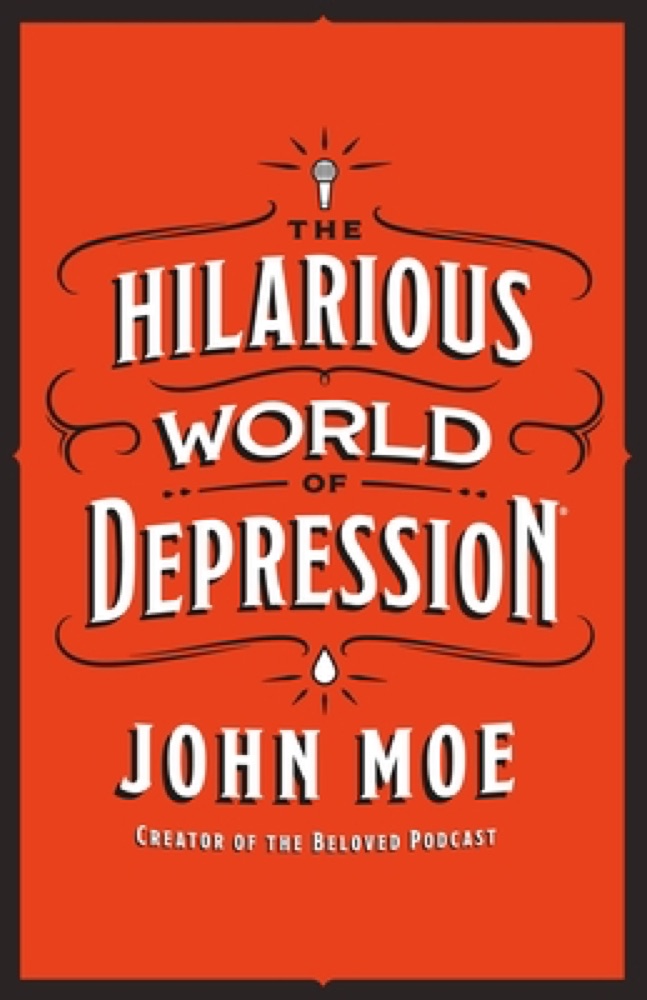 The Hilarious World of Depression
 Living Beautifully with Uncertainty and Change
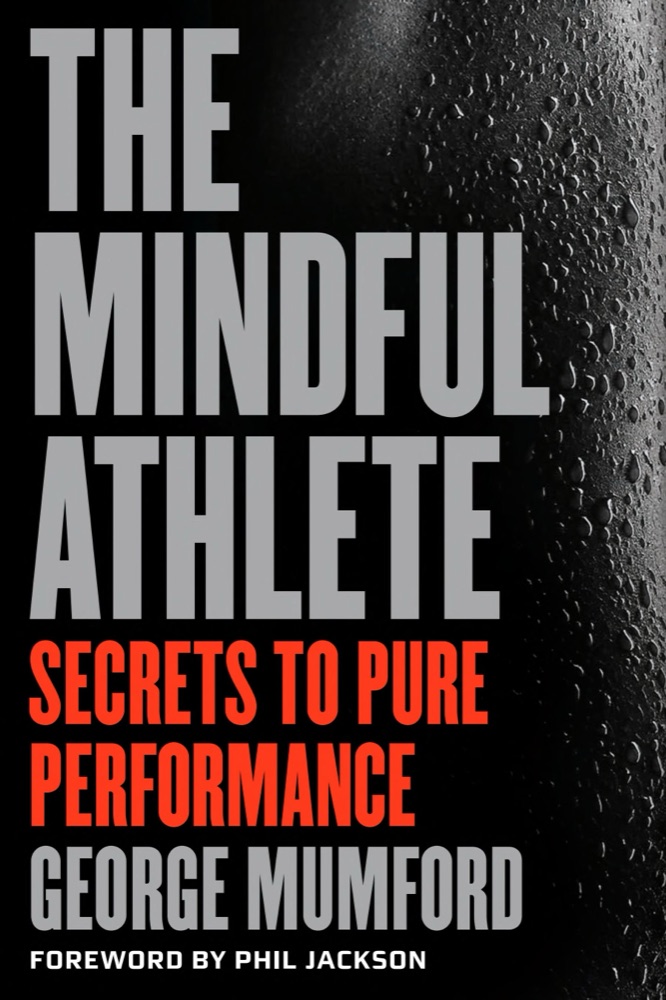 The Mindful Athlete: Secrets to Pure Performance
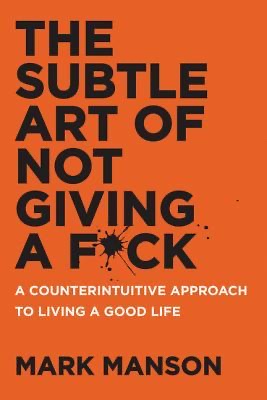 The Subtle Art of Not Giving a F*ck: A Counterintuitive Approach to Living a Good Life
 The Joy of Living: Unlocking the Secret and Science of Happiness
 Happy: Finding Joy in Every Day and Letting Go of Perfect