
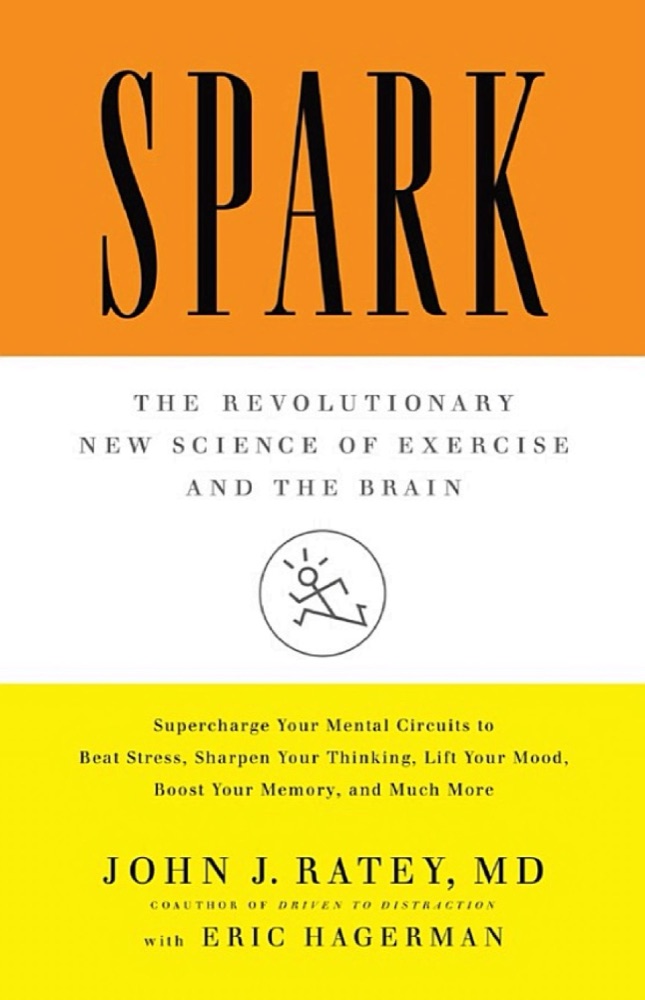
 Spark: The Revolutionary New Science of Exercise and the Brain
Quotes from the Book
[...] A diet of constant, stimulating activity is the best prescription for our troubles. It keeps the brain in a state of constant change, flow, confirmation, and anticipation, thereby reducing the noise, fragility, self-doubt, and stagnation with which we all have to contend.
1
[...] Many people put off doing what they love, or what they know they need to do for themselves, until later in life, trying to get the world's demands out of the way first. What a grave mistake! [...]
1
Strong evidence for a genetic language ability comes from the observation that children who are not exposed to any speech, but are able to interact with each other, will invent their own language, which is complex in syntax and meaning. This has been seen in deaf children who were not exposed to sign language. Amazingly, as long as they had someone to interact with, they managed to communicate complex thoughts by inventing their own system of signing.
1
Richard Davidson at the University of Wisconsin has done studies that indicate that people with more general activity in the left hemisphere have a more positive mood, while people with more activity in the right hemisphere have a more negative one. Remarkably, research has also shown that infants are born with an innate predisposition toward a more active left or right brain, meaning a happier or sadder temperament.
Find a mission in your life. A commitment to a calling, a career, even a hobby focuses the mind and the soul. Psychotic patients report that they don't hear 'the voices' while they are busy working. Surely we ordinary people can calm our own internal voices with some intent activities. [...] Passion heals.
The clear message you should derive from the benefits of mental and physical exercise is that the worst thing you can do to your brain is to be content living a passive life. The habit of passivity is pervasive in our culture, from longing for miracle cures to watching television for hours to being politically apathetic. Physical and mental action is fundamental to maintaining mental health.
[...] The hope is that research can find ways to improve a faulty social brain. There is already evidence that practice can help people overcome at least some of the motor deficits I've just described. Remember Temple Grandin, the autistic woman who learned how to approach people properly, without bowling them over, by walking through a supermarket's automatic doors over and over until she got the steps down? She overcame a social problem that was really a motor problem. [...]
The whole-language trend assumes that reading is a natural, genetically programmed part of language development, and that children will pick it up as easily as speaking. However, as noted, since writing has only existed for 5,ooo years and literacy has only been widespread for a few centuries, it is highly unlikely that the human brain has evolved structures specifically for reading and writing in this time. It is our ability to learn through experience that allows us to achieve reading, but only with explicit instruction.
The term 'emotion' is derived from the Latin movere -- to move. It is important to realize that emotion is a movement outward, a way of communicating our most important internal states and needs.
One interesting new theory, developed by Edward and Carol Diener at the University of Illinois in Urbana, involves the notion of a 'set point'. According to this theory, people have an inborn set point for mood, similar to the set point for weight. The set point is your basic level of happiness or sadness, which is subject to ups and downs of life but will inevitably return to some kind of base line, even in people who experience dramatic changes in their life circumstances. [...] In some people, however, set points decline with age.
Loftus learned for herself how realistic false memories can seem when she had an upsetting experience several years ago. She was shocked when, at a family gathering, an uncle informed her that thirty years earlier, when her mother drowned in a pool, she had been the one who discovered the body. Loftus, who was fourteen when the drowning occurred, always believed that she had never seen her mother's dead body. Indeed, she remembered little about the death itself. She recounts what happened the next in her book 'The Myth of Repressed Memory'. Almost immediately after her uncle's revelation, 'the memories began to drift back, like the crisp, piney smoke from evening camp fires. My mother, dressed in her nightgown, was floating face down. . . . I started screaming. I remembered the police cars, their lights flashing'. A few days later, she writes, 'my brother called to tell me that my uncle had made a mistake. Now he remembered (and other relatives confirmed) that Aunt Pearl had found my mother's body.' This shocked Loftus even more than her uncle's false revelation. If someone so specially trained as she is to recognize fallible memories could suddenly believe her own false memory, just think how readily the average person can be fooled.
Watch on YouTube
About John J. Ratey
We have collected 41 quotes from 2 books by John J. Ratey on BookQuoters.
More about the author →More by John J. Ratey
Spark: The Revolutionary New Science of Exercise and the Brain
About the book
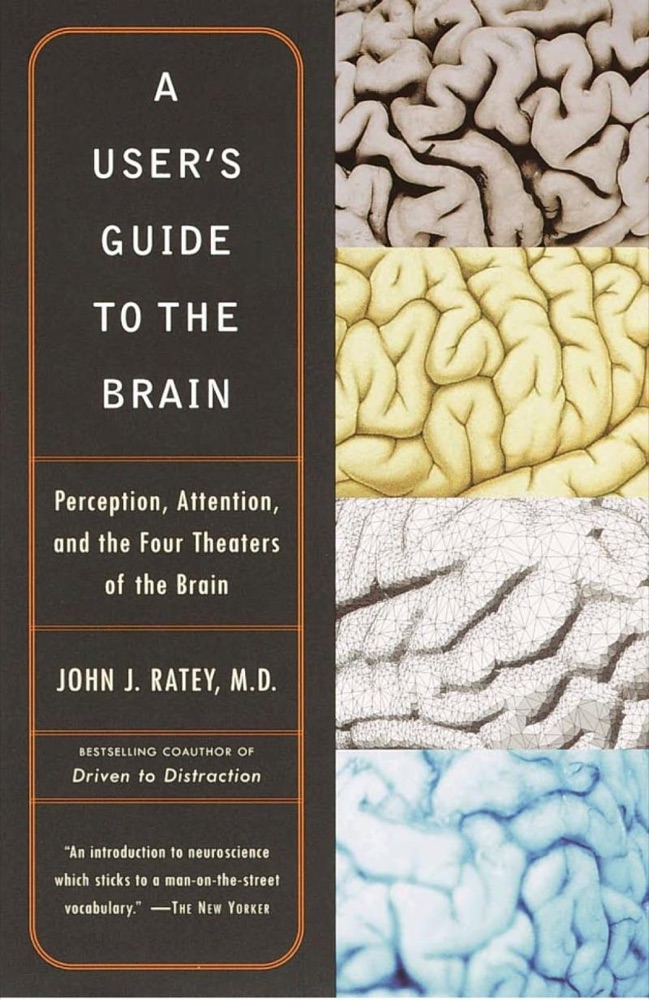
John Ratey, bestselling author and clinical professor of psychiatry at Harvard Medical School, lucidly explains the human brain’s workings, and paves the way for a better understanding of how the brain affects who we are. Ratey provides insight into the basic structure and chemistry of the brain, and demonstrates how its systems shape our perceptions, emotions, and behavior. By giving us a greater understanding of how the brain responds to the guidance of its user, he provides us with knowledge that can enable us to improve our lives.
In A User’s Guide to the Brain , Ratey clearly and succinctly surveys what scientists now know about the brain and how we use it. He looks at the brain as a malleable organ capable of improvement and change, like any muscle, and examines the way specific motor functions might be applied to overcome neural disorders ranging from everyday shyness to autism.
Book details
- First published
- 2001
- Author
- John J. Ratey
- Genre
- Nonfiction
- Goodreads rating
- 4.04 (2k ratings)
Keep reading
 The Brain That Changes Itself: Stories of Personal Triumph from the Frontiers of Brain Science
 Successful Aging: A Neuroscientist Explores the Power and Potential of Our Lives
 Behave: The Biology of Humans at Our Best and Worst
 Good Reasons for Bad Feelings: Insights from the Frontier of Evolutionary Psychiatry
 Descartes' Error: Emotion, Reason and the Human Brain
 When the Body Says No: The Cost of Hidden Stress
 Evolve Your Brain: The Science of Changing Your Mind
 Scattered Minds: The Origins and Healing of Attention Deficit Disorder
 Psych: The Story of the Human Mind
 How the Mind Works
 No Self, No Problem: How Neuropsychology Is Catching Up to Buddhism
 A General Theory of Love
 The Social Animal: The Hidden Sources of Love, Character, and Achievement
 How We Learn: Why Brains Learn Better Than Any Machine . . . for Now
 My Stroke of Insight: A Brain Scientist's Personal Journey
 How We Decide
 The Future of the Mind: The Scientific Quest to Understand, Enhance, and Empower the Mind
 Why Zebras Don't Get Ulcers
 The Boy Who Was Raised as a Dog: And Other Stories from a Child Psychiatrist's Notebook
 Mindsight: The New Science of Personal Transformation
 The Happiness Hypothesis: Finding Modern Truth in Ancient Wisdom
 Livewired: The Inside Story of the Ever-Changing Brain
 The Upward Spiral: Using Neuroscience to Reverse the Course of Depression, One Small Change at a Time
 Social Intelligence: The New Science of Human Relationships
 Why Has Nobody Told Me This Before?
 Healing Back Pain: The Mind-Body Connection
 The Elephant in the Brain: Hidden Motives in Everyday Life
 An Anthropologist on Mars
 Why We Get Sick: The New Science of Darwinian Medicine
 Finding Flow: The Psychology of Engagement with Everyday Life
 Emotional Design: Why We Love (or Hate) Everyday Things
 How to Stay Sane
 Unfuck Your Brain: Using Science to Get Over Anxiety, Depression, Anger, Freak-Outs, and Triggers
 The Master and His Emissary: The Divided Brain and the Making of the Western World
 Life Reimagined: The Science, Art, and Opportunity of Midlife
 Scarcity Brain: Fix Your Craving Mindset and Rewire Your Habits to Thrive with Enough
 The Tale of the Dueling Neurosurgeons: The History of the Human Brain as Revealed by True Stories of Trauma, Madness, and Recovery
 You Are the Placebo: Making Your Mind Matter
 The Fourth Way
 How to Change Your Mind: The New Science of Psychedelics
 Mama's Last Hug: Animal Emotions and What They Tell Us about Ourselves
 Thinking In Pictures: and Other Reports from My Life with Autism
 The New Psycho-Cybernetics: The Original Science of Self-Improvement and Success That Has Changed the Lives of 30 Million People
 Consciousness and the Brain: Deciphering How the Brain Codes Our Thoughts
 Breaking the Habit of Being Yourself: How to Lose Your Mind and Create a New One
 Letting Go: The Pathway To Surrender
 What Happened To You?: Conversations on Trauma, Resilience, and Healing
 The Tell-Tale Brain: A Neuroscientist's Quest for What Makes Us Human
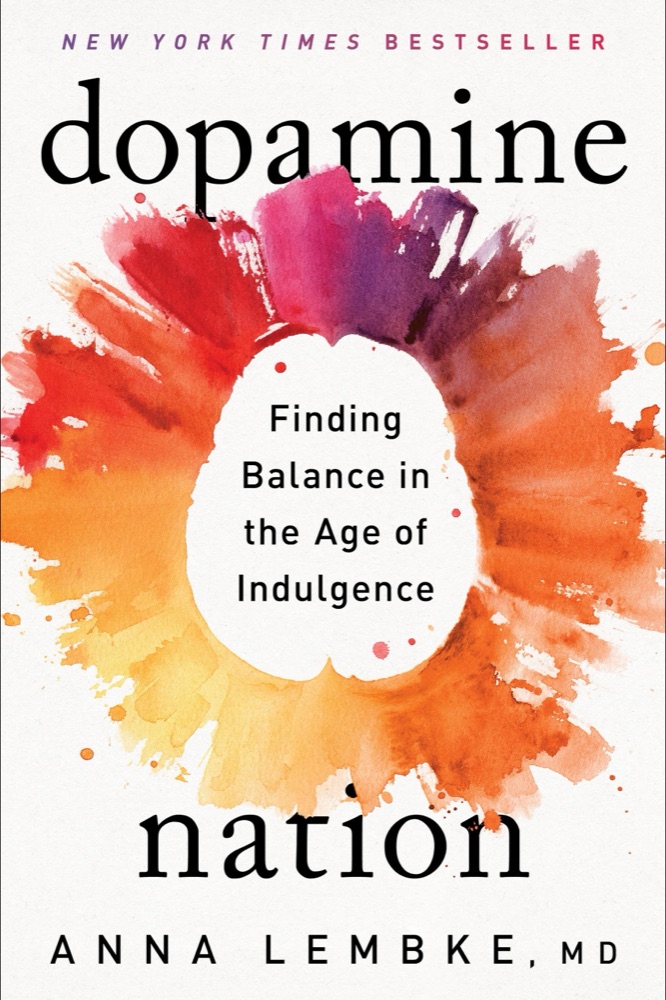 Dopamine Nation: Finding Balance in the Age of Indulgence
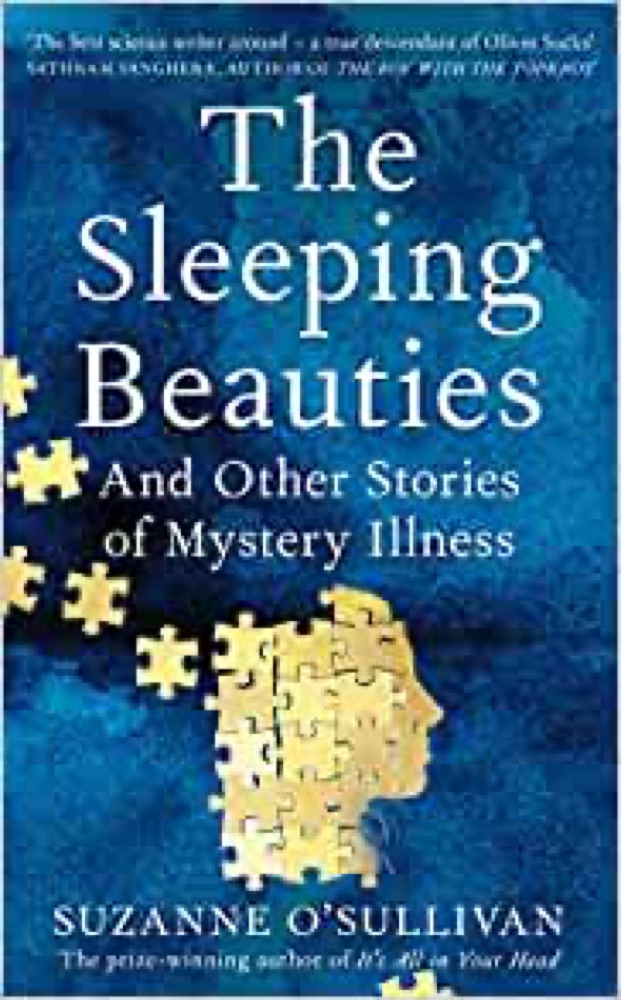 The Sleeping Beauties: And Other Stories of Mystery Illness
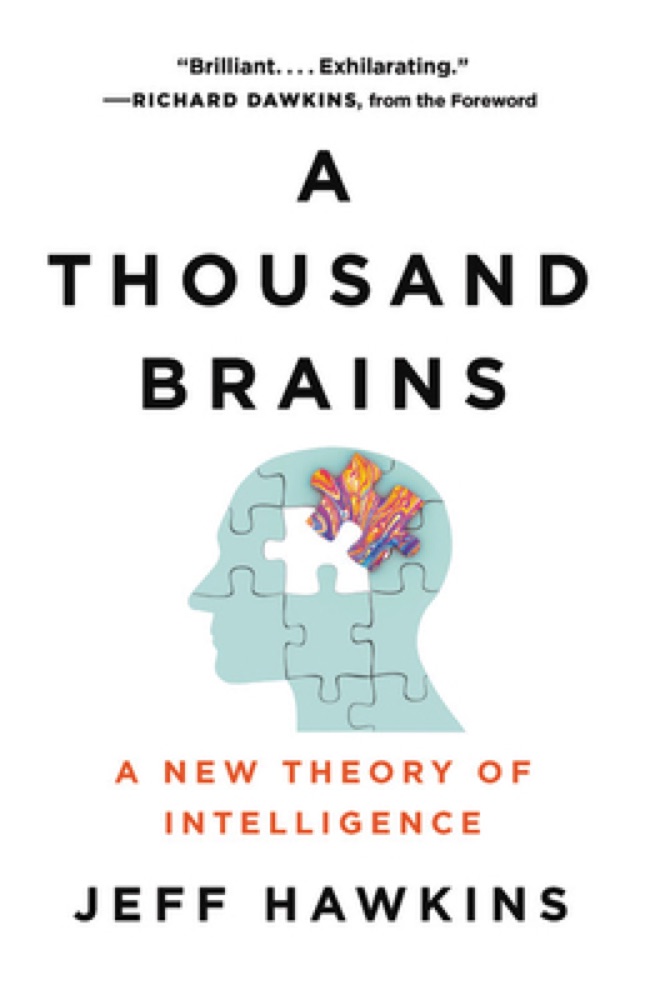 A Thousand Brains: A New Theory of Intelligence
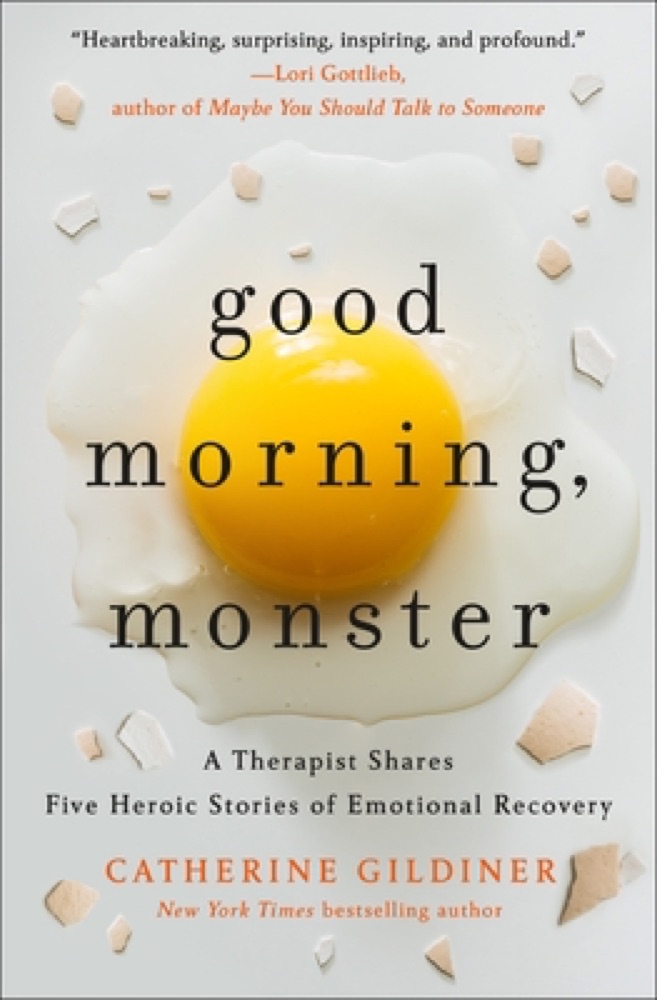 Good Morning, Monster: A Therapist Shares Five Heroic Stories of Emotional Recovery
 The Ego Tunnel: The Science of the Mind and the Myth of the Self
 Rewire Your Brain: Think Your Way to a Better Life
 Maps of Meaning: The Architecture of Belief
 The Laws of Human Nature
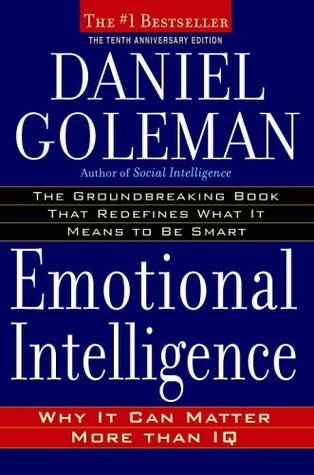 Emotional Intelligence: Why It Can Matter More Than IQ
 Natural Causes: An Epidemic of Wellness, the Certainty of Dying, and Killing Ourselves to Live Longer
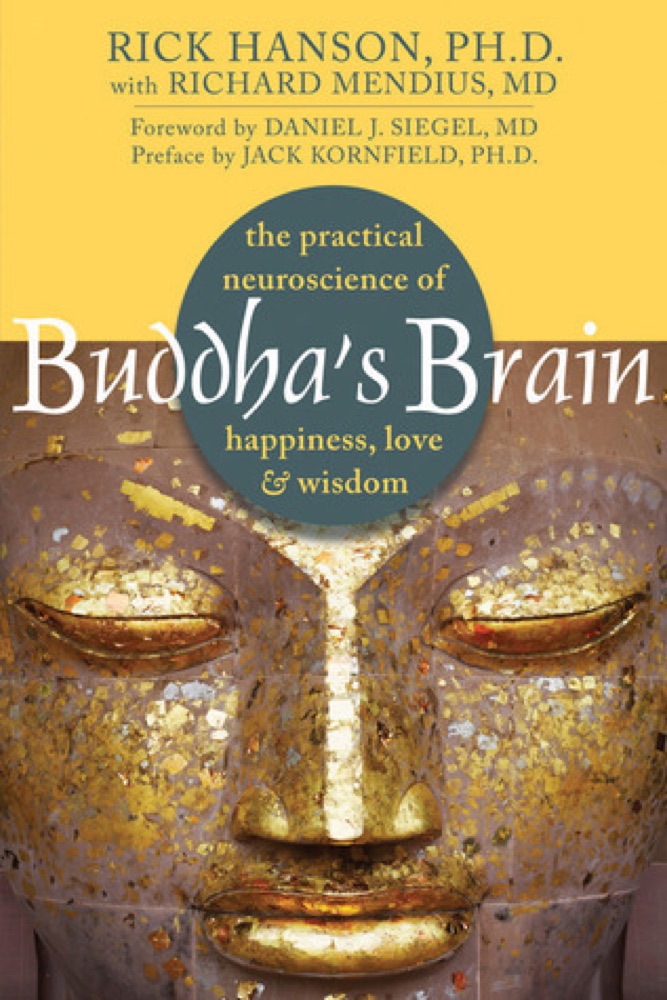 Buddha's Brain: The Practical Neuroscience of Happiness, Love, and Wisdom
 A Language Older Than Words