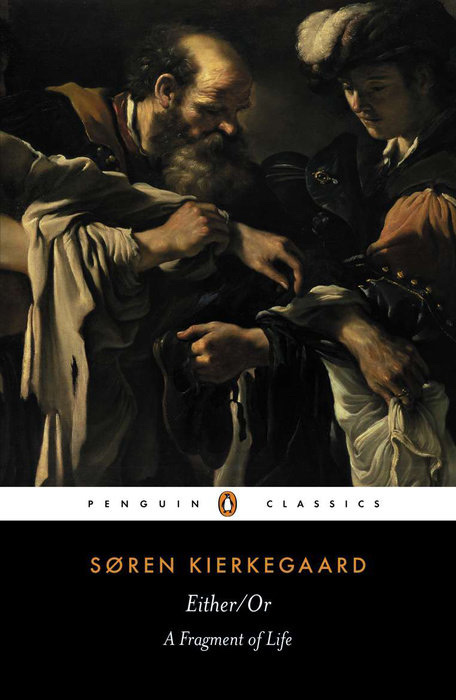

 Fear and Trembling
Quotes from the Book
I see it all perfectly; there are two possible situations — one can either do this or that. My honest opinion and my friendly advice is this: do it or do not do it — you will regret both.
In addition to my other numerous acquaintances, I have one more intimate confidant… My depression is the most faithful mistress I have known — no wonder, then, that I return the love.
What is a poet? An unhappy man who hides deep anguish in his heart, but whose lips are so formed that when the sigh and cry pass through them, it sounds like lovely music.... And people flock around the poet and say: 'Sing again soon' - that is, 'May new sufferings torment your soul but your lips be fashioned as before, for the cry would only frighten us, but the music, that is blissful.
If I were to wish for anything, I should not wish for wealth and power, but for the passionate sense of the potential, for the eye which, ever young and ardent, sees the possible. Pleasure disappoints, possibility never. And what wine is so sparkling, what so fragrant, what so intoxicating, as possibility!
I have only one friend, and that is echo. Why is it my friend? Because I love my sorrow, and echo does not take it away from me. I have only one confidant, and that is the silence of night. Why is it my confidant? Because it remains silent.
Idleness, we are accustomed to say, is the root of all evil. To prevent this evil, work is recommended.... Idleness as such is by no means a root of evil; on the contrary, it is truly a divine life, if one is not bored....
Your own tactic is to train yourself in the art of becoming enigmatic to everybody. My young friend, suppose there was no one who troubld himself to guess your riddle--what joy, then, would you have in it?
You love the accidental. A smile from a pretty girl in an interesting situation, a stolen glance, that is what you are hunting for, that is a motif for your aimless fantasy. You who always pride yourself on being an observateur must, in return, put up with becoming an object of observation. Ah, you are a strange fellow, one moment a child, the next an old man; one moment you are thinking most earnestly about the most important scholarly problems, how you will devote your life to them, and the next you are a lovesick fool. But you are a long way from marriage.
I have the courage, I believe, to doubt everything; I have the courage, I believe, to fight with everything; but I have not the courage to know anything; not the courage to possess, to own anything. Most people complain that the world is so prosaic, that life is not like romance, where opportunities are always so favorable. I complain that life is not like romance, where one had hard-hearted parents and nixies and trolls to fight, and enchanted princesses to free. What are all such enemies taken together, compared with the pale, bloodless, tenacious, nocturnal shapes with which I fight, and to whom I give life and substance?
The same thing happened to me that, according to legend, happened to Parmeniscus, who in the Trophonean cave lost the ability to laugh but acquired it again on the island of Delos upon seeing a shapeless block that was said to be the image of the goddess Leto. When I was very young, I forgot in the Trophonean cave how to laugh; when I became an adult, when I opened my eyes and saw actuality, then I started to laugh and have never stopped laughing since that time. I saw that the meaning of life was to make a living, its goal to be- come a councilor, that the rich delight oflove was to acquire a well-to-do girl, that the blessedness of friendship was to help each other in financial difficulties, that wisdom was whatever the majority assumed it to be, that enthusiasm was to give a speech, that courage was to risk being fined ten dollars, that cordiality was to say "May it do you good" after a meal, that piety was to go to communion once a year. This I saw, and I laughed.
What is existence for but to be laughed at if men in their twenties have already attained the utmost?
Let other complain that the age is wicked; my complaint is that it is paltry; for it lacks passion. Men's thoughts are thin and flimsy like lace, they are themselves pitiable like the lacemakers. The thoughts of their hearts are too paltry to be sinful. For a worm it might be regarded as a sin to harbor such thoughts, but not for a being made in the image of God. Their lusts are dull and sluggish, their passions sleepy...This is the reason my soul always turns back to the Old Testament and to Shakespeare. I feel that those who speak there are at least human beings: they hate, they love, they murder their enemies, and curse their descendants throughout all generations, they sin.
My melancholy is the most faithful mistress I have known; what wonder, then, that I love her in return.
My time I divide as follows: the one half I sleep; the other half I dream. I never dream when I sleep; that would be a shame, because to sleep is the height of genius.
...even the richest personality is nothing before he has chosen himself, and on the other hand even what one might call the poorest personality is everything when he has chosen himself; for the great thing is not to be this or that but to be oneself, and this everyone can be if he wills it.
Language has time as its element; all other media have space as their element.
...my soul always reverts to the Old Testament and to Shakespeare. There at least one feels that it's human beings talking. There people hate, people love, people murder their enemy and curse his descendants through all generations, there people sin.
My life is absolutely meaningless. When I consider the different periods into which it falls, it seems like the word Schnur in the dictionary, which means in the first place a string, in the second, a daughter-in-law. The only thing lacking is that the word Schnur should mean in the third place a camel, in the fourth, a dust-brush.
No one comes back from the dead, no one has entered the world without crying; no one is asked when he wishes to enter life, nor when he wishes to leave.
I have never been joyful, and yet it has always seemed as if joy were my constant companion, as if the buoyant jinn of joy danced around me, invisible to others but not to me, whose eyes shone with delight. Then when I walk past people, happy-go-lucky as a god, and they envy me because of my good fortune, I laugh, for I despise people, and I take my revenge. I have never wished to do anyone an injustice, but I have always made it appear as if anyone who came close to me would be wronged and injured. Then when I hear others praised for their faithfulness, their integrity, I laugh, for I despise people, and I take my revenge. My heart has never been hardened toward anyone, but I have always made it appear, especially when I was touched most deeply, as if my heart were closed and alien to every feeling. Then when I hear others lauded for their good hearts, see them loved for their deep, rich feelings, then I laugh, for I despise people and take my revenge. When I see myself cursed, abhorred, hated for my coldness and heartlessness, then I laugh, then my rage is satisfied. The point is that if the good people could make me be actually in the wrong, make me actually do an injustice-well, then I would have lost.
Aren't people absurd! They never use the freedoms they do have but demand those they don't have; they have freedom of thought, they demand freedom of speech.
Loving just one is too little; loving all is being superficial; knowing yourself and loving as many as possible, letting your soul hide all the powers of love in itself, so that each gets its particular nourishment while consciousness nevertheless embraces it all – that is enjoyment, that is living.
When I get up in the morning, I go right back to bed again. I feel best in the evening the moment I put out the light and pull the feather-bed over my head. I sit up once more, look around the room with indescribable satisfaction, and then good night, down under the feather-bed.
In a theater, it happened that a fire started offstage. The clown came out to tell the audience. They thought it was a joke and applauded. He told them again, and they became still more hilarious. This is the way, I suppose, that the world will be destroyed-amid the universal hilarity of wits and wags who think it is all a joke.
What is youth? A dream. What is love? The dream's content.
The most ludicrous of all ludicrous things, it seems to me, is to be busy in the world, to be a man who is brisk at his meals and brisk at his work. Therefore, when I see a fly settle on the nose of one of those men of business in a decisive moment, or if he is splashed by a carriage that passes him in even greater haste… I laugh from the bottom of my heart. And who could keep from laughing? What, after all, do these busy bustlers achieve? Are they not just like the woman who, in a flurry because the house was on fire, rescued the fire tongs?
Watch on YouTube
About Søren Kierkegaard
We have collected 136 quotes from 6 books by Søren Kierkegaard on BookQuoters.
More about the author →More by Søren Kierkegaard
Fear and Trembling
 The Sickness Unto Death: A Christian Psychological Exposition for Upbuilding and Awakening
 The Essential Kierkegaard
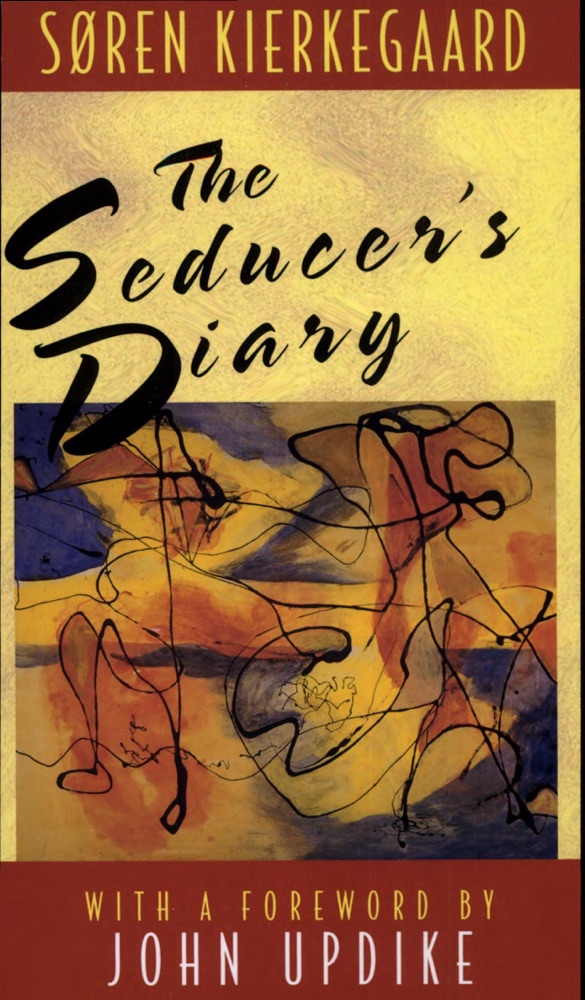 The Seducer’s Diary
Book details
- Author
- Søren Kierkegaard
- Genre
- Classics
- Goodreads rating
- 4.17 (11k ratings) →
Keep reading
 Sexus
Sexus
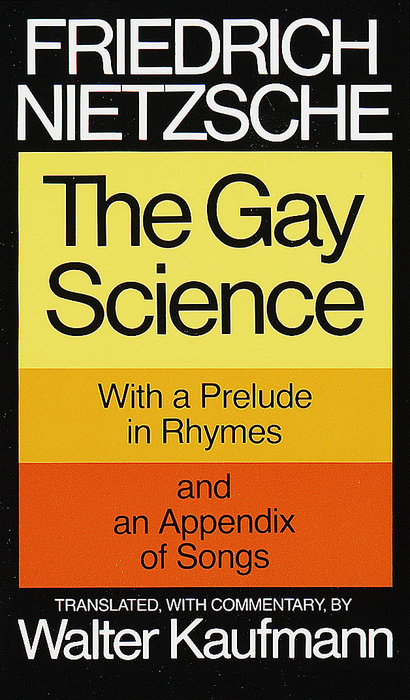 The Gay Science
 The Fall
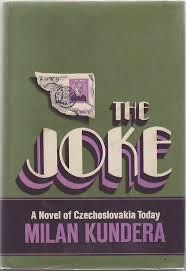 The Joke
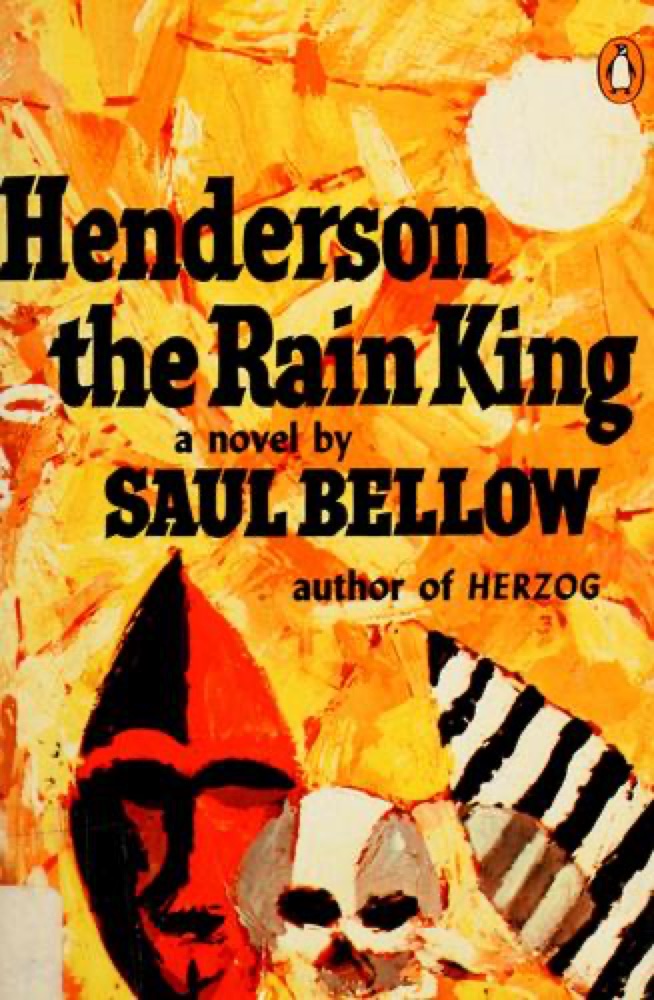 Henderson the Rain King
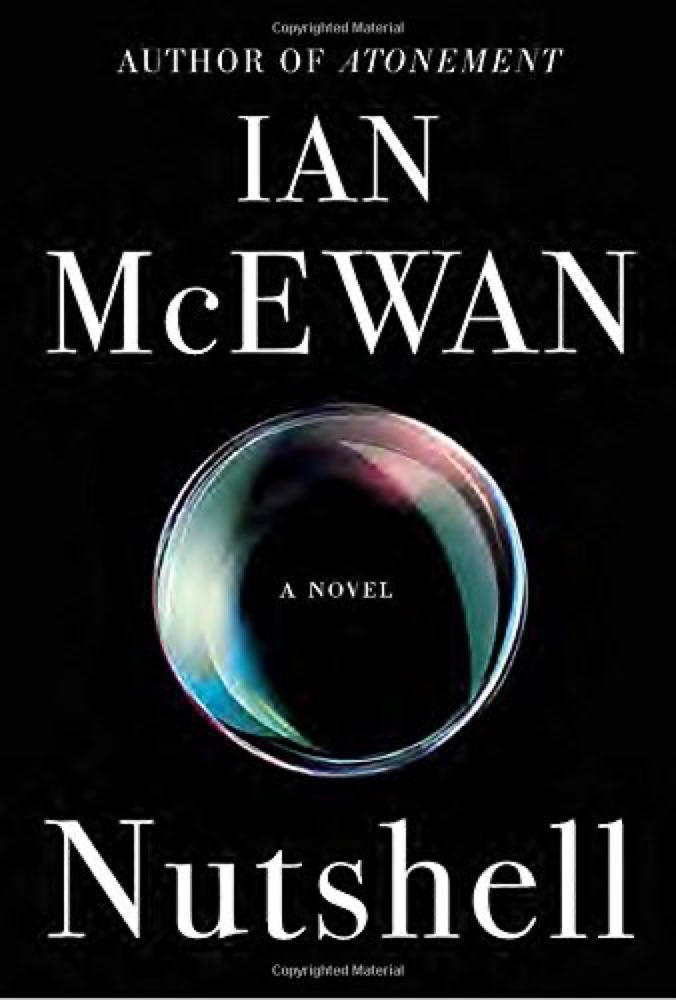 Nutshell
 Doctor Zhivago
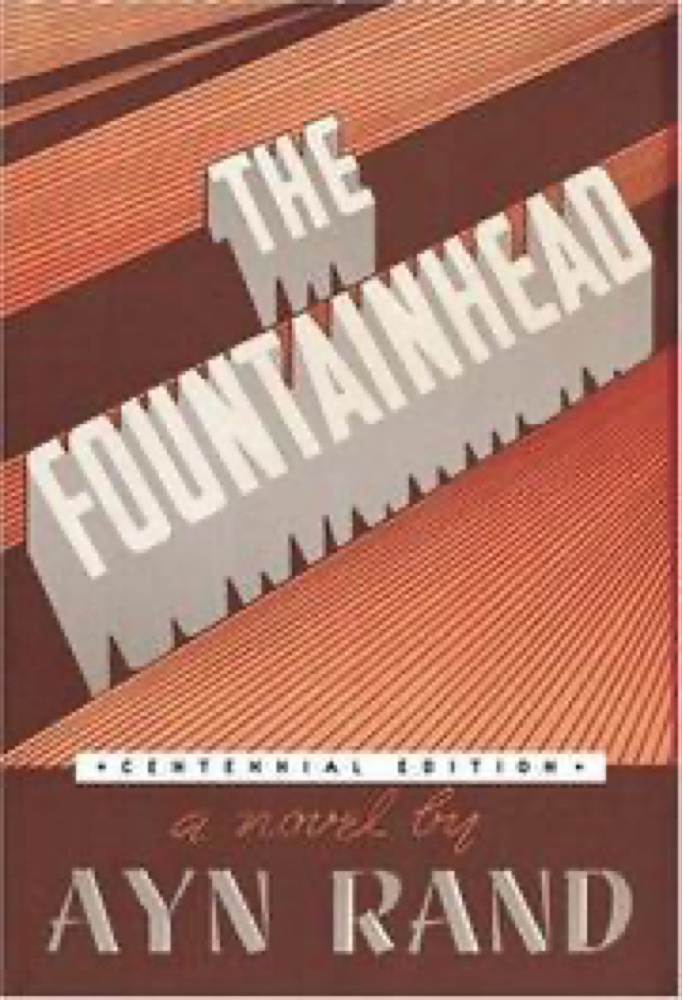 The Fountainhead
 The Sandman: Endless Nights
 Tropic of Cancer
 The Zahir
 East of Eden
 Surprised by Joy: The Shape of My Early Life
 Demian
 The Book of Laughter and Forgetting
 The Magus
 The Manticore
 Narcissus and Goldmund
 Identity
 Children of the Mind
 The Red Book: Liber Novus
 The Story of My Life
 Embers
 The Adolescent
 The Brothers Karamazov
 Stories of Your Life and Others
 Eyeless in Gaza
 The World and Other Places: Stories
 Sexing the Cherry
 On the Heights of Despair
 Infinite Jest
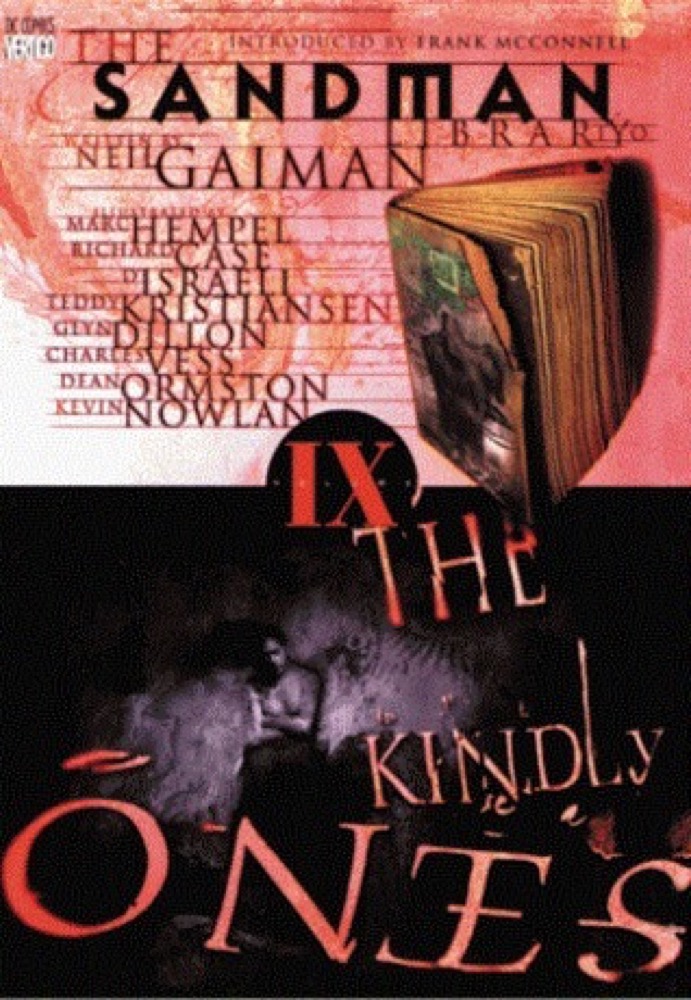 The Kindly Ones
 Art and Lies
 The Elegance of the Hedgehog
 Daniel Deronda
 De Profundis
 Tropic of Capricorn
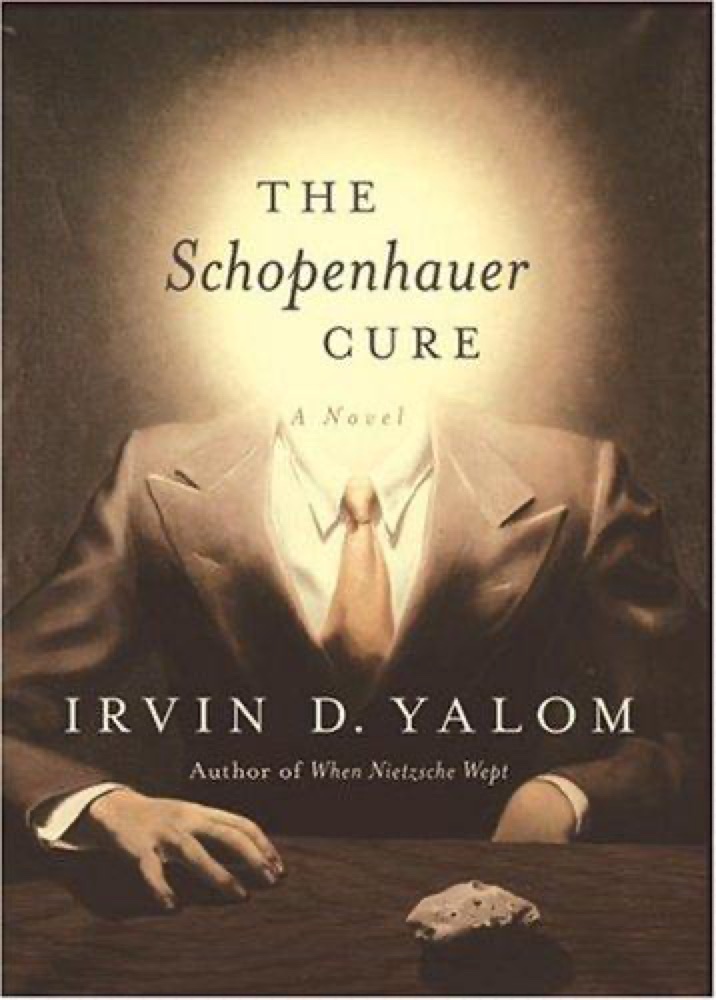 The Schopenhauer Cure
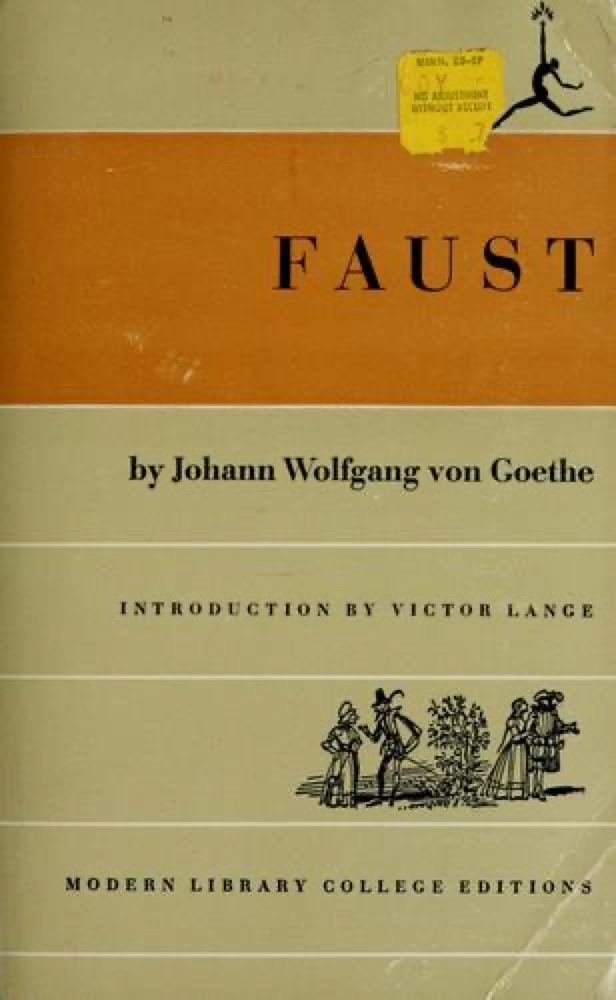 Faust
Faust
 A Soldier of the Great War
 Selected Stories
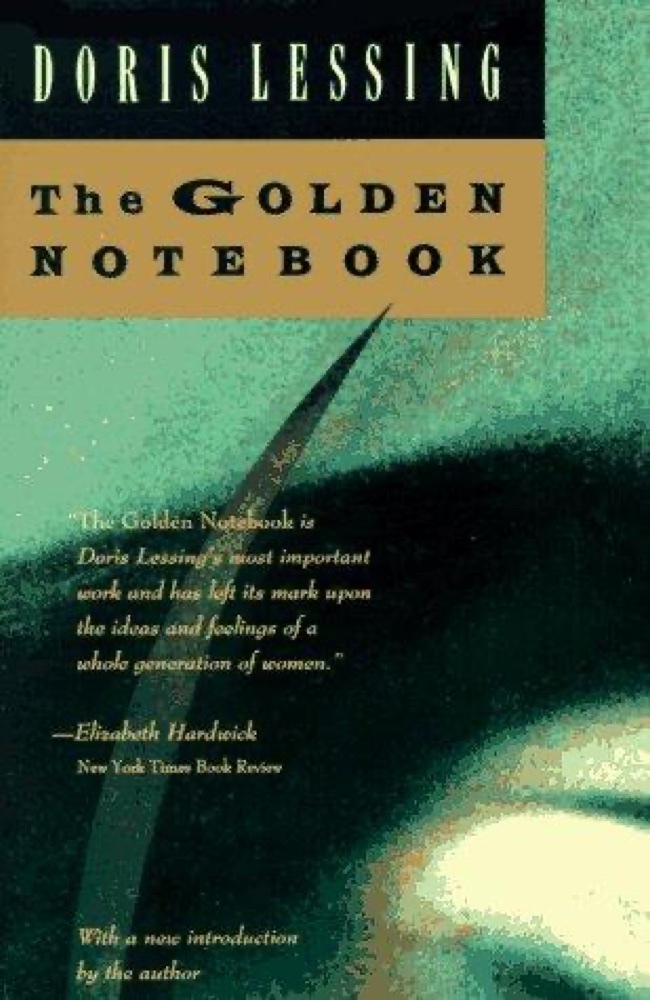 The Golden Notebook
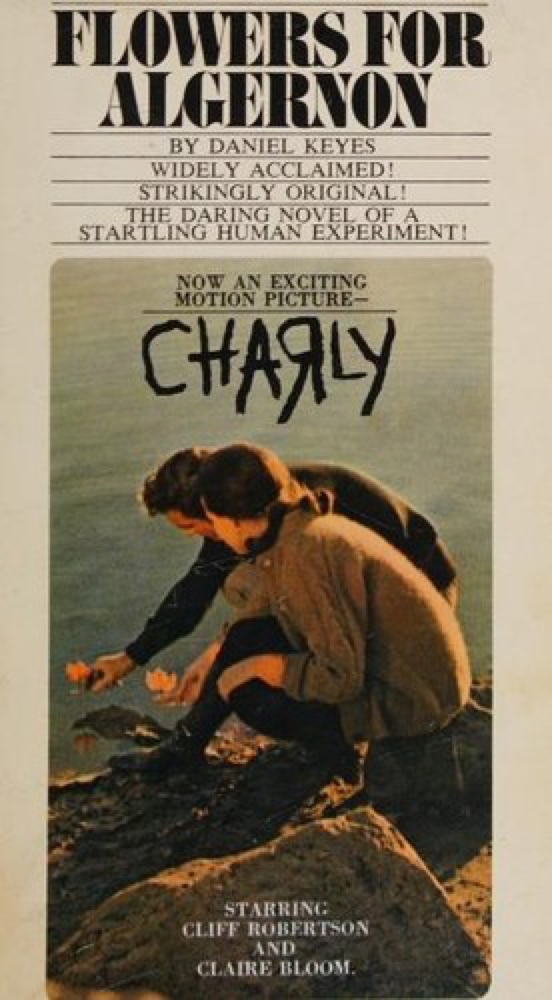 Flowers for Algernon
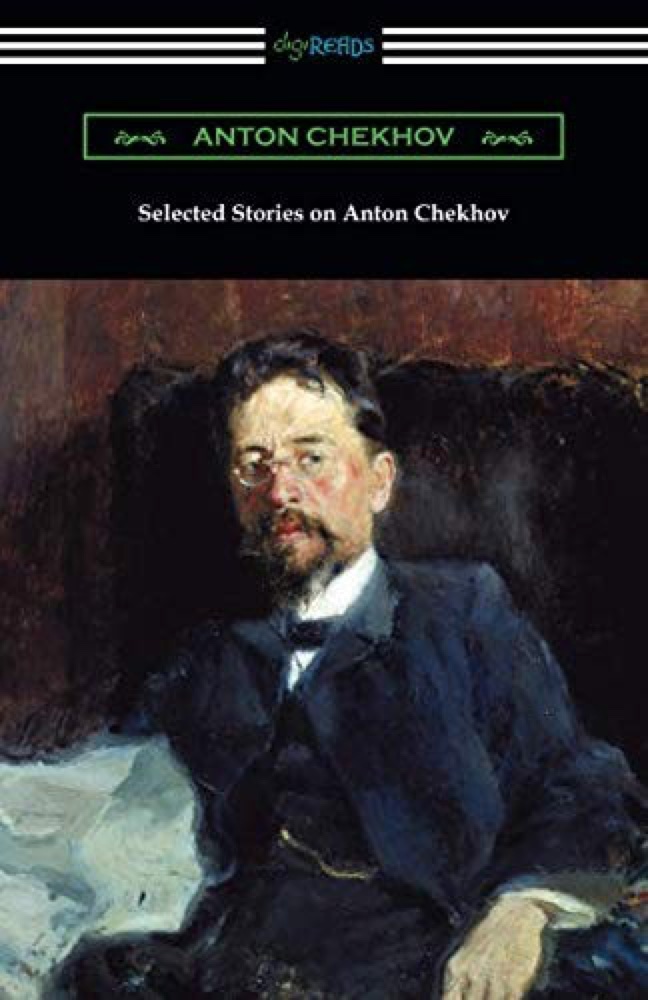 Selected Stories of Anton Chekhov
 The Setting Sun
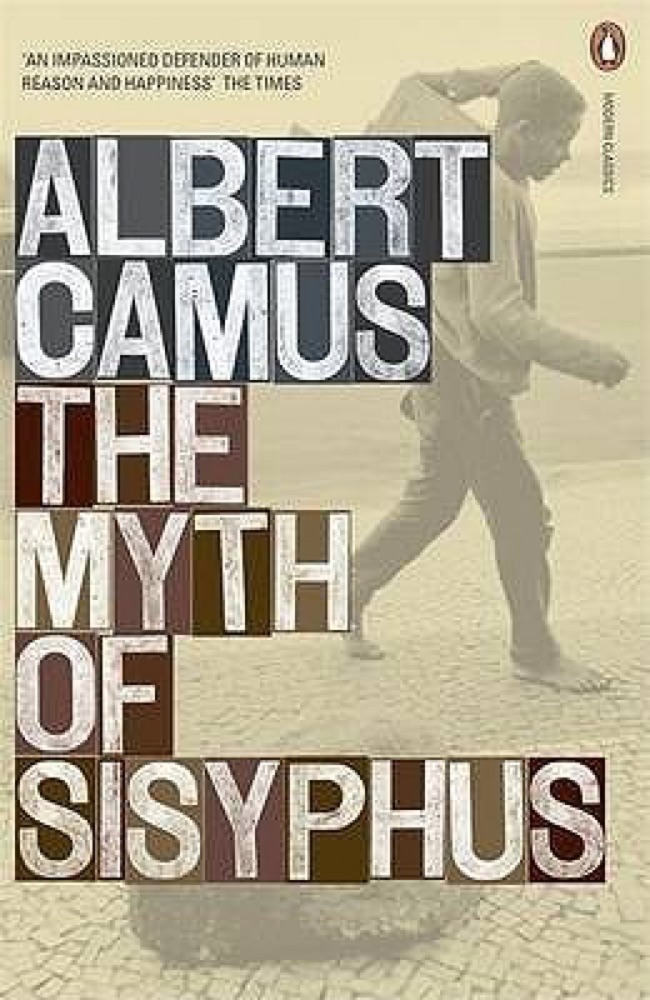 The Myth of Sisyphus
 The Consolation of Philosophy
 Here I Am
 No One Writes Back
 The Rule of Four
 Journal of a Solitude
 Girl with Curious Hair
 This is All: The Pillow Book of Cordelia Kenn
 Creatures of a Day: And Other Tales of Psychotherapy
 The Goldfinch
 Oblomov
 A Hero of Our Time
 We the Living
 The Reader
 The Book of Dreams