
 The Color Purple
Quotes from the Book
Nobody is as powerful as we make them out to be.
109
(a womanist) 3. Loves music. Loves dance. Loves the moon. Loves the Spirit. Loves love and food and roundness. Loves struggle. Loves the Folk. Loves herself. Regardless.
79
no person is your friend (or kin) who demands your silence, or denies your right to grow and be perceived as fully blossomed as you were intended. Or who belittles in any fashion the gifts you labor so to bring into the world.
49
I've found, in my own writing, that a little hatred, keenly directed, is a useful thing.
42
Anybody can observe the Sabbath, but making it holy surely takes the rest of the week.
39
Writing poems is my way of celebrating with the world that I have not committed suicide the evening before.
30
For you will find, as women have found through the ages, that changing the world requires a lot of free time. Requires a lot of mobility. Requires money, and, as Virginia Woolf put it so well, “a room of one’s own,” preferably one with a key and a lock. Which means that women must be prepared to think for themselves, which means, undoubtedly, trouble with boyfriends, lovers, and husbands, which means all kinds of heartache and misery, and times when you will wonder if independence, freedom of thought, or your own work is worth it all. We must believe that it is. For the world is not good enough; we must make it better.
22
We are a people. A people do not throw their geniuses away. And if they are thrown away, it is our duty as artists and as witnesses for the future to collect them again for the sake of our children, and, if necessary, bone by bone.
20
When Toni Morrison said she writes the kind of books she wants to read, she was acknowledging the fact that in a society in which “accepted literature” is so often sexist and racist and otherwise irrelevant or offensive to so many lives, she must do the work of two. She must be her own model as well as the artist attending, creating, learning from, realizing the model, which is to say, herself.
16
there was no sympathy for struggle that ended in defeat. Which meant there was no sympathy for struggle itself—only for “winning.
15
For several years, while I searched for, found, and studied black women writers, I deliberately shut O'Connor out, feeling almost ashamed that she had reached me first. And yet, even when I no longer read her, I missed her, and realized that though the rest of America might not mind, having endured it so long, I would never be satisfied with a segregated literature. I would have to read Zora Hurston and Flannery O'Connor, Nella Larsen and Carson McCullers, Jean Toomer and William Faulkner, before I could begin to feel well read at all.
14
Without money of one’s own in a capitalist society, there is no such thing as independence.
14
We do it because we care. We care that Vincent Van Gogh mutilated his ear. We care that behind a pile of manure in the yard he destroyed his life. We care that Scott Joplin's music lives! We care because we know this: the life we save is our own.
12
And so our mothers and grandmothers have, more often than not anonymously, handed on the creative spark, the seed of the flower they themselves never hoped to see; or like a sealed letter they could not plainly read. Guided by my heritage of a love of beauty and a respect for strength—in search of my mother’s garden, I found my own.
11
Part of what existence means to me is knowing the difference between what I am now and what I was then. It is being capable of looking after myself intellectually as well as financially. It is being able to tell when I am being wronged and by whom. It means being awake to protect myself and the ones I love. It means being a part of the world community, and being alert to which part it is that I have joined, and knowing how to change to another part if that part does not suit me. To know is to exist: to exist is to be involved, to move about, to see the world with my own eyes. This, at least, the Movement has given me.
11
subservience of any kind is death to the spirit.
11
{T}here is a point at which even grief feels absurd. And at this point, laughter gushes up to retrieve sanity.
9
The real revolution is always concerned with the least glamorous stuff. With raising a reading level from second grade to third. With simplifying history and writing it down (or reciting it) for the old folks. With helping illiterates fill out a food-stamps form - for they must eat, revolution or not.
8
I believe that the truth of any subject only comes when all sides of the story are put together.
8
What is always needed in the appreciation of art, or life, is the larger perspective. Connections made, or at least attempted, where none existed before, the straining to encompass in one's glance at the varied world the common thread, the unifying theme through immense diversity, a fearlessness of growth, of search, of looking, that enlarges the private and the public world. And yet, in our particular society, it is the narrowed and narrowing view of life that often wins
8
She saw poetry where other writers merely saw failure to cope with English.
8
This was my first indication of the quality I feel is most characteristic of Zora’s work: racial health; a sense of black people as complete, complex, undiminished human beings, a sense that is lacking in so much black writing and literature.
7
However, the young person leaving college today, especially if she is a woman, must consider the possibility that her best offerings will be considered a nuisance to the men who also occupy her field. And then, having considered this, she would do well to make her mind to fight whoever would stifle her growth with as much courage and tenacity as Mrs. Hudson fights the Klan. If she is black and coming out into the world she must be doubly armed, doubly prepared. Because for her there is not simply a new world to be gained, there is an old world there must be reclaimed.
4
In that story I gathered up the historical and psychological threads of the life my ancestors lived, and in the writing of it I felt joy and strength and my own continuity. I had that wonderful feeling writers get sometimes, not very often, of being with a great many people, ancient spirits, all very happy to see me consulting and acknowledging them, and eager to let me know, through the joy of their presence, that, indeed, I am not alone.
4
But if by some miracle, and all our struggle, the Earth is spared, only justice to every living thing (and everything is alive) will save humankind Essay: Only Justice Can Stop a Curse
3
Then she added thoughtfully, “And that old woman that turned me off so short got down so bad in the end that she was walking on two sticks.” And I knew she was thinking, though she never said it: Here I am today, my eight children healthy and grown and three of them in college and me with hardly a sick day for years. Ain’t Jesus wonderful?
3
Several months ago, when Israel “annexed” the Golan Heights, a Jewish friend of mine visited that country. Upon his return he explained that Israel needed that land to protect itself from the possibility of enemy shells, apparently lobbed off its cliffs, into Israel. “But doesn’t that land belong to people?” I asked. “They’re not doing anything with it,” he replied. I thought: I have a backyard I’m not ‘doing anything with.’ Does that give you the right to take it?
2
I also began to understand how alone woman is, because of her body.
2
People who think nonviolence is easy don't realize that it's a spiritual discipline that requires a great deal of strength, growth, and purging of the self so that one can overcome almost any obstacle for the good of all without being concerned about one's own welfare.
2
I write all the things I should have been able to read.
2
Watch on YouTube
About Alice Walker
We have collected 105 quotes from 5 books by Alice Walker on BookQuoters.
More about the author →More by Alice Walker
About the book
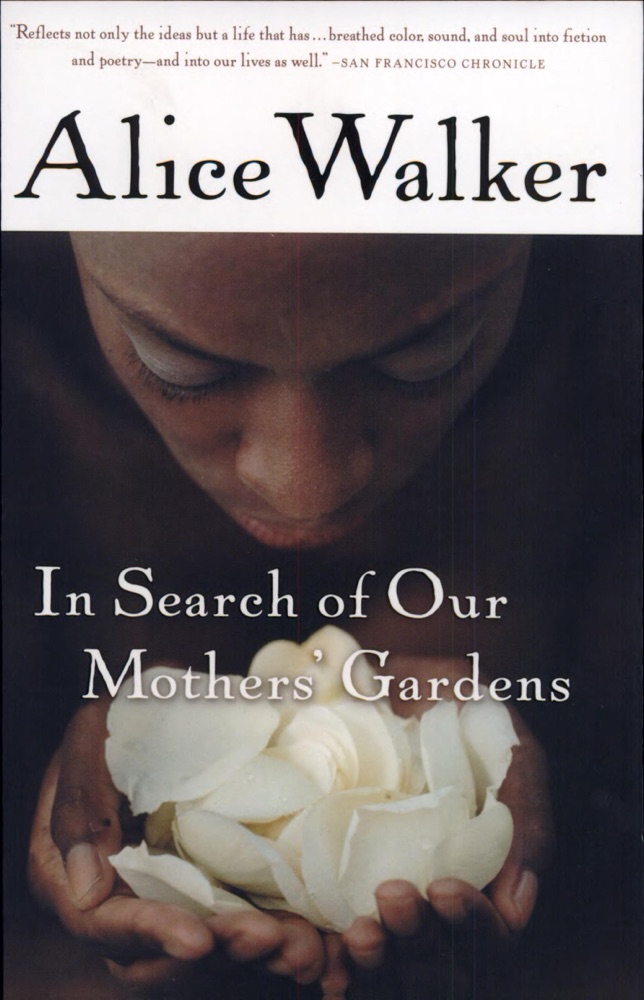
In this, her first collection of nonfiction, Alice Walker speaks out as a black woman, writer, mother, and feminist in thirty-six pieces ranging from the personal to the political. Among the contents are essays about other writers, accounts of the civil rights movement of the 1960s and the antinuclear movement of the 1980s, and a vivid memoir of a scarring childhood injury and her daughter's healing words.
Book details
- First published
- 1983
- Author
- Alice Walker
- Genre
- Nonfiction
- Goodreads rating
- 4.30 (8k ratings)
Keep reading
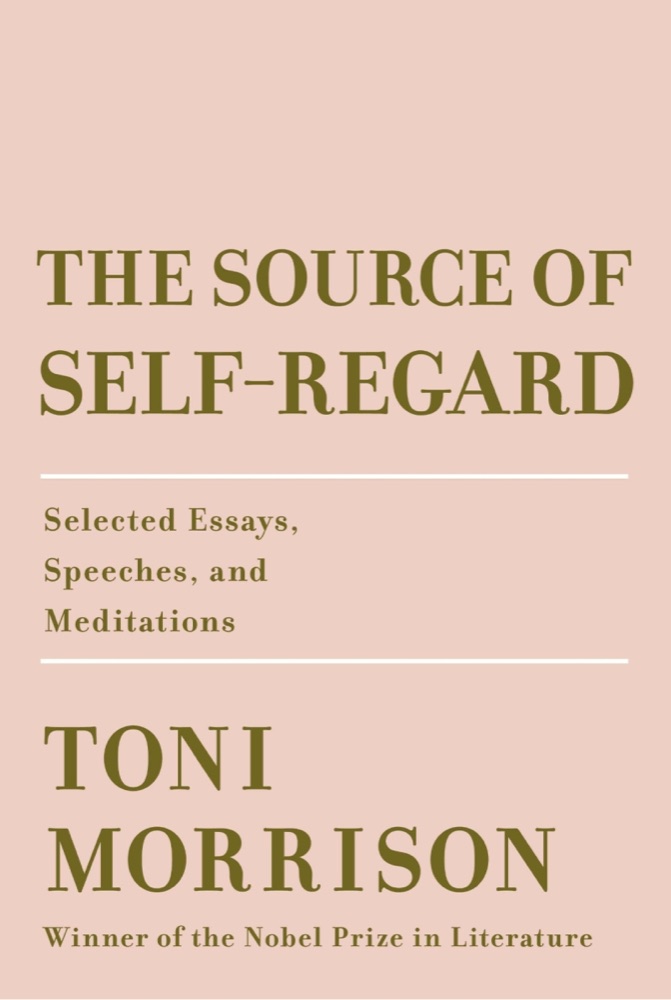 The Source of Self-Regard: Selected Essays, Speeches, and Meditations
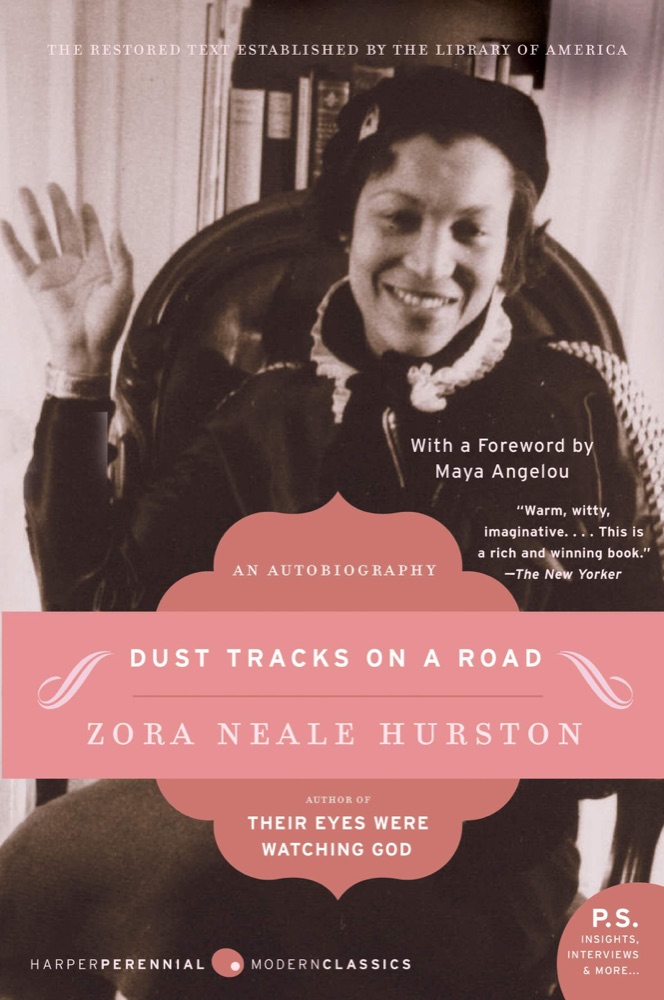 Dust Tracks on a Road
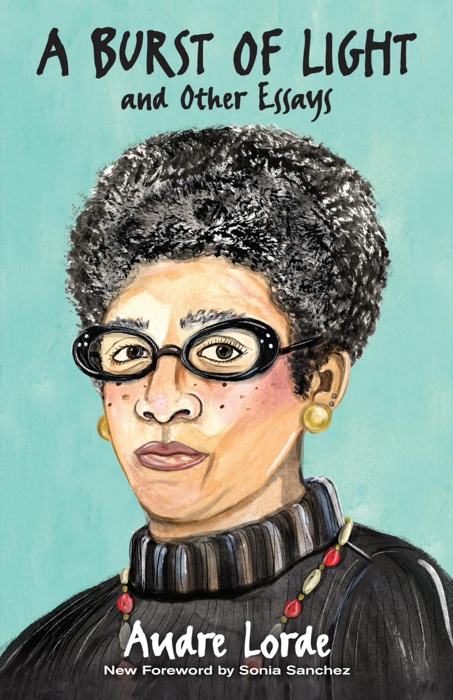 A Burst of Light
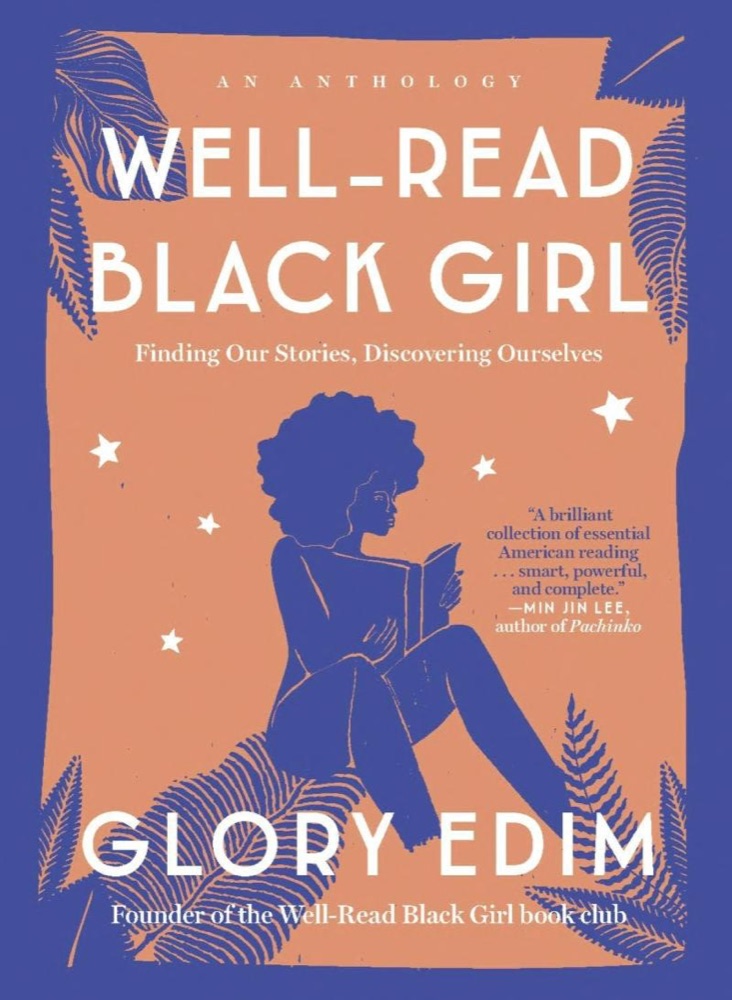 Well-Read Black Girl: Finding Our Stories, Discovering Ourselves
 Old Babes in the Wood: Stories
 Skin: Talking About Sex, Class And Literature
 No Time To Spare: Thinking About What Matters
 Upstream: Selected Essays
 The Master's Tools Will Never Dismantle the Master's House
 These Precious Days: Essays
 Things I've Been Silent About
 When I Was a Child I Read Books
 This Bridge Called My Back: Writings by Radical Women of Color
 Aftershocks
 Now Is the Time to Open Your Heart
 When Women Were Dragons
 The Cost of Living: A Working Autobiography
 The Story of the Lost Child
 Knife: Meditations After an Attempted Murder
 Refuge: An Unnatural History of Family and Place
 My Life on the Road
 A Little Devil in America: Notes in Praise of Black Performance
 Becoming
 Letter to My Daughter
 The Cancer Journals
 In the Heart of the Heart of the Country and Other Stories
 The Beauty of Living Twice
 This Here Flesh: Spirituality, Liberation, and the Stories That Make Us
 The Sea Keeper's Daughters
 Winter Hours: Prose, Prose Poems, and Poems
 Untamed
 Just as I Am
 Dream Count
 An Unnecessary Woman
 A Song Flung Up to Heaven
 The Argonauts
 Journal of a Solitude
 Drive Your Plow Over the Bones of the Dead
 Body Work: The Radical Power of Personal Narrative
 The Muse
 Joan Is Okay
 Mother Mary Comes to Me
 The Blazing World
 My Beloved World
 Devotion
 The Story of My Life
 The Golden Notebook
 Blueberries: Essays Concerning Understanding
 The Home and the World
 Open City
 A Circle of Quiet
 The Diary of Anaïs Nin, Vol. 1: 1931-1934
 Embers
 Asymmetry
 Leaving Before the Rains Come
 A Woman Is No Man
 The Autobiography of Martin Luther King, Jr.
 Here for It; Or, How to Save Your Soul in America: Essays
 The Common Reader
 NW
NW