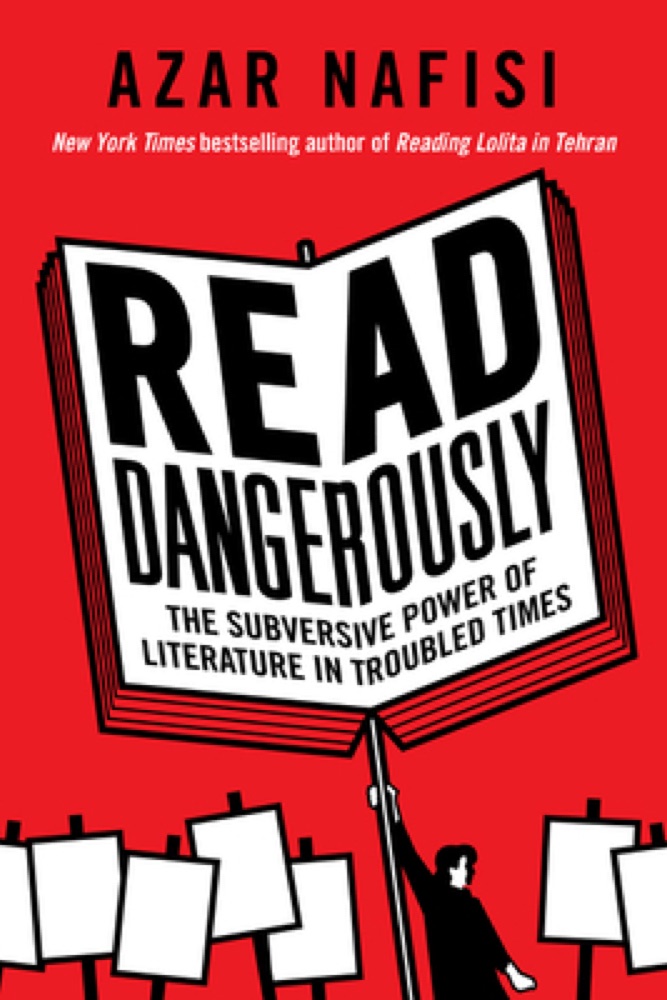

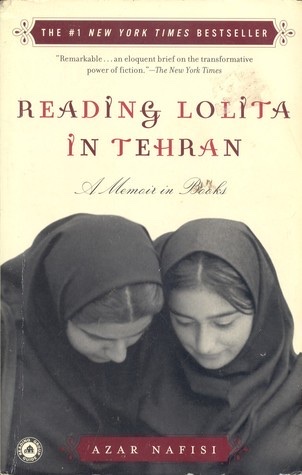
 Reading Lolita in Tehran: A Memoir in Books
Quotes from the Book
Books know no limits or borders, they create longings and unexpected passions, they pose more questions than answers. They represent the unruly world, filled with contradictions and complications, a world that threatens the totalitarian mindset by being beyond its control.
4
To be a victim is to abdicate responsibility, to in effect give up most of all on yourself.
2
...it is not true that we all want the freedom of knowledge, because it comes at a high price. It comes with pain and loneliness; it demands commitment and responsibility.
1
In democratic societies, we do not normally resort to physical violence to muffle those with ideas, but we do use other forms of violence: prejudice, censorship, and slander.
1
the hostility of tyrants to imagination and ideas—is as relevant as ever.
1
Right now books are in danger. One can go a step further and say that imagination and ideas are in danger, and whenever they are threatened, we know that our reality is similarly in danger.
1
am reminded of James Baldwin’s claim that “Neither love nor terror makes one blind: indifference makes one blind.
1
This is a good time to remember what Toni Morrison once said: “. . . art takes us and makes us take a journey beyond price, beyond cost, into bearing witness to the world as it is and as it should be.
Because change is difficult to effect, and differences often seem insurmountable, and literature teaches us how we are compelled to act in certain ways, leading us to the question “How do we change the world?” followed by “How do we change ourselves?
Fiction arouses our curiosity, and it is this curiosity, this restlessness, this desire to know that makes both writing and reading so dangerous.
I am reminded of James Baldwin’s claim that “Neither love nor terror makes one blind: indifference makes one blind.
state? Such systems may seem to appear out of nowhere, like a bolt of lightning. But really, this is because many choose not to see the warning signs, even when they become all too obvious.
In a 1970 letter to Angela Davis, Baldwin claims, “The American triumph in which the American tragedy has always been implicit—was to make black people despise themselves.
How could any republic survive, I asked, without the two human faculties that work through imagination: curiosity and empathy?
Toni Morrison once said: “. . . art takes us and makes us take a journey beyond price, beyond cost, into bearing witness to the world as it is and as it should be.
It should be clear by now that when I talk about books, I am not talking about literature of resistance but literature as resistance. I am interested in ways through which literature and art resist seats of power—not only that of kings and tyrants, but the tyrant within us as well. It is possible to change policies, but it is far more difficult to change attitudes.
In the United States, it is mainly we, the people, who are the problem; we who take the existence of challenging literature for granted, or see reading as solely a comfort, seeking out only texts that confirm our presuppositions and prejudices.
Create dangerously, for people who read dangerously. This is what I’ve always thought it meant to be a writer. Writing, knowing in part that no matter how trivial your words may seem, someday, somewhere, someone may risk his or her life to read them.
...my worry is that this polarization, along with more and more dependance on virtual reality, prevents us from connecting with other human beings and with the real world. This lack of connection dehumanizes not just others but also ourselves.
When we stop reading, we pave the way toward book burning; when we stop caring, we make way for someone else to take over control; when we prefer personality to character, and reality show or virtual reality to reality itself, then we get the kind of politicians that we deserve.
When we stop thinking, we stop caring.
Poetry was a way to combat the staid and formulaic language of politicians that opposed the flexible and dynamic language of poets and writers.
It should be clear by now that when I talk about books, I'm not talking about literature of resistance but literature as resistance.
We need the poet to constantly question things as they are, to jolt us out of our comfort zones, to make us look at the world through the eyes of others and seek to understand experiences that are not our own.
What choice does the king have but to kick the poets and storytellers out of his republic? And what choice does the poet have but to destabilize the philosopher king’s power by speaking the truth?
We in this country have lost the art of engaging with the opposition.
The whole language of writing for me is finding out what you don’t want to know, what you don’t want to find out. But something forces you anyway.
This era is overwhelmed by violence both in rhetoric and reality, communicating not through inclusion but elimination.
Watch on YouTube
About Azar Nafisi
We have collected 84 quotes from 3 books by Azar Nafisi on BookQuoters.
More about the author →More by Azar Nafisi
Reading Lolita in Tehran: A Memoir in Books
 Things I've Been Silent About
About the book
The New York Times bestselling author of Reading Lolita in Tehran returns with a guide to the power of literature in turbulent times, arming readers with a resistance reading list, ranging from James Baldwin to Zora Neale Hurston to Margaret Atwood.
What is the role of literature in an era when the president wages war on writers and the press? What is the connection between political strife in our daily lives, and the way we meet our enemies on the page in fiction? How can literature, through its free exchange, affect politics?
In this galvanizing guide to resistance literature, Nafisi seeks to answer these questions. Drawing on her experiences as a woman and voracious reader living in the Islamic Republic of Iran, her life as an immigrant in the United States, and her role as literature professor in both countries, she crafts an argument for why, in a genuine democracy, we must en
Book details
- First published
- 2022
- Author
- Azar Nafisi
- Genre
- Nonfiction
- Goodreads rating
- 4.04 (2k ratings)
The buzz
- The Washington PostReview in The Washington Postprofessional review (via Book Marks)
- Publishers WeeklyReview in Publishers Weeklyprofessional review (via Book Marks)
- LA Review of BooksReview in LA Review of Booksprofessional review (via Book Marks)
- New York Journal of BooksReview in New York Journal of Booksprofessional review (via Book Marks)
- Washington Independent Review of BooksReview in Washington Independent Review of Booksprofessional review (via Book Marks)
- Toronto StarReview in Toronto Starprofessional review (via Book Marks)
Keep reading
Reading Lolita in Tehran: A Memoir in Books
 The Last Librarian
 The Librarian of Burned Books
 How to Read Now
 The Source of Self-Regard: Selected Essays, Speeches, and Meditations
 The Wave in the Mind: Talks and Essays on the Writer, the Reader and the Imagination
 How to Read Literature
 No Time To Spare: Thinking About What Matters
 The Triggering Town: Lectures and Essays on Poetry and Writing
 The Message
Things I've Been Silent About
The Message
Things I've Been Silent About
 You Can't Be Neutral on a Moving Train: A Personal History of Our Times
 The Common Reader
 The View from the Cheap Seats: Selected Nonfiction
 The Book That Wouldn’t Burn
 The Book That Held Her Heart
 Dæmon Voices
 White
White
 Genesis
 The Braindead Megaphone
 Burning Questions: Essays and Occasional Pieces, 2004 to 2021
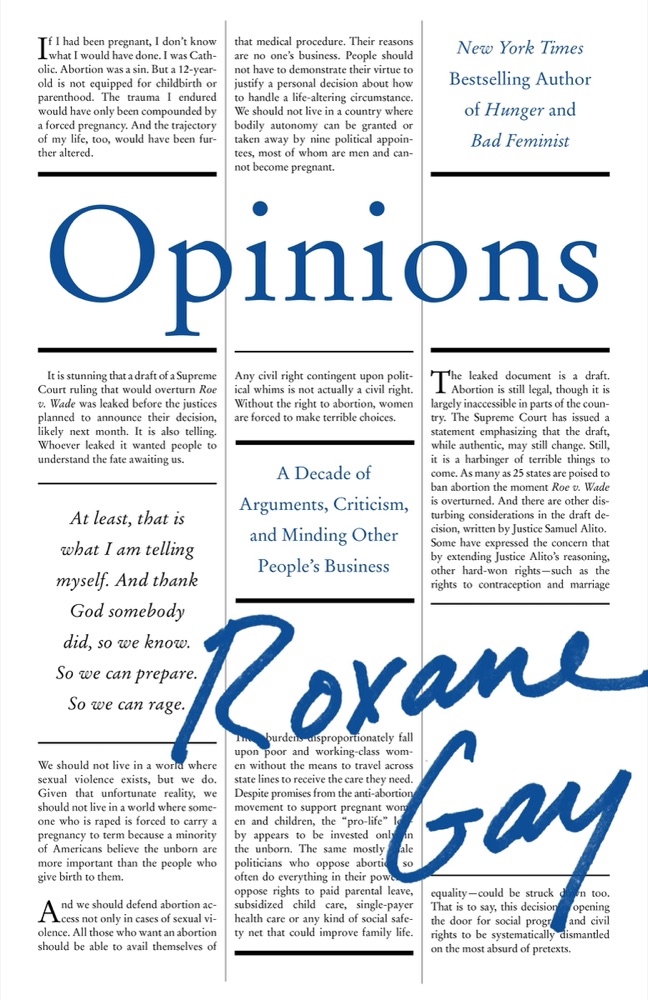 Opinions: A Decade of Arguments, Criticism, and Minding Other People’s Business
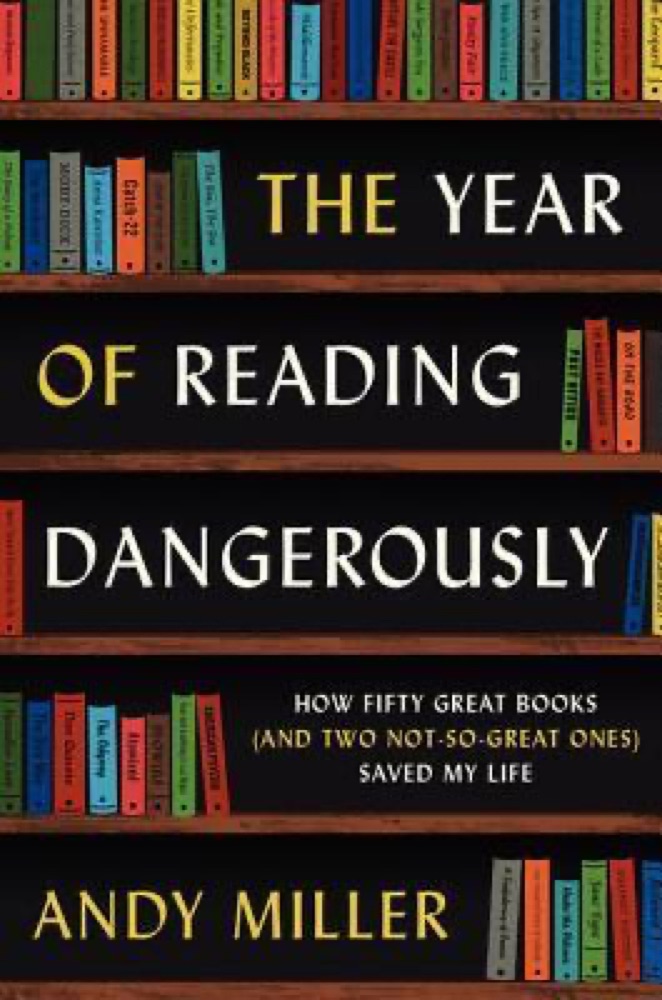 The Year of Reading Dangerously
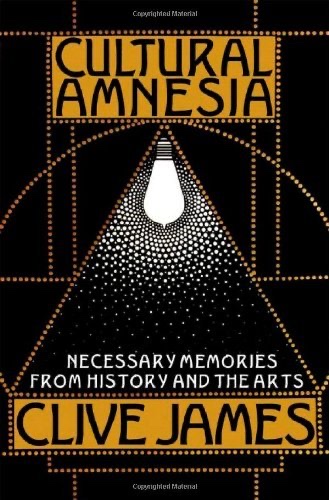 Cultural Amnesia: Necessary Memories from History and the Arts
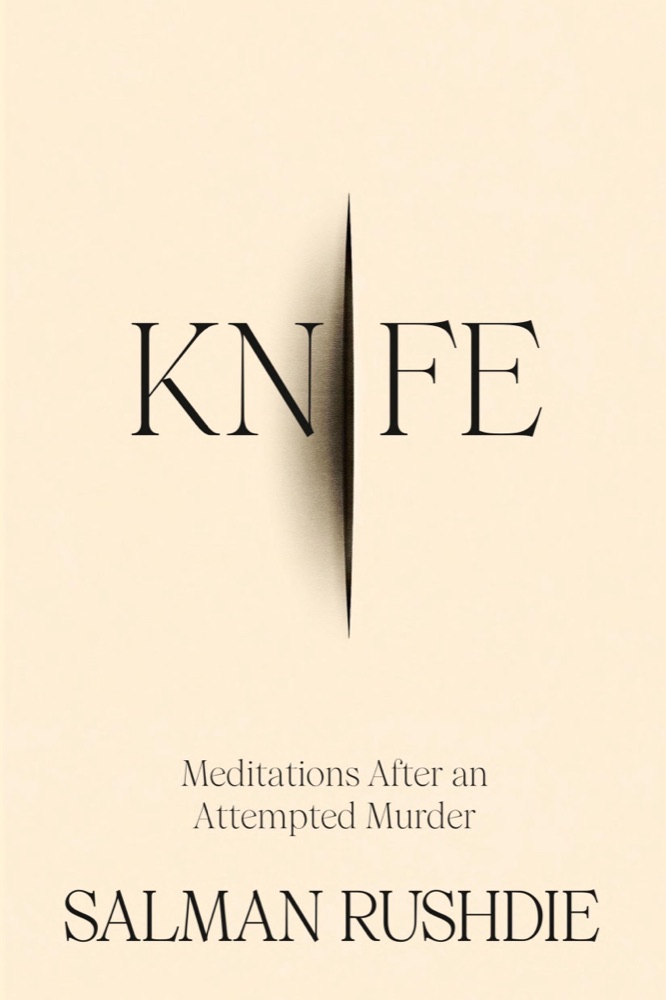 Knife: Meditations After an Attempted Murder
 Monsters: A Fan's Dilemma
 Negotiating with the Dead: A Writer on Writing
 The Closing of the American Mind
 The Collector of Burned Books
 The Fall of Babel
 How to Be Alone
 Anthills of the Savannah
 The Book That Broke the World
 When I Was a Child I Read Books
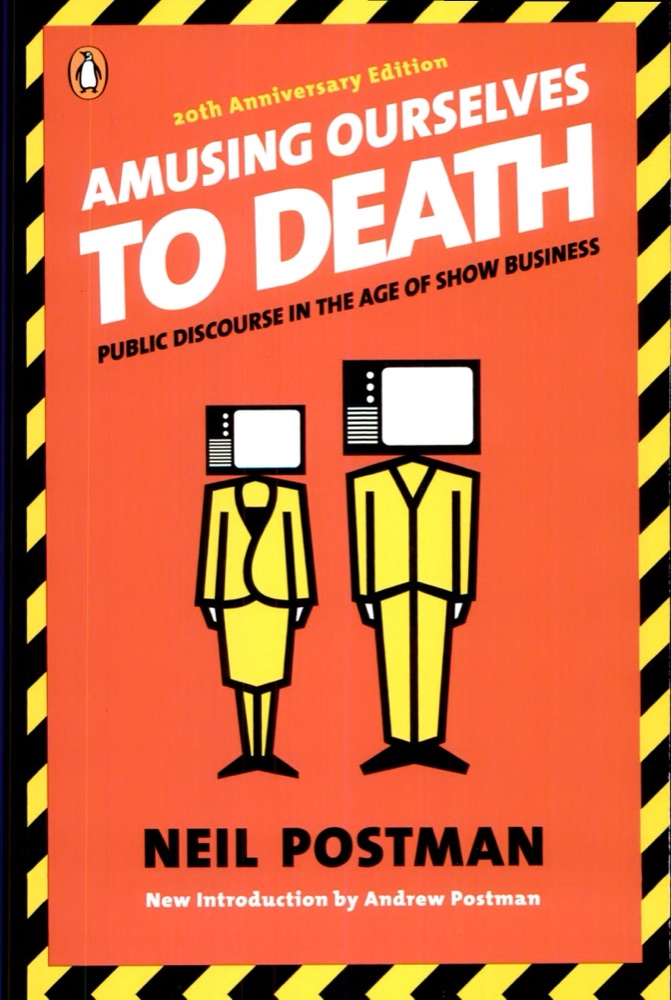 Amusing Ourselves to Death: Public Discourse in the Age of Show Business
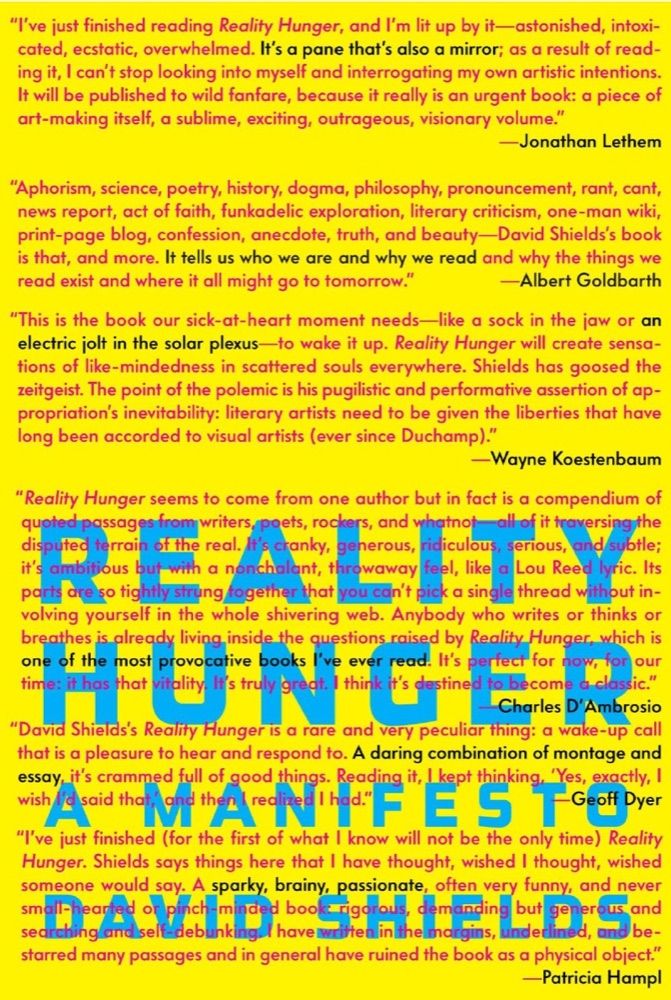 Reality Hunger: A Manifesto
 How to Read and Why
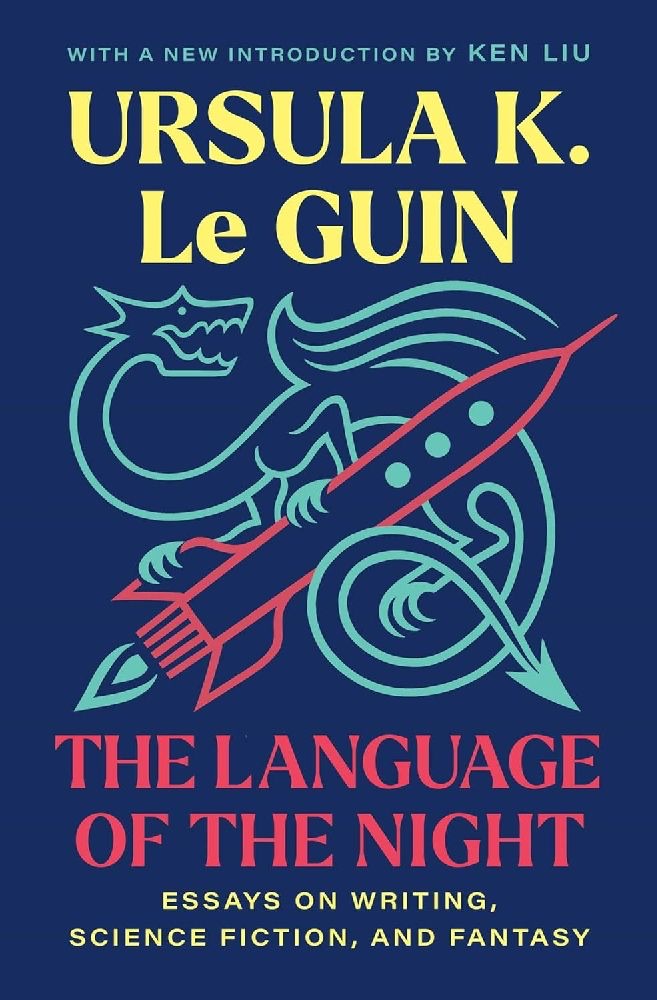 The Language of the Night: Essays on Writing, Science Fiction, and Fantasy
 Skin: Talking About Sex, Class And Literature
 On Writing
 Miss Morgan's Book Brigade
 Asymmetry
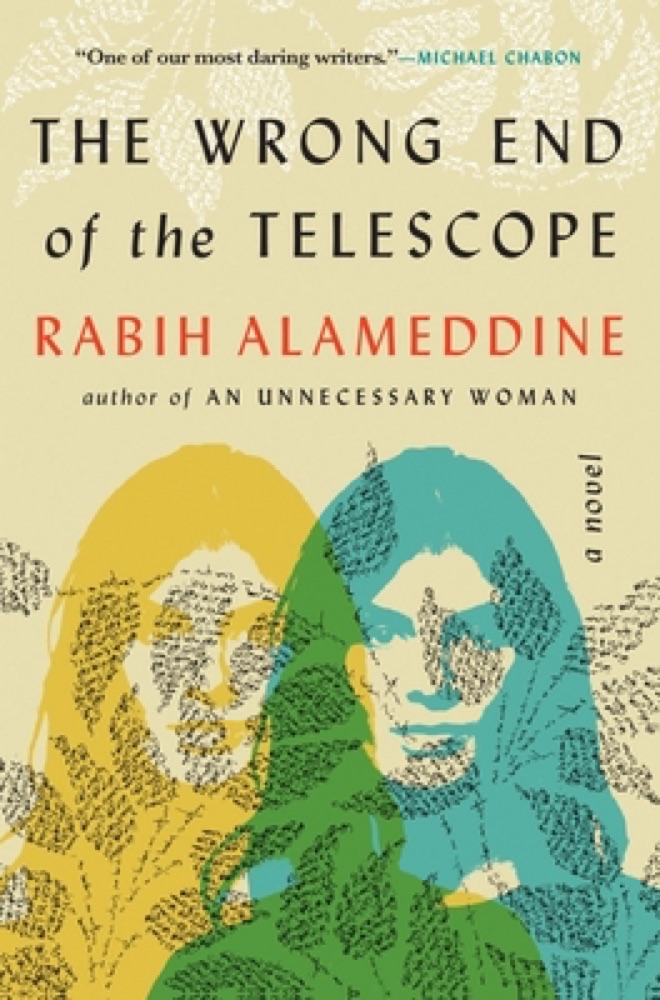 The Wrong End of the Telescope
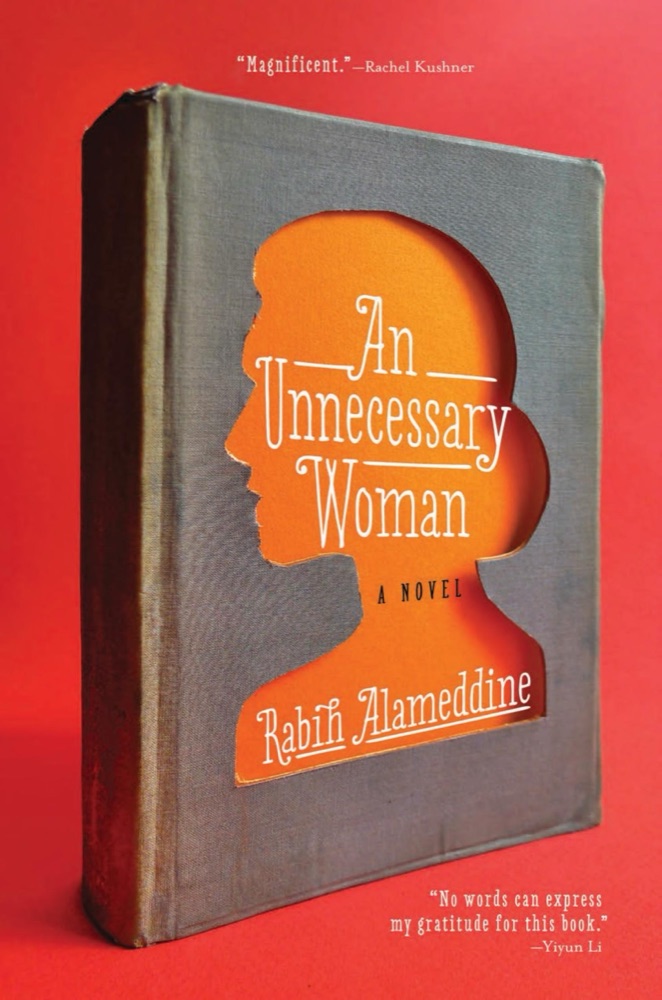 An Unnecessary Woman
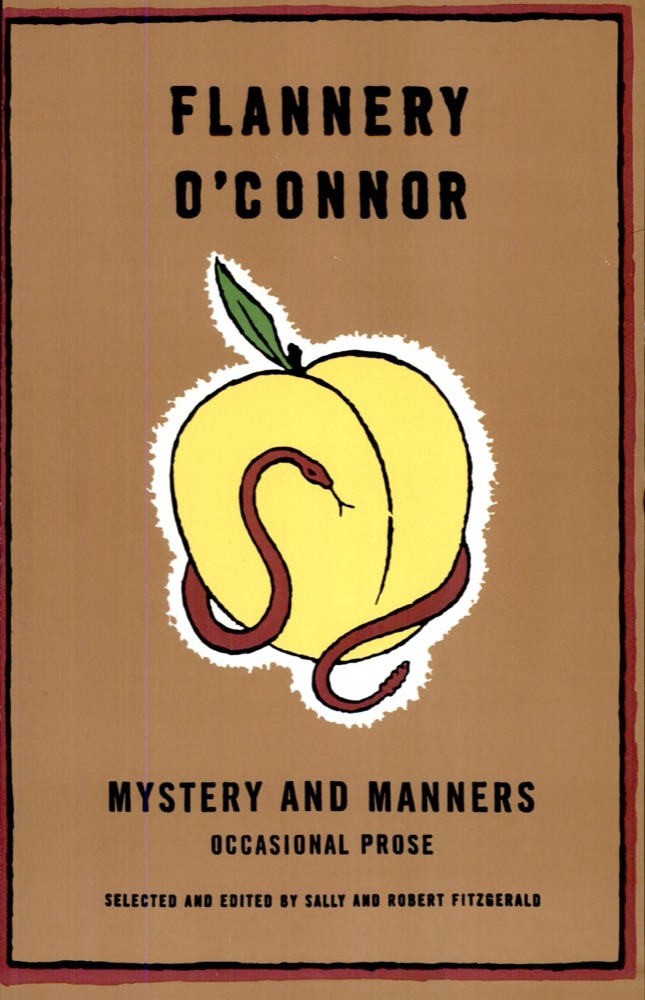 Mystery and Manners: Occasional Prose
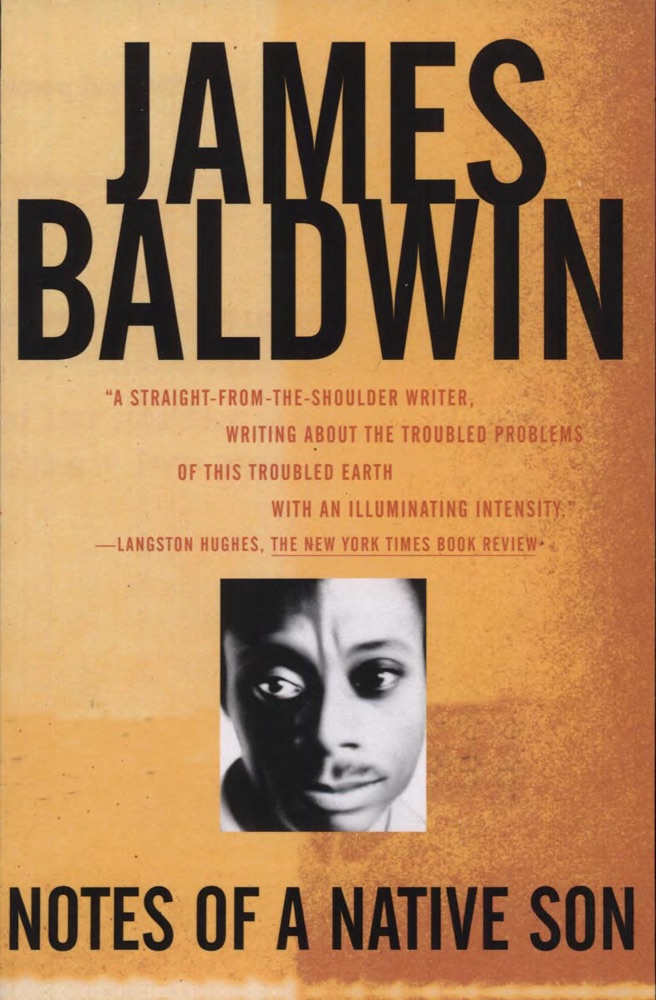 Notes of a Native Son
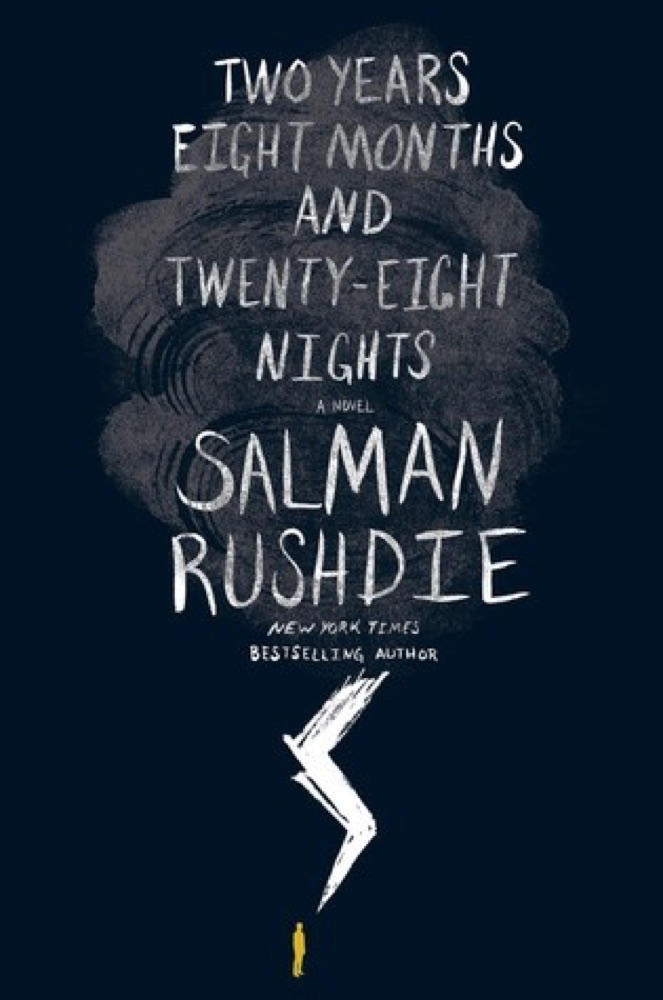 Two Years Eight Months and Twenty-Eight Nights
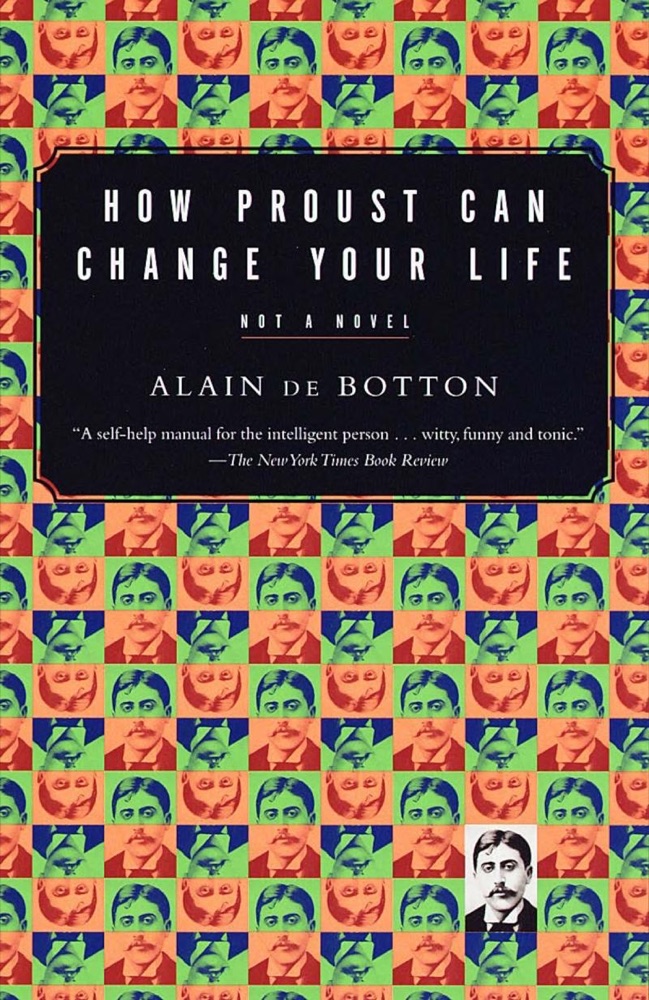 How Proust Can Change Your Life
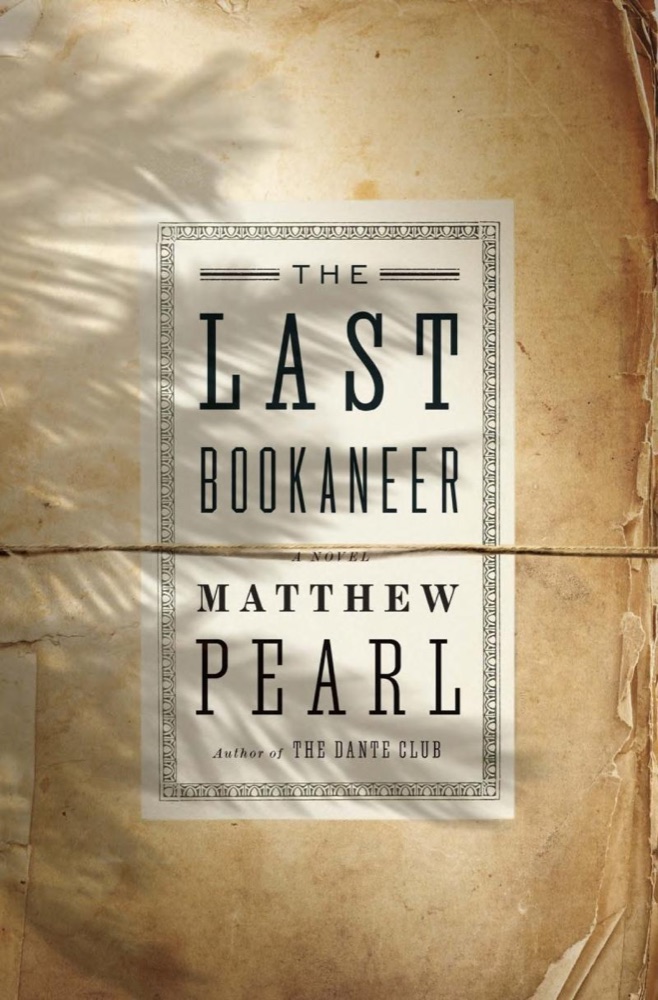 The Last Bookaneer
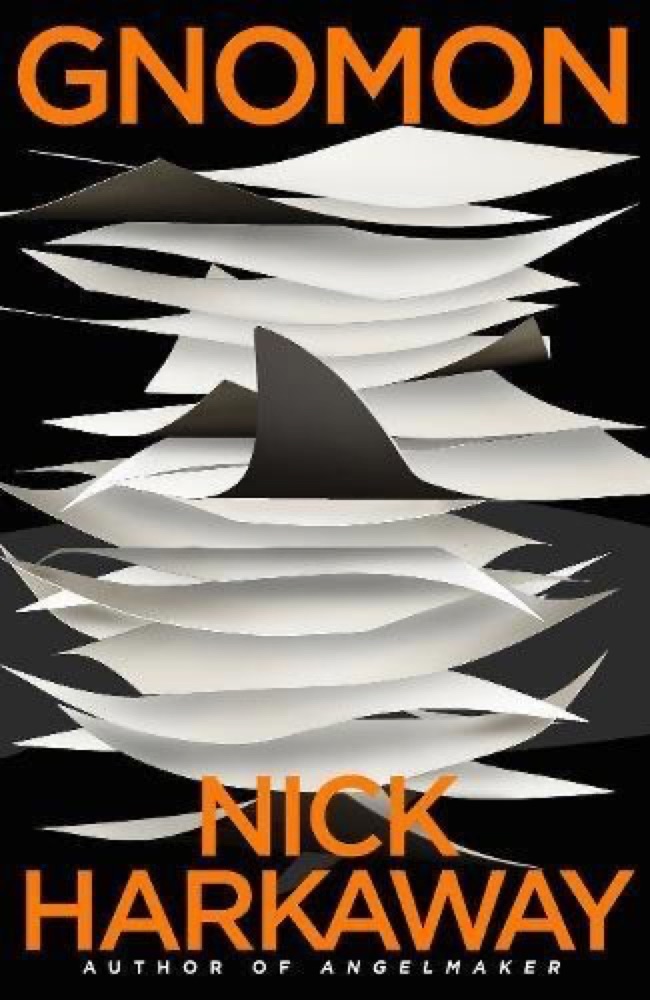 Gnomon
 Too Like the Lightning
 How to Read Literature Like a Professor
 Let Me Tell You What I Mean
 Body Work: The Radical Power of Personal Narrative
 That Librarian: The Fight Against Book Banning in America
 Children of Dune
 My Life on the Road
 The Writing Life
 The Abundance
 The Consolations of Philosophy