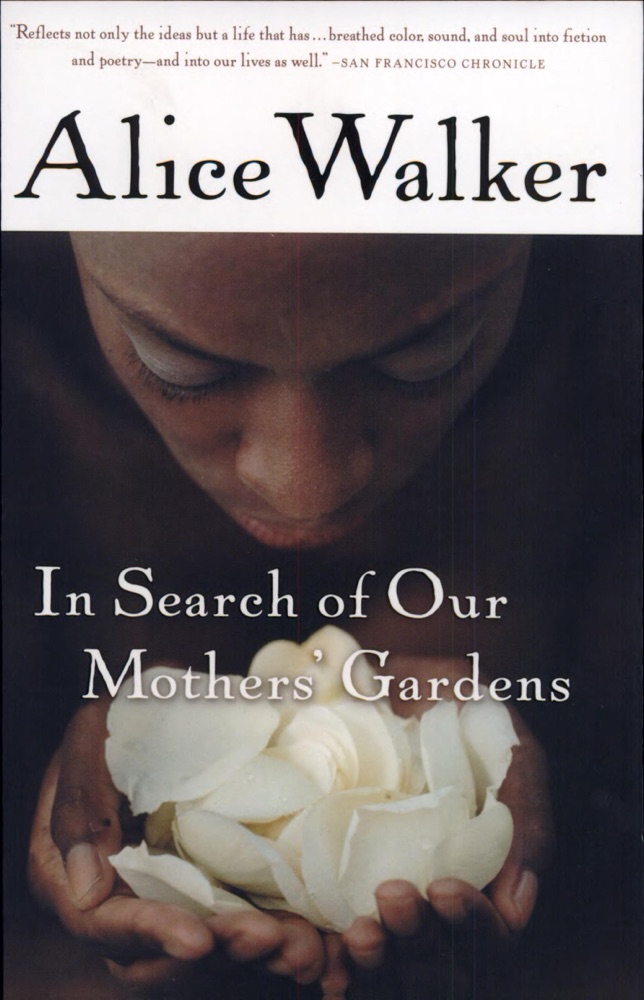
 In Search of Our Mothers' Gardens: Womanist Prose
Quotes from the Book
The literary establishment continues to privilege work that’s just a touch removed, “refined” they would call it. Writers who tone down their anguish, their rage, their nontraditional, “deviant” choices are perceived as more skilled, more worthy of critical acclaim. This often has a lot to do with racism and sexism, and the stories we are “allowed” to tell as people of color.
6
I understood that the United States was majority white in the same way that I understood that the Earth was seventy percent water. I knew it, but standing on dry land, I couldn’t quite believe it.
3
Black girls could not be too confident, too loud, too smart. Fat girls could be cute but not beautiful, could be the funny sidekick or wise truth-teller in school plays, never the leading role or love interest.
3
It kept coming back to joy-- how could I live a life filled with it? And always, the answer that came back to me was "Write." ... I am here because of the indigenous people of this country, because of the enslaved people who were here before me, the young people of the civil rights movements who fought hard to get me to this moment. My biggest responsibility is to recognize that I am part of the continuum, that I didn't just appear and start writing stuff down. I'm writing stuff down because Andre Lorde wrote stuff down, because James Baldwin wrote stuff down... and all the people who came before me -- set the stage for my work. I have to keep all of that in my heart as I move through the world, not only for the deep respect I have for them, but also for my own strength. So my advice to other young writers: Read widely. Study other writers. Be thoughtful, Then go out and do the work of changing the form, finding your own voice, and saying what you need to say. Be fearless. And care. The fact that young people continue to rise brings me such joy. They are where I look to find my hope. -- "Continue to Rise: A Conversation with Jacqueline Woodson
3
Dreaming is impossible without myths. If we ll latch onto those of others -- even if don't have enough myths of our own, we'll latch onto those of others -- even if those myths make us believe terrible or false things about ourselves... Call it superego, call it common sense, call it pragmatism, call it learned helplessness, but the mind craves boundaries. Depending on the myths we believe in, those boundaries can be magnificently vast or crushingly tight. Throughout my life as I've sought to become a published writer of speculative fiction, my strongest detractors and discouragers have been other African Americans... Having swallowed these ideas, people regurgitate them at me at nearly every turn. And for a time, I swallowed them, too... Myths tell us what those like us have done, can do, should do. Without myths to lead the way, we hesitate to leap forward. Listen to the wrong myths, and we might even go back a few steps... Because Star Trek takes place five hundred years from now, supposedly long after humanity has transcended racism, sexism, etc. But there's still only one black person on the crew, and she's the receptionist. This is disingenuous. I know now what I did not understand then: That most science fiction doesn't realistically depict the future; it reflects the present in which it is written. So for the 1960s, Uhura's presence was groundbreaking - and her marginalization was to be expected. But I wasn't watching the show in the 1960s. I was watching it in the 1980s... I was watching it as a tween/teen girl who'd grown up being told that she could do anything if she only put her mind to it, and I looked to science fiction to provide me with useful myths about my future: who I might become, what was possible, how far I and my descendants might go... In the future, as in the present, as in the past, black people will build many new worlds. This is true. I will make it so. And you will help me.
3
The universe, the landscape, it is all changing. It has not changed enough-that is a given- but it is changing, and evolution is something to embrace. Racism is alive and well and we still encounter microaggressions on a regular basis, bat at least now we can go home and close the door and enjoy some entertainment, see ourselves on-screen, imagine ourselves as superheroes and goddesses. Before, you got hassled, you went home, and you had nothing. That's the difference
2
I wanted to walk into the library on Fifth Avenue with the lions sitting outside and be able to look up my name in the card catalog. I wanted those walls to have just one book with my name on it.
2
A professor once told me that the characters we create are always based on the people who are closest to us, the people who are in our world. We are always only writing about them, even if we’re seemingly writing about something foreign or more expansive.
2
Our work is making sure that our stories are told and told true. Our work is making sure our artistry is cultivated and expressed, shared and appreciated. Our work is honoring our genius when no one else does. Our work is refusing to surrender, refusing to be silenced, refusing to be rendered simplistically. Our work seems endless, and probably is. But our stories are at the core of our identity, and if they don’t exist, in some critical way we won’t exist, either. We won’t have the glue that holds us together, and gives us perspective on our lives through the lens of history. We have no way to join the Sisterhood.
2
I teach poetry to teens, and I always include a picture of the poet on the handout. I want my readers to see Maya Angelou, Gwendolyn Brooks, Nikki Giovanni. I want them to know what Sandra Cisneros, Natalie Diaz, and Patricia Smith look like. Some will see their reflections looking back at them, others won't. Both are important. Who makes the work is just as important as the work made.
1
That while I wanted to write with the narrative bravado of Toni Morrison, it might be okay if I started with something less ambitious than a book like beloved.
1
I am still assessing what it means to be a person in this country that reeks of its legacy of not recognizing those who looked like me as citizens
1
Black women happen to be the most educated group in America (so far), and every day, there are more and more of us being told we can’t and defiantly showing the world that we can and we will.
1
I hope my work is catalytic and inspires readers to reflect deeply on their experiences, and in turn, live with greater self-awareness and courage.
1
Citizen is one of those books that reminds me that black life is often like walking a balance beam: It requires strategy and concentration for stability is so fleeting.
1
it was Nikki who guided me, like a literary mama, into understanding that I can be my black girl self and write new worlds into creation, all while staying tightly connected to familial bonds and collective liberation. She taught me that there would always be somewhere to return to when I felt alienated or afraid, by showing me that home, and the road my ancestors paved for me to get there, ultimately resides within me.
Even as I wrote my debut, I felt inspired and strengthened to magnify the world’s interruptions, those double takes in black women’s lives that deserve further introspection and analysis, no matter how messy or contradictory they may be.
For those just encountering Baldwin now, those who did not live through Jim Crow, it may be difficult to comprehend what his witness meant to us in the mid-twentieth century. When assumptions about Black inferiority were universal; when Black people were consistently treated as social pariahs and had that status confirmed by de jure and de facto segregation; when virtually every public image of Black people was a debilitating stereotype; when our humanity was routinely debated and then summarily erased, how much James Baldwin mattered was incalculable. His genius embodied the race’s genius, and he unleashed that genius on the entire world. He fought for us with his ideas and his miraculous language. He was heroic.
great dramas were at the cruxes of their lives.
come celebrate with me that everyday something has tried to kill me and has failed.
I much preferred to observe, to twirl around in the fascinating constellation of my own mind, where I could entertain myself by creating stories about the people around me, their fears and obsessions, wondering what faces they made at themselves in the mirror, if they were anything like mine. I memorized song lyrics, constructed elaborate fantasies, and filled diaries and journals with the rambling minutiae of my day, personal mythologies, and sometimes, prayers
I never felt sure of what I craved more: solitude or attention. So I sought both, ever at odds between instinct and performance.
But as anyone who loves reading and writing quickly learns, both activities allow you to commune with the living and the dead, to listen to the thoughts of those who have come before you and argue, cajole, and sing praise for them in response.
They both squealed in the face of hope and the audacity for a black body to exist despite the system designed to dismember it.
It took me a while to unlearn the bad lessons my parents taught me about my existence by accident, as well as the bad lessons the media has been teaching me on purpose (that's another story entirely), but I'm glad I have learned.
No matter the response though, I still and will always believe that representation of all kinds is essential. My work-the memoirs, anthologies, novels, television pilots, magazine articles-is just one long attempt to make sure that people from different backgrounds are seen and heard, especially people who are in some practical way challenging the status quo, and offering different interpretations of what it means to be a human being right now. What it means to be a feminist, for example, what it means to be a man in a culture that demands toxic masculinity. What it means to spend your days challenging the racism coded into artificial intelligence, to be pansexual and polyamorous, to be the third generation in your family to struggle with schizophrenia, to embark on the arduous search for your identity as a transracial adoptee. To have a family member in prison.
This often has a lot to do with racism and sexism, and the stories we are "allowed" to tell as people of colour.
I sat in my little Brooklyn apartment and tried to listen: listen for the voice of my mother, listen for the singsong voices of my grandmothers, both passed away. Jamaica Kincaid taught me that the women I loved might not have been known to many people in the world but they were opera singers. They had beauty in their voices; great dramas were at the cruxes of their lives. And if I could catch those voices - the way they loved, the way they taught, the way they turned their faces away in pain, and how they stood in their own power-then their words on the page might become a song worth singing.
I knew what it meant to feel very small in a large, hostile world.
Watch on YouTube
About Glory Edim
We have collected 29 quotes from 1 book by Glory Edim on BookQuoters.
More about the author →About the book
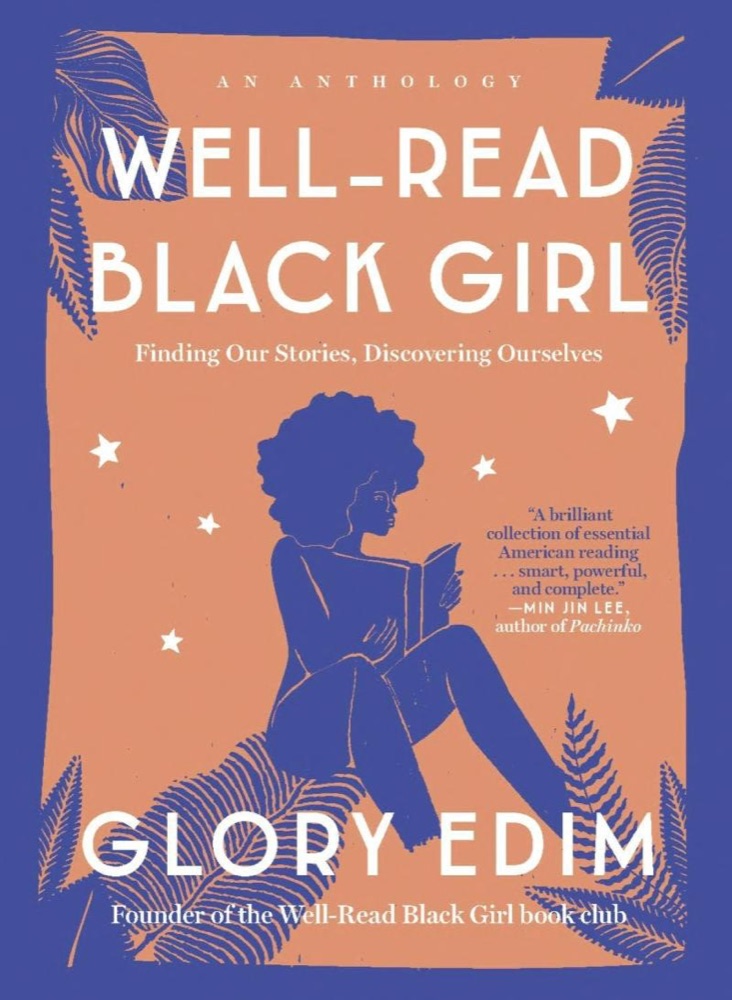
An inspiring collection of essays by black women writers, curated by the founder of the popular book club Well-Read Black Girl, on the importance of recognizing ourselves in literature.
Remember that moment when you first encountered a character who seemed to be written just for you? That feeling of belonging can stick with readers the rest of their lives--but it doesn't come around as frequently for all of us. In this timely anthology, "well-read black girl" Glory Edim brings together original essays by some of our best black female writers and creative voices to shine a light on how we search for ourselves in literature, and how important it is that everyone--no matter their gender, race, religion, or abilities--can find themselves there. Whether it's learning about the complexities of femalehood from Their Eyes Were Watching God, seeing a new type of love in The Color Purple, or us
Book details
- First published
- 2018
- Author
- Glory Edim
- Genre
- Nonfiction
- Goodreads rating
- 4.36 (7k ratings)
The buzz
- The Washington PostReview in The Washington Postprofessional review (via Book Marks)
- Kirkus ReviewsReview in Kirkus Reviewsprofessional review (via Book Marks)
- Publishers WeeklyReview in Publishers Weeklyprofessional review (via Book Marks)
- LA Review of BooksReview in LA Review of Booksprofessional review (via Book Marks)
- BooklistReview in Booklistprofessional review (via Book Marks)
- BookreporterReview in Bookreporterprofessional review (via Book Marks)
Keep reading
In Search of Our Mothers' Gardens: Womanist Prose
 A Lowcountry Heart: Reflections on a Writing Life
 Skin: Talking About Sex, Class And Literature
 Erasure
 Trash
Trash
 A Song Flung Up to Heaven
 A Burst of Light
 Black Friend: Funny, incisive essays on navigating Blackness, tokenism, and friendship in predominantly white spaces.
 Aftershocks
 This Bridge Called My Back: Writings by Radical Women of Color
 Piecing Me Together
 Here for It; Or, How to Save Your Soul in America: Essays
 Becoming
 The Fire This Time: A New Generation Speaks About Race
 We Have Always Been Here: A Queer Muslim Memoir
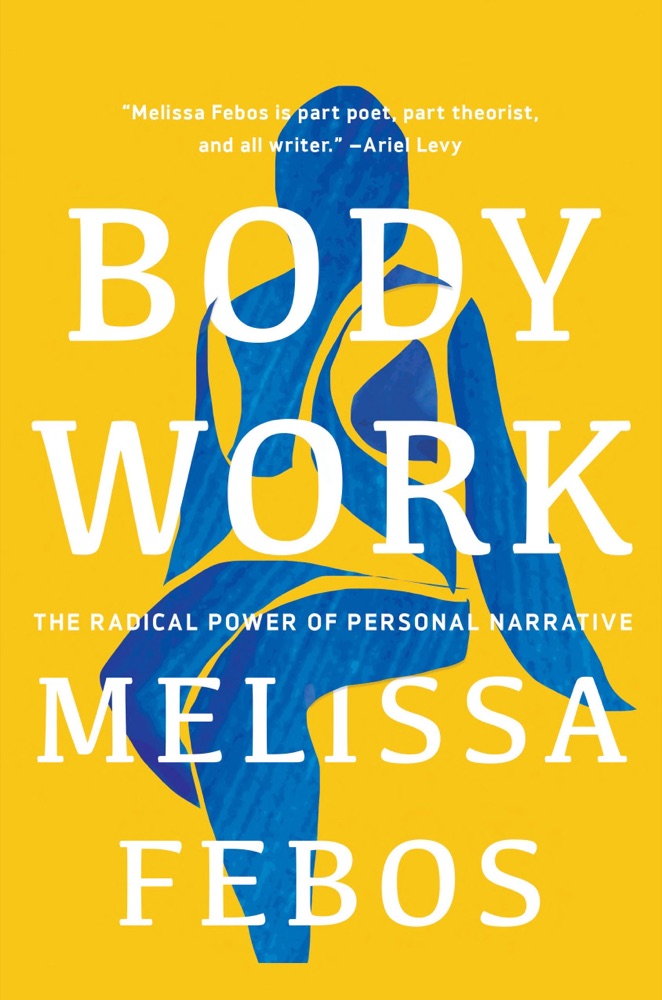 Body Work: The Radical Power of Personal Narrative
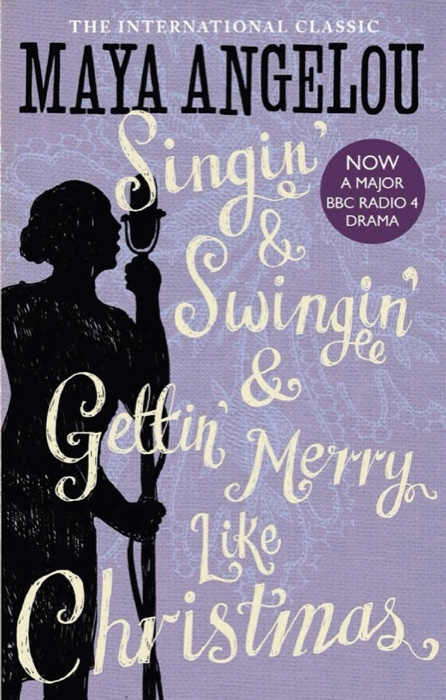 Singin' and Swingin' and Gettin' Merry Like Christmas
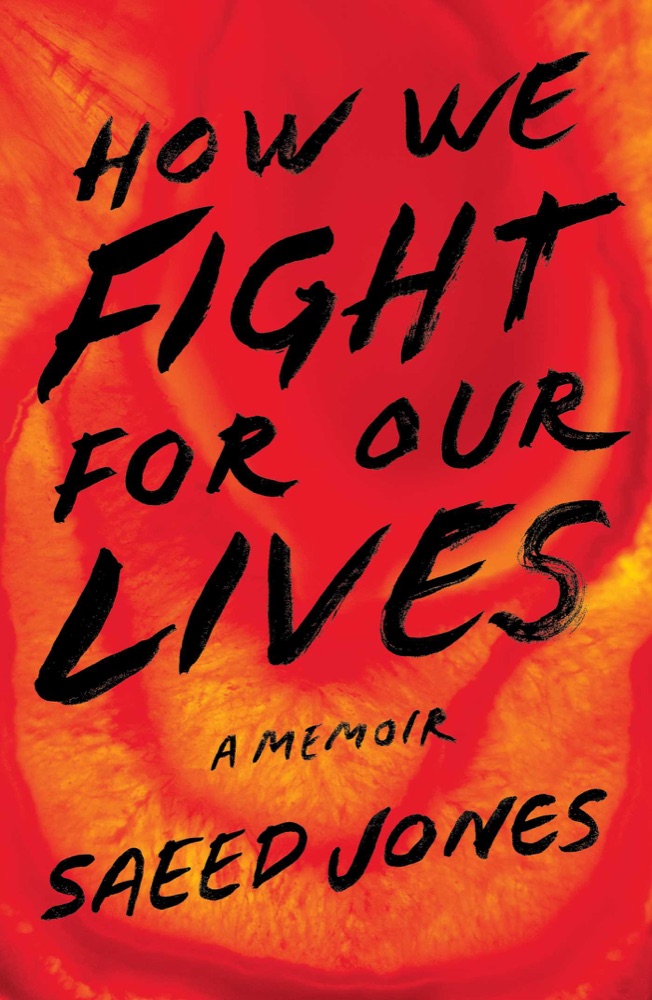 How We Fight For Our Lives
 What Doesn't Kill You Makes You Blacker: A Memoir in Essays
 Black Is the Body: Stories from My Grandmother's Time, My Mother's Time, and Mine
 Dust Tracks on a Road
 Mother Mary Comes to Me
 Heavy
Heavy
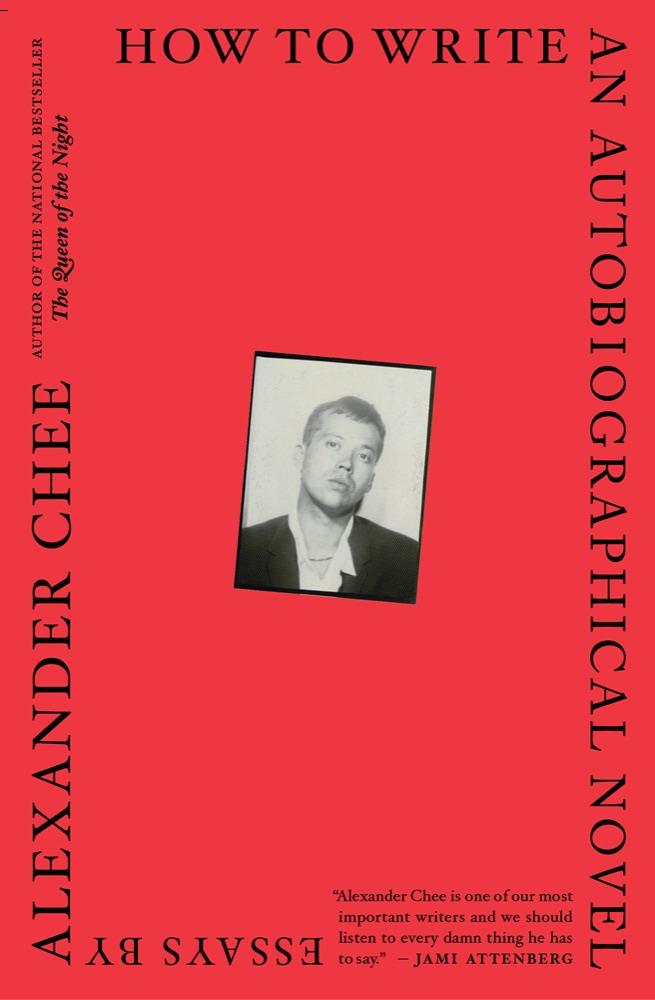 How to Write an Autobiographical Novel
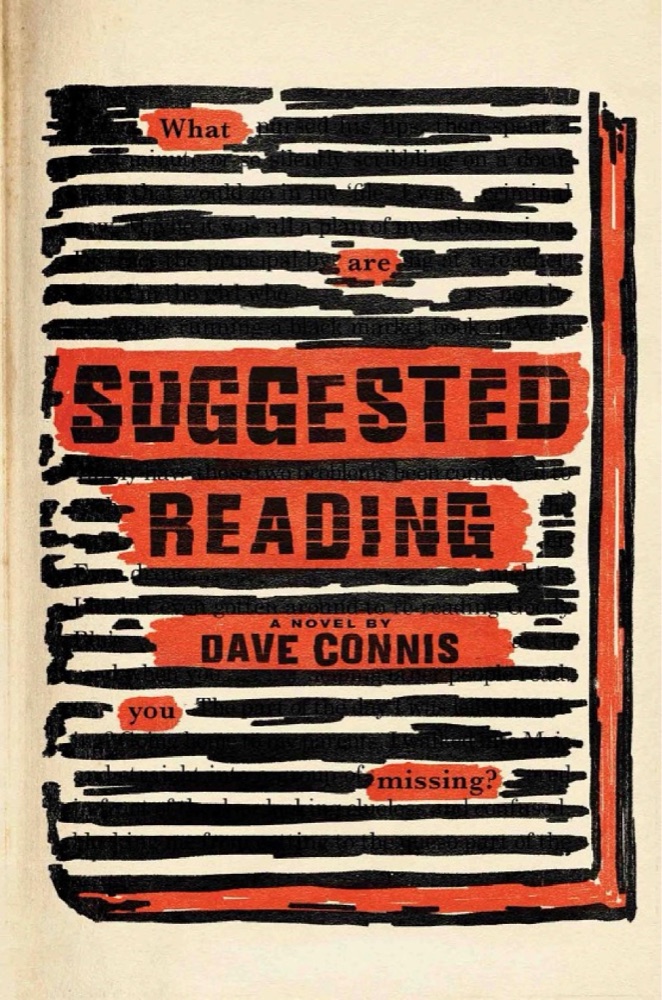 Suggested Reading
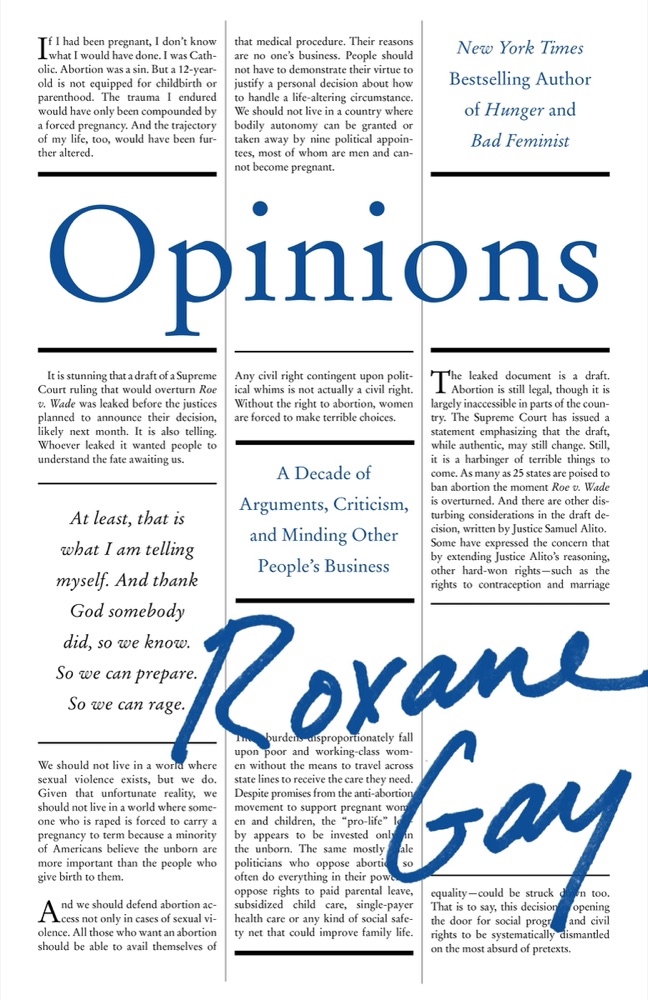 Opinions: A Decade of Arguments, Criticism, and Minding Other People’s Business
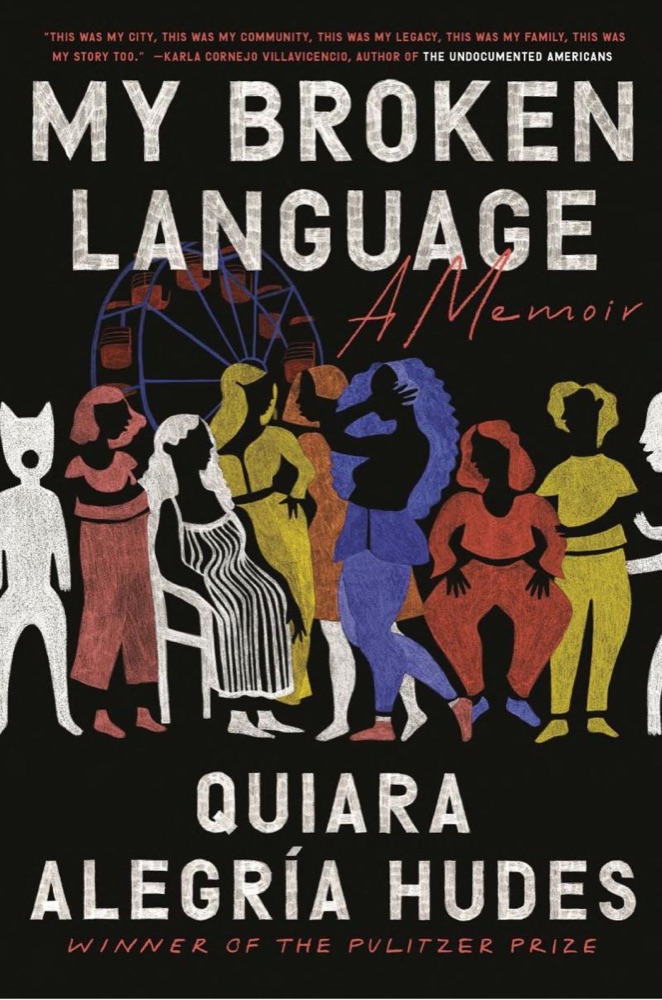 My Broken Language
 Hell of a Book
 Recollections of My Nonexistence: A Memoir
 Broken Horses
 Where Am I Now?
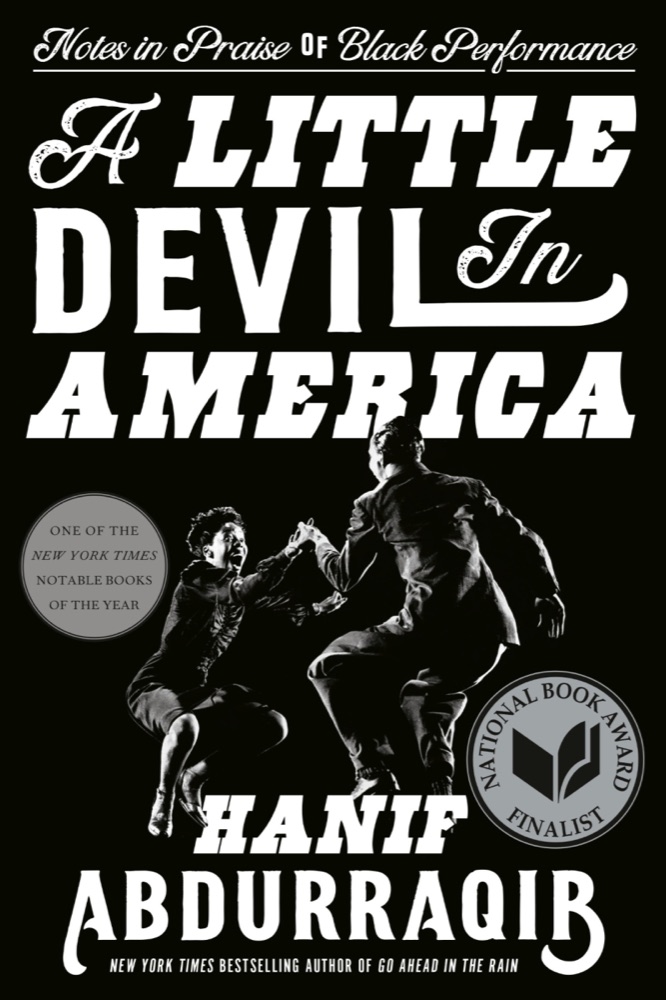 A Little Devil in America: Notes in Praise of Black Performance
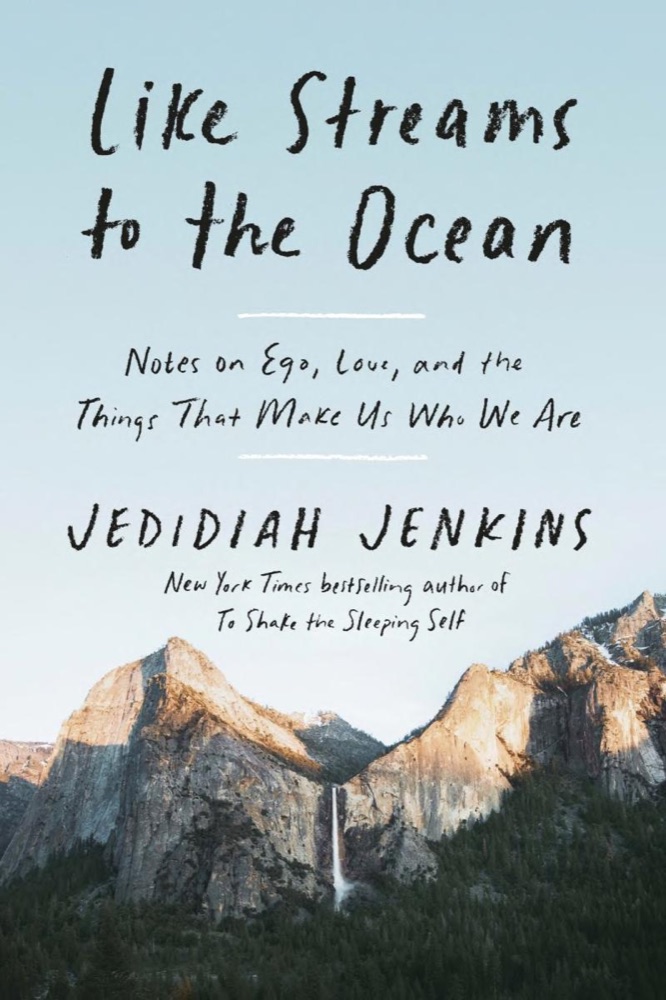 Like Streams to the Ocean: Notes on Ego, Love, and the Things That Make Us Who We Are
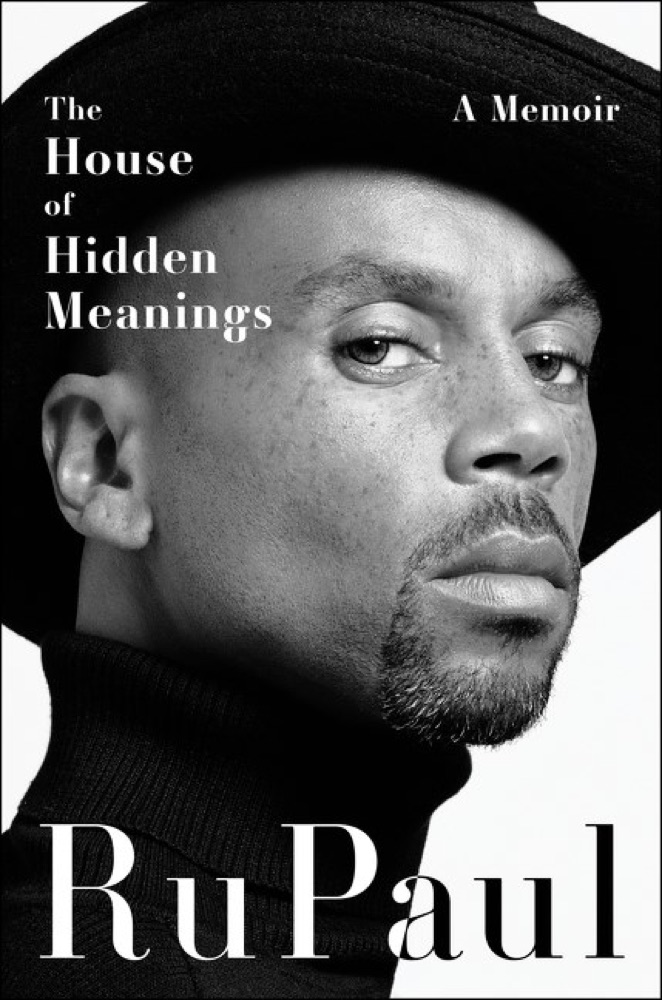 The House of Hidden Meanings
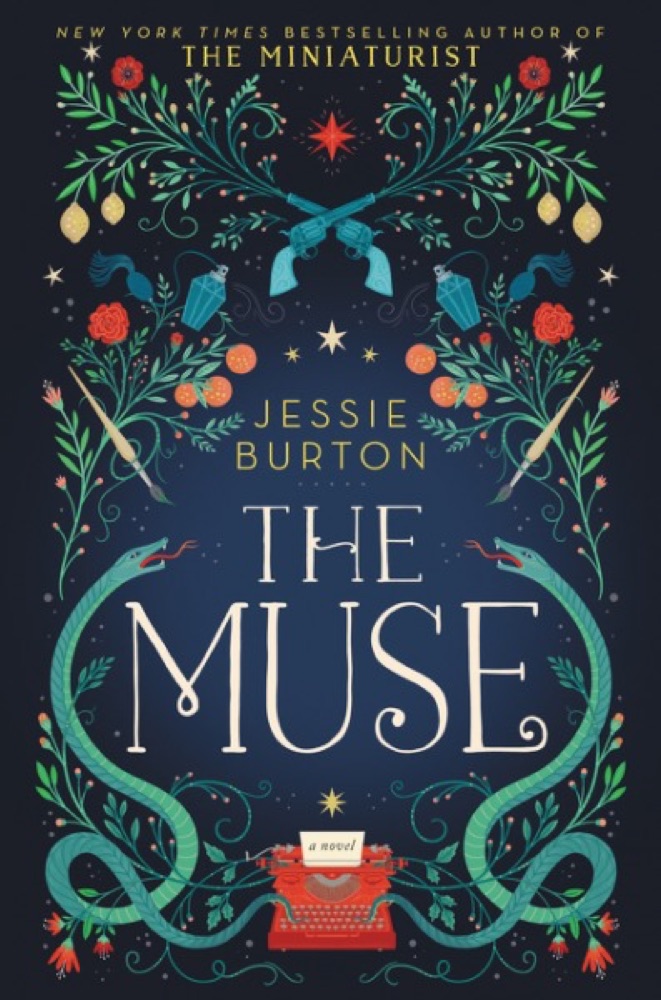 The Muse
 The Source of Self-Regard: Selected Essays, Speeches, and Meditations
 Inferno
 Memorial Drive: A Daughter's Memoir
 Managing Expectations: A Memoir in Essays – A Poignant Collection of Personal Stories on Acting, Failure, and Motherhood's Joy
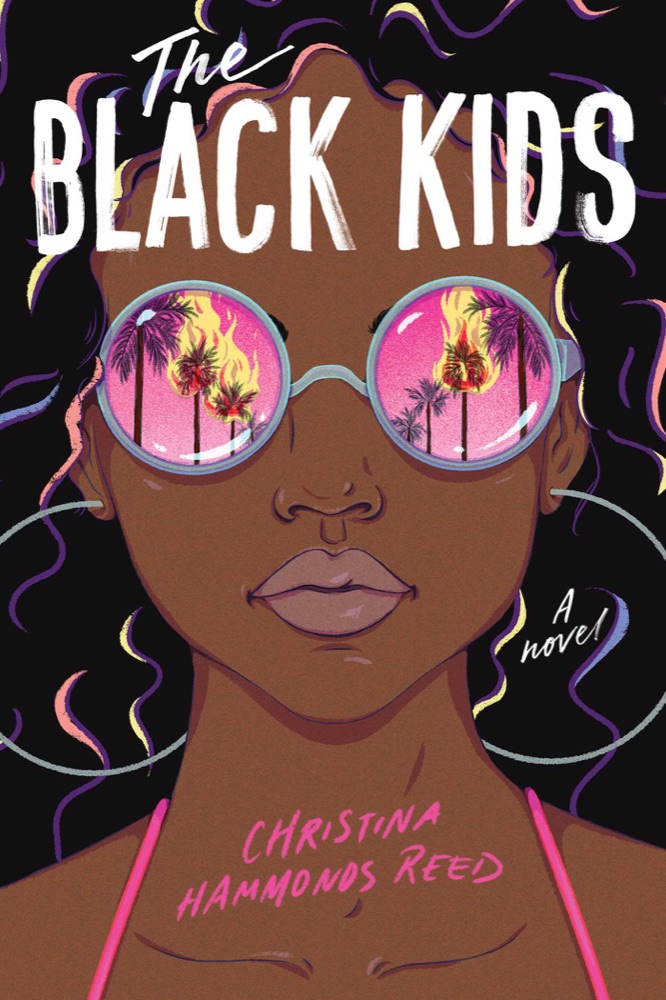 The Black Kids
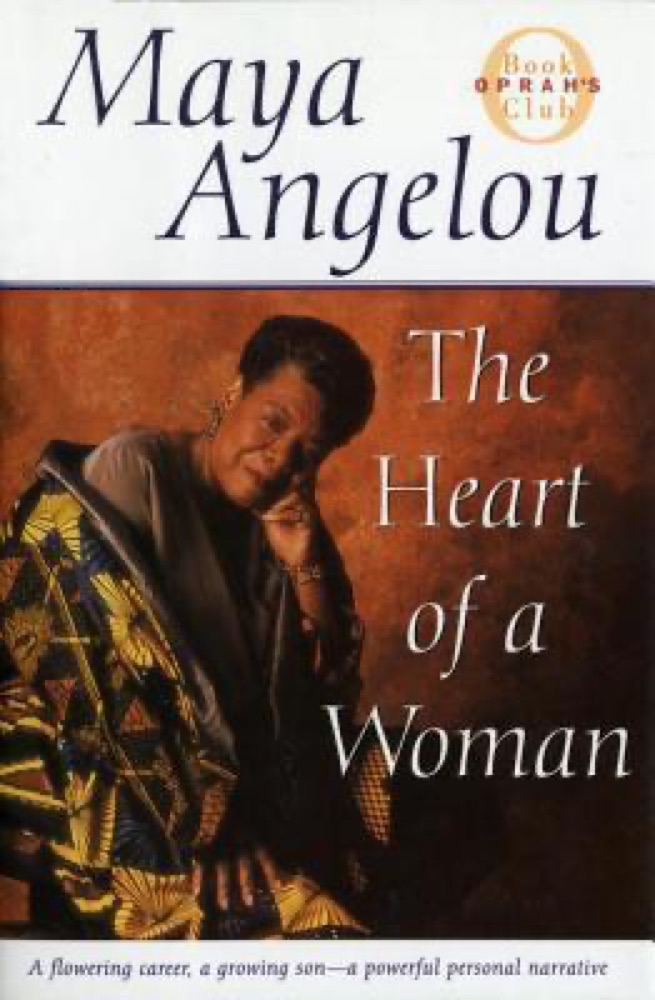 The Heart of a Woman
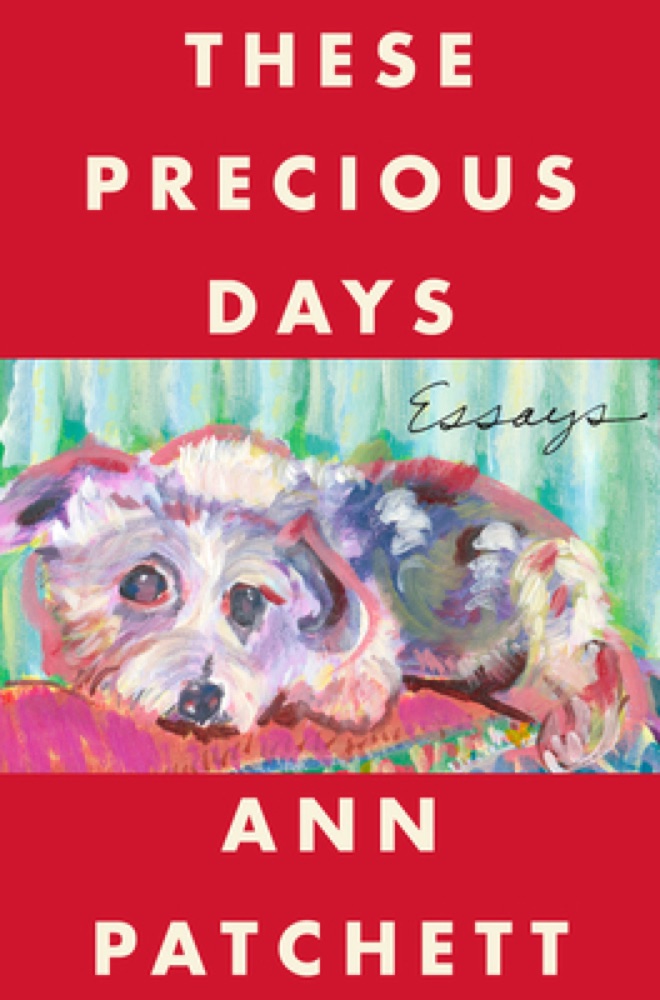 These Precious Days: Essays
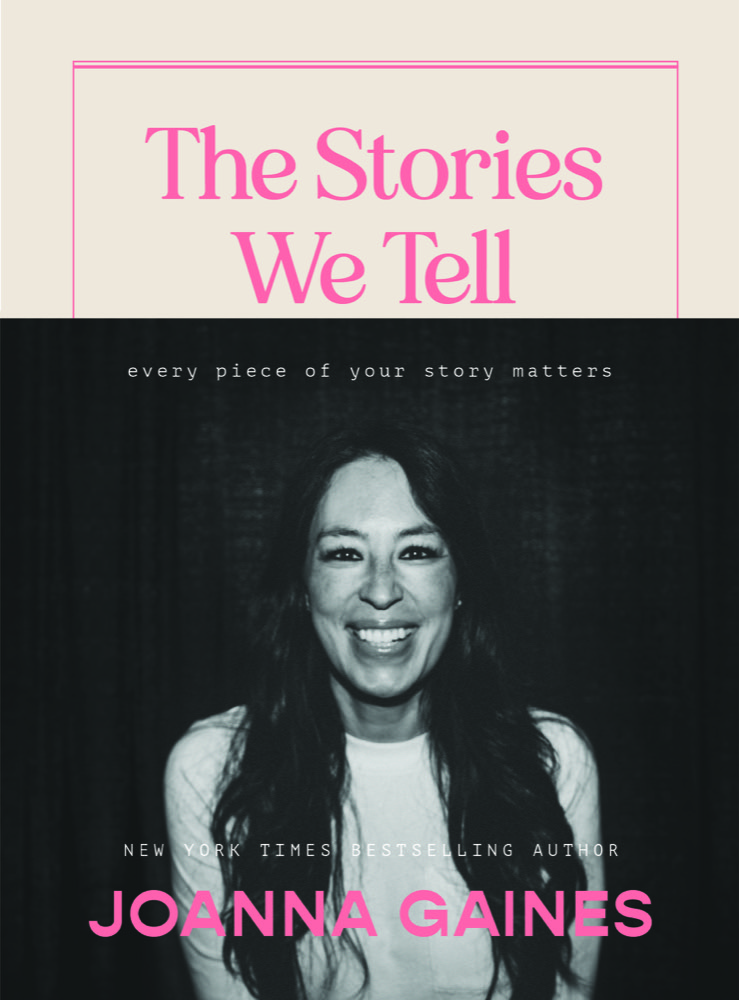 The Stories We Tell: Every Piece of Your Story Matters
 The Sea Keeper's Daughters
 Dream Count
 My Beloved World
 Lakewood
 Dreams from My Father: A Story of Race and Inheritance
 Things I Don't Want to Know
 Notes from No Man's Land
 Winter Hours: Prose, Prose Poems, and Poems
 The Chronology of Water
 The Cancer Journals
 Old Babes in the Wood: Stories
 The Blazing World
 Things I've Been Silent About
 Dear Senthuran: A Black Spirit Memoir
 Between the World and Me
 The Book of Negroes
 Negotiating with the Dead: A Writer on Writing