
 How to Read Now
Quotes from the Book
Baggage means no matter how far you go, no matter how many times you immigrate, there are countries in you you’ll never leave
21
You've been foreign all your life. When you finally leave, all you're hoping for is a more bearable kind of foreignness.
18
You already know that the first thing that makes you foreign to a place is to be born poor in it; you don't need to emigrate to America to feel what you already felt when you were ten, looking up at the rickety concrete roof above your head and knowing that one more bad typhoon would bring it down to crush your bones and the bones of all your siblings sleeping next to you; or selling fruit by the side of the road to people who made sure to never really look at you, made sure not to touch your hands when they put the money in it. You've been foreign all your life. When you finally leave, all you're hoping for is a more bearable kind of foreignness.
13
This was--small talk, Hero thought to herself. Though why people called it small, she didn't know. The effort it scraped out of her felt immense, exhausting, like she should have studied for days beforehand just to be ready for it, like she'd need to sleep a dreamless sleep all night just to recover from it.
8
As for loving America or not loving America, those aren't your problems, either. Your word for love is survival. Everything else is a story that isn't about you.
5
You don’t ever really stop having a song. It’s easier to stop having a person than to stop having a song.
5
There are mercies, and there are mercies.
4
You know what it's like to have a fate; you also know what it's like to escape one.
3
So that means you can't remember the last time someone told you take care of yourself in your own language.
2
So then tell me. If Roni came to you now and said, Ate Hero, ako ang sira? Am I sira? Then? Anong sasabihin mo sa kanya? What would you say to her?
2
When she turned her head back to look at Rosalyn, she saw that Rosalyn had been studying her for longer than she’d been aware, arms around her knees, the gaze alert and considering. She looked at Hero like she’d looked at her this way a million times before and would do so a million times more; like she was looking at something she was used to but not tired of, something she could trace on paper with her eyes closed.
2
A name had a lifespan like anything else.
2
What Hero loved most wasn’t the cadre names people chose, but the word kasama itself: kasama, pakikisama. In Ilocano, the closest word was kadwa. Kadwa, makikadwa. Companion, but that English word didn’t quite capture its force. Kasama was more like the glowing, capacious form of the word with: with as verb, noun, adjective, and adverb, with as a way of life. A world of with-ing.
2
Though later, as always, you'd realize that what you knew about the worst of the world, the knowledge about life you'd stored up, tart and proud because of where you'd been born, what you'd run from, what'd made you, all amounted to - mostly nothing, like anyone else's stupid history. It didn't make you any wiser or stronger, the way you hoped, the way you usually played it. It just made you you.
1
White people always thought they were full of toxins, so you could make a lot of money just by claiming to be able to remove them.
1
There are reasons people live in places, Hero said, not realizing she was quoting Teresa until she was doing it. There are consequences, too.
1
You don't know that you're going to love him. and that you won't be able to differentiate this love for him from your devouring hunger to be recognized.
1
Hero was touched by the small gesture of courtesy, at first only minutely, and then, for no reason at all, deeply and wholly. It was possible she was about to cry, here in this kitchen, for the first time since she'd arrived in America. To prevent that from happening, she stuffed her mouth with an entire quarter of the pizza, then huffed and gasped as the molten bite burned her tongue.
Paz was a few years older than her; looked younger. Hero saw her alone on the veranda, in a black dress patterned with what looked like large sampaguita vines. Her center-parted hair reached just to the top of her ass; it was the most expensive-looking thing about her. She appeared to understand that beauty, at least, was also a kind of wealth.
Paz smiled, and answered the way Hero would learn she always answered: rather than lying, or even dodging the question, she preferred to speak the supposedly shameful truth as if it were something to be proud of. Of course not, she said, her voice sweet and direct. We're too poor to have anything like a car. She made it sound like it was desirable not to have a car, ridiculous to even want one. Hero had been impressed, not least of all because even she'd gotten in the habit of leaving a room whenever Tita Ticay entered it, terrified of her venomous tongue, her keen eyes, the ease with which she spotted weakness, and the please with which she toyed with it.
Hero opened her mouth, still unsure of whether to use English or Tagalog when talking to Paz. Paz had a habit of speaking to Roni in a mixture of English, Tagalog, and Pangasinan. It felt like Roni didn't really know the difference between Tagalog and Pangasinan, and moved between the two interchangeably as if they were one language. Nobody had told her otherwise, Hero supposed. But for Hero, listening to the mixture was like listening to a radio whose transmission would occasionally short out; she'd get half a sentence, then nothing -- eventually the intelligible parts would start back up, but she'd already lost her place in the conversation. But when Pol would come in, they'd switch to English, and like adjusting a dial to get a sharper signal, Hero would be able to tune in again.
Hero had the sense that Pol's Ilocano was stuck in time, that he only wanted to speak it with the people he'd always spoken it to, but even when Hero and Pol spoke in Ilocano with each other in California, there was a playacting stiffness in their voices that hadn't been there back in Vigan, when Hero used to hang on every word.
Huwag kang matakot. Ligtas ka dito, Adela murmured. Don't be afraid. You're safe here.
Hero ached to be far from her knowing that nearness would present a yet more grievous and enduring ache. She stepped forward.
You don't know yet that you're going to love him, and that you won't be able to differentiate this love for him from your devouring hunger to be recognized.
The older Hero got, the less she got along with romantics: people who liked courtship and courtly love, people who had big ideas about how men and women should behave in their relationships with each other—since typically these people thought only of men and women when they thought of romance. She found, oddly, that those people were often the least suited to sexual or romantic relationships, were staggeringly selfish and borderline abusive both in bed and in life, and treated their partners and friends more like protagonists and side characters, props in the love story they were constructing, in which they played the starring role, full of grand gestures and pronouncements
About Elaine Castillo
We have collected 53 quotes from 2 books by Elaine Castillo on BookQuoters.
More about the author →More by Elaine Castillo
How to Read Now
About the book
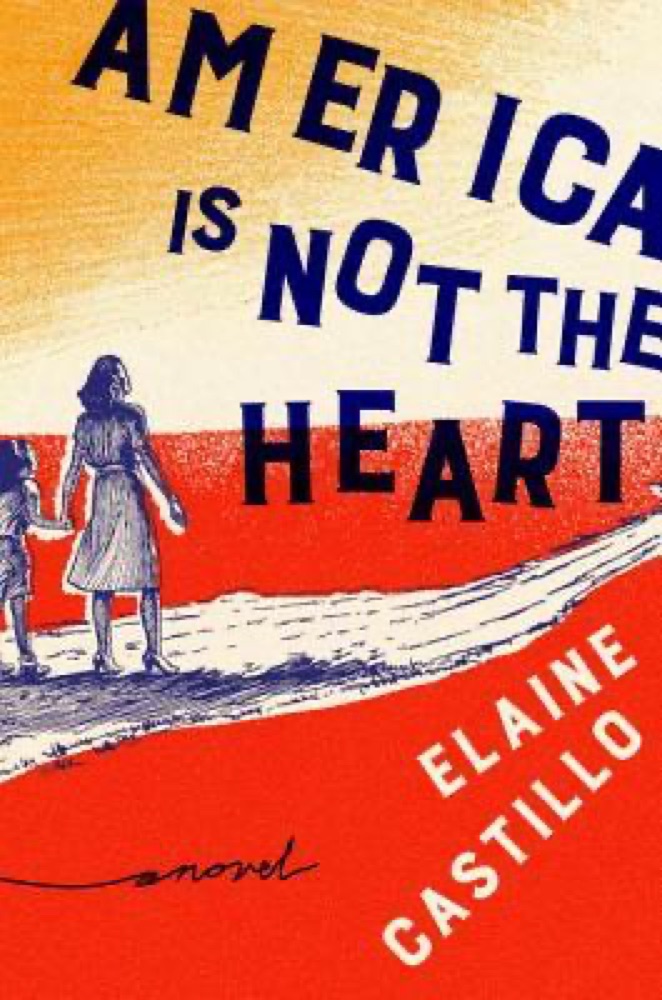
Three generations of women from one immigrant family trying to reconcile the home they left behind with the life they're building in America.
How many lives can one person lead in a single lifetime? When Hero de Vera arrives in America, disowned by her parents in the Philippines, she's already on her third. Her uncle, Pol, who has offered her a fresh start and a place to stay in the Bay Area, knows not to ask about her past. And his younger wife, Paz, has learned enough about the might and secrecy of the De Vera family to keep her head down. Only their daughter, Roni, asks Hero why her hands seem to constantly ache.
Illuminating the violent political history of the Philippines in the 1980s and 1990s and the insular immigrant communities that spring up in the suburban United States with an uncanny ear for the unspoken intimacies and pain that get buried by the duties of everyday lif
Book details
- First published
- 2018
- Author
- Elaine Castillo
- Genre
- Fiction
- Goodreads rating
- 3.96 (6k ratings)
The buzz
- The New York TimesReview in The New York Timesprofessional review (via Book Marks)
- The TimesReview in The Timesprofessional review (via Book Marks)
- Kirkus ReviewsReview in Kirkus Reviewsprofessional review (via Book Marks)
- Publishers WeeklyReview in Publishers Weeklyprofessional review (via Book Marks)
- BooklistReview in Booklistprofessional review (via Book Marks)
- BookPageReview in BookPageprofessional review (via Book Marks)
Keep reading
 The Rescue
 Joan Is Okay
 Dream Count
 The Loneliness of Sonia and Sunny
 Homeseeking
 Of Women and Salt
 What Is Not Yours Is Not Yours
 Clap When You Land
 Honor
Honor
 Winter Garden
 Every Heart a Doorway
 Americanah
 The Fates Divide
 Patron Saints of Nothing
 The Long Way Home
 Varina
 The Book of Love
 Out of Oz
 Muse of Nightmares
 Another Country
 American Street
 Mercy
Mercy
 The Post-Birthday World
 Too Much Happiness: Stories
 Forever in Blue: The Fourth Summer of the Sisterhood
 They Call Her Dirty Sally
 Immortal
 The Invasion of the Tearling
 Behold the Dreamers
 Fool Me Once
 Skyhunter
 On Beauty
 White Teeth
 The Story of Us
 The Proposal
 A Woman Is No Man
 Sign Here
 10 Minutes 38 Seconds in This Strange World
 Ninth House
 Infinite Country
 The Kite Runner
 The Paris Secret
 Q & A
Q & A
 Audition
 Go
Go
 The Prison Healer
 The Orphan Master's Son
 Fierce Femmes and Notorious Liars
 Home
Home
 Bel Canto
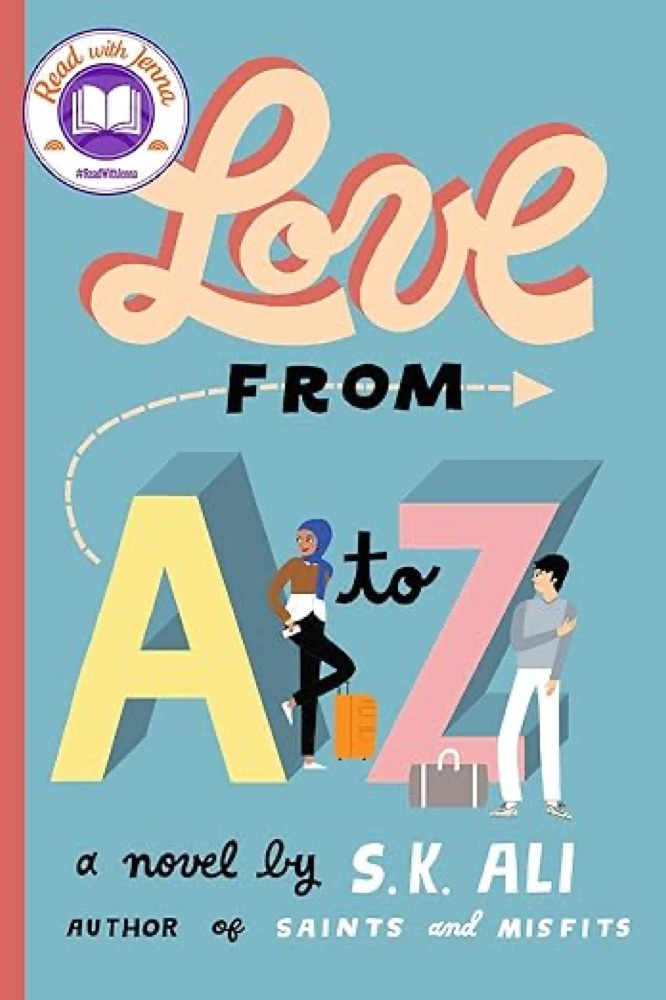 Love from A to Z
 A Girl Like That
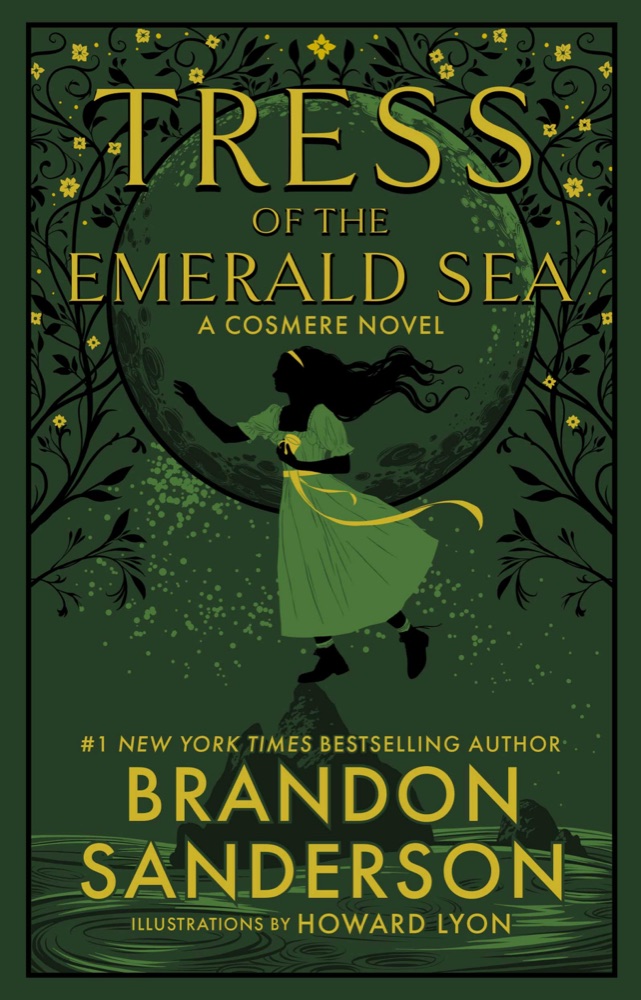 Tress of the Emerald Sea
 The Van Alen Legacy
 The Last Song
 The Shadow of Kyoshi
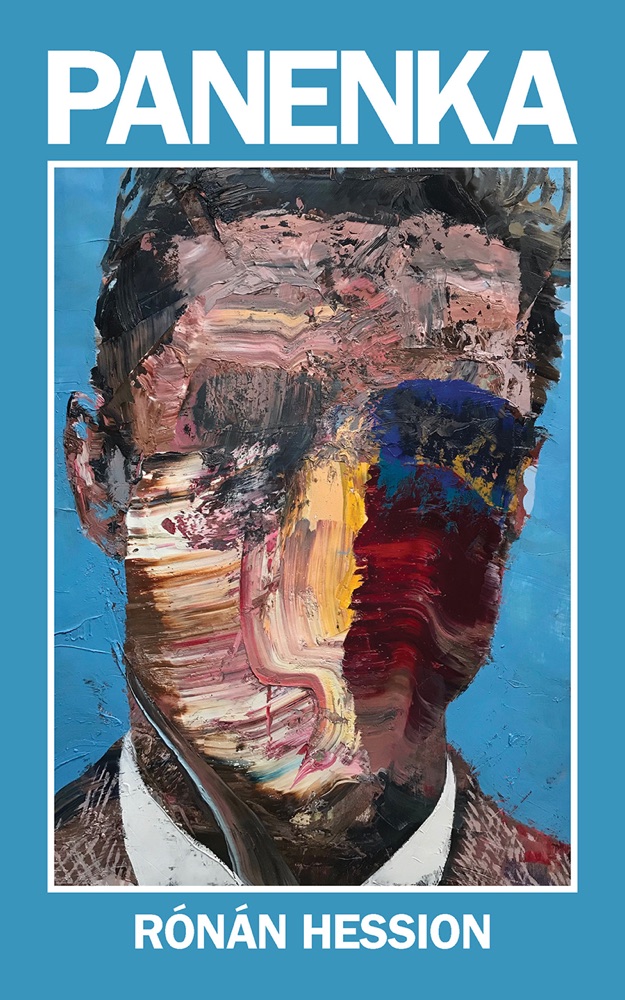 Panenka
 Sisterhood Everlasting
 Home Fire
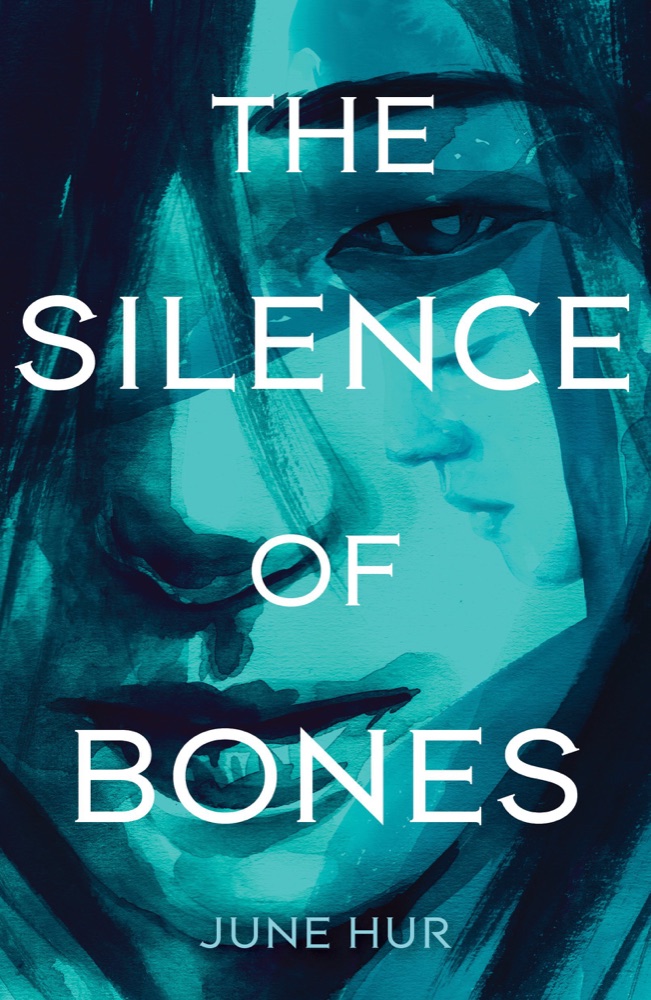 The Silence of Bones