
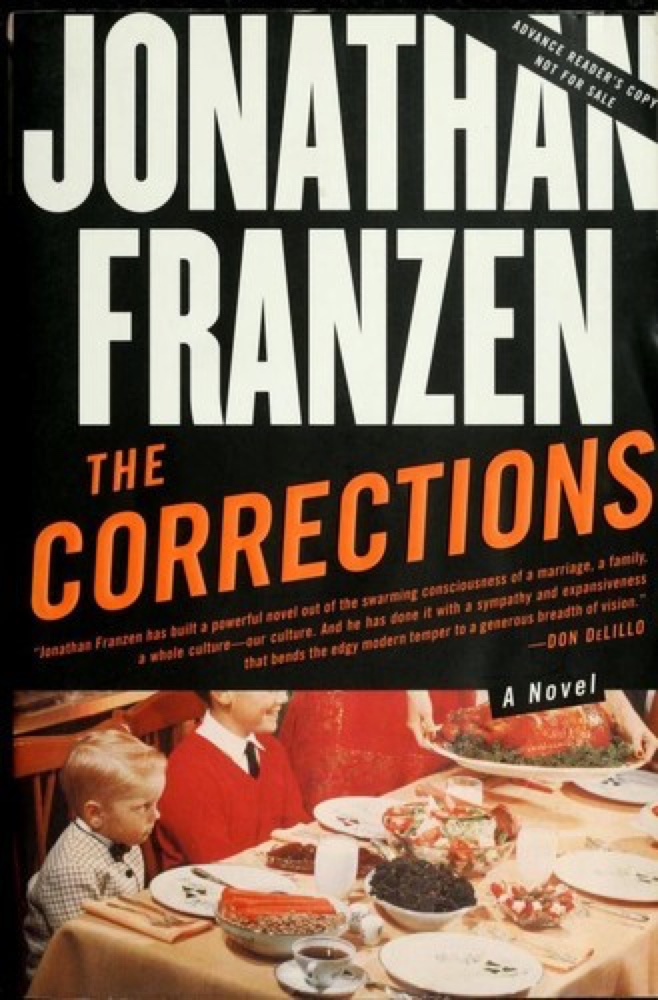
 The Corrections
Quotes from the Book
Depression presents itself as a realism regarding the rottenness of the world in general and the rottenness of your life in particular. But the realism is merely a mask for depression's actual essence, which is an overwhelming estrangement from humanity. The more persuaded you are of your unique access to the rottenness, the more afraid you become of engaging with the world; and the less you engage with the world, the more perfidiously happy-faced the rest of humanity seems for continuing to engage with it.
450
But the first lesson reading teaches is how to be alone.
287
Imagine that human existence is defined by an Ache: the Ache of our not being, each of us, the center of the universe; of our desires forever outnumbering our means of satisfying them.
74
The world was ending then, it's ending still, and I'm happy to belong to it again.
46
Reading enables me to maintain a sense of something substantive– my ethical integrity, my intellectual integrity.
42
It's healthy to say uncle when your bone's about to break.
38
For every reader who dies today, a viewer is born, and we seem to be witnessing . . . the final tipping balance.
28
How could I have thought that I needed to cure myself in order to fit into the 'real' world? I didn't need curing, and the world didn't, either; the only thing that did need curing was my understanding of my place in it. Without that understanding - without a sense of belonging to the real world - it was impossible to thrive in an imagined one.
26
[T]hat I could find company and consolation and hope in an object pulled almost at random from a bookshelf--felt akin to an instance of religious grace.
24
Readers and writers are united in their need for solitude, in their pursuit of substance in a time of ever-increasing evanescence: in their reach inward, via print, for a way out of loneliness.
20
Fiction, I believed, was the transmutation of experiential dross into linguistic gold. Fiction meant taking up whatever the world had abandoned by the road and making something beautiful out of it.
13
Only in a crowded, diverse place like New York, surrounded by strangeness, do I come home to myself.
10
And did the distress I was feeling derive from some internal sickness of the soul, or was it imposed on me by the sickness of society? That someone besides me had suffered from these ambiguities and had seen light on their far side... that I could find company and consolation and hope in an object pulled almost at random from a bookshelf—felt akin to an instance of religious grace.
7
The only mainstream American household I know well is the one I grew up in, and I can report that my father, who was not a reader, nevertheless had some acquaintance with James Baldwin and John Cheever, because Time magazine put them on its cover and Time, for my father, was the ultimate cultural authority. In the last decade, the magazine whose red border twice enclosed the face of James Joyce has devoted covers to Scott Turow and Stephen King. These are honorable writers; but no one doubts it was the size of their contracts that won them covers. The dollar is now the yardstick of cultural authority, and an organ like Time, which not long ago aspired to shape the national taste, now serves mainly to reflect it.
7
Every writer is first a member of a community of readers, and the deepest purpose of reading and writing fiction is to sustain a sense of connectedness, to resist existential loneliness; and so a novel deserves a reader’s attention only as long as the author sustains the reader’s trust.
7
Plato laments the decline of the oral tradition and the atrophy of memory which writing induces, I at the other end of the Age of the Written Word am impressed by the sturdiness and reliability of words on paper... The will to record indelibly, to set down stories in permanent words, seems to me akin to the conviction that we are larger than our biologies.
6
Simply being a "social isolate" as a child does not, however, doom you to bad breath and poor party skills as an adult. In fact, it can make you hypersocial. It's just that at some point you'll begin to feel a gnawing, almost remorseful need to be alone and do some reading - to reconnect to that community.
5
When a smoker says he wants to quit but can’t, what he’s really saying is, “I want to quit but I want even more not to suffer the agony of withdrawal.” To argue otherwise is to jettison any lingering notion of personal responsibility.
5
If multiculturalism succeeds in making us a nation of independently empowered tribes, each tribe will be deprived of the comfort of victimhood and be forced to confront human limitation for what it is: a fixture of life.
5
Even harder to admit is how depressed I was. As the social stigma of depression disappears, the aesthetic stigma increases. It’s not just that depression has become fashionable to the point of banality. It’s the sense that we live in a reductively binary culture: you’re either healthy or you’re sick, you either function or you don’t. And if that flattening of the field of possibilities is precisely what’s depressing you, you’re inclined to resist participating in the flattening by calling yourself depressed. You decide that it’s the world that’s sick,, and that the resistance of refusing to function in such a world is healthy. You embrace what clinicians call “depressive realism.” It’s what the chorus in Oedipus Rex sings: “Alas, ye generations of men, how mere a shadow do I count your life! Where, where is the mortal who wins more of happiness than just the seeming, and, after the semblance, a falling away?” You are, after all, just protoplasm, and some day you’ll be dead. The invitation to leave your depression behind, whether through medication or therapy or effort of will, seems like an invitation to turn your back on all your dark insights into the corruption and infantilism and selfdelusion of the brave new Me World.
4
But in the world of consumer advertising and consumer purchasing, no evil is moral. The evils consist of high prices, inconvenience, lack of choice, lack of privacy, heartburn, hair loss, slippery roads. This is no surprise, since the only problems worth advertising solutions for are problems treatable through the spending of money. But money cannot solve the problem of bad manners—the chatterer in the darkened movie theater, the patronizing sister-in-law, the selfish sex partner—except by offering refuge in an atomized privacy. And such privacy is exactly what the American Century has tended toward.
4
Not just Negroponte, who doesn't like to read, but even Birkerts, who thinks that history is ending, underestimates the instability of society and the unruly diversity of its members. The electronic apotheosis of mass culture has merely reconfirmed the elitism of literary reading, which was briefly obscured in the novel's heyday. I mourn the eclipse of the cultural authority that literature once possessed, and I rue the onset of an age so anxious that the pleasure of a text becomes difficult to sustain. I don't suppose that many other people will give away their TVs. I'm not sure I'll last long myself without buying one. But the first lesson reading teaches is how to be alone.
4
My best guess about my own attraction to the habit is that I belong to a class of people whose lives are insufficiently structured... We embrace a toxin as deadly as nicotine...because we have not yet found pleasures or routines that can replace the comforting, structure bringing rhythm of need and gratification that the cigarette habit offers. One word for this structuring might be "self medication"; another might be "coping".
3
Time stops for the duration of a cigarette: when you're smoking, you're acutely present to yourself; you step outside the unconscious rush of life. This is why the condemned are allowed a final cigarette...it's a lot easier to leave the world if you're certain that you have really been in it.
3
the first lesson reading teaches us is how to be alone.
3
I suspect that art has always had a particularly tenuous purchase on the American imagination because ours is a country to which so few terrible things have ever happened.
3
A candle is like a small sun, but the sun is like a large candle; examined closely, language turns out to operate through the lateral associations of metaphor, rather than through the vertical identifications of naming.
3
When I see an actress or actor drag deeply in a movie, I imagine the pyrenes and phenols ravaging the tender epithelial cells and hardworking cilia of their bronchi, the monoxide and cyanide binding to their hemoglobin, the heaving and straining of their chemically panicked hearts.
3
When the sex is persuasively rendered, it tends to read autobiographically, and there are limits to my desire for immersion in a stranger's biochemistry.
3
Watch on YouTube
About Jonathan Franzen
We have collected 155 quotes from 6 books by Jonathan Franzen on BookQuoters.
More about the author →More by Jonathan Franzen
All books by Jonathan Franzen →

About the book
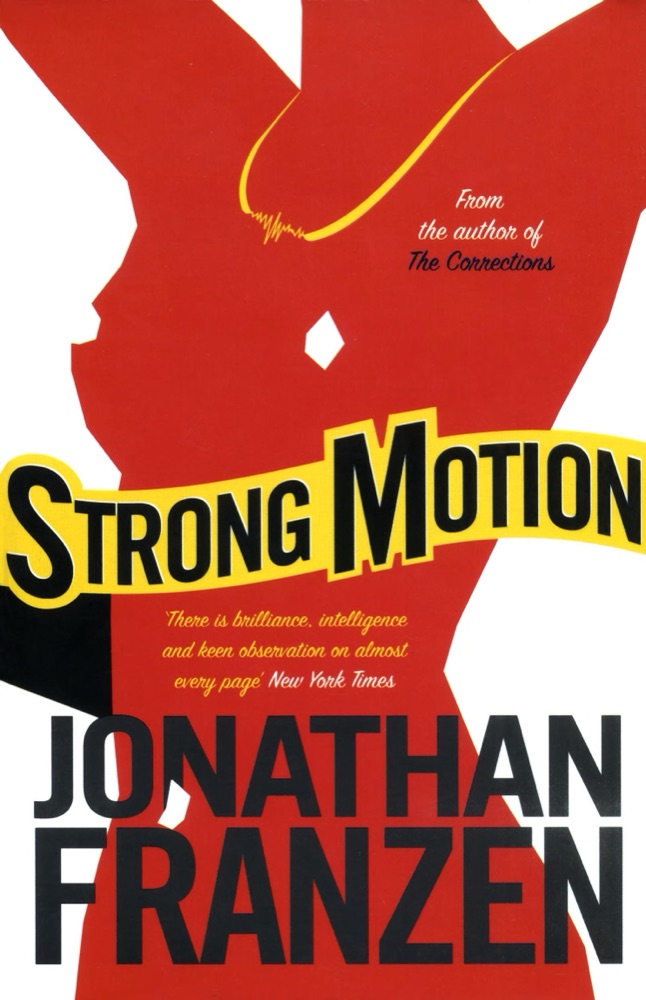
From the National Book Award-winning author of The Corrections, a collection of essays that reveal him to be one of our sharpest, toughest, and most entertaining social critics
While the essays in this collection range in subject matter from the sex-advice industry to the way a supermax prison works, each one wrestles with the essential themes of Franzen's writing: the erosion of civil life and private dignity; and the hidden persistence of loneliness in postmodern, imperial America. Reprinted here for the first time is Franzen's controversial l996 investigation of the fate of the American novel in what became known as "the Harper's essay," as well as his award-winning narrative of his father's struggle with Alzheimer's disease, and a rueful account of his brief tenure as an Oprah Winfrey author.
"A Word About This Book" "My Father's Brain" "Imperial Bedroom" "Why Bother" "Lost
Book details
- First published
- 2002
- Author
- Jonathan Franzen
- Genre
- Nonfiction
- Goodreads rating
- 3.58 (13k ratings) →
Keep reading
 An Unnecessary Woman
 Reading Lolita in Tehran: A Memoir in Books
 The Candy House
 When I Was a Child I Read Books
 The Tsar of Love and Techno
 Girl with Curious Hair
 Here for It; Or, How to Save Your Soul in America: Essays
 The Common Reader
 The Summer Without Men
 In the Heart of the Heart of the Country and Other Stories
 The Pale King
 Dear Friend, from My Life I Write to You in Your Life
 The Story of the Lost Child
 Trust
Trust
 The Source of Self-Regard: Selected Essays, Speeches, and Meditations
 Mao II
 Flights
 The Brooklyn Follies
 The Doors of Perception & Heaven and Hell
 The Faraway Nearby
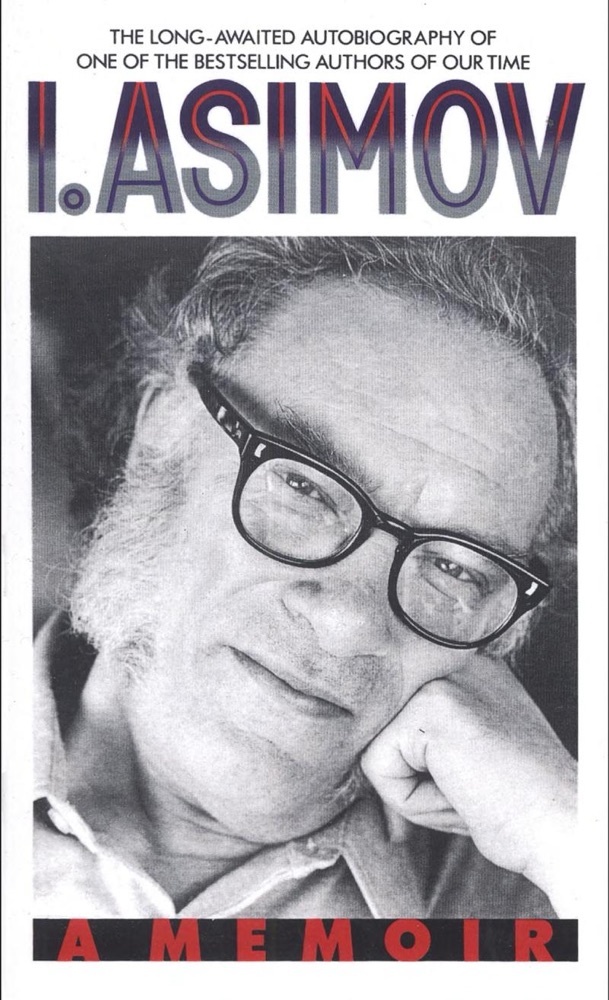 I. Asimov: A Memoir
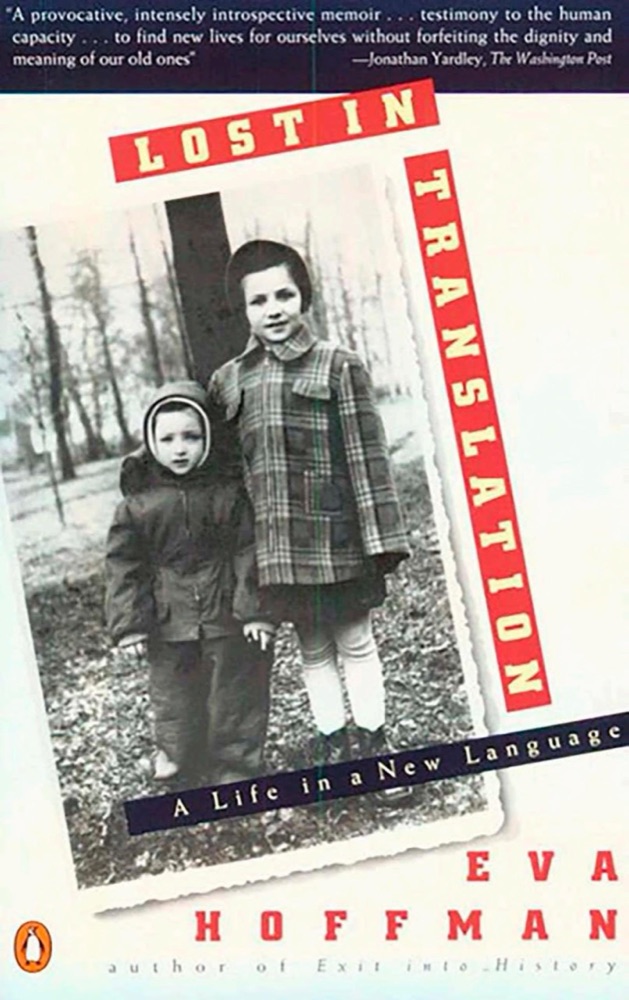 Lost in Translation: A Life in a New Language
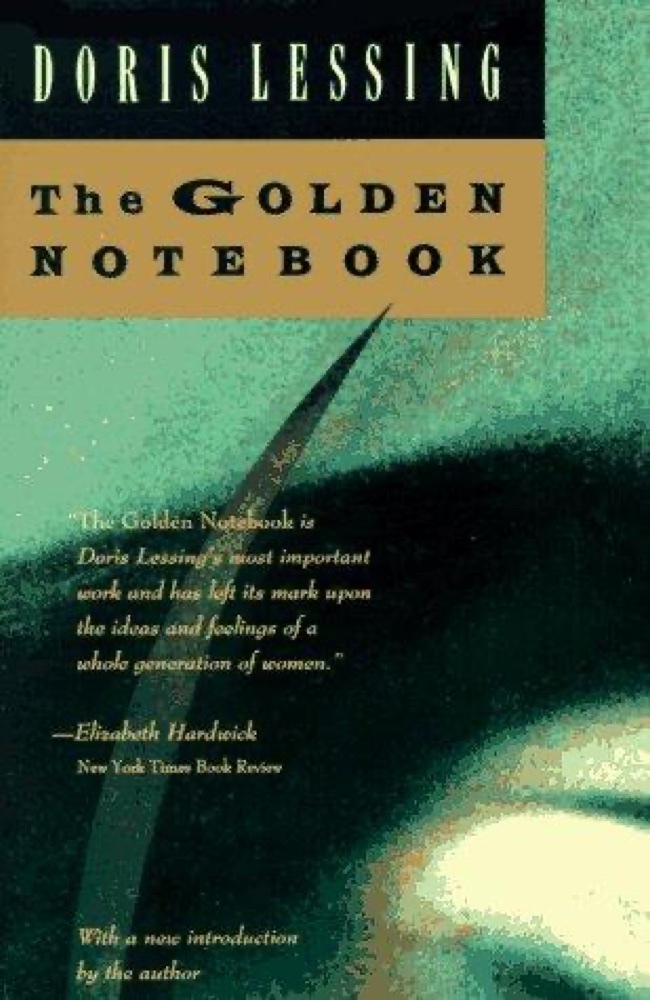 The Golden Notebook
 My Friends
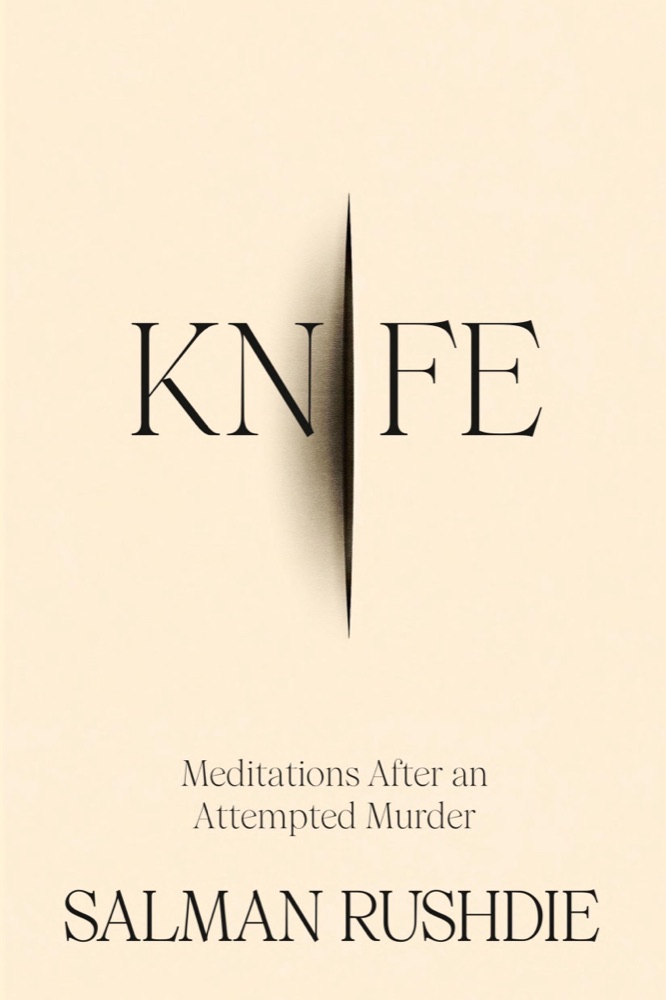 Knife: Meditations After an Attempted Murder
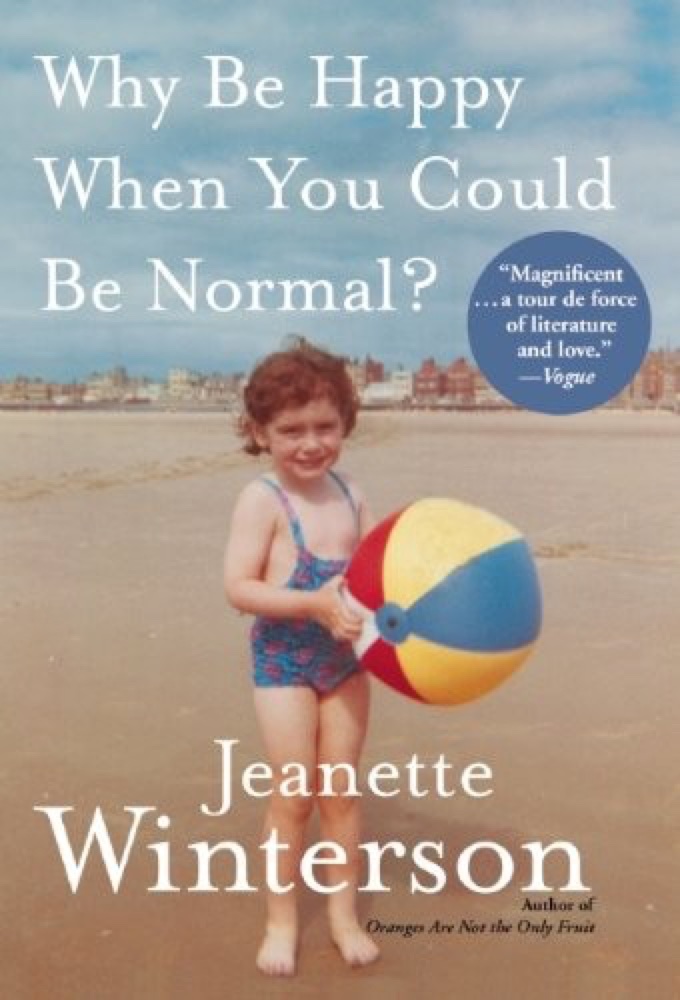 Why Be Happy When You Could Be Normal?
 The Fall of Babel
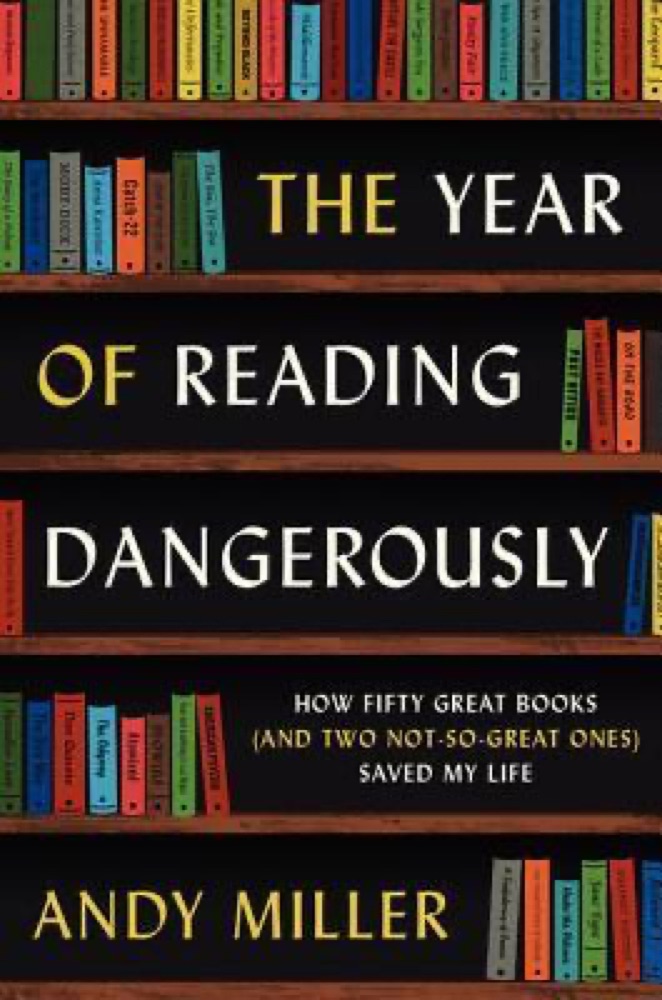 The Year of Reading Dangerously
 Like Streams to the Ocean: Notes on Ego, Love, and the Things That Make Us Who We Are
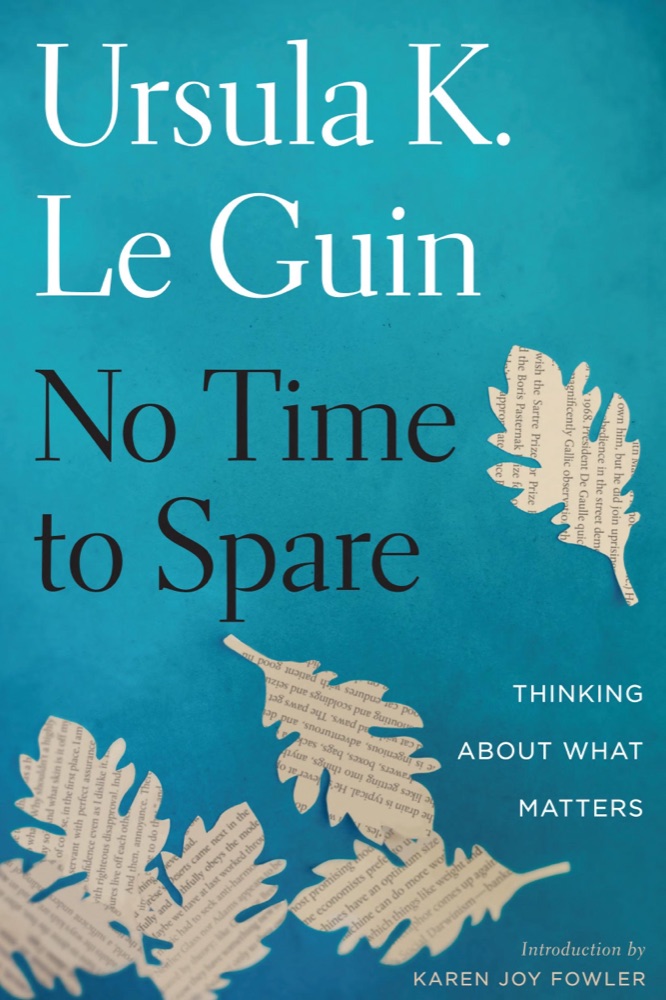 No Time To Spare: Thinking About What Matters
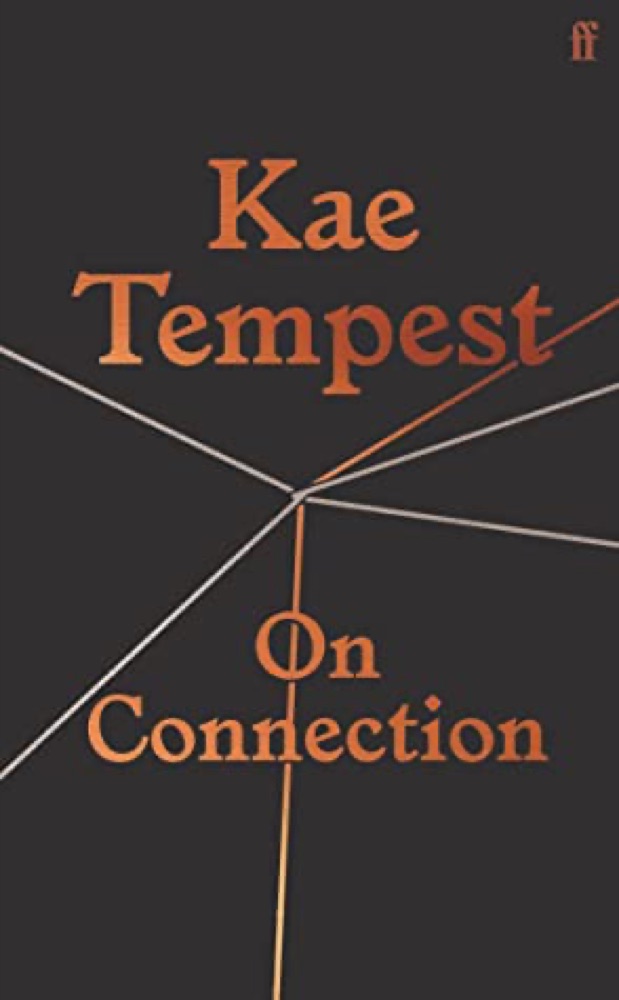 On Connection
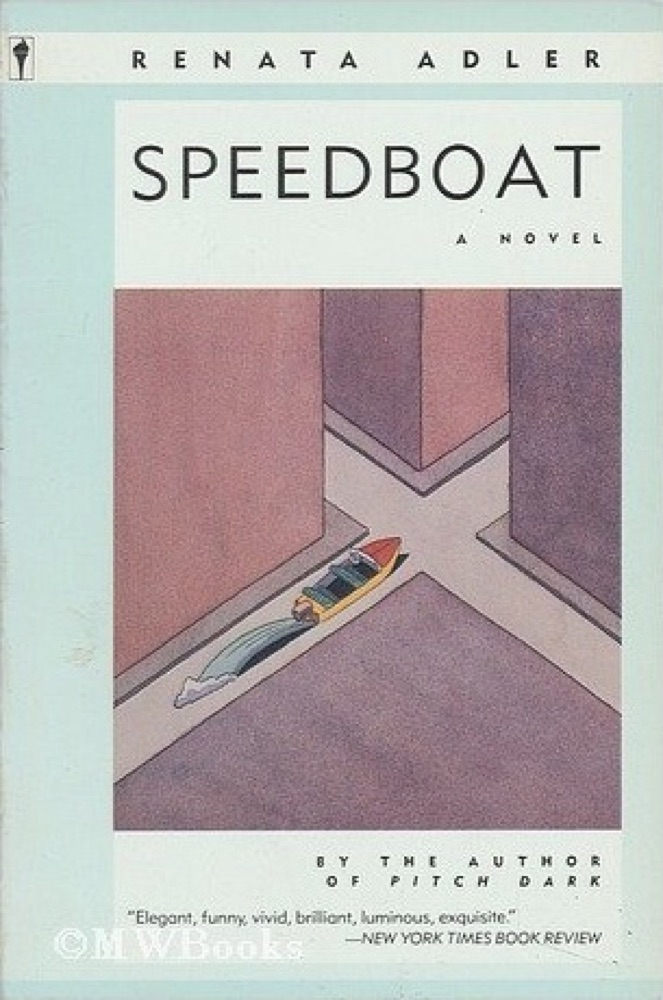 Speedboat
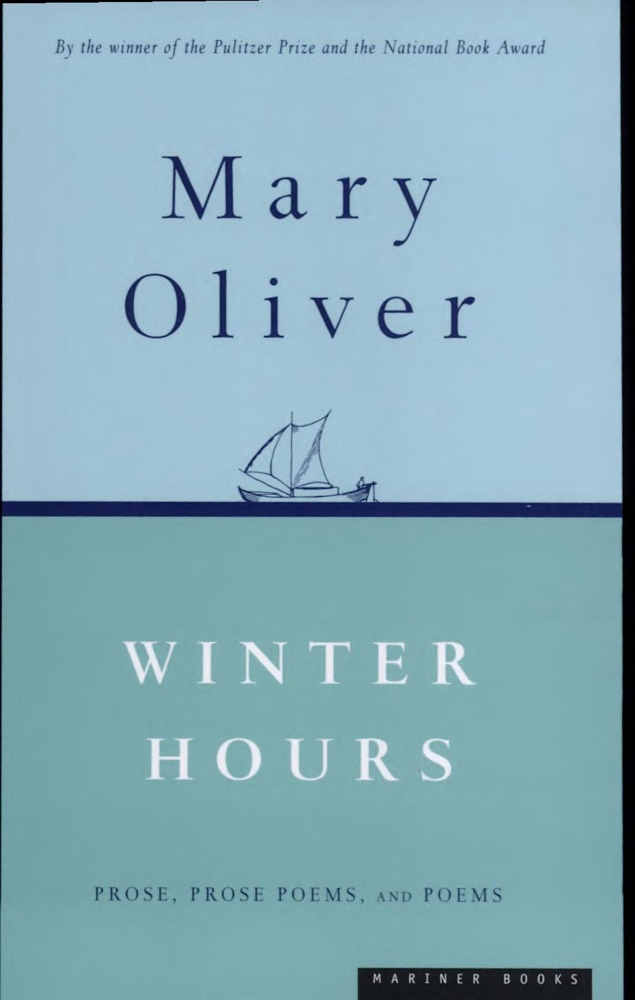 Winter Hours: Prose, Prose Poems, and Poems
 Girl in the Dark
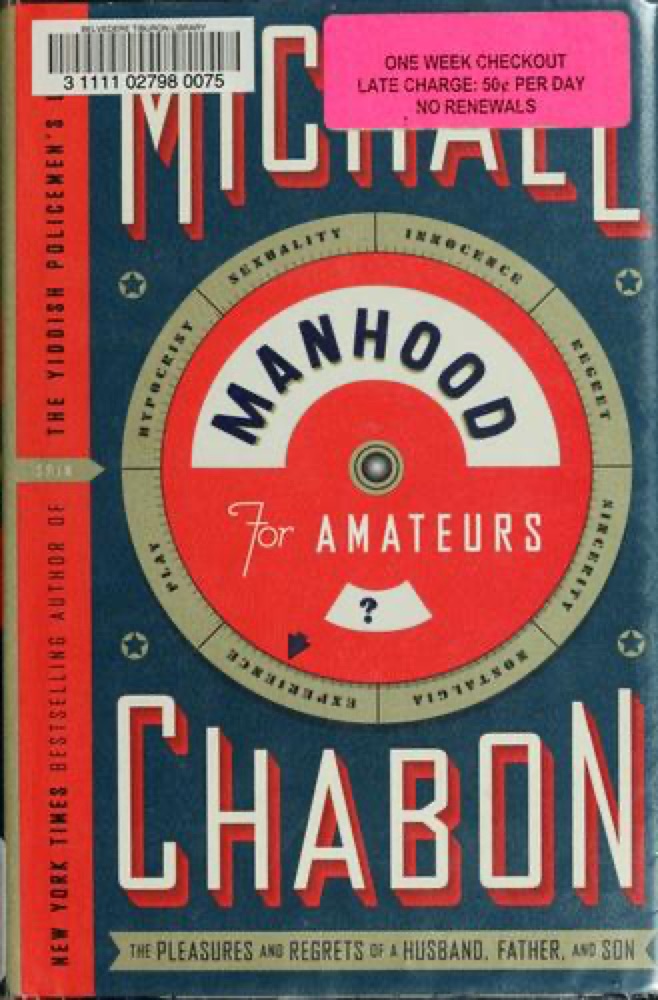 Manhood for Amateurs
 No One Writes Back
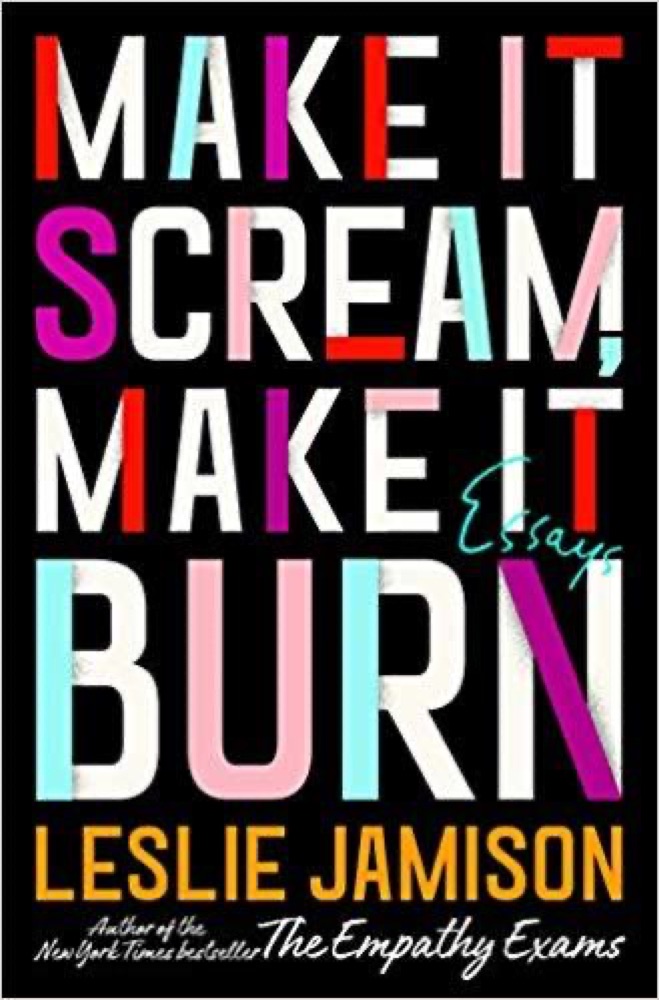 Make It Scream, Make It Burn
 Point Omega
 Leave Me Alone, I'm Reading: Finding and Losing Myself in Books
 The Names
 Nothing to Be Frightened Of
 Surprised by Joy: The Shape of My Early Life
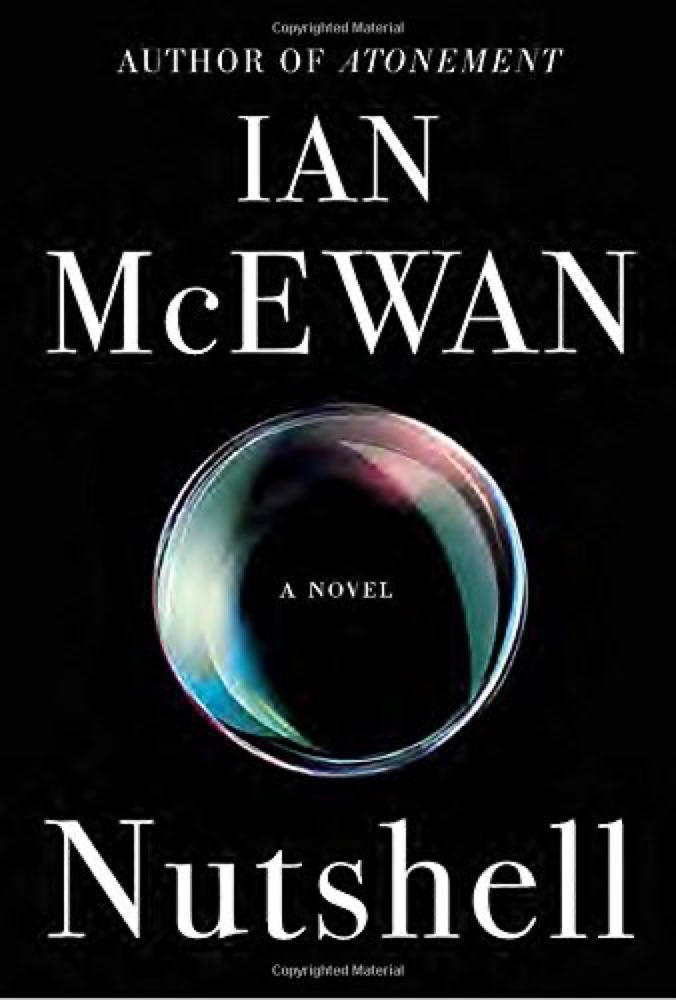 Nutshell
 Consider the Lobster and Other Essays
 A Circle of Quiet
 One Man's Meat
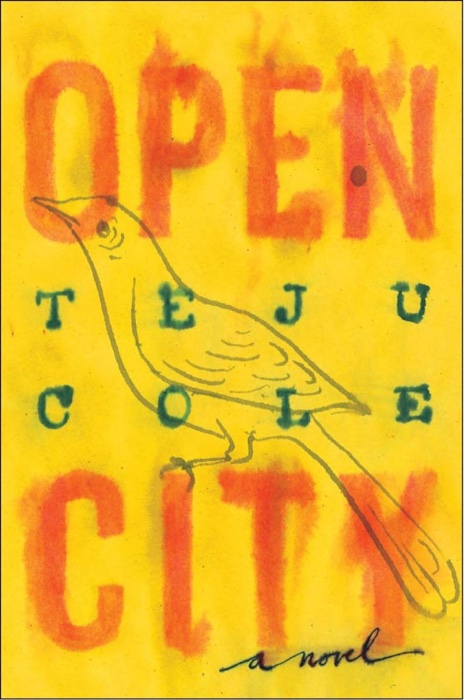 Open City
 Drive Your Plow Over the Bones of the Dead
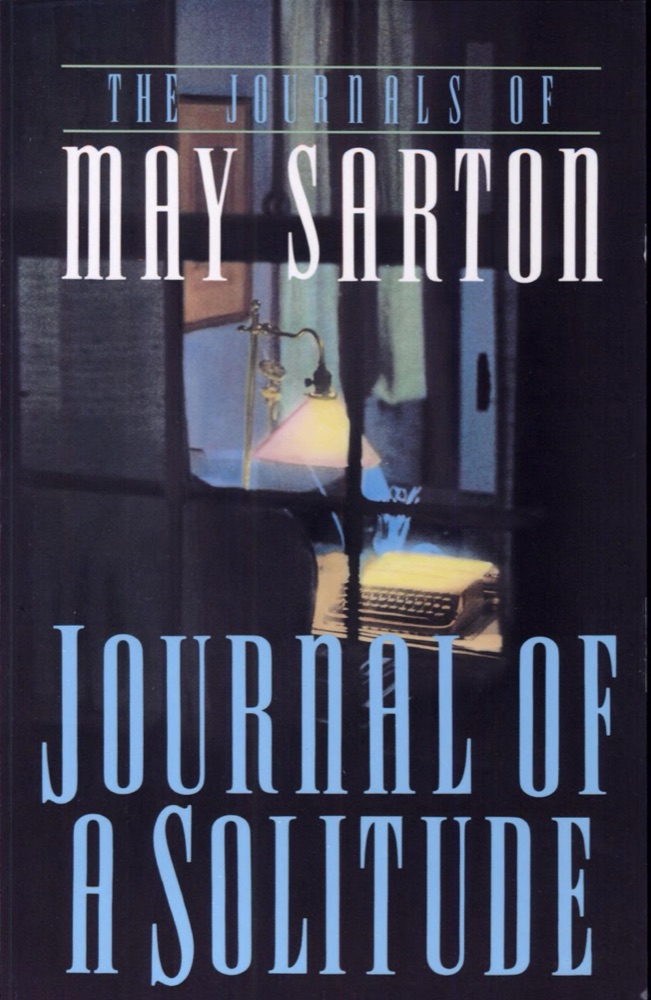 Journal of a Solitude
 Severance
 Special Topics in Calamity Physics
 Close to the Knives: A Memoir of Disintegration
 A Fisherman of the Inland Sea
 The Tunnel
 The Stranger in the Woods: The Extraordinary Story of the Last True Hermit
 The Abundance
 Trigger Warning: Short Fictions and Disturbances
 Ilustrado
 Life Itself
 A History of My Brief Body