
 The Happiness of Pursuit: Finding the Quest That Will Bring Purpose to Your Life
Quotes from the Book
value is created when a person makes something useful and shares it with the world.
10
Plans are only good intentions unless they immediately degenerate into hard work.
8
think more about what people really want than about what you think they need.
7
A desk is a dangerous place from which to view the world.” —JOHN LE CARRÉ
6
To succeed in a business project, especially one you’re excited about, it helps to think carefully about all the skills you have that could be helpful to others and particularly about the combination of those skills.
5
As you begin to think like an entrepreneur, you’ll notice that business ideas can come from anywhere.
4
The new reality is that working at a job may be the far riskier choice.
4
In the future, marketing will be like sex: Only the losers pay for it.
4
If you make your business about helping others, you’ll always have plenty of work.
3
Value means helping people. If you’re trying to build a microbusiness and you begin your efforts by helping people, you’re on the right track. When you get stuck, ask yourself: How can I give more value? Or more simply: How can I help my customers more?
2
Ask three questions for every idea: a. How would I get paid with this idea? b. How much would I get paid from this idea? c. Is there a way I could get paid more than once?
2
Find out what people want, and find a way to give it to them. Give them the fish!
2
it’s always better to start from where you are than to wait for everything to be perfect.
1
Scott Adams, the creator of the Dilbert comic series, explains his success this way: I succeeded as a cartoonist with negligible art talent, some basic writing skills, an ordinary sense of humor and a bit of experience in the business world. The “Dilbert” comic is a combination of all four skills. The world has plenty of better artists, smarter writers, funnier humorists and more experienced business people. The rare part is that each of those modest skills is collected in one person. That’s how value is created.
1
The missing piece is that you usually don’t get paid for your hobby itself; you get paid for helping other people pursue the hobby or for something indirectly related to it.
1
For fifteen years, John and Barbara Varian were furniture builders, living on a ranch in Parkfield, California, a tiny town where the welcome sign reads “Population 18.” The idea for a side business came about by accident after a group of horseback riding enthusiasts asked if they could pay a fee to ride on the ranch. They would need to eat, too—could John and Barbara do something about that? Yes, they could. In the fall of 2006, a devastating fire burned down most of their inventory, causing them to reevaluate the whole operation. Instead of rebuilding the furniture business (no pun intended), they decided to change course. “We had always loved horses,” Barbara said, “so we decided to see about having more groups pay to come to the ranch.” They built a bunkhouse and upgraded other buildings, putting together specific packages for riding groups that included all meals and activities. John and Barbara reopened as the V6 Ranch, situated on 20,000 acres exactly halfway between Los Angeles and San Francisco. Barbara’s story stood out to me because of something she said. I always ask business owners what they sell and why their customers buy from them, and the answers are often insightful in more ways than one. Many people answer the question directly—“We sell widgets, and people buy them because they need a widget”—but once in a while, I hear a more astute response. “We’re not selling horse rides,” Barbara said emphatically. “We’re offering freedom. Our work helps our guests escape, even if just for a moment in time, and be someone they may have never even considered before.” The difference is crucial. Most people who visit the V6 Ranch have day jobs and a limited number of vacation days. Why do they choose to visit a working ranch in a tiny town instead of jetting off to lie on a beach in Hawaii? The answer lies in the story and messaging behind John and Barbara’s offer. Helping their clients “escape and be someone else” is far more valuable than offering horse rides. Above all else, the V6 Ranch is selling happiness.
1
the merchants tend to pay very small commissions, leaving little for the affiliate who sent them the referral in the first place, and second, the affiliates tend to do no more than blindly pass over referrals. Big problems create big opportunities, so a good merchant can offer a better program by paying much higher commissions to start with but also expecting more from the affiliate.
Another easy thing many existing businesses can do to add a new revenue source quickly is to create a service from a product-based business or create a product from a service-based business.
My product is x…how can I teach customers about y?” Then create a new version of your offering that includes consulting, coaching, a “jump-start” session, premium technical support, or something else. Make it clear that customers don’t need the service; they can get by on their own with just the product.
Was this a good purchase? Did I waste my money? You’ll want to get out in front of this feeling by making people feel good about the action they just took. The easiest and most critical way to reinforce their decision is by giving them quick access to what they paid for. But to go further, you’ll want to overdeliver: give them more than they expected.
What does the length of the report have to do with the price?” I remember thinking about that one complaint. “If I gave you a treasure map, would you complain that it was only one page long?” It turned out the joke was on me. All of us place a subjective value on goods or services that may not relate to what they “should” be.
As I drove away, I realized that I secretly wanted him to take longer in getting to me, even though that would have delayed me further. I wanted him to struggle with unlocking my car as part of a major effort, even though that made no sense whatsoever. The locksmith met my need and provided a quick, comprehensive solution to my problem. I was unhappy about our exchange for no good reason.
Sometimes you can have the right crowd at the wrong time; marathon runners are happy to eat donuts after the race, but not at mile 18.
Buy this coupon book, use it once, get your money back. Then you have more than a hundred other uses as a bonus.” Scott frames it like this: “Just do the math! Using a single one of the 130+ coupons in the book will save you more than the cost of the book itself.
Competition from other businesses is a problem for another day; the greater problem you face is inertia. Nick won the battle against inertia by getting his site up and running, and was rewarded with the sale.
I didn’t have time to call Dan on launch day, and perhaps I missed a good opportunity to learn from him. But I’m pretty sure it was the better decision to get back to work on my core market instead of spending time with one disgruntled customer who had already received a refund.
Watch on YouTube
About Chris Guillebeau
We have collected 78 quotes from 3 books by Chris Guillebeau on BookQuoters.
More about the author →More by Chris Guillebeau
The Happiness of Pursuit: Finding the Quest That Will Bring Purpose to Your Life
 Side Hustle: From Idea to Income in 27 Days
About the book
Lead a life of adventure, meaning and purpose— and earn a good living.
“Thoughtful, funny, and compulsively readable, this guide shows how ordinary people can build solid livings, with independence and purpose, on their own terms.”—Gretchen Rubin, author of the #1 New York Times bestseller The Happiness Project
Still in his early thirties, Chris Guillebeau completed a tour of every country on earth and yet he’s never held a “real job” or earned a regular paycheck. Rather, he has a special genius for turning ideas into income, and he uses what he earns both to support his life of adventure and to give back.
Chris identified 1,500 individuals who have built businesses earning $50,000 or more from a modest investment (in many cases, $100 or less), and focused on the 50 most intriguing case studies. In nearly all cases, people with no special skills discovered aspects of their per
Book details
- First published
- 2012
- Author
- Chris Guillebeau
- Genre
- Nonfiction
- Goodreads rating
- 3.89 (72k ratings)
Keep reading
 The 1-Page Marketing Plan: Get New Customers, Make More Money, And Stand out From The Crowd
 Lean Analytics: Use Data to Build a Better Startup Faster
 Stay Hungry Stay Foolish
 The Art of the Start: The Time-Tested, Battle-Hardened Guide for Anyone Starting Anything
 EntreLeadership: 20 Years of Practical Business Wisdom from the Trenches
 Rework
 The E-myth Revisited
 To Sell is Human: The Surprising Truth About Moving Others
 The Startup of You: Adapt to the Future, Invest in Yourself, and Transform Your Career
 Founders at Work: Stories of Startups' Early Days
 Things a Little Bird Told Me: Confessions of the Creative Mind
Side Hustle: From Idea to Income in 27 Days
Things a Little Bird Told Me: Confessions of the Creative Mind
Side Hustle: From Idea to Income in 27 Days
 The Millionaire Fastlane: Crack the Code to Wealth and Live Rich for a Lifetime!
 Zero to One: Notes on Startups, or How to Build the Future
 Amp It Up: Leading for Hypergrowth by Raising Expectations, Increasing Urgency, and Elevating Intensity
 How To Get Rich
 Pour Your Heart Into It: How Starbucks Built a Company One Cup at a Time
 Delivering Happiness: A Path to Profits, Passion, and Purpose
 Getting There: A Book of Mentors
 Running Lean: Iterate from Plan A to a Plan That Works
 Invent and Wander: The Collected Writings of Jeff Bezos
 The Book on Rental Property Investing: How to Create Wealth With Intelligent Buy and Hold Real Estate Investing
 The Monk and the Riddle: The Education of a Silicon Valley Entrepreneur
 The Snowball: Warren Buffett and the Business of Life
 Chaos Monkeys: Obscene Fortune and Random Failure in Silicon Valley
 Small Is the New Big: and 183 Other Riffs, Rants, and Remarkable Business Ideas
 Hackers & Painters: Big Ideas from the Computer Age
 Trump: The Art of the Deal
 I, Steve: Steve Jobs In His Own Words
 Ignore Everybody: and 39 Other Keys to Creativity
 How to Fail at Almost Everything and Still Win Big: Kind of the Story of My Life
 #Girlboss
 Smartcuts: How Hackers, Innovators, and Icons Accelerate Success
 The Algebra of Happiness: Notes on the Pursuit of Success, Love, and Meaning
 Your Next Five Moves: Master the Art of Business Strategy
 Winning
 The Hard Thing About Hard Things: Building a Business When There Are No Easy Answers―Straight Talk on the Challenges of Entrepreneurship
 Do Over: Rescue Monday, Reinvent Your Work, and Never Get Stuck
 Start Something That Matters
 Show Your Work!: 10 Ways to Share Your Creativity and Get Discovered
 The Dip: A Little Book That Teaches You When to Quit (and When to Stick)
 Linchpin: Are You Indispensable?
 Early Retirement Extreme: A Philosophical and Practical Guide to Financial Independence
 The Algebra of Wealth: A Simple Formula for Financial Security
 How Will You Measure Your Life?
 Choose Yourself: Be Happy, Make Millions, Live the Dream
 Conscious Capitalism
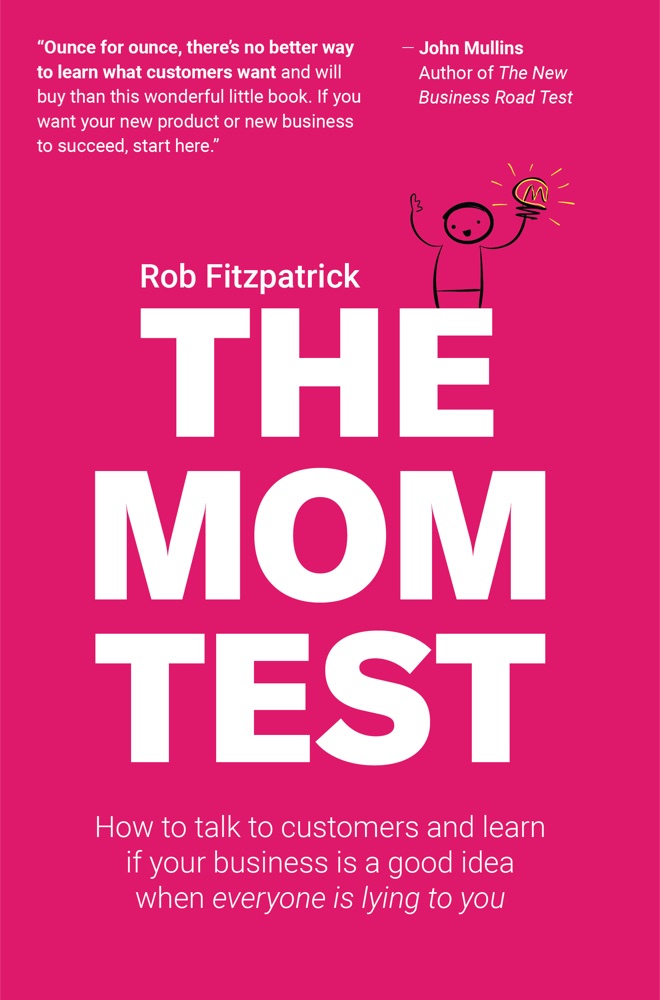 The Mom Test: How to talk to customers & learn if your business is a good idea when everyone is lying to you
 I Survived Capitalism and All I Got Was This Lousy T-Shirt: Everything I Wish I Never Had to Learn About Money
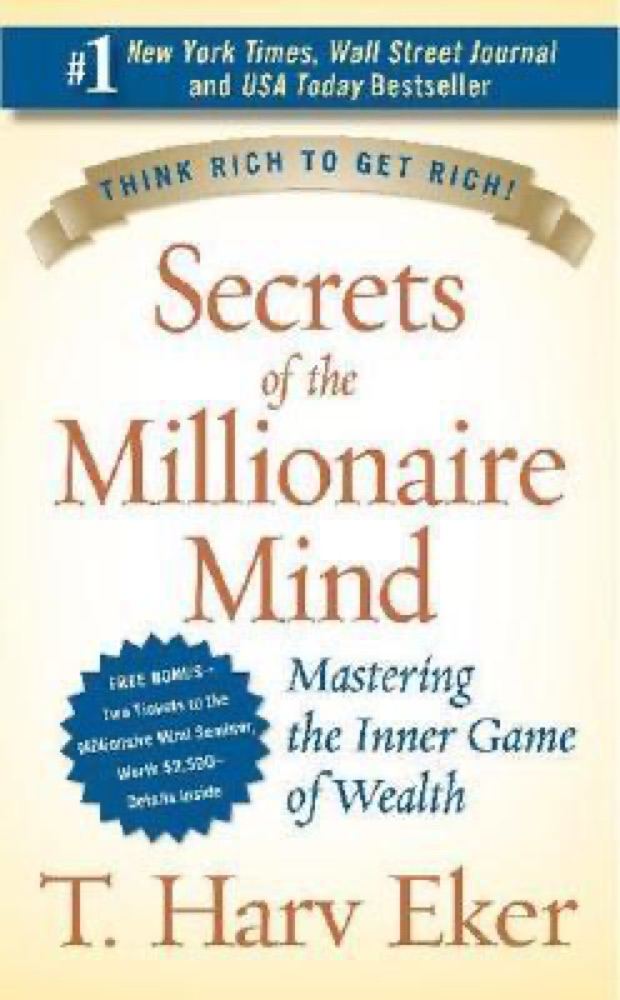 Secrets of the Millionaire Mind: Mastering the Inner Game of Wealth
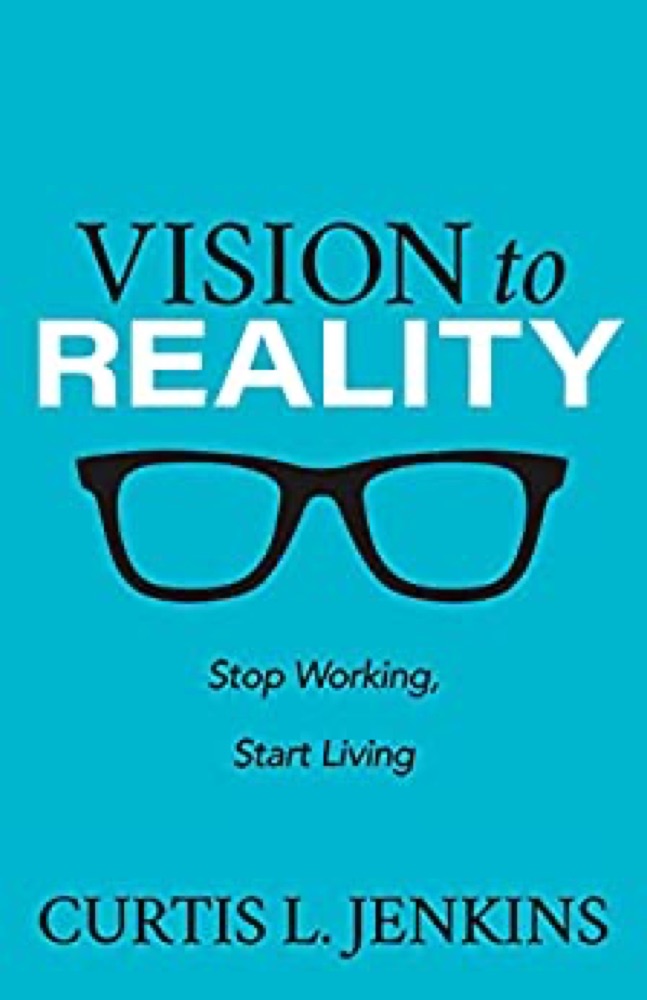 Vision to Reality: Stop Working, Start Living
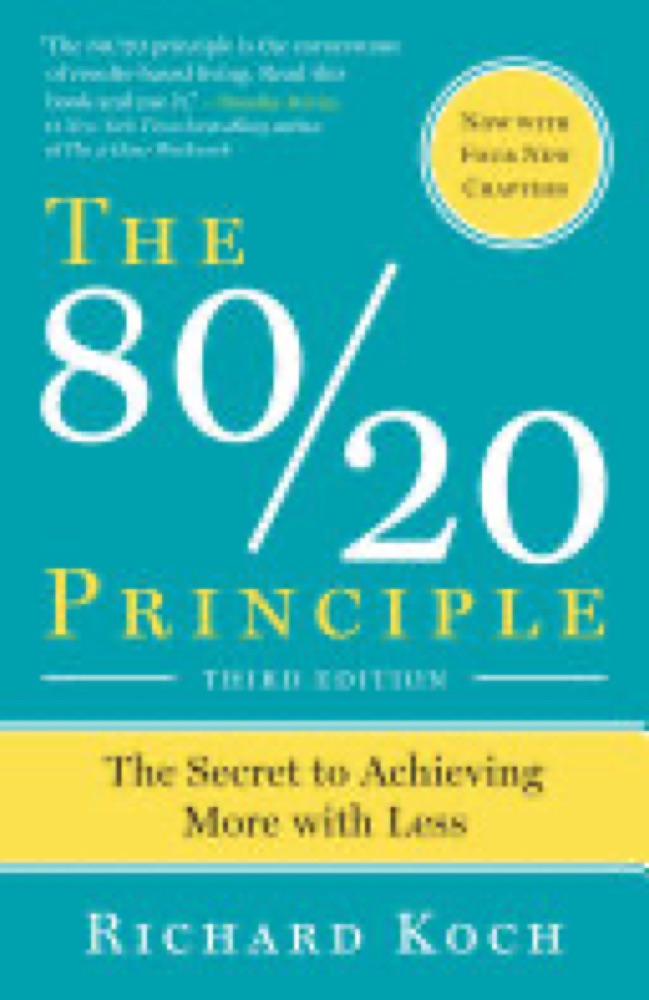 The 80/20 Principle: The Secret to Achieving More with Less
 The Everything Store: Jeff Bezos and the Age of Amazon
 Creativity, Inc.: Overcoming the Unseen Forces That Stand in the Way of True Inspiration
 Managing Humans: Biting and Humorous Tales of a Software Engineering Manager
 The Art of Spending Money: Simple Choices for a Richer Life
 Think Like a Freak
 Principles: Life and Work
 The Win Without Pitching Manifesto