
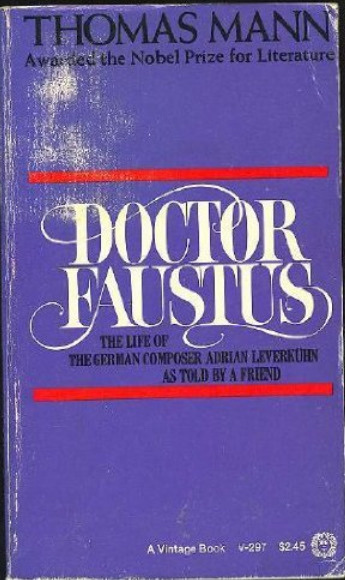
 Doctor Faustus
Quotes from the Book
Solitude gives birth to the original in us, to beauty unfamiliar and perilous - to poetry. But also, it gives birth to the opposite: to the perverse, the illicit, the absurd.
Nothing is more curious and awkward than the relationship of two people who only know each other with their eyes — who meet and observe each other daily, even hourly and who keep up the impression of disinterest either because of morals or because of a mental abnormality. Between them there is listlessness and pent-up curiosity, the hysteria of an unsatisfied, unnaturally suppressed need for communion and also a kind of tense respect. Because man loves and honors man as long as he is not able to judge him, and desire is a product of lacking knowledge.
Solitude produces originality, bold and astonishing beauty, poetry. But solitude also produces perverseness, the disproportianate, the absurd and the forbidden.
A solitary, unused to speaking of what he sees and feels, has mental experiences which are at once more intense and less articulate than those of a gregarious man. They are sluggish, yet more wayward, and never without a melancholy tinge. Sights and impressions which others brush aside with a glance, a light comment, a smile, occupy him more than their due; they sink silently in, they take on meaning, they become experience, emotion, adventure. Solitude gives birth to the original in us, to beauty unfamiliar and perilous - to poetry. But also, it gives birth to the opposite: to the perverse, the illicit, the absurd.
It is most certainly a good thing that the world knows only the beautiful opus but not its origins, not the conditions of its creation; for if people knew the sources of the artist's inspiration, that knowledge would often confuse them, alarm them, and thereby destroy the effects of excellence. strange hours! strangely enervating labor! bizarrely fertile intercourse of the mind with a body!
There were profound reasons for his attachment to the sea: he loved it because as a hardworking artist he needed rest, needed to escape from the demanding complexity of phenomena and lie hidden on the bosom of the simple and tremendous; because of a forbidden longing deep within him that ran quite contrary to his life's task and was for that very reason seductive, a longing for the unarticulated and immeasurable, for eternity, for nothingness. To rest in the arms of perfection is the desire of any man intent upon creating excellence; and is not nothingness a form of perfection?
Even in a personal sense, after all, art is an intensified life. By art one is more deeply satisfied and more rapidly used up. It engraves on the countenance of its servant the traces of imaginary and intellectual adventures, and even if he has outwardly existed in cloistral tranquility, it leads in the long term to overfastidiousness, over-refinement, nervous fatigue and overstimulation, such as can seldom result from a life of the most extravagant passions and pleasures.
Innate in nearly every artistic nature is a wanton, treacherous penchant for accepting injustice when it creates beauty and showing sympathy for and paying homage to aristocratic privilege.
Forbearance in the face of fate, beauty constant under torture, are not merely passive. They are a positive achievement, an explicit triumph.
He took in the squeaky music, the vulgar and pining melodies, because passion immobilizes good taste and seriously considers what soberly would be thought of as funny and to be resented.
The fact is that everyone is much too busily preoccupied with himself to be able to form a serious opinion about another person. The indolent world is all too ready to treat any man with whatever degree of respect corresponds to his own self-confidence.
And then the sly arch-lover that he was, he said the subtlest thing of all: that the lover was nearer the divine than the beloved; for the god was in the one but not in the other - perhaps the tenderest, most mocking thought that ever was thought, and source of all the guile and secret bliss the lover knows.
There is only one real misfortune: to forfeit one's own good opinion of oneself. To have lost one's self-respect: that is what unhappiness is. Oh, I have always known that so well! Everything else is part of the game, an enrichment of one's life; in every other form of suffering one can feel such extraordinary self-satisfaction, one can cut such a fine figure. Only when one has fallen out with oneself and no longer suffers with a good conscience, only in the throes of stricken vanity - only then does one become a pitiful and repulsive spectacle.
Almost every artistic nature is born with a revealing connoisseurial tendency that appreciates injustice so long as it results in beauty and applauds, even worships aristocratic privilege.
Men do not know why they award fame to one work of art rather than another. Without being in the faintest connoisseurs, they think to justify the warmth of their commendations by discovering it in a hundred virtues, whereas the real ground of their applause is inexplicable--it is sumpathy.
What did one see if one looked in any depth into the world of this writer's fiction? Elegant self-control concealing from the world's eyes until the very last moment a state of inner disintegration and biological decay; sallow ugliness, sensuously marred and worsted, which nevertheless is able to fan its smouldering concupiscence to a pallid impotence, which from the glowing depths of the spirit draws strength to cast down a whole proud people at the foot of the Cross and set its own foot upon them as well; gracious poise and composure in the empty austere service of form; the false, dangerous life of the born deceiver, his ambition and his art which lead so soon to exhaustion ---
Or was he merely a mollycoddled favorite, enjoying capriciously prejudiced love? Schenback was inclined to believe the latter. Inborn in nearly every artist’s nature is a voluptuous, treacherous tendency to accept the injustice if it creates beauty and to grant sympathy and homage to aristocratic preferences.
But what is it, to be an artist? Nothing shows up the general human dislike of thinking, and man's innate craving to be comfortable, better than his attitude to this question. When these worthy people are affected by a work of art, they humbly say that that sort of thing is a 'gift.' And because in their innocence they assume that beautiful and uplifting results must have beautiful and uplifting causes, they never dream that the 'gift' in question is a very dubious affair and rests upon extremely sinister foundations. [...] Listen to this. I know a banker, grey-haired business man, who has a gift for writing stories. He employs this gift in his idle hours, and some of his stories are of the first rank. But despiteI say despite-this excellent gift his withers are by no means unwrung: on the contrary, he has had to serve a prison sentence, on anything but trifling grounds. Yes, it was actually first in prison that he became conscious of his gift, and his experiences as a convict are the main theme in all his works. One might be rash enough to conclude that a man has to be at home in some kind of jail in order to become a poet.
It’s hard to keep going when it seems like you’re not getting anywhere, but you’ll never succeed if you stop. Those of us with a dream that seems so far from being realized must remember that the road is long, but only those who stay on the path will reach their destination.
Strangely fruitful intercourse this, between one body and another mind
Begin all over again? It would be no good. It would all turn out the same—all happen again just as it has happened. For certain people are For certain people are bound to go astray because for them no such thing as a right way exists.
But he discovered that his thoughts and inspirations were like the intimations of a dream, which always seem inspired at the time but prove utterly shallow and useless to the waking mind.
Ultimately we are only as old as we feel in our hearts and minds.
Nothing is stranger, more delicate, than the relationship between people who know each other only by sight—who encounter and observe each other daily, even hourly, and yet are compelled by the constraint of convention or by their own temperament to keep up the pretense of being indifferent strangers, neither greeting nor speaking to each other. Between them is uneasiness and overstimulated curiosity, the nervous excitement of an unsatisfied, unnaturally suppressed need to know and to communicate; and above all, too, a kind of strained respect. For man loves and respects his fellow man for as long as he is not yet in a position to evaluate him, and desire is born of defective knowledge. It
He may have been waiting a long while, in snow or rain, yet his joy at my final appearance knows no resentment at my faithlessness, though I have neglected him all day and brought his hopes to naught.
I went away, after trying once more to rouse up Bashan by renewed calls and encouragement. In vain. He cared as little for my going as for my coming. He seemed weighed down by bitter loathing and despair. He had the air of saying: "Since you were capable of having me put in this cage, I expect nothing more from you." And, actually, had he not enough ground to despair of reason and justice? [...] How could I explain to him we were treating him with great distinction, in shutting him up like a jaguar, without sun, air, or exercise, and plaguing him every day with a thermometer?
There can be no relation more strange, more critical, than that between two beings who know each other only with their eyes, who meet daily, yes, even hourly, eye each other with a fixed regard, and yet by some whim or freak of convention feel constrained to act like strangers. Uneasiness rules between them, unslaked curiosity, a hysterical desire to give rein to their suppressed impulse to recognize and address each other; even, actually, a sort of strained but mutual regard. For one human being instinctively feels respect and love for another human being so long as he does not know him well enough to judge him; and that he does not, the craving he feels is evidence.
The fruit of solitude is originality, something daringly and disconcertingly beautiful, the poetic creation. But the fruit of solitude can also be the perverse, the disproportionate, the absurd and the forbidden. And thus the phenomena of his journey to this place, the horrible old made-up man with his maudlin babble about a sweetheart, the illicit gondolier who had been done out of his money, were still weighing on the traveler’s mind. Without in any way being rationally inexplicable, without even really offering food for thought, they were nevertheless, as it seemed to him, essentially strange, and indeed it was no doubt this very paradox that made them disturbing. In the meantime he saluted the sea with his gaze and rejoiced in the knowledge that Venice was now so near and accessible. Finally he turned round, bathed his face, gave the room maid certain instructions for the enhancement of his comfort, and then had himself conveyed by the green-uniformed Swiss lift attendant to the ground floor. He took tea on the front terrace, then
Inborn in almost every artistic nature is a luxuriant, treacherous bias in favor of the injustice that creates beauty, a tendency to sympathize with aristocratic preference and pay it homage. A
Watch on YouTube
About Thomas Mann
We have collected 149 quotes from 8 books by Thomas Mann on BookQuoters.
More about the author →More by Thomas Mann
All books by Thomas Mann →
Book details
- Author
- Thomas Mann
- Genre
- Classics
- Goodreads rating
- 3.92 (16k ratings) →
Keep reading
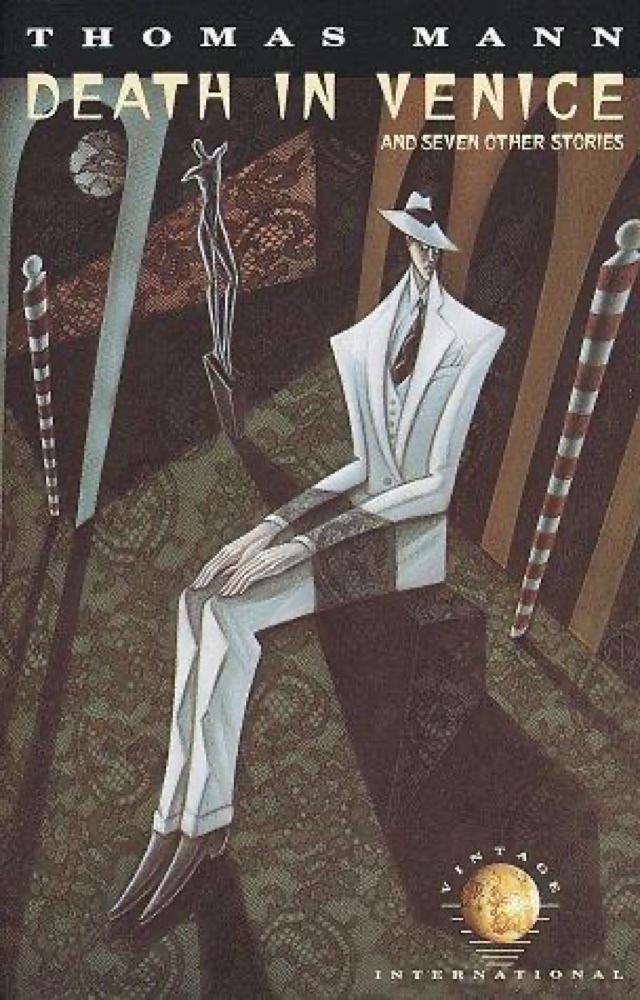 Death in Venice
 In Search of Lost Time
 The Stories of Vladimir Nabokov
 The Three-Cornered World
 The Collected Tales of Nikolai Gogol
 Selected Stories of Anton Chekhov
 The Guermantes Way
 Selected Stories
 Maldoror and the Complete Works
 Narcissus and Goldmund
 The Agony and the Ecstasy
 Swann's Way
 Black Lamb and Grey Falcon
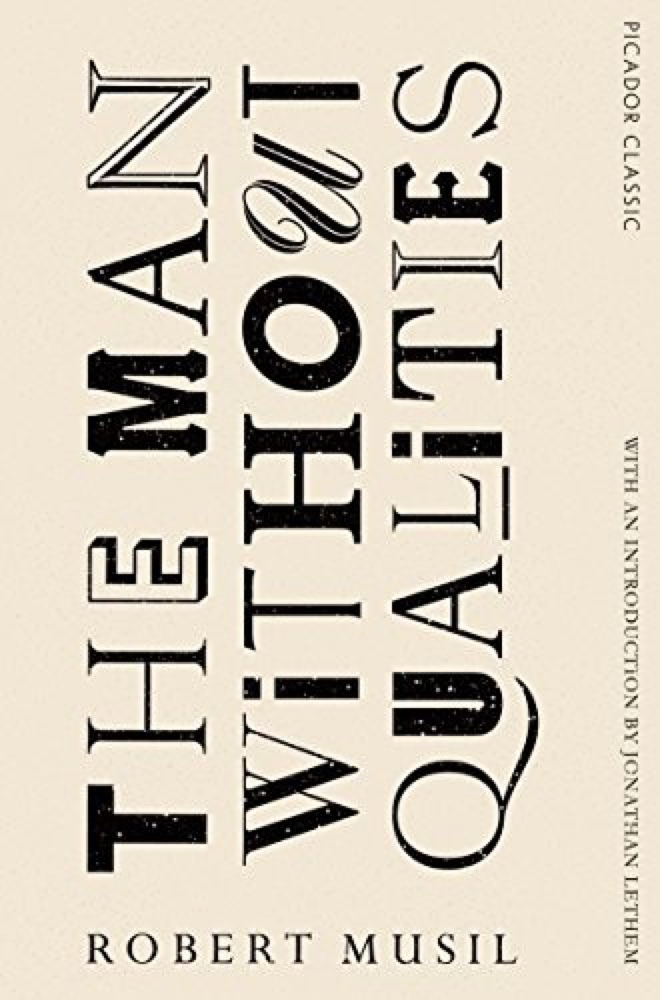 The Man Without Qualities
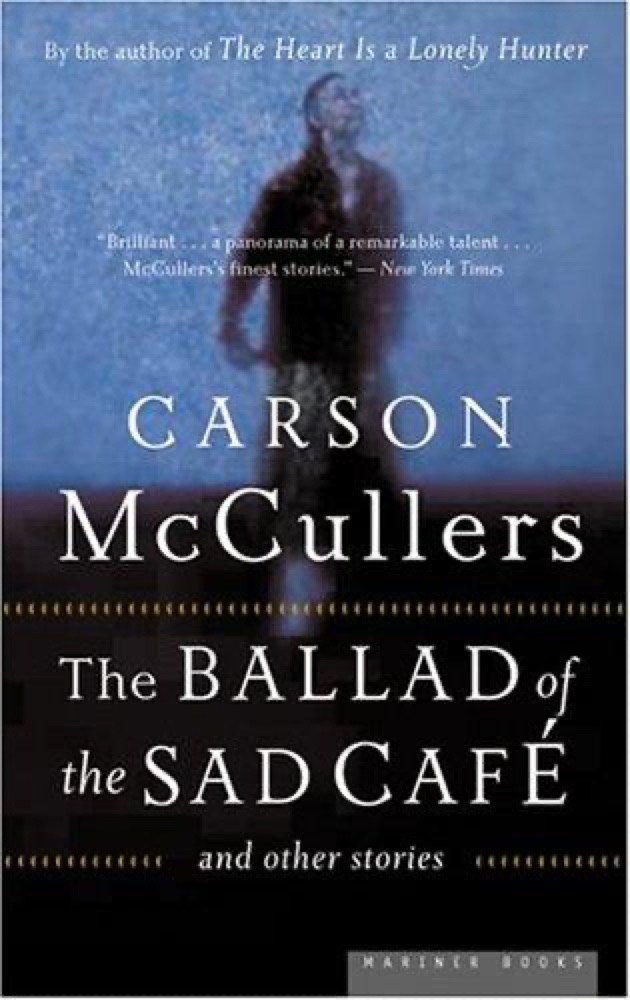 The Ballad of the Sad Café and Other Stories
 On the Genealogy of Morals/Ecce Homo
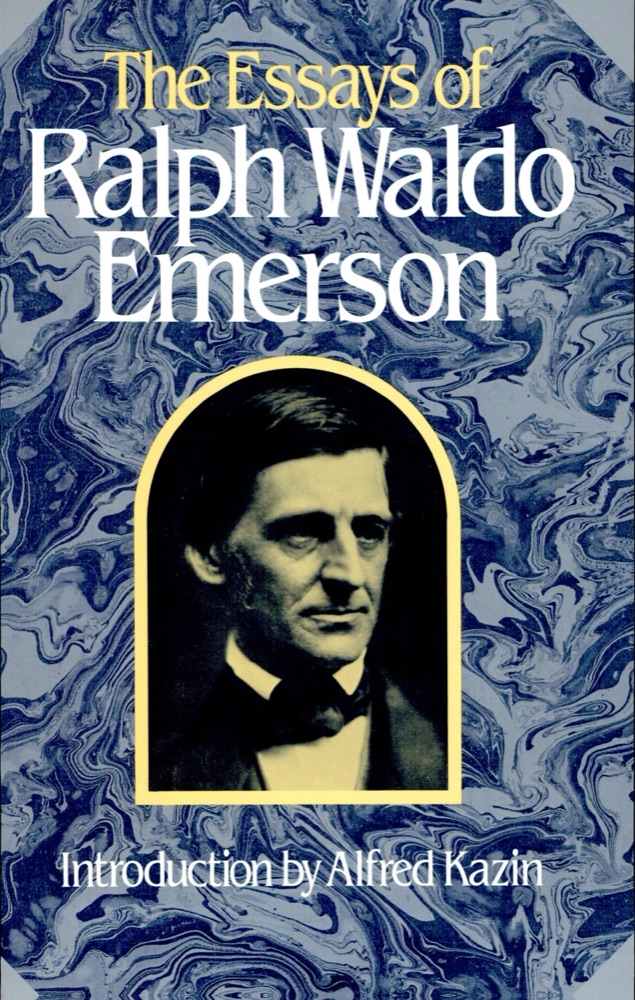 The Essays of Ralph Waldo Emerson
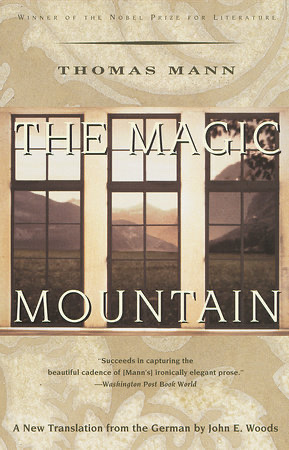 The Magic Mountain
 Desperate Remedies
 A Philosophical Enquiry into the Origin of Our Ideas of the Sublime and Beautiful
 Memoirs of Hadrian
 Aphorisms on Love and Hate
 Cakes and Ale
 The Recognitions
 The Myth of Sisyphus and Other Essays
 The Moon and Sixpence
 The Secret History
 Human, All Too Human
 Daniel Deronda
 The Volcano Lover: A Romance
 Sexus
Sexus
 Doctor Zhivago
 Miss Lonelyhearts
 Only Dull People Are Brilliant at Breakfast
 Justine
 Of Human Bondage
 Against Nature
Doctor Faustus
Against Nature
Doctor Faustus
 The Interpretation of Murder
 Orlando
 Wilhelm Meister's Apprenticeship
 Eyeless in Gaza
 Minima Moralia: Reflections on a Damaged Life
 Selected Non-Fictions
 The Doors of Perception & Heaven and Hell
 Melmoth the Wanderer
 The Common Reader
 The Blithedale Romance
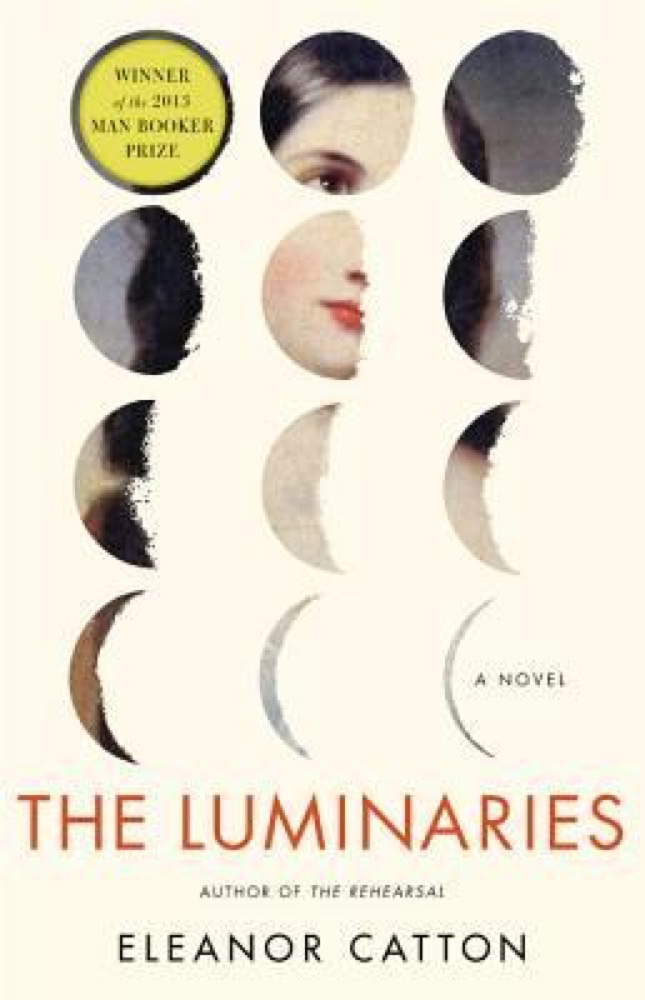 The Luminaries
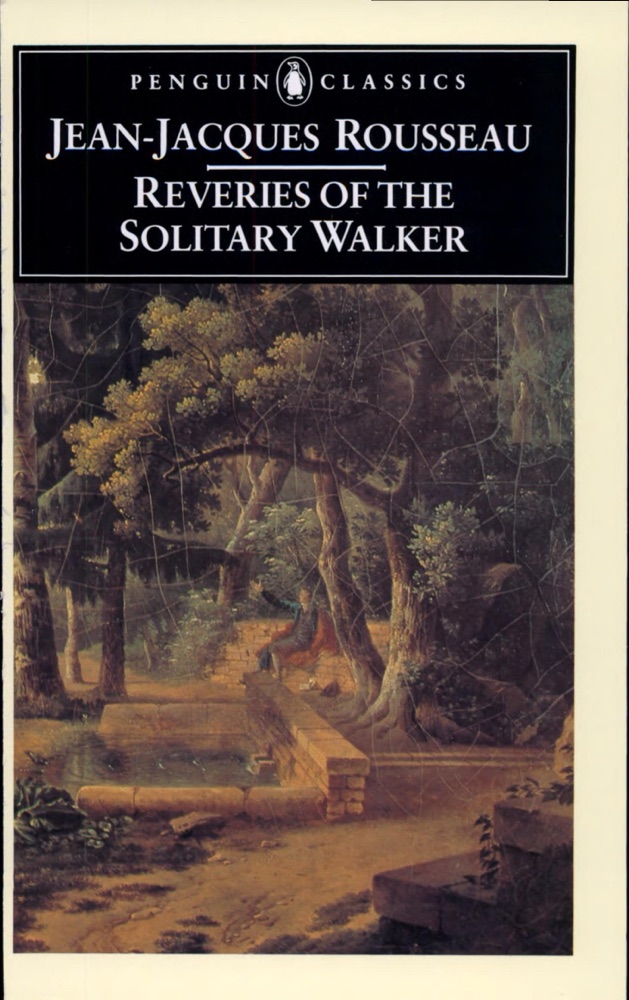 Reveries of the Solitary Walker
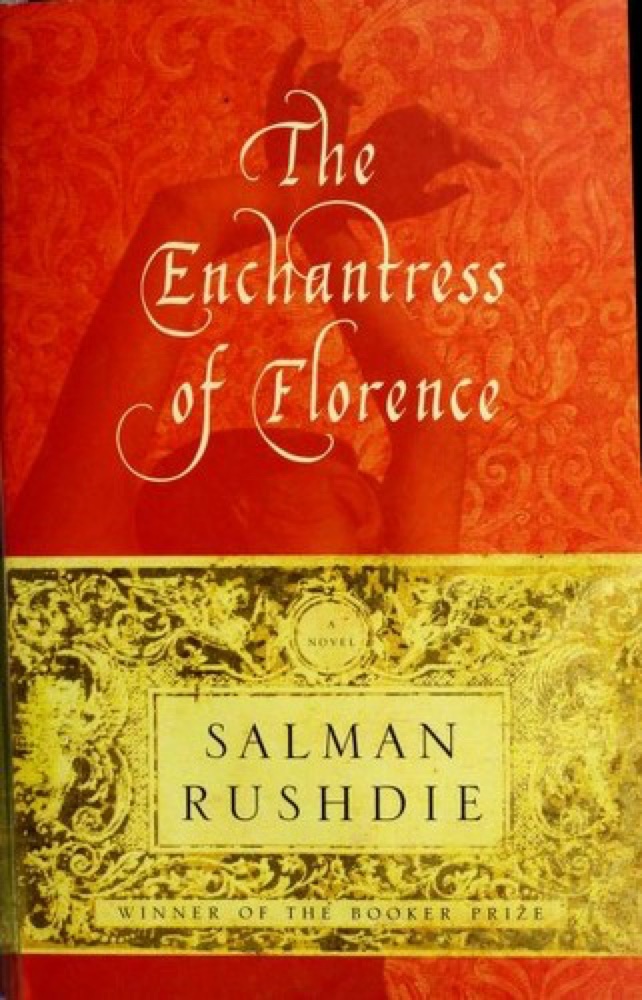 The Enchantress of Florence
 Selected Stories
 Girl with Curious Hair
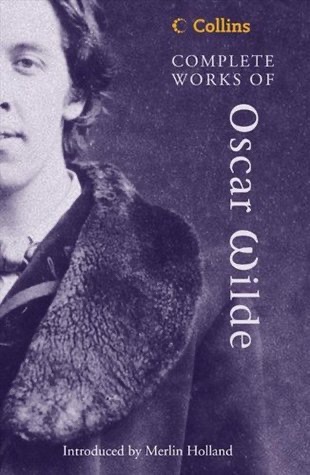 Complete Works of Oscar Wilde
 The Great Mistake
 Allan Quatermain
 Brideshead Revisited: The Sacred and Profane Memories of Captain Charles Ryder
 The Picture of Dorian Gray
 Childhood, Boyhood, Youth
 Oblomov