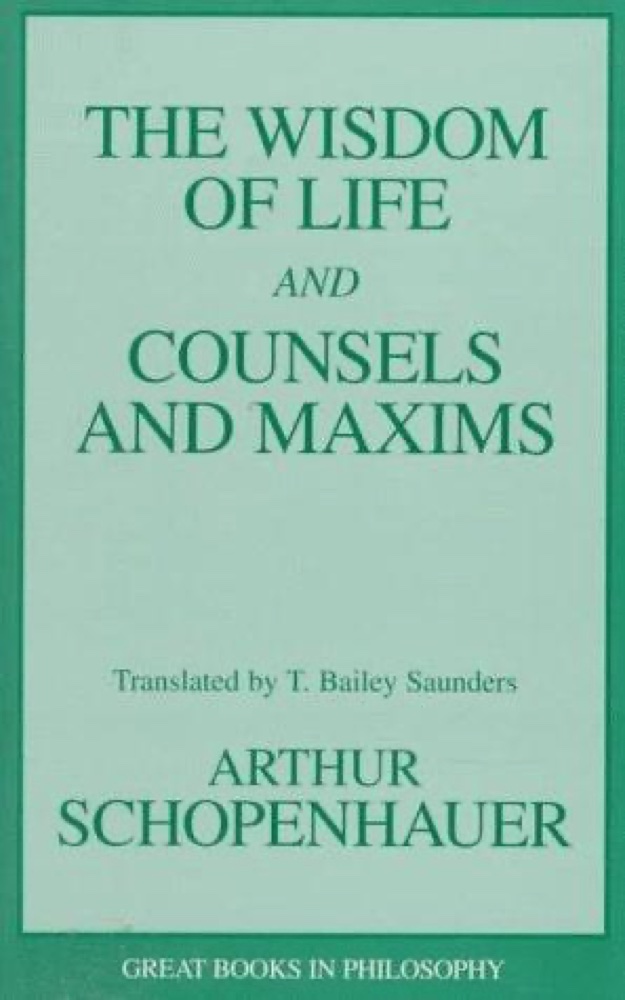
 The World as Will and Representation, Vol 1
Quotes from the Book
A man can be himself only so long as he is alone; and if he does not love solitude, he will not love freedom; for it is only when he is alone that he is really free.
Every miserable fool who has nothing at all of which he can be proud, adopts as a last resource pride in the nation to which he belongs; he is ready and happy to defend all its faults and follies tooth and nail, thus reimbursing himself for his own inferiority.
When we read, another person thinks for us: we merely repeat his mental process. In learning to write, the pupil goes over with his pen what the teacher has outlined in pencil: so in reading; the greater part of the work of thought is already done for us. This is why it relieves us to take up a book after being occupied with our own thoughts. And in reading, the mind is, in fact, only the playground of another’s thoughts. So it comes about that if anyone spends almost the whole day in reading, and by way of relaxation devotes the intervals to some thoughtless pastime, he gradually loses the capacity for thinking; just as the man who always rides, at last forgets how to walk. This is the case with many learned persons: they have read themselves stupid.
Der Mensch kann tun was er will; er kann aber nicht wollen was er will. Man can do what he wills but he cannot will what he wills.
The art of not reading is a very important one. It consists in not taking an interest in whatever may be engaging the attention of the general public at any particular time. When some political or ecclesiastical pamphlet, or novel, or poem is making a great commotion, you should remember that he who writes for fools always finds a large public. A precondition for reading good books is not reading bad ones: for life is short.
Hope is the confusion of the desire for a thing with its probability.
Reading is merely a surrogate for thinking for yourself; it means letting someone else direct your thoughts. Many books, moreover, serve merely to show how many ways there are of being wrong, and how far astray you yourself would go if you followed their guidance. You should read only when your own thoughts dry up, which will of course happen frequently enough even to the best heads; but to banish your own thoughts so as to take up a book is a sin against the holy ghost; it is like deserting untrammeled nature to look at a herbarium or engravings of landscapes.
One can never read too little of bad, or too much of good books: bad books are intellectual poison; they destroy the mind. In order to read what is good one must make it a condition never to read what is bad; for life is short, and both time and strength limited.
The business of the novelist is not to relate great events, but to make small ones interesting.
To free a man from error is to give, not to take away. Knowledge that a thing is false is a truth. Error always does harm; sooner or later it will bring mischief to the man who harbors it.
Men are the devils of the earth, and the animals are its tormented souls.
The scenes in our life resemble pictures in a rough mosaic; they are ineffective from close up, and have to be viewed from a distance if they are to seem beautiful. That is why to attain something desired is to discover how vain it is; and why, though we live all our lives in expectation of better things, we often at the same time long regretfully for what is past. The present, on the other hand, is regarded as something quite temporary and serving as the only road to our goal. That is why most men discover when they look back on their life that they have been living the whole time ad interim, and are surprised to see that which they let go by so unregarded and unenjoyed was precisely their life, was precisely that in expectation of which they lived.
There is not much to be got anywhere in the world. It is filled with misery and pain; if a man escapes these, boredeom lies in wait for him at every corner. Nay more; it is evil which generally has the upper hand, and folly that makes the most noise. Fate is cruel and mankind pitiable.
Night gives a black look to everything, whatever it may be.
But it is common knowledge that religions don’t want conviction, on the basis of reasons, but faith, on the basis of revelation. And the capacity for faith is at its strongest in childhood: which is why religions apply themselves before all else to getting these tender years into their possession. It is in this way, even more than by threats and stories of miracles, that the doctrines of faith strike roots: for if, in earliest childhood, a man has certain principles and doctrines repeatedly recited to him with abnormal solemnity and with an air of supreme earnestness such as he has never before beheld, and at the same time the possibility of doubt is never so much as touched on, or if it is only in order to describe it as the first step towards eternal perdition, then the impression produced will be so profound that in almost every case the man will be almost incapable of doubting this doctrine as of doubting his own existence, so that hardly one in a thousand will then possess the firmness of mind seriously and honestly to ask himself: is this true?
Many undoubtedly owe their good fortune to the circumstance that they possess a pleasing smile with which they win hearts. Yet these hearts would do better to beware and to learn from Hamlet's tables that one may smile, and smile, and be a villain.
And yet, just as our body would burst asunder if the pressure of the atmosphere were removed from it, so would the arrogance of men expand, if not to the point of bursting then to that of the most unbridled folly, indeed madness, if the pressure of want, toil, calamity and frustration were removed from their life. One can even say that we require at all times a certain quantity of care or sorrow or want, as a ship requires ballast, in order to keep on a straight course.
When we see that almost everything men devote their lives to attain, sparing no effort and encountering a thousand toils and dangers in the process, has, in the end, no further object than to raise themselves in the estimation of others; when we see that not only offices, titles, decorations, but also wealth, nay, even knowledge[1] and art, are striven for only to obtain, as the ultimate goal of all effort, greater respect from one's fellowmen,—is not this a lamentable proof of the extent to which human folly can go?
As the biggest library if it is in disorder is not as useful as a small but well-arranged one, so you may accumulate a vast amount of knowledge but it will be of far less value to you than a much smaller amount if you have not thought it over for yourself; because only through ordering what you know by comparing every truth with every other truth can you take complete possession of your knowledge and get it into your power.
Honor has not to be won; it must only not be lost.
That human life must be some kind of mistake is sufficiently proved by the simple observation that man is a compound of needs which are hard to satisfy; that their satisfaction achieves nothing but a painless condition in which he is only given over to boredom; and that boredom is a direct proof that existence is in itself valueless, for boredom is nothing other than the sensation of the emptiness of existence.
To free a man from error is not to deprive him of anything but to give him something: for the knowledge that a thing is false is a piece of truth. No error is harmless: sooner or later it will bring misfortune to him who harbours it. Therefore deceive no one, but rather confess ignorance of what you do not know, and leave each man to devise his own articles of faith for himself.
Writers may be classified as meteors, planets, and fixed stars. They belong not to one system, one nation only, but to the universe. And just because they are so very far away, it is usually many years before their light is visible to the inhabitants of this earth.
For the more a man has in himself, the less he will want from other people,—the less, indeed, other people can be to him. This is why a high degree of intellect tends to make a man unsocial. True,
Hence, in all countries the chief occupation of society is card-playing, and it is the gauge of its value, and an outward sign that it is bankrupt in thought. Because people have no thoughts to deal in, they deal cards, and try and win one another’s money. Idiots!
For the will, as that which is common to all, is for that reason also common: consequently, every vehement emergence of will is common, i.e. it demeans us to a mere exemplar of the species. He, who on the other hand. who wants to be altogether uncommon, that is to say great, must never let a preponderant agitation of will take his consciousness altogether, however much he is urged to do so. He must, e.g., be able to take note of the odious opinion of another without feeling his own aroused by it: indeed, there is no surer sign of greatness than ignoring hurtful or insulting expressions by attributing them without further ado, like countless other errors, to the speaker's lack of knowledge and thus merely taking note of them without feeling them.
What light is to the outer physical world intellect is to the inner world of consciousness. For intellect is related to the will, and thus also to the organism which is nothing other than will regarded objectively, in the approximate same way as light is to a combustible body and the oxygen in combination with which it ignites.
The result is that much reading robs the mind of all elasticity, as the continual pressure of a weight does a spring, and that the surest way of never having any thoughts of your own is to pick up a book every time you have a free moment. The practice of doing this is the reason erudition makes most men duller and sillier than they are by nature and robs their writings of all effectiveness: they are in Pope's words: For ever reading, never to be read.
Watch on YouTube
About Arthur Schopenhauer
We have collected 106 quotes from 4 books by Arthur Schopenhauer on BookQuoters.
More about the author →More by Arthur Schopenhauer
The World as Will and Representation, Vol 1
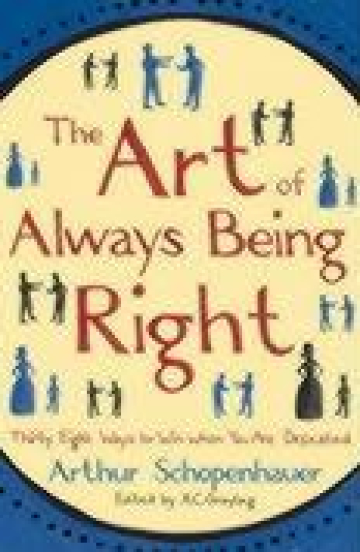 The Art of Always Being Right
 On the Suffering of the World
Book details
- Author
- Arthur Schopenhauer
- Genre
- Classics
- Goodreads rating
- 4.05 (17k ratings) →
Keep reading
 Heretics
 A Calendar of Wisdom: Daily Thoughts to Nourish the Soul
 Human, All Too Human
On the Suffering of the World
Human, All Too Human
On the Suffering of the World
 Pensées
The World as Will and Representation, Vol 1
Pensées
The World as Will and Representation, Vol 1
 Emile or On Education
 The Gay Science
 The Consolation of Philosophy
 The Consolations of Philosophy
 The Schopenhauer Cure
 The Intellectual Life: Its Spirit, Conditions, Methods
 The Essential Writings of Ralph Waldo Emerson
 Daybreak: Thoughts on the Prejudices of Morality
 The Man Without Qualities
 Ethics
 An Essay Concerning Human Understanding
 The Book of Chuang Tzu
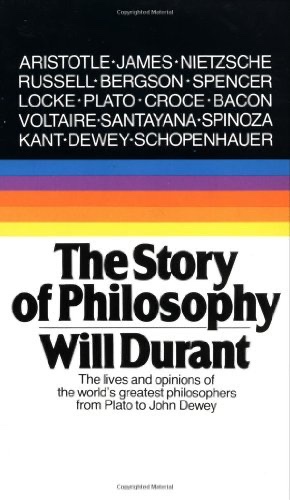 The Story of Philosophy: The Lives and Opinions of the World's Greatest Philosophers
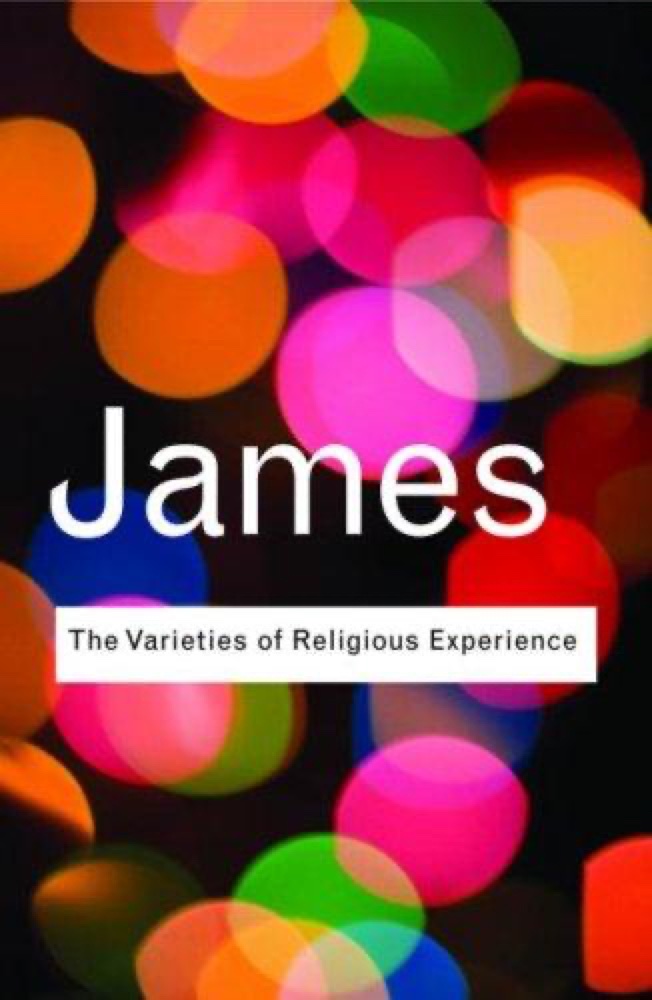 The Varieties of Religious Experience
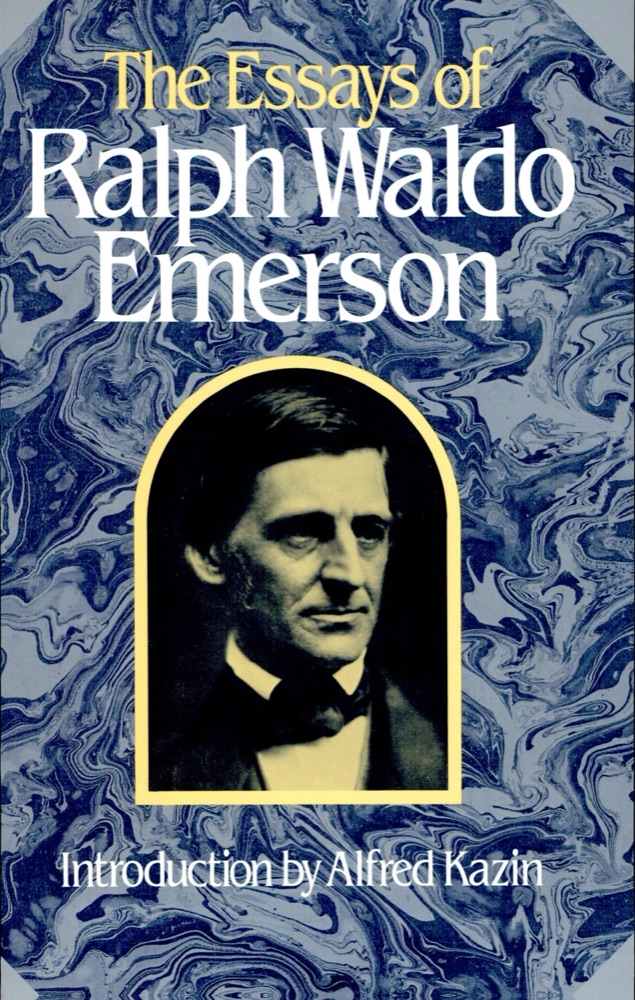 The Essays of Ralph Waldo Emerson
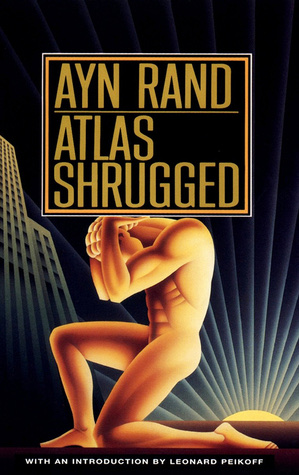 Atlas Shrugged
 The Magic Mountain
 The Myth of Sisyphus
 The Myth of Sisyphus and Other Essays
 The Wisdom of Insecurity: A Message for an Age of Anxiety
 How to Use Your Enemies
 Essays
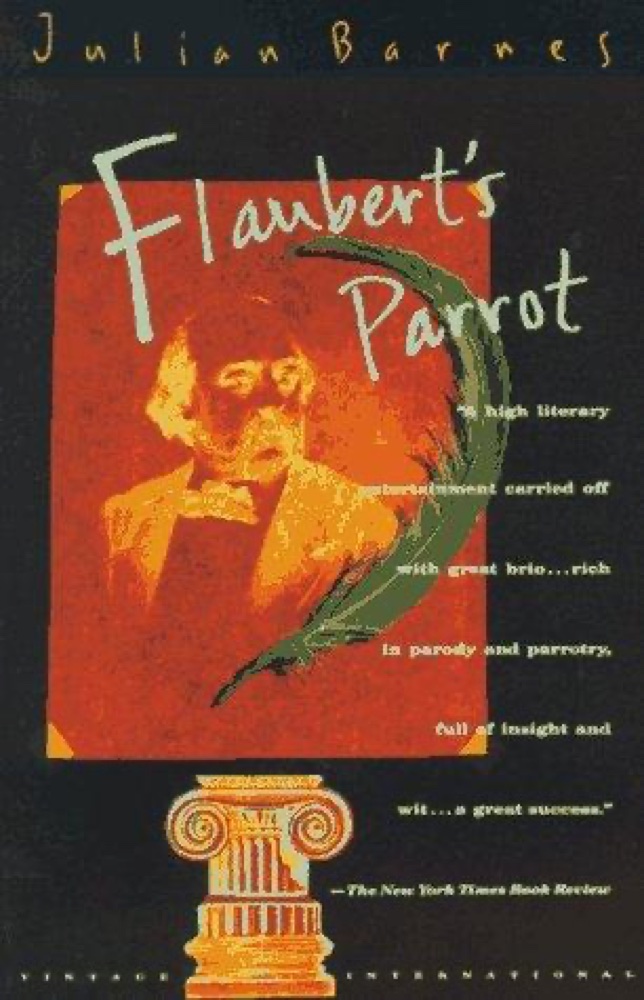 Flaubert's Parrot
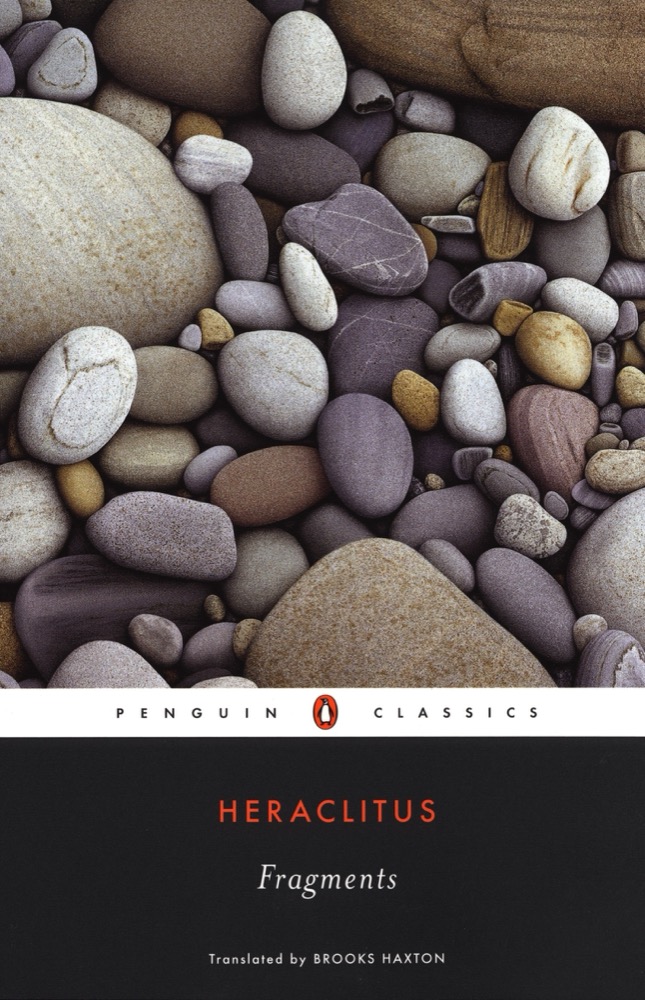 Fragments
 Self-Reliance: An Excerpt from Collected Essays, First Series
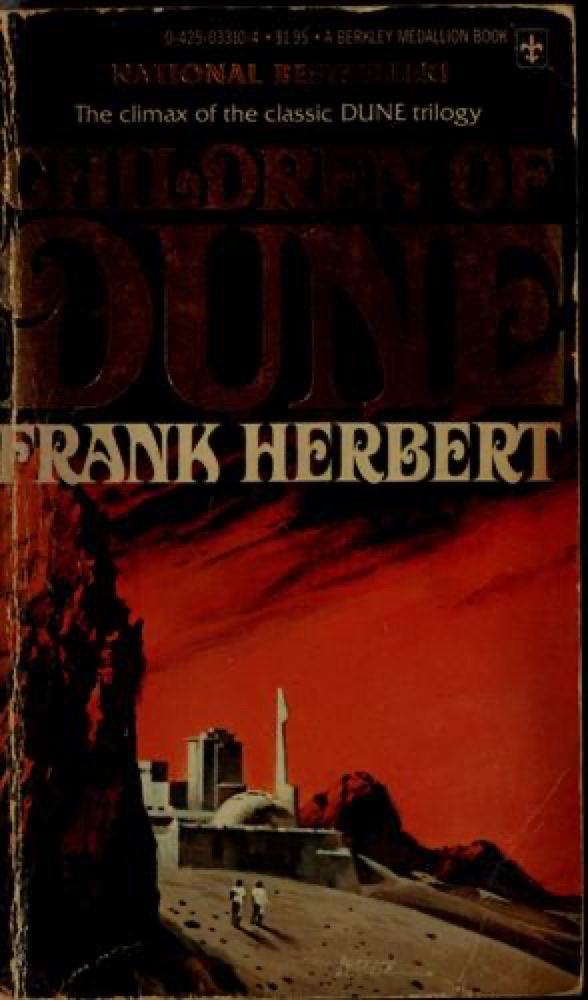 Children of Dune
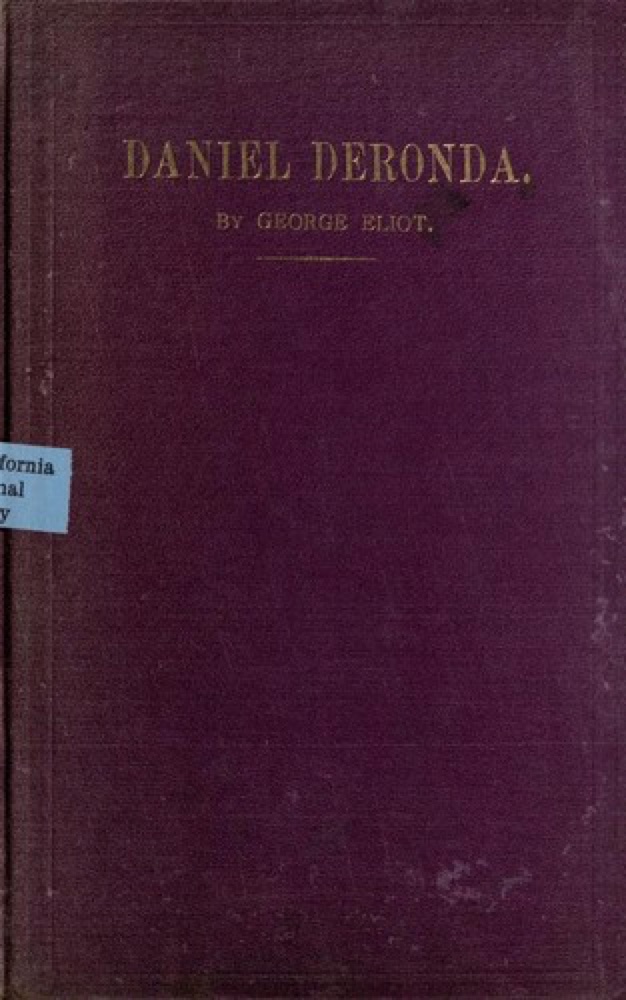 Daniel Deronda
 Man's Search for Meaning
 The Complete Essays
 Only Dull People Are Brilliant at Breakfast
 The Nicomachean Ethics
 The Republic
 Demons
 Phaedrus
 The Spinoza Problem
 Six Characters in Search of an Author
 Freedom from the Known
 The Story of My Experiments With Truth
 The Idiot
 Point Counter Point
 Complete Works of Oscar Wilde
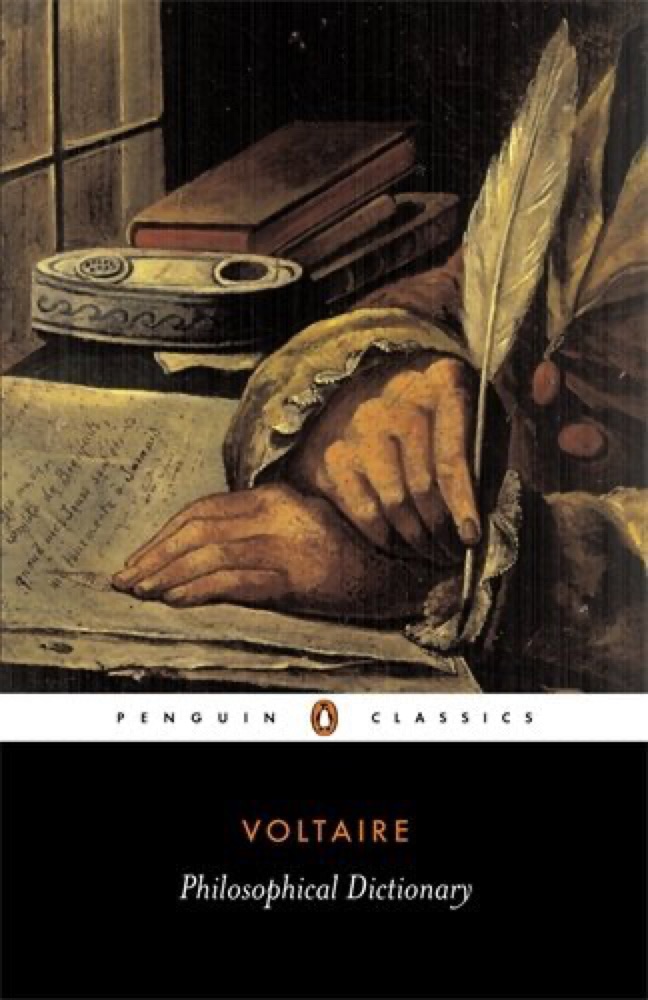 Philosophical Dictionary
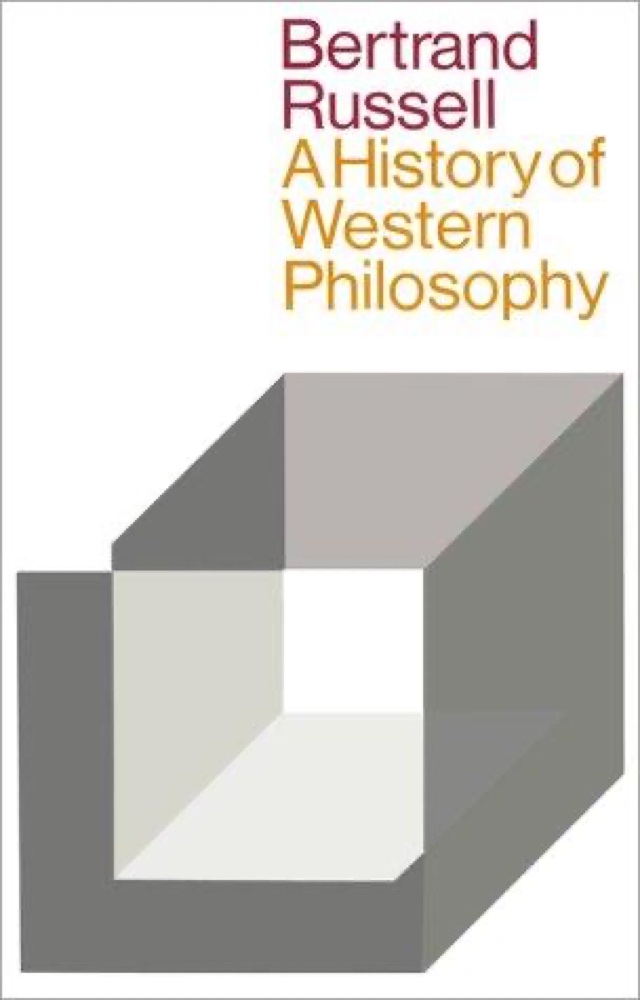 A History of Western Philosophy
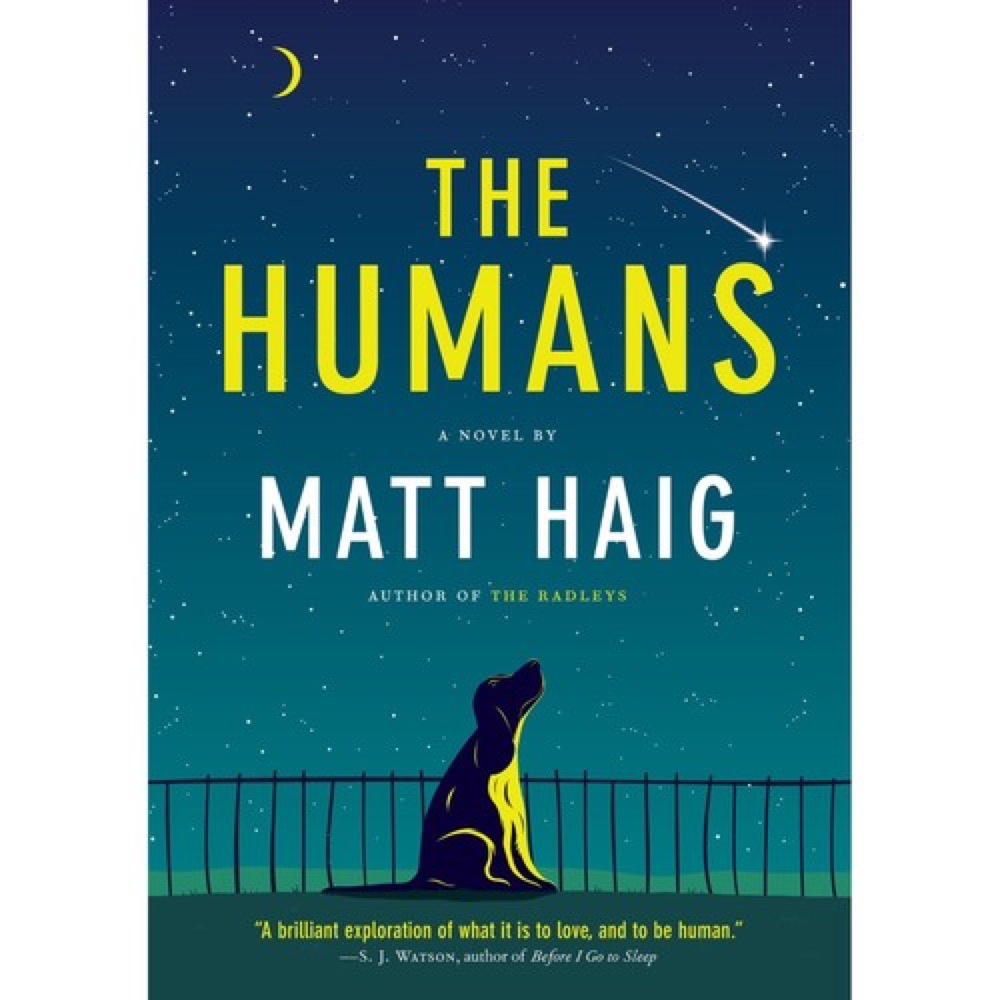 The Humans
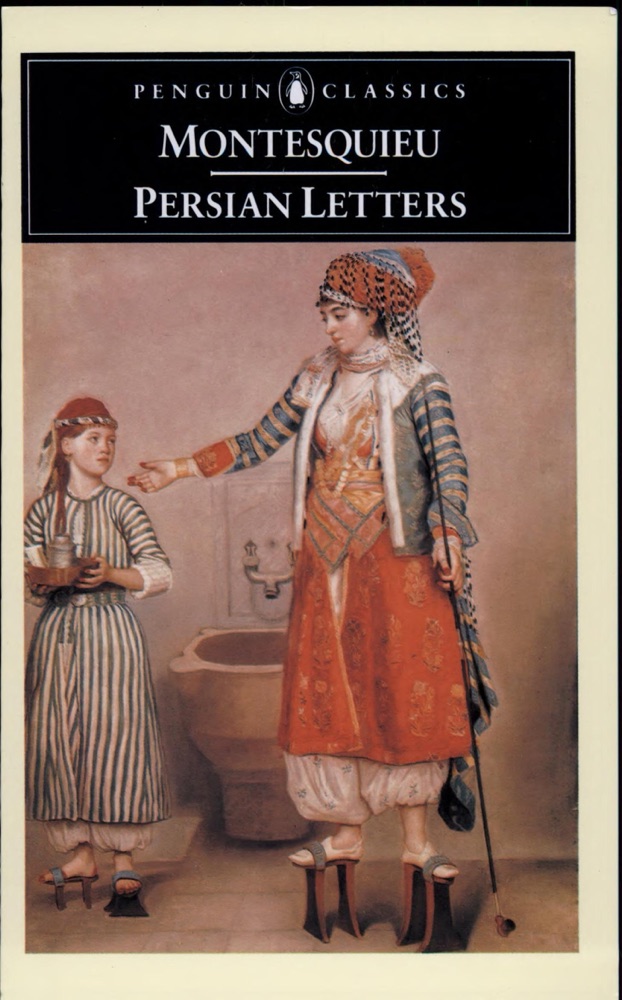 Persian Letters
 Hagakure: The Book of the Samurai
 Notes from Underground
 The Count of Monte Cristo
 The Walking Drum
 The Book of Laughter and Forgetting
 Even Cowgirls Get the Blues
 The Socrates Express: In Search of Life Lessons from Dead Philosophers
 Genesis
 Shōgun