
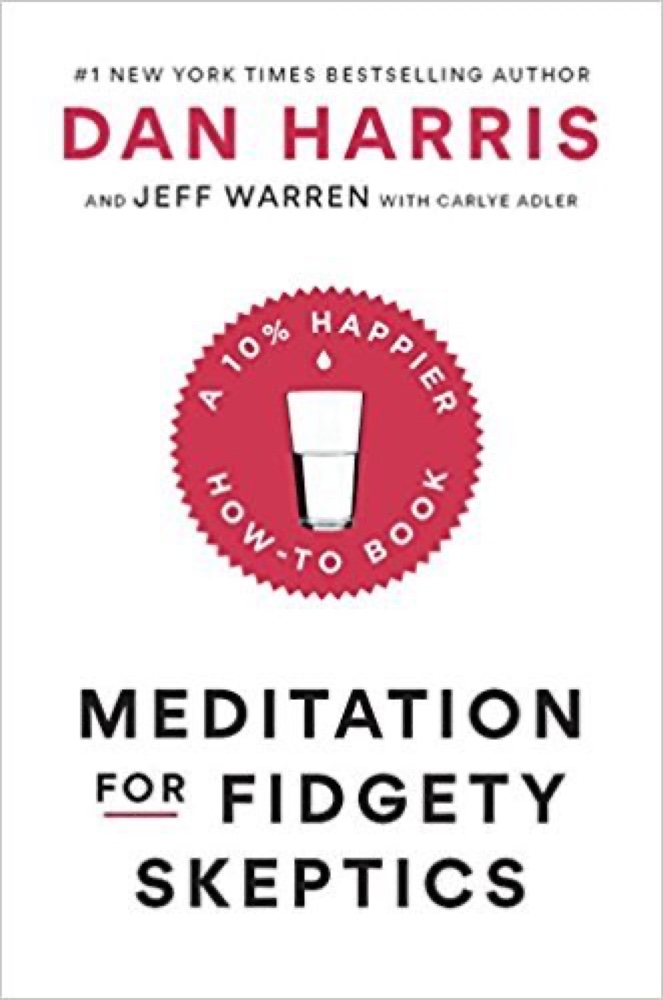
 Meditation for Fidgety Skeptics: A 10% Happier How-To Book
Quotes from the Book
Make the present moment your friend rather than your enemy. Because many people live habitually as if the present moment were an obstacle that they need to overcome in order to get to the next moment. And imagine living your whole life like that, where always this moment is never quite right, not good enough because you need to get to the next one. That is continuous stress.
121
When you have one foot in the future and the other in the past, you piss on the present.
98
What mindfulness does is create some space in your head so you can, as the Buddhists say, “respond” rather than simply “react.” In the Buddhist view, you can’t control what comes up in your head; it all arises out of a mysterious void. We spend a lot of time judging ourselves harshly for feelings that we had no role in summoning. The only thing you can control is how you handle it.
65
There’s no point in being unhappy about things you can’t change, and no point being unhappy about things you can.
65
Striving is fine, as long as it’s tempered by the realization that, in an entropic universe, the final outcome is out of your control. If you don’t waste your energy on variables you cannot influence, you can focus much more effectively on those you can. When you are wisely ambitious, you do everything you can to succeed, but you are not attached to the outcome—so that if you fail, you will be maximally resilient, able to get up, dust yourself off, and get back in the fray. That, to use a loaded term, is enlightened self-interest.
47
pursuit of happiness becomes the source of our unhappiness.
46
Meditation is not about feeling a certain way. It’s about feeling the way you feel.
40
But it was in this moment, lying in bed late at night, that I first realized that the voice in my head—the running commentary that had dominated my field of consciousness since I could remember—was kind of an asshole.
34
Your demons may have been ejected from the building, but they’re out in the parking lot, doing push-ups.”)
30
Everything in the world is ultimately unsatisfying and unreliable because it won’t last.
26
May you be happy. May you be safe and protected from harm. May you be healthy and strong. May you live with ease.
23
Perhaps the most meaningful exchange I had on the subject was a completely random discussion with my uncle Martin at my parents’ annual summer pool party. Martin, a former entrepreneur who was now in the early stages of Alzheimer’s, turned to me and asked an intriguing question: “Which is more exciting to you? Reality or memory?” I paused, considered it, and said, “I wish I could say reality, but it’s probably memory.” And then I asked, “What about you?” At which point Martin stared blankly back at me and asked, “What was the question?
22
The Buddha captured it well when he said that anger, which can be so seductive at first, has “a honeyed tip” but a “poisoned root.
21
The fact that you exist is a highly statistically improbable event, and if you are not perpetually surprised by the fact that you exist you don’t deserve to be here.
19
The ego is never satisfied. No matter how much stuff we buy, no matter how many arguments we win or delicious meals we consume, the ego never feels complete.
19
She nailed the method for applying mindfulness in acute situations, albeit with a somewhat dopey acronym: RAIN. R: recognize A: allow I: investigate N: non-identification
18
We live so much of our lives pushed forward by these “if only” thoughts, and yet the itch remains. The pursuit of happiness becomes the source of our unhappiness.
17
Marturano recommended something radical: do only one thing at a time. When you’re on the phone, be on the phone. When you’re in a meeting, be there. Set aside an hour to check your email, and then shut off your computer monitor and focus on the task at hand. Another tip: take short mindfulness breaks throughout the day. She called them “purposeful pauses.” So, for example, instead of fidgeting or tapping your fingers while your computer boots up, try to watch your breath for a few minutes. When driving, turn off the radio and feel your hands on the wheel. Or when walking between meetings, leave your phone in your pocket and just notice the sensations of your legs moving. “If I’m a corporate samurai,” I said, “I’d be a little worried about taking all these pauses that you recommend because I’d be thinking, ‘Well, my rivals aren’t pausing. They’re working all the time.’ ” “Yeah, but that assumes that those pauses aren’t helping you. Those pauses are the ways to make you a more clear thinker and for you to be more focused on what’s important.
17
the Buddha’s main thesis was that in a world where everything is constantly changing, we suffer because we cling to things that won’t last.
14
Don’t you ever get pissed off, annoyed, irritated, sad—anything negative?” “No, I accept what is. And that’s why life has become so simple.” “Well, what if somebody cuts you off in your car?” “It’s fine. It’s like a sudden gust of wind. I don’t personalize a gust of wind, and so it’s simply what is.
13
Picture the mind like a waterfall, they said: the water is the torrent of thoughts and emotions; mindfulness is the space behind the waterfall. Again, elegant theory – but, easier said than done.
13
In a nutshell, mindfulness is the ability to recognize what is happening in your mind right now—anger, jealousy, sadness, the pain of a stubbed toe, whatever—without getting carried away by it. According to the Buddha, we have three habitual responses to everything we experience. We want it, reject it, or we zone out. Cookies: I want. Mosquitoes: I reject. The safety instructions the flight attendants read aloud on an airplane: I zone out. Mindfulness is a fourth option, a way to view the contents of our mind with nonjudgmental remove.
12
If you stay in the moment, you’ll have what is called spontaneous right action, which is intuitive, which is creative, which is visionary, which eavesdrops on the mind of the universe.
12
I’m thinking: Yes, right—there is a point to sitting around all day with your eyes closed: to gain some control over the mind, to see through the forces that drive us—and drive us nuts.
10
However, research shows that “firm but kind” is the smarter play. People trained in self-compassion meditation are more likely to quit smoking and stick to a diet. They are better able to bounce back from missteps. All successful people fail. If you can create an inner environment where your mistakes are forgiven and flaws are candidly confronted, your resilience expands exponentially.
9
This, as Joseph had pointed out on retreat, is the lie we tell ourselves our whole lives: as soon as we get the next meal, party, vacation, sexual encounter, as soon as we get married, get a promotion, get to the airport check-in, get through security and consume a bouquet of Auntie Anne’s Cinnamon Sugar Stix, we’ll feel really good. But as soon as we find ourselves in the airport gate area, having ingested 470 calories’ worth of sugar and fat before dinner, we don’t bother to examine the lie that fuels our lives. We tell ourselves we’ll sleep it off, take a run, eat a healthy breakfast, and then, finally, everything will be complete. We live so much of our lives pushed forward by these “if only” thoughts, and yet the itch remains. The pursuit of happiness becomes the source of our unhappiness.
9
There’s a reason why they call Buddhism “advanced common sense”; it’s all about methodically confronting obvious-but-often-overlooked truths (everything changes, nothing fully satisfies) until something in you shifts.
9
when you squelch something, you give it power. Ignorance is not bliss.
9
We all have an innate feeling of being separate from the world, peering out at life from behind our own little self, and vying against other isolated selves. But how can we truly be separate from the same world that created us? “Dust to dust” isn’t just something they say at funerals, it’s the truth. You can no more disconnect from the universe and its inhabitants than a wave can extricate itself from the ocean.
9
They had a term, too, for that thing I did where something would bother me and I would immediately project forward to an unpleasant future (e.g., Balding → Unemployment → Flophouse). The Buddhists called this prapañca (pronounced pra-PUN-cha), which roughly translates to “proliferation,” or “the imperialistic tendency of mind.” That captured it beautifully, I thought: something happens, I worry, and that concern instantaneously colonizes my future.
9
Did you know?
- The book grew out of a panic attack Dan Harris suffered live on air while reading the news on Good Morning America in 2004.
- The title reflects Harris's deliberately modest claim that meditation made him about ten percent happier, pushing back against exaggerated self-help promises.
- Harris was assigned the religion beat at ABC News, which first led him to explore meditation and spiritual teachers.
- The book was a New York Times bestseller.
- It was nominated for the 2014 Goodreads Choice Award for Readers' Favorite Nonfiction.
- Its success spawned the 10% Happier podcast and meditation app.
About Dan Harris
Dan Harris (born 1971) is an American journalist who spent years as an anchor and correspondent at ABC News, including stints on Nightline and the weekend edition of Good Morning America. After a televised panic attack led him to meditation, he became a prominent advocate for mindfulness and built the 10% Happier podcast and app.
More about the author →More by Dan Harris
Meditation for Fidgety Skeptics: A 10% Happier How-To Book
About the book
10% Happier is a memoir by ABC News anchor Dan Harris that recounts his unlikely journey into meditation. After suffering a live, on-air panic attack while reading the news on Good Morning America in 2004, Harris went looking for the cause and found it tangled up with the drug use, ambition, and relentless mental chatter that had defined his career as a war correspondent and television journalist. The book follows his skeptical, often comic investigation through the worlds of self-help gurus, spiritual teachers, and ultimately science-backed mindfulness practice.
At its core the book argues that meditation is a practical, secular tool for managing the restless inner voice that drives stress and reactivity, rather than a mystical or religious pursuit. Harris is candid about his resistance to anything that sounds like New Age fluff, and much of the book's appeal lies in his insistence on a measured, evidence-minded approach. The title comes from his deliberately modest claim that meditation made him roughly ten percent happier, a framing meant to counter the grandiose promises of the self-help industry.
Published in 2014, the book became a New York Times bestseller and helped popularize mindfulness for a mainstream, often skeptical audience. Its success led Harris to build a wider venture around the same idea, including a meditation app and podcast carrying the 10% Happier name. Critics and readers frequently praised its humor and honesty, citing it as an accessible entry point for people wary of conventional self-help.
Book details
- First published
- 2014
- Length
- 256 pages
- Reading time
- 5 hours
- Author
- Dan Harris
- Genre
- Nonfiction
- Goodreads rating
- 3.91 (117k ratings)
Critical reception
- The book reached the New York Times bestseller list.
- It was nominated for the 2014 Goodreads Choice Award in Nonfiction.
- Reviewers frequently praised its humor and candor as an accessible introduction to mindfulness for skeptics.
Keep reading
Meditation for Fidgety Skeptics: A 10% Happier How-To Book
 Living Beautifully with Uncertainty and Change
 The Antidote: Happiness for People Who Can't Stand Positive Thinking
 A New Earth: Awakening to Your Life's Purpose
 The Joy of Living: Unlocking the Secret and Science of Happiness
 Way of the Peaceful Warrior: A Book That Changes Lives
 The Wisdom of No Escape: How to Love Yourself and Your World
 Advice Not Given: A Guide to Getting Over Yourself
 When Things Fall Apart: Heart Advice for Difficult Times
 Loving What Is: Four Questions That Can Change Your Life
 Buddha's Brain: The Practical Neuroscience of Happiness, Love, and Wisdom
 Stillness Is the Key
 The Untethered Soul: The Journey Beyond Yourself
 Full Catastrophe Living: Using the Wisdom of Your Body and Mind to Face Stress, Pain, and Illness
 Happiness: A Guide to Developing Life's Most Important Skill
 Mindfulness in Plain English
 The Subtle Art of Not Giving a F*ck: A Counterintuitive Approach to Living a Good Life
 The Tools: Transform Your Problems into Courage, Confidence, and Creativity
 Zen and the Art of Motorcycle Maintenance
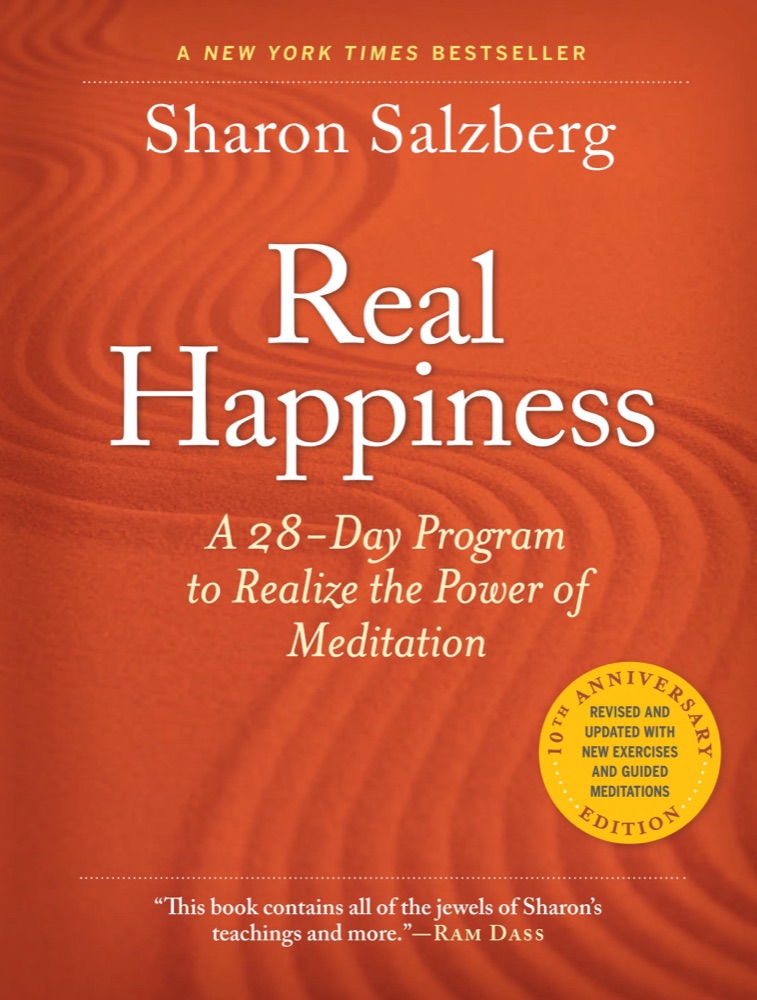 Real Happiness: A 28-Day Program to Realize the Power of Meditation
 Waking Up: A Guide to Spirituality Without Religion
 Awaken The Giant Within
 A Complaint Free World: How to Stop Complaining and Start Enjoying the Life You Always Wanted
 How to See Yourself As You Really Are
 The Dalai Lama's Cat and the Power of Meow
 The Art of Power
 Buddhist Boot Camp
 Maybe You Should Talk to Someone: A Therapist, Her Therapist, and Our Lives Revealed
 101 Essays That Will Change The Way You Think
 F**k It: The Ultimate Spiritual Way
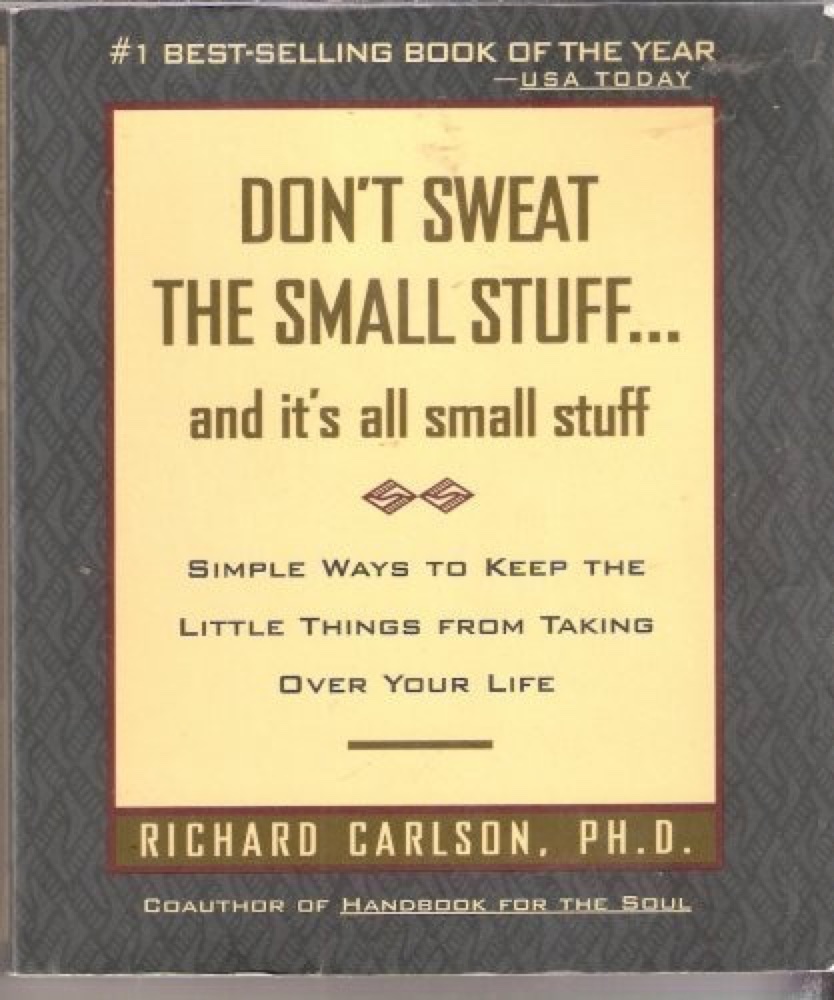 Don't Sweat the Small Stuff ... and it's all small stuff: Simple Ways to Keep the Little Things from Taking Over Your Life
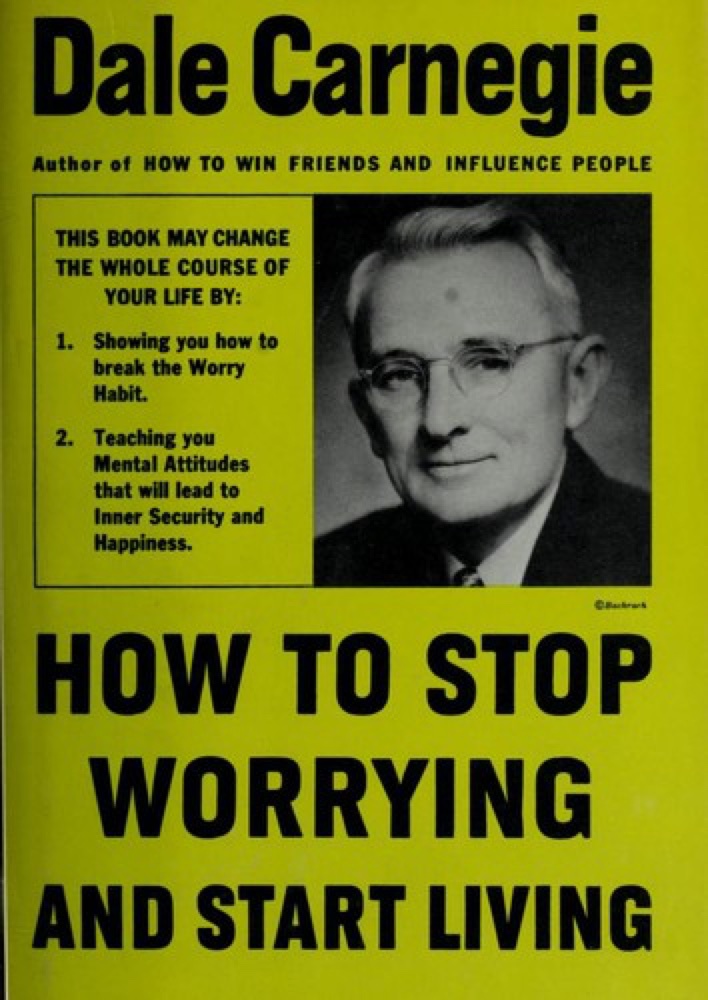 How to Stop Worrying and Start Living
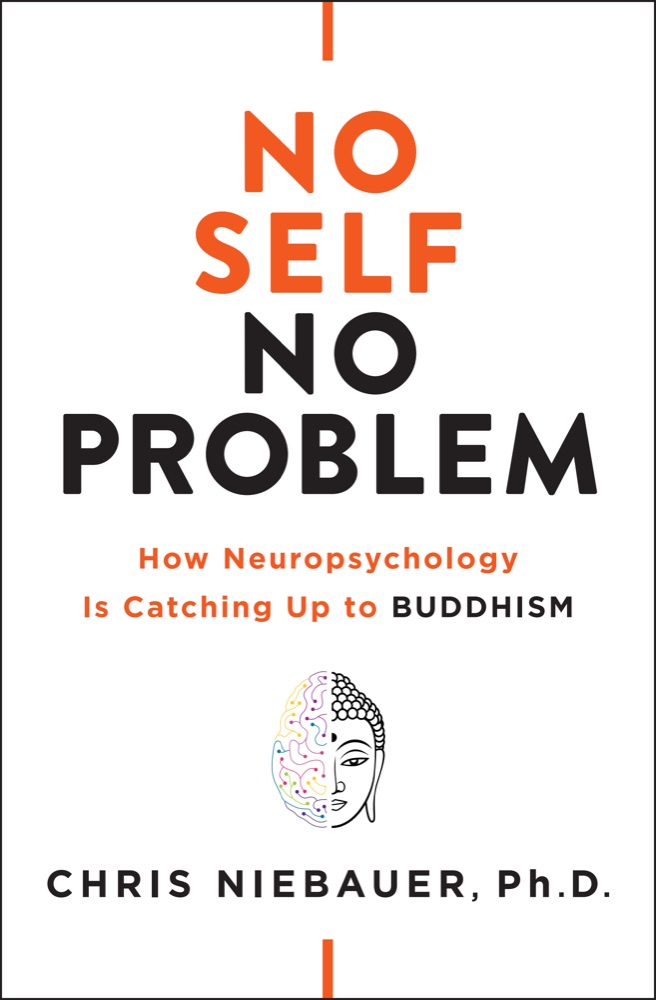 No Self, No Problem: How Neuropsychology Is Catching Up to Buddhism
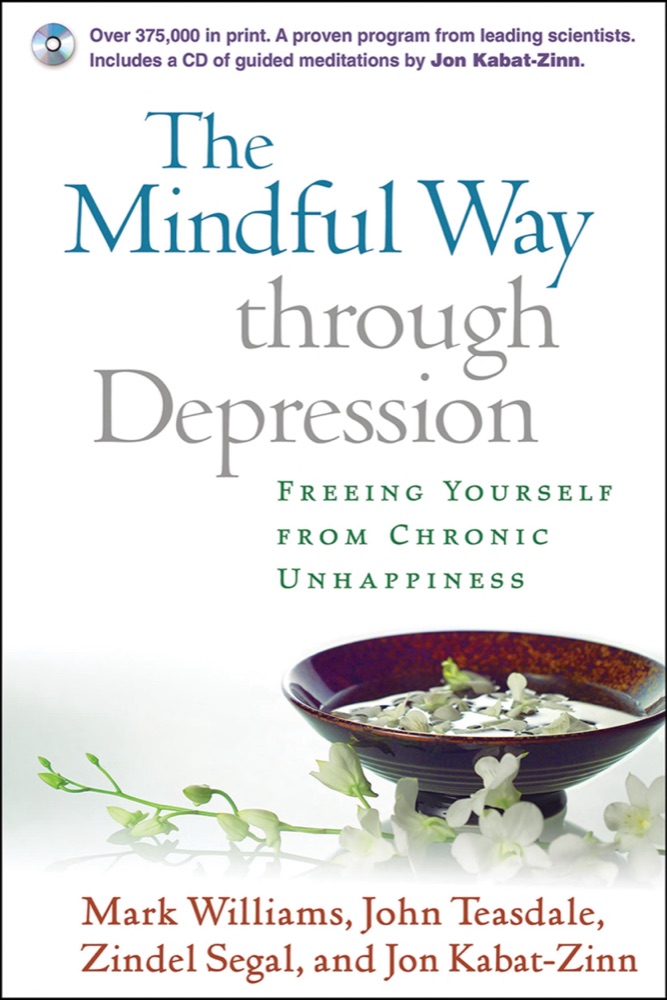 The Mindful Way through Depression: Freeing Yourself from Chronic Unhappiness
 The Dude and the Zen Master
 Notes on a Nervous Planet
 First, We Make the Beast Beautiful: A New Story About Anxiety
 The Things You Can See Only When You Slow Down: How to Be Calm in a Busy World
 Can't Hurt Me: Master Your Mind and Defy the Odds
 The Perfectionist's Guide to Losing Control: A Path to Peace and Power
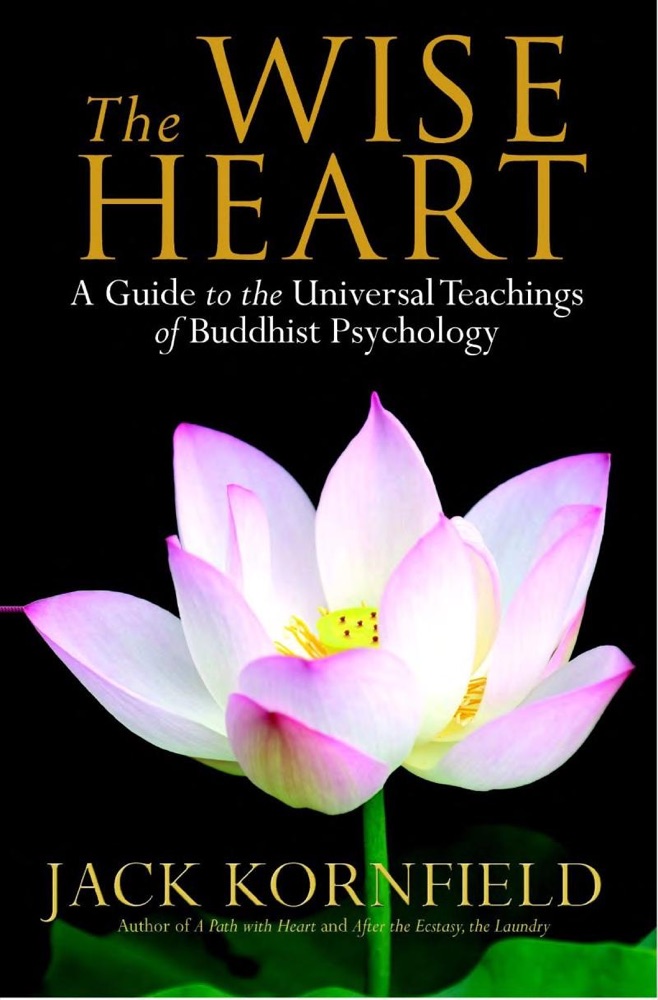 The Wise Heart: A Guide to the Universal Teachings of Buddhist Psychology
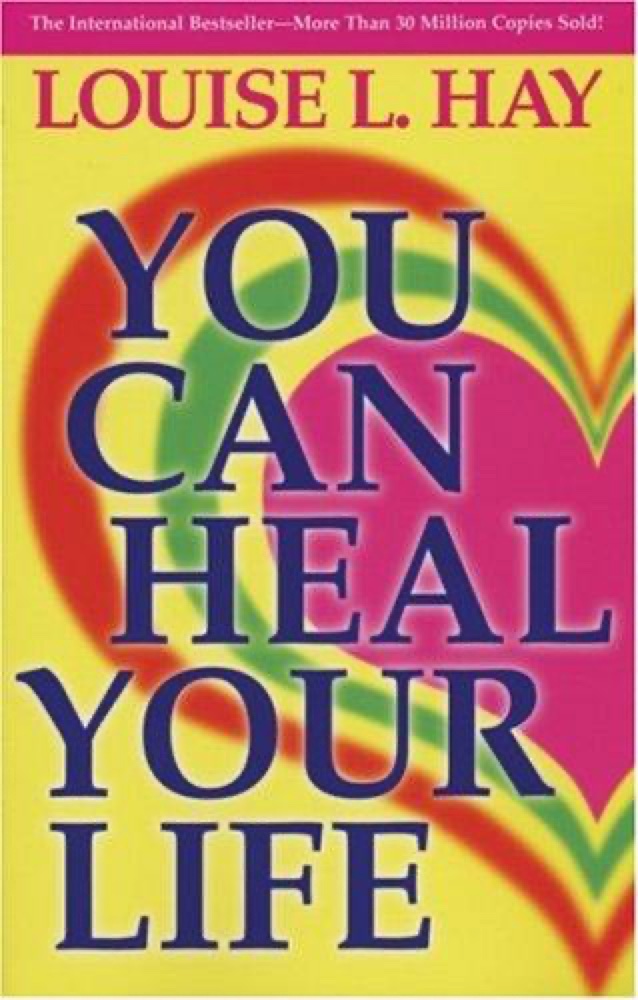 You Can Heal Your Life
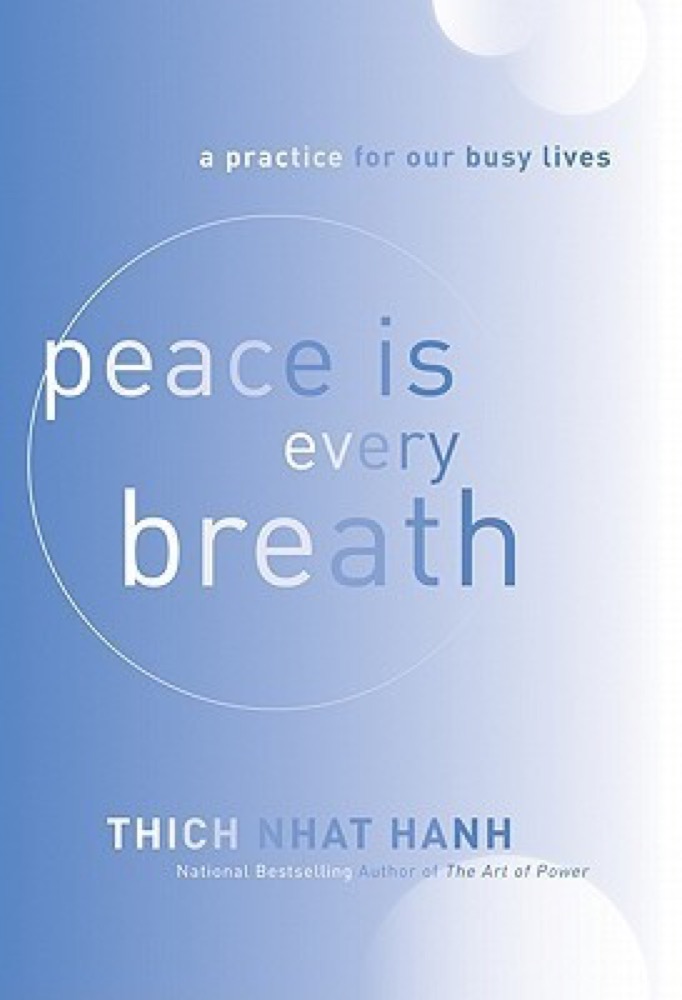 Peace Is Every Breath: A Practice for Our Busy Lives
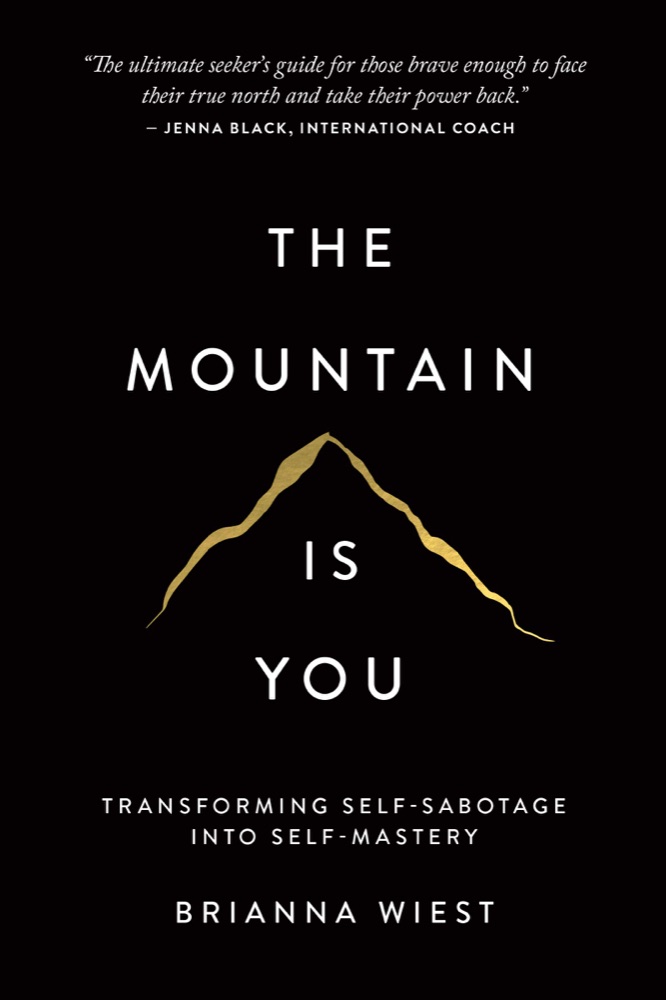 The Mountain Is You: Transforming Self-Sabotage Into Self-Mastery
 Everyday Zen: Love & Work
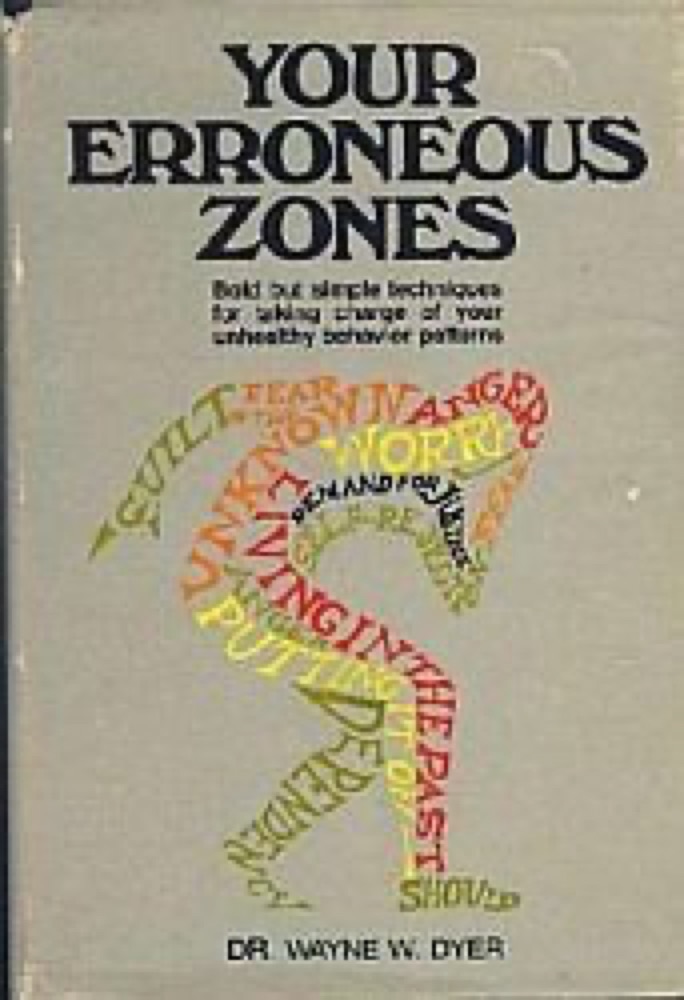 Your Erroneous Zones: Step-By-Step Advice for Escaping the Trap of Negative Thinking and Taking Control of Your Life
 Letting Go: The Pathway To Surrender
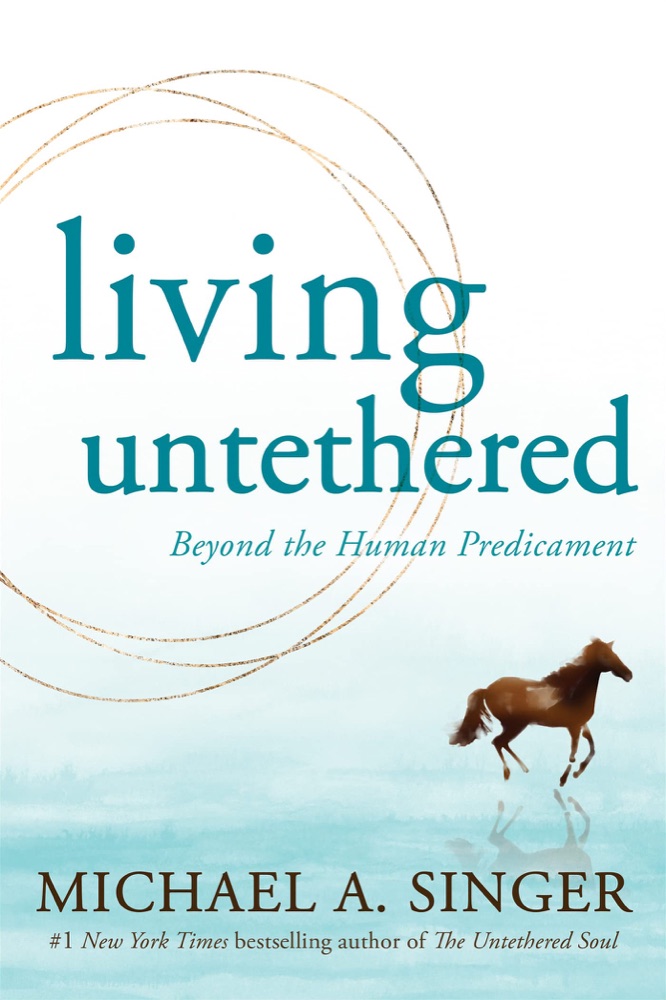 Living Untethered: Beyond the Human Predicament
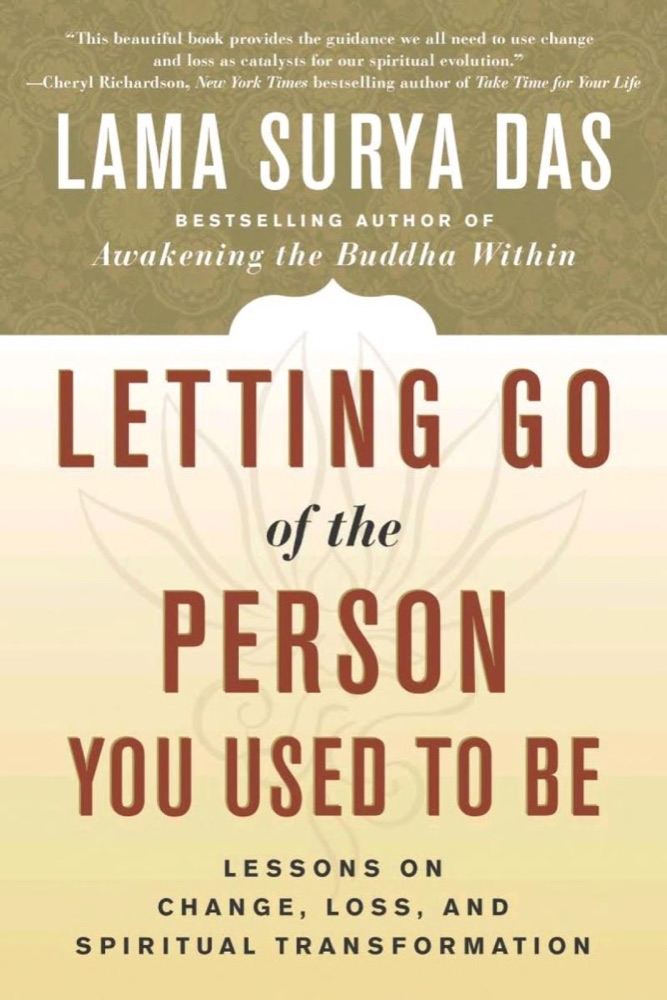 Letting Go of the Person You Used to Be: Lessons on Change, Loss, and Spiritual Transformation
 Peace Is Every Step: The Path of Mindfulness in Everyday Life
 The Mindful Athlete: Secrets to Pure Performance
 Ready for Anything: 52 Productivity Principles for Getting Things Done
 The Tibetan Book of Living and Dying
 Meditation for Beginners
 Why Buddhism Is True: The Science and Philosophy of Meditation and Enlightenment
 The Happiness Equation: Want Nothing + Do Anything = Have Everything
 Thrive: The Third Metric to Redefining Success and Creating a Life of Well-Being, Wisdom, and Wonder
 Everything Is F*cked: A Book About Hope
 The Practicing Mind: Bringing Discipline and Focus into Your Life
 The Power of Now: A Guide to Spiritual Enlightenment