
 The Dance of Fear: Rising Above Anxiety, Fear, and Shame to Be Your Best and Bravest Self
Quotes from the Book
Letting go of anger and hate requires us to give up the hope for a different past, along with the hope of a fantasized future. What we gain is a life more in the present, where we are not mired in prolonged anger and resentment that doesn't serve us.
31
The best apologies are short, and don't go on to include explanations that run the risk of undoing them. An apology isn't the only chance you ever get to address the underlying issue. The apology is the chance you get to establish the ground for future communication. This is an important and often overlooked distinction.
18
Questioning ourselves for being "oversensitive" is a common way that women, in particular, disqualify our legitimate anger and hurt. ...The fact that some of us feel more vulnerable than others in a particular context does not mean we are weak or lesser in any way.
14
Sometimes, the failure of the other person to apologize when they should hits us harder than the deed they should apologize for.
13
But here is the real point when it comes to the challenge of apologies in family relationships. If our intention is to have a better relationship, we need to be our best and most mature self, rather than reacting to the other person's reactivity. Also, some of the other person's complaints will be true, since we can't possibly get it right all the time.
12
To listen with an open heart and ask questions to better help us understand the other person is a spiritual exercise, in the truest sense of the word.
9
When forgiveness experts talk in binary language (“You either forgive the wrongdoer or you are a prisoner of your own anger and hate”), they are collapsing the messy complexity of human emotions into a simplistic dichotomous equation.
8
NOT EVERYTHING IS FORGIVABLE Accepting an apology doesn’t always mean reconciliation. The best apology in the world can’t restore every connection. The words “I’m sorry” may be absurdly inadequate even if sincerely offered. Sometimes the foundation of trust on which a relationship was built cannot be repaired. We may never want to see the person who hurt us again. We can still accept the apology.
7
The need for apologies and repair is a singularly human one---both on the giving and receiving ends. We are hardwired to seek justice and fairness (however we see it), so the need to receive a sincere apology that's due is deeply felt. We are also imperfect humans and prone to error and defensiveness, so the challenge of offering a heartfelt apology permeates almost every relationship.
7
If only our passion to understand others were as great as our passion to be understood. Were this so, all our apologies would be truly meaningful and healing.
6
Countless self-help books, blogs and seminars promise relief from suffering, when pain and suffering are as much part of life as happiness and joy.The only way to avoid being mistreated in this world is to fold up in a dark corner and stay mute. If you go outside, or let others in, you'll get hurt many times. Ditto if you've grown up in a family rather than begin raised by wolves. Some people will behave badly and will not apologize, repair the harm, or care about your feelings.
6
In my professional work I am struck by how often sibling relationships fall apart around the life-cycle stage of caring for elderly parents, and dealing with a parents death and it's aftermath. Failed apologies have the most serious consequences at stressful points in the life-cycle, and loss is the most challenging adaptational task that family members have to come to terms with.
3
If the other person has pushed through his or her discomfort to do the right thing and apologize, we can push through our discomfort and say, "Thanks for the apology." It's important to resist the temptation to cancel the effort at repair that a genuine apology is.
2
The healing power of a good apology is also immediately recognizable. When someone offers me a genuine apology, I feel relieved and soothed. Whatever anger and resentment I may still be harboring melts away. I also feel better when I offer an apology I know is due. I’m enormously grateful that I can repair the disconnection after having made a mistake or acted badly.
1
A wholehearted apology means valuing the relationship
Part of a true apology is staying deeply curious about the hurt person’s experience rather than hijacking it with your own emotionality.
Nu ești o persoană mai puțin iubitoare sau incompletă, dacă îți rămân anumite lucruri pe care nu le poți ierta și dacă îți dorești ca pe anumite persoane să nu le mai întâlnești vreodată-n viață. Poate că devii un om mai puternic și mai curajos, dacă ai ceva mânie reziduală (fie că provine dintr-o mare trădare, fie din numeroase neplăceri mici) și, în ciuda ei, reușești să-ți vezi de viața ta. Mai important ca orice, nu e treaba nimănui - nici a terapeutului, nici a mamei sau profesorului ori a vreunui ghid spiritual, a celui mai bun prieten sau expert în relații - să-i spună altuia că trebuie să ierte (sau nu).
Watch on YouTube
About Harriet Lerner
We have collected 74 quotes from 3 books by Harriet Lerner on BookQuoters.
More about the author →More by Harriet Lerner
The Dance of Fear: Rising Above Anxiety, Fear, and Shame to Be Your Best and Bravest Self
 The Dance of Connection: How to Talk to Someone When You're Mad, Hurt, Scared, Frustrated, Insulted, Betrayed, or Desperate
About the book
Renowned psychologist and bestselling author of The Dance of Anger sheds new light on the two most important words in the English language—I’m sorry—and offers a unique perspective on the challenge of healing broken connections and restoring trust.Dr. Harriet Lerner has been studying apologies—and why some people won’t give them—for more than two decades. Now she offers compelling stories and solid theory that bring home how much the simple apology matters and what is required for healing when the hurt we’ve inflicted (or received) is far from simple. Readers will learn how to craft a deeply meaningful “I’m sorry” and avoid apologies that only deepen the original injury.Why Won’t You Apologize? also addresses the compelling needs of the injured party—the one who has been hurt by someone who won’t apologize, tell the truth, or feel remorse. Lerner explains what drives both the non-apologi
Book details
- First published
- 2017
- Author
- Harriet Lerner
- Genre
- Nonfiction
- Goodreads rating
- 4.28 (6k ratings)
Keep reading
 The Book of Forgiving: The Fourfold Path for Healing Ourselves and Our World
The Dance of Connection: How to Talk to Someone When You're Mad, Hurt, Scared, Frustrated, Insulted, Betrayed, or Desperate
The Book of Forgiving: The Fourfold Path for Healing Ourselves and Our World
The Dance of Connection: How to Talk to Someone When You're Mad, Hurt, Scared, Frustrated, Insulted, Betrayed, or Desperate
 How to Fight
 Us: Getting Past You and Me to Build a More Loving Relationship
 Atlas of the Heart: Mapping Meaningful Connection and the Language of Human Experience
 I Thought It Was Just Me: Women Reclaiming Power and Courage in a Culture of Shame
 Difficult Conversations: How to Discuss What Matters Most
 Unglued: Making Wise Choices in the Midst of Raw Emotions
 Nonviolent Communication: A Language of Life
 Anger: Wisdom for Cooling the Flames
 Changes That Heal: How to Understand the Past to Ensure a Healthier Future
 Clarity & Connection
 Bonds That Make Us Free: Healing Our Relationship, Coming to Ourselves
 Reconciliation: Healing the Inner Child
 Love for Imperfect Things: How to Accept Yourself in a World Striving for Perfection
 Radical Love: Learning to Accept Yourself and Others
 Drama Free: A Guide to Managing Unhealthy Family Relationships
 Welcome Home: A Guide to Building a Home for Your Soul
 Life Will Be the Death of Me: . . . and you too!
 Rising Strong
 Maybe You Should Talk to Someone: A Therapist, Her Therapist, and Our Lives Revealed
 You Are Your Best Thing: Vulnerability, Shame Resilience, and the Black Experience
 Kitchen Table Wisdom: Stories that Heal
 Get Out of Your Own Way: Overcoming Self-Defeating Behavior
 Self-Compassion: The Proven Power of Being Kind to Yourself
 Enemies of the Heart: Breaking Free from the Four Emotions That Control You
 Conflict Is Not Abuse: Overstating Harm, Community Responsibility, and the Duty of Repair
 The Art of Asking; or, How I Learned to Stop Worrying and Let People Help
 This Is How: Proven Aid in Overcoming Shyness, Molestation, Fatness, Spinsterhood, Grief, Disease, Lushery, Decrepitude & More. For Young and Old Alike.
 Good Morning, Monster: A Therapist Shares Five Heroic Stories of Emotional Recovery
 The Anatomy of Peace: Resolving the Heart of Conflict
 Boundaries: When to Say Yes, How to Say No to Take Control of Your Life
 The School of Life: An Emotional Education
 Never Broken: Songs Are Only Half the Story
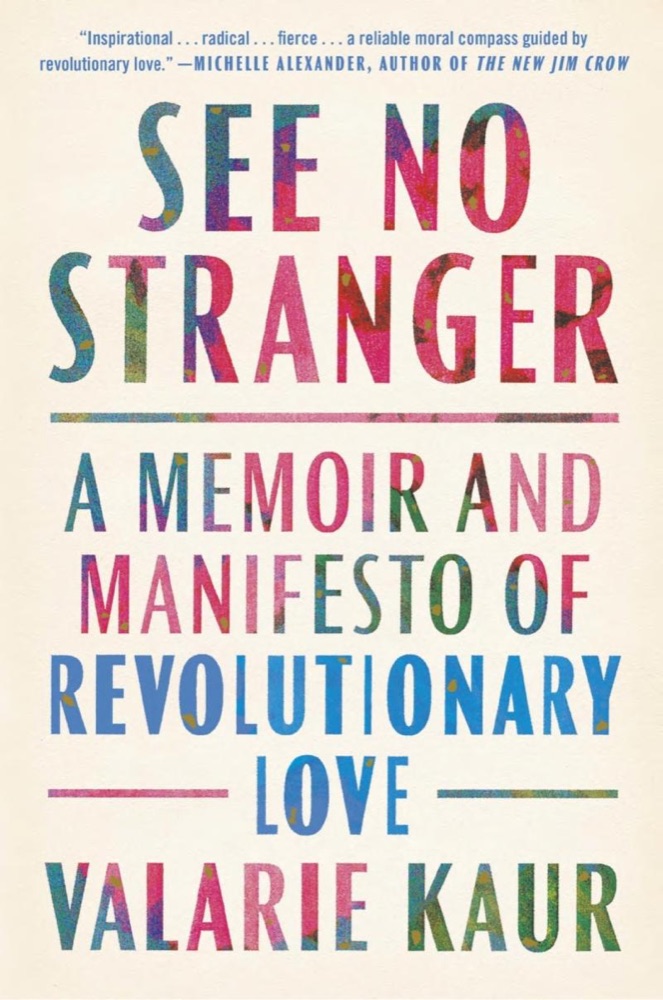 See No Stranger: A Memoir and Manifesto of Revolutionary Love
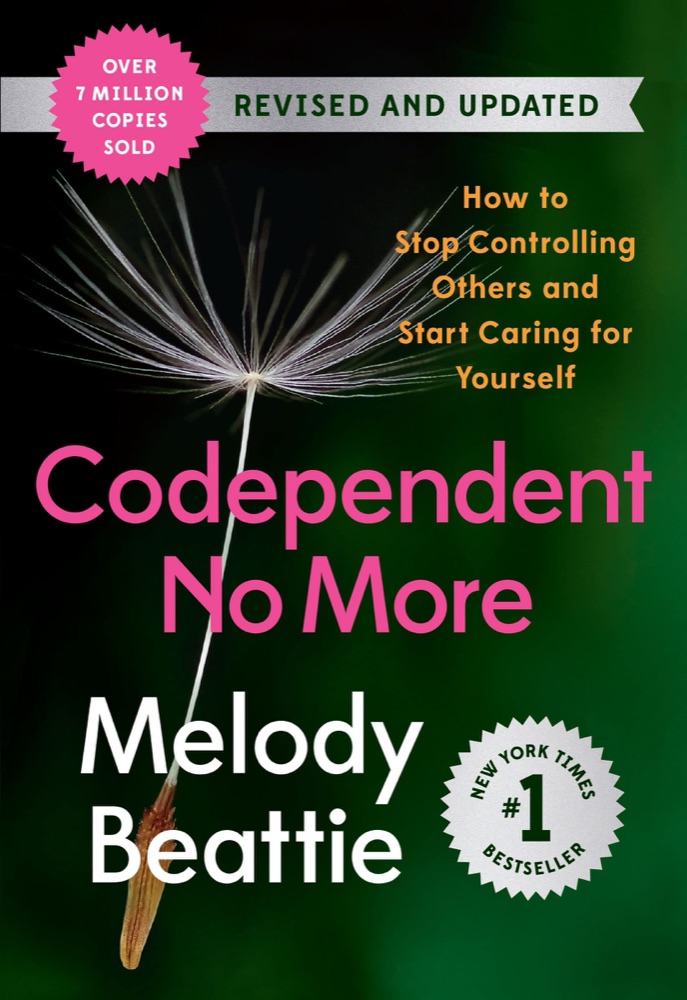 Codependent No More: How to Stop Controlling Others and Start Caring for Yourself
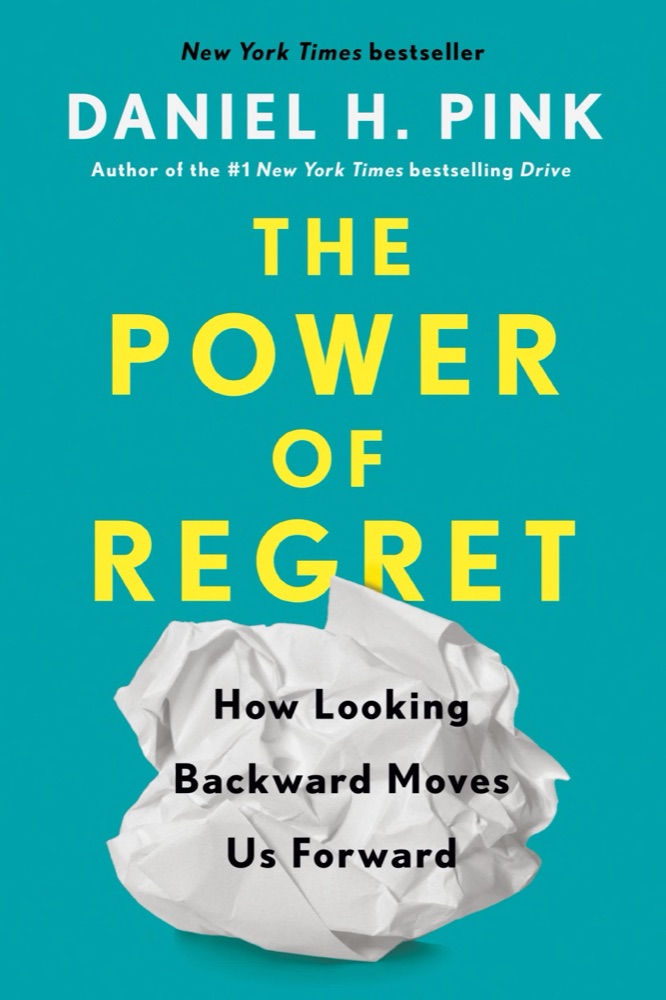 The Power of Regret: How Looking Backward Moves Us Forward
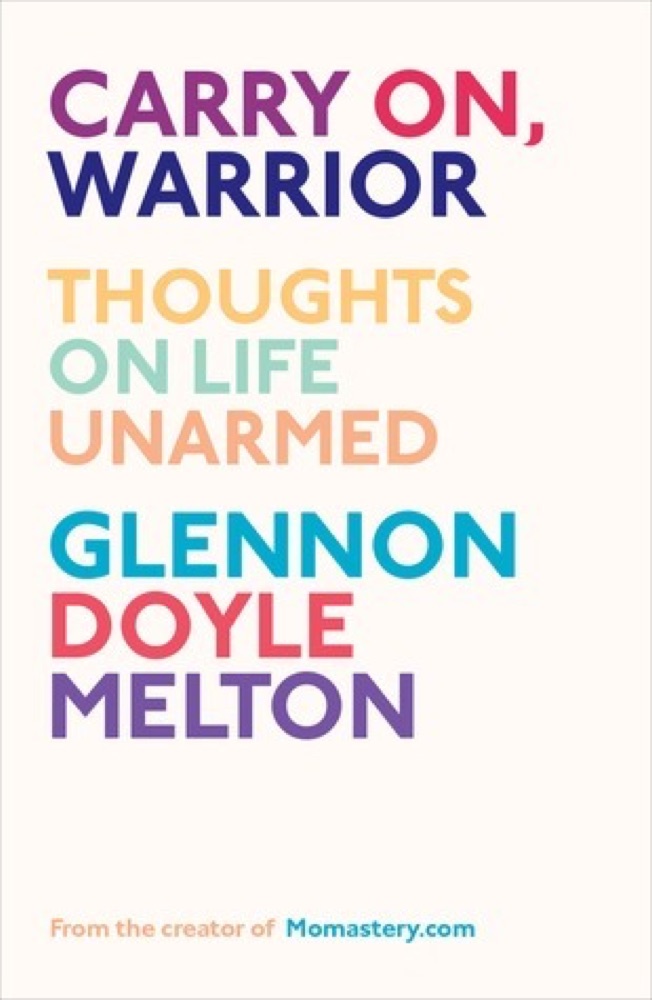 Carry On, Warrior: Thoughts on Life Unarmed
 Untangle Your Emotions: Naming What You Feel and Knowing What to Do About It
 Be the Bridge: Pursuing God's Heart for Racial Reconciliation
 Crucial Conversations: Tools for Talking When Stakes are High
 Radical Honesty : How to Transform Your Life by Telling the Truth
 Of Mess and Moxie: Wrangling Delight Out of This Wild and Glorious Life
 Letting Go: The Pathway To Surrender
 We Can Do Hard Things: Answers to Life's 20 Questions
 Getting More: How to Negotiate to Achieve Your Goals in the Real World
 Option B: Facing Adversity, Building Resilience, and Finding Joy
 All Is Not Forgotten
 Time Untime
 The Relationship Cure: A 5 Step Guide to Strengthening Your Marriage, Family, and Friendships
 Tell Me More: Stories About the 12 Hardest Things I'm Learning to Say
 The World According to Mister Rogers: Important Things to Remember
 The Beauty of Living Twice
 Fierce Love: Creating a Love that Lasts―One Conversation at a Time
 The Empathy Exams
 What Happened To You?: Conversations on Trauma, Resilience, and Healing
 It's Not You: Identifying and Healing from Narcissistic People
 Unfuck Your Brain: Using Science to Get Over Anxiety, Depression, Anger, Freak-Outs, and Triggers
 What Is a Girl Worth?: My Story of Breaking the Silence and Exposing the Truth about Larry Nassar and USA Gymnastics
 What My Bones Know