
 Nonviolent Communication: A Language of Life
Quotes from the Book
My thesis is that at many levels of human interaction there is the opportunity to conflate discomfort with threat, to mistake internal anxiety for exterior danger, and in turn to escalate rather than resolve.
22
The real question is: Why would a person rather have an enemy than a conversation? Why would they rather see themselves as harassed and transgressed instead of have a conversation that could reveal them as an equal participant in creating conflict? There should be a relief in discovering that one is not being persecuted, but actually, in the way we have misconstrued these responsibilities, sadly the relief is in confirming that one has been “victimized.” It comes with the relieving abdication of responsibility.
16
If a person cannot solve a conflict with a friend, how can they possibly contribute to larger efforts for peace? If we refuse to speak to a friend because we project our anxieties onto an email they wrote, how are we going to welcome refugees, immigrants, and the homeless into our communities? The values required for social repair are the same values required for personal repair.
14
Confusing being mortal with being threatened can occur in any realm. The fact that something could go wrong does not mean that we are in danger. It means we are alive. Mortality is the sign of life. In the most intimate and personal of arenas, many of us have love and trusted someone who violated that trust. So when someone else comes along who intrigues us, whose interests we share, who we enjoy being with, with whom there could be some mutual enrichment and understanding, that does not mean that we are being violated again. Experiencing anxiety does not mean that anyone is doing anything to us that is unjust.
9
The title of this book, Conflict Is Not Abuse, recommends mutual accountability in a culture of underreaction to abuse and overreaction to conflict.
7
This placement of the authority to “stop violence” into the hands of the police produces a crisis of meaning. The police are often the source of violence, especially in the lives of women, people of color, trans women, sex workers, and the poor. And the police enforce the laws of the United States of America, which is one of the greatest sources of violence in the world.
5
Overindulgence” is a deprivation of constructive attention, a refusal to teach social/life skills, a refusal to teach self-regulation in social situations, a refusal to teach how to distinguish between wants and needs. Desires are indulged at the place where needs are starved.
5
There is often a “cadre” of bad friends around a person encouraging them to do things that are morally wrong, unjustified, and unethical,
5
Which kind of safety are we endorsing here? Is it the safety from psychological “power over” and actual harm? Or is it the safety from being made uncomfortable by accurate information that challenges one’s self-perception?
4
We should lower the bar for what must happen in a person’s life for their suffering to be acknowledged. “The current paradigm is encouraging all of us to think we are in abusive relationships,” Hodes explained. “And if you are not in an abusive relationship, you don’t deserve help. Being ‘abused’ is what makes you ‘eligible.’ But everyone deserves help when they reach out for it.
4
Perpetrators increasingly are the ones to call the police, threaten legal action, send lawyer letters, or threaten or seek restraining orders as part and parcel of their agenda of blame and unilateral control. It is an agenda designed to avoid by any means necessary having to examine their own behavior, history, or participation in the Conflict. Actively violent and truly abusive people are hard to convict, and innocent people are convicted of crimes every day. At the same time a targeted victim may rarely be convicted and incarcerated based on exclusively harassing uses of the law, but the stigma, the anxiety, the expense and fear caused by cynical manipulation of police, lawyers, and courts can be the punitive, avoidant goal. The state’s protective machine becomes an additional tool of harassment.
4
...people living in unrecovered trauma often behave in very similar ways to the people who traumatized them. Over and over I have seen traumatized people refuse to hear or engage information that would alter their self-concepts, even in ways that could bring them more happiness and integrity... the undiscovered traumatized persons refusal is rooted in a panic that their fragile self cannot bear interrogation; that whatever is keeping them together is not flexible. Perhaps because Supremacy in some produces Trauma in others, they can become mirror images. And of course, many perpetrators were/are victims themselves.
3
So while police intervention can importantly separate violent adults from their victims or each other after violence has begun, this job of “stopping violence” has shifted from stopping the causes of violence to reacting punitively to the expressions of those unaddressed causes. What was even more distracting and confusing was that the job of punishing the expressions of patriarchy, racism, and poverty was assigned to the police, who also cause violence. This responsibility, in some cases, produced additional acts of violence on the part of the government, like “stop and frisk,” and racial profiling that committed violence in the name of claiming to fight violence. These laws also produced more access for the state into the homes and families of the poor, and more incarceration of Black and other poor men. Instead of empowering women and the poor, the fate of the traumatized was increasingly in the hands of the power of the police acting as a group to represent oppressive systems. Now,
3
Resolution doesn’t mean that everyone is happy, but it does mean that perhaps fewer people are being blamed for pain they have not caused, or being cast as the receptacle of other people’s anxieties, so that fewer people are dehumanized by false accusation.
2
I have come to understand that the same action of unjustified escalation most often comes from one of two positions: Supremacy, or Trauma. And in realizing this, I am surprised by the similar behaviors expressed by these two divergent experiences.
2
When I think about moving forward, in mutual recognition, towards resolution, I think about the word agreement. Not that we would hold the same views, but rather that we would communicate enough to agree on what each of our different views actually are.
2
In my view, the recognition that a person has distorted thinking that comes from or produces suffering is important, but it has no inherent implication for action. It doesn’t imply medication, incarceration, or any particular brand of treatment. It just means stating openly that an internal conflict is not being resolved, is instead being expressed externally, and that those who did not cause the pain will be the ones to be blamed and to pay for it.
2
People who are being punished for doing nothing, for having normative conflict, or for resisting unjustified situations, need the help of other people.
2
Anti-violence politics, along with other revolutionary impulses, changed from a focus on working to transform patriarchy, racism, and poverty to cooperation and integration with the police. This has proven to be a significant turn because the police are, ironically, the embodiment of patriarchy, racism, and the enforcement of the US class system.
2
And the police enforce the laws of the United States of America, which is one of the greatest sources of violence in the world.
1
False accusations of harm are used to avoid acknowledgment of complicity in creating conflict and instead escalate normative conflict to the level of crisis. This choice to punish rather than resolve is a product of distorted thinking, and relies on reinforcement of negative group relationships, when instead these ideolo- gies should be actively challenged. Through this over-statement of harm, false accusations are used to justify cruelty, while shunning keeps information from entering into the process. Resistance to shunning, exclusion, and unilateral control, while necessary, are mischaracterized as harm and used to re-justify more escalation towards bullying, state intervention, and violence. Emphasizing communication and repair, instead of shunning and separation, is the key to transforming these paradigms.
1
I am examining the inaccurate claiming of “abuse” as a substitute for problem-solving. I make plain how this deflection of responsibility produces unnecessary separation and perpetuates anxiety while producing cruelty, shunning, undeserved punishment, incarceration, and occupation.
1
When one party has been significantly hurt by the violent behaviors of parents, long before becoming half of a couple in adulthood, sometimes the partner is made to take responsability for the damage done by the parents. The partner is then charged with creating the fantastical 'safe space".
1
There is no evidence that time heals all wounds, or even most wounds; instead, it freezes unnecessary enmity and makes it harder to overcome. (...) As Bertolt Brecht said, "As crimes pile up, they become invisible." And so I don't believe in an ideology of non-response.
1
On some level it all comes down to Feeling Better versus Getting Better. Repressing information about ourselves and our friends, creating scapegoats as a way to avoid our problems, using shunning to unite a clique and create group identity--all of these make people feel better because it makes them feel superior. But the only way to truly get better is to face and deal with each other, sit down and communicate. And I think the difference between these two choice is determined by what groups (cliques, families, nations) we belong to. If we are in groups that cannot be self-critical and therefore punish difference, we will join in on the shunning, excluding, and cold-shouldering. But if we are in groups that promote acceptance, intervene to create communication, and recognize that people have contradictions, we will be able to face and deal with the true nature of Conflict: that it is participatory, and cannot be solved by being cruel, spreading rumors, enacting laws, or incarcerating, invading, and occupying.
1
As Will Burton says, “pain has a story, a narrative,” and knowing it reveals human complexity which is an invitation to decency. When we try to understand, we discover causes, origins, and consequences about each other and our selves.
1
When we are in the realm of Conflict, we can move from the Abuse-based construction of perpetrator and victim to the more accurate recognition of the parties as the conflicted, each with legitimate concerns and legitimate rights that must be considered in order to produce just resolution.
1
Part of peace-making is acknowledging that we can’t know everything about ourselves, and sometimes we reveal things to others that we are not ready to accept.
1
Watch on YouTube
About Sarah Schulman
We have collected 28 quotes from 1 book by Sarah Schulman on BookQuoters.
More about the author →About the book
From intimate relationships to global politics, Sarah Schulman observes a that inflated accusations of harm are used to avoid accountability. Illuminating the difference between Conflict and Abuse, Schulman directly addresses our contemporary culture of scapegoating. This deep, brave, and bold work reveals how punishment replaces personal and collective self-criticism, and shows why difference is so often used to justify cruelty and shunning. Rooting the problem of escalation in negative group relationships, Schulman illuminates the ways cliques, communities, families, and religious, racial, and national groups bond through the refusal to change their self-concept. She illustrates how Supremacy behavior and Traumatized behavior resemble each other, through a shared inability to tolerate difference. This important and sure to be controversial book illuminates such contemporary and histori
Book details
- First published
- 2016
- Author
- Sarah Schulman
- Genre
- Nonfiction
- Goodreads rating
- 3.83 (4k ratings)
Keep reading
Nonviolent Communication: A Language of Life
 High Conflict: Why We Get Trapped and How We Get Out
 The Anatomy of Peace: Resolving the Heart of Conflict
 On the Other Side of Freedom: The Case for Hope
 The Coddling of the American Mind: How Good Intentions and Bad Ideas Are Setting up a Generation for Failure
 Mutual Aid: Building Solidarity in This Crisis
 Regarding the Pain of Others
 Opinions: A Decade of Arguments, Criticism, and Minding Other People’s Business
 Just Mercy
 The Lucifer Effect: Understanding How Good People Turn Evil
 See No Stranger: A Memoir and Manifesto of Revolutionary Love
 I Hope We Choose Love: A Trans Girl's Notes from the End of the World
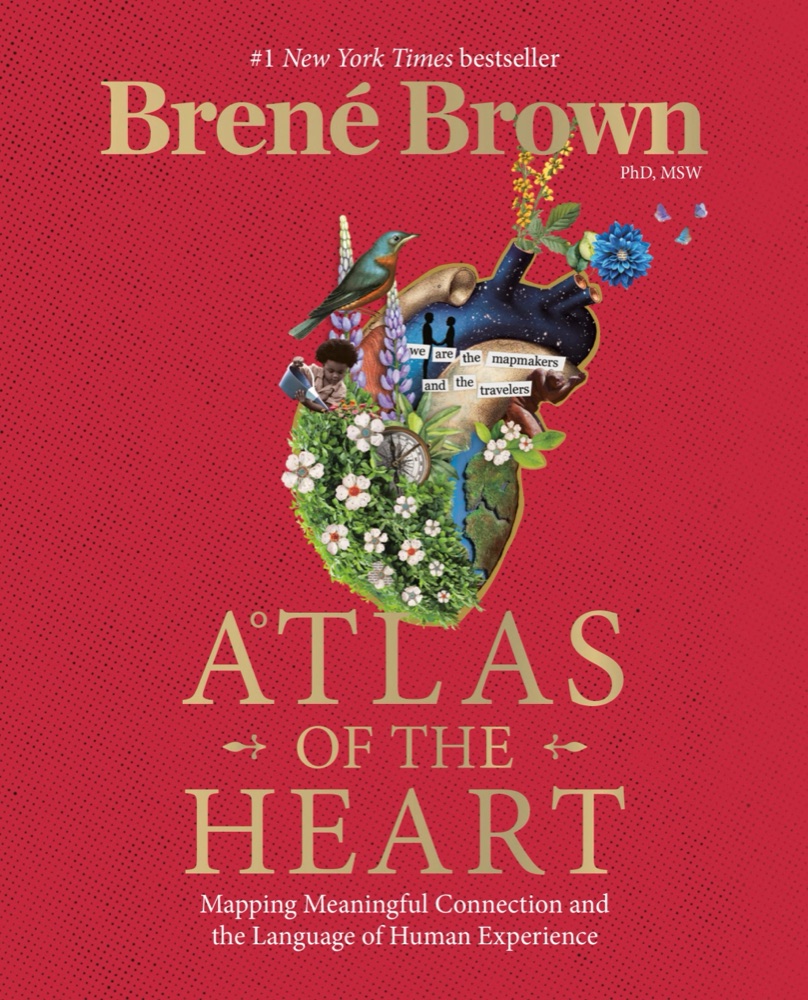 Atlas of the Heart: Mapping Meaningful Connection and the Language of Human Experience
 Living a Feminist Life
 Doppelganger: A Trip into the Mirror World
 We Do This 'til We Free Us: Abolitionist Organizing and Transforming Justice
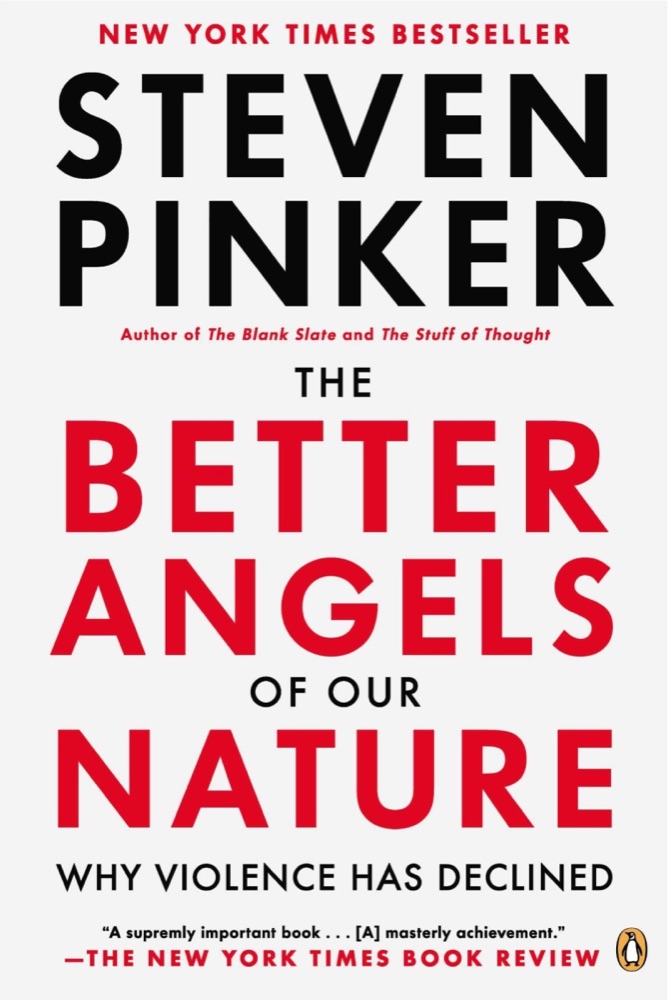 The Better Angels of Our Nature: Why Violence Has Declined
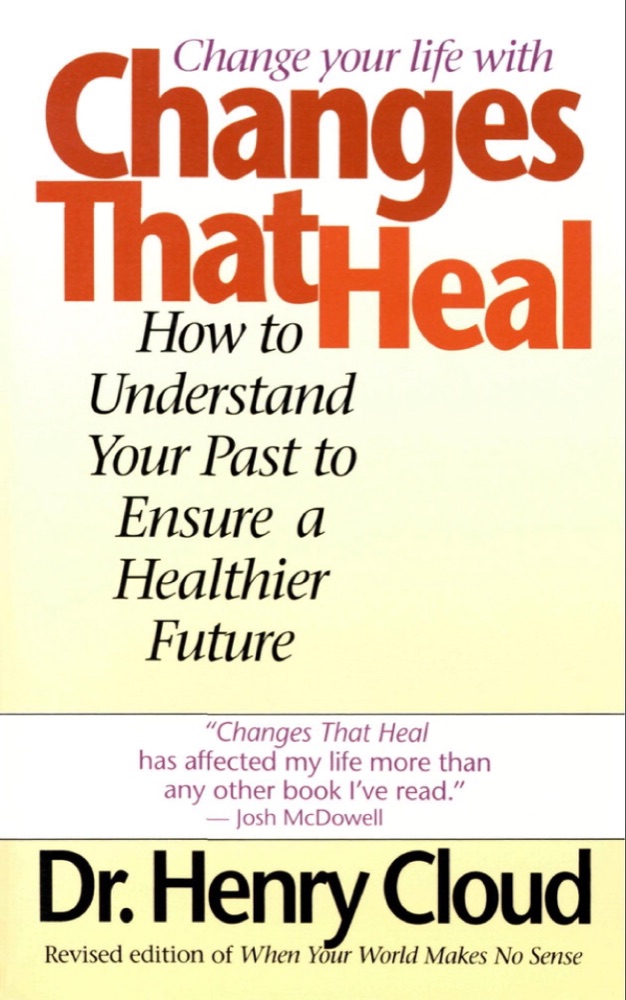 Changes That Heal: How to Understand the Past to Ensure a Healthier Future
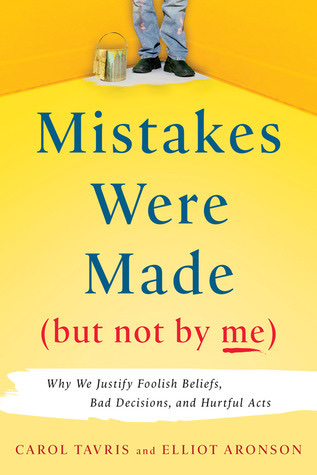 Mistakes Were Made (But Not by Me): Why We Justify Foolish Beliefs, Bad Decisions, and Hurtful Acts
 The Book of Forgiving: The Fourfold Path for Healing Ourselves and Our World
 Sister Outsider: Essays and Speeches
 The Source of Self-Regard: Selected Essays, Speeches, and Meditations
 Tribe: On Homecoming and Belonging
 Elite Capture: How the Powerful Took Over Identity Politics
 Whose Story Is This? Old Conflicts, New Chapters
 What Is a Girl Worth?: My Story of Breaking the Silence and Exposing the Truth about Larry Nassar and USA Gymnastics
 Let This Radicalize You: Organizing and the Revolution of Reciprocal Care
 Just Us: An American Conversation
 Bonds That Make Us Free: Healing Our Relationship, Coming to Ourselves
 When They Call You a Terrorist: A Black Lives Matter Memoir
 For Your Own Good: Hidden Cruelty in Child-Rearing and the Roots of Violence
 The Mother of All Questions
 United: Thoughts on Finding Common Ground and Advancing the Common Good
 On Our Best Behavior: The Seven Deadly Sins and the Price Women Pay to Be Good
 In the Realm of Hungry Ghosts: Close Encounters with Addiction
 A Mind Spread Out on the Ground
 Good Morning, Monster: A Therapist Shares Five Heroic Stories of Emotional Recovery
 Endgame, Vol. 1: The Problem of Civilization
 Twelve Steps to a Compassionate Life
 Why I Am Not a Feminist: A Feminist Manifesto
 Radical Honesty : How to Transform Your Life by Telling the Truth
 Between the World and Me
 The Gift of Fear: Survival Signals That Protect Us from Violence
 You Can't Be Neutral on a Moving Train: A Personal History of Our Times
 Men Explain Things to Me
 Difficult Conversations: How to Discuss What Matters Most
 The Master's Tools Will Never Dismantle the Master's House
 The Laws of Human Nature
 What Happened To You?: Conversations on Trauma, Resilience, and Healing
 How to Stay Sane in an Age of Division
 The Madness of Crowds: Gender, Race and Identity
 In Sheep's Clothing: Understanding and Dealing With Manipulative People
 Us: Getting Past You and Me to Build a More Loving Relationship
 People of the Lie: The Hope for Healing Human Evil
 The Person You Mean to Be: How Good People Fight Bias
 The Dance of Connection: How to Talk to Someone When You're Mad, Hurt, Scared, Frustrated, Insulted, Betrayed, or Desperate
 Letter from the Birmingham Jail
 Notes from No Man's Land
 Boundaries: When to Say Yes, How to Say No to Take Control of Your Life