
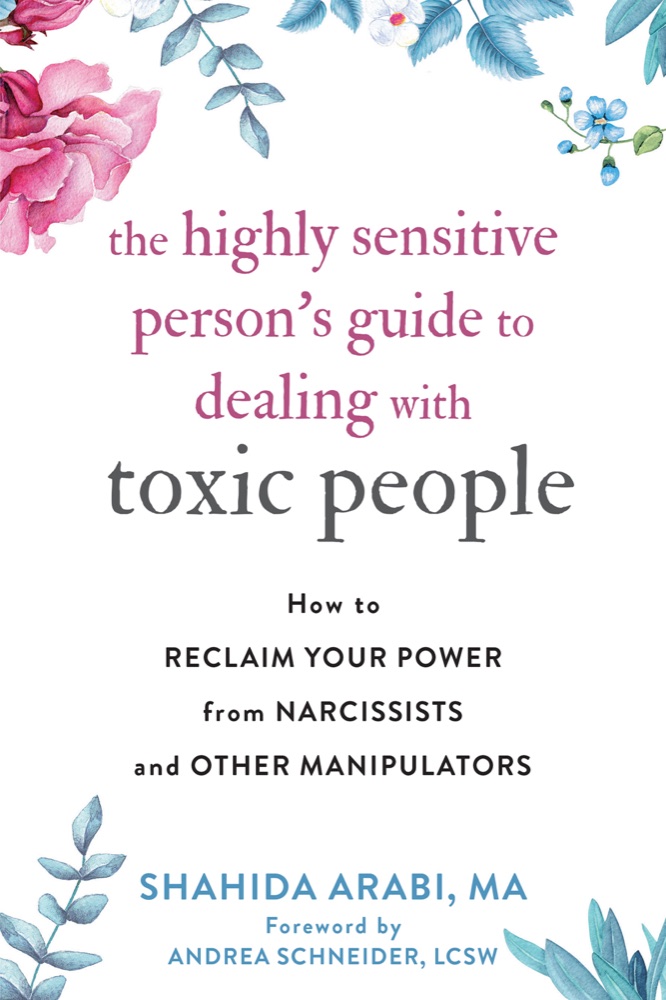
 The Highly Sensitive Person's Guide to Dealing with Toxic People: How to Reclaim Your Power from Narcissists and Other Manipulators
Quotes from the Book
While narcissistic people will expect you to honor their boundaries, they will not respect yours.
17
The only thing you need to understand about narcissism is that in almost all cases this personality pattern was there before you came into the narcissistic person’s life and it will be there after you leave.
15
In some ways, grieving the living is far more difficult than grieving the dead.
12
One of the great traps of the narcissistic relationship is that the narcissistic folks actually believe they are nice people. They really do. It’s part of their system of delusional grandiosity, self-righteousness, and moral rectitude.
12
I am tired of people calling those of us who get stuck in these cycles "codependent" or "addicted" to the narcissistic relationship. It's not that. If you have any empathy, have normal cognitive functioning, and were shaped by societal and cultural norms and realities, it is not surprising that you would get stuck. The narcissistic relationship is like a riptide that pulls you back in even as you try to swim away. The intensity, attentiveness, and highs and lows are why you swim out to where the riptide is. The abusive behavior makes you want to swim away from the riptide, but the guilt and fear of leaving, the practical issues raised by leaving (financial, safety, cultural, family), as well as the natural drive toward attachment, connection, and love are what keep you stuck in the riptide's pull.
12
You were flexible enough to make this work, but the dark side is that this expectation or your ability to show up like everything is “fine” means that even the good people around you often have no idea how bad it was or is for you.
12
What does the narcissistic person need?” The answer is control, domination, power, admiration, and validation. How they go about getting that is where the narcissistic abuse comes in.
11
The moderate narcissist offers enough good days to keep you invested and enough bad days that hurt you and leave you utterly confused. Moderate narcissistic people have cognitive empathy, so they sometimes seem to “get it.” They are entitled and seek validation and have a cocky, but not menacing, arrogance. They are hypocritical and believe that there is one set of rules for them and another for everyone else. They often feel that they are the victim in situations that do not go their way. They do not take responsibility for their behavior and will shift blame onto others for anything that makes them look bad. They are deeply selfish and will choose what works for them to the detriment of you or anyone else.
10
Start small by simply staying in touch with healthy people, then slowly start prioritizing these relationships and intentionally put time with these folks ahead of the rescuing, fixing, and forgiving you are often doing for the narcissistic people in your life. You can just phone it in to your toxic relationship and bring your A game to your safe spaces.
10
It’s such a difficult balance—when you bring your authentic self to the narcissistic person, they often shame and rage at you, and yet it is central to your healing that you cultivate your true self and share it with others.
9
The dance between the narcissistic reactive sensitivity to feedback, their need for reassurance and chronic sense that they are a victim, and their shame and subsequent rage at having these vulnerabilities reminds us of the essence of narcissistic relationships: you can’t win.
8
You may have had the belief that to forgive is divine but have come to learn that to discern may be transcendent.
8
You may start to blame yourself because they gaslight you and tell you there is something wrong with you, and it feels a tiny bit plausible that maybe there is.
6
If you trigger their feelings of inadequacy, they will often target you with either overt aggression (yelling and screaming) or passive-aggression (stonewalling, giving you the silent treatment, showing resentment).
6
Dismissiveness often foreshadows contempt and an absolute disregard and disdain for you and anything that matters to you.
6
Relationships exist largely for the narcissistic person’s benefit and pleasure.
6
Radical acceptance of the injustice is part of this process-it not fair, I cannot change it; I can, however, chart a different and authentic course forward and learn from this. Be kind to yourself, take a breath or a rest, and recognize that with time your growth and healing will supplant this injustice, but for now it needs to be grieved.
6
Narcissistic folks love a fight, debate, argument, or any form of conflict. Arguing gives them another way to get supply, let out some steam, air their grievances, and remain dominant.
5
Narcissistic abuse always entails blame shifting. Nothing is ever their responsibility or their fault because for a narcissistic person to take responsibility or accept blame means having to accept that they are accountable and imperfect.
5
The DEEP technique gives you a quick way to remember what not to do if you want to protect yourself and avoid falling into the typical mess of being gaslighted, baited, and invalidated. It is a tool to avoid getting into frustrating conversations and blaming yourself, and also results in you cutting off their supply and retaining your bandwidth. You practice not going DEEP you do not: Defend Engage Explain Personalize
5
But you just wanted to be loved, cherished, and protected by your parents; to fall in love with someone and be treated with kindness, compassion, and respect; to be treated equitably and respectfully in the workplace; to receive basic empathy. In return for that, you were met with gaslighting, invalidation, rage, contempt, dismissiveness, and cruelty. You did nothing wrong. It’s time to stop crafting the story that you did. Forgiving yourself becomes a key step to working through the grief.
5
The way you talk to yourself shapes your reality, and when you tell yourself you are damaged or stupid, you live into that identity.
5
Once you accept that the unhealthy patterns in the relationship are a constant, you can shift your focus to you and the people and activities that matter to you.
5
If you’re dealing with a narcissistic family member, you may be having the same fights repeatedly but also feeling the confusion you had as a small child.
5
True romance is respectful and empathic.
5
and anyone citing the case of a narcissistic person who made a complete turnaround from tyrant to sweetheart is talking about a unicorn. There
4
They also struggle with abandonment and rejection sensitivity and may burn you out through their constantly victimized anger.
4
The relationship became more and more about her defending herself and trying to be more and more perfect, simply to avoid his rage. She wondered what she was doing wrong, what she could be doing better.
3
Moderate narcissists have just enough insight to know that their behavior is not okay—but not enough regulation, mindfulness, or empathy to stop themselves.
2
There is a restless quality to the narcissistic personality, a pursuit of novelty and excitement, which is why we may observe infidelity or frequently shifting romantic partners, overspending and shopping, or frenetic activity. Narcissistic people often seem perpetually bored, disenchanted, or contemptuous if things are not interesting and engaging enough for them.
2
Watch on YouTube
About Ramani Durvasula
We have collected 30 quotes from 1 book by Ramani Durvasula on BookQuoters.
More about the author →About the book
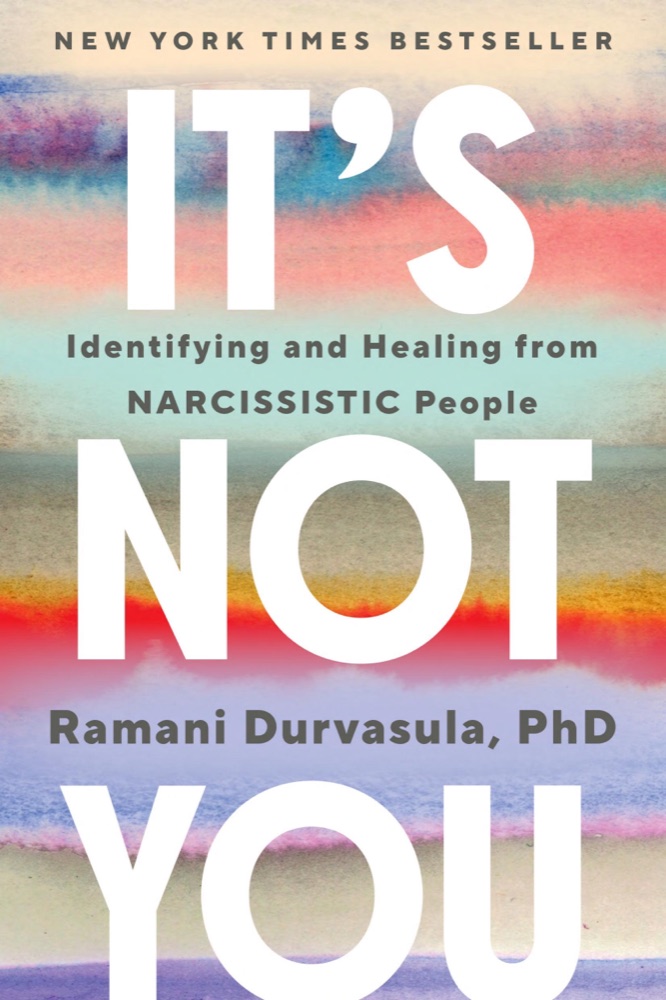
A transformative guide to protecting and healing yourself from the narcissism you can’t see, from psychologist and preeminent narcissism expert Dr. Ramani Durvasula
It’s not always easy to tell when you’re dealing with a narcissist. One day they draw you in with their confidence and charisma, the next they gaslight you, wreck your self-confidence, and leave you wondering, What could I have done differently?
As Dr. Ramani Durvasula reveals in It's Not You , the answer absolutely nothing. Just as a tiger can’t change its stripes, a narcissist won’t stop manipulating and invalidating you. To heal in the aftermath of their abuse and protect yourself from future harm, you first have to accept that you are not to blame.
Deeply compassionate and revelatory, It’s Not You examines how narcissists hijack our wellbeing and offers a healing path forward. Drawing on more than 20 years of st
Book details
- First published
- 2024
- Author
- Ramani Durvasula
- Genre
- Nonfiction
- Goodreads rating
- 4.51 (12k ratings)
Keep reading
The Highly Sensitive Person's Guide to Dealing with Toxic People: How to Reclaim Your Power from Narcissists and Other Manipulators
 The Covert Passive Aggressive Narcissist: Recognizing the Traits and Finding Healing After Hidden Emotional and Psychological Abuse
 Stop Walking on Eggshells: Taking Your Life Back When Someone You Care about Has Borderline Personality Disorder
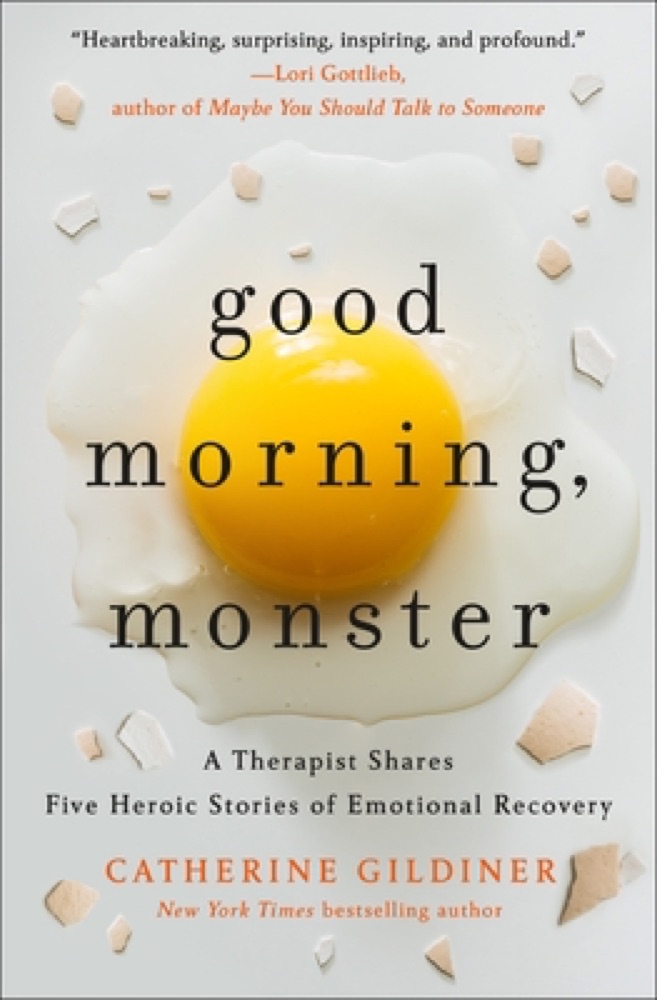 Good Morning, Monster: A Therapist Shares Five Heroic Stories of Emotional Recovery
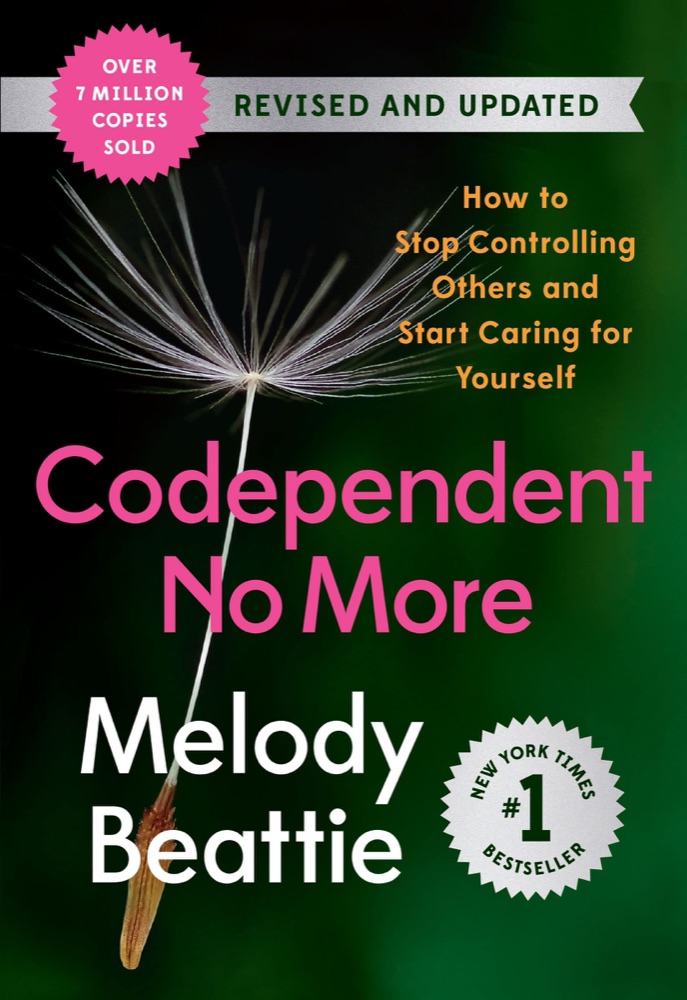 Codependent No More: How to Stop Controlling Others and Start Caring for Yourself
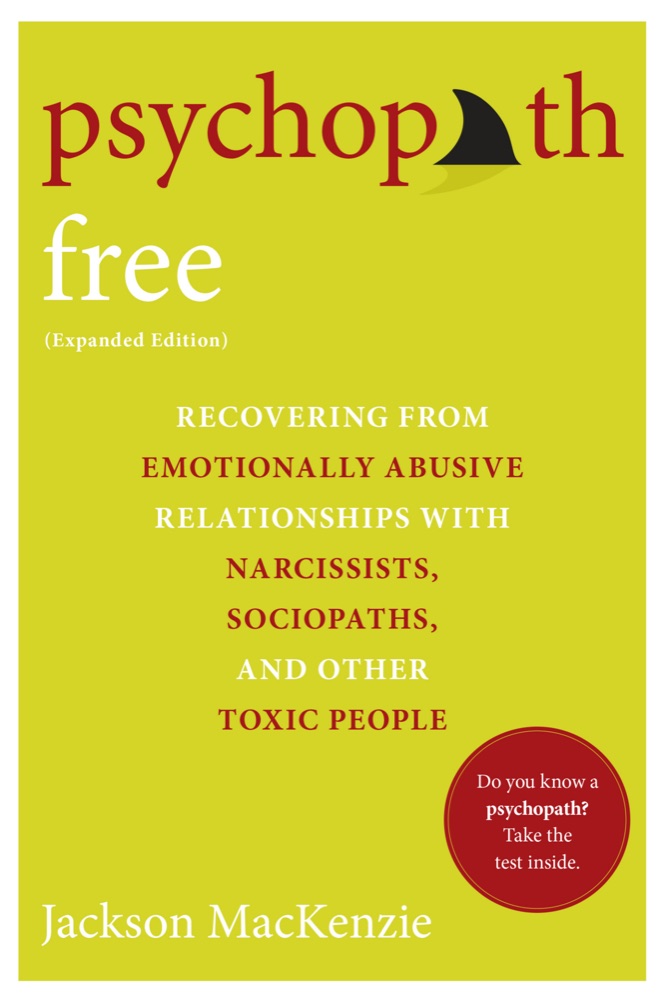 Psychopath Free: Recovering from Emotionally Abusive Relationships With Narcissists, Sociopaths, and Other Toxic People
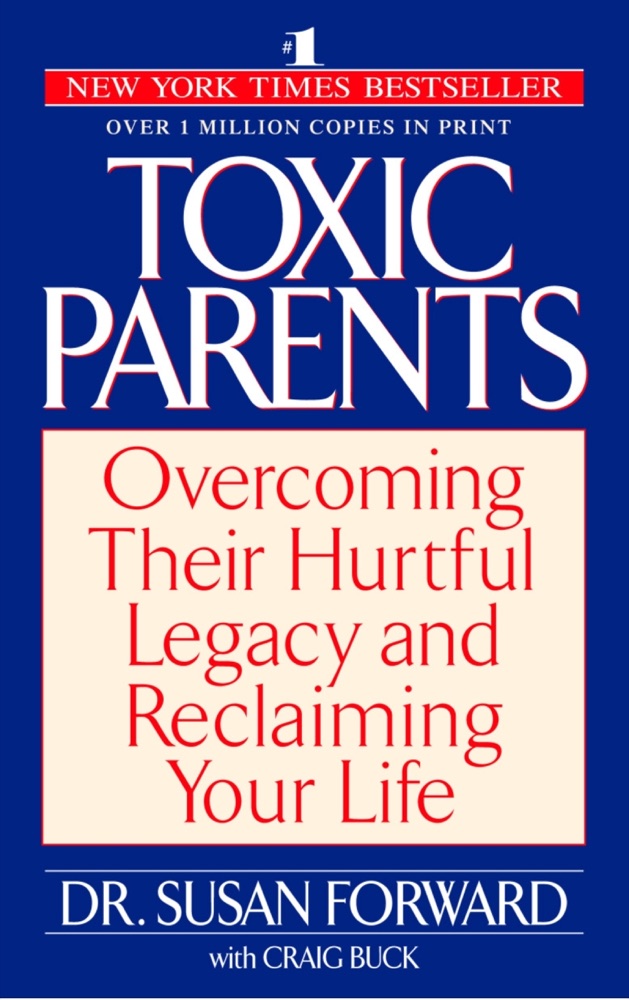 Toxic Parents: Overcoming Their Hurtful Legacy and Reclaiming Your Life
 Mothers Who Can't Love: A Healing Guide for Daughters
 In Sheep's Clothing: Understanding and Dealing With Manipulative People
 Us: Getting Past You and Me to Build a More Loving Relationship
 Drama Free: A Guide to Managing Unhealthy Family Relationships
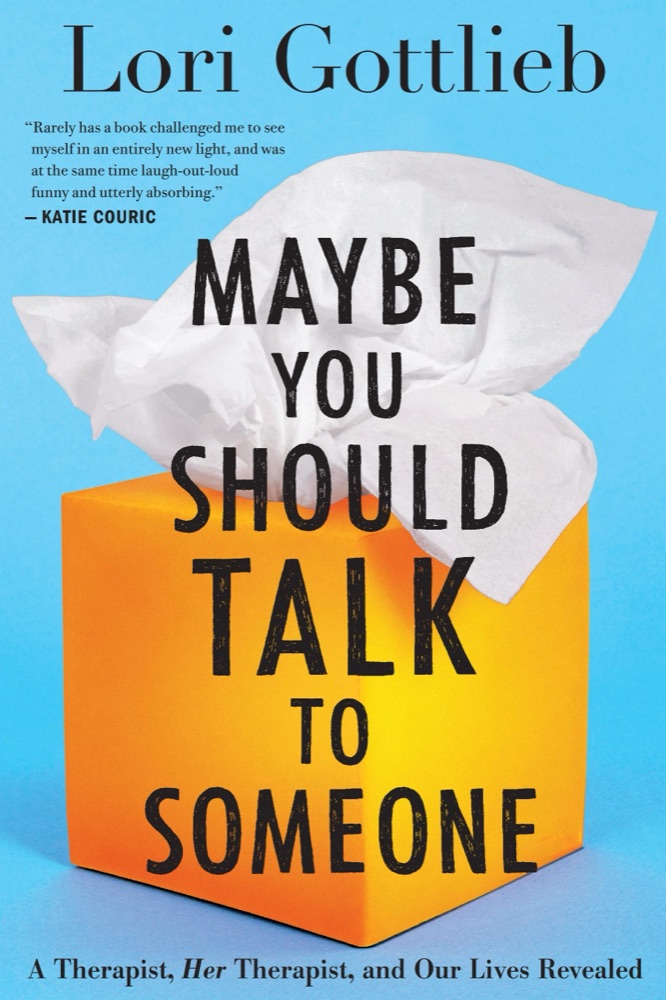 Maybe You Should Talk to Someone: A Therapist, Her Therapist, and Our Lives Revealed
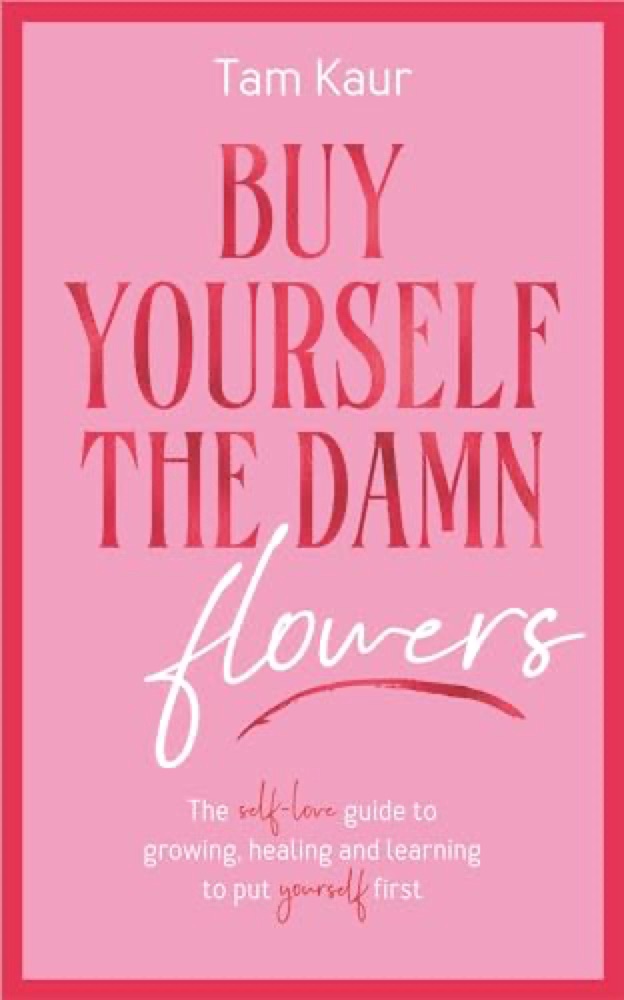 Buy Yourself the Damn Flowers: The Self-Love Guide to Growing, Healing and Learning to Put Yourself First
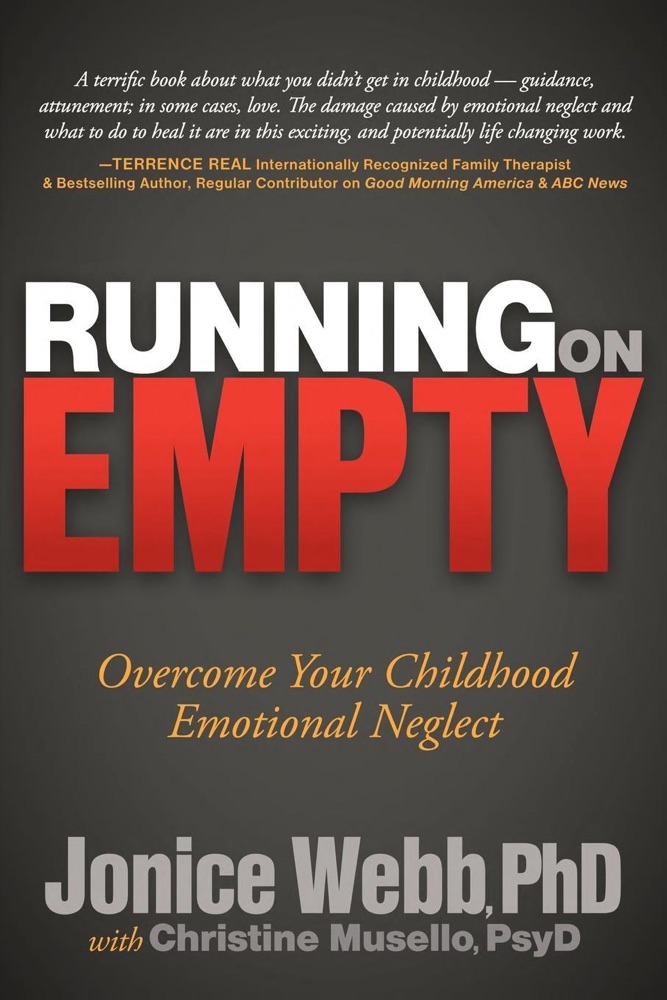 Running on Empty: Overcome Your Childhood Emotional Neglect
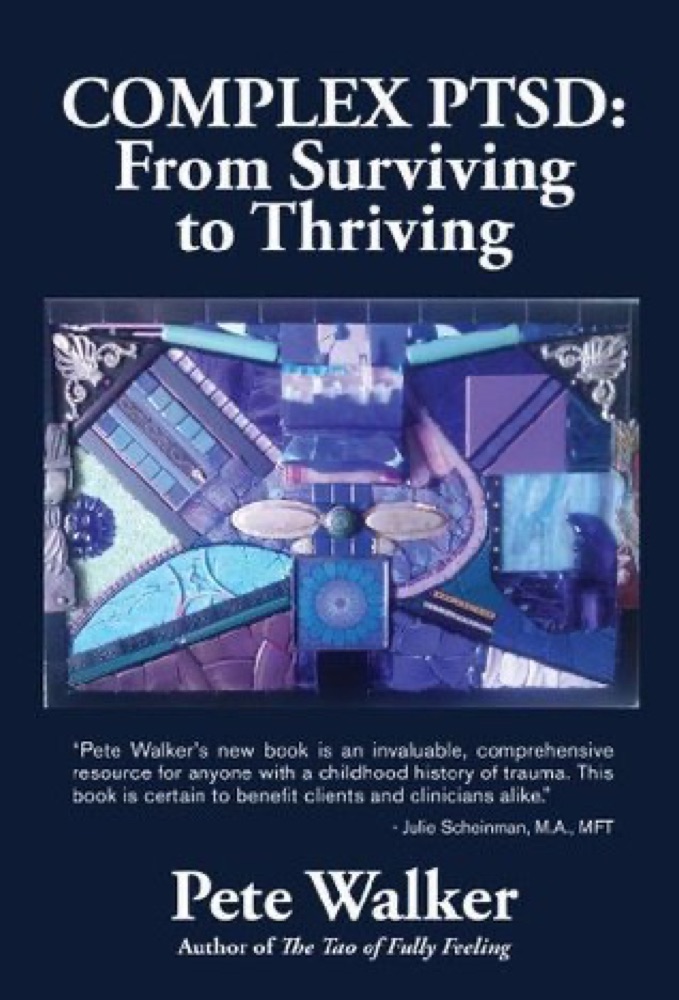 Complex PTSD: From Surviving to Thriving
 The Truth: An Uncomfortable Book About Relationships
 Life Will Be the Death of Me: . . . and you too!
 The Laws of Human Nature
 Adult Children of Emotionally Immature Parents: How to Heal from Distant, Rejecting, or Self-Involved Parents
 No Bad Parts: Healing Trauma & Restoring Wholeness with the Internal Family Systems Model
 Drinking and Tweeting and Other Brandi Blunders
 Clarity & Connection
 Boundaries: When to Say Yes, How to Say No to Take Control of Your Life
 Feeling Good: The New Mood Therapy
 Confessions of a Sociopath: A Life Spent Hiding in Plain Sight
 The Sociopath Next Door
 Atlas of the Heart: Mapping Meaningful Connection and the Language of Human Experience
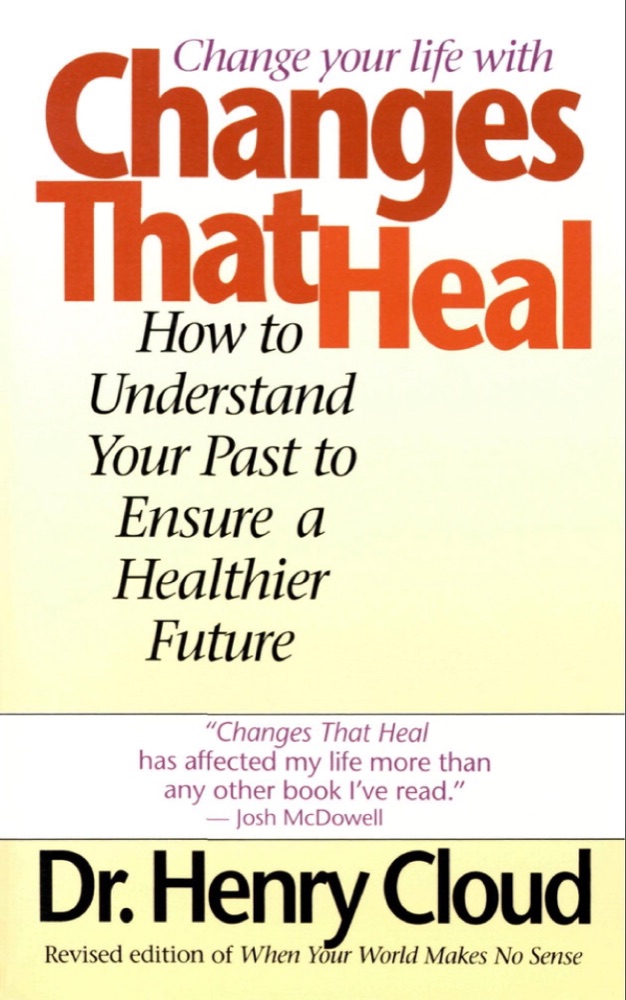 Changes That Heal: How to Understand the Past to Ensure a Healthier Future
 Paris: A Memoir for Young Women in the Age of Influencers
 Women Don't Owe You Pretty
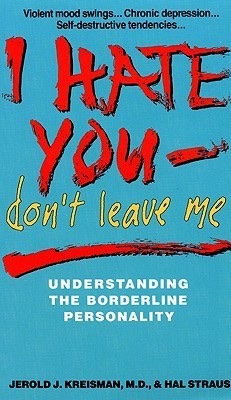 I Hate You, Don't Leave Me: Understanding the Borderline Personality
 Buy Yourself the F*cking Lilies: And Other Rituals to Fix Your Life, from Someone Who's Been There
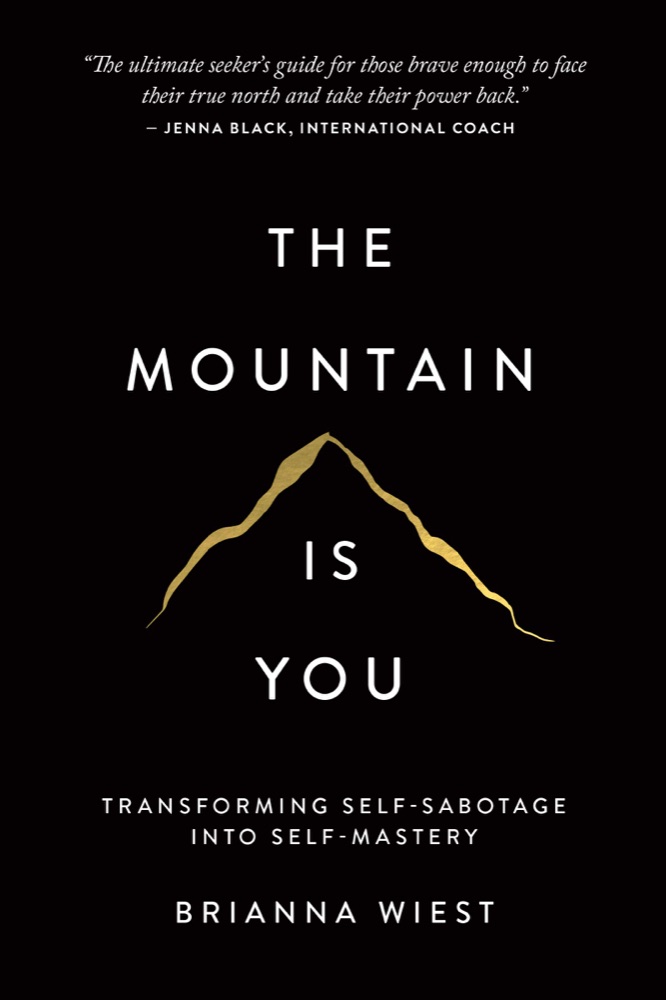 The Mountain Is You: Transforming Self-Sabotage Into Self-Mastery
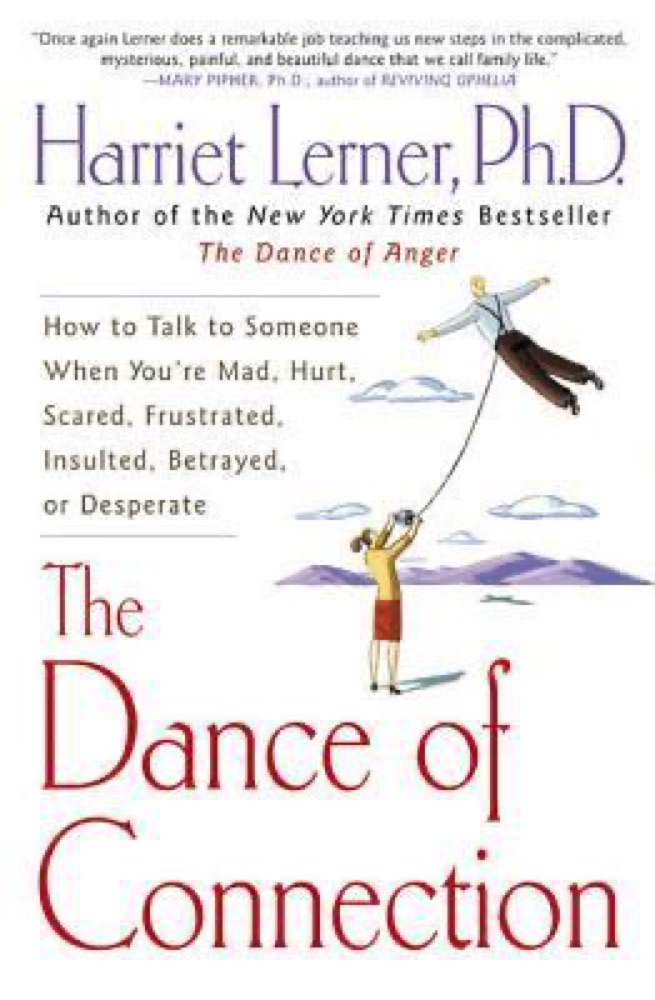 The Dance of Connection: How to Talk to Someone When You're Mad, Hurt, Scared, Frustrated, Insulted, Betrayed, or Desperate
 Take Me With You When You Go
 Social Intelligence: The New Science of Human Relationships
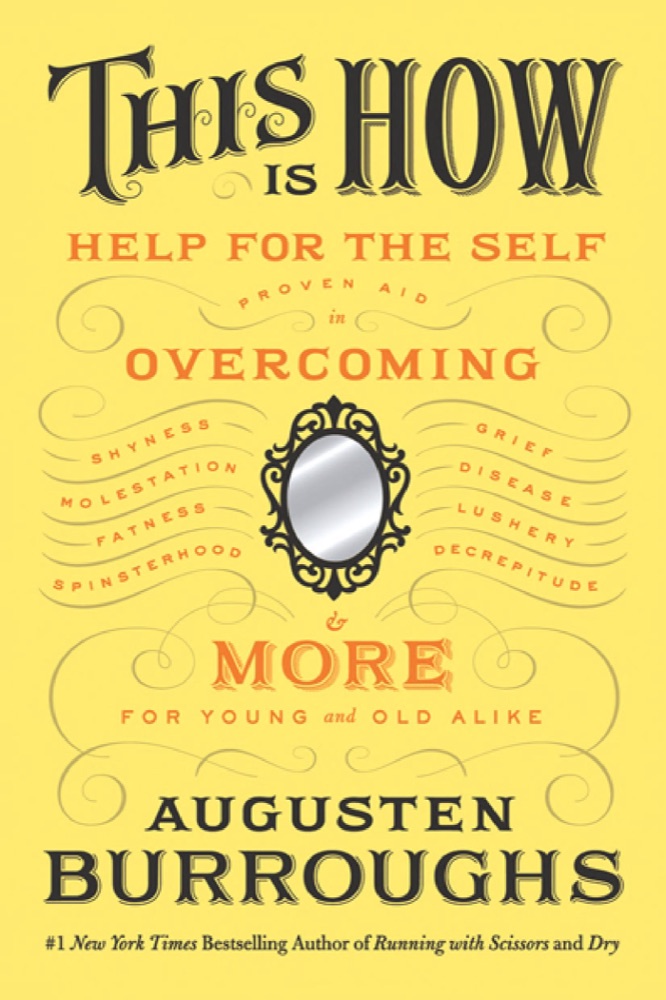 This Is How: Proven Aid in Overcoming Shyness, Molestation, Fatness, Spinsterhood, Grief, Disease, Lushery, Decrepitude & More. For Young and Old Alike.
 How to Kill Your Family
 All Is Not Forgotten
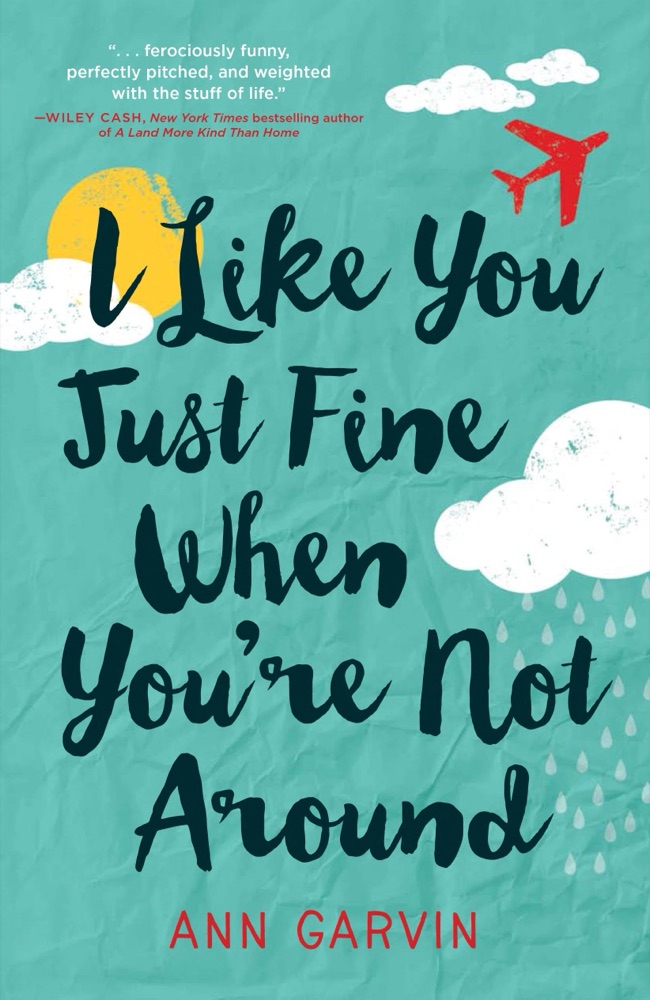 I Like You Just Fine When You're Not Around
 Truly Madly Magically
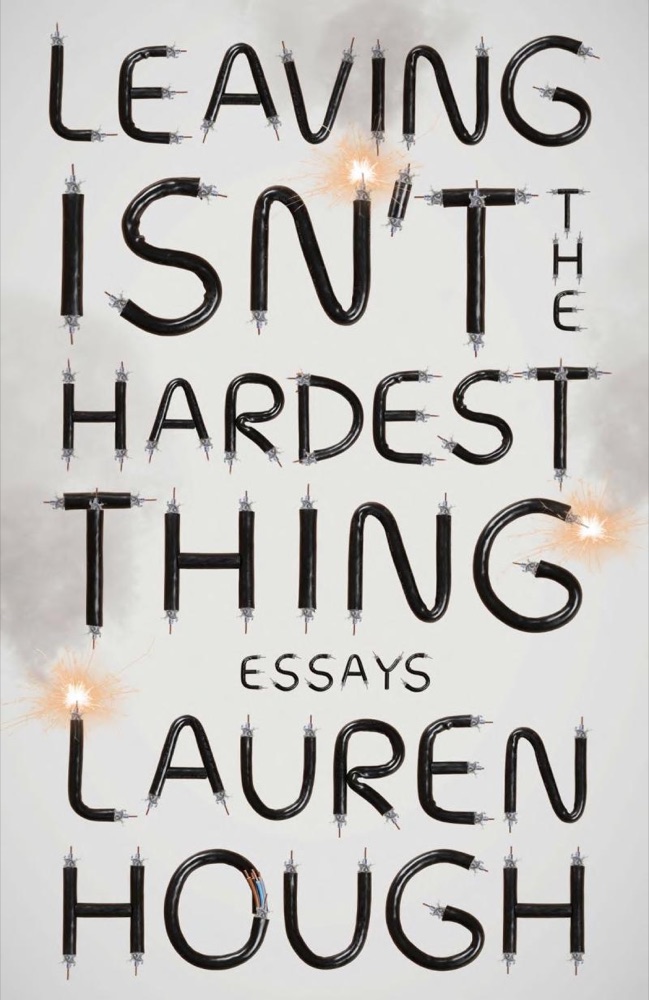 Leaving Isn't the Hardest Thing
 Surrounded by Psychopaths: How to Protect Yourself from Being Manipulated and Exploited in Business
 Dear Dolly
 Attempting Normal
 What My Bones Know
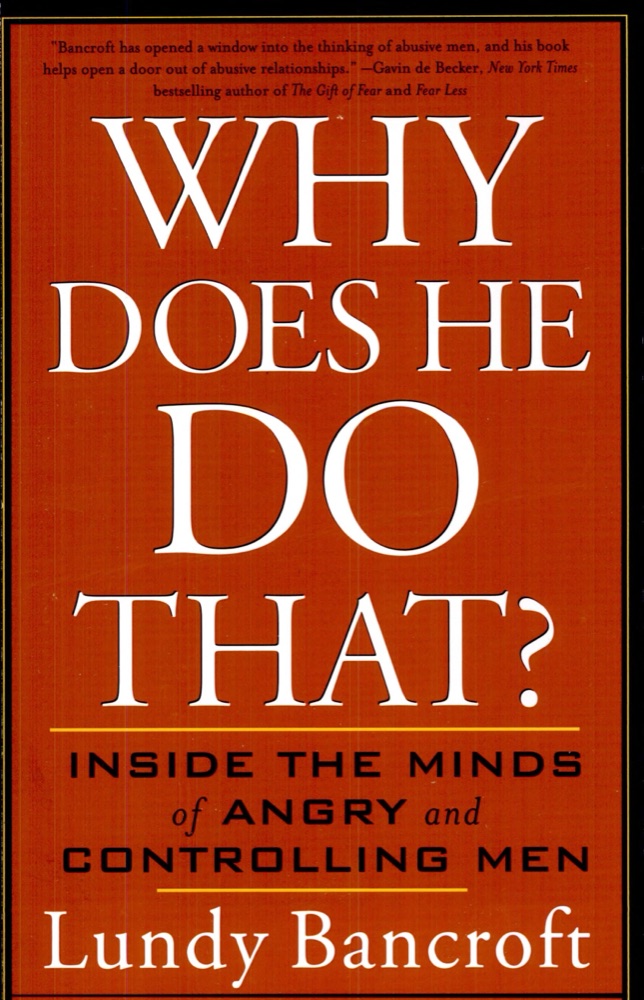 Why Does He Do That? Inside the Minds of Angry and Controlling Men
 Welcome Home: A Guide to Building a Home for Your Soul
 Radical Honesty : How to Transform Your Life by Telling the Truth
 In the Dream House
 I'm Glad My Mom Died
 Nonviolent Communication: A Language of Life
 Radical Love: Learning to Accept Yourself and Others
 Hollywood Park
 Self-Compassion: The Proven Power of Being Kind to Yourself
 Tell Me More: Stories About the 12 Hardest Things I'm Learning to Say
 Why Men Love Bitches: From Doormat to Dreamgirl—A Woman's Guide to Holding Her Own in a Relationship
 Healing the Shame that Binds You
 It Didn't Start with You: How Inherited Family Trauma Shapes Who We Are and How to End the Cycle