
 Winning
Quotes from the Book
success springs not from some new-fangled fad, paradigm, process, or program but from the willingness of an organization’s people to embrace full accountability for the results they seek.
The world’s societies suffer from the current cult of victimization because its subtle dogma holds that circumstances and other people prevent you from achieving your goals.
But even in the worst of such circumstances, people can’t move forward if they just sit around feeling powerless and blaming others for their misery.
from the willingness of an organization’s people to embrace full accountability for the results they seek.
Always solicit and strive to understand perspectives other than your own.
Since no one individual can mandate a perfectly accurate description of reality, you must draw from many other people's perceptions to imbue your reality with the deepest possible understanding of its many hues and shades.
1
A thin line separates success from failure, the great companies from the ordinary ones. Below that line lies excuse making, blaming others, confusion, and an attitude of helplessness, while above that line we find a sense of reality, ownership, commitment, solutions to problems, and determined action. While losers languish Below The Line, preparing stories that explain why past efforts went awry, winners reside Above The Line, powered by commitment and hard work.
1
Remember, getting stuck in the victim cycle is not bad, it’s just not effective. It keeps you from getting results.
1
left uncorrected in an organization, victim attitudes can erode productivity, competitiveness, morale, and trust to the point that correction becomes so difficult and expensive that the organization can never fully heal itself
1
When bad things unexpectedly happen, as they always do, or when serious errors in judgment occur, as they do more often than most of us wish to admit, accountable companies and their executives take action to control the damage and set a new course for achieving results.
1
Staying conscious means overcoming the auto-pilot mode and paying attention to everything that may relate to potential solutions, particularly those things that we take for granted or that we have come to accept as "the way we do things around here." Always challenge current assumptions and beliefs in an effort to break through to a new level of thinking that may take you out of your comfort zone.
It seems ironic that, in this information age, millions of people feel such a lack of control over their lives. Obviously, the communications revolution has done little to overcome, and may even have contributed to, a feeling of detachment and disconnectedness with circumstances and other people.
What else can I do to achieve the result?
It should come as no surprise that the real value and benefit of accountability stems from a person’s or an organization’s ability to influence events and outcomes before they happen.
Accountability: “A personal choice to rise above one’s circumstances and demonstrate the ownership necessary for achieving desired results—to See It, Own It, Solve It, and Do It.
people must abandon the past-oriented, blame-centered who-done-it definition of accountability.
The message: Sometimes you must be willing to burn all your other ships and grasp the helm of the one under your command. Doing so can stimulate the conviction and create the ownership necessary to get started on a new program of action that will help you rise above your circumstances.
As accountability deepens and people move Above The Line within the organization, a shift occurs from “tell me what to do,” to “here is what I am going to do, what do you think?”—a truly profound and empowering approach to getting results.
Jim Collins describes superior work environments this way: “When you combine a culture of discipline with an ethic of entrepreneurship, you get the magical alchemy of great results.” We
Whatever the wording, all our justifications for failure focus on “why it can’t be done,” rather than on “what else I can do.” To
To get Above The Line, and out of the blame game, you must climb the Steps To Accountability by adopting See It, Own It, Solve It, Do It attitudes.
While losers languish Below The Line, preparing stories that explain why past efforts went awry, winners reside Above The Line, powered by commitment and hard work.
at AES, the builder and operator of electricity-producing cogeneration plants, CEO Roger Sant implemented a “they busters” campaign with all the necessary buttons, posters, and flyers to help workers stop blaming the elusive “they” who always seem to stifle results. “They” represent all the finger-pointing, denying, ignoring, pretending, and waiting habits that grow up in organizations and keep people from taking charge of their own destinies.
Management wizard Jim Collins, best-selling author of Good to Great and Built to Last, argues that what must glaringly separate great companies from mediocre ones is the latter’s tendency “to explain away the brutal facts rather than to confront the brutal facts head-on.
Watch on YouTube
About Roger Connors
We have collected 24 quotes from 1 book by Roger Connors on BookQuoters.
More about the author →Book details
- First published
- 1994
- Author
- Roger Connors
- Genre
- Nonfiction
- Goodreads rating
- 3.58 (3k ratings)
Keep reading
Winning
 QBQ! The Question Behind the Question: Practicing Personal Accountability in Work and in Life
 Creativity, Inc.: Overcoming the Unseen Forces That Stand in the Way of True Inspiration
 The Fifth Discipline: The Art & Practice of The Learning Organization
 The 360 Degree Leader: Developing Your Influence from Anywhere in the Organization
 The Effective Executive: The Definitive Guide to Getting the Right Things Done
 Boundaries for Leaders: Results, Relationships, and Being Ridiculously in Charge
 The 7 Habits of Highly Effective People: Personal Workbook
 Integrity: The Courage to Meet the Demands of Reality
 Measure What Matters
 The Ride of a Lifetime: Lessons Learned from 15 Years as CEO of the Walt Disney Company
 Hit Refresh: The Quest to Rediscover Microsoft's Soul and Imagine a Better Future for Everyone
 The Score Takes Care of Itself: My Philosophy of Leadership
 Wooden on Leadership: How to Create a Winning Organization
 Good to Great: Why Some Companies Make the Leap... and Others Don't
 Give and Take: A Revolutionary Approach to Success
 The Leader Who Had No Title: A Modern Fable on Real Success in Business and in Life
 Amp It Up: Leading for Hypergrowth by Raising Expectations, Increasing Urgency, and Elevating Intensity
 Legacy: What the All Blacks Can Teach Us About the Business of Life
 Leaders Eat Last: Why Some Teams Pull Together and Others Don't
 It Worked for Me: In Life and Leadership
 Punished by Rewards: The Trouble with Gold Stars, Incentive Plans, A's, Praise and Other Bribes
 Great by Choice: Uncertainty, Chaos, and Luck—Why Some Thrive Despite Them All
 The Success Principles: How to Get from Where You Are to Where You Want to Be
 Pour Your Heart Into It: How Starbucks Built a Company One Cup at a Time
 Against the Grain: A Coach's Wisdom on Character, Faith, Family, and Love
 Do Epic Shit
 The Five Dysfunctions of a Team
 Drive: The Surprising Truth About What Motivates Us
 Peopleware: Productive Projects and Teams
 Overcoming the Five Dysfunctions of a Team: A Field Guide for Leaders, Managers, and Facilitators
 Lead from the Outside: How to Build Your Future and Make Real Change
 You Can Win: A Step by Step Tool for Top Achievers
 Leading: Learning from Life and My Years at Manchester United
 Leadership on the Line: Staying Alive through the Dangers of Leading
 The Compound Effect: Jumpstart Your Income, Your Life, Your Success
 Turn the Ship Around!: A True Story of Turning Followers into Leaders
 Predictably Irrational: The Hidden Forces That Shape Our Decisions
 Outliers: The Story of Success
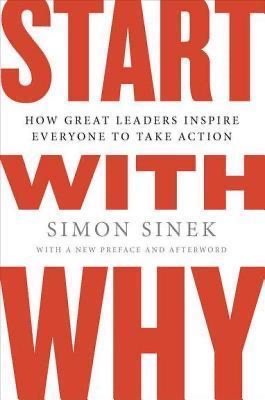 Start with Why: How Great Leaders Inspire Everyone to Take Action
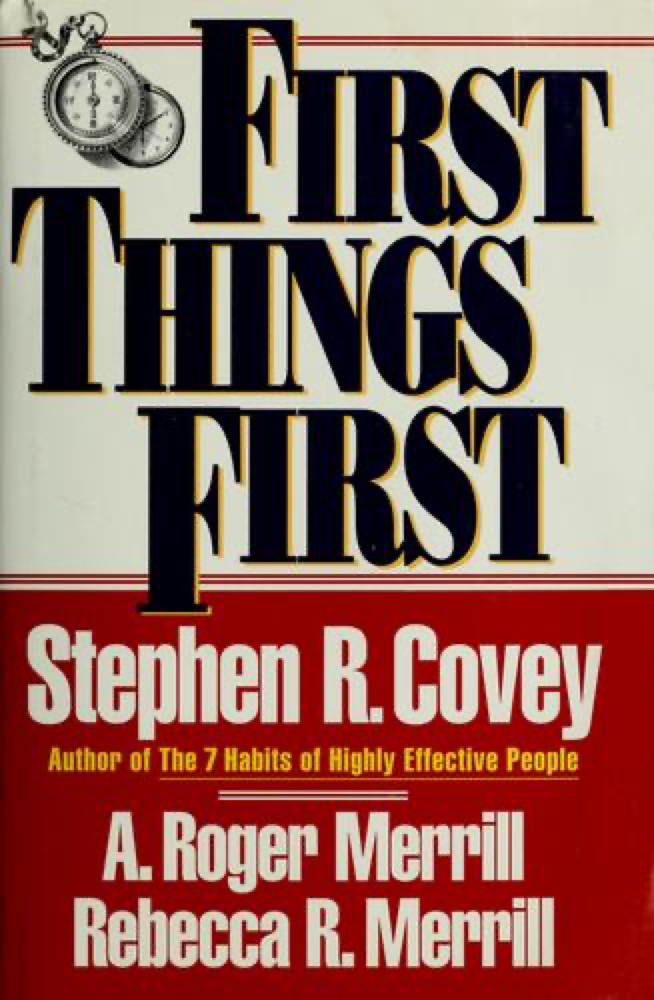 First Things First
 Delivering Happiness: A Path to Profits, Passion, and Purpose
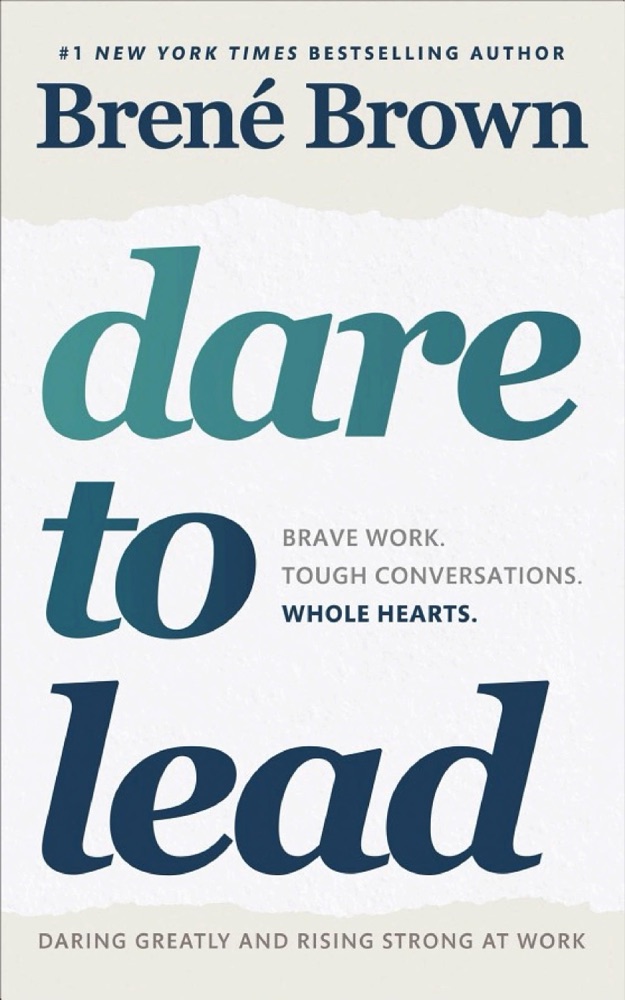 Dare to Lead
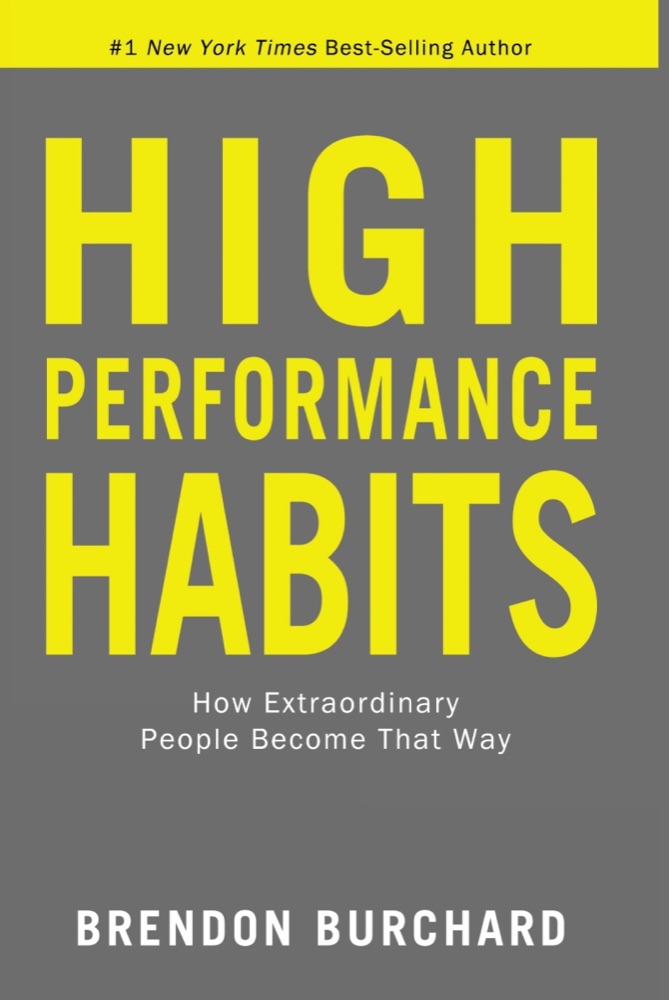 High Performance Habits: How Extraordinary People Become That Way
 The Person You Mean to Be: How Good People Fight Bias
 Principles: Life and Work
 Influencer: The Power to Change Anything
 It Takes What It Takes: How to Think Neutrally and Gain Control of Your Life
 Right Kind of Wrong: The Science of Failing Well
 Adapt: Why Success Always Starts with Failure
 David and Goliath: Underdogs, Misfits, and the Art of Battling Giants
 Targeting Success, Develop the Right Business Attitude to be Successful in the Workplace
 Getting There: A Book of Mentors
 Your Next Five Moves: Master the Art of Business Strategy
 Call Sign Chaos: Learning to Lead
 The Power of Focus
 The Accidental Creative: How to Be Brilliant at a Moment's Notice
 Ego Is the Enemy
 Wooden: A Lifetime of Observations and Reflections On and Off the Court
 Magic of Thinking Big