 The Score Takes Care of Itself: My Philosophy of Leadership
Quotes from the Book
Leaders create leaders by passing on responsibility, creating ownership, accountability and trust.
9
Vision without action is a dream. Action without vision is a nightmare.
7
Humility does not mean weakness, but its opposite. Leaders with mana understand the strength of humility. It allows them to connect with their deepest values and the wider world.
6
The challenge is to always improve, to always get better, even when you are the best. Especially when you are the best. Henry
6
RED HEAD Tight, inhibited, results-oriented, anxious, aggressive, over-compensating, desperate. BLUE HEAD Loose, expressive, in the moment, calm, clear, accurate, on task. It’s what tennis coach Nick Bollettieri calls the ‘centipede effect’. If a centipede had to think about moving all its legs in the right order, it would freeze, the task too complex and daunting. The same is true of humans. Red is what Suvorov called ‘the Dark’. It is that fixated negative content loop of self-judgement, rigidity, aggression, shut down and panic. Blue is what he called ‘the Light’ – a deep calmness in which you are on task, in the zone, on your game, in control and in flow. It applies to the military; it applies to sport; it applies to business. In the heat of battle, the difference between the inhibitions of the Red and the freedom of Blue is the manner in which we control our attention. It works like this: where we direct our mind is where our thoughts will take us; our thoughts create an emotion; the emotion defines our behaviour; our behaviour defines our performance. So, simply, if we can control our attention, and therefore our thoughts, we can manage our emotions and enhance our performance.
5
Excellent firms don’t believe in excellence,’ wrote Tom Peters in Thriving on Chaos, ‘only in constant improvement and constant change.
4
The fight is won or lost,’ says Muhammad Ali, ‘far away from witnesses – behind the lines, in the gym, and out there on the road, well before I dance under the lights.
4
Personal meaning is the way we connect to a wider team purpose. If our values and beliefs are aligned with the values and beliefs of the organization, then we will work harder towards its success. If not, our individual motivation and purpose will suffer, and so will the organization.
3
Just because it’s common sense,’ he says of the process, ‘doesn’t mean it’s common practice.
3
The training, decision-making wise, should be harder than the game,’ says Wayne Smith. ‘So you try an overlying principle of throwing problems at them – unexpected events – forcing them to solve the problems.
3
In his seminal paper ‘Destruction and Creation’, the military strategist John R. Boyd created a theory with direct applicability to a fast-changing environment. ‘To maintain an accurate or effective grasp of reality,’ he argued, ‘one must undergo a continuous cycle of interaction with the environment to assess its constant changes.’ He asked himself, ‘how do we create the mental concepts to support decision making activity?’ His answer was the Decision Cycle or OODA Loop. OODA stands for Observe, Orient, Decide and Act. It is quick to apply, and useful for everyday decision-making.
3
Successful leaders balance pride with humility: absolute pride in performance; total humility before the magnitude of the task.
3
No one is bigger than the team and individual brilliance does not automatically lead to outstanding results. One selfish mindset will infect a collective culture.
2
—— The key to strong peer-to-peer interaction is a high level of trust. This is trust in the sense of safe vulnerability. The leaders need to create an environment where individuals get to know each other as people and gather insight into their personal story and working style. This needs to be supported by the leader’s role-modelling behaviour around admission of mistakes and weaknesses and fears . . . This is essential for safe conflict and safe confrontation, where the most important interaction often occurs.
2
Most leaders who fail,’ Bill George says in an interview with Pamela Hawley, ‘really suffer from a lack of a strong identity, belief in themselves and, to be frank, respect for themselves.
2
To be able to work together, communication is the biggest thing,’ says Smith. ‘And I think that comes from a team that has good links from off the field . . . a team able to spend time together and talk to one another and be honest with one another. It’s incredibly important.
2
Marginal gain can be technical, physical, practical, operational, and even psychological. In the film Any Given Sunday, the Al Pacino character calls it ‘Inches’: —— You find out that life is just a game of inches. So is football. Because in either game, life or football, the margin for error is so small . . . On this team, we fight for that inch. On this team, we tear ourselves, and everyone around us to pieces for that inch . . . Cause we know when we add up all those inches that’s going to make the fucking difference between WINNING and LOSING.
2
Pass the Ball Enlightened leaders deliberately hand over responsibility in order to create engaged team-players able to adapt their approach to suit the conditions. ‘Command & Control’ in a VUCA world is unwieldy and increasingly uncompetitive.
2
Level 5 leaders, Collins argues, ‘channel their ego needs away from themselves and into the larger goal of building a great company. Their ambition is first and foremost for the institution, not themselves.’ Pass the ball.
2
Pressure is expectation, scrutiny and consequence,’ says Gilbert Enoka. ‘Under pressure, your attention is either diverted or on track. If you’re diverted, you have a negative emotional response and unhelpful behaviour. That means you’re stuck. That means you’re overwhelmed.’ On the other hand, if your attention is on track you have situational awareness and you execute accurately. You are clear, you adapt and you overcome.
2
A winning organization is an environment of personal and professional development, in which each individual takes responsibility and shares ownership. It
1
The word character comes from the Ancient Greek, 'kharakter,' meaning they mark that is left on a coin during its manufacture. Character is also the mark left on you by life, and the mark we leave on life. It's the impact you make when you're here, the trace you leave once you've gone. Character rises out of our values, our purpose, the standards we set ourselves, our sacrifice and commitment, and the decisions we make under pressure, but it is primarily defined by the contribution we make, the responsibility we take, the leadership we show. [...] John Wooden said, 'Be more concerned with your character than your reputation, because your character is what you really are, while your reputation is merely what others think you are.' Character is forged by the way we respond to the challenges of life and business, by the way we lead our life and teams. If we value life, life values us. If we devalue it, we dishonour ourselves and our one chance at living. THIS is our time. Leadership is surely the example we set. The way we lead our own life is what makes us a leader.
1
What you leave behind is not what is engraved in stone monuments,' said the Greek statesman Pericles, 'but what is woven into the lives of others.' Your legacy is that which you teach.
1
If you think of physical conditioning, technical understanding and tactical appreciation as forming three legs,’ Wayne Smith tells writer Gregor Paul, ‘the stool isn’t balanced unless you have psychological strength as well.
1
Successful leaders look beyond their own field to discover new approaches, learn best practices and push the margins. Then they pass on what they have learned.
1
Watch on YouTube
About James Kerr
About the book
Champions do extra. They sweep the sheds. They follow the spearhead. They keep a blue head.
In Legacy, best-selling author James Kerr goes deep into the heart of the world’s most successful sporting team, the legendary All Blacks of New Zealand, to reveal 15 powerful and practical lessons for leadership and business.
Legacy is a unique, inspiring handbook for leaders in all fields, and asks: What are the secrets of success – sustained success? How do you achieve world-class standards, day after day, week after week, year after year? How do you handle pressure? How do you train to win at the highest level? What do you leave behind you after you’re gone?
What will be your legacy?
Book details
- First published
- 2013
- Author
- James Kerr
- Genre
- Nonfiction
- Goodreads rating
- 4.10 (12k ratings)
Keep reading
The Score Takes Care of Itself: My Philosophy of Leadership
 Above the Line: Lessons in Leadership and Life from a Championship Season
 Leading: Learning from Life and My Years at Manchester United
 Wooden on Leadership: How to Create a Winning Organization
 Turn the Ship Around!: A True Story of Turning Followers into Leaders
 The Fifth Discipline: The Art & Practice of The Learning Organization
 The 360 Degree Leader: Developing Your Influence from Anywhere in the Organization
 The Ride of a Lifetime: Lessons Learned from 15 Years as CEO of the Walt Disney Company
 Winning
 Boundaries for Leaders: Results, Relationships, and Being Ridiculously in Charge
 Great by Choice: Uncertainty, Chaos, and Luck—Why Some Thrive Despite Them All
 Strengths Based Leadership
 Leaders Eat Last: Why Some Teams Pull Together and Others Don't
 Mind Gym: An Athlete's Guide to Inner Excellence
 It Takes What It Takes: How to Think Neutrally and Gain Control of Your Life
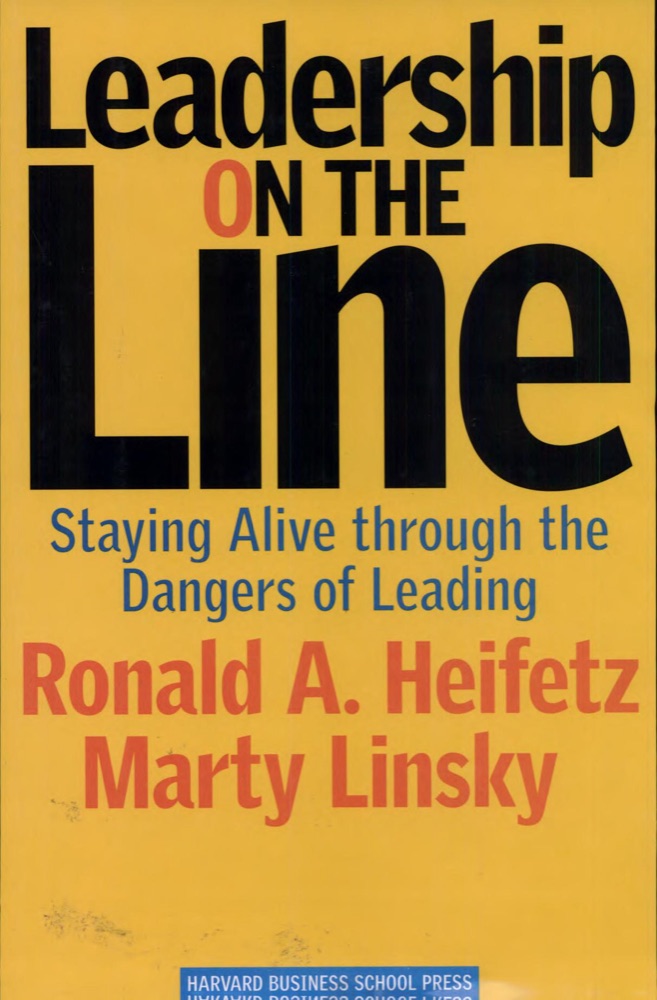 Leadership on the Line: Staying Alive through the Dangers of Leading
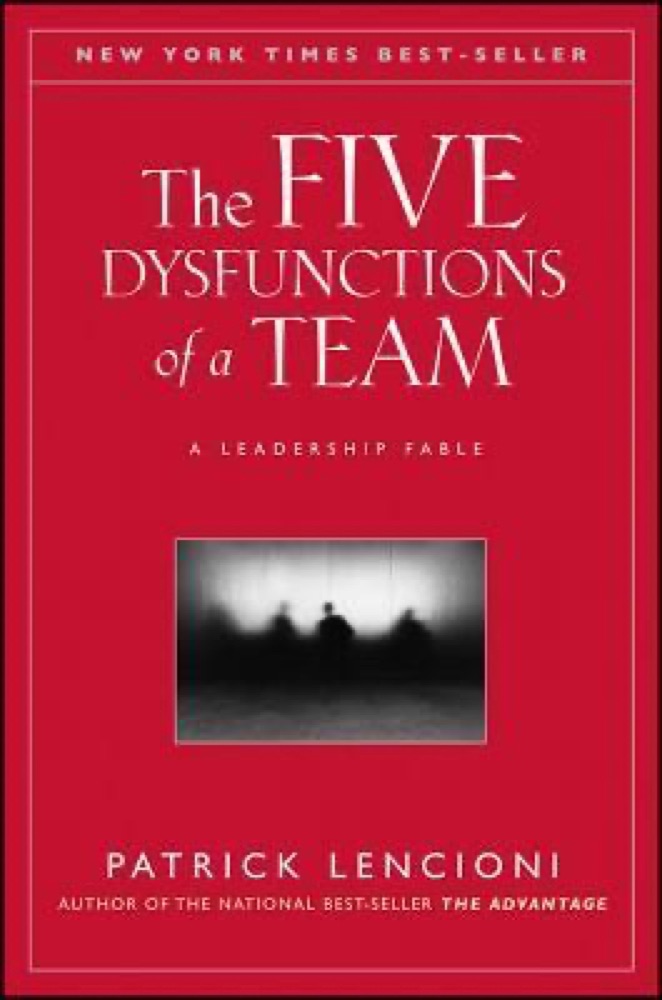 The Five Dysfunctions of a Team
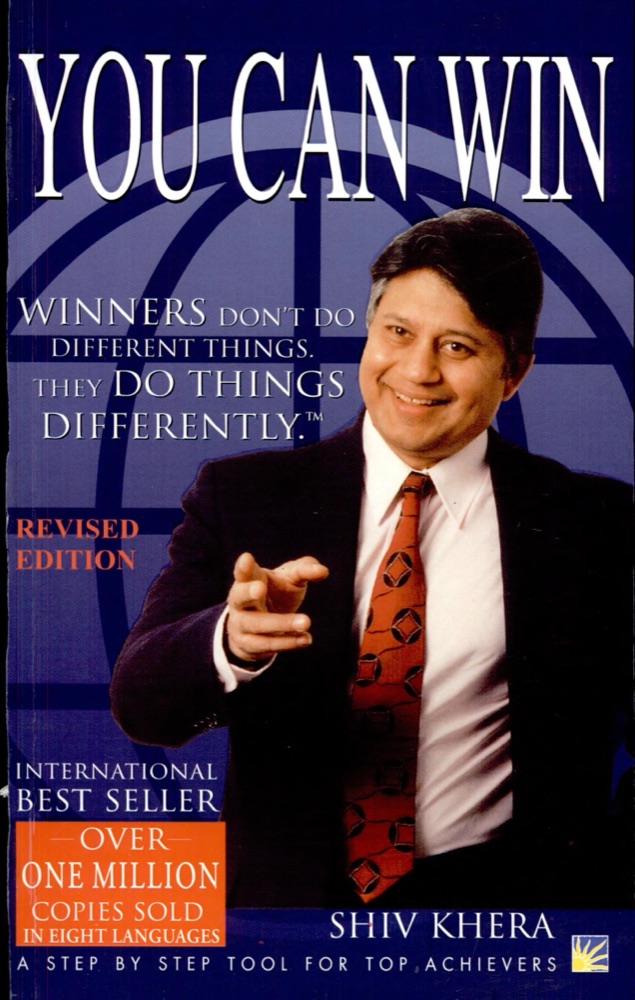 You Can Win: A Step by Step Tool for Top Achievers
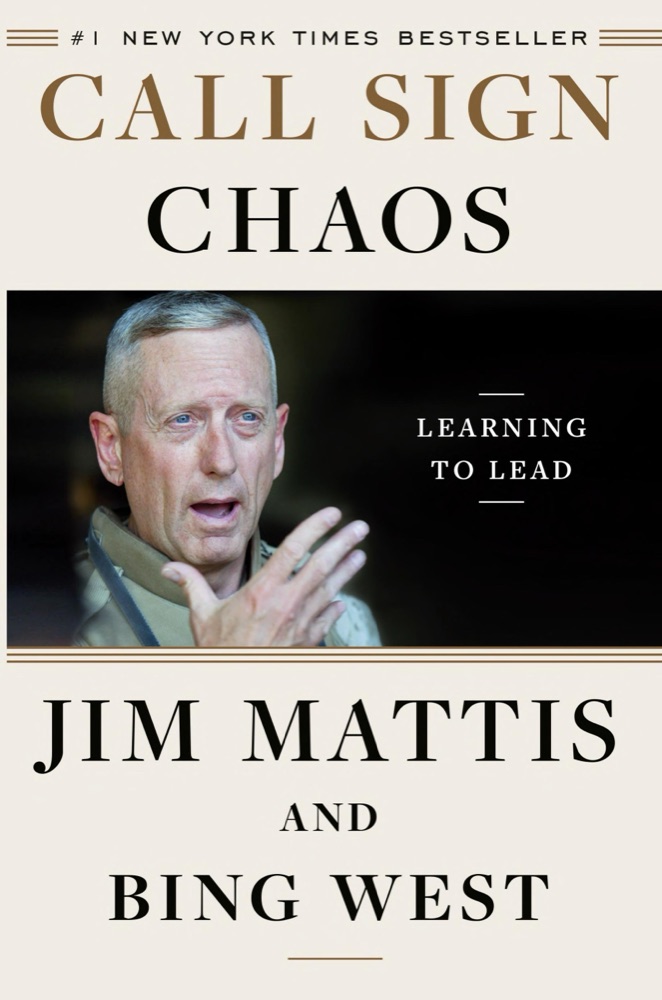 Call Sign Chaos: Learning to Lead
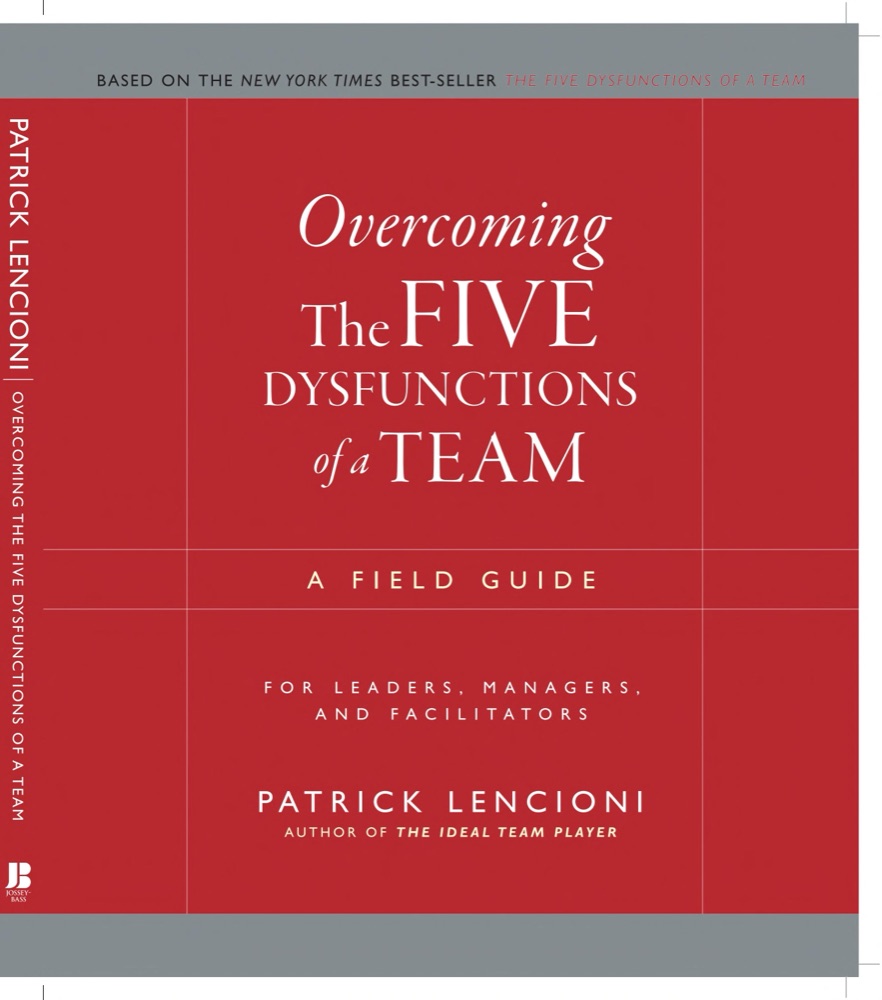 Overcoming the Five Dysfunctions of a Team: A Field Guide for Leaders, Managers, and Facilitators
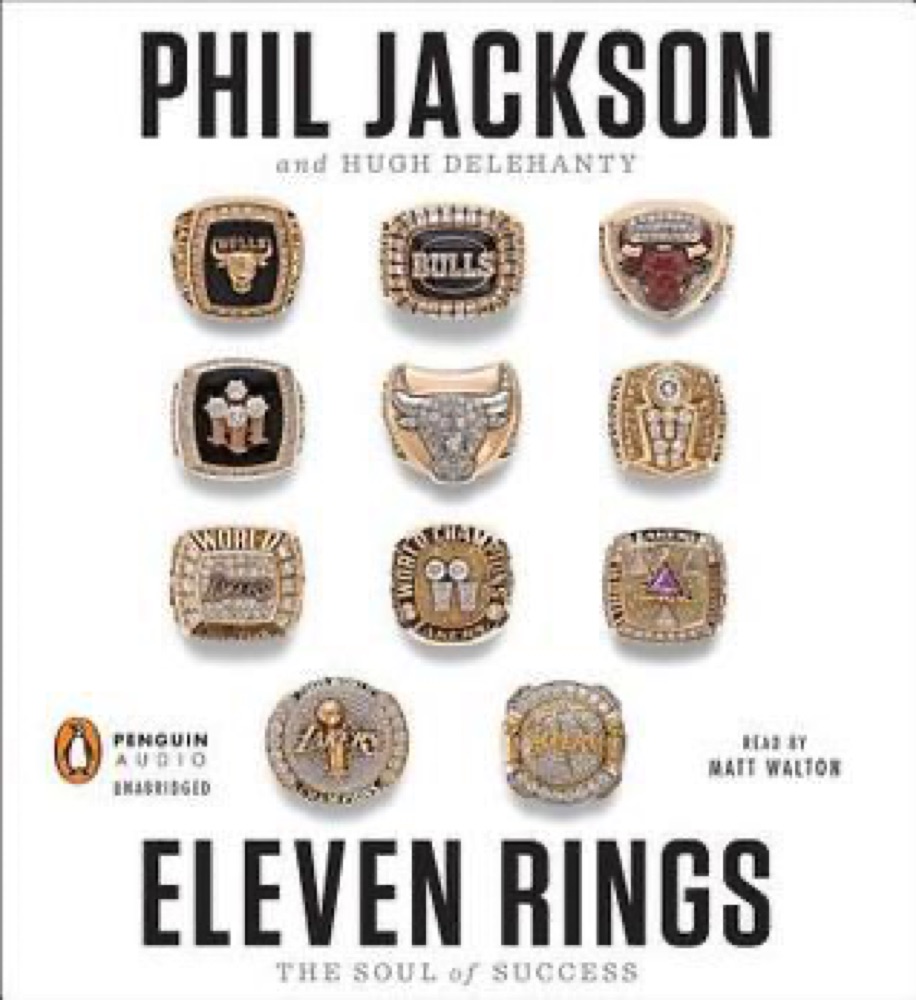 Eleven Rings: The Soul of Success
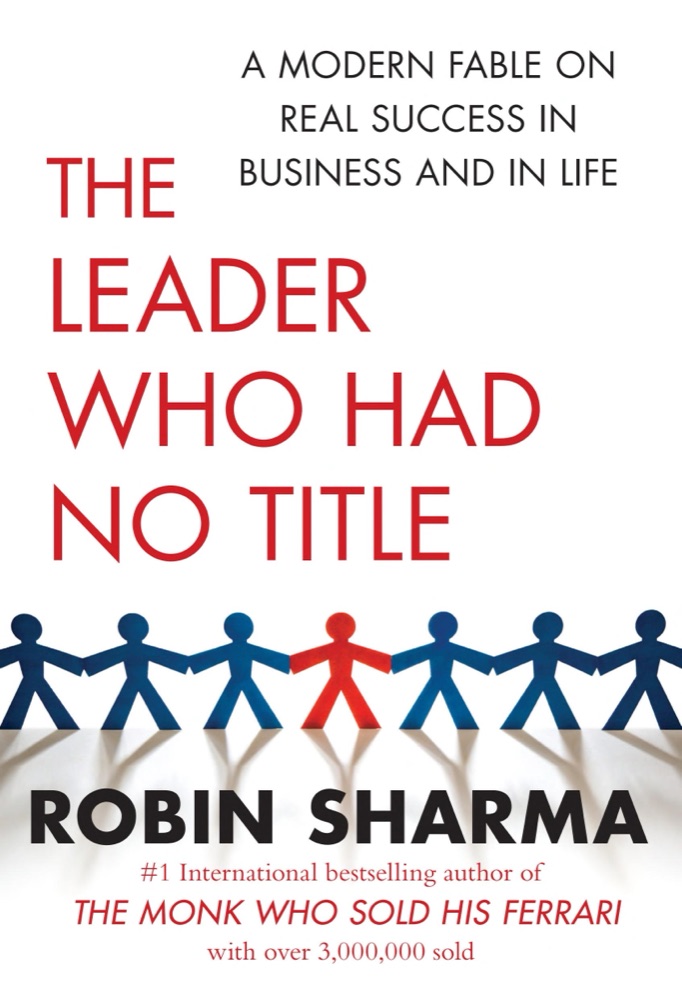 The Leader Who Had No Title: A Modern Fable on Real Success in Business and in Life
 Give and Take: A Revolutionary Approach to Success
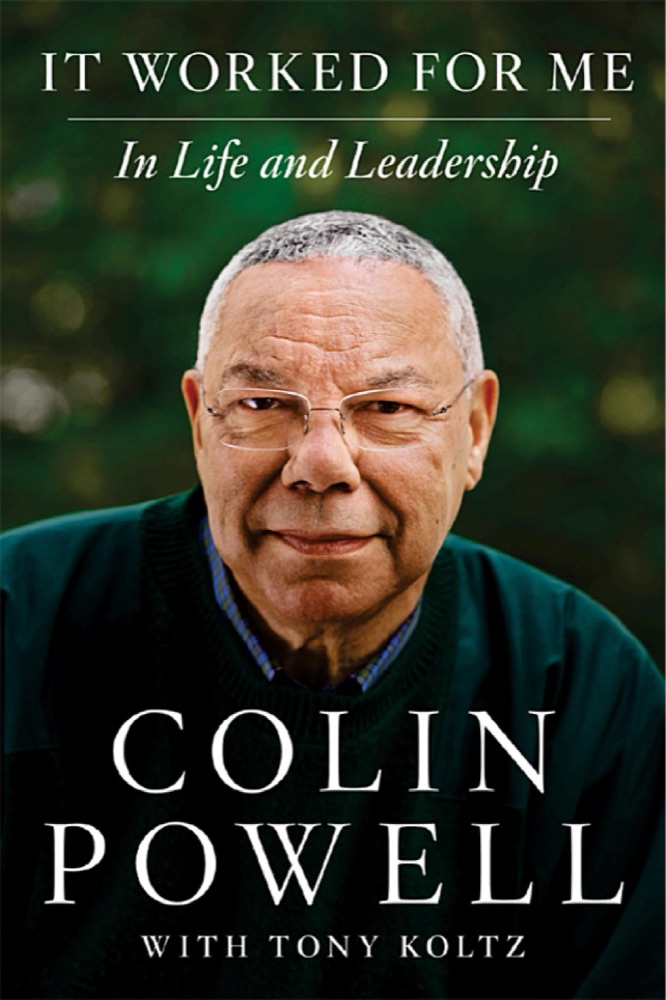 It Worked for Me: In Life and Leadership
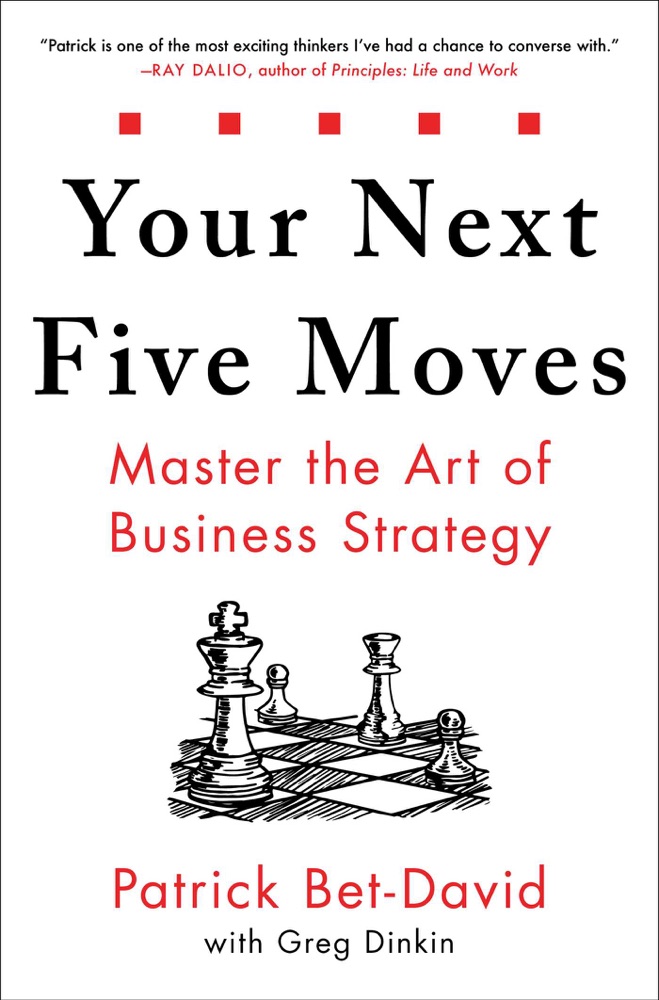 Your Next Five Moves: Master the Art of Business Strategy
 Start with Why: How Great Leaders Inspire Everyone to Take Action
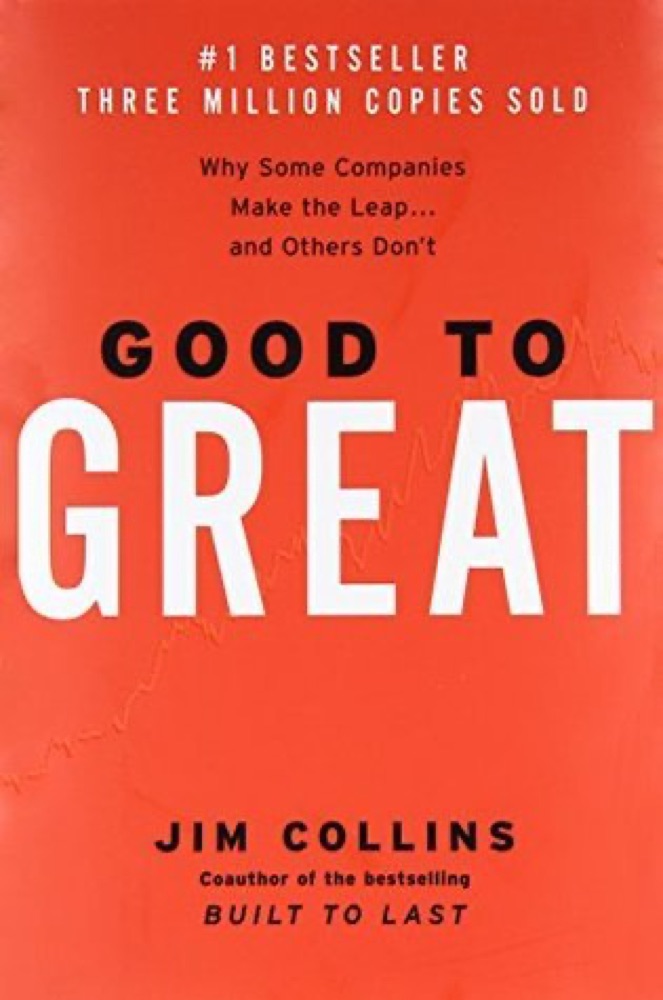 Good to Great: Why Some Companies Make the Leap... and Others Don't
 Tribes: We Need You to Lead Us
 Radical Candor: Be a Kickass Boss Without Losing Your Humanity
 The 7 Habits of Highly Effective People: Personal Workbook
 Pour Your Heart Into It: How Starbucks Built a Company One Cup at a Time
 Built to Last: Successful Habits of Visionary Companies
 The Art of Impossible: A Peak Performance Primer
 High Performance Habits: How Extraordinary People Become That Way
 Wooden: A Lifetime of Observations and Reflections On and Off the Court
 EntreLeadership: 20 Years of Practical Business Wisdom from the Trenches
 Principles: Life and Work
 Delivering Happiness: A Path to Profits, Passion, and Purpose
 Smarter Faster Better: The Secrets of Being Productive in Life and Business
 The Success Principles: How to Get from Where You Are to Where You Want to Be
 The Effective Executive: The Definitive Guide to Getting the Right Things Done
 Getting There: A Book of Mentors
 The Oz Principle: Getting Results Through Individual and Organizational Accountability
 QBQ! The Question Behind the Question: Practicing Personal Accountability in Work and in Life
 Integrity: The Courage to Meet the Demands of Reality
 Smartcuts: How Hackers, Innovators, and Icons Accelerate Success
 Tribal Leadership: Leveraging Natural Groups to Build a Thriving Organization
 Peak Performance: Elevate Your Game, Avoid Burnout, and Thrive with the New Science of Success
 Measure What Matters
 Grit: The Power of Passion and Perseverance
 Creativity, Inc.: Overcoming the Unseen Forces That Stand in the Way of True Inspiration
 Originals: How Non-Conformists Move the World
 Mindset: The New Psychology of Success
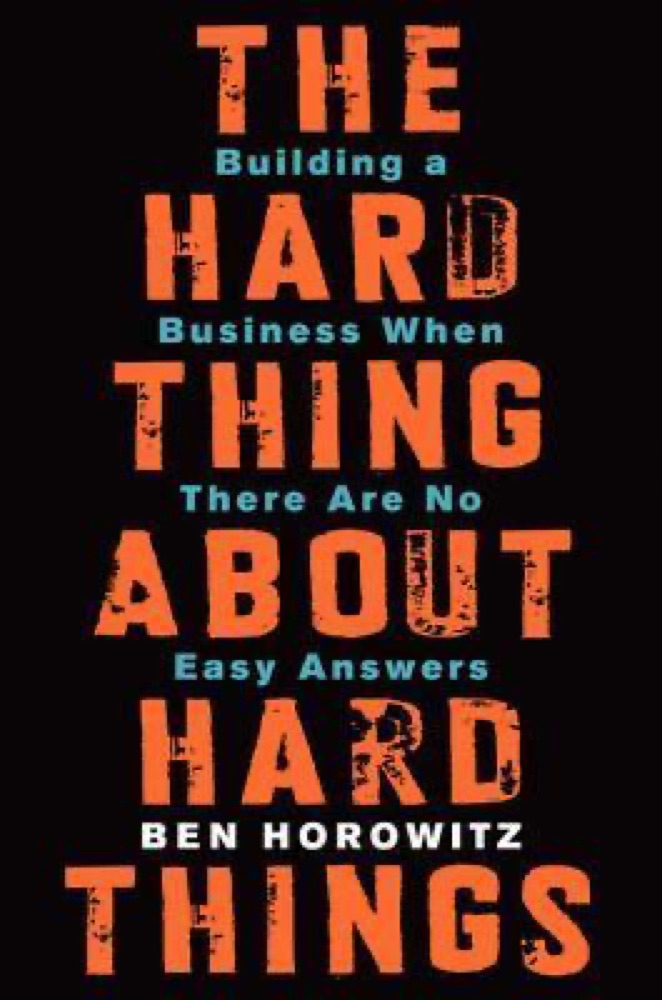 The Hard Thing About Hard Things: Building a Business When There Are No Easy Answers―Straight Talk on the Challenges of Entrepreneurship
 David and Goliath: Underdogs, Misfits, and the Art of Battling Giants
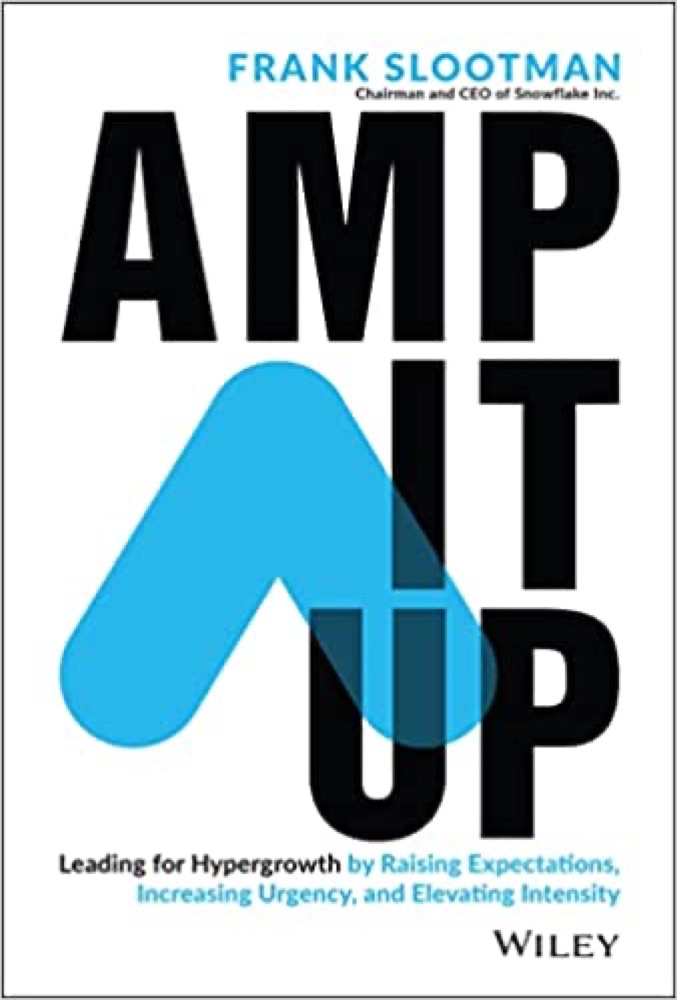 Amp It Up: Leading for Hypergrowth by Raising Expectations, Increasing Urgency, and Elevating Intensity
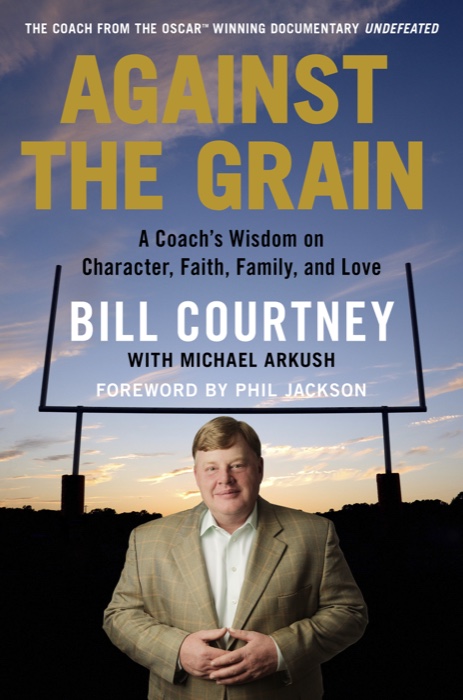 Against the Grain: A Coach's Wisdom on Character, Faith, Family, and Love
 The Power of Focus
 Ego Is the Enemy