 The Sense of Style: The Thinking Person's Guide to Writing in the 21st Century
Quotes from the Book
Typography is the craft of endowing human language with a durable visual form.
48
By all means break the rules, and break them beautifully, deliberately and well.
42
In a badly designed book, the letters mill and stand like starving horses in a field. In a book designed by rote, they sit like stale bread and mutton on the page. In a well-made book, where designer, compositor and printer have all done their jobs, no matter how many thousands of lines and pages, the letters are alive. They dance in their seats. Sometimes they rise and dance in the margins and aisles.
21
Typography is to literature as musical performance is to composition: an essential act of interpretation, full of endless opportunities for insight or obtuseness.
3
Typographic style is founded not on any one technology of typesetting or printing, but on the primitive yet subtle craft of writing.
2
Typography must often draw attention to itself before it will be read. Yet in order to be read, it must relinquish the attention it has drawn.
1
An ancient metaphor: thought is a thread, and the raconteur is a spinner of yarns - but the true storyteller, the poet, is a weaver.
1
If a man walk in the woods for love of them half of each day, he is in danger of being regarded as a loafer; but if he spends his whole day as a speculator, shearing off those woods and making earth bald before her time, he is esteemed an industrious and enterprising citizen.
Typography like other arts, from cooking to choreography, involves a balance between the familiar and the unfamiliar, the dependably consistent and the unforeseen. Typographers generally take pleasure in the unpredictable length of the paragraph while accepting the simple and reassuring consistency of the paragraph indent. The prose paragraph and its verse counterpart, the stanza, are basic units of linguistic thought and literary style. The typographer must articulate them enough to make them clear, yet not so strongly that the form instead of the content steals the show. If the units of thought, or the boundaries between thoughts, look more important than the thoughts themselves, the typographer has failed.
Accidental associations are rarely a good basis for choosing a typeface. Books of poems by the twentieth-century Jewish American poet Marvin Bell, for example, have sometimes been set in Bell type -which is eighteenth-century, English and Presbyterian - solely because of the name. Such puns are a private amusement for typographers; they also sometimes work. But a typographic page so well designed that it attains a life of its own will be based on real affinities, not on an inside joke. Letterforms have character, spirit and personality. Typographers learn to discern these features through years of working first-hand with the forms, and through studying and comparing the work of other designers, present and past. On close inspection, typefaces reveal many hints of their designers' times and temperaments, and even their nationalities and religious faiths. Faces chosen on these grounds are likely to give more interesting results than faces chosen through mere convenience of availability or coincidence of name.
Logograms pose a more difficult question. An increasing number of persons and institutions, from archy and mehitabel to PostScript and TrueType, come to the the typographer in search of special treatment. In earlier days it was kings and deities whose agents demanded that their names be written in a larger size or set in a specially ornate typeface; now it is business firms and mass-market products demanding an extra helping of capitals, or a proprietary face, and poets pleading, by contrast, to be left entirely in the vernacular lower case. But type is visible speech, in which gods and men, saints and sinners, poets and business executives are treated fundamentally alike. Typographers, in keeping with the virtue of their trade, honor the stewardship of texts and implicitly oppose private ownership of words. … Logotypes and logograms push typography in the direction of hieroglyphics, which tend to be looked at rather than read. They also push it toward the realm of candy and drugs, which tend to provoke dependent responses, and away from the realm of food, which tends to promote autonomous being. Good typography is like bread: ready to be admired, appraised, and dissected before it is consumed.
Actually, typefaces and racing bikes are very much alike. Both are ideas as well as machines, and neither should be burdened with excess drag or baggage. Pictures of pumping feet will not make the type go faster, any more than smoke trails, pictures of rocket ships or imitation lightning bolts tied to the frame will improve the speed of the bike.
Type designers are, at their best, the Stradivarii of literature: not merely makers of salable products, but artists who design and make the instruments that other artists use.
Watch on YouTube
About Robert Bringhurst
We have collected 13 quotes from 1 book by Robert Bringhurst on BookQuoters.
More about the author →About the book
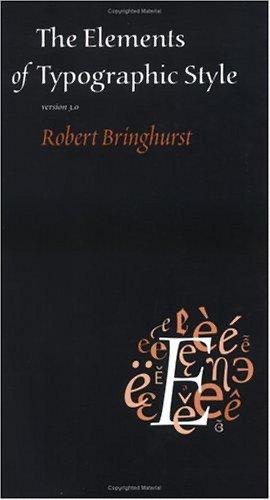
Renowned typographer and poet Robert Bringhurst brings clarity to the art of typography with this masterful style guide. Combining practical, theoretical, and historical, this book is a must for graphic artists, editors, or anyone working with the printed page using digital or traditional methods.
Having established itself as a standard in its field The Elements of Typographic Style is house manual at most American university presses, a standard university text, and a reference work in studios of designers around the world. It has been translated into italian and greek, and dutch.
Book details
- First published
- 1992
- Author
- Robert Bringhurst
- Genre
- Nonfiction
- Goodreads rating
- 4.26 (9k ratings)
Keep reading
The Sense of Style: The Thinking Person's Guide to Writing in the 21st Century
 Sin and Syntax: How to Craft Wickedly Effective Prose
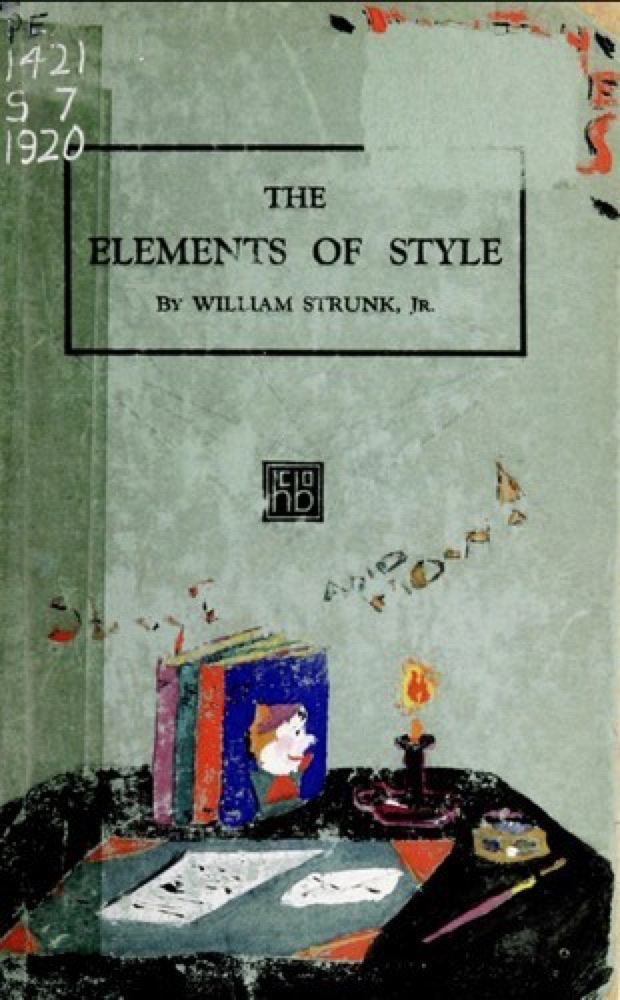 The Elements of Style
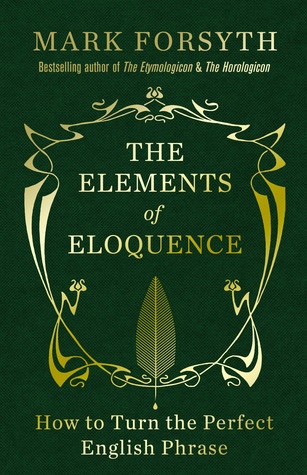 The Elements of Eloquence: How to Turn the Perfect English Phrase
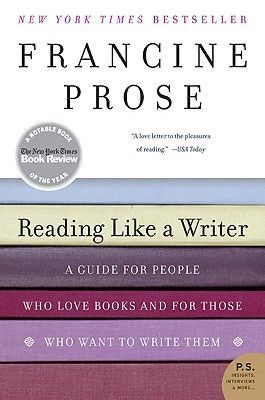 Reading Like a Writer: A Guide for People Who Love Books and for Those Who Want to Write Them
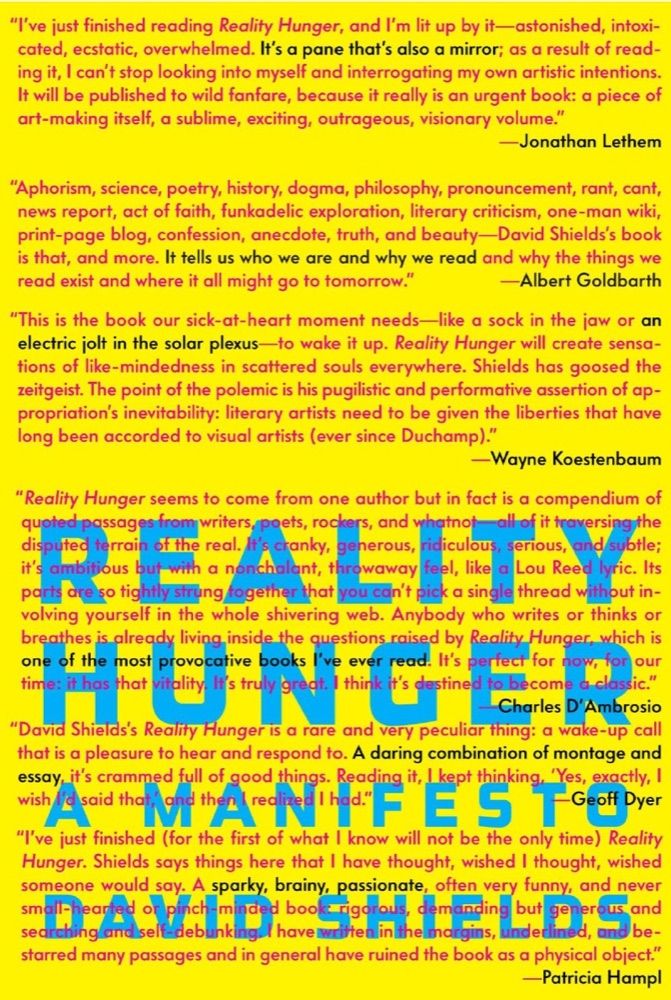 Reality Hunger: A Manifesto
 Dreyer's English: An Utterly Correct Guide to Clarity and Style
 What We See When We Read
 A Poetry Handbook
 How Fiction Works
 Between You & Me: Confessions of a Comma Queen
 One Way Street And Other Writings
 The Art of Fiction: Notes on Craft for Young Writers
 The Medium is the Massage
 The Liar's Dictionary
 Story Engineering: Character Development, Story Concept, Scene Construction
 On Writing: A Memoir of the Craft
 Illuminations: Essays and Reflections
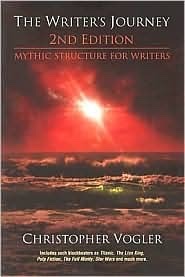 The Writer's Journey: Mythic Structure for Writers
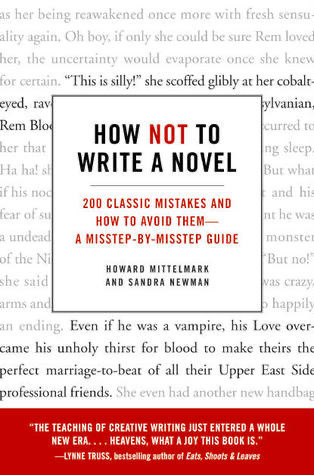 How Not to Write a Novel: 200 Classic Mistakes and How to Avoid Them—A Misstep-by-Misstep Guide
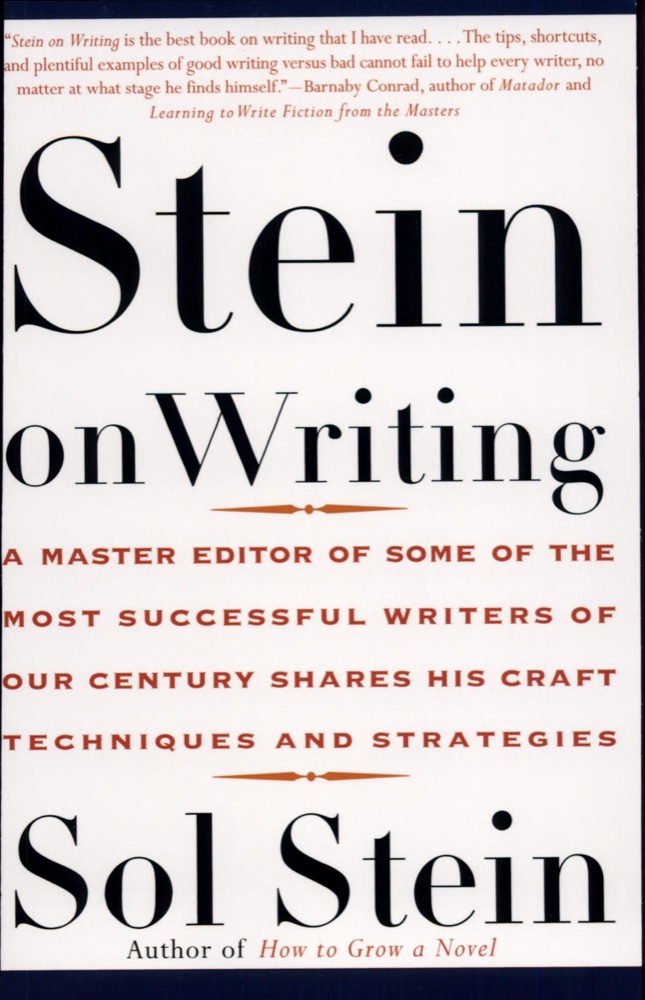 Stein on Writing
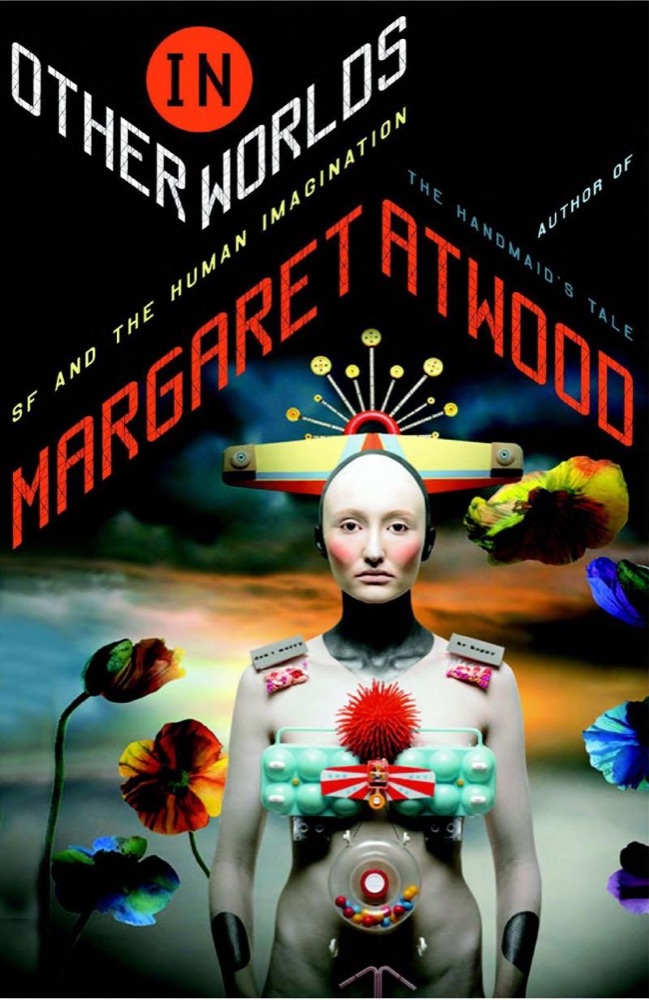 In Other Worlds: SF and the Human Imagination
 Lectures on Literature
 How to Read Literature Like a Professor
 Sixpence House: Lost in a Town of Books
 The Beauty of Everyday Things
 The Clothing of Books: An Essay
 How to Read Literature
 Selected Non-Fictions
 Writing Tools: 50 Essential Strategies for Every Writer
 Both Flesh and Not: Essays
 The Pleasure of the Text
 Negotiating with the Dead: A Writer on Writing
 Landmarks
 Because Internet: Understanding the New Rules of Language
 On Writing Well: The Classic Guide to Writing Nonfiction
 Math with Bad Drawings
 From Dawn to Decadence: 500 Years of Western Cultural Life, 1500 to the Present
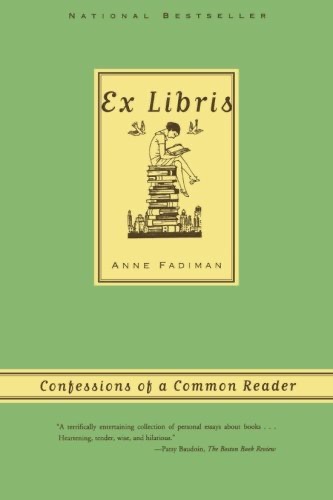 Ex Libris: Confessions of a Common Reader
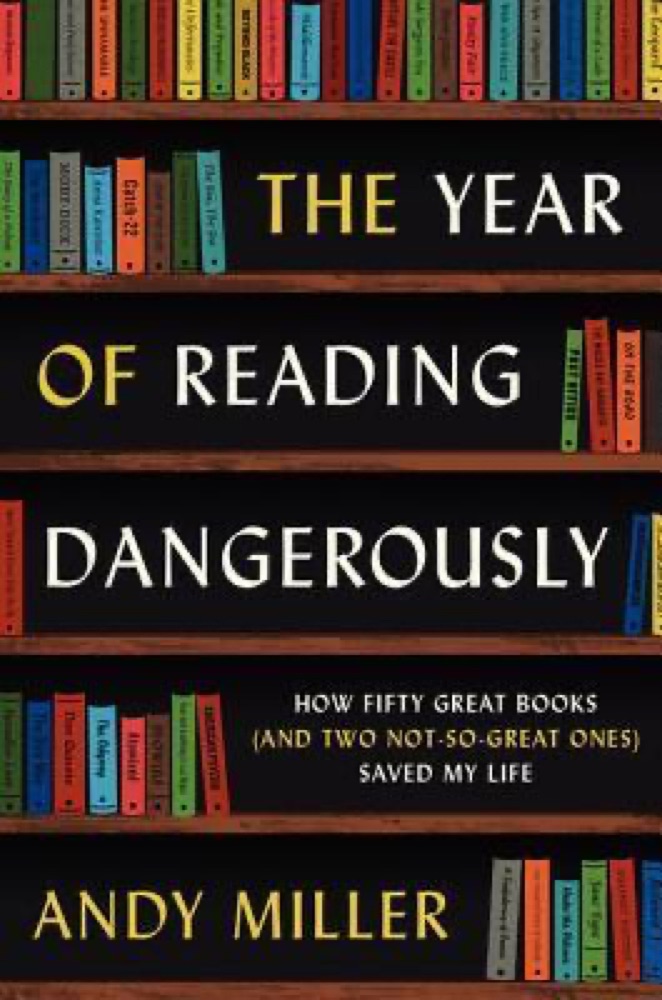 The Year of Reading Dangerously
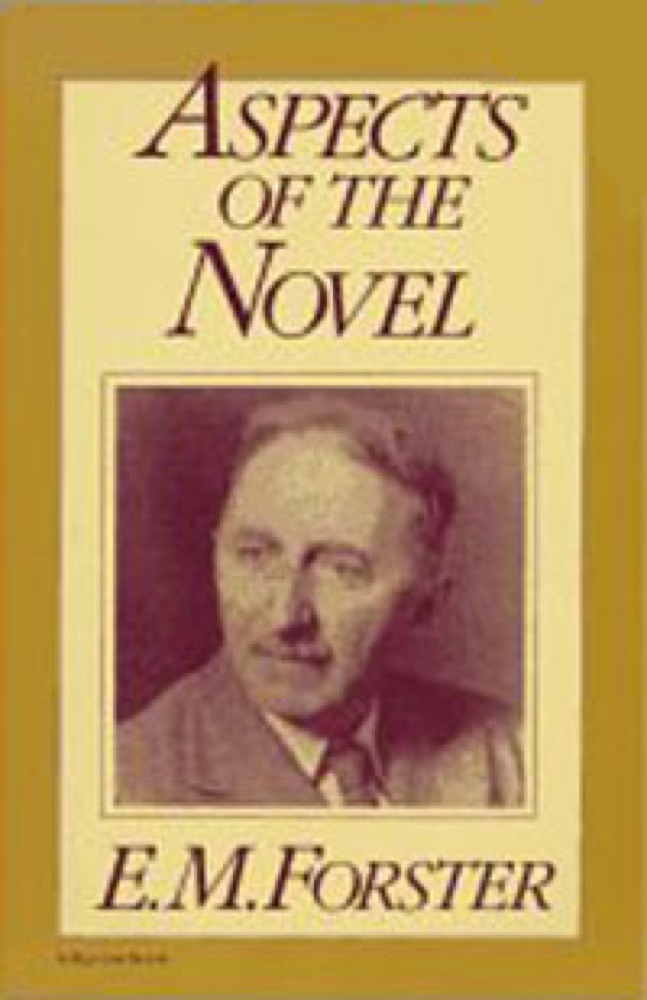 Aspects of the Novel
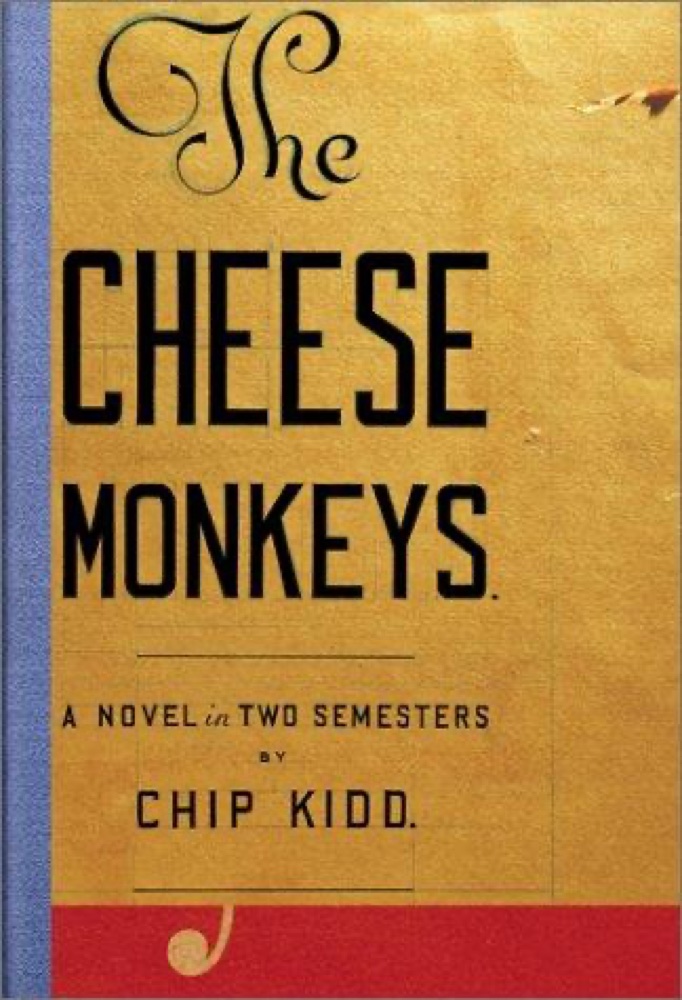 The Cheese Monkeys
 An Experiment in Criticism
 Please Understand Me II: Temperament, Character, Intelligence
 The Writing Life
 The Well of Lost Plots
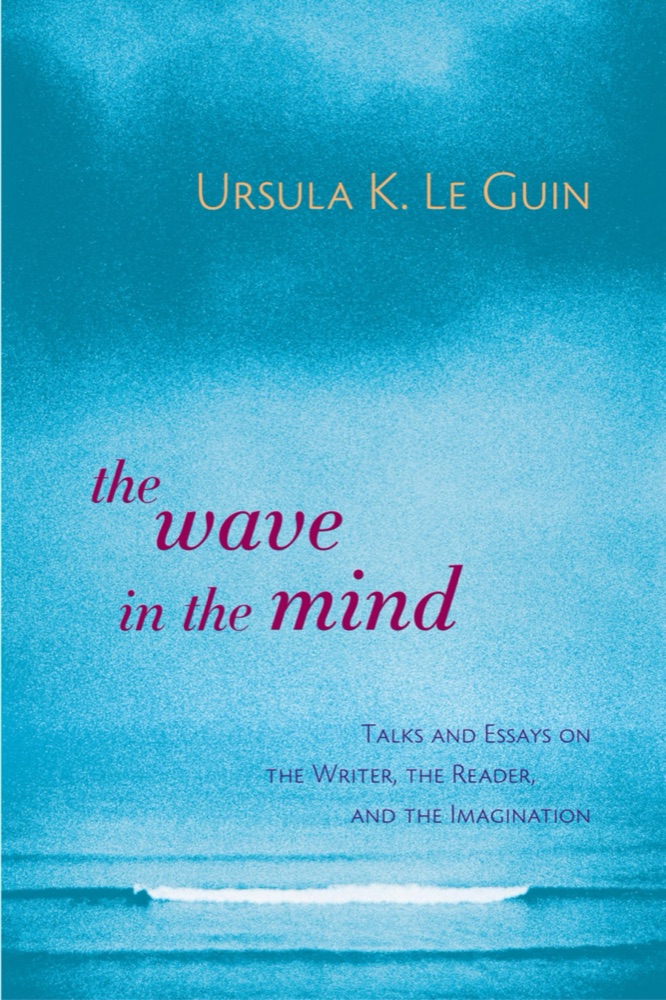 The Wave in the Mind: Talks and Essays on the Writer, the Reader and the Imagination
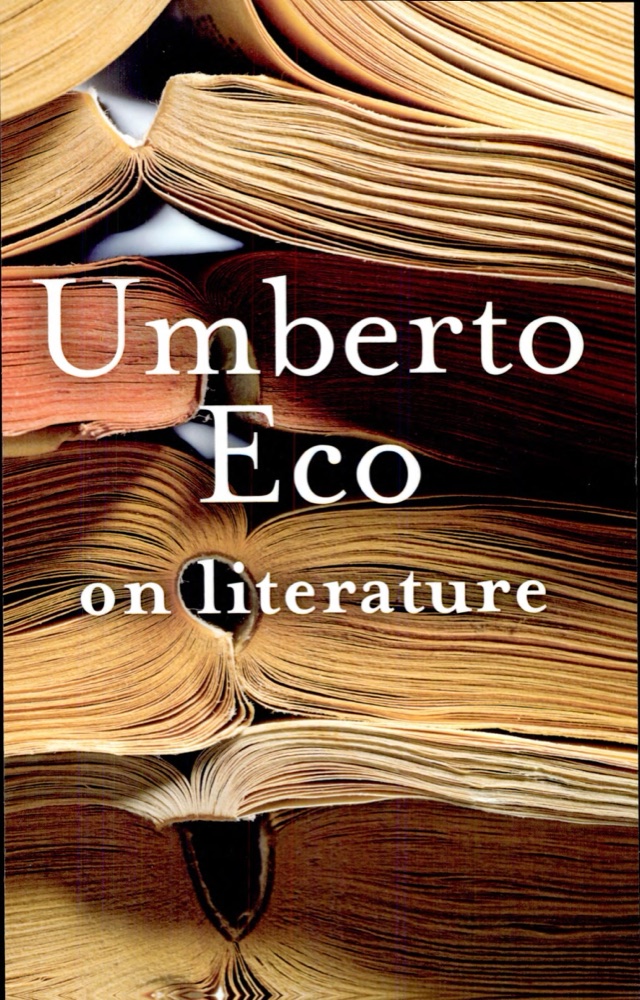 On Literature
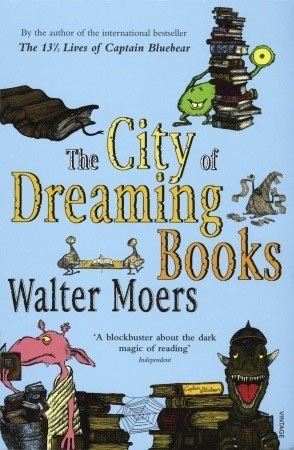 The City of Dreaming Books
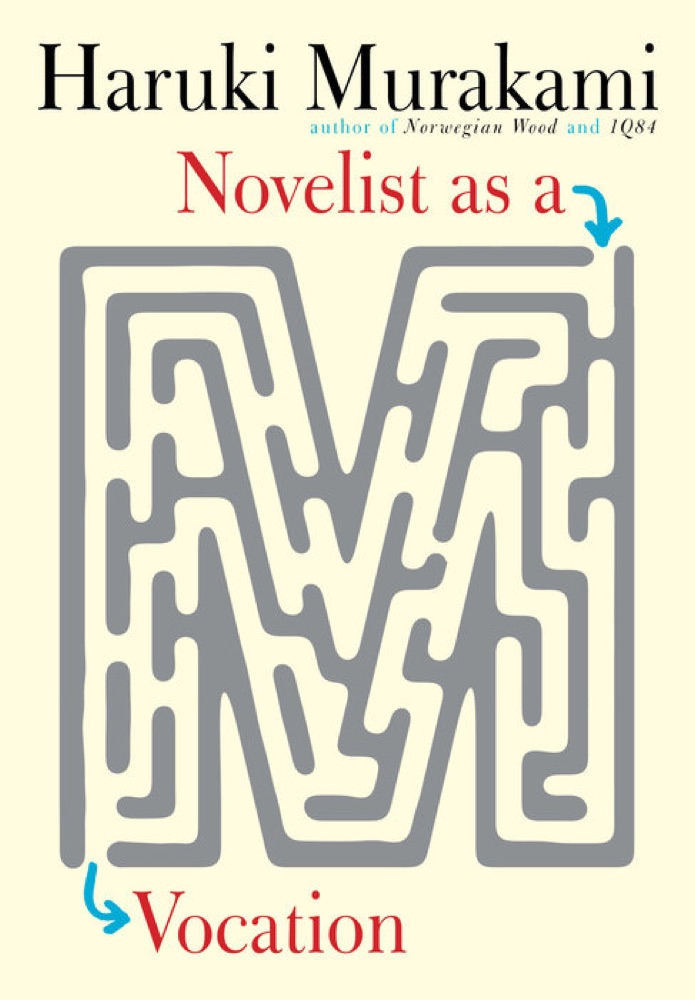 Novelist as a Vocation
 Dæmon Voices
 APE: Author, Publisher, Entrepreneur. How to Publish a Book
 Consider This: Moments in My Writing Life After Which Everything Was Different
 On Becoming a Novelist
 Becoming a Writer
 The Triggering Town: Lectures and Essays on Poetry and Writing
 Death in the Afternoon
 The Design of Everyday Things
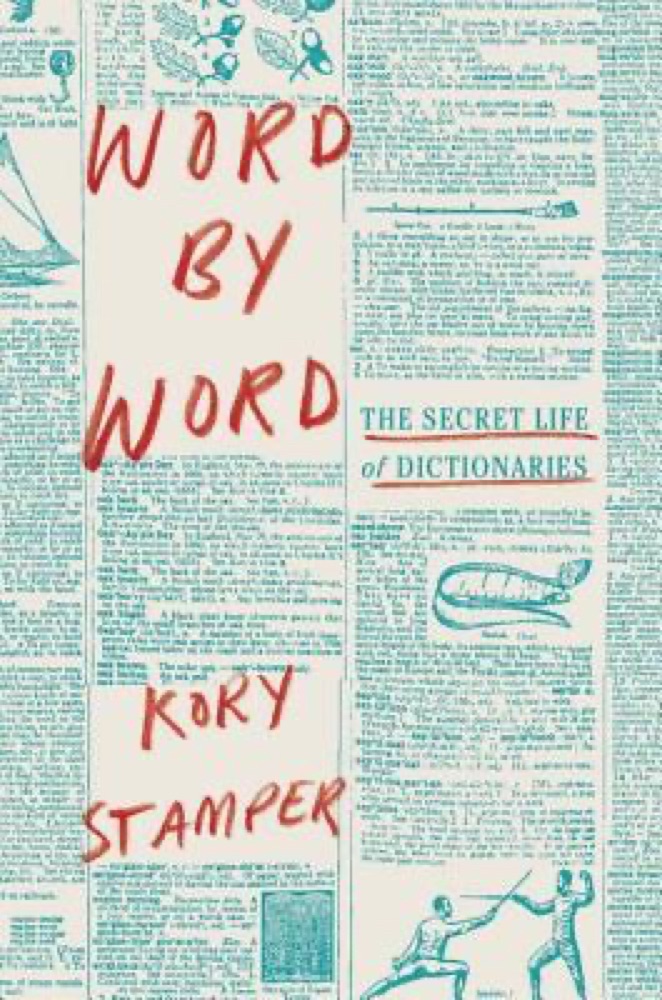 Word by Word: The Secret Life of Dictionaries
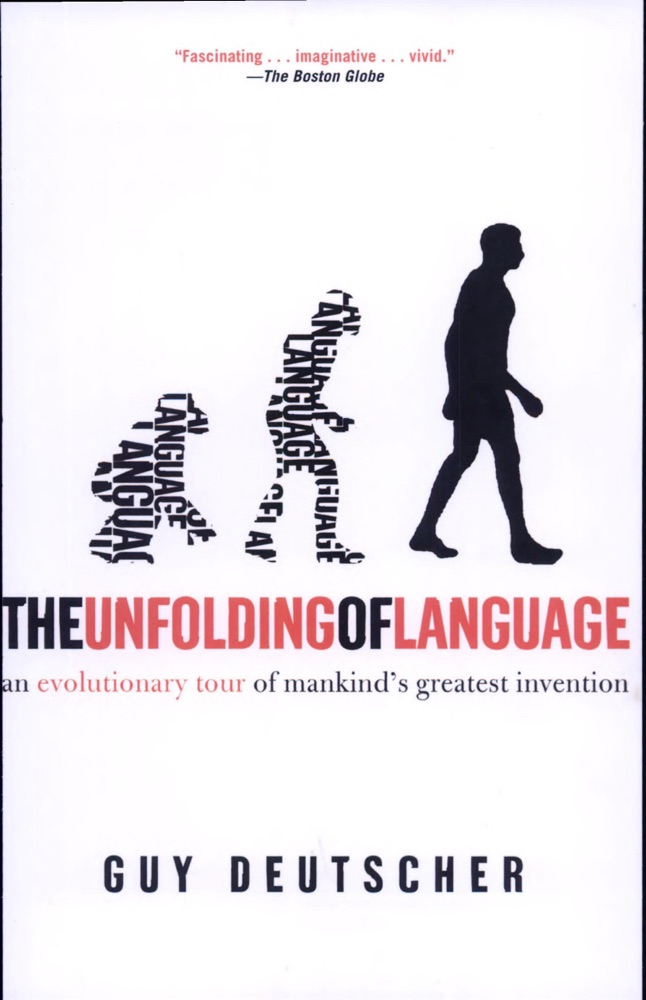 The Unfolding of Language: An Evolutionary Tour of Mankind's Greatest Invention