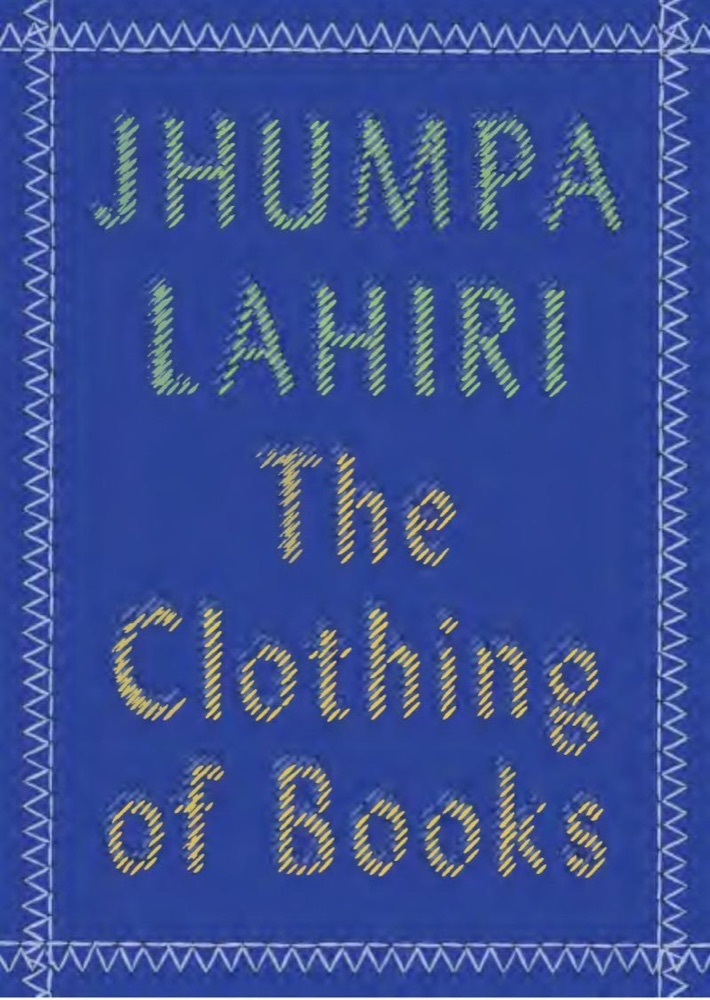

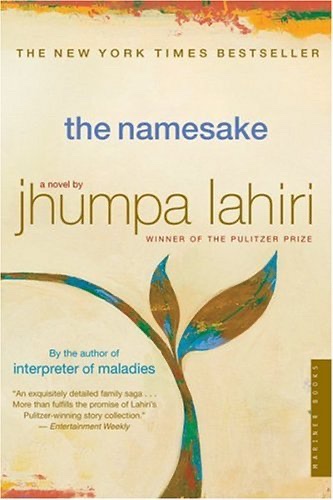
 The Namesake
Quotes from the Book
If the process of writing is a dream, the book cover represents the awakening.
5
The more I think about it, the more I am convinced that a cover is a sort of translation, that is, an interpretation of my words in another language -- a visual one. It represents the text, but isn't part of it. It can't be too literal. It has to have its own take on the book. Like a translation, a cover can be faithful to at the book, or it can be misleading. In theory, like a translation, it should be in the service of the book, but this dynamic isn't always the case.
5
The right cover is like a beautiful coat, elegant and warm, wrapping my words as they travel through the world, on their way to keep an appointment with my readers. Books come to stand for various episodes in our lives, for certain idealisms, follies of belief, moments of love. Along the way they accumulate our marks, our stains, our innocent abuses, they come to wear our experience of them on their covers and bindings like wrinkles on our skin. Like every true love, that of the reader is blind.
3
Personally, I think it deplorable to place the words and opinions of others on the book jacket. I want the first words read by the reader of my book to be written by me.
2
And yet I know that expressing oneself necessarily means being different. The writer's voice is a singular one, solitary. Art is nothing other than the freedom to express oneself in any language, in whatever manner, dressed any which way.
2
As soon as the book puts on a jacket, the book acquires a new personality. It says something even before being read, just as clothes say something about us before we speak.
1
Books come to stand for various episodes in our lives, for certain idealisms, follies of belief, moments of love. Along the way they accumulate our marks, our stains, our innocent abuses—they come to wear our experience of them on their covers and bindings like wrinkles on our skin.
1
...American book jackets reflect the spirit of country - little homogeneity, lots of diversity.
1
Everyone likes to judge a book cover. In the first place, it is easier to evaluate the cover than the content. Besides, it's fun. All one needs to do is look and react.
A cover that one person cherishes is devoid of meaning to another. What does that mean? I fear that, even in a globalized world, it signals an inability to recognize oneself in the other.
We don't live in a world in which a cover can reflect the sense and style of the book. Today more than ever the cover shoulders an additional weight. Its function is more commercial than aesthetic. It succeeds or fails in the market.
I learned the hard way that how we dress, like the language we speak and the food we eat, expresses our identity, our culture, our sense of belonging.
Watch on YouTube
About Jhumpa Lahiri
We have collected 158 quotes from 6 books by Jhumpa Lahiri on BookQuoters.
More about the author →More by Jhumpa Lahiri
All books by Jhumpa Lahiri →
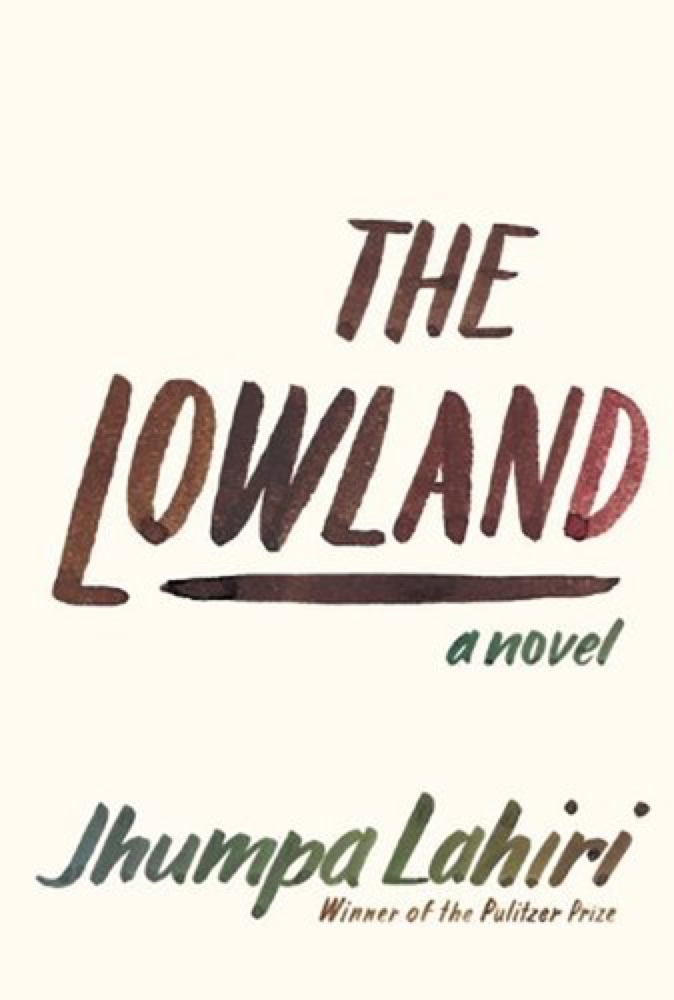
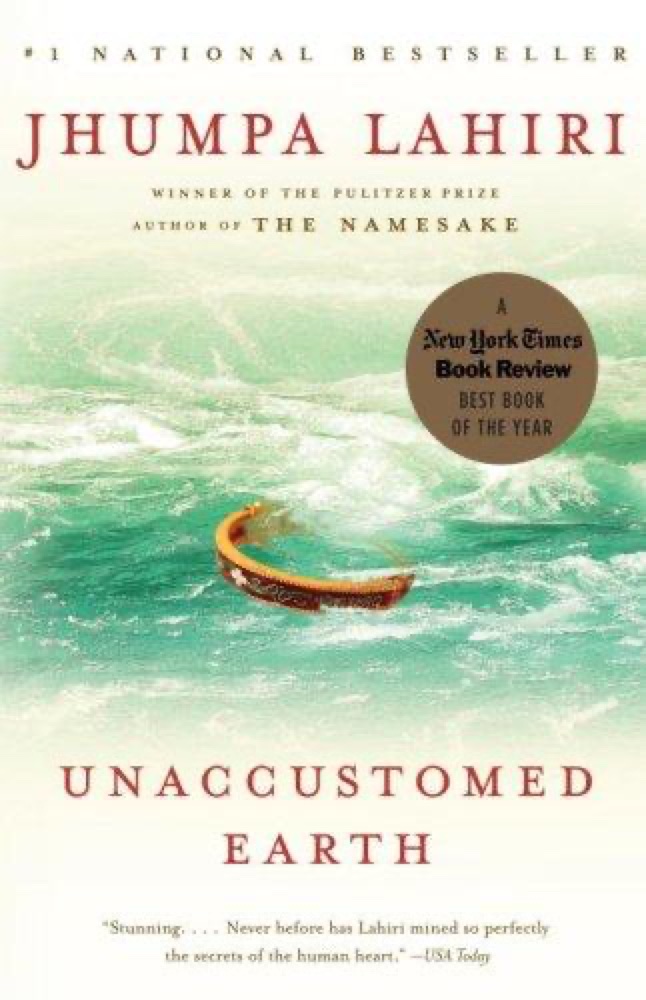
About the book
How do you clothe a book?
In this deeply personal reflection, Pulitzer Prize–winning author Jhumpa Lahiri explores the art of the book jacket from the perspectives of both reader and writer. Probing the complex relationships between text and image, author and designer, and art and commerce, Lahiri delves into the role of the uniform; explains what book jackets and design have come to mean to her; and how, sometimes, “the covers become a part of me.”
Book details
- First published
- 2016
- Author
- Jhumpa Lahiri
- Genre
- Nonfiction
- Goodreads rating
- 3.68 (4k ratings)
Keep reading
 Sixpence House: Lost in a Town of Books
 What We See When We Read
 Ex Libris: Confessions of a Common Reader
 The Year of Reading Dangerously
 Reality Hunger: A Manifesto
 Reading Like a Writer: A Guide for People Who Love Books and for Those Who Want to Write Them
 The View from the Cheap Seats: Selected Nonfiction
 The Door-to-Door Bookstore
 How Reading Changed My Life
 Why We Read: On Bookworms, Libraries, and Just One More Page Before Lights Out
 Howards End Is on the Landing: A Year of Reading from Home
 How to Read Now
 The Man Who Loved Books Too Much: The True Story of a Thief, a Detective, and a World of Literary Obsession
 The City of Dreaming Books
 How to Talk About Books You Haven't Read
 An Experiment in Criticism
 How Should One Read a Book?
 Lectures on Literature
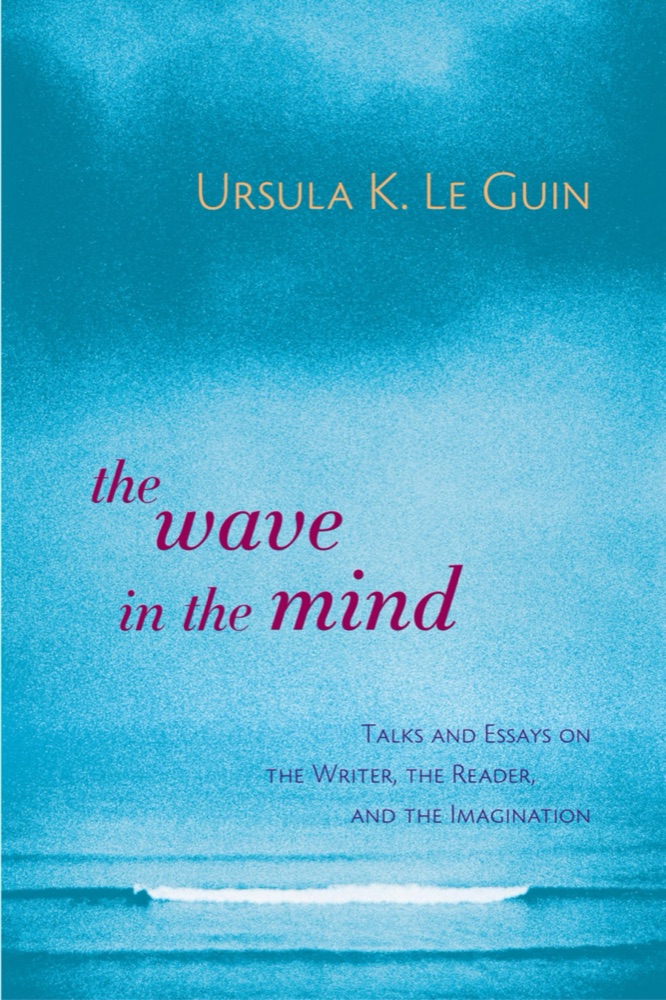 The Wave in the Mind: Talks and Essays on the Writer, the Reader and the Imagination
 The Last Bookaneer
 Negotiating with the Dead: A Writer on Writing
 I'd Rather Be Reading: The Delights and Dilemmas of the Reading Life
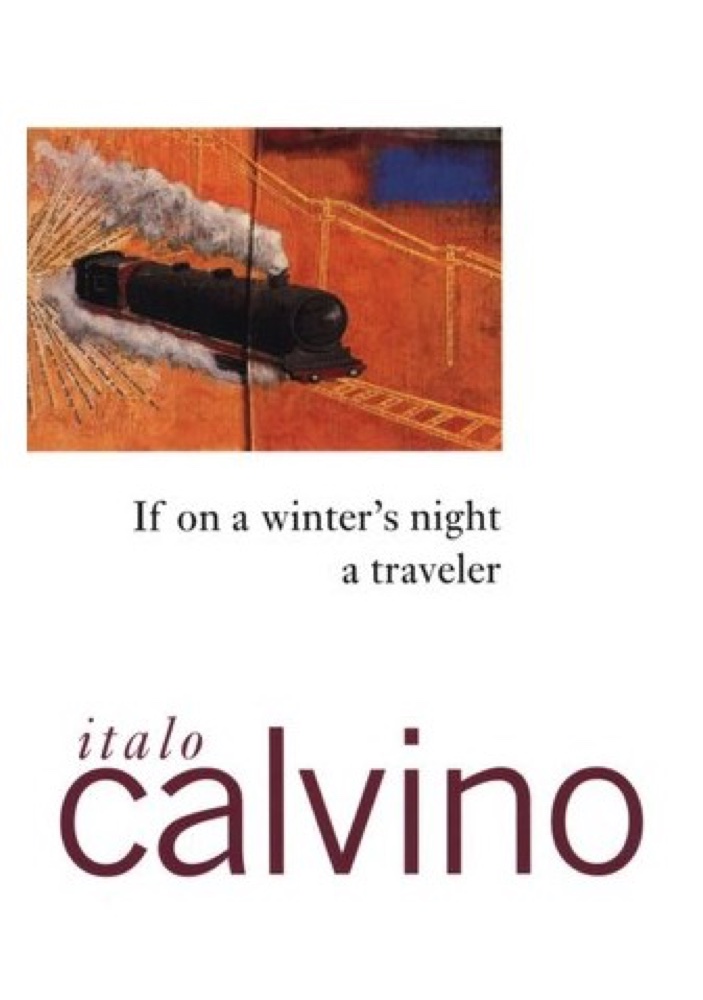 If on a Winter's Night a Traveler
 My Life in Middlemarch
 The Secret, Book & Scone Society
 The Language of the Night: Essays on Writing, Science Fiction, and Fantasy
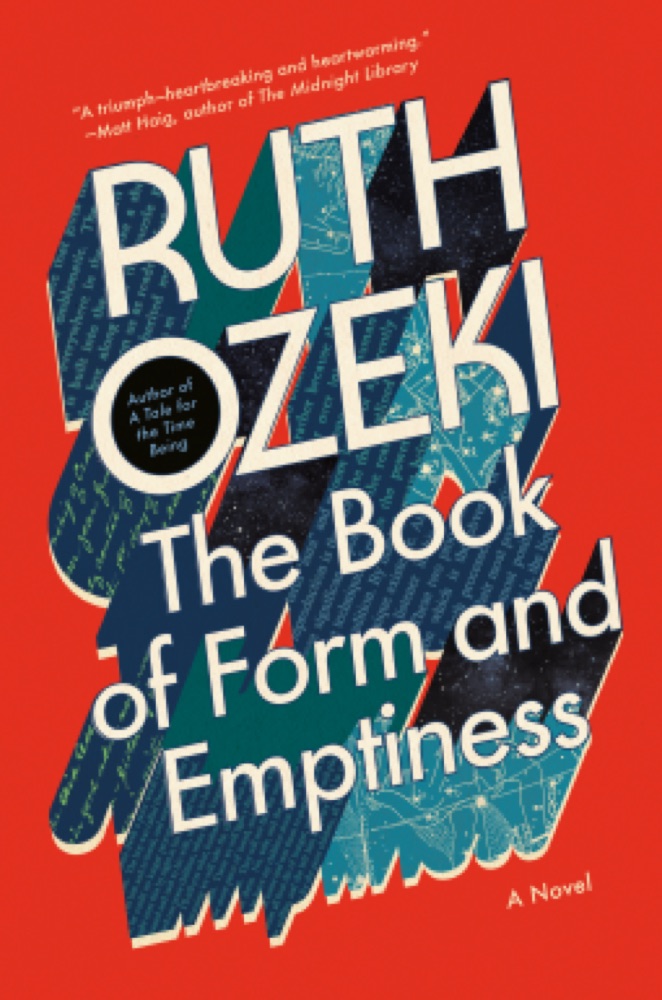 The Book of Form and Emptiness
 Novelist as a Vocation
 The Storied Life of A.J. Fikry
 The Yellow-Lighted Bookshop: A Memoir, a History
 Checkout 19
 Every Day I Read: 53 Ways to Get Closer to Books
 Wild Girls
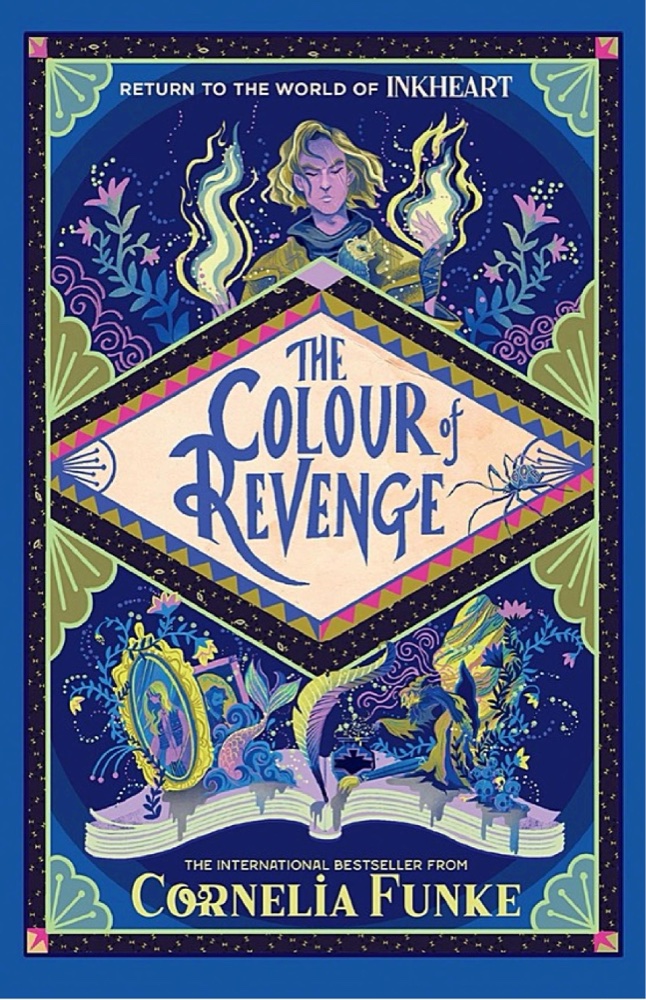 Inkheart
 The Writing Life
 Housekeeping vs. the Dirt
 Aspects of the Novel
 The Rabbit Back Literature Society
 The Unlikely Escape of Uriah Heep
 Illuminations: Essays and Reflections
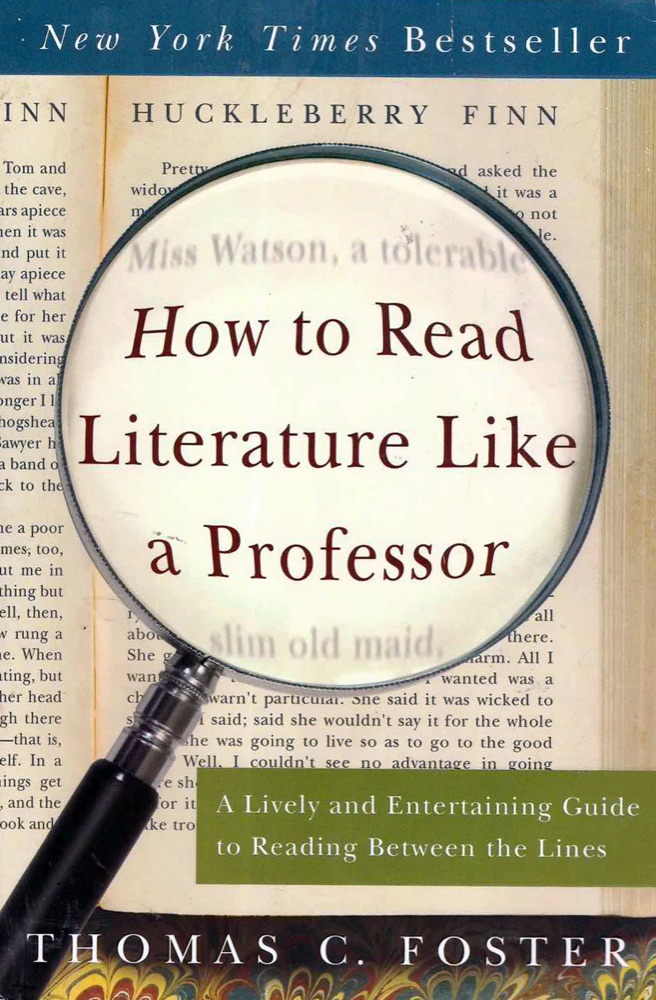 How to Read Literature Like a Professor
 One Way Street And Other Writings
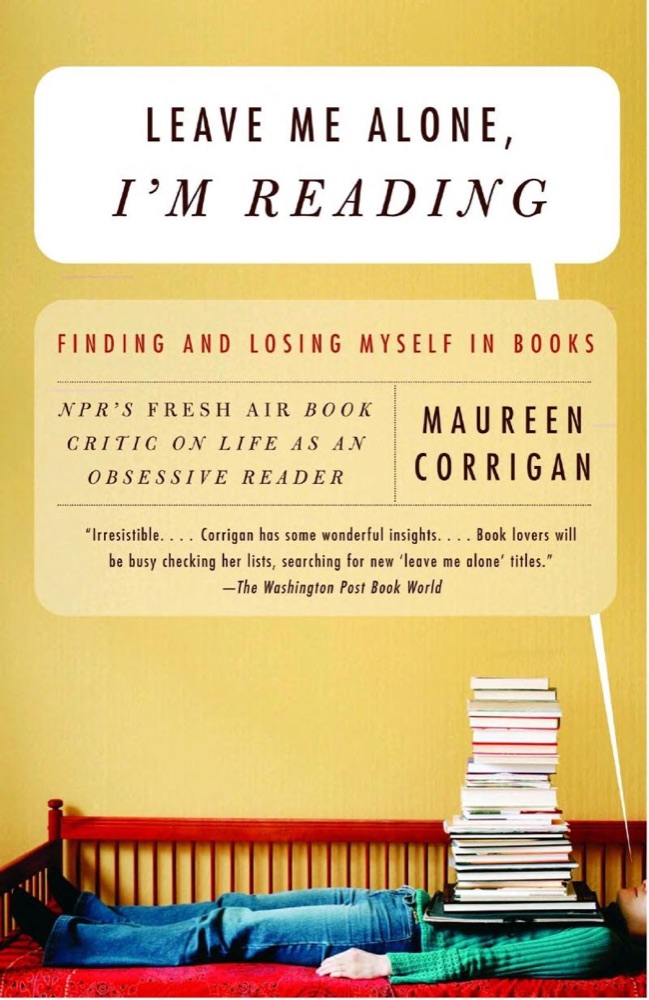 Leave Me Alone, I'm Reading: Finding and Losing Myself in Books
 A Novel Bookstore
 The Secret Lives of Booksellers and Librarians: True Stories of the Magic of Reading
 Poison for Breakfast
 How Fiction Works
 My Reading Life
 The Cat Who Saved Books
 The Book That Wouldn’t Burn
 Paper Covers Rock
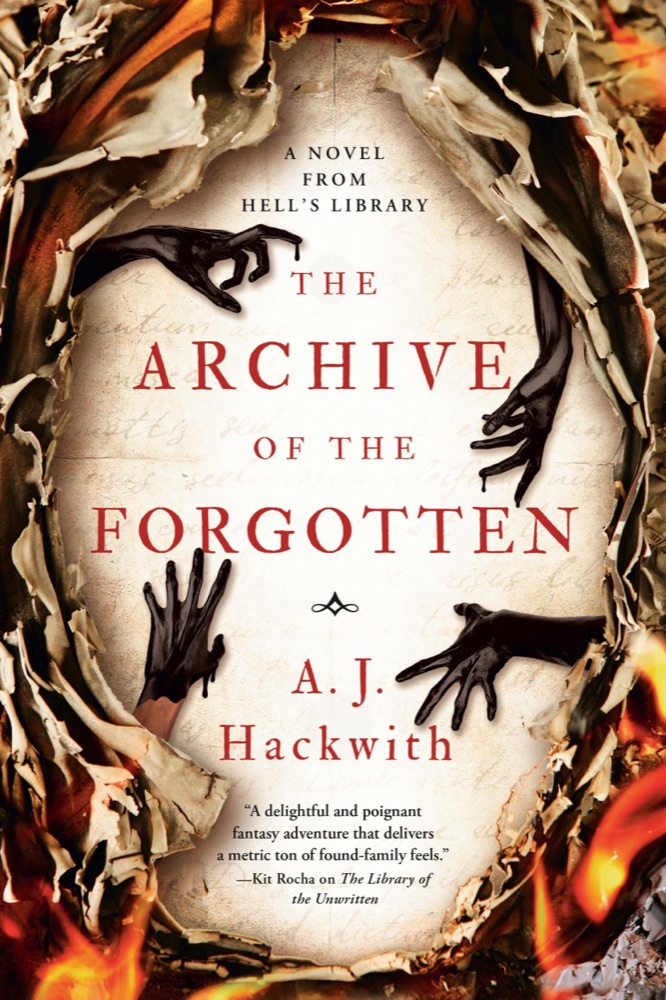 The Archive of the Forgotten
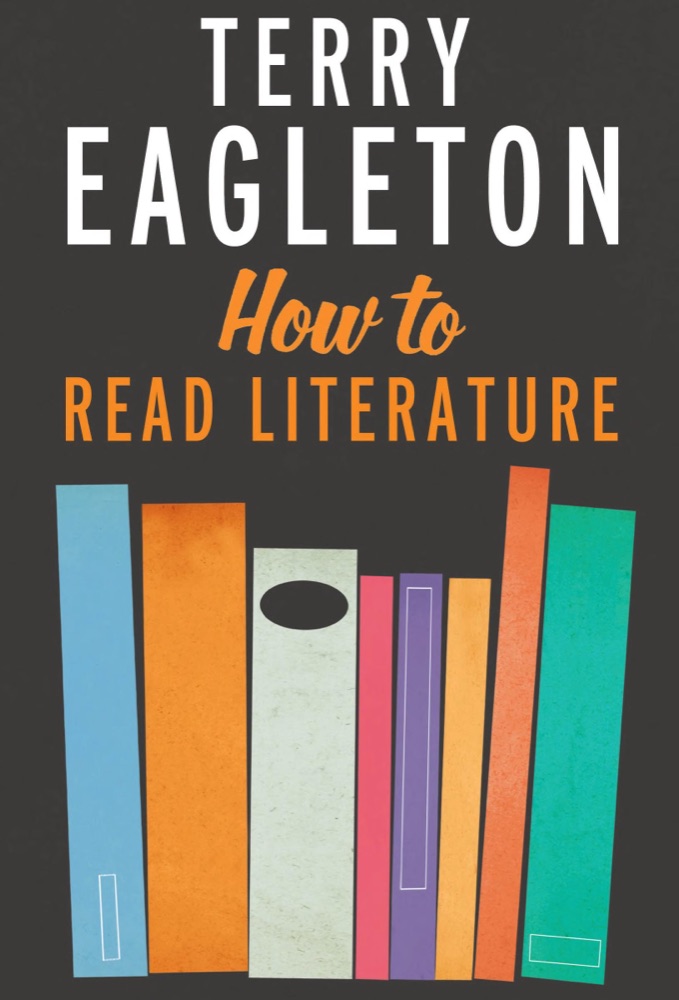 How to Read Literature
 Burning Questions: Essays and Occasional Pieces, 2004 to 2021
 The Reader
 Dæmon Voices
 Art Matters: Because Your Imagination Can Change the World
 Madness, Rack, and Honey: Collected Lectures
 Reading Lolita in Tehran: A Memoir in Books
 In Other Worlds: SF and the Human Imagination