
 The Unfolding of Language: An Evolutionary Tour of Mankind's Greatest Invention
Quotes from the Book
Like the big collaborative projects of the internet, such as Wikipedia and Firefox, like the decentralized network of websites and machines that make up the internet itself, language is a network, a web. Language is the ultimate participatory democracy. To put it in technological terms, language is humanity's most spectacular open source project.
19
Standard” language and “correct” spelling are collective agreements, not eternal truths, and collective agreements can change.
14
Irony is a linguistic trust fall.
12
IBM experimented with adding Urban Dictionary data to its artificial intelligence system Watson, only to scrub it all out again when the computer started swearing at them.
9
Dictionaries are the record of how people are already using the language, not providers of words for us to start using.
8
Thinking of emoji as gestures helps put things into perspective if we're tempted to start thinking, "If words were good enough for Shakespeare, why aren't they good enough for us?" We can pause and realize that plain words weren't actually good enough for Shakespeare. A lot of what Shakespeare wrote was plays, designed not to be read on a page, but to be performed by people. How many of us have struggled through reading Shakespeare as a disembodied script in school, only to see him come to life in a well-acted production?
8
Perfectly following a list of punctuation rules may grant me some kinds of power, but it won’t grant me love. Love doesn’t come from a list of rules—it emerges from the spaces between us, when we pay attention to each other and care about the effect that we have on each other. When we learn to write in ways that communicate our tone of voice, not just our mastery of rules, we learn to see writing not as a way of asserting our intellectual superiority, but as a way of listening to each other better. We learn to write not for power, but for love. But for all the subtle vocal modulations that typography can express, we’re not just voices. We still need a way to convey the messages that we send with the rest of our bodies.
6
adding someone in social media is a way of ading them to the hallway you stroll down, a way of saying, "I might like to have more unplanned interactions with you, and we can see where things go from there.
6
Like how money is just squiggles on paper or on a screen until it determines whether you can eat lunch, words are just meat twitches until they determine whether you can get a job -- or whether someone will even deign to tell you where the shoe section is.
6
Language's only known predator is other people: many languages have been stamped out or imposed on others through war or conquest.
5
Sending someone all of the possible birthday party emoji is extra festive: great! But sending someone all of the possible phallic emoji (say, the eggplant and the cucumber and the corncob and the banana) is NOT extra sexxaayy: that’s a weird salad.
5
language is a thing that lives in the minds of individual humans at individual points in time, a thing that can’t be fully encompassed in a static list of rules like a game of chess.
5
Still, it’s tempting to mislabel the many words currently being appropriated into general American pop culture from African American English as “social media words” simply because they’re used by young people, and young people are on social media, without giving due credit to the words’ true origins. Fittingly, the internet has come up with a word for this: columbusing, or white people claiming to discover something that was already well established in another community, by analogy with how Columbus gets credit for discovering America despite the millions of people who already lived there.
5
Clearly, it's not the R's fault. R is a harmless consonant that never asked to be embroiled in any of our petty human squabbles.
4
Many languages can’t have spelling bees because their spelling systems are so logical that no one would ever get knocked out. English spellers can only dream!
3
The Library of Congress archives memes now, preserving things like the Lolcat Bible, Urban Dictionary, and Know Your Meme. It calls them, charmingly and also not entirely inaccurately, “folklore.
3
High school is a place where people really notice small social details, whether that’s the cool brand of jeans, who’s now going out with who, or vowels.
3
Writing and weaving are both acts of creation by bringing together. A storyteller is a spinner of yarns, and the internet's founding metaphor is of a web.
2
Rather than thinking of books as a way of embalming language, of rendering it fixed and dead for eternity (or at least of trapping and caging it so it doesn’t move around quite so much), we can think of them as maps and guidebooks to help people navigate language’s living, moving splendor. Every atlas eventually becomes a history book, but a globe is still a glorious thing to feel spinning under your hands with potential.
2
Irony is a linguistic trust fall. When I write or speak with a double meaning, I fall backwards, hoping that you’ll be there to catch me. The risks are high: misaimed irony can gravely injure the conversation. But the rewards are high, too: the sublime joy of feeling purely understood, the comfort of knowing someone’s on your side.
1
Men tend to follow a generation later: in other words, women tend to learn language from their peers; men learn it from their mothers.
1
UTSL for "use the source, Luke!" a Star Wars-ian way of suggesting that people read the source code before asking questions about it
1
Could we not put our tremendous computing power (both human and mechanical) to better use than upholding the prejudices of a bunch of aristocrats from the eighteenth century?
1
But it’s important to be cautious about any attempt at Divination By Teenager.
1
A big problem in internet research is that half the links you cite will stop working in just two years. To mitigate link rot, every link in this book has been saved in the Internet Archive’s Wayback Machine, and I’ve made a donation to help it stay in operation. Enter any broken urls at archive.org for a backed-up copy.
1
people who were more fluent at typing used their increased facility to be more polite, just as polite as they would have been while talking.
1
no other generation is going to match the average level of tech savvy of the people for whom getting online was truly difficult,
1
Watch on YouTube
About Gretchen McCulloch
We have collected 27 quotes from 1 book by Gretchen McCulloch on BookQuoters.
More about the author →About the book
A linguistically informed look at how our digital world is transforming the English language.
Language is humanity's most spectacular open-source project, and the internet is making our language change faster and in more interesting ways than ever before. Internet conversations are structured by the shape of our apps and platforms, from the grammar of status updates to the protocols of comments and @replies. Linguistically inventive online communities spread new slang and jargon with dizzying speed. What's more, social media is a vast laboratory of unedited, unfiltered words where we can watch language evolve in real time.
Even the most absurd-looking slang has genuine patterns behind it. Internet linguist Gretchen McCulloch explores the deep forces that shape human language and influence the way we communicate with one another. She explains how your first social internet experien
Book details
- First published
- 2019
- Author
- Gretchen McCulloch
- Genre
- Nonfiction
- Goodreads rating
- 4.04 (13k ratings)
The buzz
- The New York TimesReview in The New York Timesprofessional review (via Book Marks)
- The New YorkerReview in The New Yorkerprofessional review (via Book Marks)
- The Wall Street JournalReview in The Wall Street Journalprofessional review (via Book Marks)
- The AtlanticReview in The Atlanticprofessional review (via Book Marks)
- NPRReview in NPRprofessional review (via Book Marks)
- TimeReview in Timeprofessional review (via Book Marks)
Keep reading
The Unfolding of Language: An Evolutionary Tour of Mankind's Greatest Invention
 Word by Word: The Secret Life of Dictionaries
 Dataclysm: Who We Are
 In the Land of Invented Languages: Esperanto Rock Stars, Klingon Poets, Loglan Lovers, and the Mad Dreamers Who Tried to Build a Perfect Language
 The Language Instinct: How the Mind Creates Language
 The Mother Tongue: English and How It Got That Way
 Through the Language Glass: Why the World Looks Different in Other Languages
 Between You & Me: Confessions of a Comma Queen
 The Word Exchange
 The Stuff of Thought: Language as a Window into Human Nature
 The Most Human Human: What Talking with Computers Teaches Us About What It Means to Be Alive
 Dreyer's English: An Utterly Correct Guide to Clarity and Style
 Babel-17
 Philosophical Investigations
 Sin and Syntax: How to Craft Wickedly Effective Prose
 The Sense of Style: The Thinking Person's Guide to Writing in the 21st Century
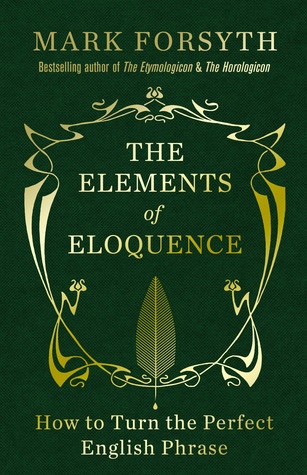 The Elements of Eloquence: How to Turn the Perfect English Phrase
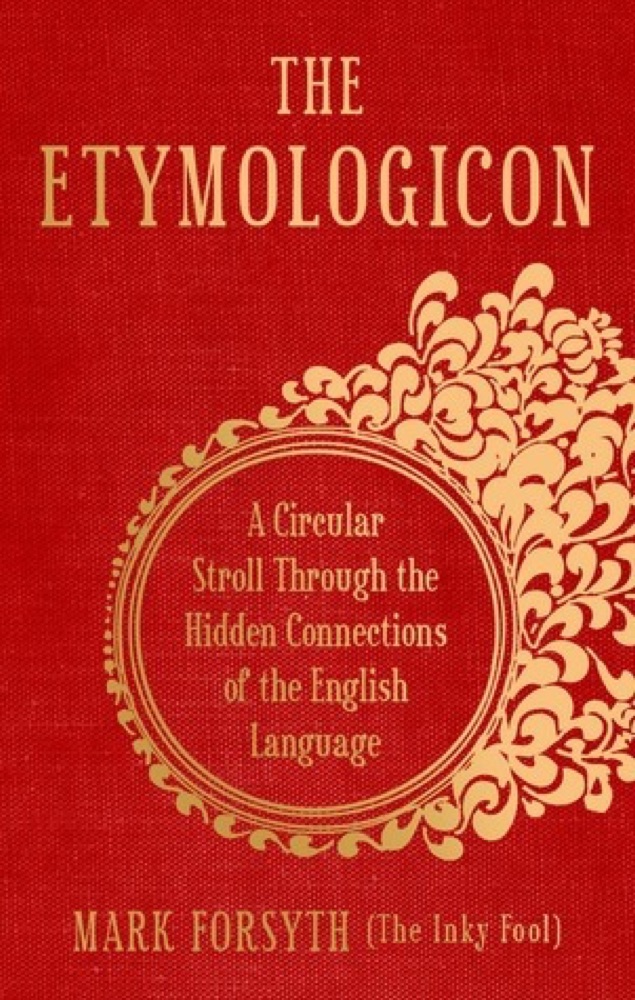 The Etymologicon: A Circular Stroll through the Hidden Connections of the English Language
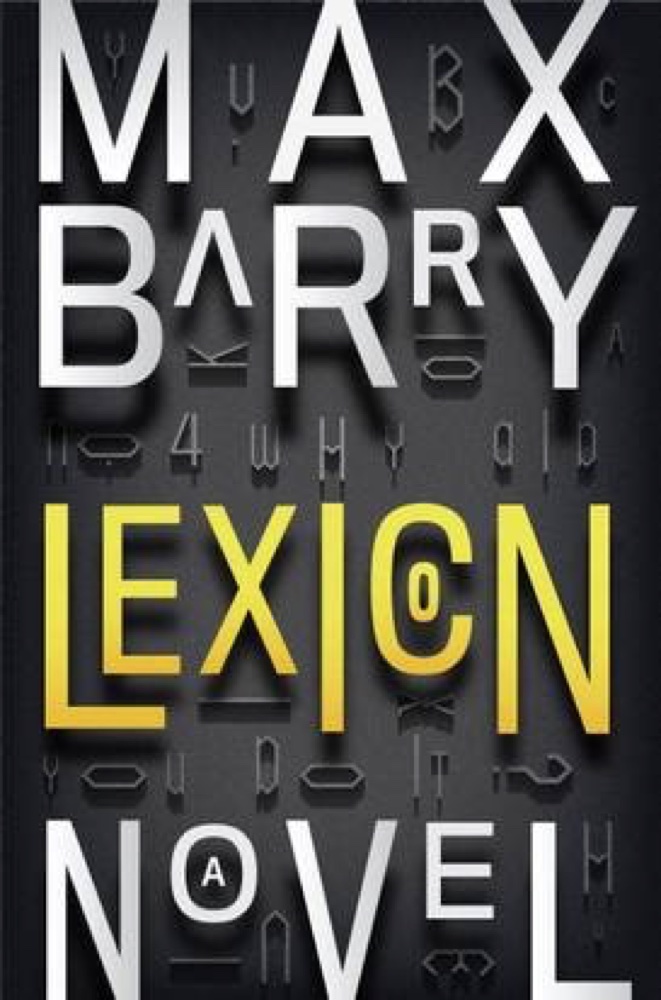 Lexicon
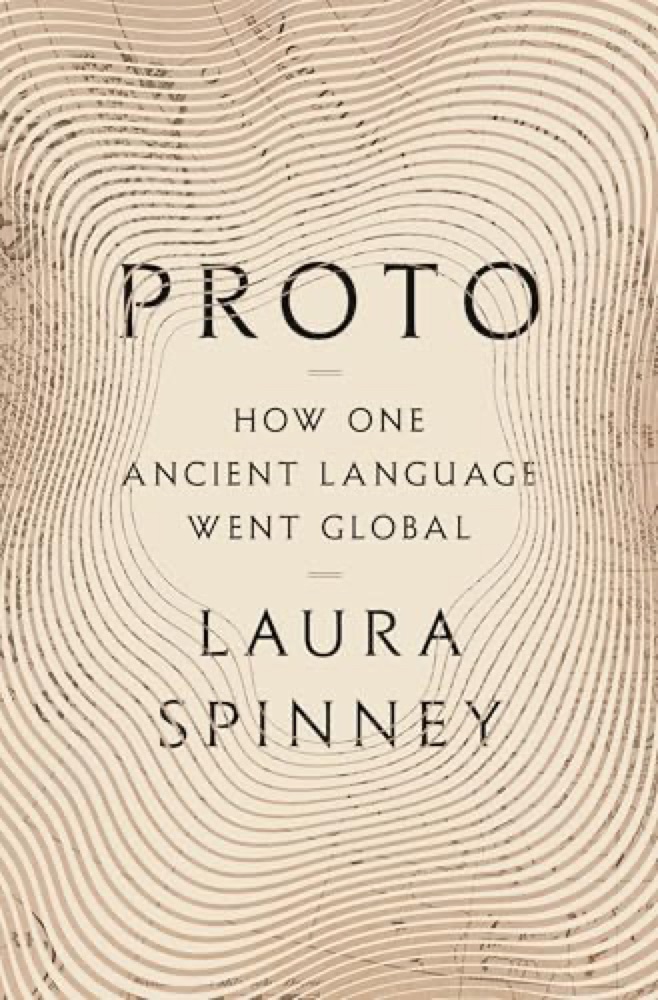 Proto: How One Ancient Language Went Global
 Politics and the English Language
 Fluent in 3 Months: How Anyone at Any Age Can Learn to Speak Any Language from Anywhere in the World
 You Are Not a Gadget
 From Bacteria to Bach and Back: The Evolution of Minds
 Watching the English: The Hidden Rules of English Behaviour
 Burning Questions: Essays and Occasional Pieces, 2004 to 2021
 The Dictionary of Lost Words
 Words That Work: It's Not What You Say, It's What People Hear
 The Information: A History, a Theory, a Flood
 Understanding Media: The Extensions of Man
 Writing Tools: 50 Essential Strategies for Every Writer
 The Elements of Style
 The Liar's Dictionary
 Lingo: A Language Spotter's Guide to Europe
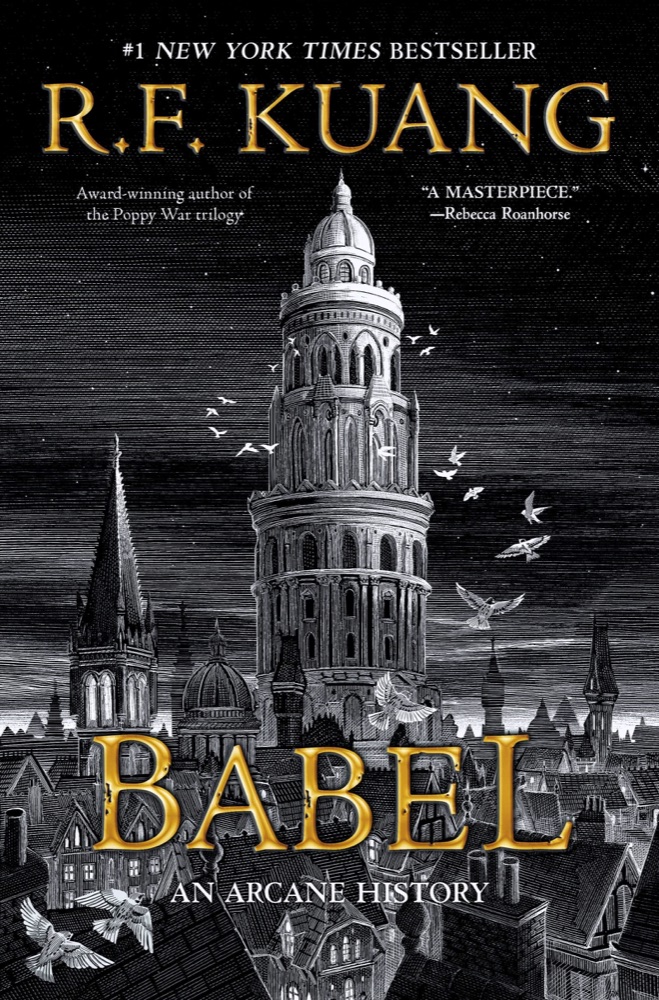 Babel
Babel
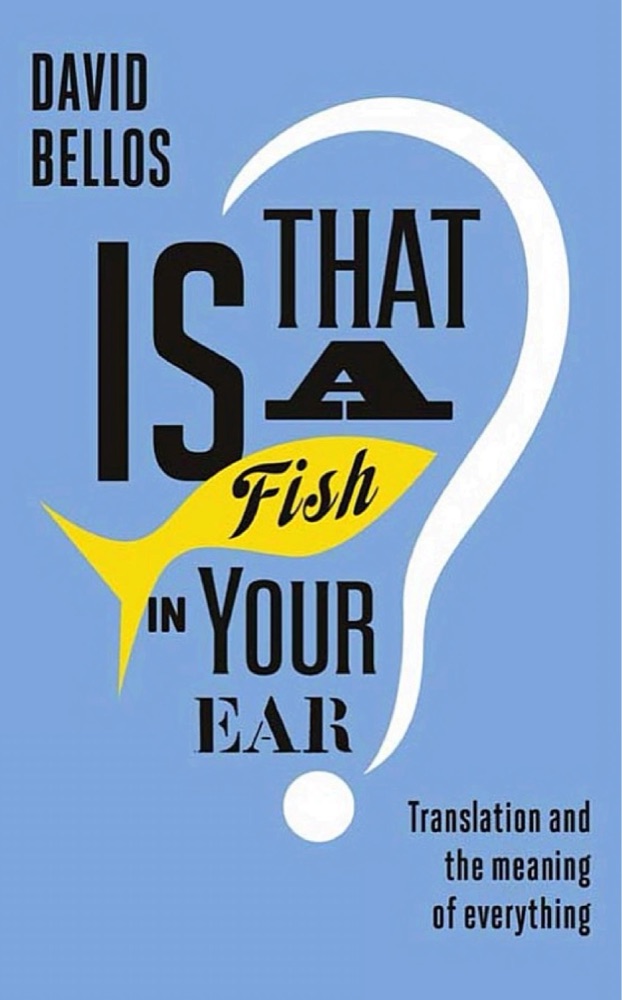 Is That a Fish in Your Ear? Translation and the Meaning of Everything
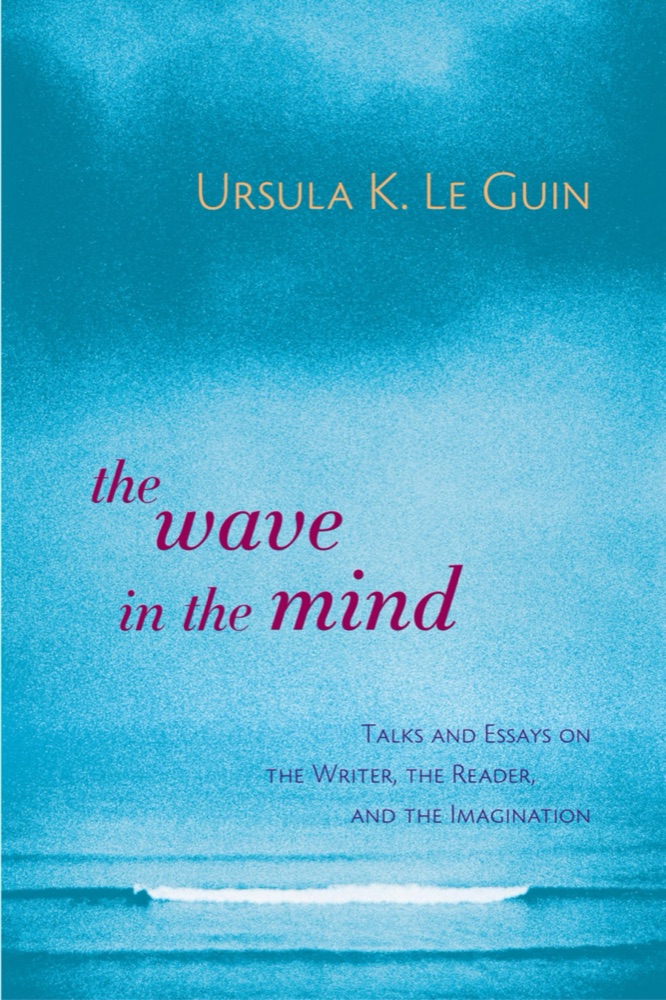 The Wave in the Mind: Talks and Essays on the Writer, the Reader and the Imagination
 The Professor and the Madman: A Tale of Murder, Insanity and the Making of the Oxford English Dictionary
 The Medium is the Massage
 What the Dog Saw and Other Adventures
 Consider This: Moments in My Writing Life After Which Everything Was Different
 Hatching Twitter: A True Story of Money, Power, Friendship, and Betrayal
 The Names
 In the Beginning...Was the Command Line
 The Know-It-All
 The Lost World
 How to Read Literature Like a Professor
 The Grammarians
 The Seventh Function of Language
 Fluent Forever: How to Learn Any Language Fast and Never Forget It
 Cultish: The Language of Fanaticism
 Eats, Shoots & Leaves: The Zero Tolerance Approach to Punctuation
 Genome
 The Triggering Town: Lectures and Essays on Poetry and Writing
 Made in America: An Informal History of the English Language in the United States
 Love in English
 How Not to Write a Novel: 200 Classic Mistakes and How to Avoid Them—A Misstep-by-Misstep Guide
 Made to Stick: Why Some Ideas Survive and Others Die
 Dear Mr. M
 Amusing Ourselves to Death: Public Discourse in the Age of Show Business