
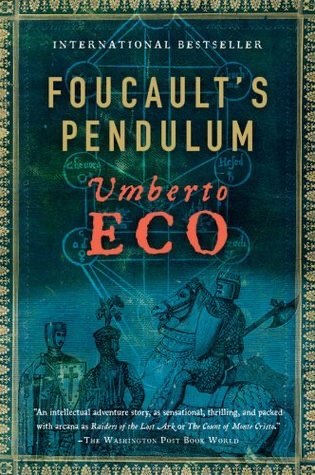
 Foucault's Pendulum
Quotes from the Book
There is only one thing that you write for yourself, and that is a shopping list.
25
What use is this intangible power we call literature? The obvious reply is the one I have already made, namely, that it is consumed for its own sake and therefore does not have to serve any purpose. But such a disembodied view of the pleasure of literature risks reducing it to the status of jogging or doing crossword puzzles—both of which primarily serve some purpose, the former the health of the body, the latter the expansion of one’s vocabulary. What I intend to discuss is therefore a series of roles that literature plays in both our individual and our social lives.
And indeed, why should we think words “allow us to see,” when they were invented precisely to speak of what is not before our eyes and what cannot be pointed at with a finger? The most words can do (since they produce emotional effects) is to lead us to imagine.
… an aphorism expresses a commonplace in a brilliant way.
Text is like a musical score. It is true that Anna Karenina commits suicide in the same sense that is true that Beethoven's Fifth Symphony is in C minor (and not in F major, like the Sixth) and begins with G,G,G,E-flat.
Watch on YouTube
About Umberto Eco
We have collected 160 quotes from 9 books by Umberto Eco on BookQuoters.
More about the author →More by Umberto Eco
All books by Umberto Eco →
About the book
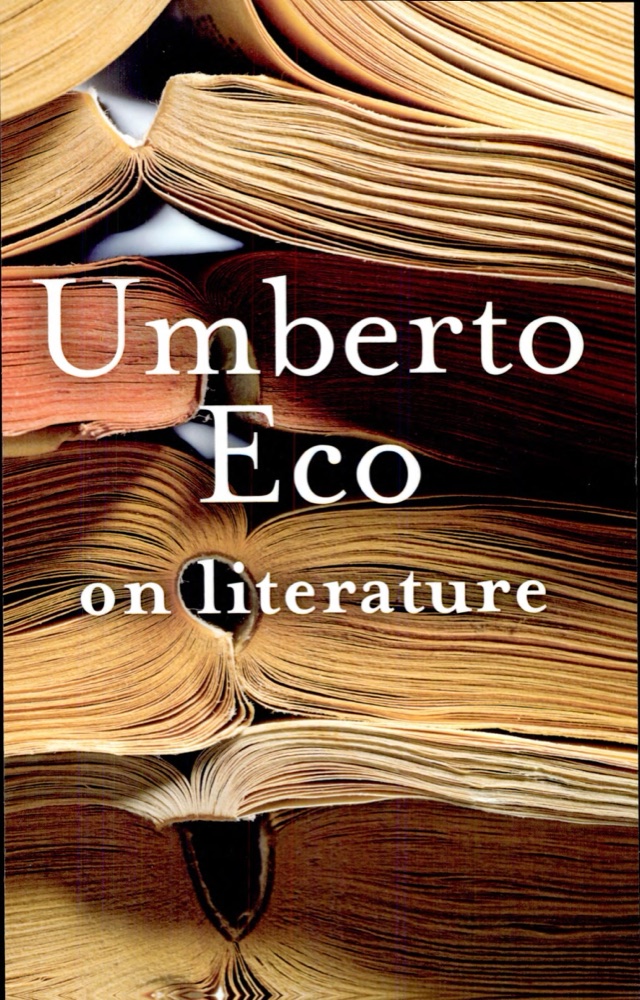
In this collection of essays and addresses delivered over the course of his illustrious career, Umberto Eco seeks "to understand the chemistry of [his] passion" for the word. From musings on Ptolemy and "the force of the false" to reflections on the experimental writing of Borges and Joyce, Eco's luminous intelligence and encyclopedic knowledge are on dazzling display throughout. And when he reveals his own ambitions and superstitions, his authorial anxieties and fears, one feels like a secret sharer in the garden of literature to which he so often alludes. Remarkably accessible and unfailingly stimulating, this collection exhibits the diversity of interests and the depth of knowledge that have made Eco one of the world's leading writers. On some functions of literature -- A reading of the Paradiso -- On the style of The communist manifesto -- The mists of the Valoi -- Wilde : para
Book details
- First published
- 2002
- Author
- Umberto Eco
- Genre
- Nonfiction
- Goodreads rating
- 3.95 (2k ratings)
Keep reading
 Selected Non-Fictions
 Reality Hunger: A Manifesto
 The Wave in the Mind: Talks and Essays on the Writer, the Reader and the Imagination
 The Elements of Eloquence: How to Turn the Perfect English Phrase
 An Experiment in Criticism
 The Common Reader
 How to Read Literature
 Burning Questions: Essays and Occasional Pieces, 2004 to 2021
 Flaubert's Parrot
 What We See When We Read
 A Poetry Handbook
 Dæmon Voices
 Lectures on Literature
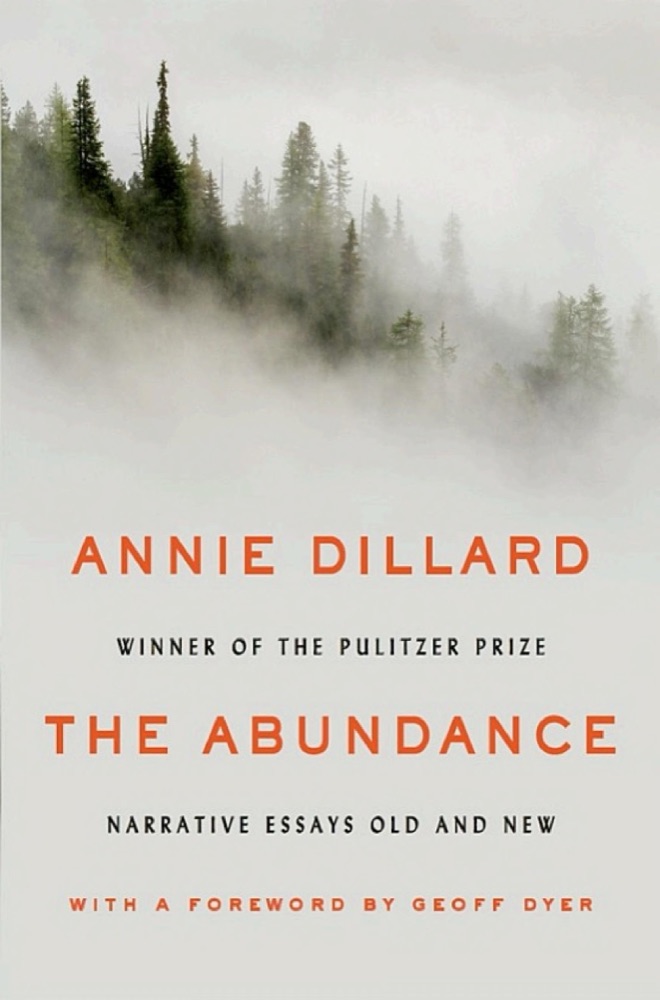 The Abundance
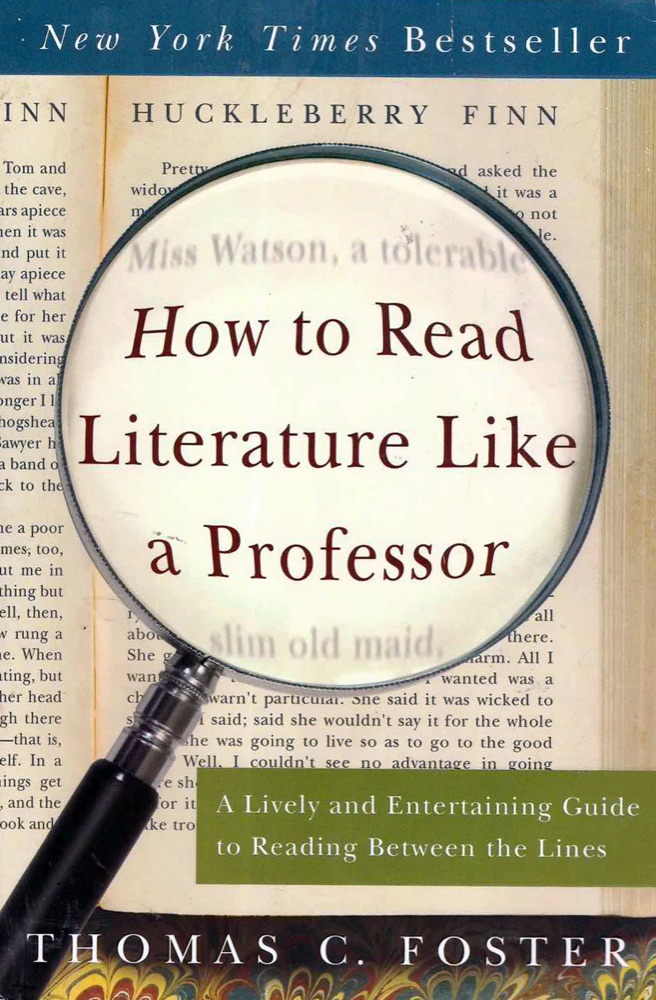 How to Read Literature Like a Professor
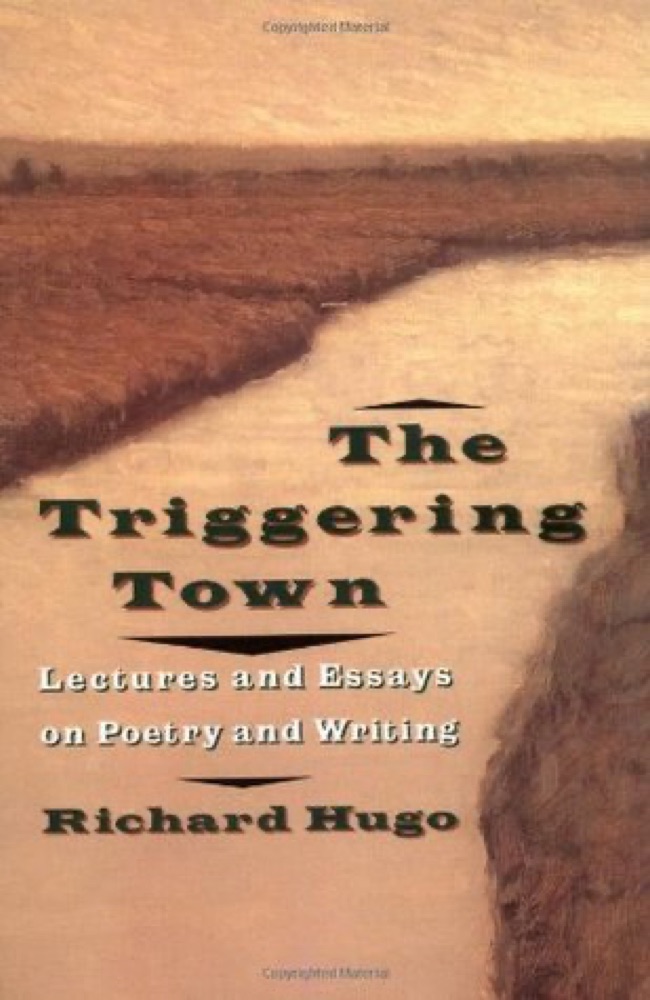 The Triggering Town: Lectures and Essays on Poetry and Writing
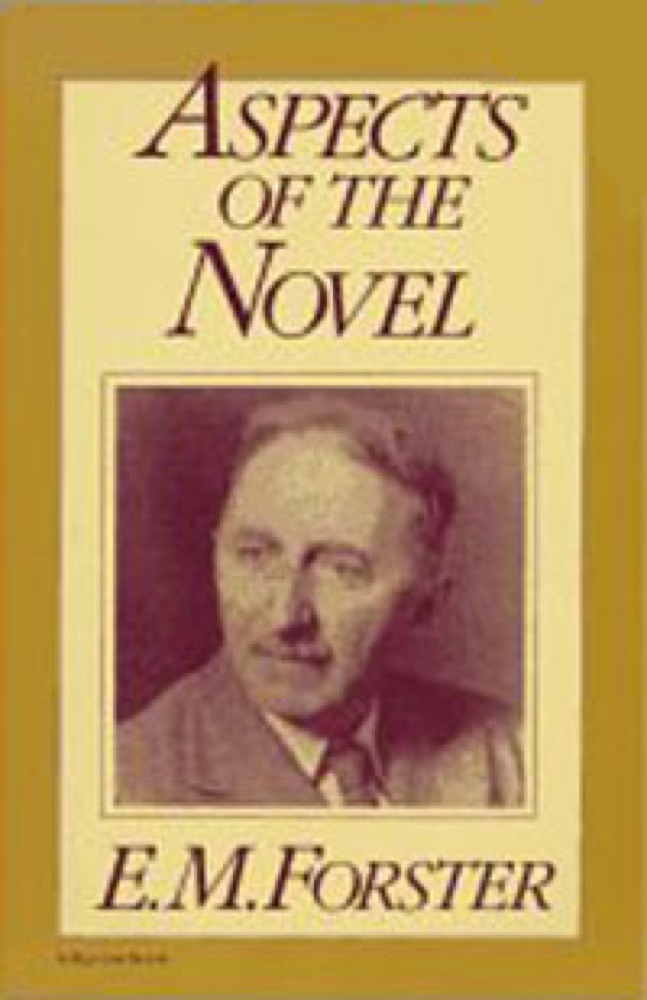 Aspects of the Novel
 The View from the Cheap Seats: Selected Nonfiction
 The Name of the Rose
 The Language of the Night: Essays on Writing, Science Fiction, and Fantasy
 If You Want to Write: A Book about Art, Independence and Spirit
 The Essays of Ralph Waldo Emerson
 Only Dull People Are Brilliant at Breakfast
 The Art of the Novel
 A Novel Bookstore
 The Writing Life
 Monday or Tuesday
 The Word Exchange
 Reading Like a Writer: A Guide for People Who Love Books and for Those Who Want to Write Them
 Crome Yellow
 The Rabbit Back Literature Society
 Incidental Inventions
 Sin and Syntax: How to Craft Wickedly Effective Prose
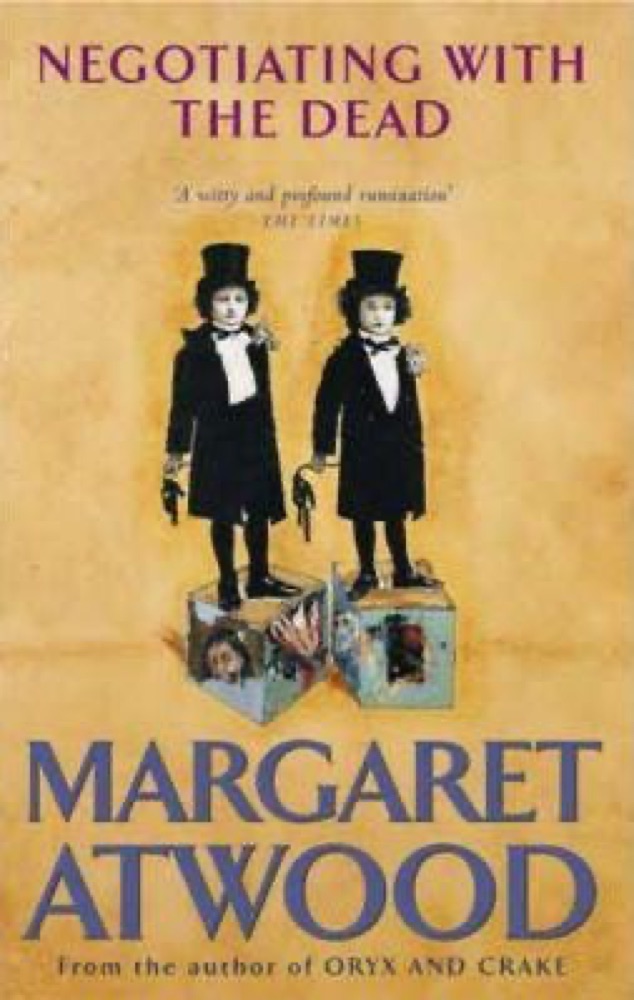 Negotiating with the Dead: A Writer on Writing
 The Anthologist
 Poison for Breakfast
 Madness, Rack, and Honey: Collected Lectures
 Both Flesh and Not: Essays
 The Book of Laughter and Forgetting
 The Braindead Megaphone
 The Book of Form and Emptiness
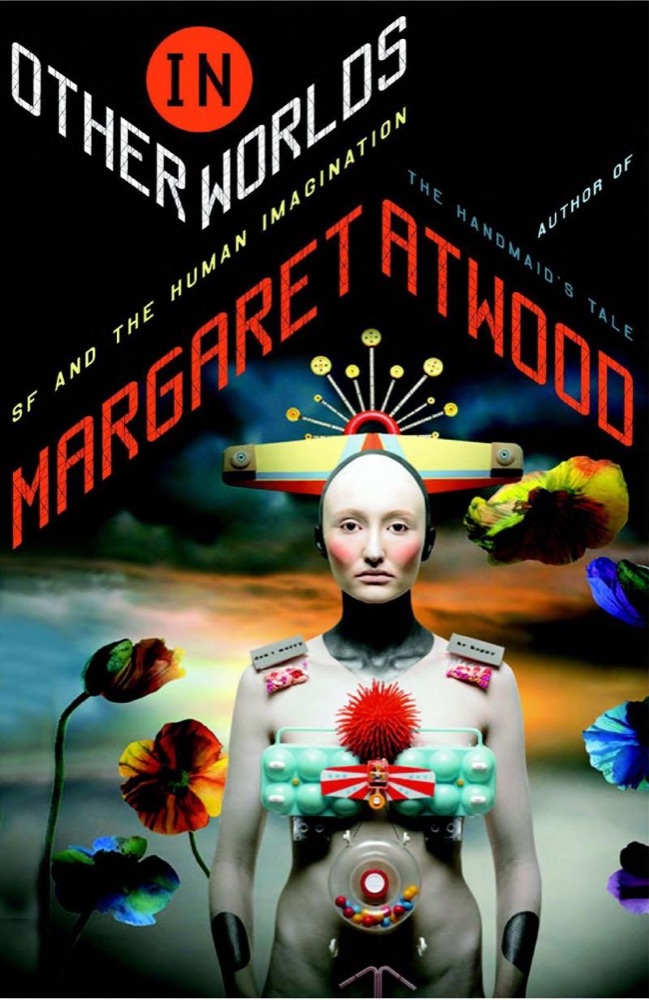 In Other Worlds: SF and the Human Imagination
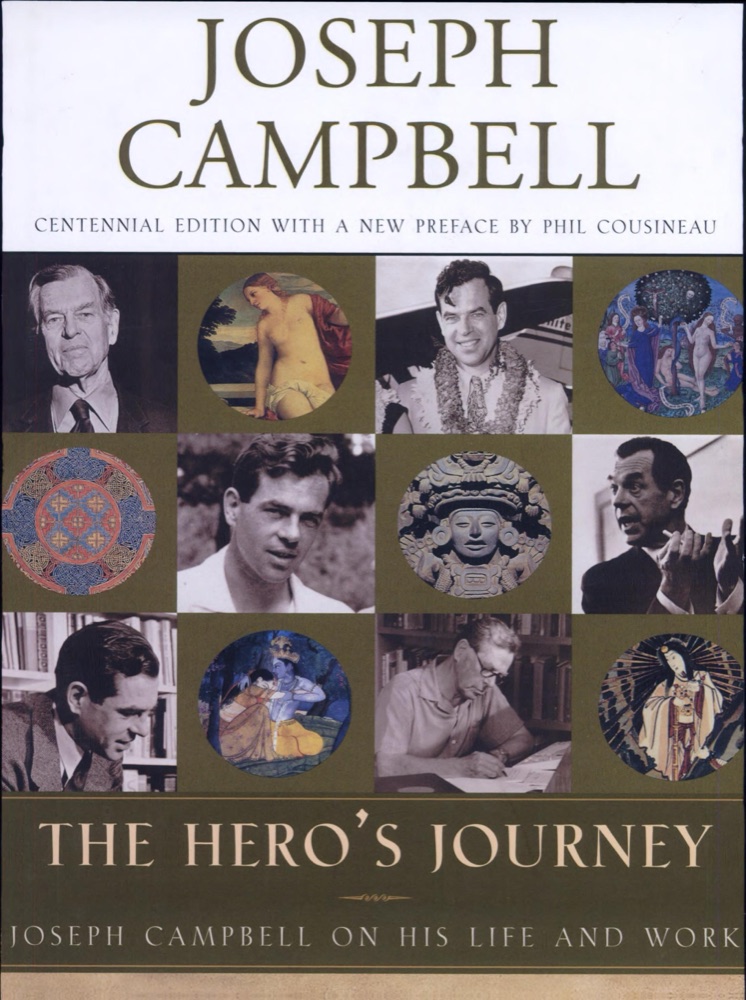 The Hero's Journey: Joseph Campbell on His Life & Work
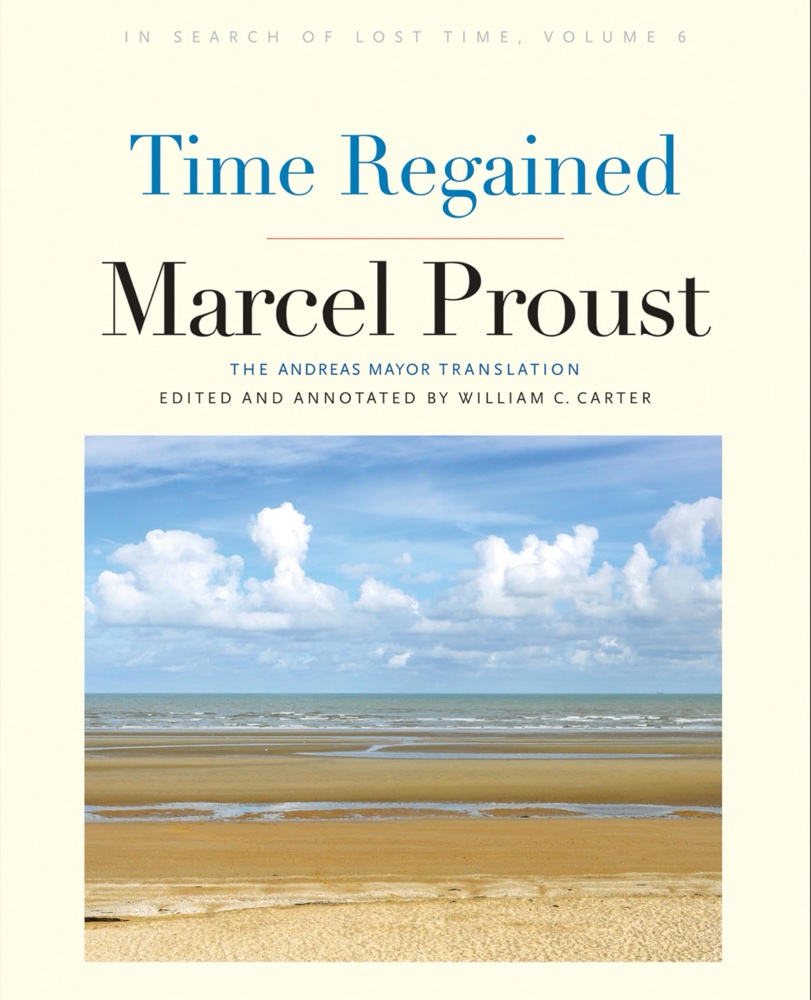 Time Regained
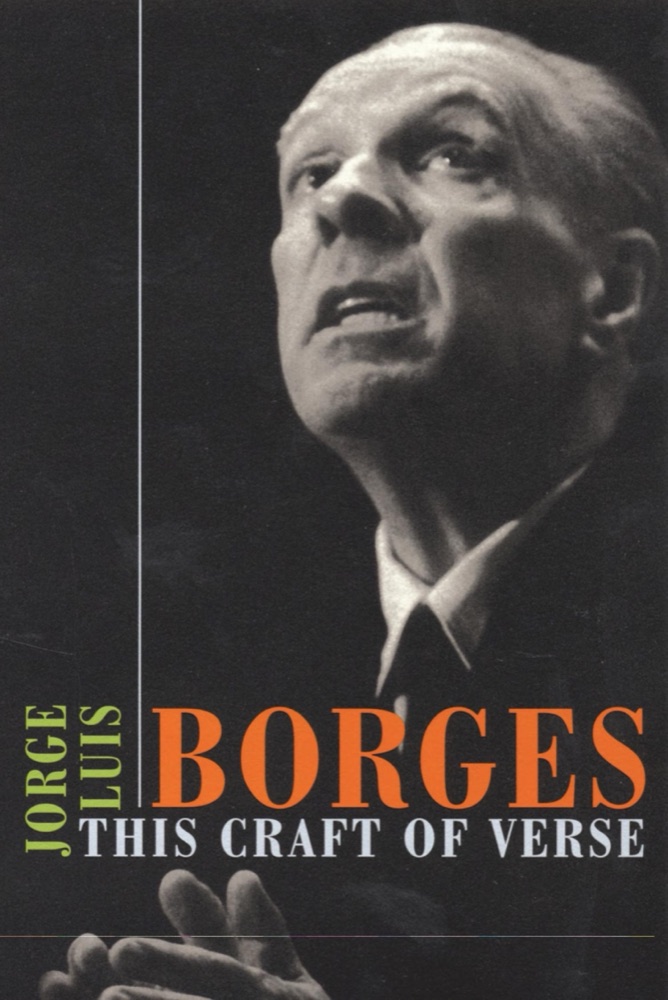 This Craft of Verse
 The World as Will and Representation, Vol 1
 Utopia Avenue
 The Medium is the Massage
 Illuminations: Essays and Reflections
 The Stuff of Thought: Language as a Window into Human Nature
 The Pleasure of the Text
 The Names
 Silence: Lectures and Writings
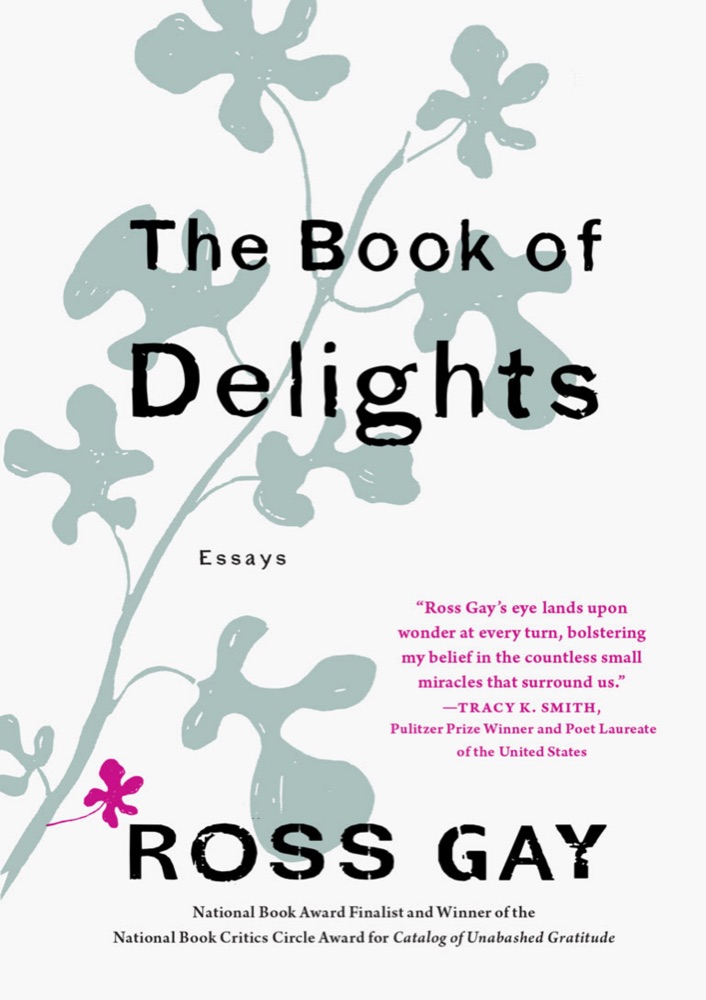 The Book of Delights: Essays
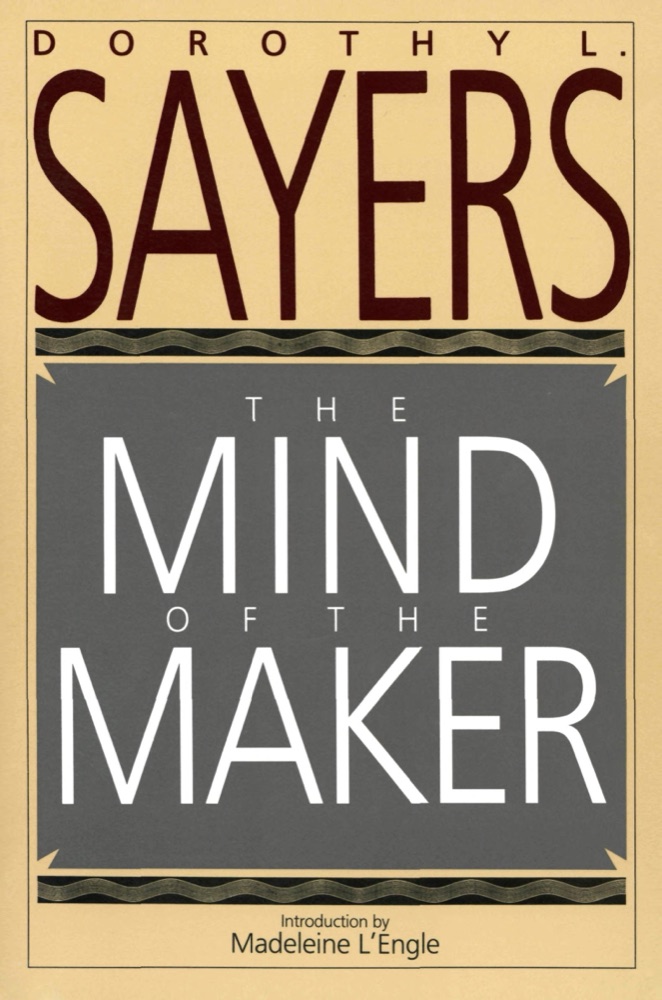 The Mind of the Maker: Dorothy L. Sayers' Witty Classic on the Trinity, Christianity, and Human Creativity
 How to Read a Book: The Classic Guide to Intelligent Reading
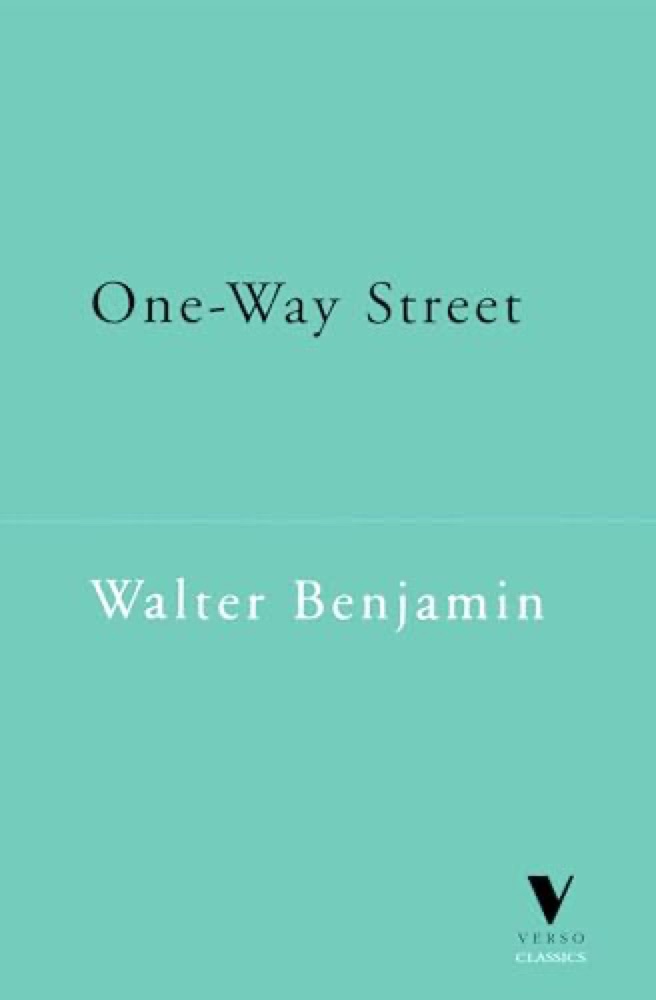 One Way Street And Other Writings
 The Summer Without Men
 Philosophical Investigations
 The Wisdom of Life