
 Minima Moralia: Reflections on a Damaged Life
Quotes from the Book
I have no hobby. As far as my activities beyond the bounds of my recognized profession are concerned, I take them all, without exception, very seriously. So much so, that I should be horrified by the idea that they had anything to do with hobbies—preoccupations in which I had become mindlessly infatuated in order to kill the time—had I not become hardened by experience to such examples of this now widespread, barbarous mentality.
19
In contrast to the Kantian, the categorical imperative of the culture industry no longer has anything in common with freedom. It proclaims: you shall conform, without instruction as to what; conform to that which exists anyway as a reflex of its power and omnipresence. The power of the culture industry's ideology is such that conformity has replaced consciousness.
15
The culture industry is not the art of the consumer but rather the projection of the will of those in control onto their victims. The automatic self-reproduction of the status quo in its established forms is itself an expression of domination.
11
The neon signs which hang over our cities and outshine the natural light of the night with their own are comets presaging the natural disaster of society, its frozen death.
10
Illusory universality is the universality of the art of the culture industry, it is the universality of the homogeneous same, an art which no longer even promises happiness but only provides easy amusement as relief from labour.
8
Amusement under late capitalism is the prolongation of work. It is sought after as an escape from the mechanised work process, and to recruit strength in order to be able to cope with it again. But at the same time mechanisation has such power over a man’s leisure and happiness, and so profoundly determines the manufacture of amusement goods, that his experiences are inevitably after-images of the work process itself. The ostensible content is merely a faded foreground; what sinks in is the automatic succession of standardised operations. What happens at work, in the factory, or in the office can only be escaped from by approximation to it in one’s leisure time.
7
The whole world is passed through the filter of the culture industry. The familiar experience of the moviegoer, who perceives the street outside as a continuation of the film he has just left, because the film seeks strictly to reproduce the world of everyday perception, has become the guideline of production. The more densely and completely its techniques duplicate empirical objects, the more easily it creates the illusion that the world outside is a seamless extension of the one which has been revealed in the cinema.
1
Reduzidas a pura homenagem, as obras de arte pervertidas e corruptas são secretamente empurradas pelos beneficiados para o meio dos trastes, com os quais são assimiladas. Os consumidores podem se alegrar que haja tanta coisa para ver e ouvir. Praticamente pode-se ter tudo.
1
Se se quisesse responder à questão sem asserções ideológicas, torna-se-ia imperiosa a suspeita de que o tempo livre tende em direção contrária à de seu próprio conceito, tornando-se paródia, deste. Nele se prolonga a não-liberdade tão desconhecida da maioria das pessoas não-livres como a sua não-liberdade em si mesma.
As pessoas não percebem o quanto não são livres lá onde mais livres se sentem, porque a regra de tal ausência de liberdade foi abstraída delas.
Falar de cultura foi sempre contra a cultura. O denominador "cultura" já contém, virtualmente, a tomada de posse, o enquadramento, a classificação que a cultura assume no reino da administração. Só a "administração" industrializada, radical e consequente, é plenamente adequada a esse conceito de cultura.
Divertir-se significa que não devemos pensar, que devemos esquecer a dor, mesmo onde ela se mostra. Na base do divertimento planta-se a impotência. É, de fato, fuga, mas não, como pretende, fuga da realidade perversa, mas sim do ultimo grão de resistência que a realidade ainda pode haver deixado. A libertação prometida pelo entretenimento é a do pensamento como negação.
Watch on YouTube
About Theodor W. Adorno
We have collected 49 quotes from 3 books by Theodor W. Adorno on BookQuoters.
More about the author →More by Theodor W. Adorno
Minima Moralia: Reflections on a Damaged Life
 Aesthetic Theory
About the book
The creation of the Frankfurt School of critical theory in the 1920s saw the birth of some of the most exciting and challenging writings of the twentieth century. It is out of this background that the great critic Theodor Adorno emerged. His finest essays are collected here, offering the reader unparalleled insights into Adorno's thoughts on culture. He argued that the culture industry commodified and standardized all art. In turn this suffocated individuality and destroyed critical thinking. At the time, Adorno was accused of everything from overreaction to deranged hysteria by his many detractors. In today's world, where even the least cynical of consumers is aware of the influence of the media, Adorno's work takes on a more immediate significance. The Culture Industry is an unrivalled indictment of the banality of mass culture.
Book details
- First published
- 1944
- Author
- Theodor W. Adorno
- Genre
- Philosophy
- Goodreads rating
- 4.05 (6k ratings)
Keep reading
 A Thousand Plateaus: Capitalism and Schizophrenia
 Anti-Oedipus: Capitalism and Schizophrenia
 Dialectic of Enlightenment: Philosophical Fragments
 The Revolt of the Masses
 Suicide: A Study in Sociology
 Sculpting in Time
 Literary Theory: An Introduction
 Brave New World / Brave New World Revisited
 The Scent of Time: A Philosophical Essay on the Art of Lingering
 Testaments Betrayed: An Essay in Nine Parts
 Ghosts of My Life: Writings on Depression, Hauntology and Lost Futures
 From Dawn to Decadence: 500 Years of Western Cultural Life, 1500 to the Present
 The Coming Insurrection
 The Age of Absurdity: Why Modern Life makes it Hard to be Happy
 First As Tragedy, Then As Farce
 Empire of Illusion: The End of Literacy and the Triumph of Spectacle
Minima Moralia: Reflections on a Damaged Life
Empire of Illusion: The End of Literacy and the Triumph of Spectacle
Minima Moralia: Reflections on a Damaged Life
 Upside Down: A Primer for the Looking-Glass World
 The Temptation to Exist
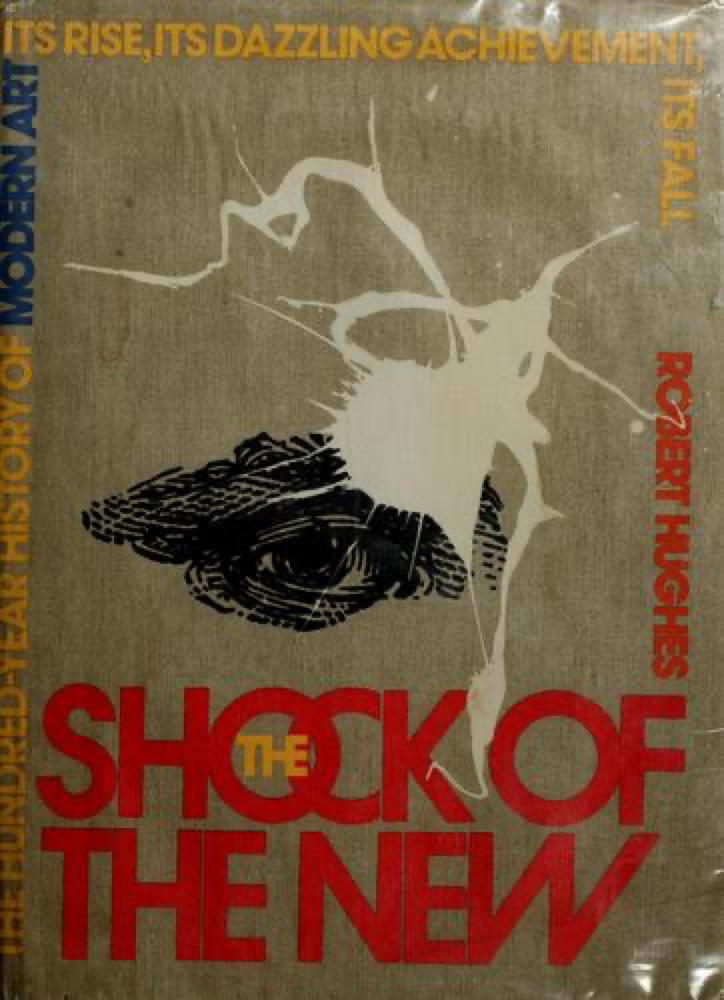 The Shock of the New
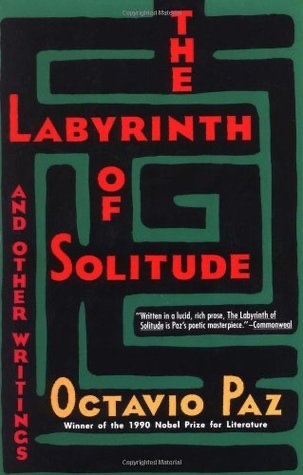 The Labyrinth of Solitude and Other Writings
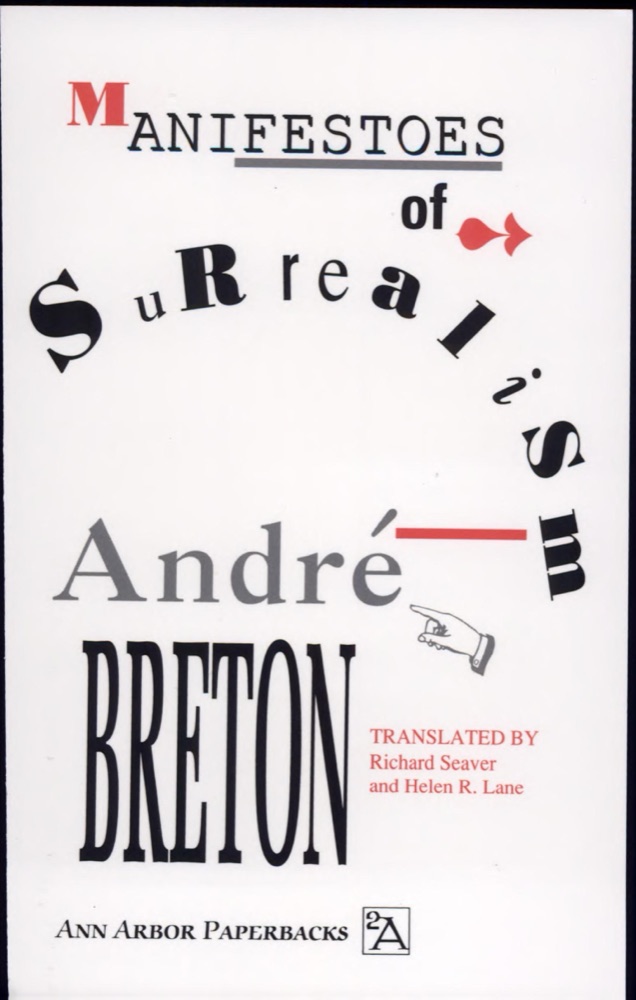 Manifestoes of Surrealism
 Diary of a Bad Year
 Understanding Media: The Extensions of Man
 The Big Green Tent
 Selections from the Prison Notebooks
 One-Dimensional Man: Studies in the Ideology of Advanced Industrial Society
 The Society of the Spectacle
 America
 Psychopolitics: Neoliberalism and New Technologies of Power
 Cultural Amnesia: Necessary Memories from History and the Arts
 Brave New World Revisited
 God and the State
 The Culture of Narcissism: American Life in An Age of Diminishing Expectations
 Doctor Faustus
 My Last Sigh
 Ficciones
 The Captive Mind
 The Order of Things: An Archaeology of the Human Sciences
 Eros and Civilization: A Philosophical Inquiry into Freud
 Old Masters: A Comedy
 Untimely Meditations
 Amusing Ourselves to Death: Public Discourse in the Age of Show Business
 Food of the Gods: The Search for the Original Tree of Knowledge
 The Birth of Tragedy
 Psychology and Religion
 The Vocation Lectures: Science as a Vocation/Politics as a Vocation
 Simulacra and Simulation
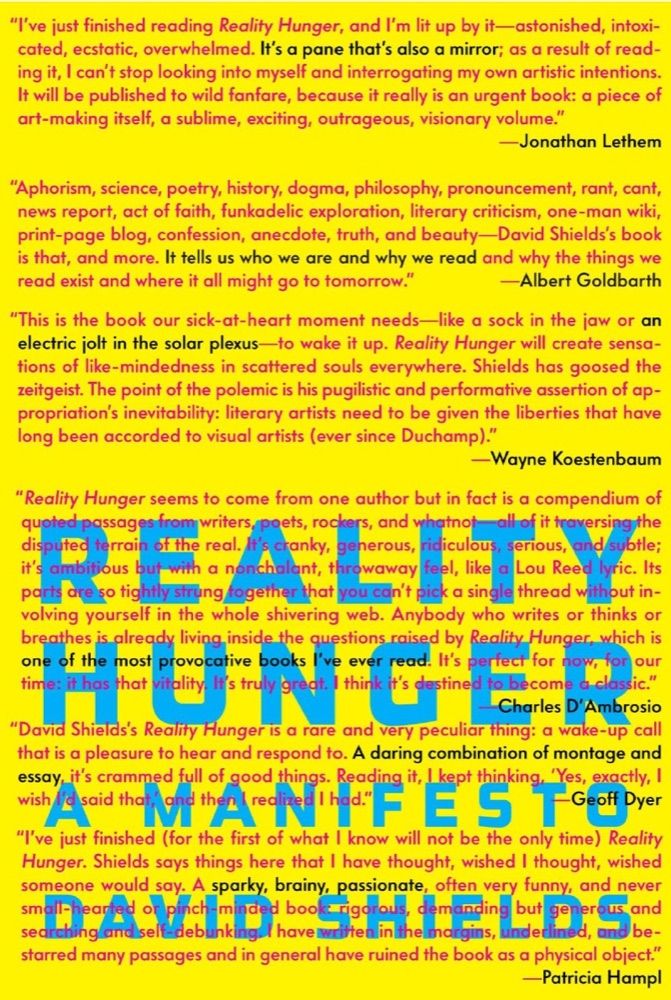 Reality Hunger: A Manifesto
 The Burnout Society
 Sexual Personae: Art and Decadence from Nefertiti to Emily Dickinson
 Whose Story Is This? Old Conflicts, New Chapters
 Eyeless in Gaza
 The Historian's Craft: Reflections on the Nature and Uses of History and the Techniques and Methods of Those Who Write It.
 The Crisis of the Modern World
 The Curtain: An Essay in Seven Parts
 The Arcades Project
 In Praise of Idleness and Other Essays
 Herzog on Herzog
 The New Penguin History of The World