

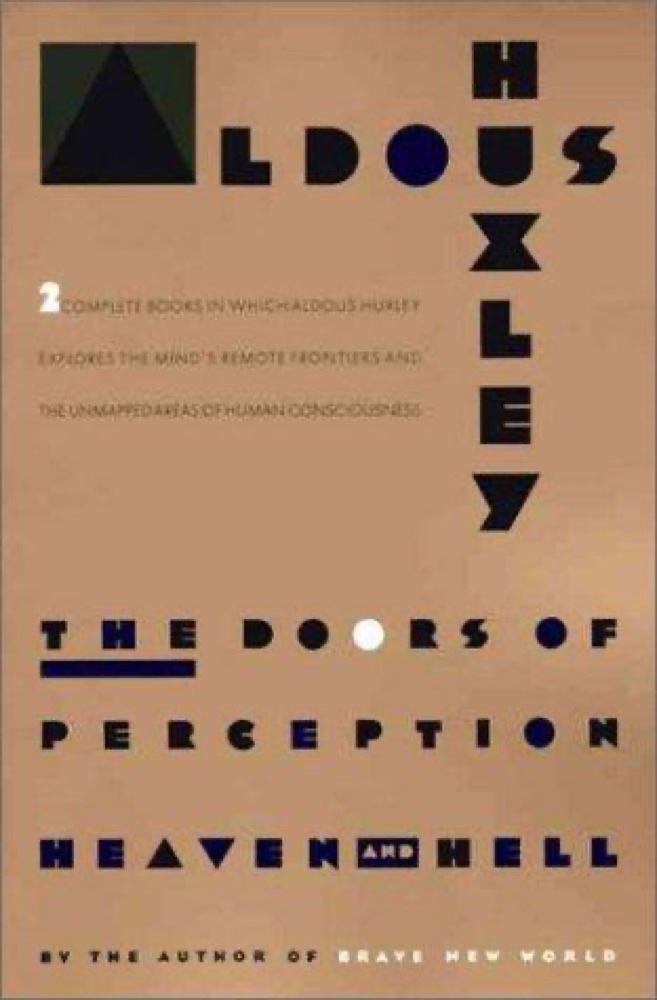
 The Doors of Perception & Heaven and Hell
Quotes from the Book
Chastity—the most unnatural of all the sexual perversions, he added parenthetically, out of Remy de Gourmont.
350
Hell is the incapacity to be other than the creature one finds oneself ordinarily behaving as.
39
I used to think I had no will to power. Now I perceive that I vented it on thoughts, rather than people. Conquering an unknown province of knowledge. Getting the better of a problem. Forcing ideas to associate or come apart. Bullying recalcitrant words to assume a certain pattern. All the fun of being a dictator without any risks and responsibilities.
18
But if one doesn't really exist, one wonders why..." she hesitated. "Why one makes such a fuss about things," Anthony suggested. "All that howling and hurrahing and gnashing of teeth. About the adventures of a self that isn't really a self—just the result of a lot of accidents. And of course," he went on, "once you start wondering, you see at once that there is no reason for making such a fuss. And then you don't make a fuss—that is, if you're sensible. Like me," he added, smiling.
13
That was the chief difference between literature and life. In books, the proportion of exceptional to commonplace people is high; in reality, very low.
10
Life was so short, and books so countlessly many.
8
That which besets me is indifference. I can't be bothered about people. Or rather, won't. For I avoid, carefully, all occasions for being bothered... Indifference is a form of sloth, and sloth in its turn is one of the symptoms of loveless-ness. One isn't lazy about what one loves. The problem is: how to love?
8
Leaving you defenceless against the full consciousness of the fact that you can't do without your fellow humans, and that, when you're with them, they make you sick.
8
As though you could use violent, unjust means and achieve peace and justice! Means determine ends; and must be like the ends proposed. Means intrinsically different from the ends proposed achieve ends like themselves, not like those they were meant to achieve.
8
Certain memories, certain trains of thought are like the aching tooth one must always be touching just to make sure it still hurts.
6
Those who defend war have invented a pleasant sounding vocabulary of abstractions in which to describe the process of mass murder.
6
Indifference is a form of sloth. For one can work hard, as I've always done, and yet wallow in sloth; be industrious about one's job, but scandalously lazy about all that isn't the job. Because, of course, the job is fun. Whereas the non-job---personal relations, in my case---is disagreeable and laborious.
6
For now there is only the darkness expanding and deepening, deepening into light; there is only this final peace, this consciousness of being no more separate, this illumination . . .
4
The world was their love, and their love the world; and the world was significant, charged with depth beyond depth of mysterious meaning. The proof of God's goodness floated in those clouds, crept in those grazing sheep, shone from every burning bush of incandescent blossom – and, in himself and Joan, walked hand in hand across the grass and was manifest in their happiness. His love, it seemed to him, in that apocalyptic moment, was more than merely his; it was in some mysterious way the equivalent of this wind and sunshine, these white gleams against the green and blue of spring. His feeling for Joan was somehow implicit in the world, had a divine and universal significance. He loved her infinitely, and for that reason was able to love everything in the world as much as he loved her.
4
There's nothing like a re-creation of the event. Which is lucky. Think if one could fully remember perfume or kisses! How wearisome the reality of them would be!
4
He loved her infinitely, and for that reason was able to love everything in the world as much as he loved her.
3
He acted as if he could detect in her face nothing but its external beauties of form and texture. Whereas, of course, flesh is never wholly opaque; the soul shows through the walls of its receptacle.
3
Query: how to combine the belief that the world is a to a great extent illusory with belief that it is none the less essential to improve the illusion? How to be simultaneously dispassionate and not indifferent, serene like an old man and active like a young one?
2
I put the question to Miller: what will be the influence of the spread of knowledge such as this? Knowledge of a world incomparably more improbable and more beautiful than the imaginings of any myth-maker. A world, only a few years ago, completely unknown to all but a handful of people. What the effects of its general discovery by all? Miller laughed. 'It will have exactly as much or as little effect as people want it to have. Those who prefer to think about sex and money will go on thinking about sex and money. However loudly the movies proclaim the glory of God.' Persistence of the ingenuous notion that the response to favourable circumstances is inevitably and automatically good. Raw material, once again, to be worked up. One goes on believing in automatic progress, because one wants to cherish this stupidity: it's so consoling. Consoling, because it puts the whole responsibility for everything you do or fail to do on somebody or something other than yourself.
2
I, real I? But where, but how, but at what price?
2
Atat lumea in care traim,cat si noi,cei care vietuim in aceasta lume,suntem creatiile stupiditatii si ale miopiei.
2
Iadul este incapacitatea de a fi altul decat fiinta pe care o descoperi actionand zilnic in numele tau.
2
Reflect that we all have our Poonas, bolt-holes from unpleasant reality. The danger, as Miller is always insisting, of meditation becoming such a bolt-hole. Quietism can be mere self-indulgence. Charismata like masturbations. Masturbations, however, that are dignified, by the amateur mystics who practise them, with all the most sacred names of religion and philosophy. 'The contemplative life.' It can be made a kind of high-brow substitute for Marlene Dietrich: a subject for erotic musings in the twilight. Meditation - valuable, not as a pleasurable end; only as a means for effecting desirable changes in the personality and mode of existence. To live contemplatively is not to live in some deliciously voluptuous or flattering Poona; it is to live in London, but to live there in a non-cockney style.
1
But man now behaves like the Pharisees and insists that he is made for all the things—science, industry, nation, money, religion, schools—which were really made for him. Why? Because he is so little aware of his own interests as a human being that he feels irresistibly tempted to sacrifice himself to these idols. There is no remedy except to become aware of one's interests as a human being, and, having become aware, to learn to act on that awareness. Which means learning to use the self and learning to direct the mind. It's almost wearisome, the way one always comes back to the same point. Wouldn't it be nice, for a change, if there were another way out of our difficulties! A short cut. A method requiring no greater personal effort than recording a vote or ordering some 'enemy of society' to be shot. A salvation from outside, like a dose of calomel.
1
He himself, Anthony went on to think, he himself had chosen to regard the whole process as either pointless or a practical joke. Yes, chosen. For it had been an act of the will. If it were all nonsense or a joke, then he was at liberty to read his books and exercise his talents for sarcastic comment; there was no reason why he shouldn't sleep with any presentable woman who was ready to sleep with him. If it weren't nonsense, if there was some significance, then he could no longer live irresponsibly. There were duties towards himself and others and the nature of things. Duties with whose fulfilment the sleeping and the indiscriminate reading and the habit of detached irony would interfere. He had chosen to think it nonsense, and nonsense for more than twenty years the thing had seemed to be – nonsense, in spite of occasional uncomfortable intimations that there might be a point, and that the point was precisely in what he had chosen to regard as the pointlessness, the practical joke.
1
The sabbath was made for man. But man now behaves like the Pharisees and insists that he is made for all the things—science, industry, nation, money, religion, schools—which were really made for him. Why? Because he is so little aware of his own interests as a human being that he feels irresistibly tempted to sacrifice himself to these idols. There is no remedy except to become aware of one’s interests as a human being, and, having become aware, to learn to act on that awareness. Which means learning to use the self and learning to direct the mind. It’s almost wearisome, the way one always comes back to the same point. Wouldn’t it be nice, for a change, if there were another way out of our difficulties! A short cut. A method requiring no greater personal effort than recording a vote or ordering some ‘enemy of society’ to be shot. A salvation from outside, like a dose of calomel.
True freedom!’ Anthony repeated in the parody of a clerical voice. ‘I always love that kind of argument. The contrary of a thing isn’t the contrary; oh, dear me, no! It’s the thing itself, but as it truly is. Ask a diehard what conservatism is; he’ll tell you it’s true socialism. And the brewers’ trade papers; they’re full of articles about the beauty of True Temperance. Ordinary temperance is just a gross refusal to drink; but true temperance, true temperance is something much more refined. True temperance is a bottle of claret with each meal and three double whiskies after dinner. Personally, I’m all for true temperance, because I hate temperance. But I like being free. So I won’t have anything to do with true freedom.
Începe" răspunse Anthony, "prin a încerca să pui în practică dificila artă de a îndrăgi oamenii." "Dar majoritatea sunt detestabili." "Sunt detestabili fiindcă îi detestăm. Dacă i-am privi cu ochi buni, ar înceta să mai fie." "Crezi că ceea ce spui e adevărat?" "Sunt sigur că e adevărat" "Şi ce faci după asta?" "Nu există după asta", răspunse Anthony. "Fiindcă e o treabă care durează o viaţă întreagă. Orice proces de transformare durează o viaţă întreagă. De câte ori ajungi pe o culme, în faţa ochilor ţi se iveşte o nouă culme, o culme pe care nu o puteai vedea când te aflai mai jos. Să ne gândim de pildă la mecanismul alcătuit din spirit-trup. Începi prin a învăţa să-l utilizezi mai bine; faci câţiva paşi înainte: din această poziţie avansată descoperi că-l poţi utiliza şi mai bine. Şi aşa mai departe, la infinit. Scopul ideal se îndepărtează pe măsură ce te apropii de el; ţi se pare mereu că e altul, mai important decât cel întrevăzut în momentul când porniseşi la drum. Se întâmplă acelaşi lucru când începi să schimbi relaţiile pe care le ai cu oamenii. Fiecare pas înainte dă la iveală necesitatea de a face alţi paşi înainte - paşi pe care nu-i bănuiai anterior - pe o cale care te duce la o destinaţie necunoscută în momentul plecării. Da, durează o viaţă întreagă" repetă. "Nu poate exista "după". Poate exista numai o tentativă, făcută de-a lungul drumului, de a proiecta ceea ce ai descoperit la nivelul individual, pe plan politic şi economic. Una din primele descoperiri" adăugă, "una din primele descoperiri pe care le faci, este că ura organizată şi violenţa nu sunt cele mai bune mijloace pentru a asigura justiţia şi pacea. Toţi oamenii sunt în stare să iubească pe toţi ceilalţi oameni. Dar, în mod artificial, s-a pus stavilă dragostei de care eram în stare, ridicând bariere convenţionale de ură şi de violenţă şi zăgăzuind dragostea în limitele familiilor şi ale clanurilor, în limitele claselor şi ale naţiunilor. Unii doresc să dărâme aceste bariere, folosind mai multă ură, şi mai multă violenţă - cu alte cuvinte, folosind exact aceleaşi mijloace care au fost cauzele originare ale barierelor
Watch on YouTube
About Aldous Huxley
We have collected 363 quotes from 15 books by Aldous Huxley on BookQuoters.
More about the author →More by Aldous Huxley
All books by Aldous Huxley →

About the book
🎧Run Time = 15 hours and 38 minutes
A modernist classic from the author of Brave New World, who was hailed as “a genius” (The New Yorker): Cynical socialite Anthony Beavis searches for meaning in life — and his worldview is dramatically transformed after he joins the Mexican Revolution. “An important book” (The New York Times Book Review) performed by an Earphones Award–winning narrator! Though somewhat overshadowed by Brave New World and The Doors of Perception, Huxley’s modernist novel Eyeless in Gaza (1936) is often regarded as his finest work. The writer and historian Simon Heffer dubbed it, unequivocally, ‘his only great novel.’
The plot centres on Anthony Beavis, a dilettante social theorist, a man inclined to recoil from life. The pleasures of the physical world disgust him and the universe of ideas is but a poor refuge. Having long lost the art of intimacy, he betrays frie
Book details
- First published
- 1936
- Author
- Aldous Huxley
- Genre
- Fiction
- Goodreads rating
- 3.88 (3k ratings)
Keep reading
 Sexus
Sexus
 The Man Without Qualities
 Crome Yellow
 Point Counter Point
 Twilight of the Idols/The Anti-Christ
 The Fall
 V.
V.
 The Book of Laughter and Forgetting
 The Magus
 The Schopenhauer Cure
 The Magic Mountain
 The Gay Science
 Antic Hay
 The Elementary Particles
 The Joke
 The World as Will and Representation, Vol 1
 Either/Or: A Fragment of Life
 Identity
 The Temptation to Exist
 Daybreak: Thoughts on the Prejudices of Morality
 The Empusium
 The Myth of Sisyphus
 Oblomov
 The Ides of March
 The Man in the High Castle
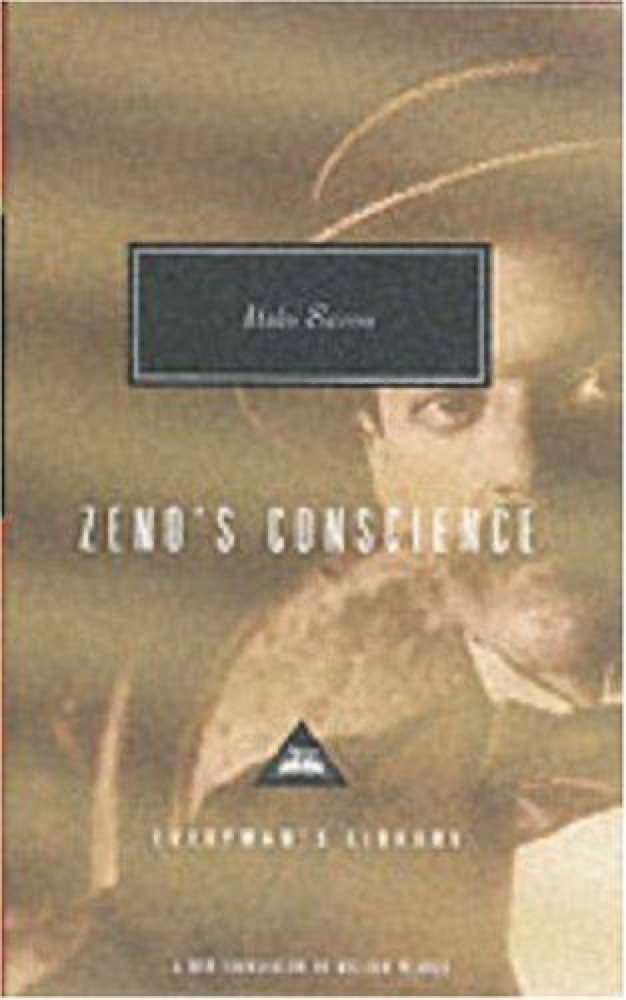 Zeno's Conscience
 Girl with Curious Hair
 Selected Stories
 Without Dogma
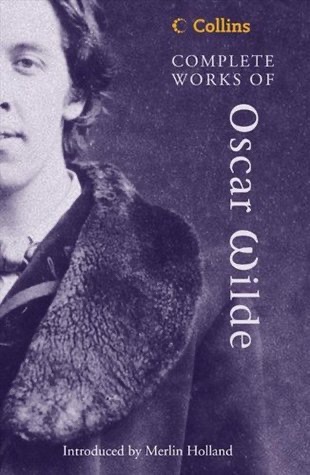 Complete Works of Oscar Wilde
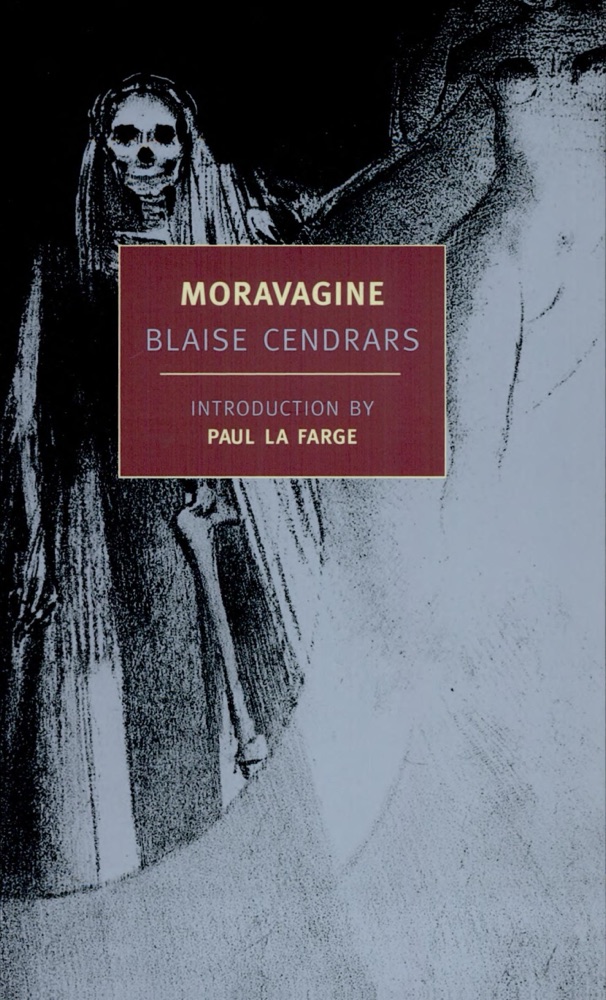 Moravagine
 Doctor Zhivago
 The Guermantes Way
 The Adolescent
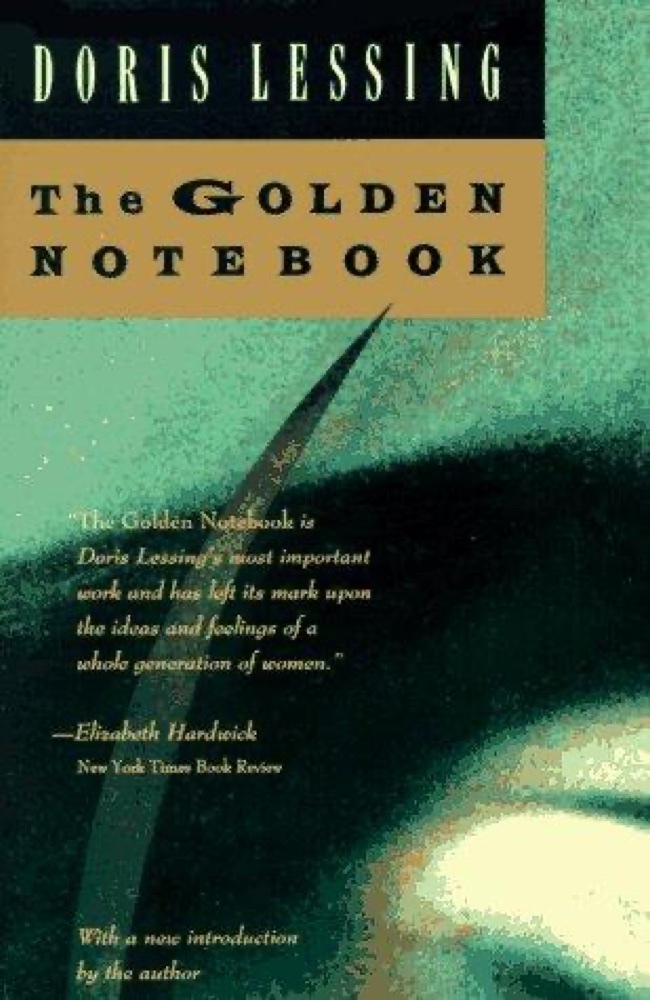 The Golden Notebook
 Stories of Your Life and Others
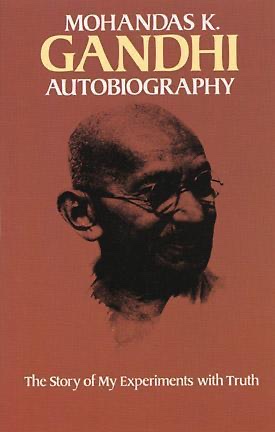 The Story of My Experiments With Truth
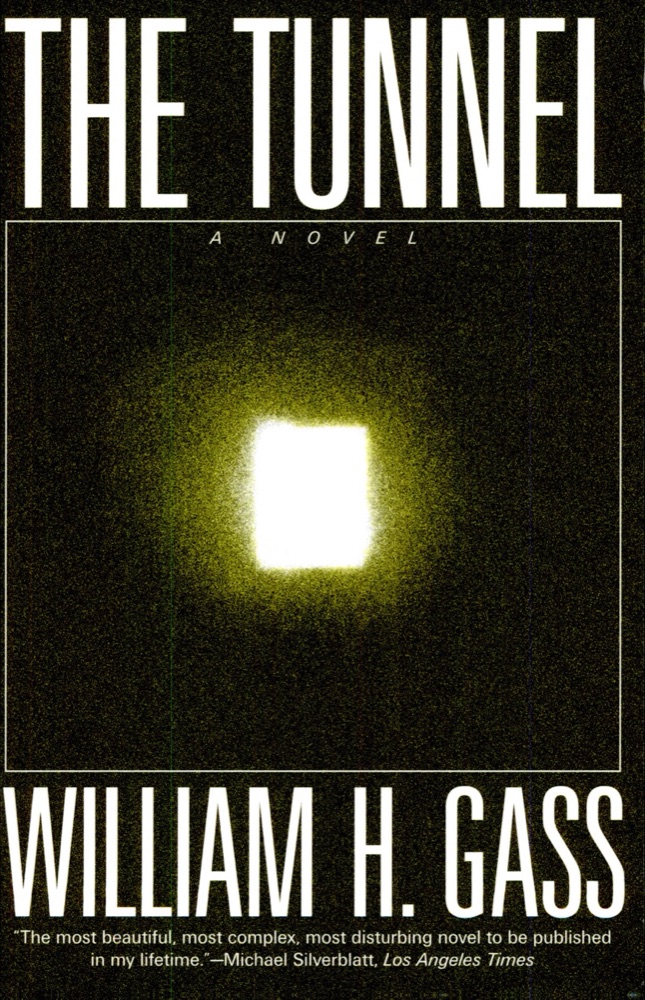 The Tunnel
 Daniel Deronda
 The Story of the Lost Child
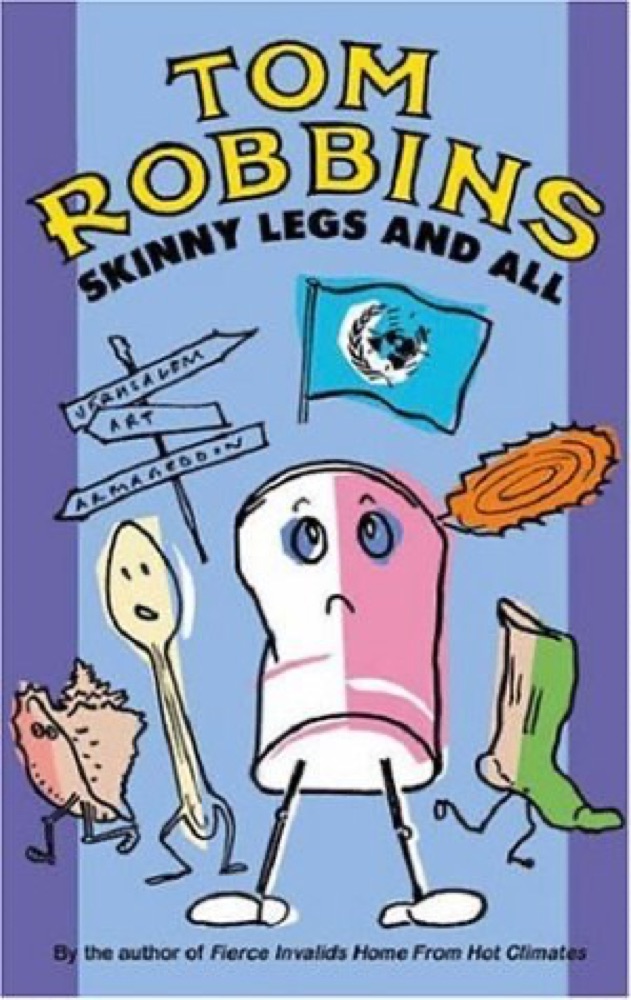 Skinny Legs and All
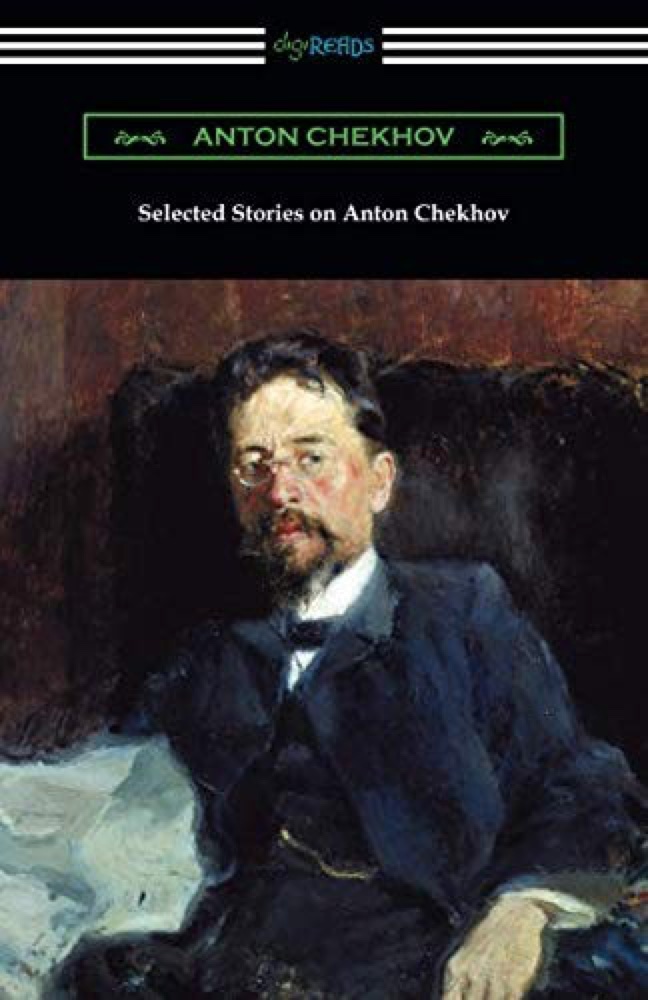 Selected Stories of Anton Chekhov
 Under Western Eyes
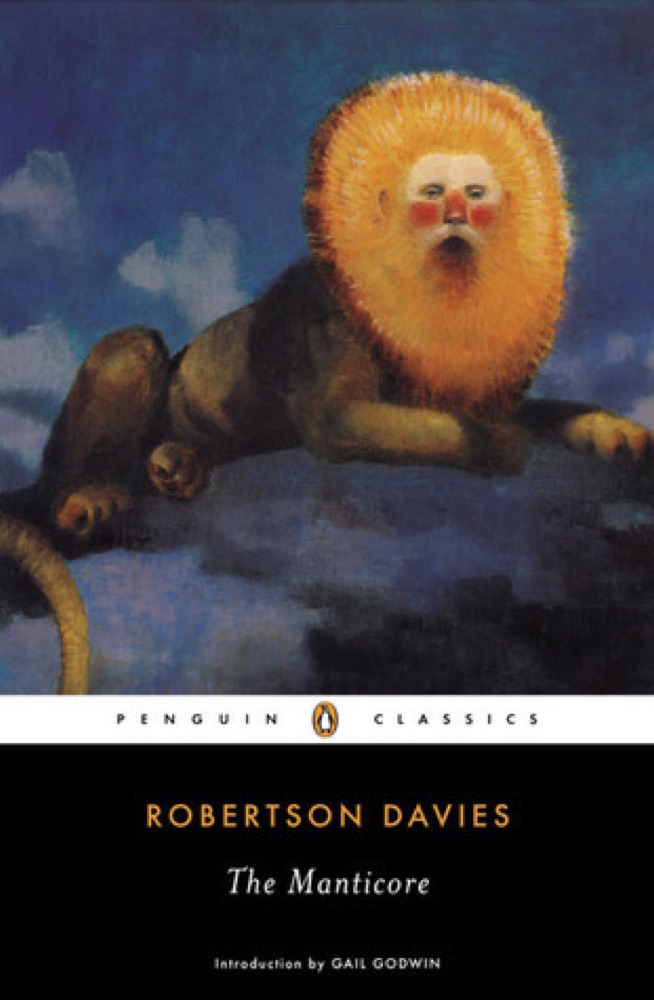 The Manticore
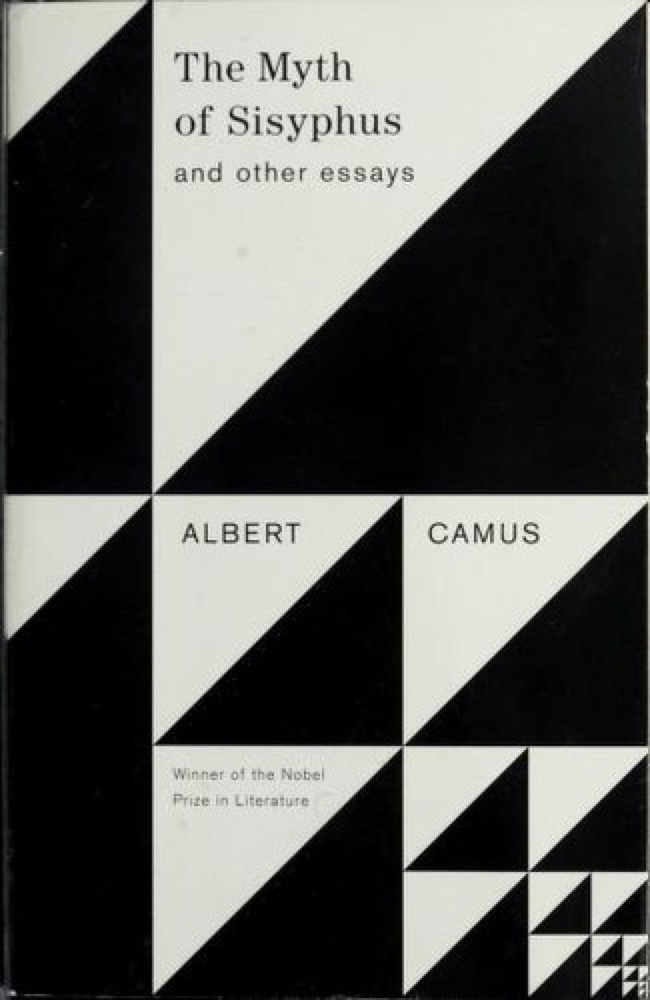 The Myth of Sisyphus and Other Essays
 The Stories of Vladimir Nabokov
 Whatever
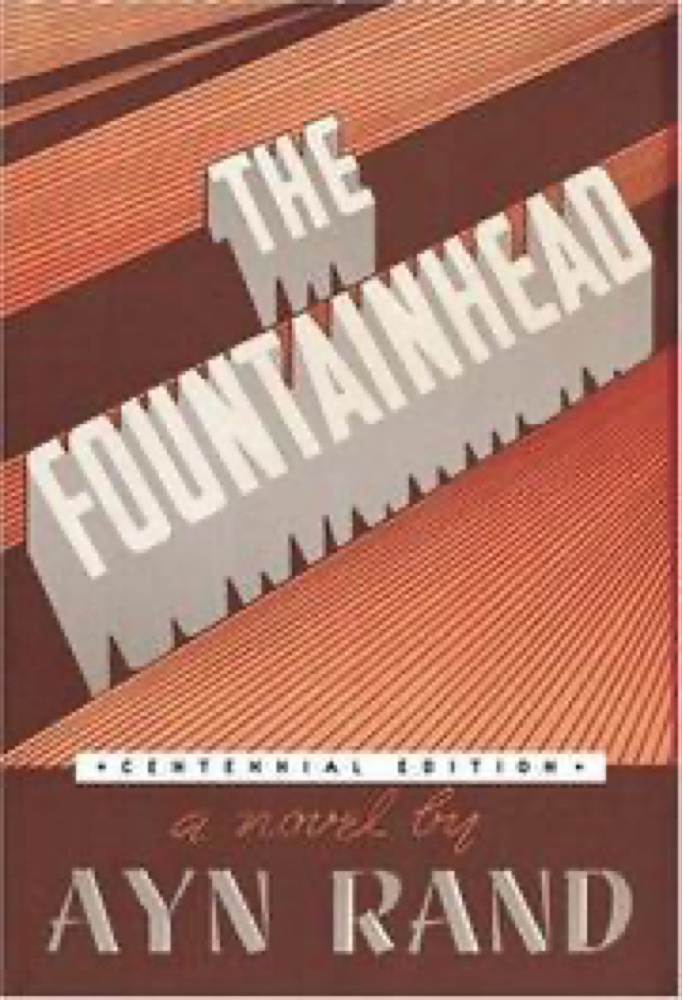 The Fountainhead
 Drive Your Plow Over the Bones of the Dead
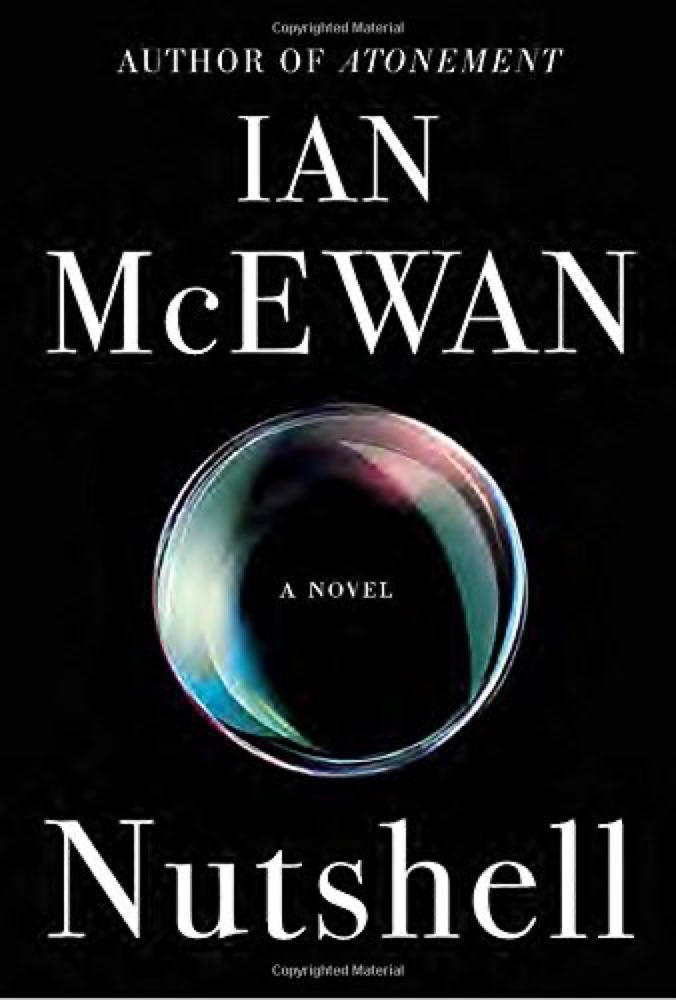 Nutshell
 Absalom, Absalom!
 Memories, Dreams, Reflections
 Infinite Jest
 In Search of Lost Time
 Monday or Tuesday
 The Human Stain
 The Lathe of Heaven
 A Short History of Decay
 Diary of a Drug Fiend
 The Gone-Away World