
 Minima Moralia: Reflections on a Damaged Life
Quotes from the Book
Art respects the masses, by confronting them as that which they could be, rather than conforming to them in their degraded state.
53
The darkening of the world makes the irrationality of art rational: radically darkened art.
35
Art is the social antithesis of society, not directly deducible from it.
31
The subjectivist approach to art simply fails to understand that the subjective experience of art in itself is meaningless, and that in order to grasp the importance of art one has to zero in on the artistic object rather than on the fun of the art lover.
5
Ever since Plato, bourgeois consciousness has deceived itself that objective antinomies could be mastered by steering a middle course between them, whereas the sought-out mean always conceals the antinomy and is torn apart by it.
2
It is self-evident that nothing concerning art is self-evident anymore, not its inner life, not its relation to the world, not even its right to exist.
1
If in keeping with Hegel’s insight all feeling related to an aesthetic object has an accidental aspect, usually that of psychological projection, then what the work demands from its beholder is knowledge, and indeed, knowledge that does justice to it: The work wants its truth and untruth to be grasped.
Watch on YouTube
About Theodor W. Adorno
We have collected 49 quotes from 3 books by Theodor W. Adorno on BookQuoters.
More about the author →More by Theodor W. Adorno
Minima Moralia: Reflections on a Damaged Life
 The Culture Industry
About the book
Perhaps the most important aesthetics of the twentieth century appears here newly translated, in English that is for the first time faithful to the intricately demanding language of the original German. The culmination of a lifetime of aesthetic investigation, Aesthetic Theory is Theodor W. Adorno's magnum opus, the clarifying lens through which the whole of his work is best viewed, providing a framework within which his other major writings cohere.
Book details
- First published
- 1970
- Author
- Theodor W. Adorno
- Genre
- Philosophy
- Goodreads rating
- 4.14 (3k ratings)
Keep reading
 Against Interpretation and Other Essays
 The Shock of the New
 What Is Art?
 Create Dangerously
 Sculpting in Time
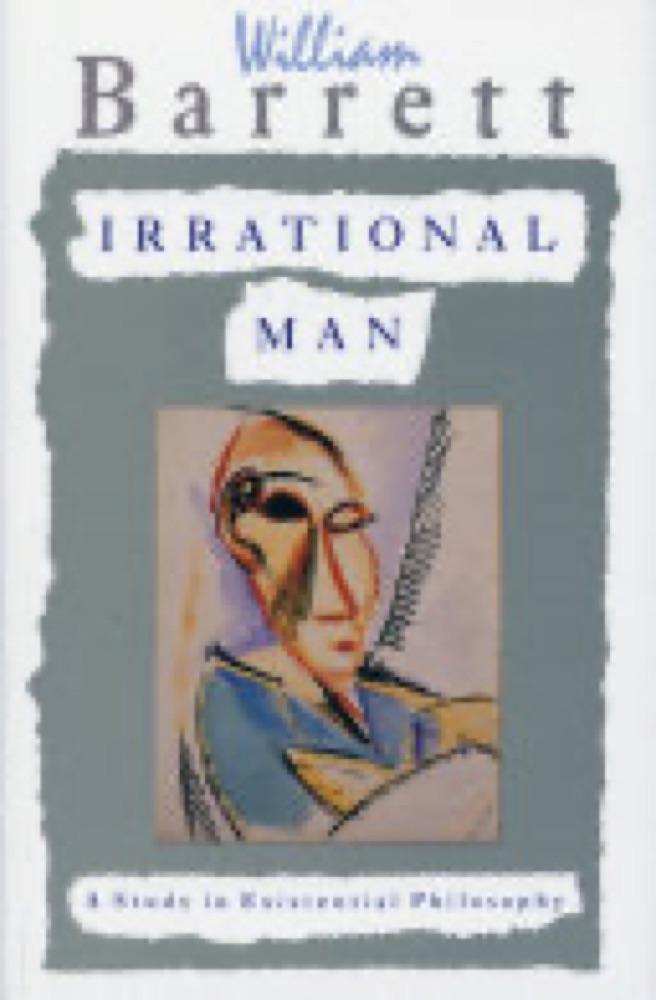 Irrational Man: A Study in Existential Philosophy
 Seven Days in the Art World
 The Parallax View
 Dialectic of Enlightenment: Philosophical Fragments
 The Romantic Manifesto
 The Birth of Tragedy
Minima Moralia: Reflections on a Damaged Life
The Birth of Tragedy
Minima Moralia: Reflections on a Damaged Life
 The Birth of Tragedy/The Case of Wagner
 Truth and Method
 Cultural Amnesia: Necessary Memories from History and the Arts
 Art as Therapy
 A History of Western Philosophy
 Art as Experience
 Illuminations: Essays and Reflections
 Sexual Personae: Art and Decadence from Nefertiti to Emily Dickinson
 Beauty
 The Improbability of Love
 Only Dull People Are Brilliant at Breakfast
 From Dawn to Decadence: 500 Years of Western Cultural Life, 1500 to the Present
 Understanding Comics: The Invisible Art
 The Courage to Create
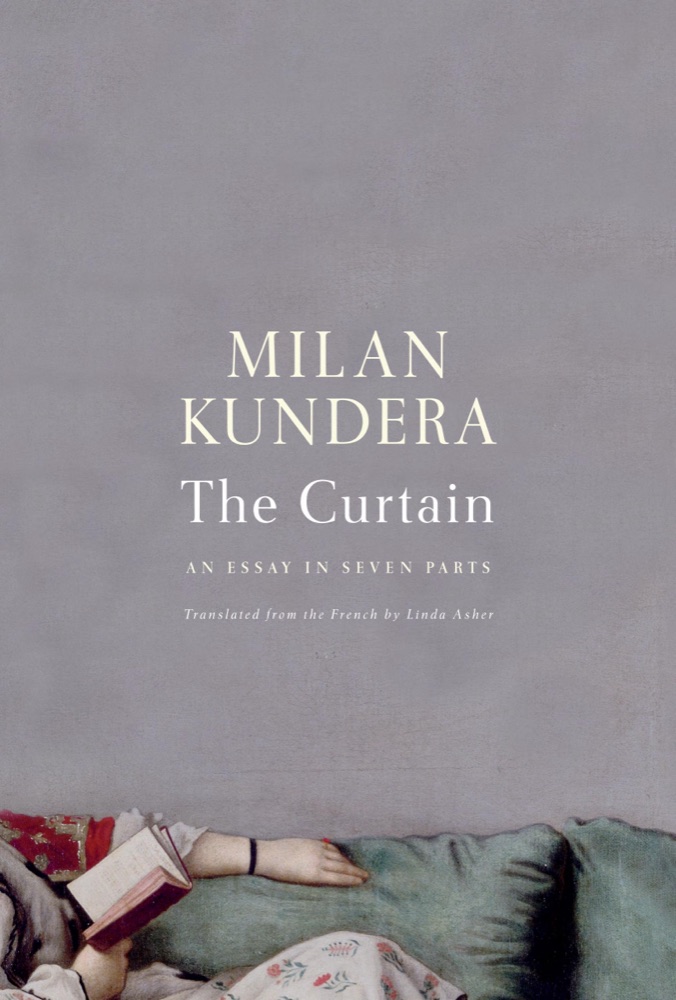 The Curtain: An Essay in Seven Parts
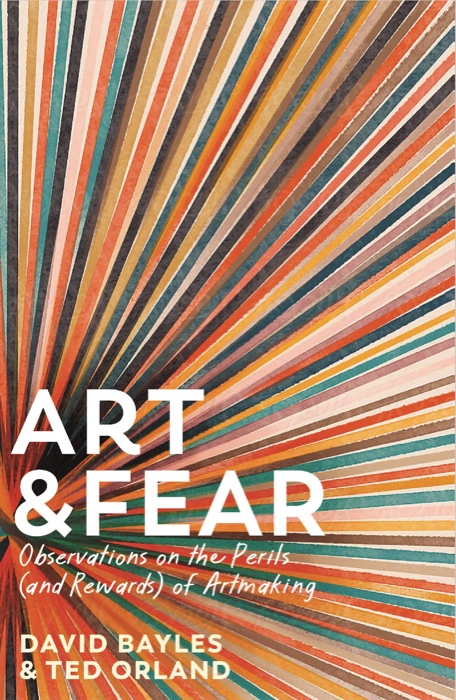 Art and Fear: Observations on the Perils (and Rewards) of Artmaking
 The World as Will and Representation, Vol 1
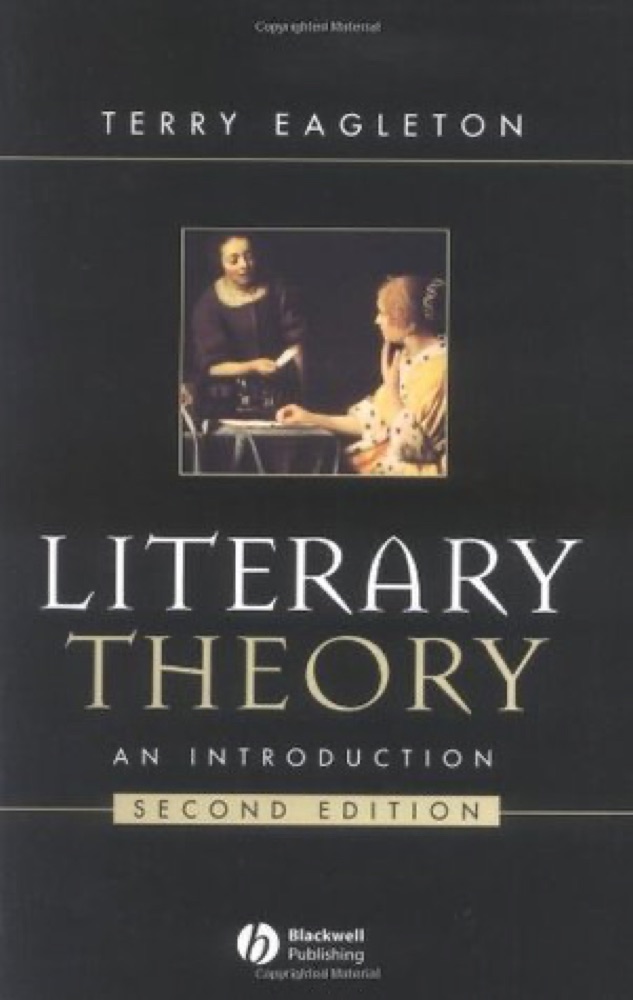 Literary Theory: An Introduction
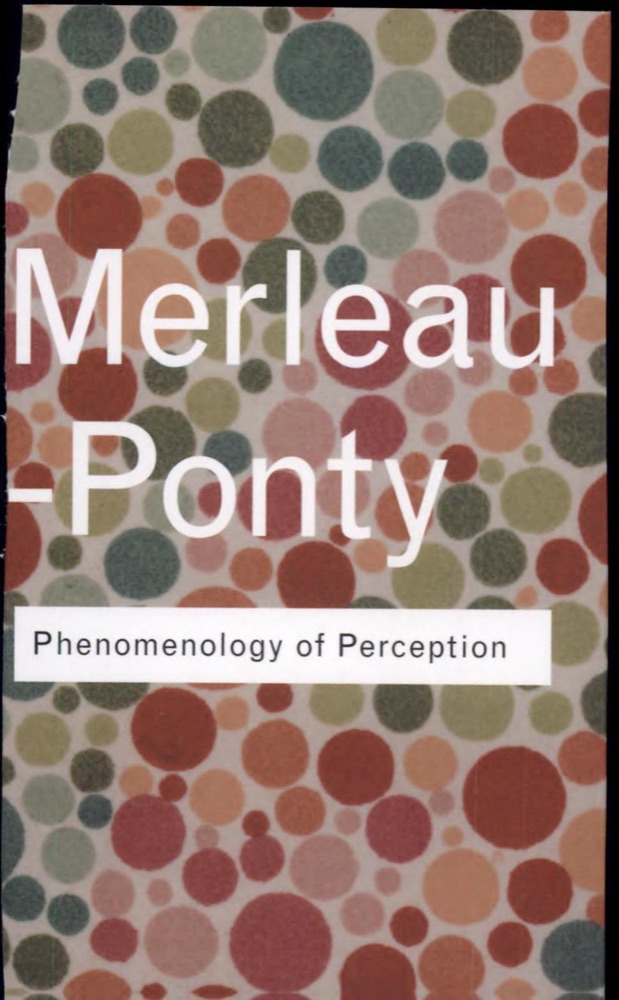 Phenomenology of Perception
 All the Beauty in the World: The Metropolitan Museum of Art and Me
 On the Use and Abuse of History for Life
 The Art of the Novel
 The Closing of the American Mind
 Anti-Oedipus: Capitalism and Schizophrenia
 Playing to the Gallery
 Death in Venice and Other Tales
 Notes on the Cinematographer
 The Myth of Sisyphus and Other Essays
 Time Regained
 Monsters: A Fan's Dilemma
 Modern Man in Search of a Soul
 Doctor Faustus
 The Medium is the Massage
 Ways of Seeing
 Simulacra and Simulation
 How to Read Literature
 Death in Venice
 A Philosophical Enquiry into the Origin of Our Ideas of the Sublime and Beautiful
 Reality Hunger: A Manifesto
 La Obra Maestra Desconocida
 Phenomenology of Spirit
 Letters to a Young Artist
 The Doors of Perception & Heaven and Hell
 The Master and His Emissary: The Divided Brain and the Making of the Western World
 Existentialism from Dostoevsky to Sartre
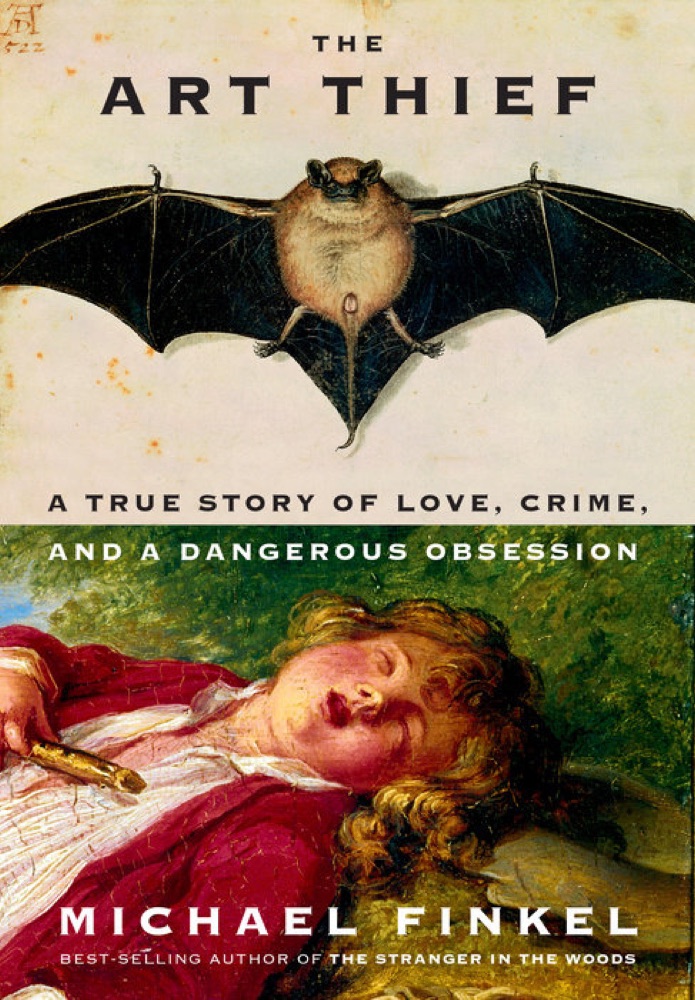 The Art Thief: A True Story of Love, Crime, and a Dangerous Obsession
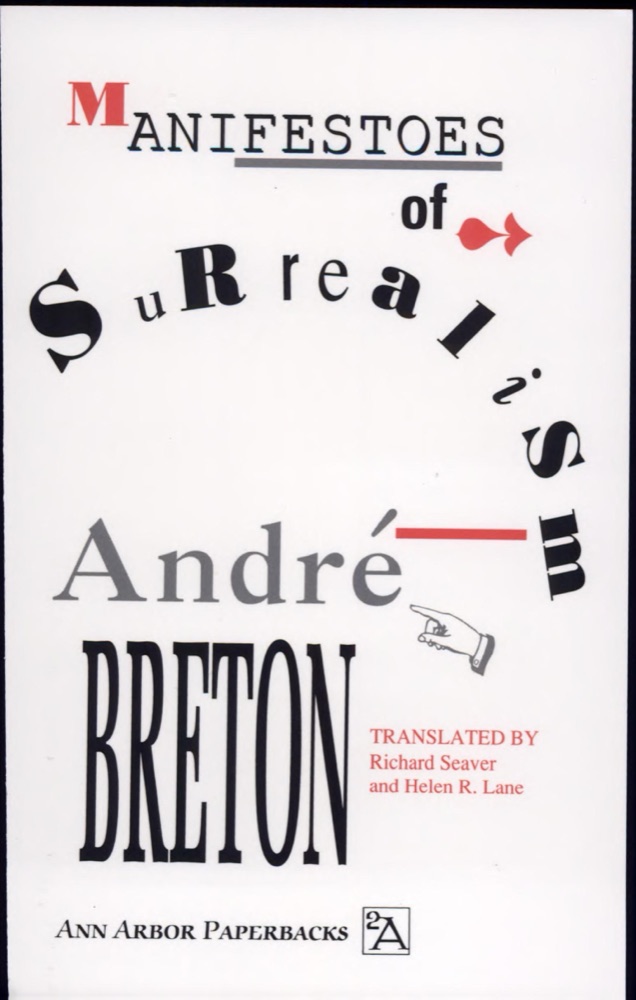 Manifestoes of Surrealism
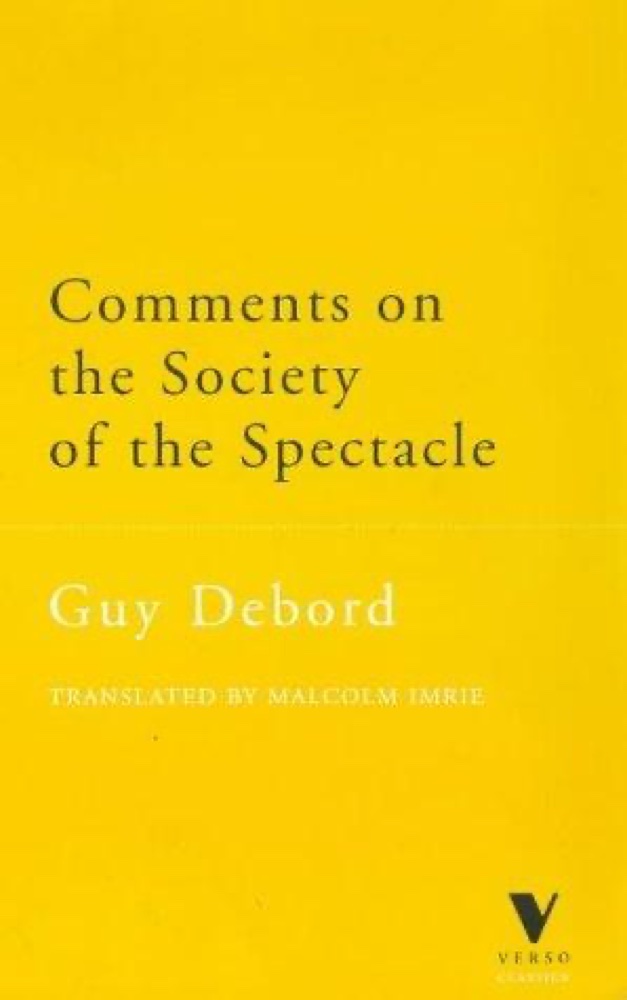 The Society of the Spectacle