
 The Culture Industry
Quotes from the Book
There is no right life in the wrong one.
He who stands aloof runs the risk of believing himself better than others and misusing his critique of society as an ideology for his private interest. While he gropingly forms his own life in the frail image of a true existence, he should never forget its frailty, nor how little the image is a substitute for true life. Against such awareness, however, pulls the momentum of the bourgeois within him.
Thus is order ensured: some have to play the game because they cannot otherwise live, and those who could live otherwise are kept out because they do not want to play the game. It is as if the class from which independent intellectuals have defected takes its revenge, by pressing its demands home in the very domain where the deserter seeks refuge.
There is no true life within a false life.
A film which followed the code of the Hays Office to the strictest letter might succeed in being a great work of art, but not in a world in which a Hays Office exists.
The very wish to be right, down to its subtlest form of logical reflection, is an expression of the spirit of self-preservation which philosophy is precisely concerned to break down.
Among today's adept practitioners, the lie has long since lost its honest function of misrepresenting reality. Nobody believes anybody, everyone is in the know. Lies are told only to convey to someone that one has no need either of him or his good opinion. The lie, once a liberal means of communication, has today become one of the techniques of insolence enabling each individual to spread around him the glacial atmosphere in whose shelter he can thrive.
Der Verfall des Schenkens spiegelt sich in der peinlichen Erfindung der Geschenkartikel, die bereits darauf angelegt sind, daß man nicht weiß, was man schenken soll, weil man es eigentlich gar nicht will. Diese Waren sind beziehungslos wie ihre Käufer.
Even at that time the hope of leaving behind messages in bottles on the flood of barbarism bursting on Europe was an amiable illusion: the desperate letters stuck in the mud of the spirit of rejuvenesence and were worked up by a band of Noble Human-Beings and other riff-raff into highly artistic but inexpensive wall-adornments. Only since then has progress in communications really got into its stride. Who, in the end, is to take it amiss if even the freest of free spirits no longer write for an imaginary posterity, more trusting, if possible, than even their contemporaries, but only for the dead God?
even there, where the rejection of the system is taken for granted and for that reason a lax and cunning conformism of its own has developed.
In many people it is already an impertinence to say 'I'.
A l d i l à d e i m o n t i . Biancaneve esprime la malinconia in modo più perfetto di ogni altra fiaba. L'immagine più pura di questo sentimento è quella della regina che guarda la neve che cade attraverso i vetri della finestra e si augura di avere una bambina che somigli alla bellezza senza vita e pur vivente dei fiocchi, alla tinta nera e luttuosa del telaio della finestra e alla goccia di sangue che scaturisce dalla puntura, e che muore proprio nel momento in cui essa nasce. Questa impressione iniziale non può essere cancellata nemmeno dal lieto fine della favola. Come l'esaudimento della preghiera non era altro che la morte, così anche il salvataggio finale rimane una semplice apparenza. Poiché la percezione più profonda del lettore o dell'ascoltatore non riesce a credere che sia stata svegliata effettivamente la fanciulla che giaceva come se dormisse nella sua bara di vetro. E il boccone di mela avvelenato che le esce dalla gola per effetto delle scosse subite durante il viaggio non è forse, piuttosto che lo strumento adoperato per ucciderla, l'ultimo resto della vita sciupata e messa al bando, da cui essa guarisce veramente soltanto ora, che non è più esposta alle tentazioni di nessuna falsa messaggera? E come suona fragile e caduca la felicità espressa nelle parole: «Allora Biancaneve gli volle bene e andò insieme a lui». Come è smentita, subito dopo, dalla perfidia del trionfo che è celebrato sulla malvagità. Così una voce ci dice, quando speriamo nella salvezza, che la nostra speranza è vana, eppure è soltanto lei, la speranza impotente, a permetterci anche solo di tirare il fiato. Ogni contemplazione e speculazione filosofica non può fare altro che ricalcare pazientemente, in figure e abbozzi sempre nuovi, l'ambiguità della malinconia. La verità è inseparabile dall'illusione che un giorno, dalle figure e dai simboli dell'apparenza, possa emergere, nonostante tutto, libera da ogni traccia di apparenza, l'immagine reale della salvezza.
in the antagonistic society, the relationship of the generations is also one of competition, behind which stands naked violence.
Life has become the ideology of its own absence.
27
The only responsible course is to deny oneself the ideological misuse of one’s own existence, and for the rest to conduct oneself in private as modestly, unobtrusively and unpretentiously as is required, no longer by good upbringing, but by the shame of still having air to breathe, in hell.
8
Tenderness between people is nothing other than awareness of the possibility of relations without purpose.
8
Love is the power to see similarity in the dissimilar.
6
The bliss of contemplation consists in disenchanted charm.
6
They murder so that whatever to them seems living, shall resemble themselves.
5
Despair has the accent of irrevocability not because things cannot improve, but because it draws the past too into its vortex.
4
Nothing, for us, can fill the place of undiminished brightness except the unconscious dark; nothing that of what once we might have been, except the dream that we had never been born.
3
The bourgeois, however, is tolerant. His love of people as they are stems from his hatred of what they might be.
3
Everywhere bourgeois society insists on the exertion of will; only love is supposed to be involuntary, pure immediacy of feeling. In its longing for this, which means a dispensation from work, the bourgeois idea of love transcends bourgeois society.
3
If all pleasure has, preserved within it, earlier pain, then here pain, as pride in bearing it, is raised directly, untransformed, as a stereotype, to pleasure: unlike wine, each glass of whisky, each inhalation of cigar smoke, still recalls the repugnance that it cost the organism to become attuned to such strong stimuli, and this alone is registered as pleasure.
3
Today it is seen as arrogant, alien and improper to engage in private activity without any evident ulterior motive. Not to be ‘after’ something is almost suspect: no help to others in the rat-race is acknowledged unless legitimized by counterclaims.
2
Even solidarity, the most honourable mode of conduct of socialism, is sick. Solidarity was once intended to make the talk of brotherhood real, by lifting it out of generality, where it was an ideology, and reserving it for the particular, the Patty, as the sole representative in an antagonistic world of generality. It was manifested by groups of people who together put their lives at stake, counting their own concerns as less important in face of a tangible possibility, so that, without being possessed by an abstract idea, but also without individual hope, they were ready to sacrifice themselves for each other.
1
The practical orders of life, while purporting to benefit man, serve in a profit economy to stunt human qualities, and the further they spread the more they sever everything tender. For tenderness between people is nothing other than awareness of the possibility of relations without purpose.
1
Psychology knows that he who imagines disasters in some way desires them. But why do they come so eagerly to meet him.l Something in reality strikes a chord in paranoid fantasy and is warped by it. The sadism latent in everyone unerringly divines the weakness latent in everyone. And the fantasy of persecution is contagious: wherever it occurs spectators are driven irresistibly to imitate it.
1
Condescension, and thinking oneself no better, are the same. To adapt to the weakness of the oppressed is to affirm in it the pre-condition of power, and to develop in oneself the coarseness, insensibility and violence needed to exert domination.
1
Sociability itself connives at injustice by pretending that in this chill world we can still talk to each other, and the casual, amiable remark contributes to perpetuating silence, in that the concessions made to the interlocutor debase him once more in the person of speaker.
1
Watch on YouTube
About Theodor W. Adorno
We have collected 49 quotes from 3 books by Theodor W. Adorno on BookQuoters.
More about the author →More by Theodor W. Adorno
The Culture Industry
 Aesthetic Theory
About the book
Adorno's literary and philosophical masterpiece, built from aphorisms and reflections.
A reflection on everyday existence in the 'sphere of consumption of late Capitalism', this work is Adorno's literary and philosophical masterpiece. Built from aphorisms and reflections, he shifts in register from personal experience to the most general theoretical problems.
Book details
- First published
- 1951
- Author
- Theodor W. Adorno
- Genre
- Philosophy
- Goodreads rating
- 4.24 (5k ratings)
Keep reading
 Civilization and Its Discontents
 Untimely Meditations
 Dialectic of Enlightenment: Philosophical Fragments
 On the Genealogy of Morals
 The Will to Power
 The Guermantes Way
 Eyeless in Gaza
 Anti-Oedipus: Capitalism and Schizophrenia
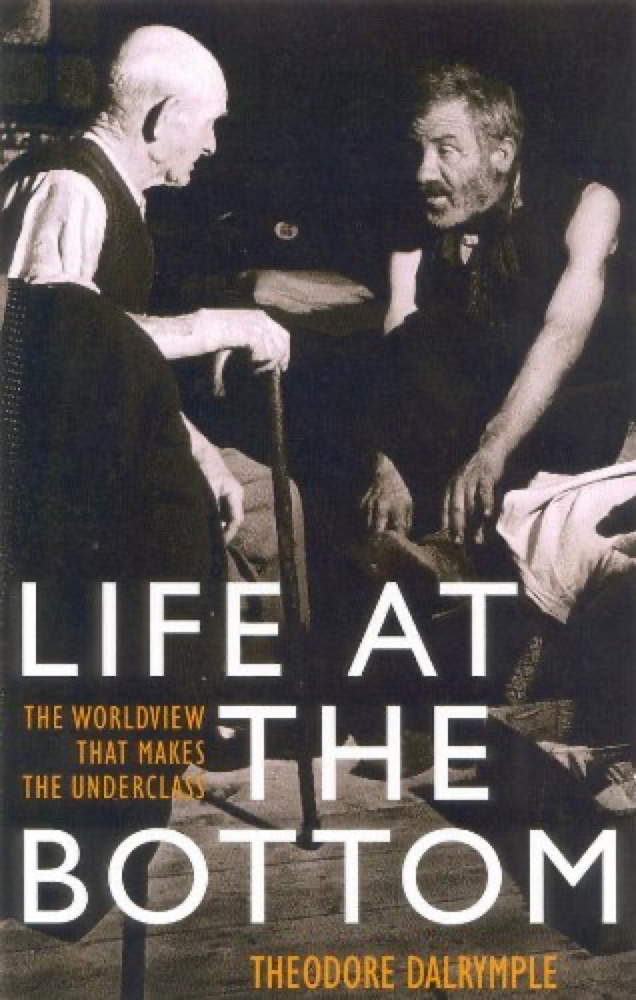 Life at the Bottom: The Worldview That Makes the Underclass
 The World as Will and Representation, Vol 1
 The Fall of Babel
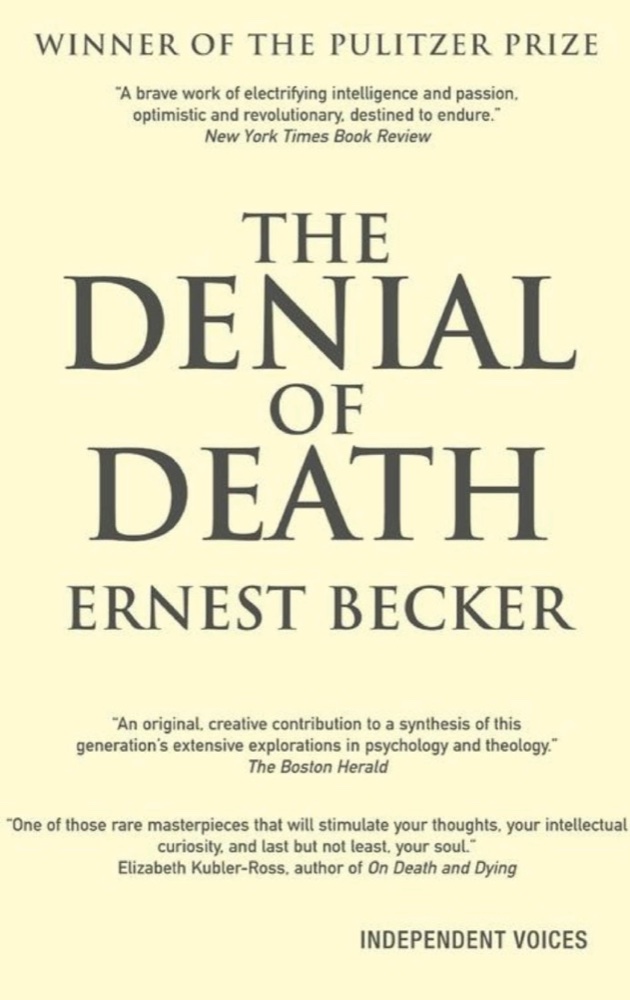 The Denial of Death
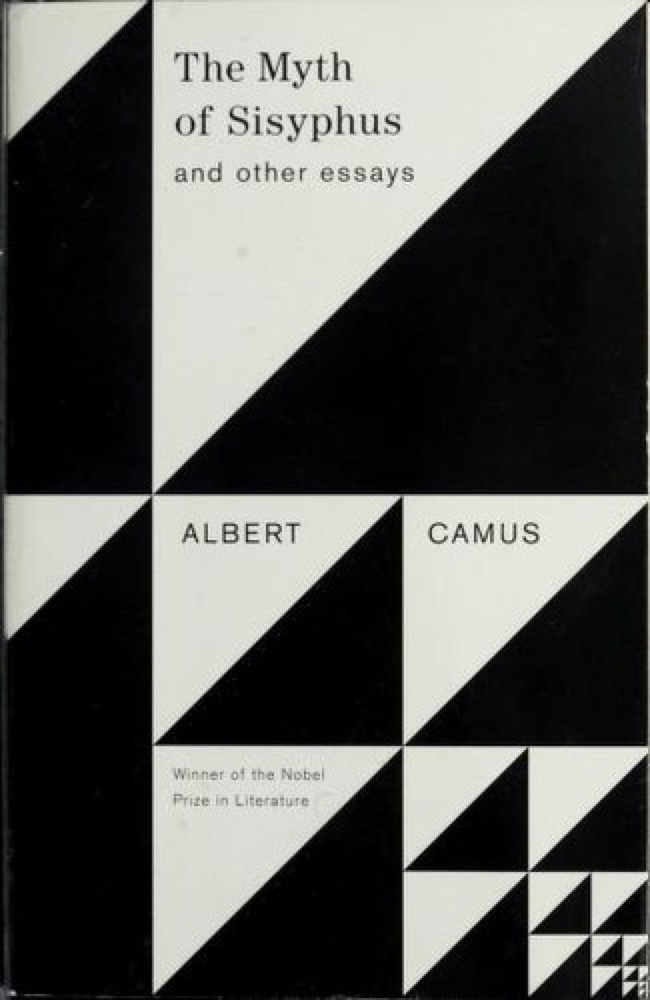 The Myth of Sisyphus and Other Essays
 Discourse on the Origin of Inequality
 The Death of the Heart
 Zeno's Conscience
 The Ethics of Ambiguity
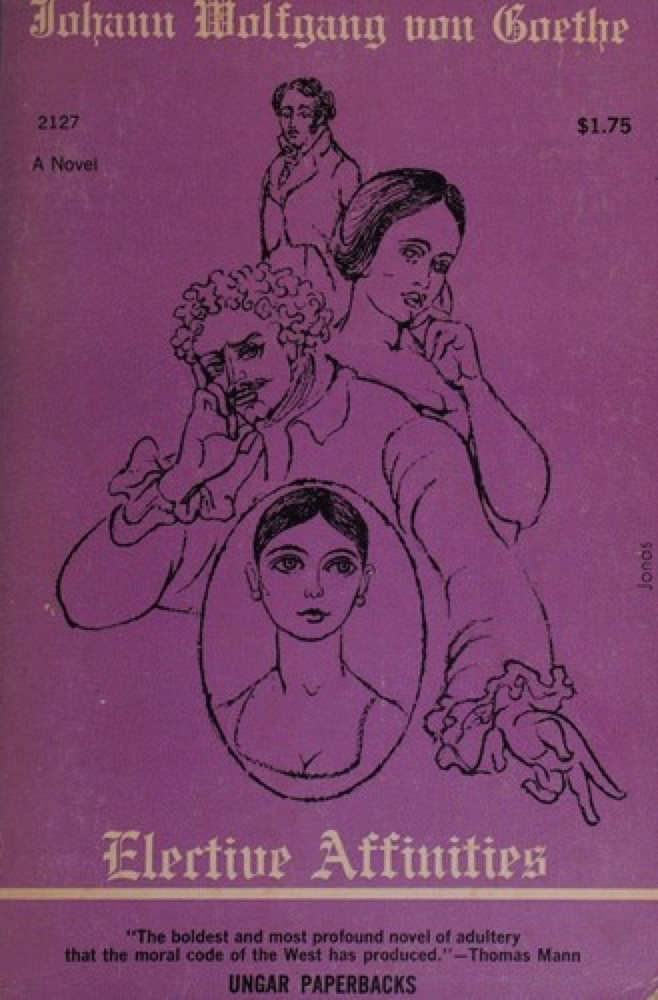 Elective Affinities
 The Ides of March
 What's Wrong with the World
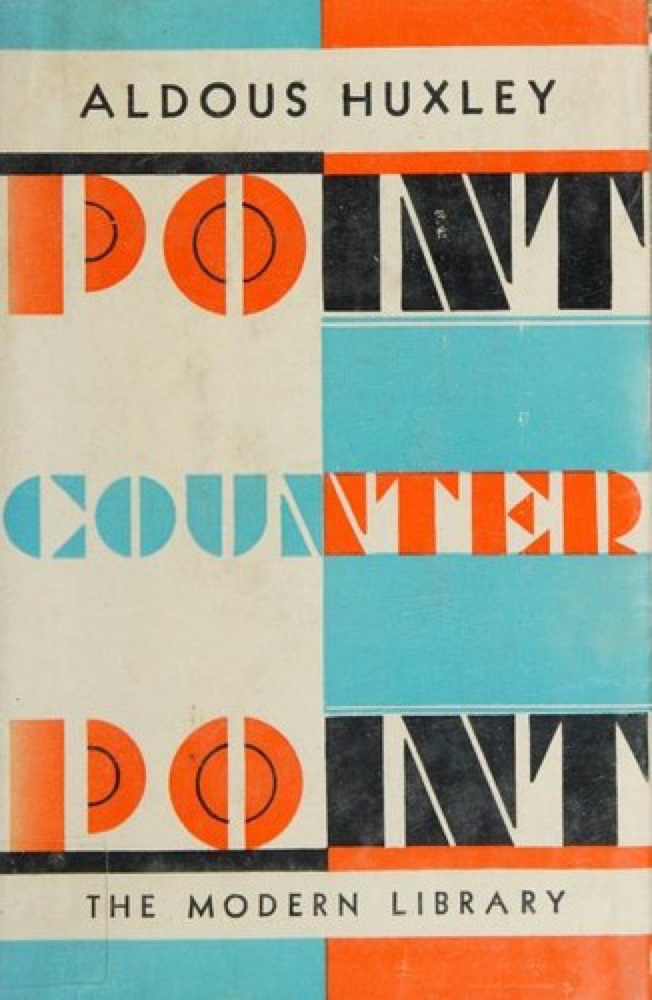 Point Counter Point
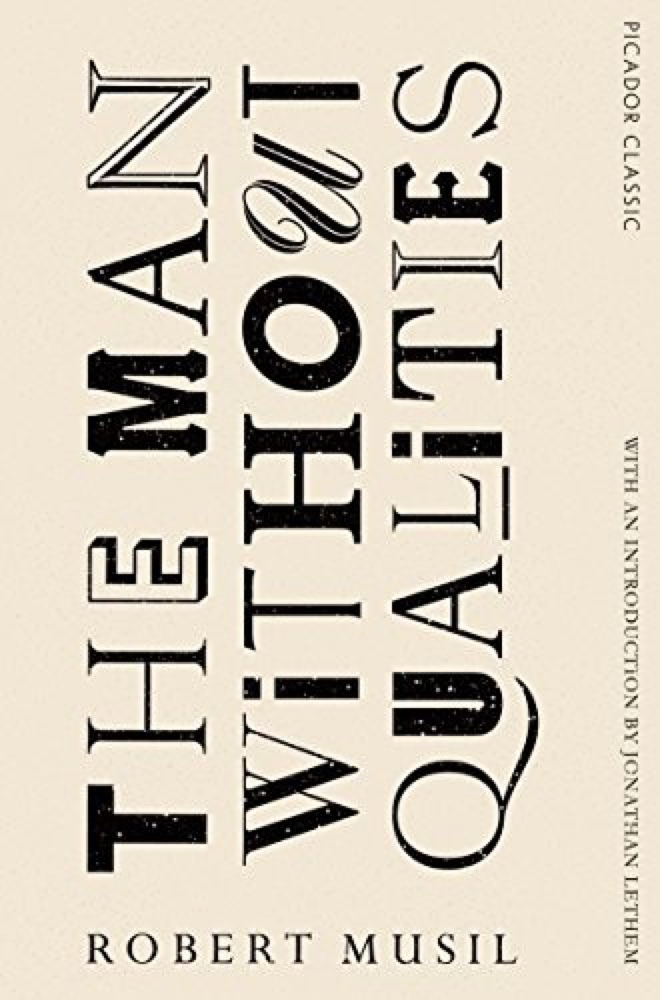 The Man Without Qualities
 The Magic Mountain
 Death in Venice and Other Tales
 The Fall
 A Short History of Decay
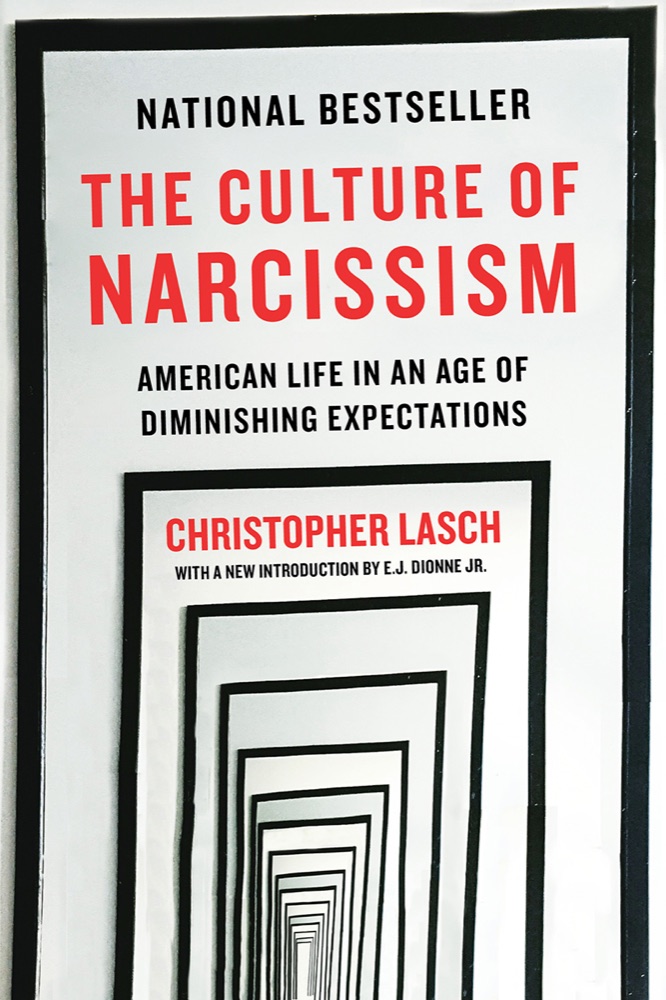 The Culture of Narcissism: American Life in An Age of Diminishing Expectations
 In Search of Lost Time
 Complete Works of Oscar Wilde
 The Setting Sun
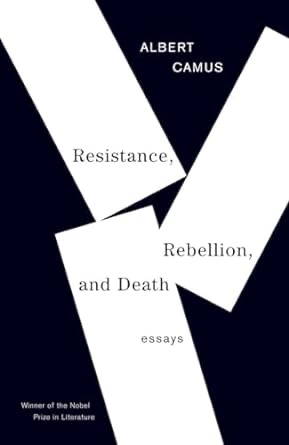 Resistance, Rebellion and Death: Essays
 The Secret Agent
 Cultural Amnesia: Necessary Memories from History and the Arts
 Status Anxiety
 The Story of the Lost Child
 The Doors of Perception & Heaven and Hell
 Escape from Freedom
 The Tsar of Love and Techno
 The Ego and Its Own
 The Source of Self-Regard: Selected Essays, Speeches, and Meditations
 The Children of Men
 The Anomaly
 The Theory of Moral Sentiments
 The Consolations of Philosophy
 Shame
Shame
 Only Dull People Are Brilliant at Breakfast
 The Soul of Man Under Socialism
 Of Human Bondage
 Heretics
 The Blithedale Romance
 Irrational Man: A Study in Existential Philosophy
 Fall of Light
 Erewhon
 Ravelstein
 Death in Venice
 The Closing of the American Mind
 The Schopenhauer Cure
 The Empusium
 Middlemarch
 Daniel Deronda