
 Capitalist Realism: Is There No Alternative?
Quotes from the Book
The slow cancellation of the future has been accompanied by a deflation of expectations. There can be few who believe that in the coming year a record as great as, say, the Stooges’ Funhouse or Sly Stone’s There’s A Riot Goin’ On will be released. Still less do we expect the kind of ruptures brought about by The Beatles or disco. The feeling of belatedness, of living after the gold rush, is as omnipresent as it is disavowed. Compare the fallow terrain of the current moment with the fecundity of previous periods and you will quickly be accused of ‘nostalgia’. But the reliance of current artists on styles that were established long ago suggests that the current moment is in the grip of a formal nostalgia, of which more shortly. It is not that nothing happened in the period when the slow cancellation of the future set in. On the contrary, those thirty years has been a time of massive, traumatic change. In the UK, the election of Margaret Thatcher had brought to an end the uneasy compromises of the so-called postwar social consensus. Thatcher’s neoliberal programme in politics was reinforced by a transnational restructuring of the capitalist economy. The shift into so-called Post-Fordism – with globalization, ubiquitous computerization and the casualisation of labour – resulted in a complete transformation in the way that work and leisure were organised. In the last ten to fifteen years, meanwhile, the internet and mobile telecommunications technology have altered the texture of everyday experience beyond all recognition. Yet, perhaps because of all this, there’s an increasing sense that culture has lost the ability to grasp and articulate the present. Or it could be that, in one very important sense, there is no present to grasp and articulate anymore.
94
The depressive experiences himself as walled off from the lifeworld, so that his own frozen inner life – or inner death – overwhelms everything; at the same time, he experiences himself as evacuated, totally denuded, a shell: there is nothing except the inside, but the inside is empty. For the depressive, the habits of the former lifeworld now seem to be, precisely, a mode of playacting, a series of pantomime gestures (‘a circus complete with all fools’), which they are both no longer capable of performing and which they no longer wish to perform – there’s no point, everything is a sham.
22
Depressive ontology is dangerously seductive because, as the zombie twin of a certain philosophical wisdom, it is half true. As the depressive withdraws from the vacant confections of the lifeworld, he unwittingly finds himself in concordance with the human condition so painstakingly diagrammed by a philosopher like Spinoza: he sees himself as a serial consumer of empty simulations, a junky hooked on every kind of deadening high, a meat puppet of the passions. The depressive cannot even lay claim to the comforts that a paranoiac can enjoy, since he cannot believe that the strings are being pulled by any one. No flow, no connectivity in the depressive’s nervous system.
21
Capital demands that we always look busy, even if there's no work to do. If neoliberalism's magical voluntarism is to be believed, there are always opportunities to be chased or created; any time not spent hustling and hassling is time wasted. The whole city is forced into a gigantic simulation of activity, a fanaticism of productivism in which nothing much is actually produced, an economy made out of hot air and bland delirium.
19
those who can’t remember the past are condemned to have it resold to them forever
10
Everything comes back as an advertising campaign. It isn’t just that the alternatives are written over, or out, it is that they return as their own simulacra
8
What is suppressed in postmodern culture is not the Dark but the Light side. We are far more comfortable with demons than angels. Whereas the demonic appears cool and sexy, the angelic is deemed to be embarrassing and sentimental
8
Baudrillard observes somewhere that computers don’t really remember because they lack the ability to forget
8
Invited to think of the futuristic, we will still come up with something like the music of Kraftwerk, even though this is now as antique as Glenn Miller’s big band jazz was when the German group began experimenting with synthesizers in the early 1970s.
6
The past cannot be forgotten, the present cannot be remembered
5
Confronted with capital’s intense semiotic pollution, its encrustation of the urban environment with idiotic sigils and imbecilic slogans no-one – neither the people who wrote them nor those at whom they are aimed – believes, you often wonder: what if all the effort that went into this flashy trash were devoted to a public good?
4
The disarticulation of class from race, gender and sexuality has in fact been central to the success of the neoliberal project
2
Culture, and the analysis of culture, is valuable insofar as it allows an escape from ourselves.
2
Brown's left melancholic is a depressive who believes he is realistic; someone who no longer has any expectation that his desire for radical transformation could be achieved, but who doesn't recognise that he has given up. In her discussion of Brown's essay in 'The Communist Horizon', Jodi Dean refers to Lacan's formula: 'the only thing one can be guilty of is giving ground relative to one's desire' and the shift that Brown describes - from a left that confidently assumed the future belonged to it, to a left that makes a virtue of its own incapacity to act - seems to exemplify the transition from desire (which in Lacanian terms is the desire to desire) to drive (an enjoyment through failure). The kind of melancholia I'm talking about, by contrast, consists not in giving up on desire but in refusing to yield. It consists, that is to say, in a refusal to adjust to what current conditions call 'reality' - even if the cost of that refusal is that you feel like an outcast in your own time
2
They knew that satiation wasn’t succeeded by tristesse, it was itself, immediately, tristesse. Satiation is the point at which you must face the existential revelation that you didn’t want really want what you seemed so desperate to have, that your most urgent desires are only a filthy vitalist trick to keep the show on the road. If you ‘can’t replace the fear or the thrill of the chase’, why stir yourself to pursue yet another empty kill? Why carry on with the charade?
2
Capital can never openly admit that it is a system based on inhuman rapacity; the Terminator can never remove its human mask.
2
While 20th- century experimental culture was seized by a recombinatorial delirium, which made it feel as if newness was infinitely available, the 21st century is oppressed by a crushing sense of finitude and exhaustion. It doesn’t feel like the future. Or, alternatively, it doesn’t feel as if the 21st century has started yet. We remain trapped in the 20th century, just as Sapphire and Steel were incarcerated in their roadside café.
1
Identification with the alien meant the possibility of an escape from identity, into other subjectivities, other worlds.
1
Why is it always raining here? Or is that just the sound of the television, tuned to a dead channel?
1
Keiller finds extinction looming everywhere – species dying off at a far faster rate than scientists had thought possible only a few years ago. The emphasis on extinction means that the concerns of Robinson in Ruins rhyme with the preoccupations that have emerged in speculative realist philosophy, which has focused on the spaces prior to, beyond and after human life. In some respects, the work of philosophers such as Ray Brassier and Tim Morton re-stages the old confrontation between human finitude and the sublime which was the former subject of a certain kind of landscape art. But where the older sublime concentrated on local natural phenomenon such as the ocean or volcanic eruptions which could overwhelm and destroy the individual organism or whole cities, speculative realism contemplates the extinction, not only of the human world, but of life and indeed matter itself. The prospect of ecological catastrophe means that disjunction between the lived time of human experience and longer durations is now not just a question of metaphysical contemplation, but a matter of urgent political concern, as one of Robinson’s touchstones, Fredric Jameson, noted. ‘[A]s organisms of a particular life span,’ Jameson writes in his essay ‘Actually Existing Marxism’, we are poorly placed as biological individuals to witness the more fundamental dynamics of history, glimpsing this or that incomplete moment, which we hasten to translate into the alltoo-human terms of success or failure. But neither stoic wisdom nor the reminder of a longer-term view are really satisfactory responses to this peculiar existential and epistemological dilemma, comparable to the science-fictional one of beings inhabiting a cosmos they do not have organs to perceive or identify. Perhaps only the acknowledgement of this radical incommensurability between human existence and the dynamic of collective history and production is capable of generating new kinds of political attitudes; new kinds of political perception, as well as of political patience; and new methods for decoding the age as well, and reading the imperceptible tremors within it of an inconceivable future. Amongst its requiem for neoliberal England, Robinson in Ruins gives us some intimations of those imperceptible tremors and inconceivable futures.
. Keiller finds extinction looming everywhere – species dying off at a far faster rate than scientists had thought possible only a few years ago. The emphasis on extinction means that the concerns of Robinson in Ruins rhyme with the preoccupations that have emerged in speculative realist philosophy, which has focused on the spaces prior to, beyond and after human life. In some respects, the work of philosophers such as Ray Brassier and Tim Morton re-stages the old confrontation between human finitude and the sublime which was the former subject of a certain kind of landscape art. But where the older sublime concentrated on local natural phenomenon such as the ocean or volcanic eruptions which could overwhelm and destroy the individual organism or whole cities, speculative realism contemplates the extinction, not only of the human world, but of life and indeed matter itself. The prospect of ecological catastrophe means that disjunction between the lived time of human experience and longer durations is now not just a question of metaphysical contemplation, but a matter of urgent political concern, as one of Robinson’s touchstones, Fredric Jameson, noted. ‘[A]s organisms of a particular life span,’ Jameson writes in his essay ‘Actually Existing Marxism’, we are poorly placed as biological individuals to witness the more fundamental dynamics of history, glimpsing this or that incomplete moment, which we hasten to translate into the alltoo-human terms of success or failure. But neither stoic wisdom nor the reminder of a longer-term view are really satisfactory responses to this peculiar existential and epistemological dilemma, comparable to the science-fictional one of beings inhabiting a cosmos they do not have organs to perceive or identify. Perhaps only the acknowledgement of this radical incommensurability between human existence and the dynamic of collective history and production is capable of generating new kinds of political attitudes; new kinds of political perception, as well as of political patience; and new methods for decoding the age as well, and reading the imperceptible tremors within it of an inconceivable future. (Valences of the Dialectic, Verso, 2010, pp369-70) Amongst its requiem for neoliberal England, Robinson in Ruins gives us some intimations of those imperceptible tremors and inconceivable futures.
Marconi had conceived of telegraphy as a spectral science. He ‘became convinced that sounds once generated never die, they simply become fainter and fainter until we no longer perceive them. Marconi’s hope was to develop sufficiently sensitive equipment, extraordinarily powerful and selective filters I suppose, to pick up and hear these past sounds. Ultimately, he hoped to be able hear Christ delivering the Sermon on the Mount.
Jameson equates the postmodern ‘waning of historicity’ with the ‘cultural logic of late capitalism’, but he says little about why the two are synonymous. Why did the arrival of neoliberal, post-Fordist capitalism lead to a culture of retrospection and pastiche? Perhaps we can venture a couple of provisional conjectures here. The first concerns consumption. Could it be that neoliberal capitalism’s destruction of solidarity and security brought about a compensatory hungering for the well-established and the familiar.
Watch on YouTube
About Mark Fisher
We have collected 53 quotes from 2 books by Mark Fisher on BookQuoters.
More about the author →More by Mark Fisher
Capitalist Realism: Is There No Alternative?
About the book
This collection of writings by Mark Fisher, author of the acclaimed Capitalist Realism, argues that we are haunted by futures that failed to happen. Fisher searches for the traces of these lost futures in the work of David Peace, John Le Carré, Christopher Nolan, Joy Division, Burial and many others.
Book details
- First published
- 2014
- Author
- Mark Fisher
- Genre
- Philosophy
- Goodreads rating
- 3.99 (6k ratings)
Keep reading
 America
 Simulacra and Simulation
 Anti-Oedipus: Capitalism and Schizophrenia
 The Coming Insurrection
 Gnomon
Capitalist Realism: Is There No Alternative?
Gnomon
Capitalist Realism: Is There No Alternative?
 The Futurological Congress: From the Memoirs of Ijon Tichy
 The State of the Art
 The Atrocity Exhibition
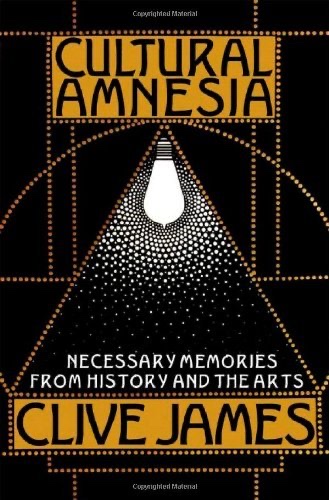 Cultural Amnesia: Necessary Memories from History and the Arts
 Distrust That Particular Flavor
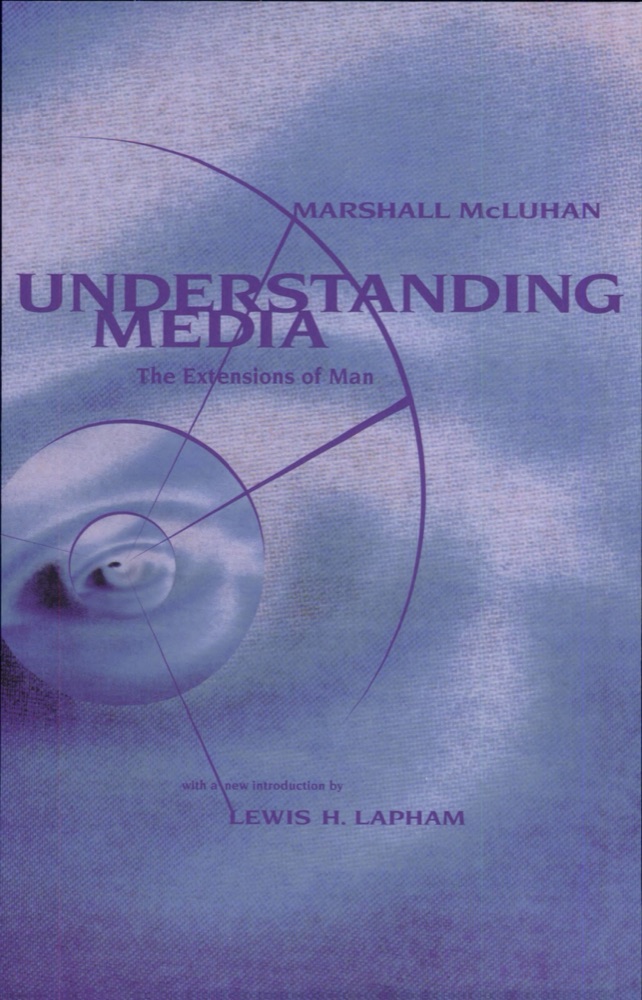 Understanding Media: The Extensions of Man
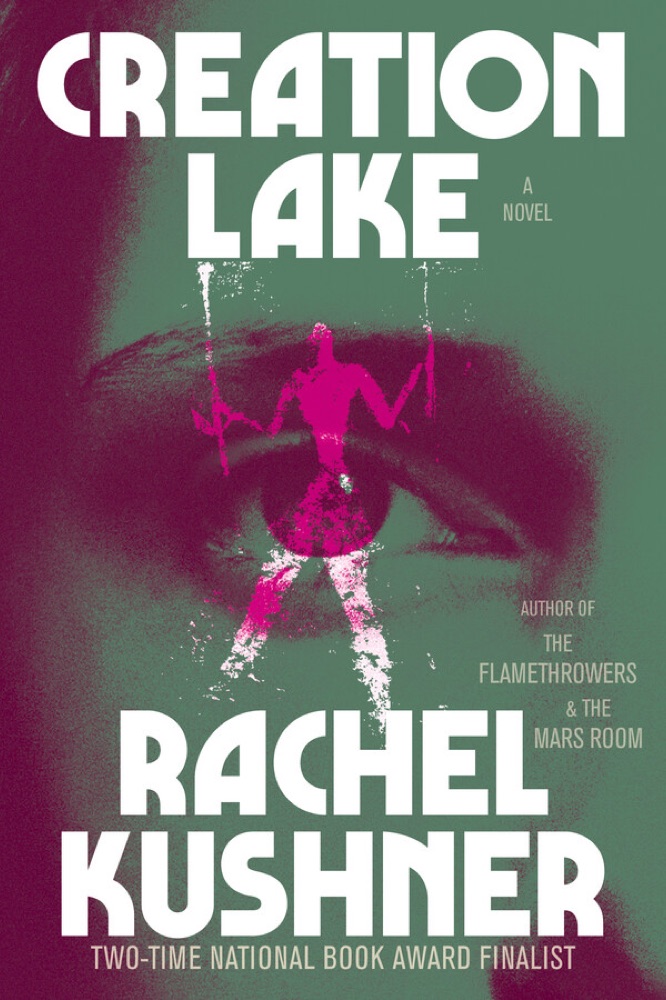 Creation Lake
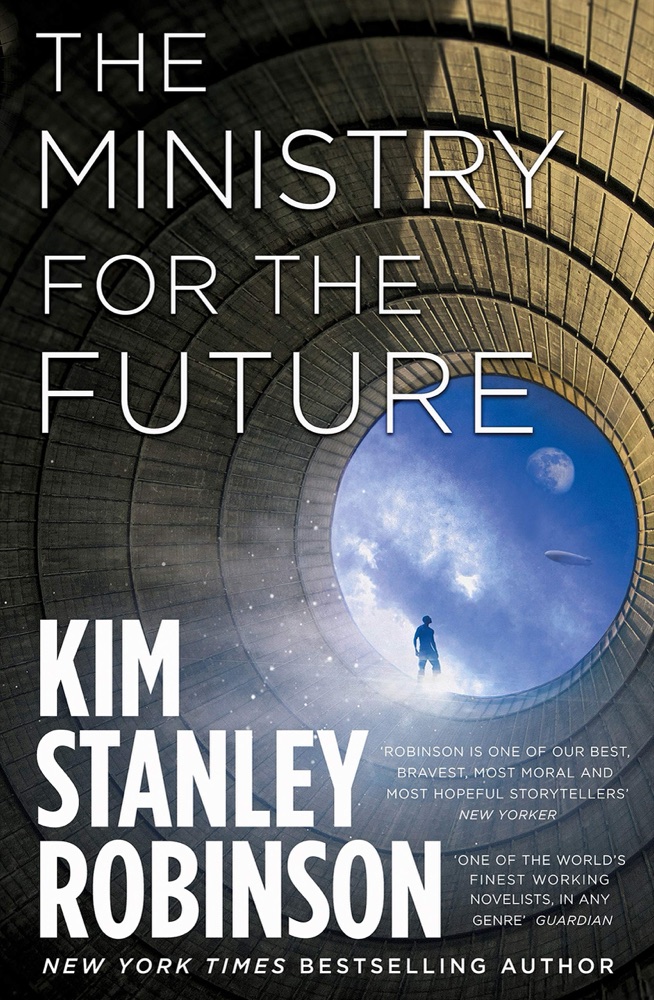 The Ministry for the Future
 The Arcades Project
 Untimely Meditations
 A Language Older Than Words
 Genesis
 Underground: The Tokyo Gas Attack and the Japanese Psyche
 The Future
 Minima Moralia: Reflections on a Damaged Life
 Red Pill
 Moravagine
 The Occult
 Irrational Man: A Study in Existential Philosophy
 The Fifth Science
 The Gone-Away World
 Flights
 The Paper Menagerie and Other Stories
 The Art of the Novel
 The Pleasures and Sorrows of Work
 The Conspiracy Against the Human Race
 The Stone Gods
 Food of the Gods: The Search for the Original Tree of Knowledge
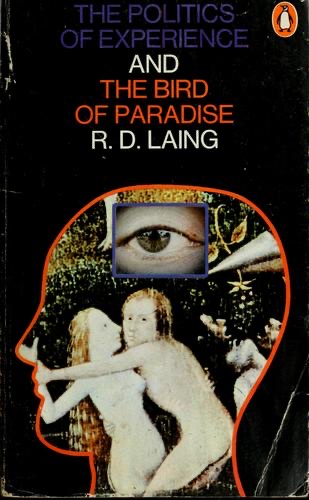 The Politics of Experience/The Bird of Paradise
 Villa Incognito
 First As Tragedy, Then As Farce
 Songs of a Dead Dreamer
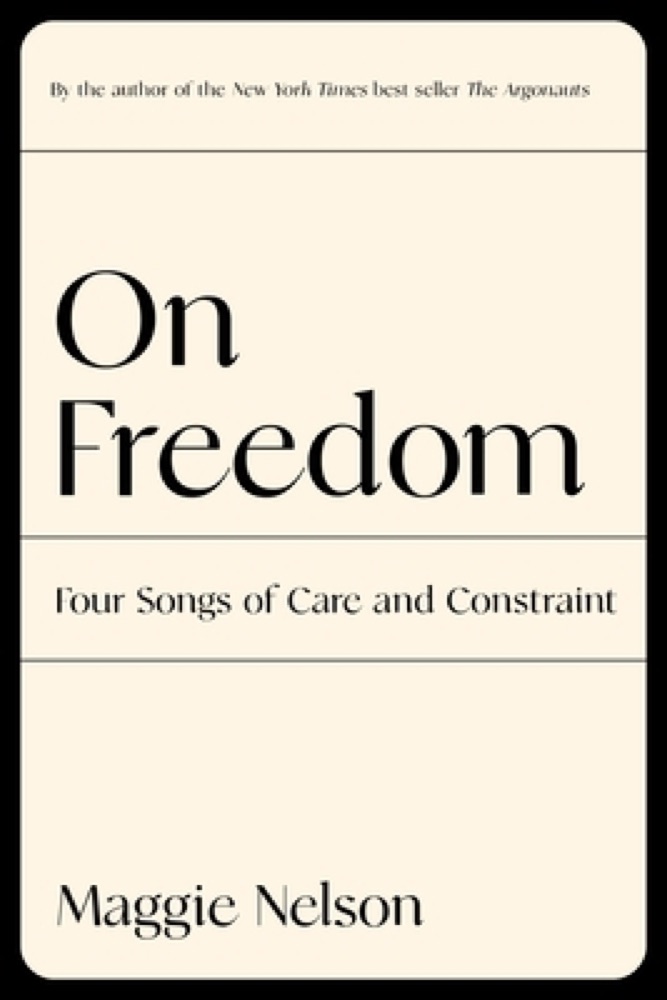 On Freedom: Four Songs of Care and Constraint
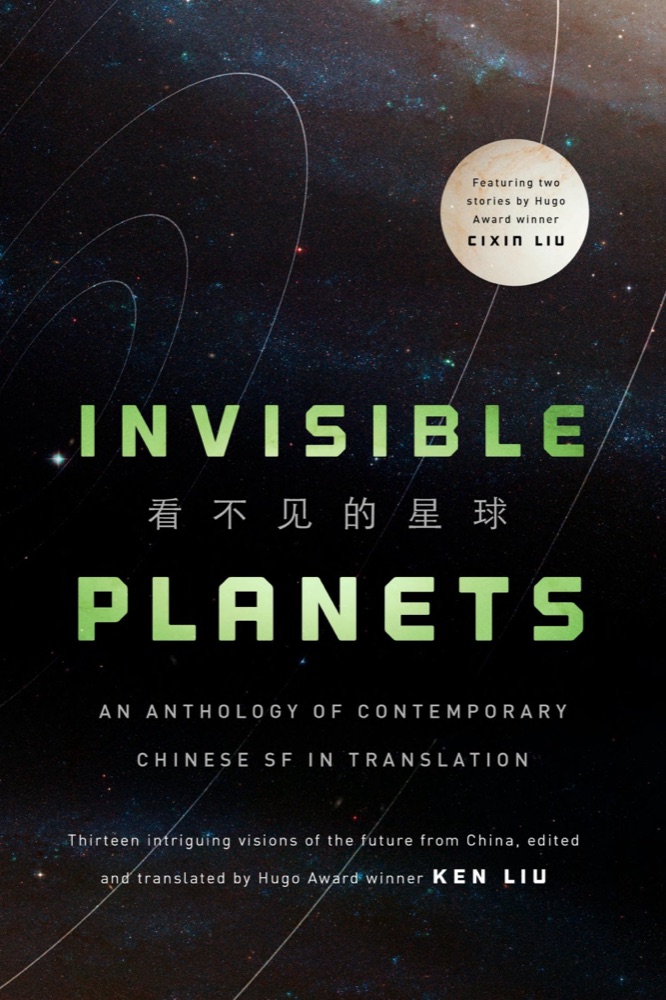 Invisible Planets: Contemporary Chinese Science Fiction in Translation
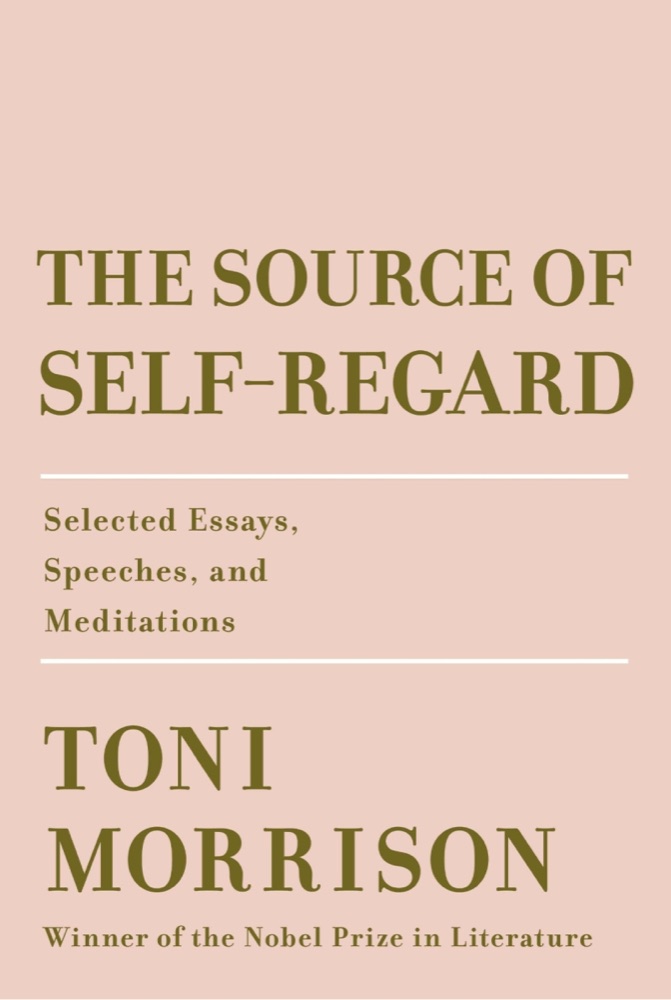 The Source of Self-Regard: Selected Essays, Speeches, and Meditations
 The Western Lands
 White Tears
 The Medium is the Massage
 The Doors of Perception & Heaven and Hell
 Illuminations: Essays and Reflections
 Mao II
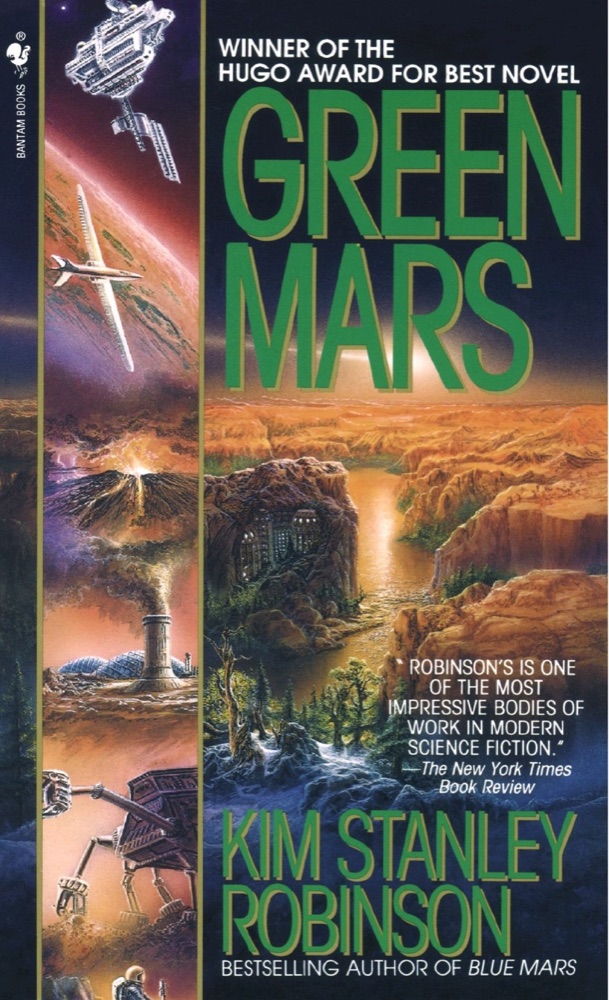 Green Mars
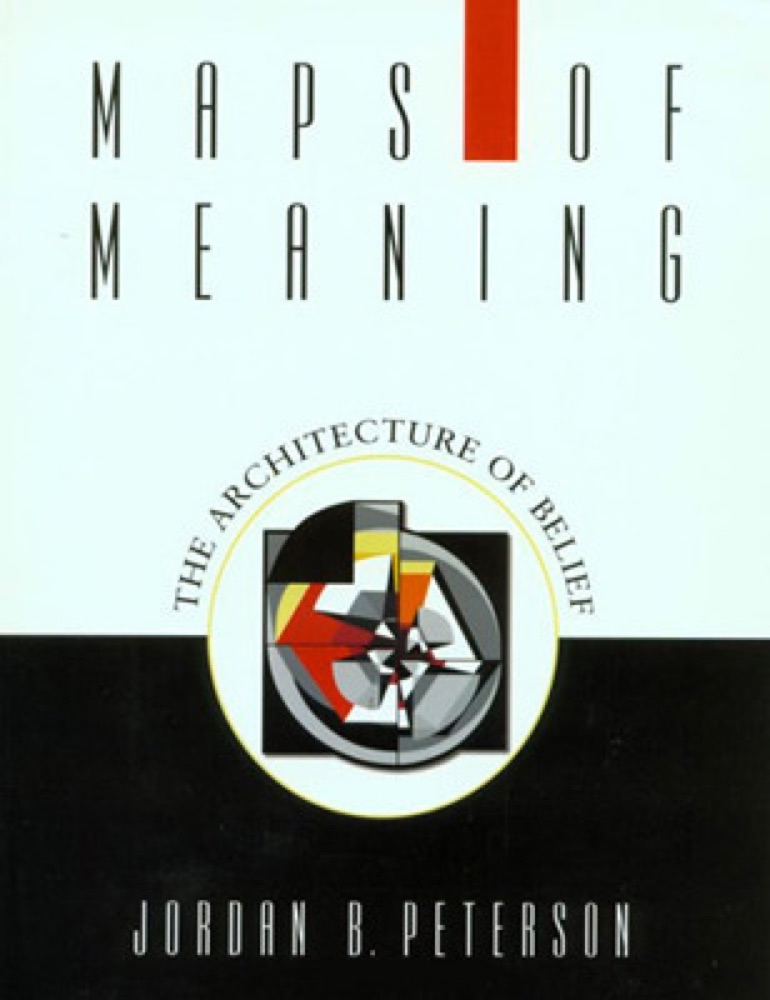 Maps of Meaning: The Architecture of Belief
 Coventry: Essays
 I Have The Right To Destroy Myself
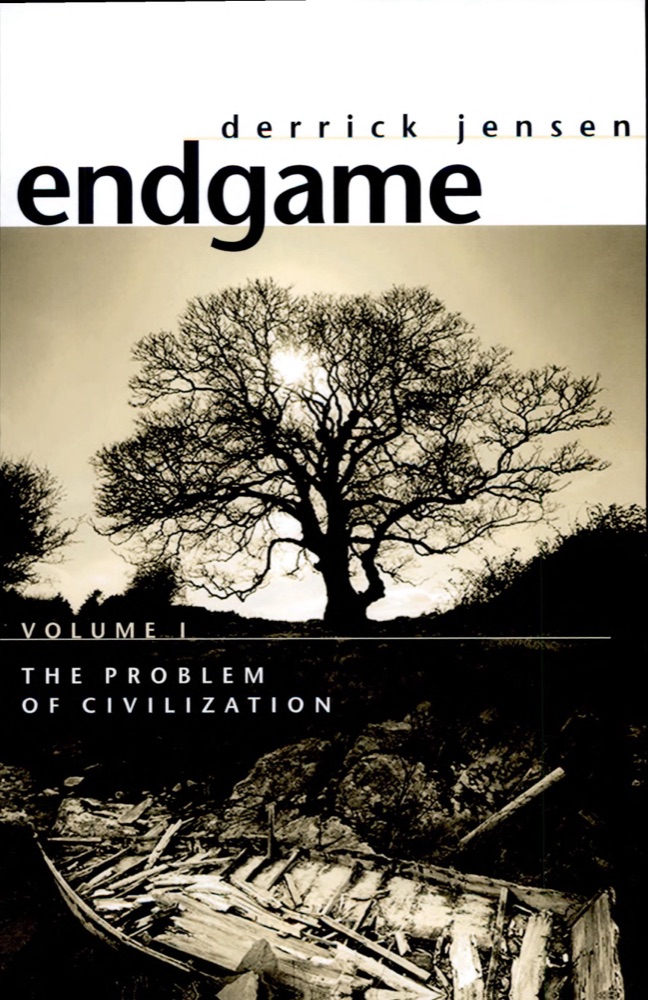 Endgame, Vol. 1: The Problem of Civilization
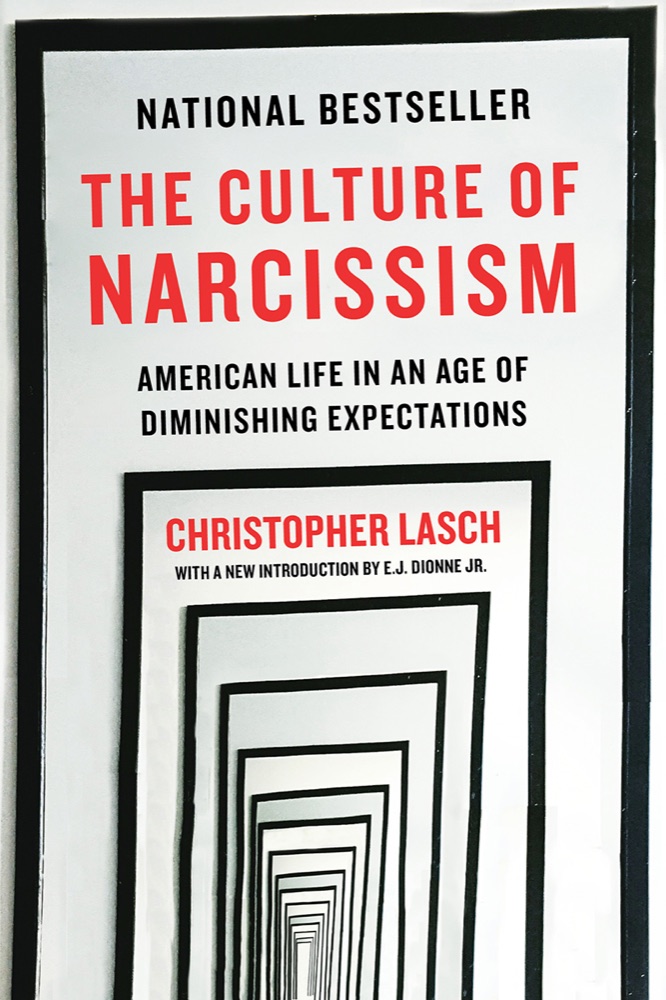 The Culture of Narcissism: American Life in An Age of Diminishing Expectations
 Dialectic of Enlightenment: Philosophical Fragments
 The Shock of the New
 The Age of Absurdity: Why Modern Life makes it Hard to be Happy
 Empire of Illusion: The End of Literacy and the Triumph of Spectacle
 Homo Zapiens
 The Empusium
 Homo Deus: A History of Tomorrow