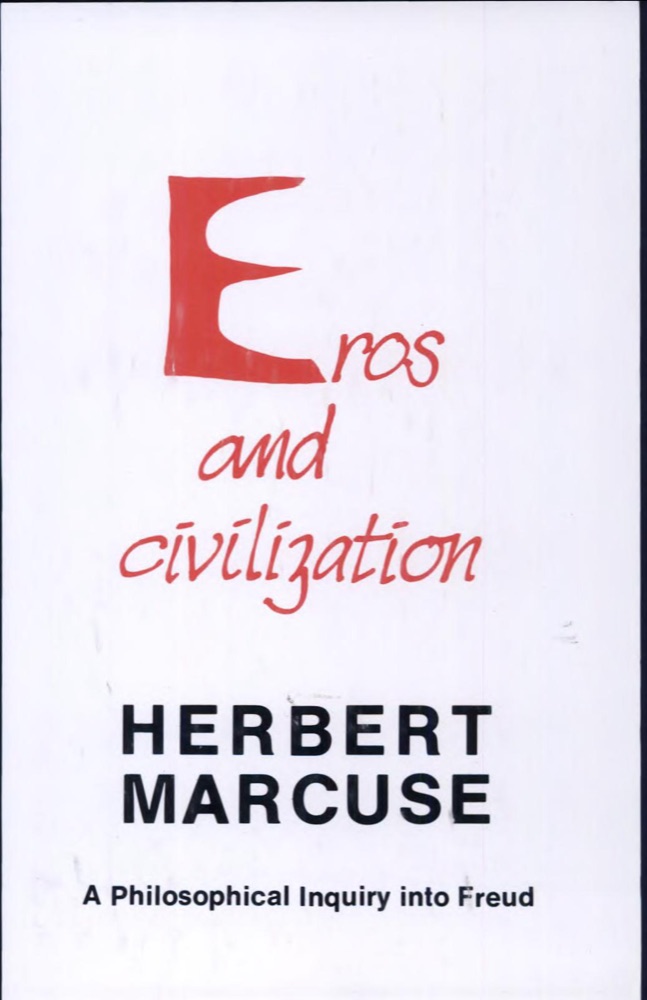
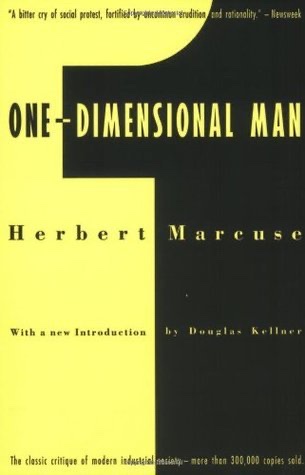
 One-Dimensional Man: Studies in the Ideology of Advanced Industrial Society
Quotes from the Book
The psychoanalytic liberation of memory explodes the rationality of the repressed individual. As cognition gives way to re-cognition, the forbidden images and impulses of childhood begin to tell the truth that reason denies.
22
Under conditions of a truly human existence, the difference between succumbing to disease at the age of ten, thirty, fifty, or seventy, and dying a "natural" death after a fulfilled life, may well be a difference worth fighting for with all instinctual energy. Not those who die, but those who die before they must and want to die, those who die in agony and pain, are the great indictment against civilization. They also testify to the unredeemable guilt of mankind. Their death arouses the painful awareness that it was unnecessary, that it could be otherwise. It takes all the institutions and values of a repressive order to pacify the bad conscience of this guilt. Once again, the deep connection between the death instinct and the sense of guilt becomes apparent. The silent "professional agreement" with the fact of death and disease is perhaps one of the most widespread expressions of the death instinct -- or, rather, of its social usefulness. In a repressive civilization, death itself becomes an instrument of repression. Whether death is feared as constant threat, or glorified as supreme sacrifice, or accepted as fate, the education for consent to death introduces an element of surrender into life from the beginning -- surrender and submission. It stifles "utopian" efforts. The powers that be have a deep affinity to death; death is a token of unfreedom, of defeat. Theology and philosophy today compete with each other in celebrating death as an existential category: perverting a biological fact into an ontological essence, they bestow transcendental blessing on the guilt of mankind which they help to perpetuate -- they betray the promise of utopia.
17
The Orphic symbols center on the singing god who lives to defeat death and who liberates nature, so that the constrained and constraining matter releases the beautiful and playful forms of animate and inanimate things. No longer striving and no longer desiring ‘for something still to be attained,’ they are free from fear and fetter – and thus free per se. The contemplation of Narcissus repels all other activity in the erotic surrender to beauty, inseparably uniting his own existence with nature.
10
Every sound reason is on the side of law and order in their insistence that the eternity of joy be reserved for the hereafter, and in their endeavor to subordinate the struggle against death and disease to the never-ceasing requirements of national and international security.
7
The high standard of living in the domain of the great corporations is restrictive in a concrete sociological sense: the goods and services that the individuals buy control their needs and petrify their faculties. In exchange for the commodities that enrich their life, the individuals sell not only their labor but also their free time. The better living is offset by the all-pervasive control over living. People dwell in apartment concentrations- and have private automobiles with which they can no longer escape into a different world. They have huge refrigerators filled with frozen foods. They have dozens of newspapers and magazines that espouse the same ideals. They have innumerable choices, innumerable gadgets which are all of the same sort and keep them occupied and divert their attention from the real issue- which is the awareness that they could both work less and determine their own needs and satisfactions.
5
Na construção da personalidade, o instinto de destruição manifesta-se com a maior nitidez na formação do superego . Certo, por seu papel defensivo contra os impulsos irrealistas do id, por sua função na conquista duradoura do complexo de Édipo, o superego consolida e protege a unidade do ego, garante o seu desenvolvimento sob o princípio de realidade e, assim, atua a serviço de Eros. Contudo, o superego atinge esses objetivos dirigindo o ego contra o seu id, desviando parte dos instintos de destruição contra uma parte da personalidade destruindo, fragmentando a unidade da personalidade como um todo; assim, atua a serviço do antagonista do instinto de vida. Além disso, essa destrutividade dirigida para dentro constitui o âmago moral da personalidade adulta. A consciência, a mais querida agência moral do indivíduo civilizado, surge-nos impregnada do instinto de morte; o imperativo categórico que o superego impõe continua sendo um imperativo de autodestruição, enquanto constrói a existência social da personalidade. A obra de repressão pertence tanto ao instinto de morte quanto ao instinto de vida. Normalmente, a fusão de ambos é salutar, mas a obstinada severidade do superego ameaça constantemente esse equilíbrio salutar. Quanto mais um homem controla suas tendências agressivas em relação a outros, mais tirânico, isto é, mais agressivo se torna em seu ego-ideal ... mais intensas se tornam as tendências agressivas do seu ego-ideal contra o seu ego. Levada ao extremo, na melancolia, uma pura cultura do instinto de morte pode influir no superego, convertendo este numa espécie de local de reunião para os instintos de morte. Mas esse perigo extremo tem suas raízes na situação normal do ego. Como a ação do ego resulta em uma '... libertação dos instintos agressivos no superego, a sua luta contra a libido expõe-no ao perigo de maus tratos e morte. Ao sofrer os ataques do superego ou talvez ao sucumbir a eles o ego está enfrentando um destino semelhante ao dos protozoários que são destruídos pelos produtos de desintegração que eles próprios criaram.' E Freud acrescenta que do ponto de vista econômico [mental], a moralidade que funciona no superego parece ser um produto similar de desintegração. É nesse contexto que a metapsicologia de Freud se defronta com a dialética fatal da civilização: o próprio progresso da civilização conduz à liberação de forças cada vez mais destrutivas.
5
Timelessness is the ideal of pleasure.
1
The lost paradises are the only true ones not because, in retrospect, the past joy seems more beautiful than it really was, but because remembrance alone provides the joy without the anxiety over its passing and thus gives it an otherwise impossible duration. Time loses its power when remembrance redeems the past.
Watch on YouTube
About Herbert Marcuse
We have collected 25 quotes from 2 books by Herbert Marcuse on BookQuoters.
More about the author →More by Herbert Marcuse
One-Dimensional Man: Studies in the Ideology of Advanced Industrial Society
About the book
In this classic work, Herbert Marcuse takes as his starting point Freud's statement that civilization is based on the permanent subjugation of the human instincts, his reconstruction of the prehistory of mankind - to an interpretation of the basic trends of western civilization, stressing the philosophical and sociological implications.
Book details
- First published
- 1953
- Author
- Herbert Marcuse
- Genre
- Philosophy
- Goodreads rating
- 3.90 (4k ratings)
Keep reading
 Anti-Oedipus: Capitalism and Schizophrenia
 Untimely Meditations
 Maps of Meaning: The Architecture of Belief
 The Sane Society
 Sexual Personae: Art and Decadence from Nefertiti to Emily Dickinson
 Love and Will
 Twilight of the Idols/The Anti-Christ
 Dialectic of Enlightenment: Philosophical Fragments
 Daybreak: Thoughts on the Prejudices of Morality
 Myths to Live By
 Food of the Gods: The Search for the Original Tree of Knowledge
 The Doors of Perception & Heaven and Hell
 The World as Will and Representation, Vol 1
 Man and His Symbols
 The Perennial Philosophy
 The Human Condition
 The Varieties of Religious Experience
 Existential Psychotherapy
 The Ethics of Ambiguity
 The Ides of March
 The Age of Absurdity: Why Modern Life makes it Hard to be Happy
 Escape from Freedom
 Beyond the Pleasure Principle
 Solitude: A Return to the Self
 The Occult
 The Book: On the Taboo Against Knowing Who You Are
 Civilization and Its Discontents
 The Myth of Sisyphus and Other Essays
 Irrational Man: A Study in Existential Philosophy
 Finding Meaning in the Second Half of Life: How to Finally, Really Grow Up
 The Closing of the American Mind
 Eyeless in Gaza
 The Politics of Experience/The Bird of Paradise
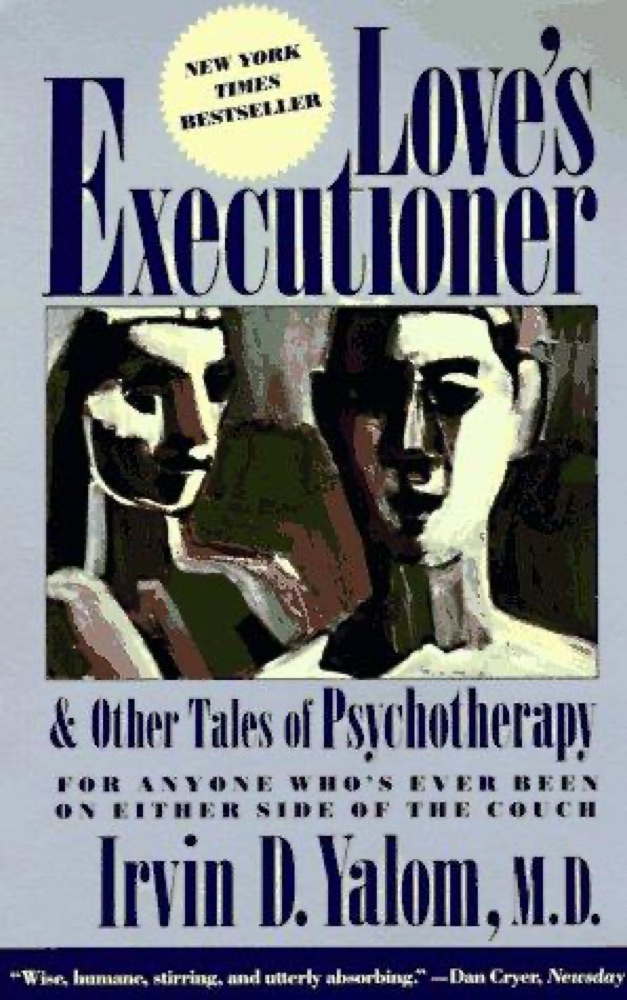 Love's Executioner and Other Tales of Psychotherapy
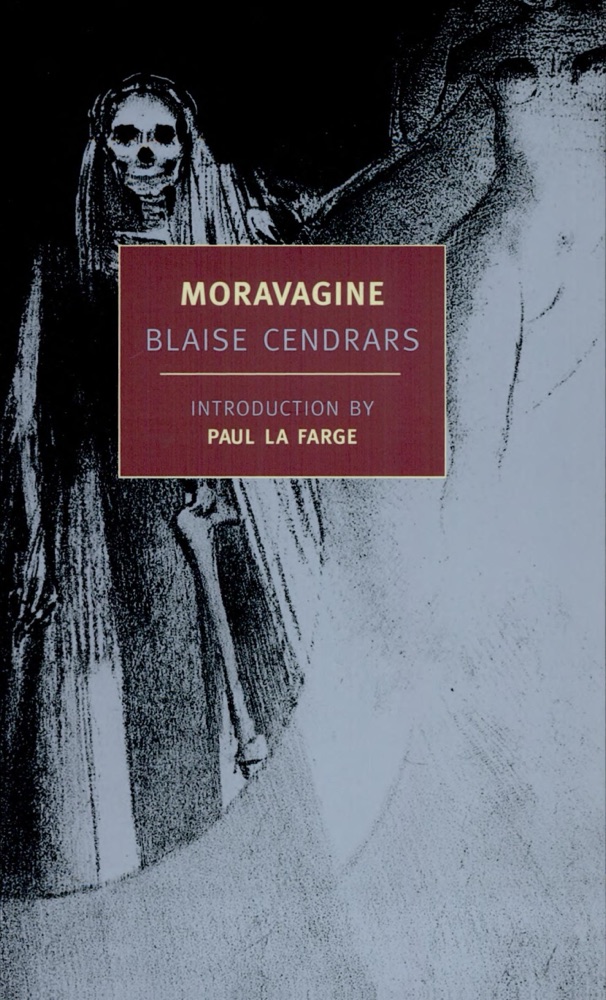 Moravagine
 The Ego and Its Own
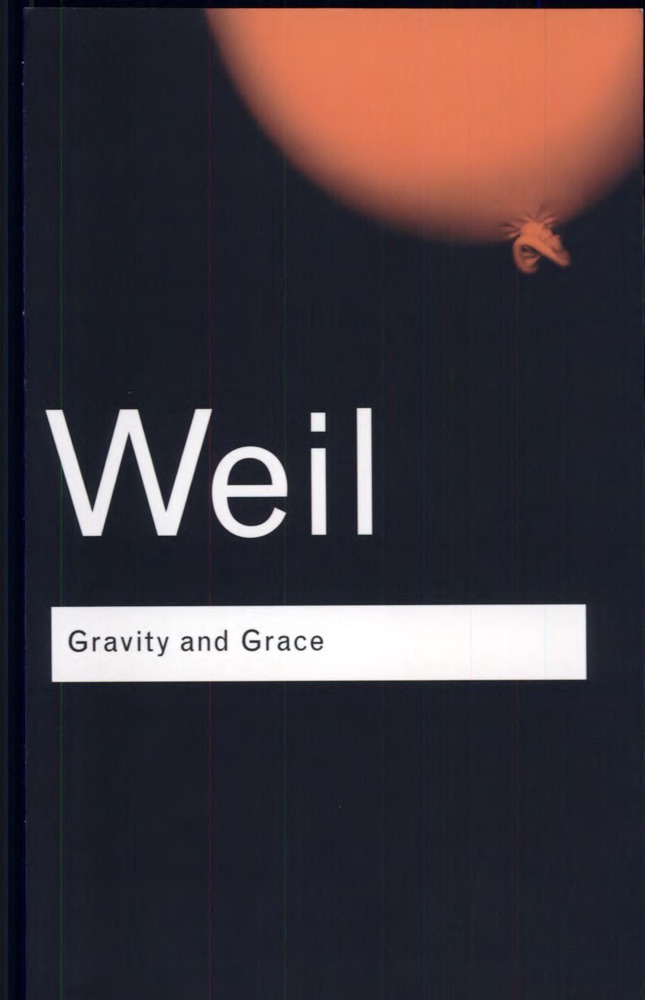 Gravity and Grace
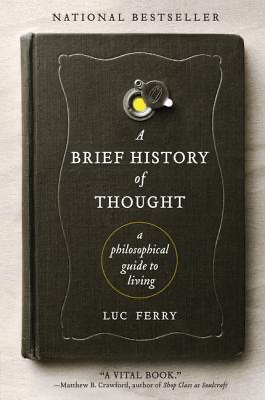 A Brief History of Thought: A Philosophical Guide to Living
 The Book of Laughter and Forgetting
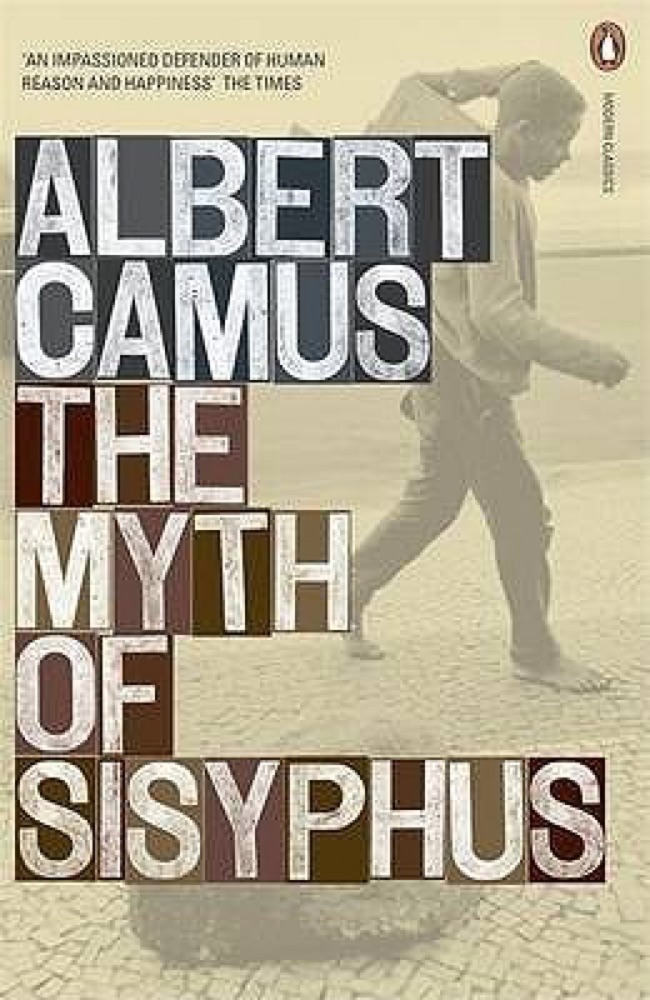 The Myth of Sisyphus
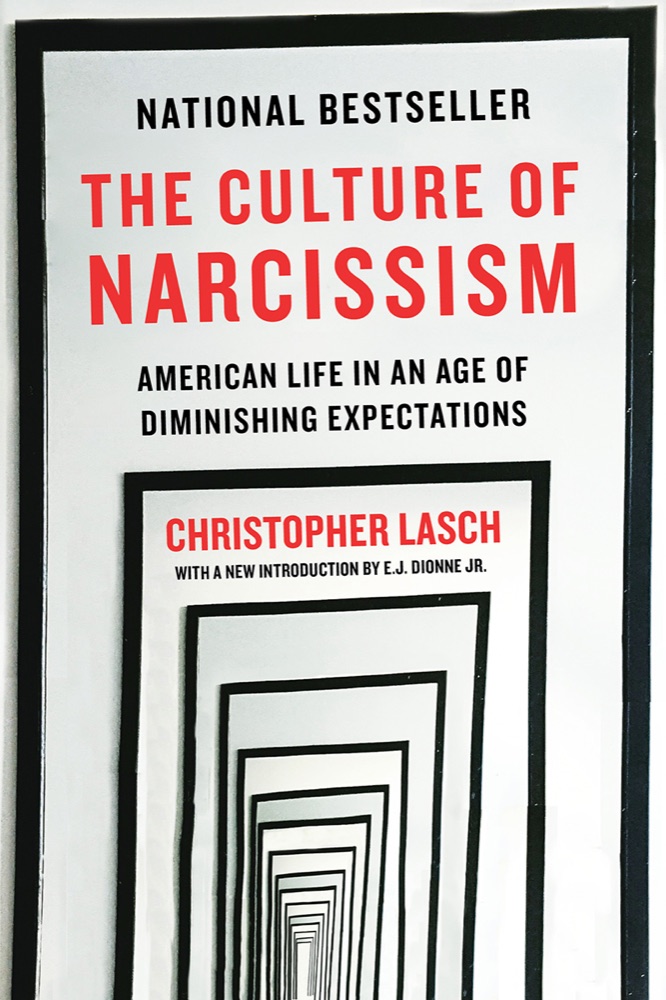 The Culture of Narcissism: American Life in An Age of Diminishing Expectations
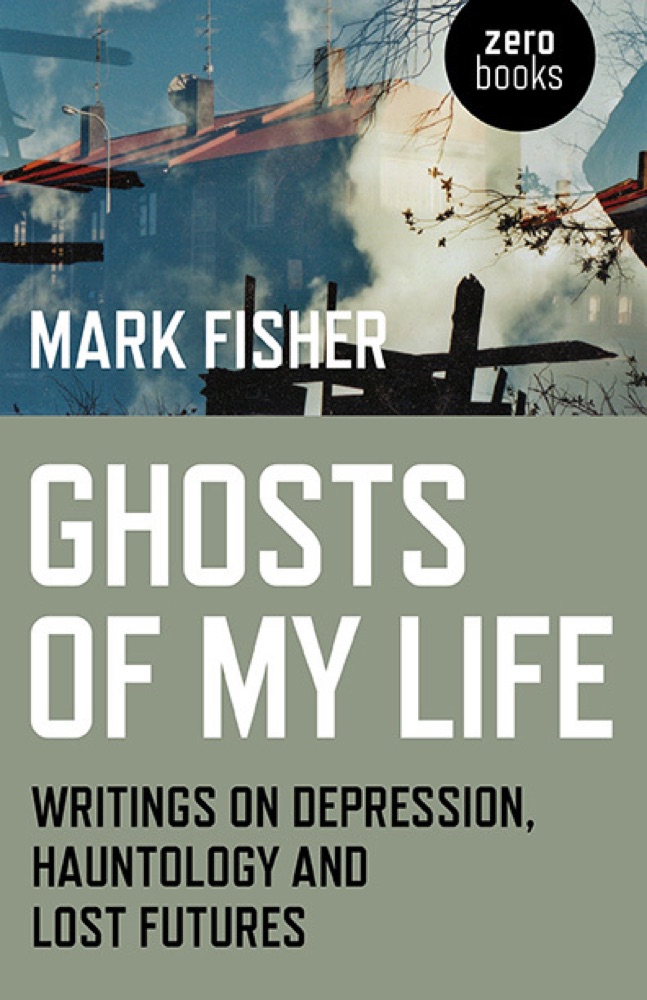 Ghosts of My Life: Writings on Depression, Hauntology and Lost Futures
 Last and First Men
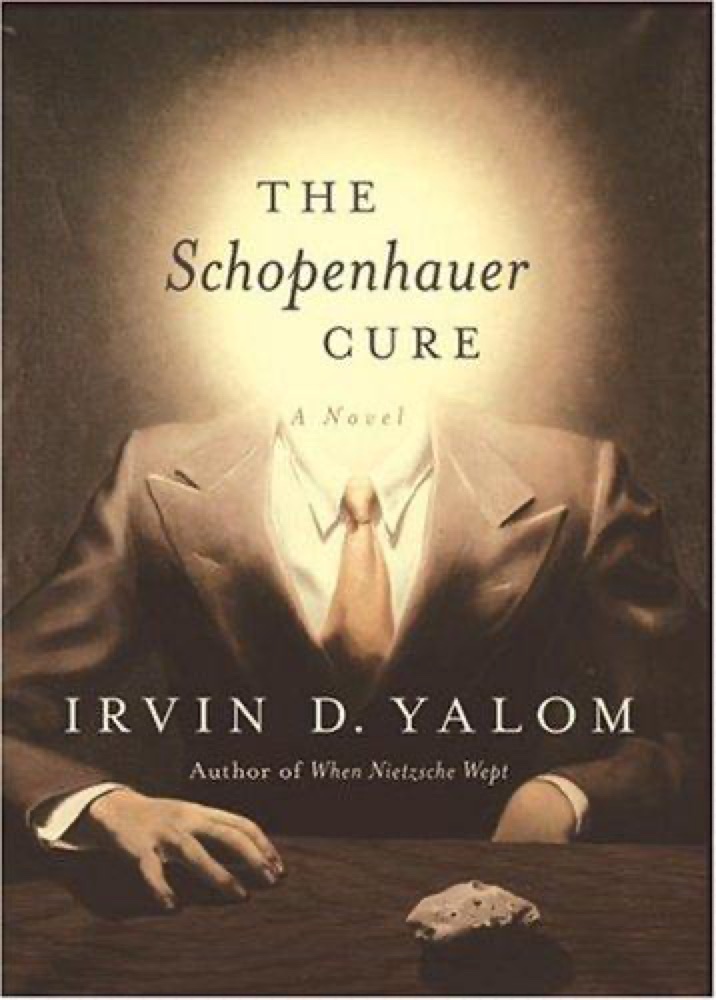 The Schopenhauer Cure
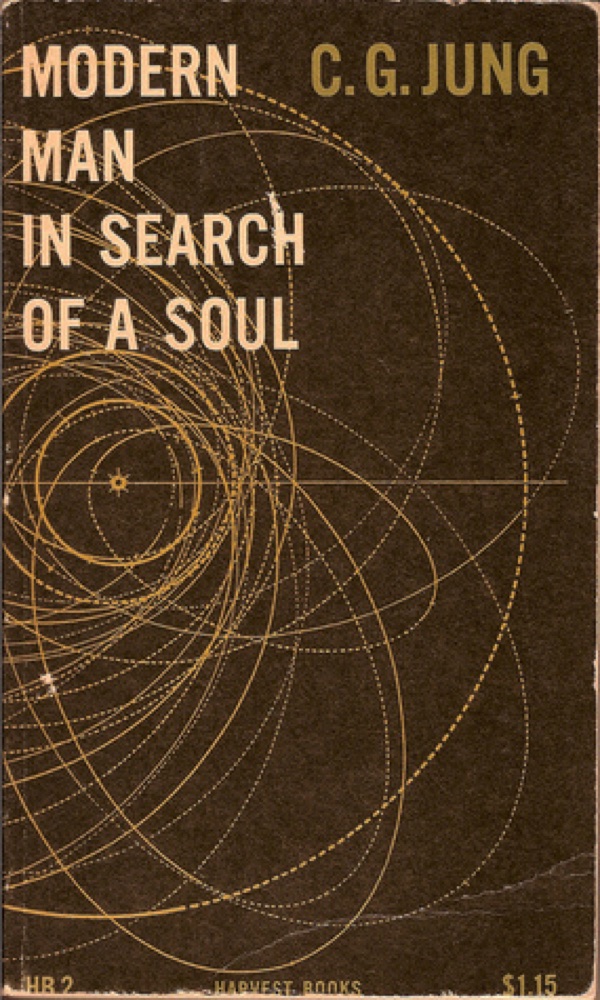 Modern Man in Search of a Soul
 Minima Moralia: Reflections on a Damaged Life
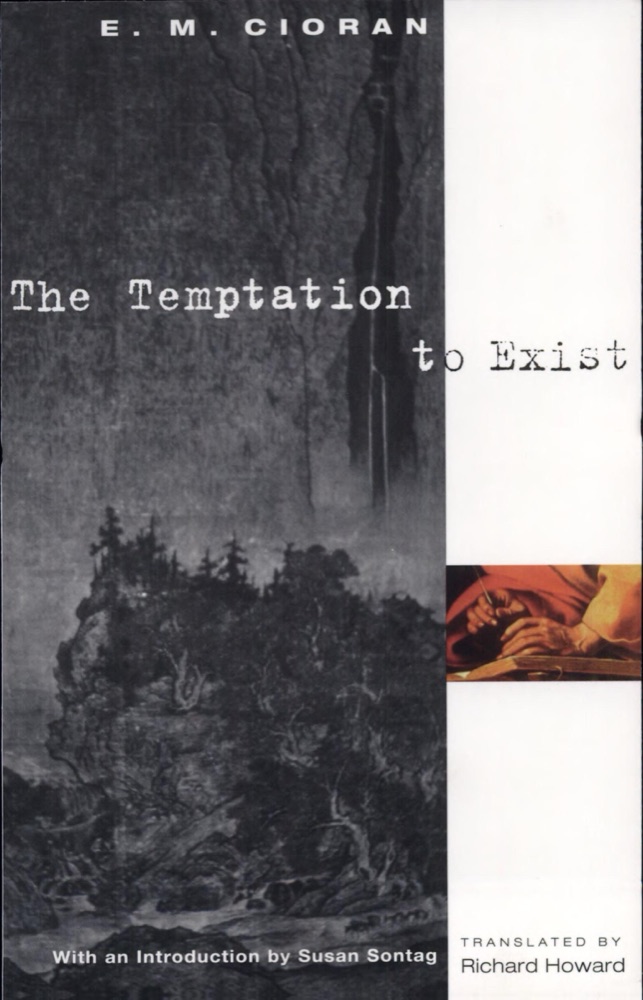 The Temptation to Exist
 Man's Search for Ultimate Meaning
 The Will to Meaning: Foundations and Applications of Logotherapy
 The Rebel: An Essay on Man in Revolt
 Freedom from the Known
 Ego and Archetype: Individuation and the Religious Function of the Psyche
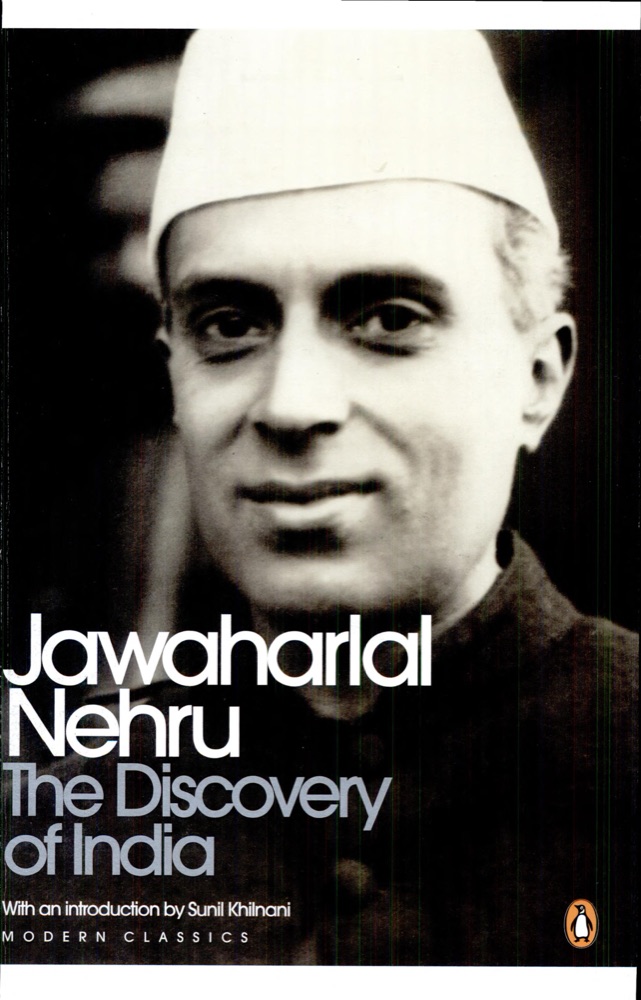 The Discovery of India
 America
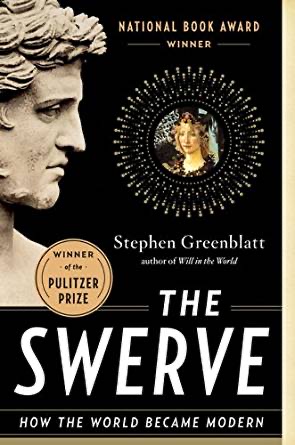 The Swerve: How the World Became Modern
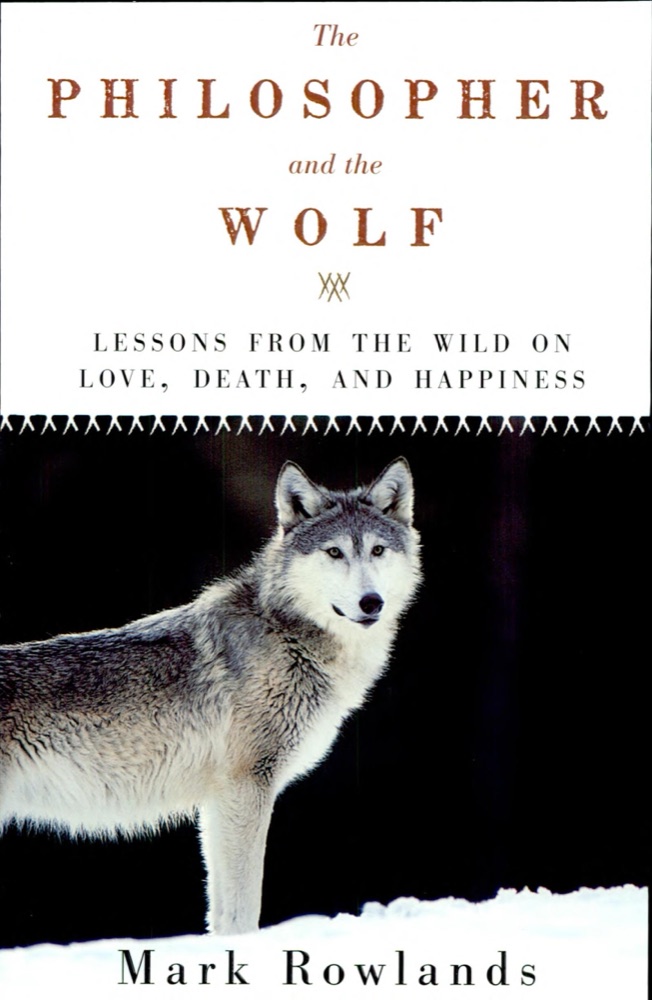 The Philosopher and the Wolf
 The Wisdom of Insecurity: A Message for an Age of Anxiety
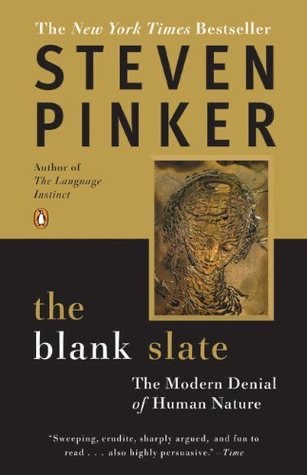 The Blank Slate: The Modern Denial of Human Nature
 Zeno's Conscience