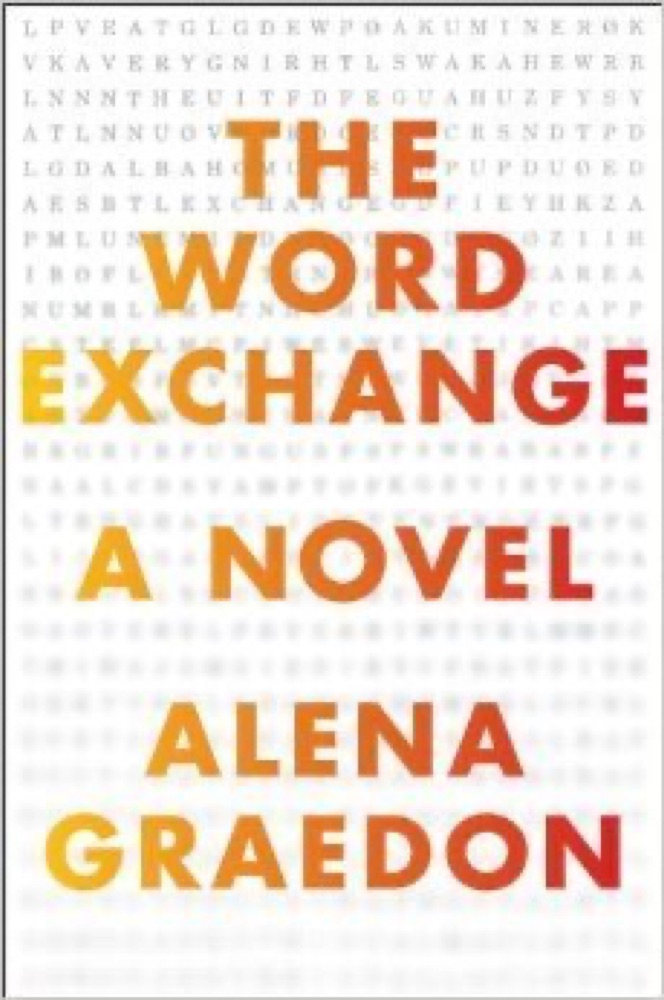

 The Names
Quotes from the Book
Why do you think people stopped reading? We read to connect with other minds. But why read when you're busy writing, describing the fine-grained flotsam of your own life. Compulsively recording every morsel you eat, that you're cold, or, I don't know, heartbroken by a football game. An endless stream flowing to an audience of everyone and no one.
12
Words, then, are born of worlds. But they also take us places we can’t go: Constantinople and Mars, Valhalla, the Planet of the Apes. Language comes from what we’ve seen, touched, loved, lost. And it uses knowable things to give us glimpses of what’s not. The Word, after all, is God.
5
In Japanese, koi no yokan means the ineluctable feeling you have, upon meeting someone for the first time, that eventually the two of you will fall in love.
5
Without words, we're history's orphans. Our lives and thoughts erased.
3
But let me say this, and I'll say it only once: don't fool yourself into thinking you're just on a detour as you sail home for Ithaca. A little pit stop, if you like, with the Lotus-Eaters or Calypso. There's no Athena interceding on your behalf. No guarantee you'll eventually arrive. If there's something you really want in life - especially if it's something that scares you, or you think you don't deserve - you have to go after it and do it now. Or in the very long you'll be right: you won't deserve it.
2
Language is incarnate. It’s the way our bodies evolved—to stand upright, to walk—that enables us to speak at all. And it’s our senses that give us reasons to talk. We want to verify with others what we seem to perceive. It’s also our bodies that give our words urgency: the tiny ticking clocks in each of our cells. Words, then, are born of worlds. But they also take us places we can’t go: Constantinople and Mars, Valhalla, the Planet of the Apes. Language comes from what we’ve seen, touched, loved, lost. And it uses knowable things to give us glimpses of what’s not. The Word, after all, is God. Some
1
One single word – like EMERGENCY, or love – can revise a whole night. A whole life.
1
No one worried about the bends we might get from progress; we just let ourselves fly higher up.
If I was missing out on things, they were things I didn’t think to miss.
In the words of Georg Wilhelm Friedrich Hegel, “Human nature only really exists in an achieved community of minds.
The secretary of education recently unveiled an initiative for curriculums to place more emphasis on history and language. Within the decade, proficiency in at least three languages will be required of all American schoolchildren by graduation. And along with its other recommendations, the CDC has issued a promulgation that every U.S. citizen “unplug” for at least two hours each day. location 6374
I found that reading gave me a certain relief – one form of escapism that seemed safe, and maybe more than safe. I felt saner – less fragmented- after reading for an hour. location 3234
Human nature only really exists in an achieved community of minds.” Language seems like proof that there’s such a thing as meaning. That we’re all connected, now and forever. Words don’t always work. Sometimes they come up short. Conversations can lead to conflict. There are failures of diplomacy. Some differences, for all the talk in the world, remain irreconcilable. People make empty promises, go back on their word, say things they don’t believe. But connection, with ourselves and others, is the only way we can live.
Creation is collaboration,” as
The trick of switching words’ meanings is one of the oldest in the book. Just think of “freedom” and “democracy” … Ultimately, it’s a problem of shortsightedness. An addiction to what’s next. People become so obsessed with the future, they make it up. Fabricate the “news.” Invent their own “analysis.” We’ve been doing that for years. It seems only natural that eventually we’d move on to manufacturing words.… But Synchronic didn’t invent accelerated obsolescence. As a nation we’ve been practicing mass production since before World War II. We believed wastefulness would morph, by magic, into wealth. That if we created enough disposable products, it would help fire consumerism. And it did, for a while. But here’s a dirty secret: resources are finite. Waste enough, and eventually it’s all used up. Language, too. You can’t just coin a word, use it once, and toss it out. But language is just the latest casualty. We always think there’s more of everything, even as we deplete it. Not just petroleum or gold, glacial ice or water, bandwidth. Now even our thoughts and memories are disposable.
Although, as you well know, dictionary sales to laymen have been waning for a long time. As books have gone out of print and we’ve moved from reading to “consuming data streams,” “texting” rather than writing—as Memes have become king—the average consumer has had much less need for real meanings. And Synchronic
(A man who traffics in words, I thought, should come up with better ones than that.) The note felt toxic; it left a funny taste in my mouth. Metallic, like lead paint, or the prodrome of a migraine. When had he written it? And why? Maybe someone else had done it for him. While I’d had my back turned, had he just been pretending to write? Everything about it made me ill. And then there was what the note said. What
My vision flooded with kraskan lights and divided into planes. I soon had access to endless data: room tensoo (73° F / 22.7° C), coordinates (40.7142° N, 74.0064° W), elevation (-2 feet); total number of guests on different floors (512 … 513 … 511); mean salary ($847K; thak, I was dragging that down a lot); a list of hors d’oeuvres (carpaccio, crab cakes, balls of rew) and their precise, blinking locations in the room; and so much more, I should have balked, buckled under the weight of information—names and occupations; number of single women (189) and where they were zhank; the latest new “money word” beamed in through Meaning Master (verbled, 8:12 p.m. EST, from a piano teacher in Cleveland); etc.—and yet instead I felt a stranno, enveloping sense of well-being. Beautiful music swerred. Everything sparkled with a pinkish gold hue, and a pleasant smell flushed out remnants of Floyd. My head felt barely tethered to the rest of me. I swiveled it around. I think I felt warm. Even my headache had lifted (though not for long). And I remember feeling nemed less concerned about Floyd’s few garbled words.
but I could feel the jealous eyes of the steexin hangers-on still in line, and I lament to report that it boosted my spirits some), he
Apparently I’m not the only one—we’ve been hearing that some consumers actually started lining up outside stores days ago in anticipation of the new Nautilus. A few analysts are projecting more than seven or eight million sales in the first week alone.
When Vern had described Meme users so estranged from everyday language that they didn’t know what words they didn’t know, I
think the word you might be searching for,” she finally said, “is stupefied. Or awed? Inspired?” She gave a shy little smile. “But vib. I’m not mad at you, Bartleby.” My heart felt like a rubber ball bouncing down the stairs.
agreed (and of course it wasn’t a lie), but I also rightly predicted how dolorous our meal would be. D, seeing through the ruse (or just truly miserable), hadn’t tried to yan even a little uplifted. He
She and Max were chong to his parents’, and his mother had been very ill. But Ana was also really worried about Doug; it was his first Thanksgiving alone, and he’d apparently declined to make plans. She
I was willing to get a microchip—a minor, outpatient procedure—my Meme could do even more for me. Make it easier to remember certain incidents in full, lustrous color, or forget things I’d rather not revisit (again and again). It could change my visual field so that walking or driving or riding in the train would feel like performing in a video game.
Underlying every lexicon is a hopeful faith in the existence of order: i.e., that words will be arranged to make sense. The feeling of love, likewise, presupposes the existence of an object of love around which to organize. Similarly, the concept of a universal grammar presumes specific lexicons (e.g., German, Hebrew, Japanese), just as the universal feeling “love” presumes a contingent, particular love (e.g., Anana Johnson).
tried to understand what I’d seen. I felt as if I’d just stepped out of a limn on twentieth-century book burnings: gaunt, vampiric Goebbels screaming beside a seditious inferno; Stalin; Mao and his Red Guards; Iranian forces in the Republic of Mahabad burning anything in Kurdish; midcentury New York school kids incinerating comics in Binghamton; Ray Bradbury’s firemen; apartheid-era librarians; Pinochet; Pol Pot; Serbian nationalists setting fire to the National and University Library.
shook my head and smiled. He smiled back. Our smiles said vastly different things.
Watch on YouTube
About Alena Graedon
We have collected 28 quotes from 1 book by Alena Graedon on BookQuoters.
More about the author →About the book
In the not-so-distant future, the forecasted “death of print” has become a reality. Bookstores, libraries, newspapers, and magazines are things of the past, and we spend our time glued to handheld devices called Memes that not only keep us in constant communication but also have become so intuitive that they hail us cabs before we leave our offices, order takeout at the first growl of a hungry stomach, and even create and sell language itself in a marketplace called the Word Exchange.
Anana Johnson works with her father, Doug, at the North American Dictionary of the English Language (NADEL), where Doug is hard at work on the last edition that will ever be printed. Doug is a staunchly anti-Meme, anti-tech intellectual who fondly remembers the days when people used email (everything now is text or videoconference) to communicate—or even actually spoke to one another, for that matter. On
Book details
- First published
- 2014
- Author
- Alena Graedon
- Genre
- Fiction
- Goodreads rating
- 3.35 (4k ratings)
Keep reading
The Names
 Gliff
Gliff
 Babel-17
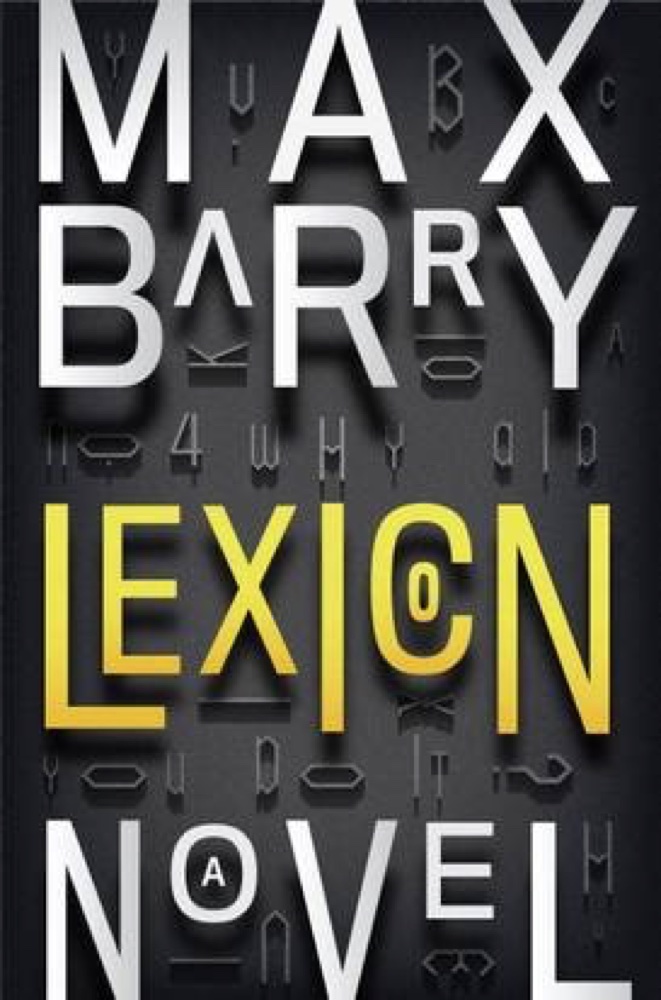 Lexicon
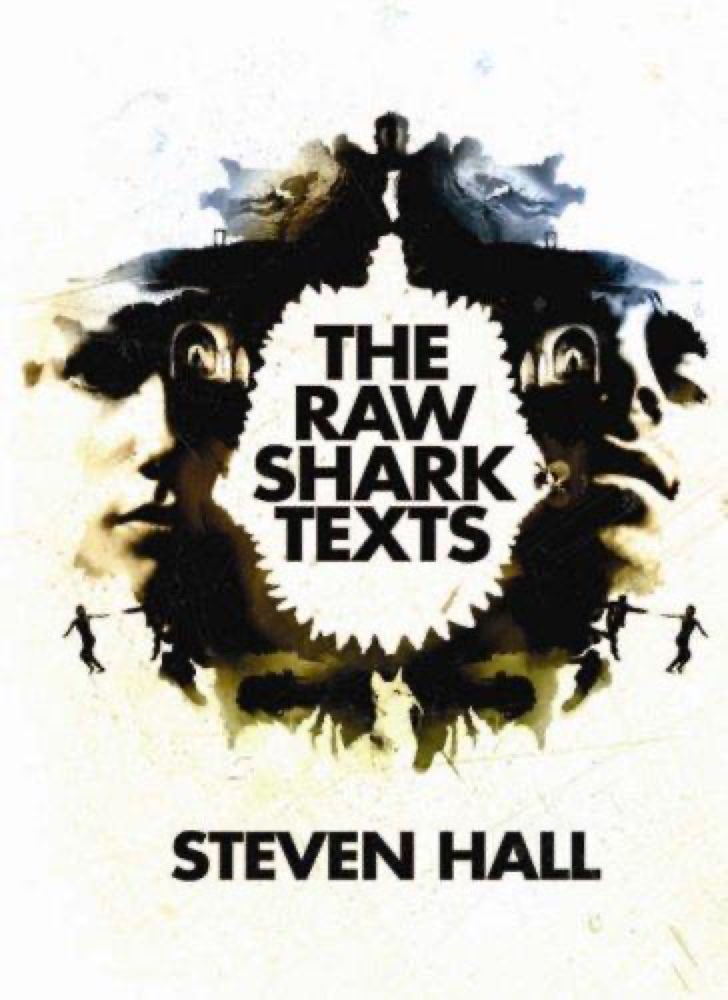 The Raw Shark Texts
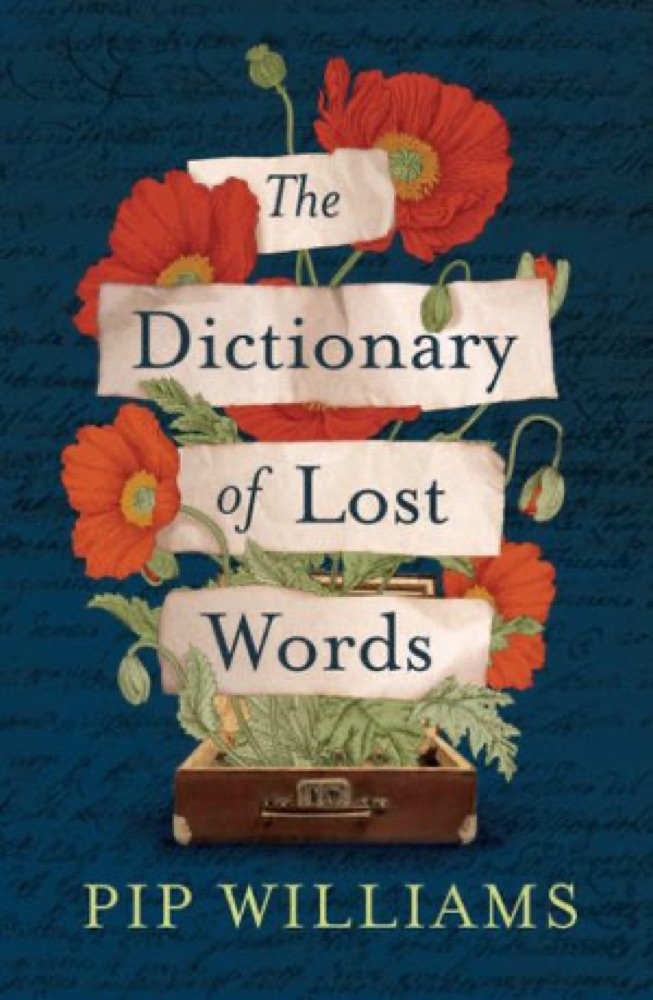 The Dictionary of Lost Words
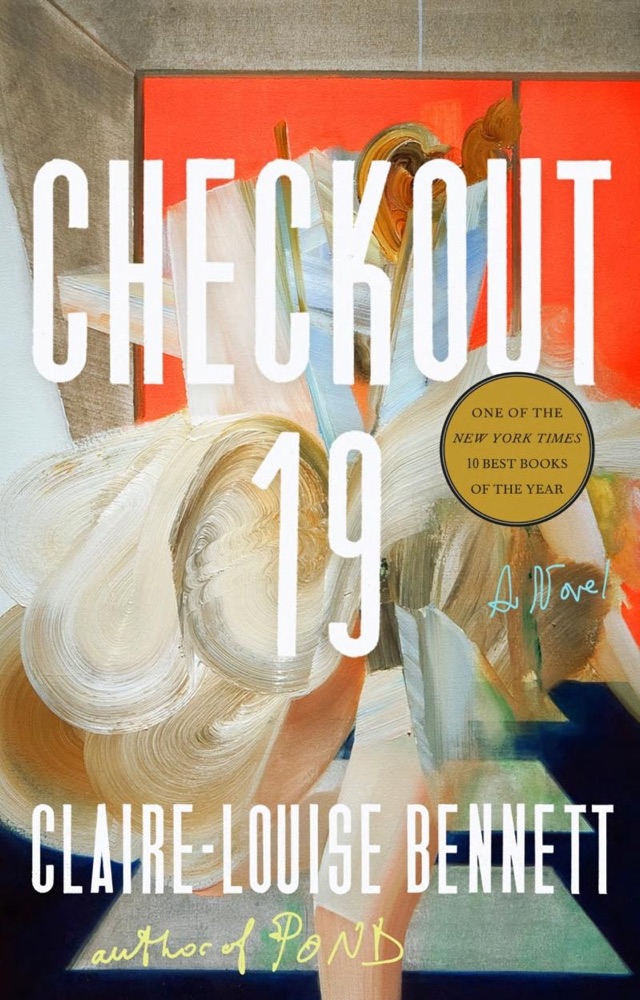 Checkout 19
 Winter
 Almond
 Embassytown
 Stories of Your Life and Others
 Generation X: Tales for an Accelerated Culture
 A Fisherman of the Inland Sea
 Out of Oz
 The Stone Gods
 Children of the Mind
 The Paper Menagerie and Other Stories
 What I Loved
 Plainwater: Essays and Poetry
 The Candy House
 Lost in Translation: A Life in a New Language
 The Year of Magical Thinking
 The Book of Salt
 Belong to Me
 The Braindead Megaphone
 The Tsar of Love and Techno
 Speak
Speak
 Encyclopedia of an Ordinary Life
 The Angel Esmeralda
 Welcome to Braggsville
 The Enchanted
 Middlesex
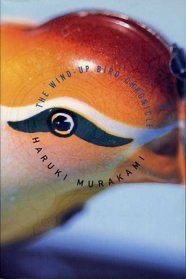 The Wind-Up Bird Chronicle
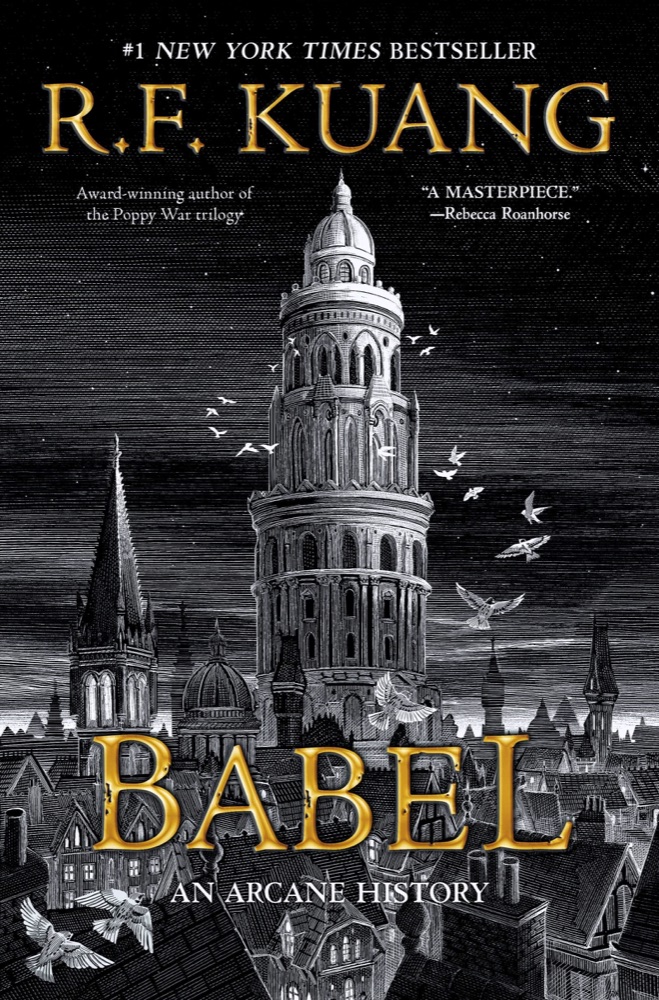 Babel
Babel
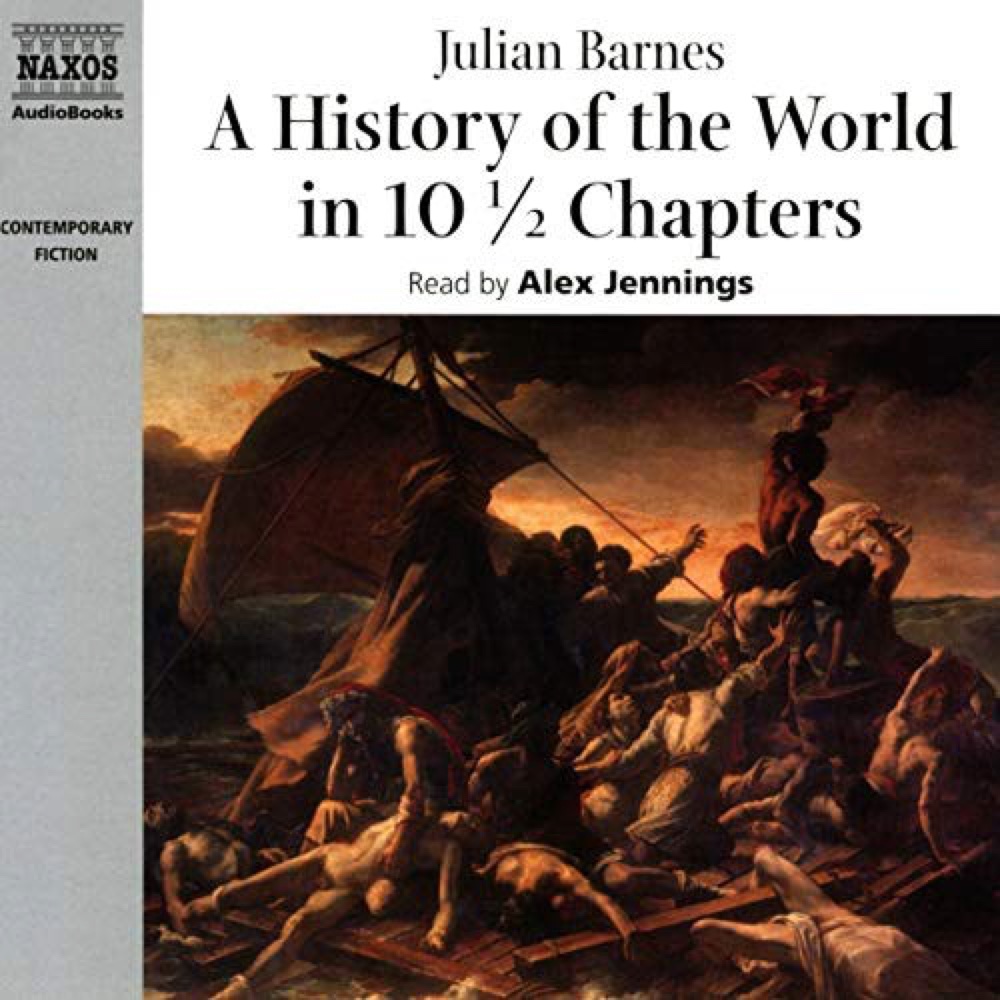 A History of the World in 10½ Chapters
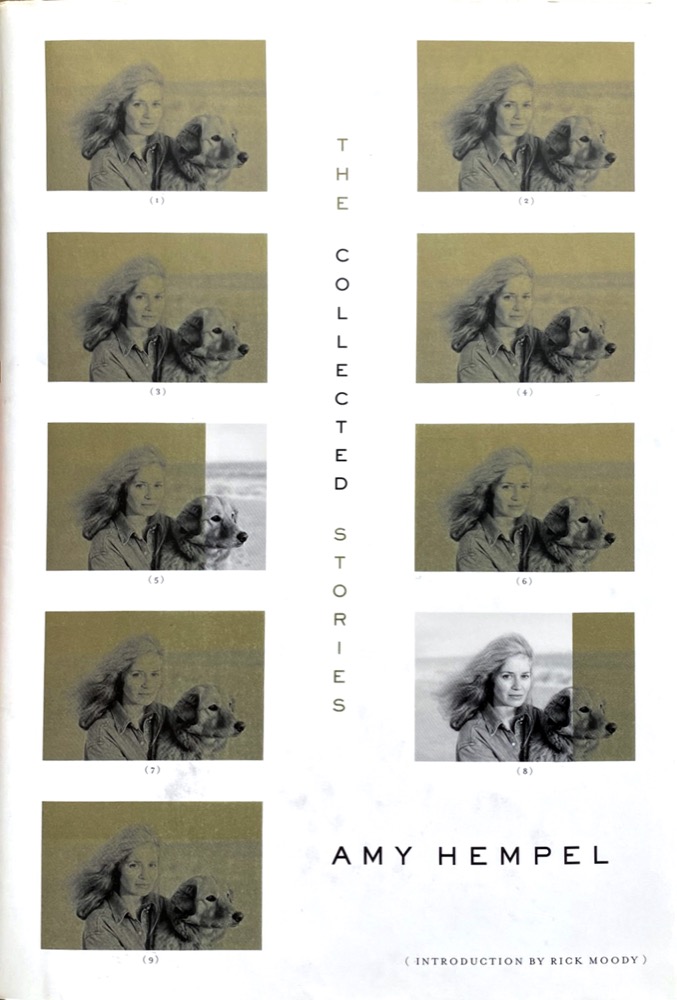 The Collected Stories
 The Atopia Chronicles
 The Pale King
 Skinny Legs and All
 A Language Older Than Words
 Microserfs
 Stars in My Pocket Like Grains of Sand
 Sexus
Sexus
 Mao II
 The Future
 The Telling
 The Sorrows of an American
 The Golden Notebook
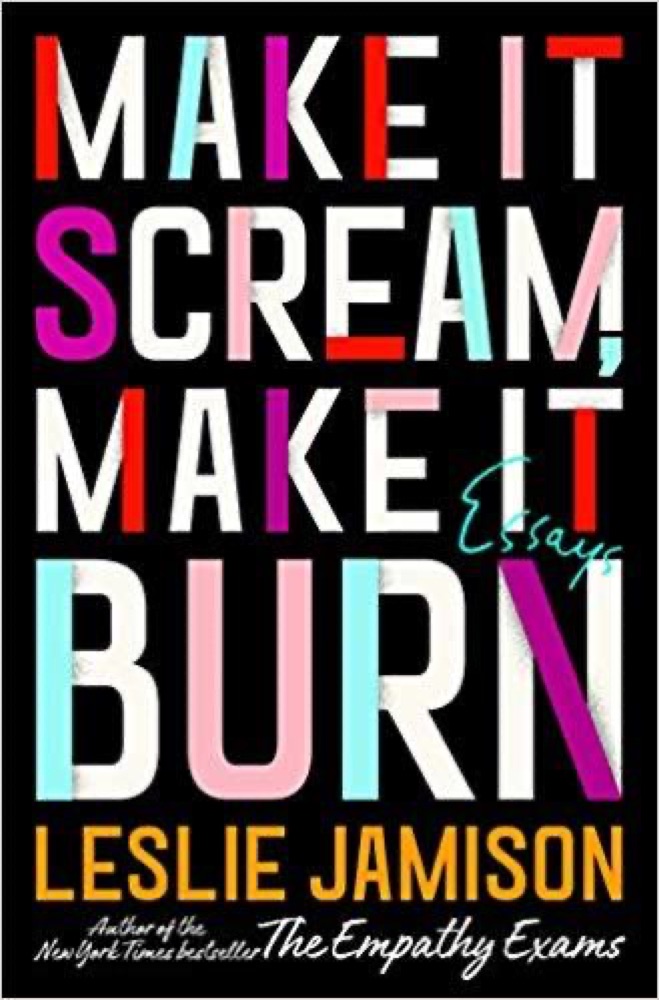 Make It Scream, Make It Burn
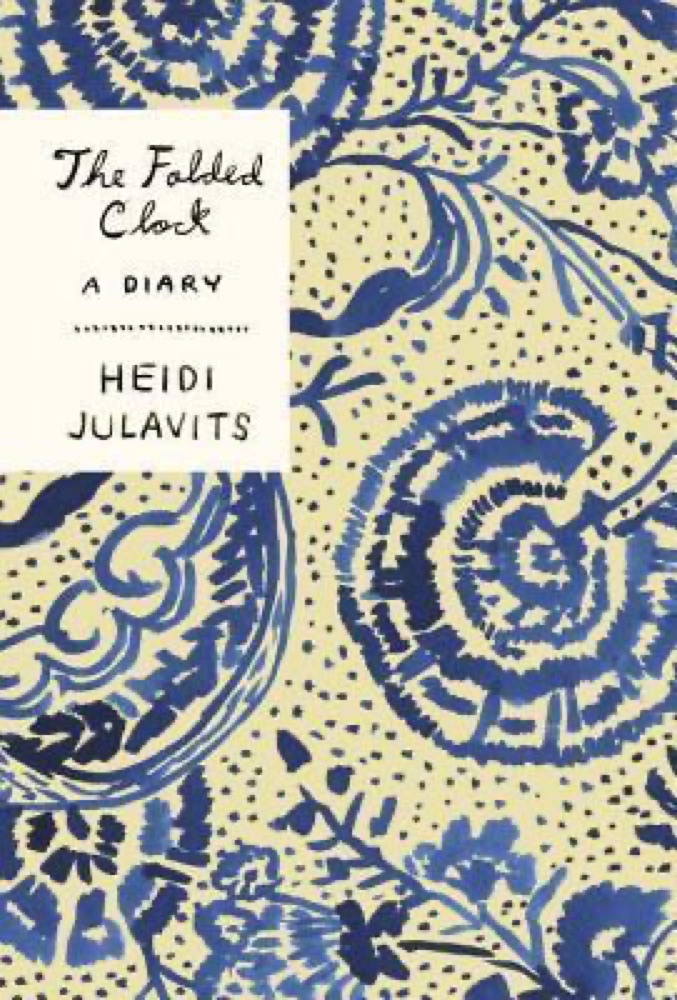 The Folded Clock: A Diary
 Purity
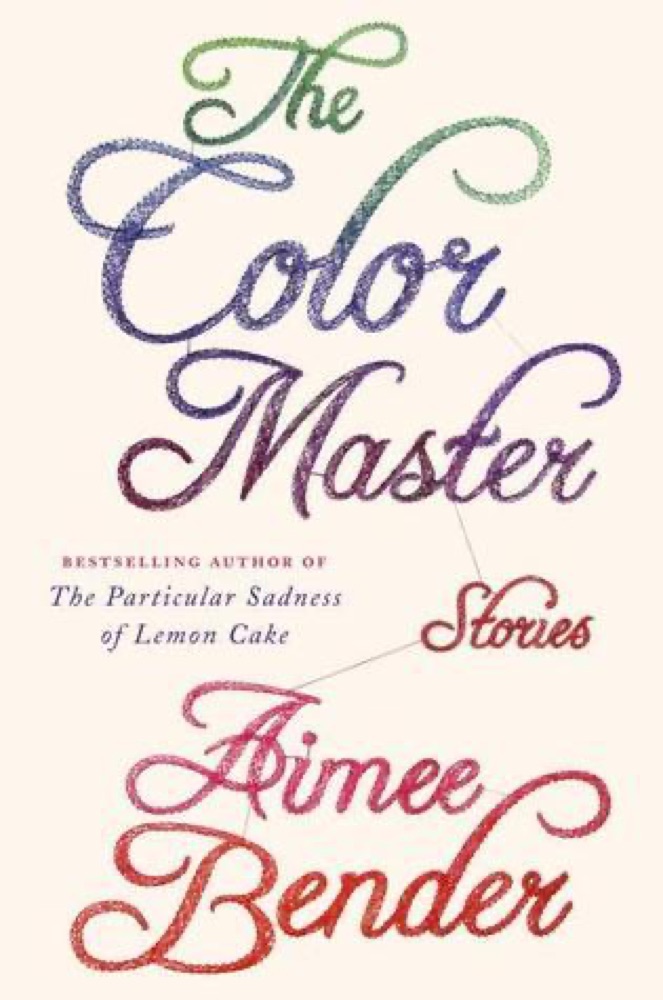 The Color Master: Stories
 Hourglass: Time, Memory, Marriage
 Smoke and Mirrors: Short Fiction and Illusions
 A Closed and Common Orbit
 Lost Children Archive
 Burning Questions: Essays and Occasional Pieces, 2004 to 2021
 Possession
 Min kamp 2
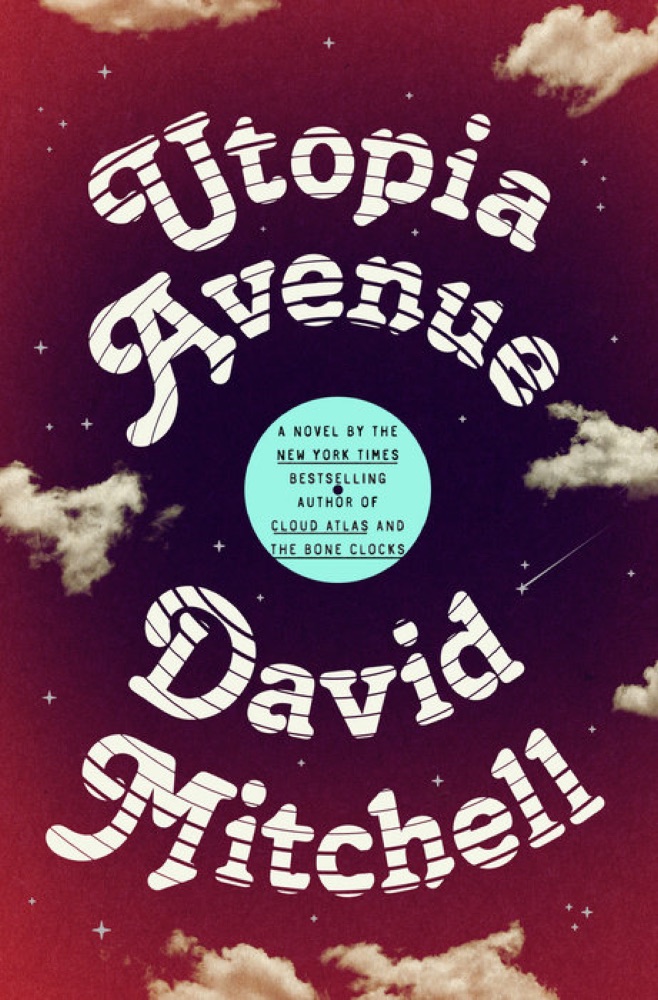 Utopia Avenue