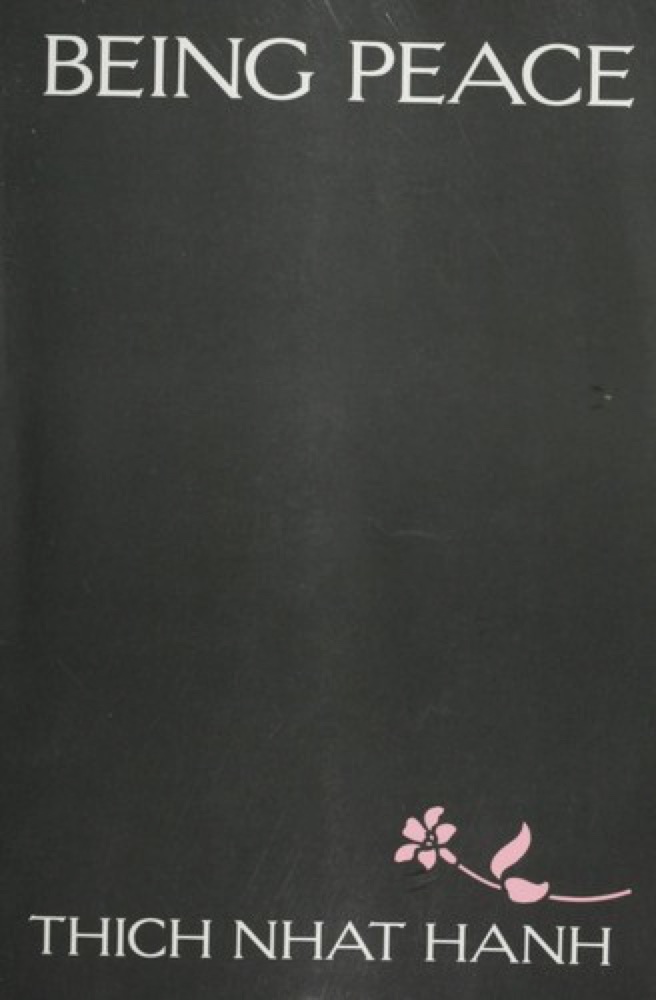
 Being Peace
Quotes from the Book
When you love someone, you have to offer that person the best you have. The best thing we can offer another person is our true presence.
67
The main affliction of our modern civilization is that we don’t know how to handle the suffering inside us and we try to cover it up with all kinds of consumption.
64
Without suffering, there's no happiness. So we shouldn't discriminate against the mud. We have to learn how to embrace and cradle our own suffering and the suffering of the world, with a lot of tenderness.
60
Most people are afraid of suffering. But suffering is a kind of mud to help the lotus flower of happiness grow. There can be no lotus flower without the mud.” —THICH NHAT HANH
53
Breathing in, I’m aware of the painful feeling in me. Breathing out, I’m aware of the painful feeling in me.” This is an art. We have to learn it, because most of us don’t like to be with our pain. We’re afraid of being overwhelmed by the pain, so we always seek to run away from it. There’s loneliness, fear, anger, and despair in us. Mostly we try to cover it up by consuming. There are those of us who go and look for something to eat. Others turn on the television. In fact, many people do both at the same time. And even if the TV program isn’t interesting at all, we don’t have the courage to turn it off, because if we turn it off, we have to go back to ourselves and encounter the pain inside. The marketplace provides us with many items to help us in our effort to avoid the suffering inside.
48
Love needs to be nurtured and fed to survive; and our suffering also survives because we enable and feed it. We ruminate on suffering, regret, and sorrow. We chew on them, swallow them, bring them back up, and eat them again and again. If we’re feeding our suffering while we’re walking, working, eating, or talking, we are making ourselves victims of the ghosts of the past, of the future, or our worries in the present. We’re not living our lives.
40
the art of happiness is also the art of suffering well.
36
The function of mindfulness is, first, to recognize the suffering and then to take care of the suffering. The work of mindfulness is first to recognize the suffering and second to embrace it. A mother taking care of a crying baby naturally will take the child into her arms without suppressing, judging it, or ignoring the crying. Mindfulness is like that mother, recognizing and embracing suffering without judgement. So the practice is not to fight or suppress the feeling, but rather to cradle it with a lot of tenderness. When a mother embraces her child, that energy of tenderness begins to penetrate into the body of the child. Even if the mother doesn't understand at first why the child is suffering and she needs some time to find out what the difficulty is, just her acto f taking the child into her arms with tenderness can alreadby bring relief. If we can recognize and cradle the suffering while we breathe mindfully, there is relief already.
30
NO MUD, NO LOTUS Both suffering and happiness are of an organic nature, which means they are both transitory; they are always changing. The flower, when it wilts, becomes the compost. The compost can help grow a flower again. Happiness is also organic and impermanent by nature. It can become suffering and suffering can become happiness again.
25
One way of taking care of our suffering is to invite a seed of the opposite nature to come up. As nothing exists without its opposite, if you have a seed of arrogance, you have also a seed of compassion. Every one of us has a seed of compassion. If you practice mindfulness of compassion every day, the seed of compassion in you will become strong. You need only concentrate on it and it will come up as a powerful zone of energy. Naturally, when compassion comes up, arrogance goes down. You don’t have to fight it or push it down. We can selectively water the good seeds and refrain from watering the negative seeds.
21
It is possible of course to get stuck in the “mud” of life. It’s easy enough to notice mud all over you at times. The hardest thing to practice is not allowing yourself to be overwhelmed by despair. When you’re overwhelmed by despair, all you can see is suffering everywhere you look. You feel as if the worst thing is happening to you. But we must remember that suffering is a kind of mud that we need in order to generate joy and happiness. Without suffering, there’s no happiness. So we shouldn’t discriminate against the mud. We have to learn how to embrace and cradle our own suffering and the suffering of the world, with a lot of tenderness.
20
The first definition of love is to be there. This is a practice. How can you love if you are not there? In order to love you have to be there, body and mind united. A true lover knows that the practice of mindfulness is the foundation of true love.
17
The soil of our mind contains many seeds, positive and negative. We are the gardeners who identify, water, and cultivate the best seeds.
17
Then meditate on your perceptions. The Buddha observed, “The person who suffers most in this world is the person who has many wrong perceptions, and most of our perceptions are erroneous.” You see a snake in the dark and you panic, but when your friend shines a light on it, you see that it is only a rope. You have to know which wrong perceptions cause you to suffer. Please write beautifully the sentence, “Are you sure?” on a piece of paper and tape it to your wall. Love meditation helps you learn to look with clarity and serenity in order to improve the way you perceive.
14
Suffering has its beneficial aspects. It can be an excellent teacher.
13
There is no birth and death; everything dies and renews itself all the time. When you get that kind of insight, you no longer tire yourself out with anxiety and aversion.
12
If you can recognize and accept your pain without running away from it, you will discover that although pain is there, joy can also be there at the same time. Some
10
Everyone knows we need to have mud for lotuses to grow. The mud doesn’t smell so good, but the lotus flower smells very good. If you don’t have mud, the lotus won’t manifest. You can’t grow lotus flowers on marble. Without mud, there can be no lotus.
10
We ruminate on suffering, regret, and sorrow. We chew on them, swallow them, bring them back up, and eat them again and again. If we’re feeding our suffering while we’re walking, working, eating, or talking, we are making ourselves victims of the ghosts of the past, of the future, or our worries in the present. We’re not living our lives.
10
[I]f an arrow hits you, you will feel pain in that part of your body where the arrow hit; and then if a second arrow comes and strikes exactly at the same spot, the pain will not be only double, it will become at least ten times more intense. The unwelcome things that sometimes happen in life—being rejected, losing a valuable object, failing a test, getting injured in an accident—are analogous to the first arrow. They cause some pain. The second arrow, fired by our own selves, is our reaction, our storyline, and our anxiety. All these things magnify the suffering
9
We can condition our bodies and minds to happiness with the five practices of letting go, inviting positive seeds, mindfulness, concentration, and insight.
9
The French have a song they like to sing, “Qu’est-ce qu’on attend pour être heureux?” (What are you waiting for in order to be happy?) You can be happy right here and right
9
The most effective way to show compassion to another is to listen, rather than talk.
8
If you know how to make good use of the mud, you can grow beautiful lotuses. If you know how to make good use of suffering, you can produce happiness. We do need some suffering to make happiness possible. And most of us have enough suffering inside and around us to be able to do that. We don’t have to create more.
5
Nonhuman animals instinctively know that stopping is the best way to get healed.
5
the first mindfulness training: reverence for life Aware of the suffering caused by the destruction of life, I am committed to cultivating the insight of interbeing, compassion, and learning ways to protect the lives of people, animals, plants, and minerals. I am determined not to kill, not to let others kill, and not to support any act of killing in the world, in my thinking, or in my way of life. Seeing that harmful actions arise from anger, fear, greed, and intolerance, which in turn come from dualistic and discriminative thinking, I will cultivate openness, nondiscrimination, and nonattachment to views in order to transform violence, fanaticism, and dogmatism in myself and in the world.
5
According to the creation story in the biblical book of Genesis, God said, “Let there be light.” I like to imagine that light replied, saying, “God, I have to wait for my twin brother, darkness, to be with me. I can’t be there without the darkness.” God asked, “Why do you need to wait? Darkness is there.” Light answered, “In that case, then I am also already there.
4
Happiness is impermanent, like everything else. In order for happiness to be extended and renewed, you have to learn how to feed your happiness. Nothing can survive without food, including happiness; your happiness can die if you don’t know how to nourish it. If you cut a flower but you don’t put it in some water, the flower will wilt in a few hours. Even if happiness is already manifesting, we have to continue to nourish it.
4
Many of us slog through life without conscious awareness or intention. We set ourselves a course and we barrel ahead, without stopping to ask whether this path is fulfilling our most important goals. That's partly because many of us believe that happiness is not possible in the here and now. We think we need to struggle now so that we will be happy in the future. So we postpone happiness and try to run into the future and attain the conditions of happiness that we don't have now.
3
The flower, when it wilts, becomes the compost. The compost can help grow a flower again. Happiness is also organic and impermanent by nature. It can become suffering and suffering can become happiness again. If you look deeply into a flower, you see that a flower is made only of nonflower elements. In that flower there is a cloud. Of course we know a cloud isn’t a flower, but without a cloud, a flower can’t be. If there’s no cloud, there’s no rain, and no flower can grow. You don’t have to be a dreamer to see a cloud floating in a flower. It’s really there. Sunlight is also there. Sunlight isn’t flower, but without sunlight no flower is possible. If we continue to look deeply into the flower, we see many other things, like the earth and the minerals. Without them a flower cannot be. So it’s a fact that a flower is made only of nonflower elements. A flower can’t be by herself alone. A flower can only inter-be with everything else. You can’t remove the sunlight, the soil, or the cloud from the flower.
2
Watch on YouTube
About Thich Nhat Hanh
We have collected 629 quotes from 23 books by Thich Nhat Hanh on BookQuoters.
More about the author →
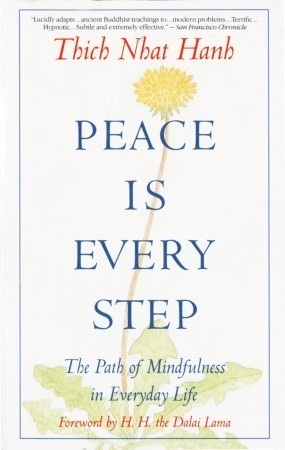
About the book
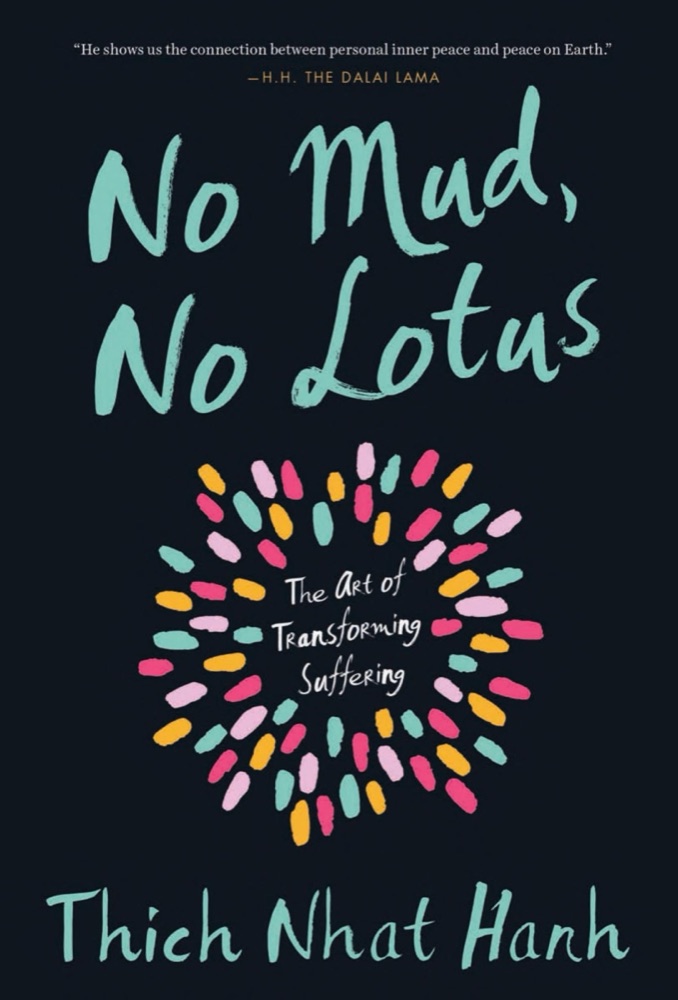
The secret to happiness is to acknowledge and transform suffering, not to run away from it. Here, Thich Nhat Hanh offers practices and inspiration transforming suffering and finding true joy.
Thich Nhat Hanh acknowledges that because suffering can feel so bad, we try to run away from it or cover it up by consuming. We find something to eat or turn on the television. But unless we’re able to face our suffering, we can’t be present and available to life, and happiness will continue to elude us.
Nhat Hanh shares how the practices of stopping, mindful breathing, and deep concentration can generate the energy of mindfulness within our daily lives. With that energy, we can embrace pain and calm it down, instantly bringing a measure of freedom and a clearer mind.
No Mud, No Lotus introduces ways to be in touch with suffering without being overwhelmed by it. "When we know how to suffer," Nhat
Book details
- First published
- 2014
- Author
- Thich Nhat Hanh
- Genre
- Nonfiction
- Goodreads rating
- 4.24 (16k ratings)
Keep reading
 The Heart of the Buddha's Teaching: Transforming Suffering into Peace, Joy, and Liberation
 Reconciliation: Healing the Inner Child
 Buddha's Brain: The Practical Neuroscience of Happiness, Love, and Wisdom
 The Art of Communicating
 Comfortable with Uncertainty: 108 Teachings on Cultivating Fearlessness and Compassion
 Living Beautifully with Uncertainty and Change
 The Wise Heart: A Guide to the Universal Teachings of Buddhist Psychology
 Against the Stream: A Buddhist Manual for Spiritual Revolutionaries
 The Book of Joy: Lasting Happiness in a Changing World
 The Art of Happiness
 Happiness: A Guide to Developing Life's Most Important Skill
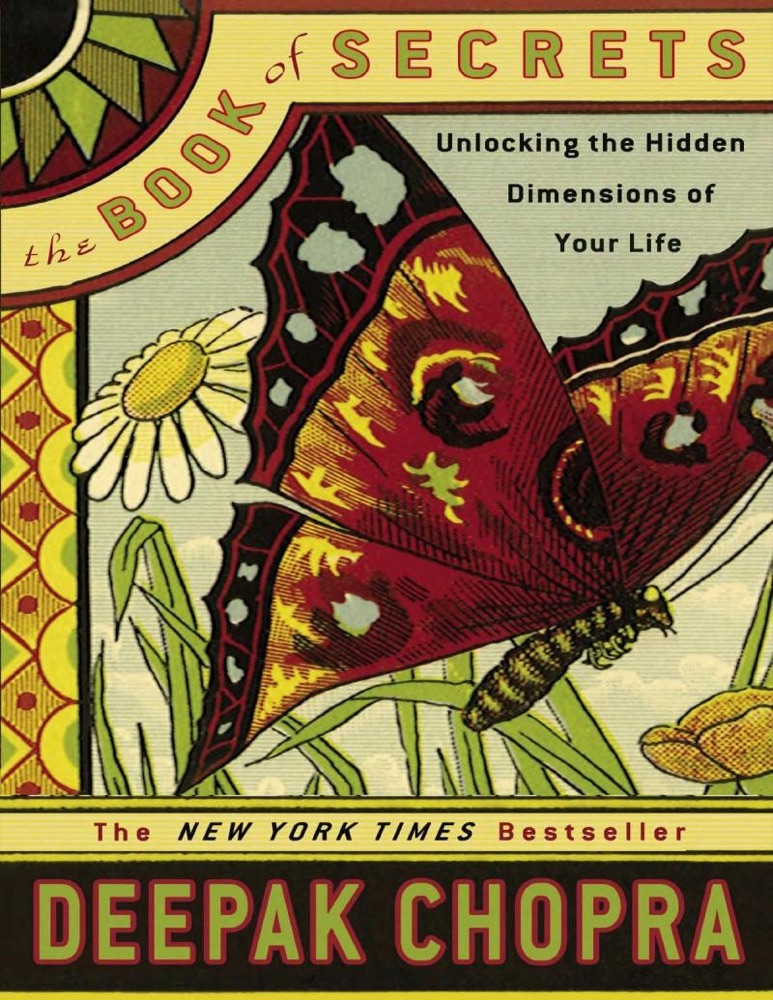 The Book of Secrets: Unlocking the Hidden Dimensions of Your Life
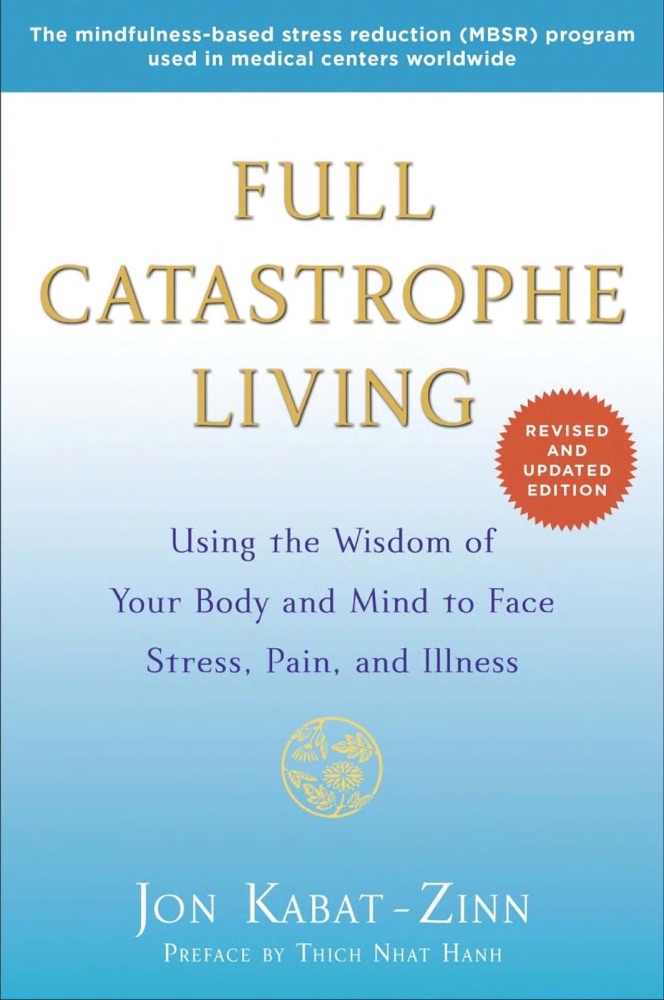 Full Catastrophe Living: Using the Wisdom of Your Body and Mind to Face Stress, Pain, and Illness
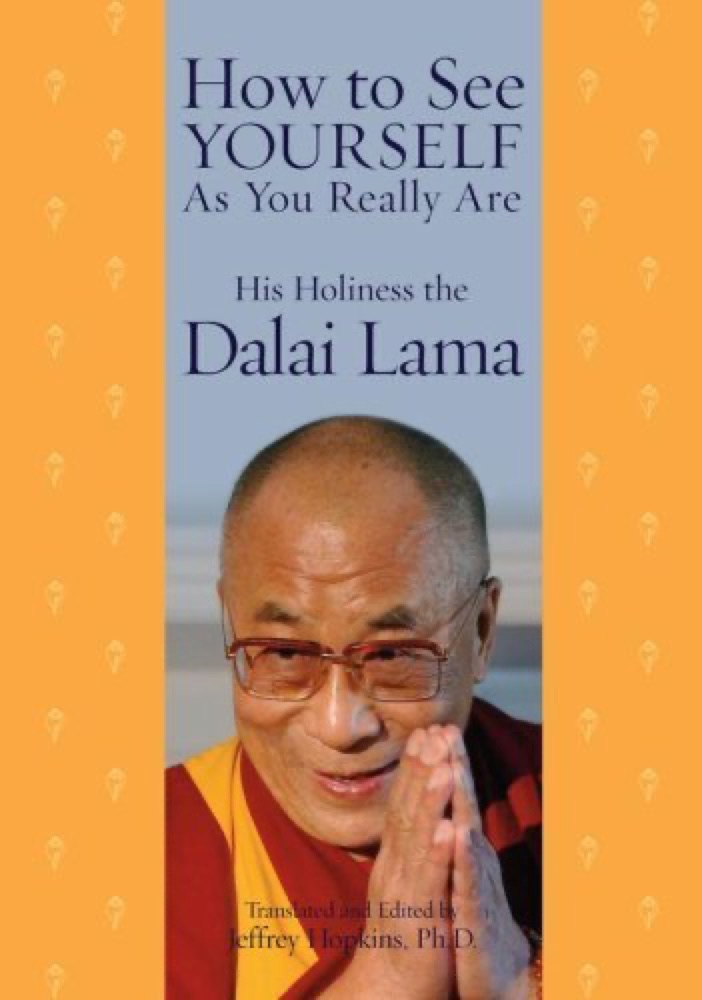 How to See Yourself As You Really Are
 The Places That Scare You: A Guide to Fearlessness in Difficult Times
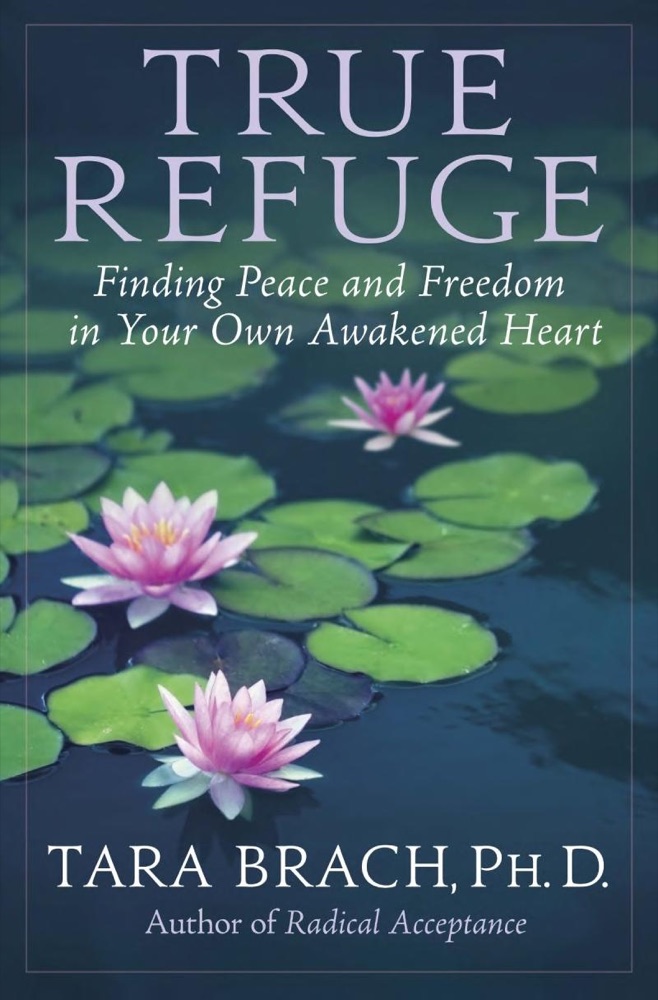 True Refuge: Finding Peace and Freedom in Your Own Awakened Heart
 Everyday Zen: Love & Work
 Lovingkindness: The Revolutionary Art of Happiness
 Self-Compassion: The Proven Power of Being Kind to Yourself
 Nothing Special: A Zen Buddhist Guide to Awakening Through Daily Life's Feelings, Relationships, and Work
 Meditation for Beginners
 Mindfulness in Plain English
 The Dalai Lama's Cat and the Power of Meow
 The Joy of Living: Unlocking the Secret and Science of Happiness
 Living Untethered: Beyond the Human Predicament
 Letting Go of the Person You Used to Be: Lessons on Change, Loss, and Spiritual Transformation
 Kitchen Table Wisdom: Stories that Heal
 Bittersweet: How Sorrow and Longing Make Us Whole
 The Book of Awakening: Having the Life You Want by Being Present to the Life You Have
 The Things You Can See Only When You Slow Down: How to Be Calm in a Busy World
 Awareness: Conversations with the Masters
 The Tibetan Book of Living and Dying
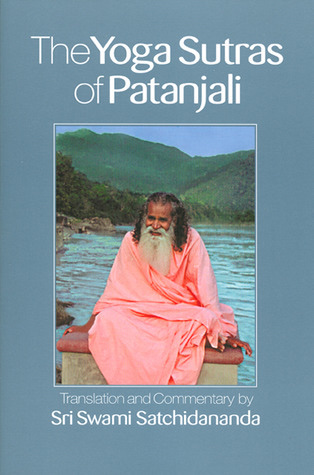 The Yoga Sutras of Pantanjali
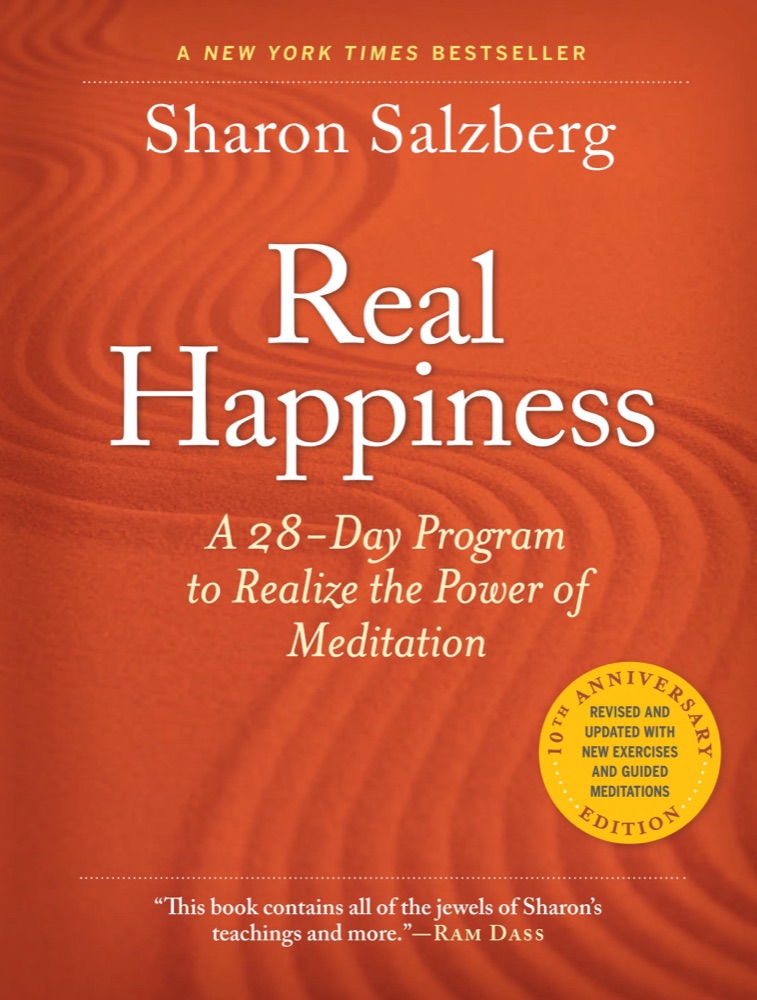 Real Happiness: A 28-Day Program to Realize the Power of Meditation
 Love for Imperfect Things: How to Accept Yourself in a World Striving for Perfection
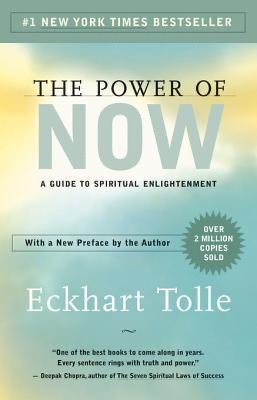 The Power of Now: A Guide to Spiritual Enlightenment
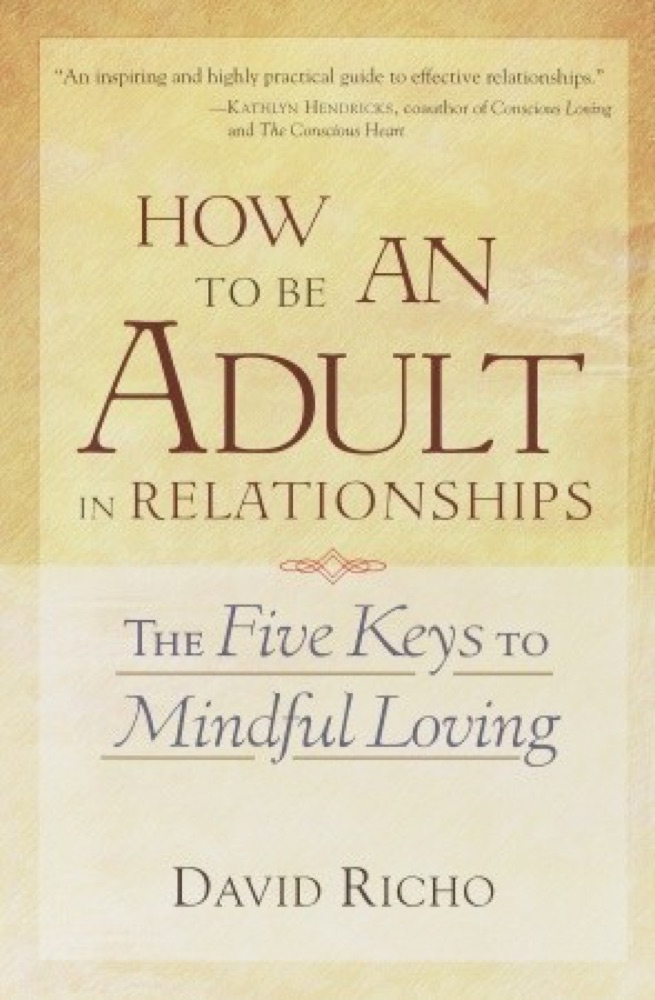 How to Be an Adult in Relationships: The Five Keys to Mindful Loving
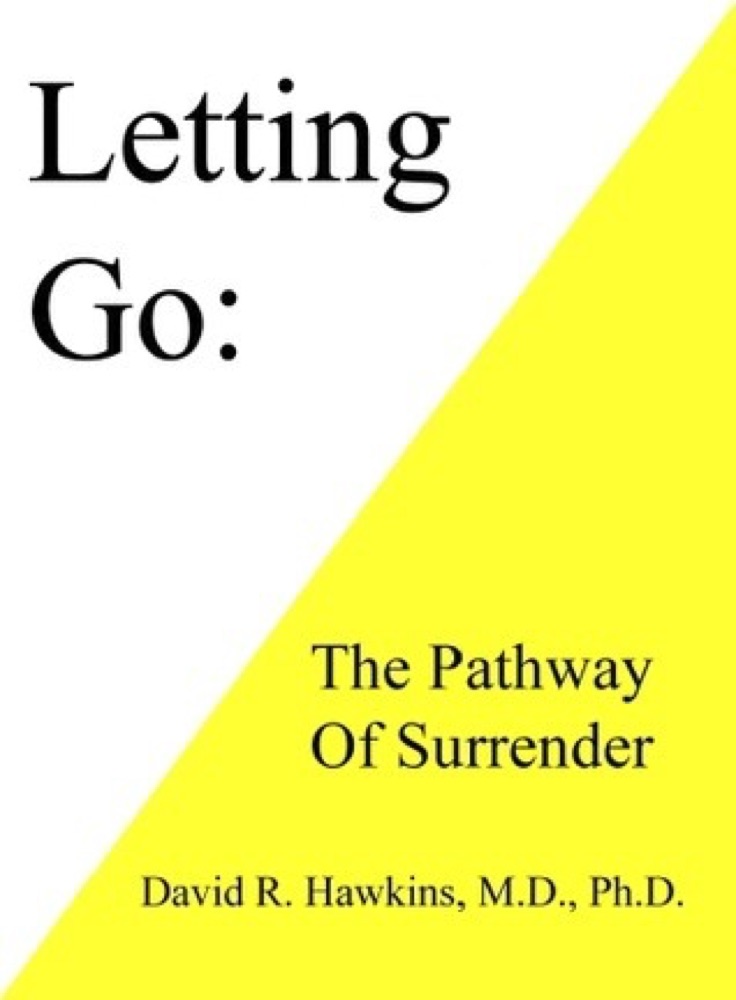 Letting Go: The Pathway To Surrender
 The Way to Love: The Last Meditations of Anthony de Mello
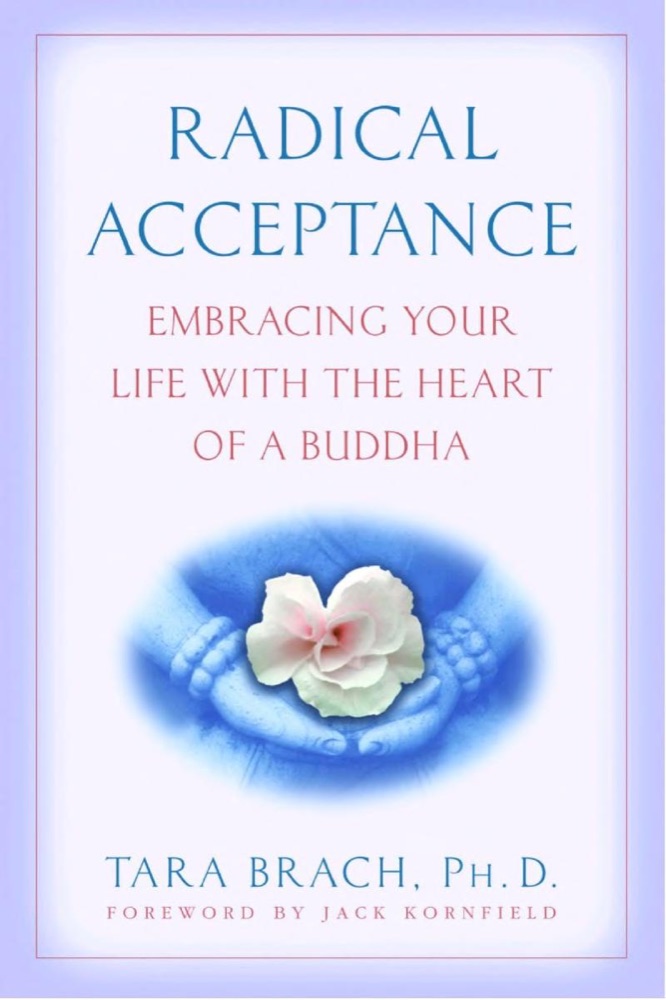 Radical Acceptance: Embracing Your Life With the Heart of a Buddha
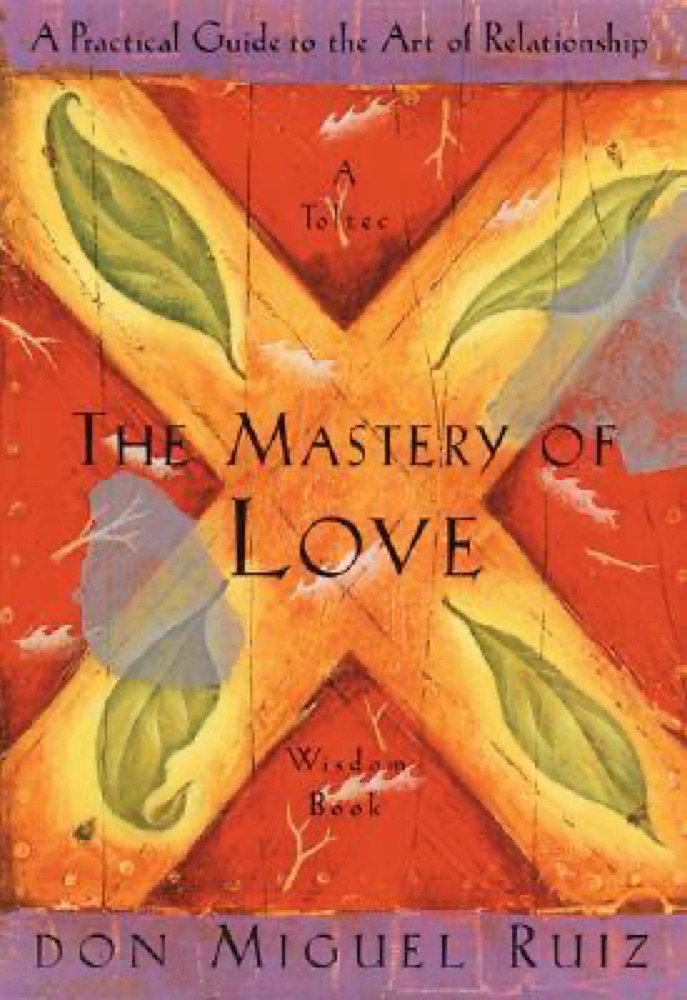 The Mastery of Love: A Practical Guide to the Art of Relationship: A Toltec Wisdom Book
 101 Essays That Will Change The Way You Think
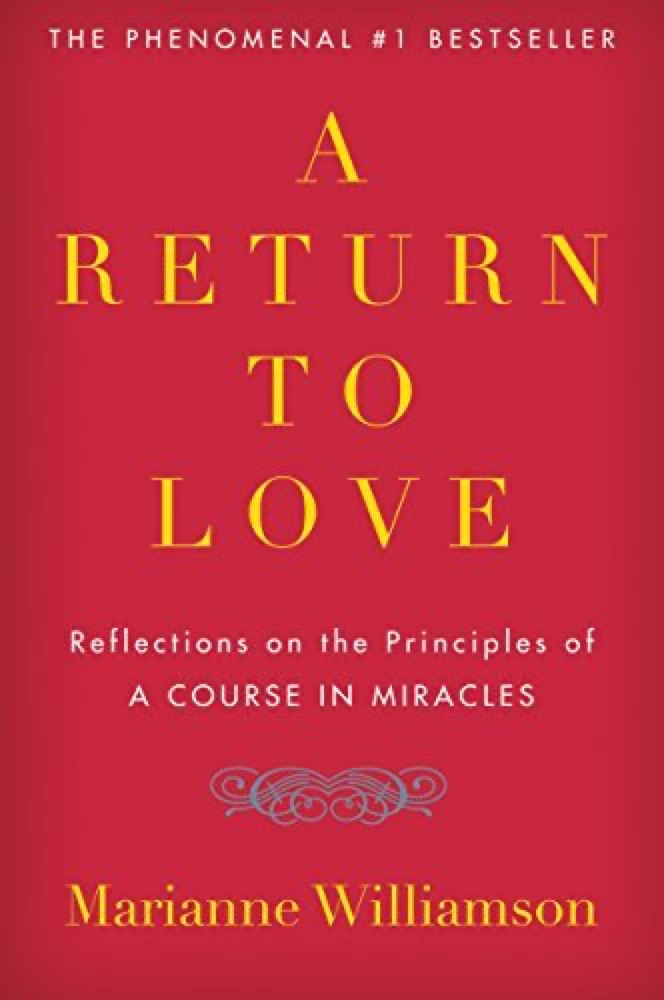 A Return to Love: Reflections on the Principles of "A Course in Miracles"
 The Comfort Book
 Changes That Heal: How to Understand the Past to Ensure a Healthier Future
 Messages from the Masters: Tapping into the Power of Love
 The Book of Secrets
 The Gifts of Imperfection
 Waking Up: A Guide to Spirituality Without Religion
 Happiness Becomes You: A Guide to Changing Your Life for Good
 Carry On, Warrior: Thoughts on Life Unarmed
 Celebrating Silence: Excerpts from Five Years of Weekly Knowledge 1995-2000
 Burnout: The Secret to Unlocking the Stress Cycle
 A Monk's Guide to Happiness: Meditation in the 21st Century
 Awakening the Buddha Within
 The Buddha Walks into a Bar . . .: A Guide to Life for a New Generation
 The Tools: Transform Your Problems into Courage, Confidence, and Creativity
 Love Yourself Like Your Life Depends on It