
 Twenty Love Poems and a Song of Despair
Quotes from the Book
I stalk certain words... I catch them in mid-flight, as they buzz past, I trap them, clean them, peel them, I set myself in front of the dish, they have a crystalline texture to me, vibrant, ivory, vegetable, oily, like fruit, like algae, like agates, like olives... I stir them, I shake them, I drink them, I gulp them down, I mash them, I garnish them... I leave them in my poem like stalactites, like slivers of polished wood, like coals, like pickings from a shipwreck, gifts from the waves... Everything exists in the word.
26
Quiero vivir en un mundo en el que los seres sean solamente humanos, sin darse en la cabeza con una regla, con una palabr, con una etiqueta... Quiero que la gran mayoría, la única mayoría, todos, puedan hablar, leer, escuchar, florecer. No entendí nunca la lucha sino para que ésta termine.
5
In my poems I could not shut the door to the street.
3
las personas más razonables les costaría mucho ser poetas, quizás a los poetas les cuesta mucho ser razonables.
3
He was my friend in everyday life and now I have lost his affection, which was part of my daily bread. No one will be able to give me what he has taken with him, because his active brotherly spirit was one of my life’s treasured luxuries.
1
There is the idol, there are the believers, and there I am, and if I had fewer scruples, I could well have been a priest, a necromancer, an exploiter of fears, of the primitive idolatry that one way or another the backward and aggrieved of humankind inevitably seek out. Then the church is built, the mystery embellished with art and craft, then dogma arrives, and no one can raise a voice against it. It’s an easy business. For centuries, priests, in different rites and languages, have sold a slice of heaven with all the comforts included: running water, electric light, television above all, a satisfied conscience, etc. The curious thing is that this domain, where there lives a terrible being by the name of God, has never been seen by anyone. Yet they go on selling it, and the price per cubic meter of heavenly air or divine land keeps rising higher and higher.
Beside the Duke’s bed was a little print in a gold frame whose Gothic characters caught my eye. Caramba! I thought, it must be the Albas’ family tree. I was wrong. It was Rudyard Kipling’s “If—,” that uninspired, sanctimonious poetry, precursor of the Reader’s Digest, whose intellectual level, in my opinion, was no higher than that of the Duke of Alba’s shoes. May the British Empire forgive me!
...Todo lo que usted quiera, sí señor, pero son las palabras las que cantan, las que suben y bajan... Me prosterno ante ellas... Las amo, las adhiero, las persigo, las muerdo, las derrito... Amo tanto las palabras... Las inesperadas... Las que glotonamente se esperan, se acechan, hasta que de pronto caen... Vocablos amados... Brillan como piedras de colores, saltan como platinados peces
«Conversaciones con la vaca» Em Buenos Aires conheci um escritor argentino muito excêntrico que se chamava, ou chama, Omar Vignole. Ignoro se ainda vive. Era um homem grandote, sempre de grossa bengala na mão. Certo dia, num restaurante do centro, no qual me convidara para comer, já perto da mesa dirigiu-se a mim, com ar deferente, dizendo-me com um vozeirão que ecoou por toda a sala, repleta de fregueses: « Senta-te, Ornar Vignole!» Sentei-me com certo mal-estar e perguntei-lhe acto contínuo: «Porque me chamas Omar Vignole, ciente de que és tu Ornar Vignole e eu Pablo Neruda?» «Sim», respondeu-me, «mas neste restaurante há muitos que só me conhecem de nome e, corno vários deles querem dar-me uma tareia, eu prefiro que a dêem a ti.» Vignole fora agrónomo numa província argentina e trouxera de lá uma vaca com a qual mantinha amizade entranhada. Passeava por Buenos Aires inteira com a sua vaca presa a uma corda. Publicou então alguns livros, que tinham sempre títulos alusivos: Lo que piensa la vaca, Mi vaca y yo, etc., etc. Quando se reuniu pela primeira vez naquela cidade o congresso do Pen Club mundial, os escritores, presididos por Victoria Ocampo, tremiam ante a ideia de ver Vignole chegar ao congresso com a vaca. Explicaram às autoridades o perigo que os ameaçava e a polícia isolou as ruas em torno do Hotel Plaza a fim de evitar a entrada, no luxuoso recinto onde decorria o congresso, do meu excêntrico amigo com o ruminante. Tudo foi inútil. Quando a festa estava no auge e os escritores examinavam as relações entre o mundo clássico dos Gregos e o sentido moderno da história, o grande Vignole irrompeu na sala de conferências com a sua inseparável vaca, que para mais começou a mugir como se pretendesse tomar parte no debate. Trouxera-a até ao centro da cidade dentro de uma enorme furgoneta fechada que iludiu a vigilância policial. Dele contarei ainda que uma vez desafiou um lutador de catch as can. O profissional aceitou o desafio, e chegou a noite do encontro, num Luna Park repleto. O meu amigo apareceu pontualmente com a vaca, amarrou-a a uma esquina do quadrilátero, despiu um roupão elegantíssimo e enfrentou o «Estrangulador de Calcutá». Porém, de nada serviam ali a vaca, nem o sumptuoso atavio do poeta-lutador. O «Estrangulador de Calcutá» atirou-se a Vignole e em três tempos deixou-o transformado num nó indefeso, colocando-lhe, para mais, em sinal de humilhação, um pé sobre a garganta de touro literário, no meio da tremenda assuada de um público feroz que exigia a continuação do combate. Poucos meses depois, publicou um novo livro: Conversaciones con la vaca. Jamais poderei esquecer a originalíssima dedicatória, impressa na primeira página da obra. Dizia, se bem me lembro: «Dedico este livro filosófico aos quarenta mil filhos da puta que me assobiaram e pediram a minha morte no Luna Park na noite de 24 de Fevereiro.»
La timidez es una condición extraña del alma, una categoría, una dimensión que se abre hacia la soledad.
—Por qué dice usted en la «Oda a Federico» que por él «pintan de azul los hospitales»? —Mire, compañero —le respondí—, hacerle preguntas de ese tipo a un poeta es como preguntarle la edad a las mujeres. La poesía no es una materia estática, sino una corriente fluida que muchas veces se escapa de las manos del propio creador. Su materia prima está hecha de elementos que son y al mismo tiempo no son, de cosas existentes e inexistentes. De todos modos, trataré de responderle con sinceridad. Para mí el color azul es el más bello de los colores. Tiene la implicación del espacio humano, como la bóveda celeste, hacia la libertad y la alegría. La presencia de Fe derico, su magia personal, imponían una atmósfera de júbilo a su alrededor. Mi verso probablemente quiere decir que incluso los hospitales, incluso la tristeza de los hospitales, podían transformarse bajo el hechizo de su influencia y verse convertidos de pronto en bellos edificios azules.
la locura, cierta locura, anda muchas veces del brazo con la poesía. Así como a las personas más razonables les costaría mucho ser poetas, quizás a los poetas les cuesta mucho ser razonables.
Watch on YouTube
About Pablo Neruda
We have collected 114 quotes from 8 books by Pablo Neruda on BookQuoters.
More about the author →More by Pablo Neruda
Twenty Love Poems and a Song of Despair
 The Book of Questions
 The Poetry of Pablo Neruda
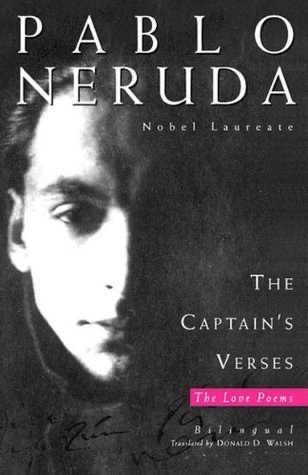 The Captain's Verses
About the book
Pablo Neruda has been hailed as the greatest poet of the 20th century & was a Nobel laureat. In these memoirs he also recounts his distinguished career as a diplomat & politician, during which he came to know iconic figures including Gandhi, Che Guevara, & Mao Tse Tung.
Book details
- First published
- 1974
- Author
- Pablo Neruda
- Genre
- Nonfiction
- Goodreads rating
- 4.15 (5k ratings)
The buzz
- The New York TimesReview in The New York Timesprofessional review (via Book Marks)
- The GuardianReview in The Guardianprofessional review (via Book Marks)
- Kirkus ReviewsReview in Kirkus Reviewsprofessional review (via Book Marks)
- Publishers WeeklyReview in Publishers Weeklyprofessional review (via Book Marks)
- BookPageReview in BookPageprofessional review (via Book Marks)
- FtReview in Ftprofessional review (via Book Marks)
Keep reading
 Distant Star
 This Craft of Verse
 Lost Illusions
 Paris Spleen
 Dancing Girls and Other Stories
 The Lost Steps
 Socrates In Love
 Ordesa
 The Wild Ass's Skin
 Amulet
 Don Quixote de La Mancha, Vol. 1
 The Labyrinth of Solitude and Other Writings
 Ficciones
 Days and Nights of Love and War
 My Last Sigh
 On Heroes and Tombs
 Malinche
 The Ingredients of Love
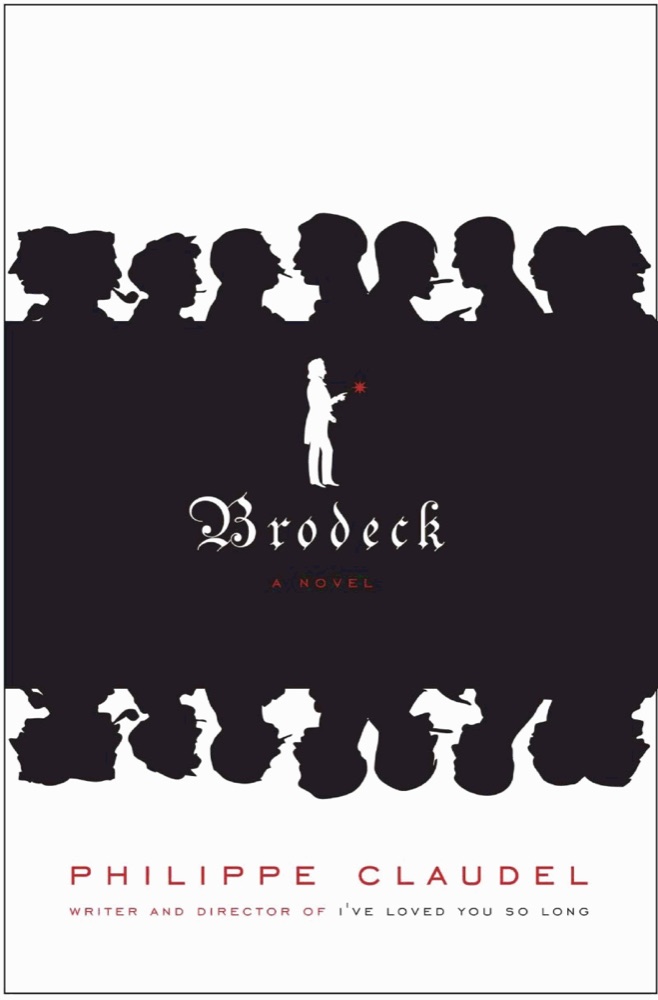 Brodeck
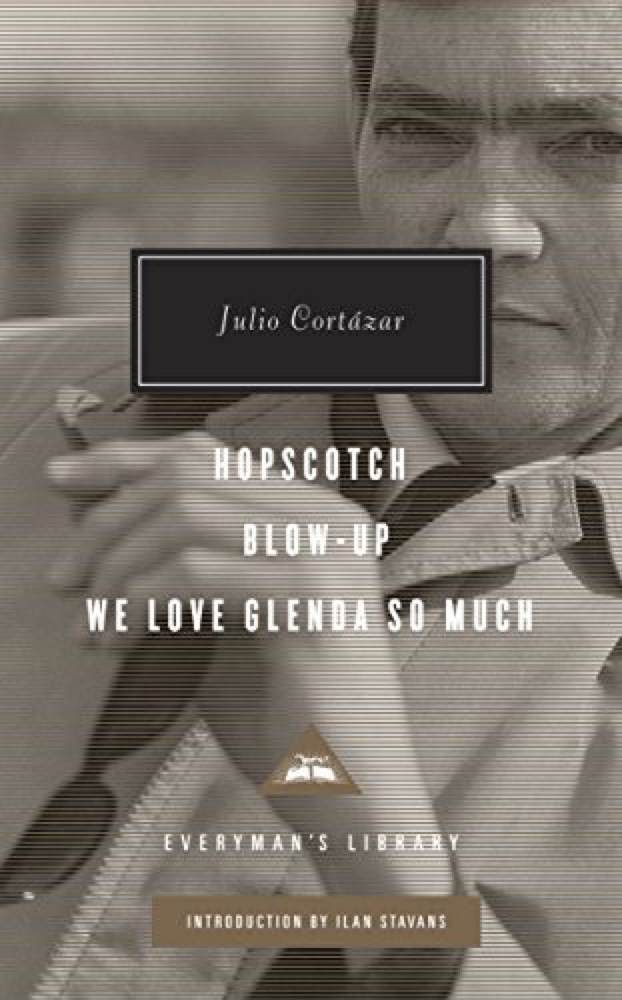 Hopscotch
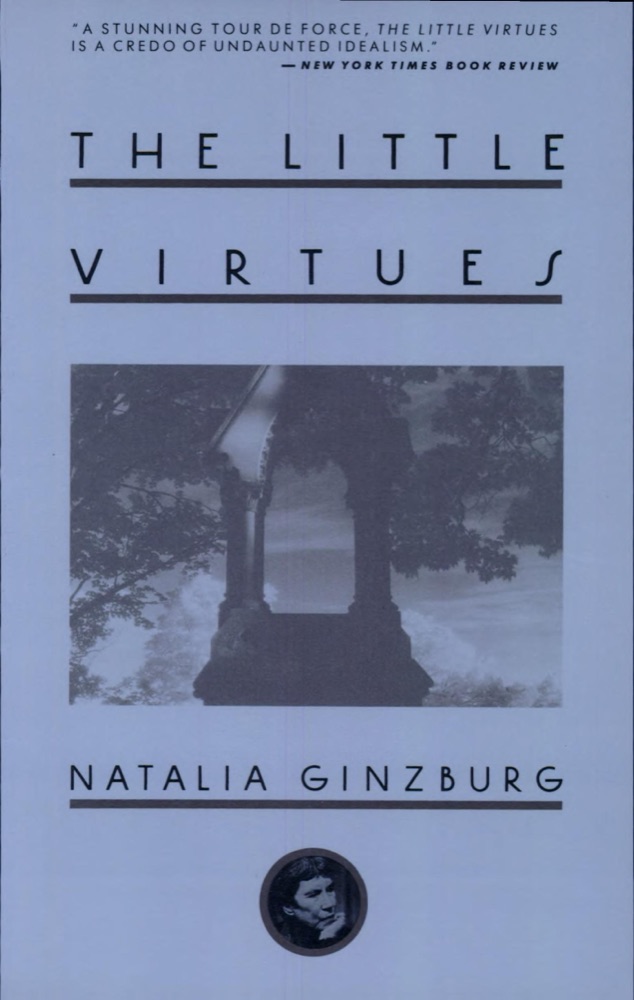 The Little Virtues
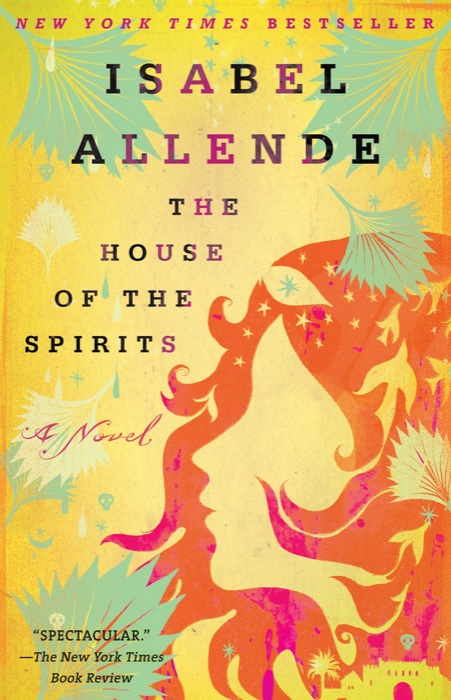 The House of the Spirits
 The Stories of Eva Luna
 The Mystery of Edwin Drood
 La reina del sur
 Peeling the Onion
 Stories
 My Invented Country: A Nostalgic Journey Through Chile
 Aunt Julia and the Scriptwriter
 Selected Poems
 Liliana's Invincible Summer: A Sister's Search for Justice
 Forsaken
 Doctor Glas
 So Much for That
 Blow-Up and Other Stories
 Beauty and Sadness
 Nada
Nada
 Upside Down: A Primer for the Looking-Glass World
 The Yellow Eyes of Crocodiles
 As You Wish
 Nadja
Nadja
 The Narrow Road Between Desires
 Instrumental: A Memoir of Madness, Medication and Music
 The Time of the Hero
 A General Theory of Oblivion
 The Feast of the Goat
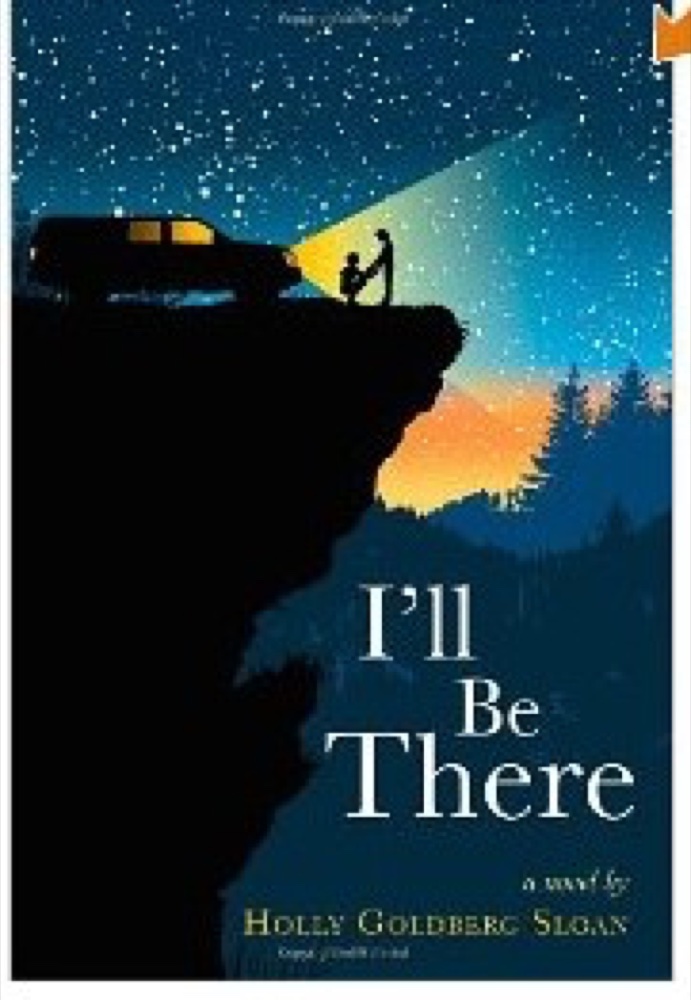 I'll Be There
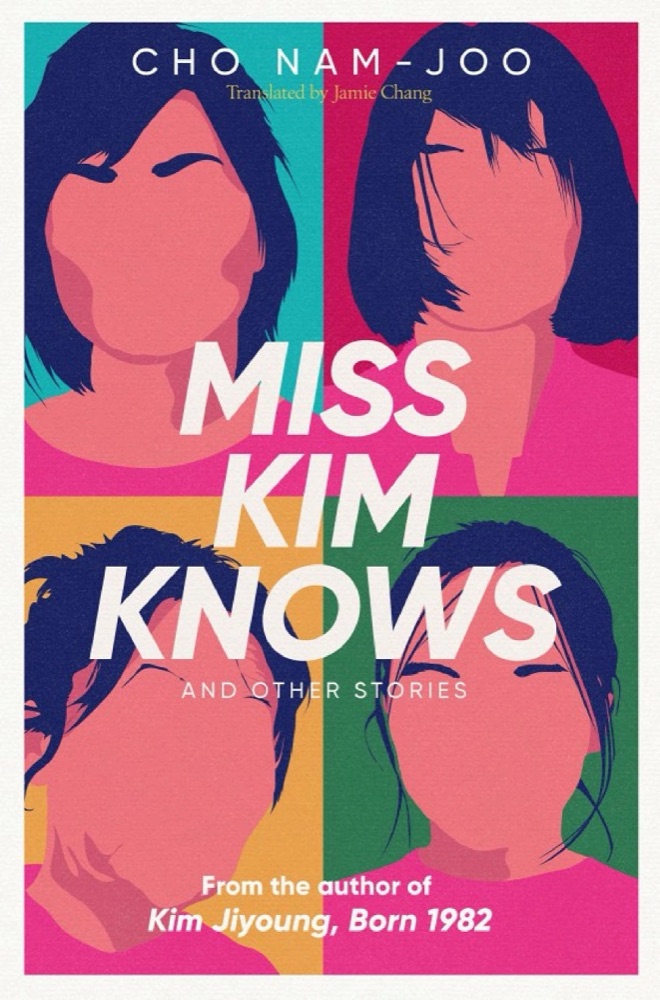 Miss Kim Knows and Other Stories
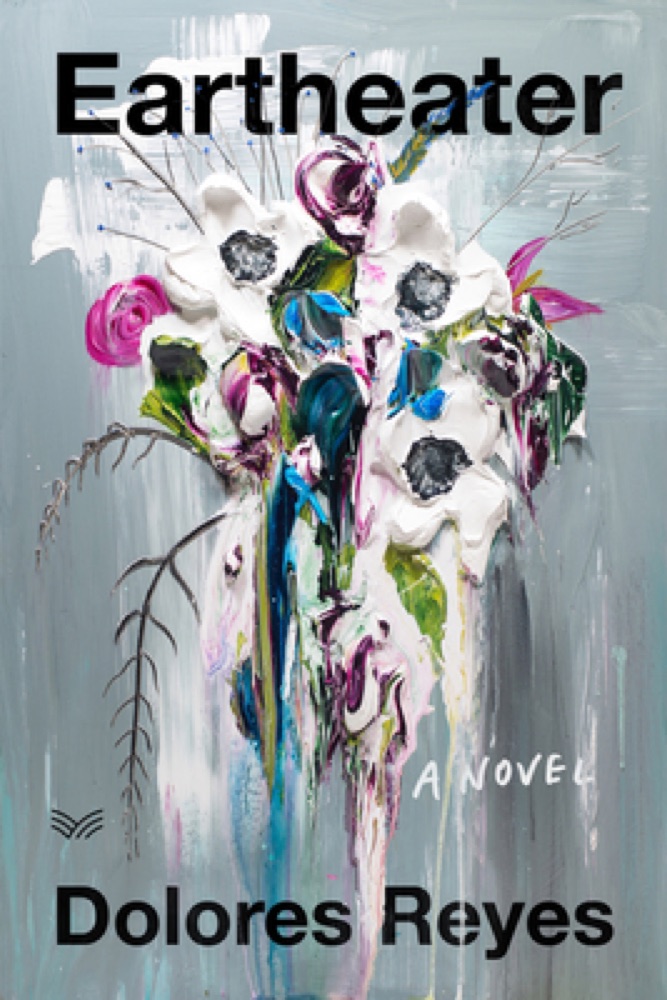 Eartheater
 Things We Lost in the Fire
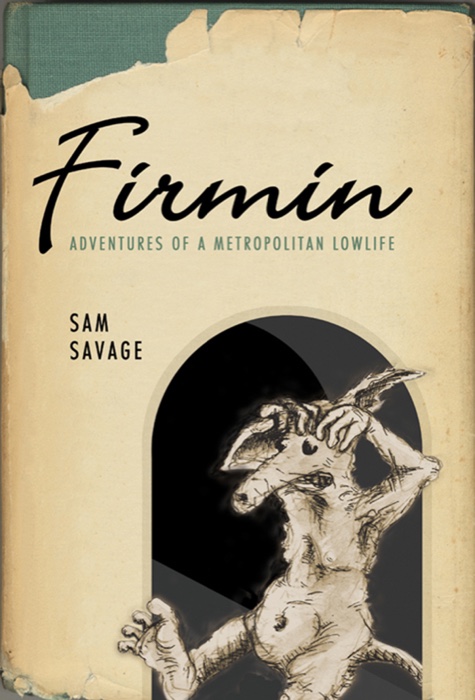 Firmin: Adventures of a Metropolitan Lowlife
 Dear Theo
 Everything You and I Could Have Been If We Weren't You and I
 Like Water for Chocolate
 The Charioteer
 The Seducer’s Diary
 Pedro Páramo
 Youth
Youth
 Dom Casmurro
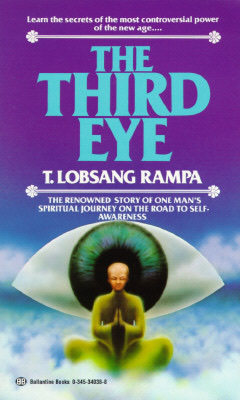 The Third Eye