 Dancing Girls and Other Stories
Quotes from the Book
Memory likes to play hide-and-seek, to crawl away. It tends to hold forth, to dress up, often needlessly. Memory contradicts itself; pedant that it is, it will have its way.
14
But because so many kept silent, the temptation is great to discount one's own silence, or to compensate for it by invoking the general guilt, or to speak about oneself all but abstractly, in the third person: he was, saw, had, said, he kept silent...
8
Over and over, author and book remind me of how little I understood as a youth and how limited an effect literature may have. A sobering thought.
7
Me conformé con no saber nada o con saber sólo cosas falsas; porque, infantilmente, me hice el tonto, acepté mudo su desaparición y, de esa forma, evité una vez más las palabras «por qué» de modo que, al pelar la cebolla, mi silencio me atruena los oídos
7
We seemed to have arrived at a reality only to abandon it or exchange it for something that claimed to be another reality.
7
Como del hambre, puede decirse de la culpa y de la vergüenza que la sigue que es algo que corroe, corroe incesantemente; sin embargo, sólo he pasado hambre a veces, en cambio la vergüenza…
6
When pestered with questions, memory is like an onion that wishes to be peeled so we can read what is laid bare letter by letter.
6
Al recuerdo le gusta jugar al escondite como los niños. Se oculta. Tiende a adornar y embellecer, a menudo sin necesidad. Contradice a la memoria, que se muestra demasiado meticulosa y, pendencieramente, quiere tener razón. Cuando se lo atosiga con preguntas, el recuerdo se asemeja a una cebolla que quisiera ser pelada para dejar al descubierto lo que, letra por letra, puede leerse en ella: rara vez sin ambivalencia, frecuentemente en escritura invertida o de otro modo embrollada.
5
-Aquí pasa como poco antes del treinta y tres, cuando los rojos y los pardos se unieron contra nosotros, hasta que luego los pardos liquidaron primero a los rojos e inmediatamente después nos llegó el turno a nosotros. Y así desapareció la solidaridad. Bueno, ésos no aprenden nunca de la historia. Quieren siempre todo o nada. A los sociatas nos odian porque, si hace falta, nos conformamos también con la mitad
5
Sin embargo, ¿quién había dado libertad a quién? ¿Cómo se podía utilizar ese regalo? ¿Qué prometía esa palabra de tres sílabas que, con ayuda de los epítetos que se quisiera, se podía interpretar, ampliar, estrechar, incluso convertir en lo contrario?
5
Así pues, evasivas suficientes. Y, sin embargo, durante decenios me negué a admitir esa palabra y esas dos letras. Lo que había aceptado con el tonto orgullo de mis años jóvenes quise ocultármelo a mí mismo después de la guerra, por una vergüenza que surgió después. No obstante, la carga subsistía y nadie podía aligerarla
5
El recuerdo se basa en recuerdos, que a su vez se esfuerzan por conseguir recuerdos. Por eso se asemeja a la cebolla, que, con cada piel que cae, deja al descubierto lo olvidado hace tiempo, hasta los dientes de leche de la primera infancia; luego, sin embargo, el filo del cuchillo la ayuda a conseguir otro fin: cortada piel a piel, provoca lágrimas que nublan la vista.
4
Quien por su profesión está obligado a explotarse a sí mismo a lo largo del tiempo, se convierte en un aprovechador de restos
4
Watch on YouTube
About Günter Grass
We have collected 13 quotes from 1 book by Günter Grass on BookQuoters.
More about the author →About the book
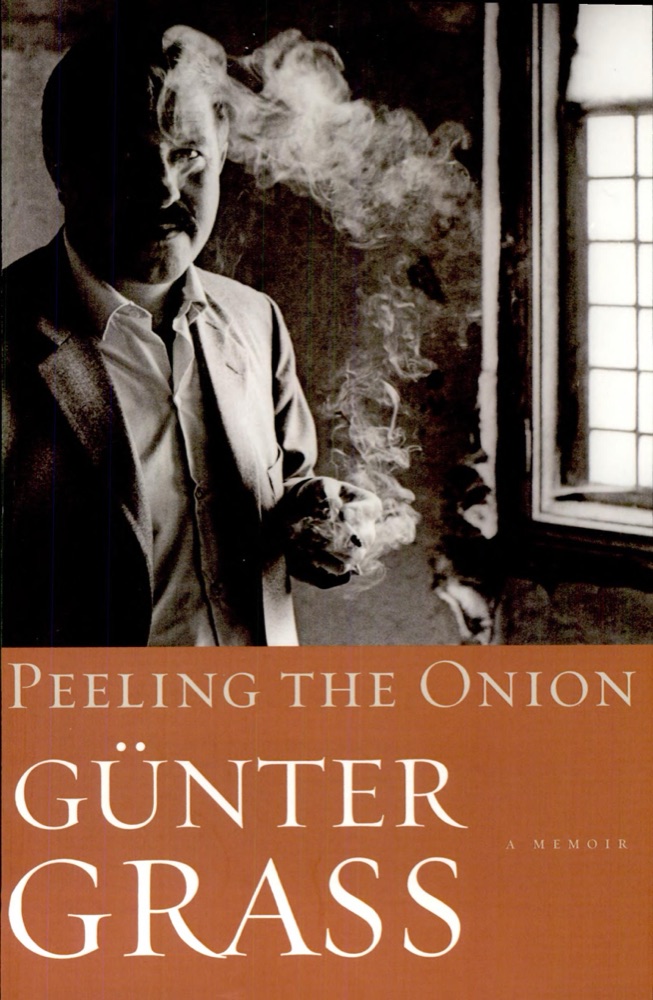
In this extraordinary memoir, Nobel Prize-winning author Gunter Grass remembers his early life, from his boyhood in a cramped two-room apartment in Danzig through the late 1950s, when The Tin Drum was published.
During the Second World War, Grass volunteered for the submarine corps at the age of fifteen but was rejected; two years later, in 1944, he was instead drafted into the Waffen-SS. Taken prisoner by American forces as he was recovering from shrapnel wounds, he spent the final weeks of the war in an American POW camp. After the war, Grass resolved to become an artist and moved with his first wife to Paris, where he began to write the novel that would make him famous.
Full of the bravado of youth, the rubble of postwar Germany, the thrill of wild love affairs, and the exhilaration of Paris in the early fifties, Peeling the Onion -- which caused great controversy when it was p
Book details
- First published
- 2006
- Author
- Günter Grass
- Genre
- Nonfiction
- Goodreads rating
- 3.86 (2k ratings)
Keep reading
Dancing Girls and Other Stories
 So Much for That
 A Heart So White
 The Sound of Things Falling
 The Little Virtues
 Ordesa
 Brodie's Report
 Hopscotch
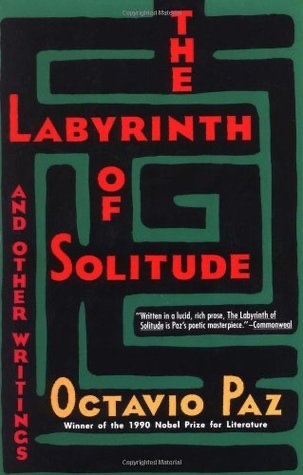 The Labyrinth of Solitude and Other Writings
 Stories
 Lost Illusions
 Don Quixote de La Mancha, Vol. 1
 On Heroes and Tombs
 Days and Nights of Love and War
 Liliana's Invincible Summer: A Sister's Search for Justice
 My Last Sigh
 I'll Be There
 Ficciones
 Miss Kim Knows and Other Stories
 Things We Lost in the Fire
 The House of the Spirits
 The Charioteer
 Distant Star
 The Feast of the Goat
 Paris Spleen
 Socrates In Love
 Upside Down: A Primer for the Looking-Glass World
 Brodeck
 La reina del sur
 Like Water for Chocolate
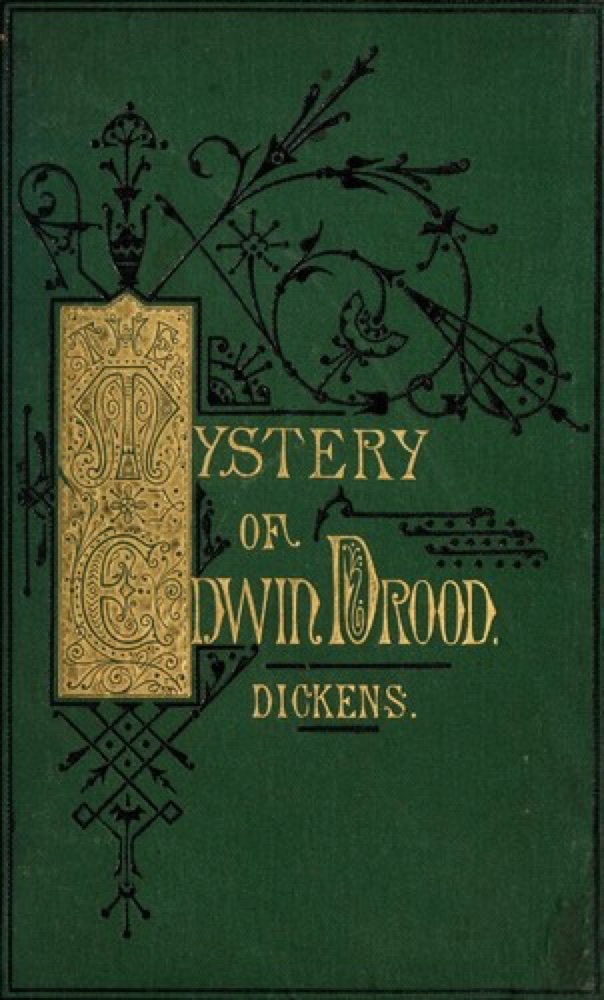 The Mystery of Edwin Drood
 Nada
Nada
 Forsaken
 Malinche
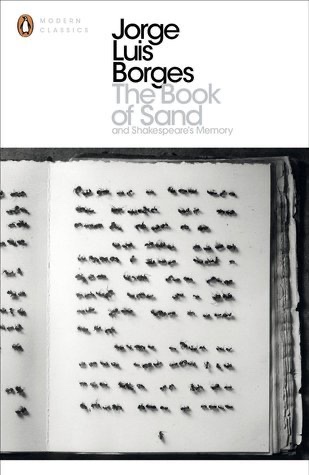 The Book of Sand and Shakespeare's Memory
 The Analyst
 The Narrow Road Between Desires
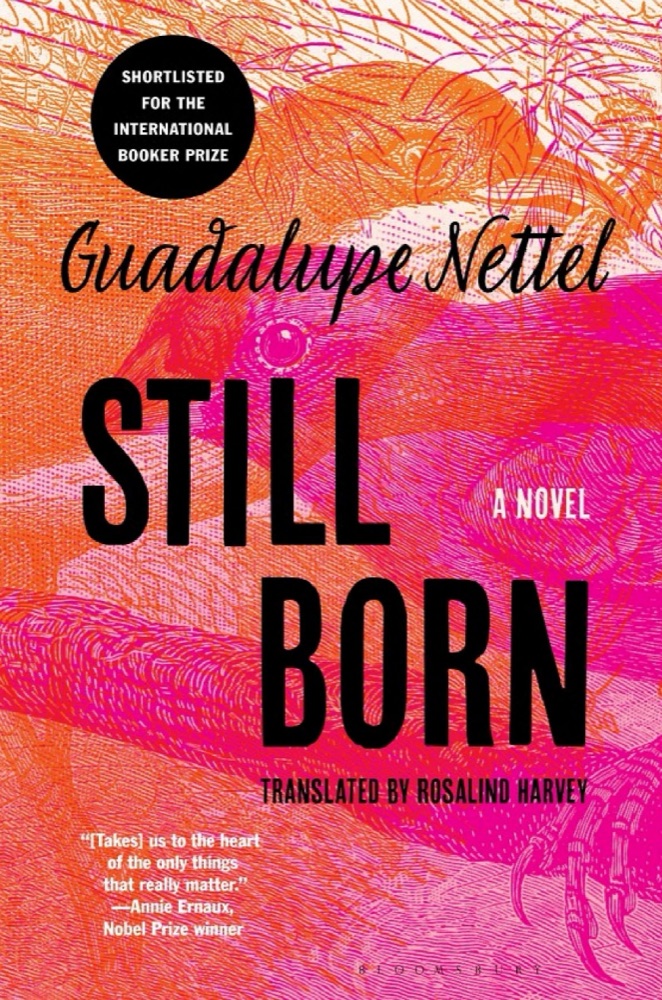 Still Born
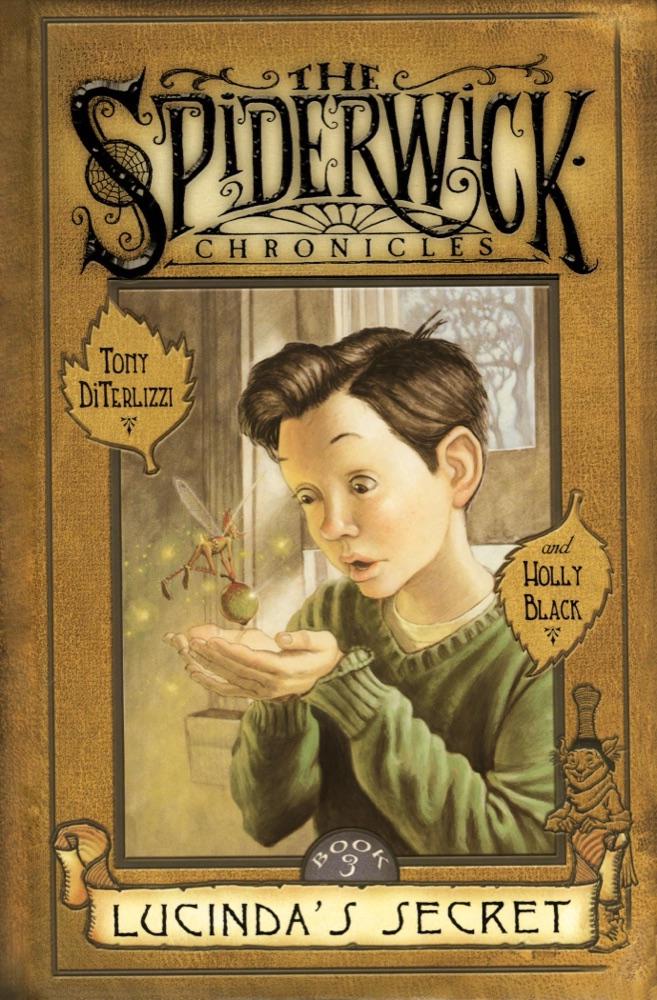 Lucinda's Secret
 A Sunny Place for Shady People
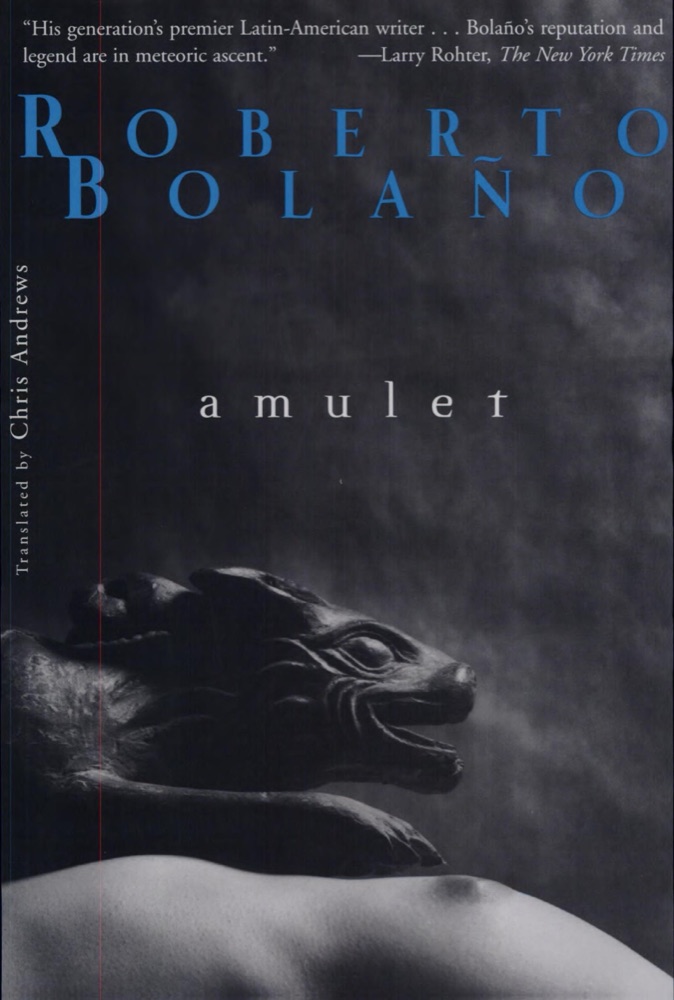 Amulet
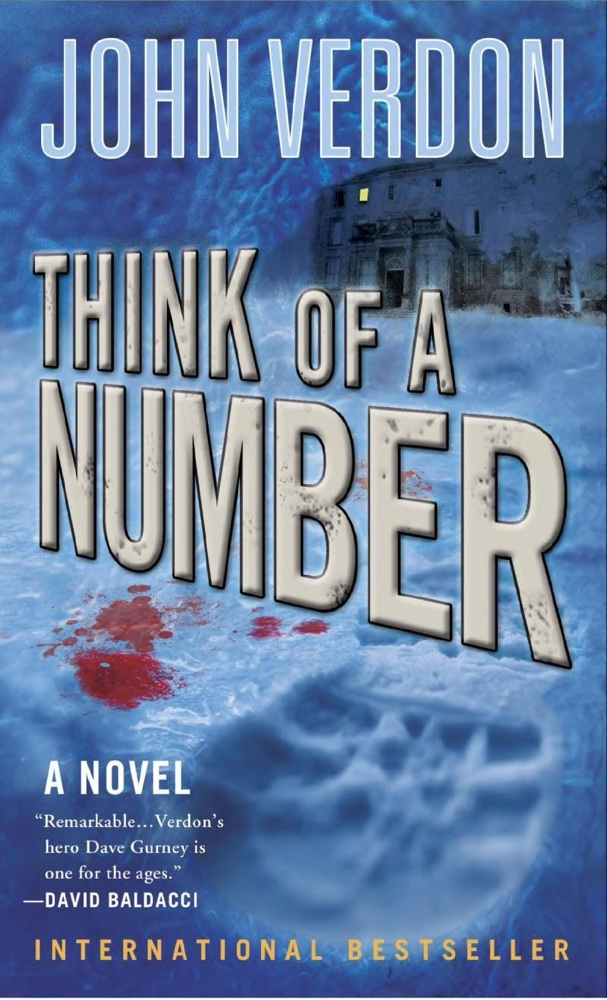 Think of a Number
 Instrumental: A Memoir of Madness, Medication and Music
 Ripper
 The Lost Steps
 Brave New World / Brave New World Revisited
 Of Love and Shadows
 The Invention of Morel
 Returning to Reims
 Memoirs
 The Time of the Hero
 Nadja
Nadja
 Firmin: Adventures of a Metropolitan Lowlife
 As You Wish
 The Yellow Eyes of Crocodiles
 Everything You and I Could Have Been If We Weren't You and I
 Emma in the Night
 The Yellow World
 Blow-Up and Other Stories
 The Ingredients of Love