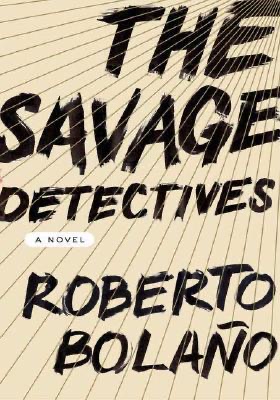
 The Savage Detectives
Quotes from the Book
In the current socio-political climate, he said to himself, committing suicide is absurd and redundant. Better to become an undercover poet.
28
Suddenly drawing courage from nowhere, he decided he was not going to die. Now or never, he thought, and began to swim back up. It seemed to take forever to reach the surface and then he could hardly manage to keep himself afloat, but he did. That afternoon he learnt to swim without arms, like an eel or a snake. In the current socio-political climate, he said to himself, committing suicide is absurd and redundant. Better to become an undercover poet.
6
Il giorno in cui non lo si vide più a passeggio per le vie di Concepción con i suoi libri sotto il braccio, sempre correttamente vestito (al contrario di Stein, che si vestiva come un barbone), diretto alla Facoltà di Medicina o a fare la coda davanti a qualche teatro o cinema, quando si volatilizzò, insomma, nessuno ne sentì la mancanza. Molti si sarebbero rallegrati della sua morte. Non per questioni strettamente politiche (Soto era simpatizzante del Partito Socialista, ma niente di più, simpatizzante, nemmeno un elettore fedele, io direi che era un sinistroide pessimista) ma per ragioni di natura estetica, per il piacere di vedere morto chi è più intelligente e più colto di te ed è privo dell’astuzia sociale di nasconderlo. Scriverlo adesso sembra una bugia. Ma era così, i nemici di Soto sarebbero stati capaci di perdonargli persino la sua mordacità; quello che non gli perdonarono mai fu l’indifferenza. L’indifferenza e l’intelligenza.
1
When he was no longer to be seen walking the streets of Concepción with books under his arm, always neatly dressed (as opposed to Stein, who looked like a tramp), heading off to the Faculty of Medicine or standing in a line outside some cinema or theater, when he disappeared into thin air, nobody missed him. Many would have been glad to hear of his death, for reasons that were not so much political (Soto was a socialist sympathizer, but that was all, he wasn't even a faithful socialist voter; I would have described him as a left-wing pessimist) as aesthetic in nature: the pleasure of knowing you're finally rid of someone who is more intelligent than you are and more knowledgeable and who lacks the social grace to hide it. Writing this now it seems hard to believe. But that's how it was. Soto's enemies would have been able to forgive his biting wit, but they could never forgive his indifference. His indifference and his intelligence.
1
every one of them seemed confident and utterly self-assured, immune to ridicule and doubt, a condition which, on reflection, is perhaps not altogether exceptional, given that these were French writers.
At that point the galleon began to sink and all the survivors were cast adrift on the sea. I saw Carlos Wieder, clinging to a barrel of brandy. I was clinging to a rotten spar. And only then, as the waves pushed us apart, did I understand that Wieder and I had been travelling in the same boat; he may have conspired to sink it, but I had done little or nothing to stop it going down.
Clinging to the fence like a monkey, Mad Norberto laughed and said, The Second World War is returning to the Earth. All the talk about the Third World War was wrong; it's the Second returning, returning, returning. And it has fallen to us, the people of Chile, to greet and welcome it - Oh Lucky day! he cried, as the white froth of his saliva, contrasting with the dominant tone of grey, ran down his chin, dripped onto the collar of his shirt and spread out in a large wet patch on his chest.
Su vida entonces, tal cual señala la leyenda, desfiló por delante de sus ojos como una película. Algunos trozos eran en blanco y negro y otros a colores. El amor de su pobre madre, el orgullo de su pobre madre, las fatigas de su pobre madre, abrazándolo por la noche cuando todo en las poblaciones pobres de Chile parece pender de un hilo (en blanco y negro), los temblores, las noches en que se orinaba en la cama, los hospitales, las miradas, el zoológico de las miradas (a colores), los amigos que comparten lo poco que tienen, la música que nos consuela, la marihuana, la belleza revela en sitios inverosímiles (en blanco y negro), el amor perfecto y breve como un soneto de Góngora, la certeza fatal (pero rabiosa dentro de la fatalidad) de que sólo se vive una vez. Con repentino valor decidió que no iba a morir.
Durante algún tiempo, el tiempo de un suspiro demasiado prolongado, se le pudo ver en sitios como la ya mencionada lectura de poetas del Cono Sur, en exposiciones de pintura, en compañía de Ernesto Cardenal (dos veces), en una función de teatro. Luego desaparece y ya nunca más se le vuelve a ver por Nicaragua. No ha ido demasiado lejos. Hay quien dice que está con la guerrilla guatemalteca, otros aseguran que lucha bajo la bandera del Frente Farabundo Martí. Bibiano y yo coincidimos en que una guerrilla con ese nombre se merecía tener a Stein de su lado.
Escribió, o pensó que escribía: La muerte es mi corazón. Y después: Toma mi corazón. Y después su nombre: Carlos Wieder, sin temerle a la lluvia ni a los relámpagos. Sin temerle, sobre todo, a la incoherencia.
Adelante, dije, pero de inmediato añadí: no, espera, déjame respirar, que era como decir déjame mirar mi cuarto, mi casa, la cara de mis padres por última vez.
En cualquier caso, terminaba Bibiano su carta, no se mata a nadie por escribir mal, menos si aún no ha cumplido los veinte años.
early twentieth-century Latin American writers with a bent for fantasy or pornography, or both, as in the case of Pedro Pereda, an obscure novelist from Valparaiso, the author of a startling story in which a woman finds vaginas and anuses growing, or rather opening, all over her anatomy, to the understandable horror of her friends and family (the story is set in the ’20s, but I don’t suppose it would have been any less shocking in the ’70s or the ’90s), and who ends up confined to a brothel for miners in northern Chile, where she remains, shut up in a room without windows, until in the end she becomes a great amorphous, uncontrollable in-and-out, finishes off the old pimp who runs the brothel along with the rest of the whores and the terrified clients, goes out onto the patio, and sets off into the desert (walking or flying, Pereda doesn’t say), finally disappearing into thin air.
In any case, on the wall of Juan Stein's house, there hung a rather ornately framed portrait of Chernyakhovsky, and that, I dare say, incommensurably more important than the busts and the cities named after him and the countless Chernyakhovsky Streets, full of potholes, scattered through the Ukraine, Belorussia, Lithuania and Russia. I don't know why I've kept the photo, Stein said to us.
Nevertheless his work lived on, precariously, desperately (as he would have wished, perhaps), yet it lived on. A handful of young men read it, reinvented him, tried to become his followers, but how can you follow someone who is not moving, someone who is trying, with every appearance of success, to become invisible?
La poesía chilena, dijo Bibiano aquella noche, va a cambiar el día que leamos correctamente a Enrique Lihn, no antes.
Ovo je moj poslednji izveštaj sa planete monstruma. Nikada više neću da zaronim u more književnog sranja. Ubuduće ću skromno da pišem pesme i radiću da ne bih umro od gladi i neću pokušavati da objavljujem.
Watch on YouTube
About Roberto Bolaño
We have collected 91 quotes from 5 books by Roberto Bolaño on BookQuoters.
More about the author →More by Roberto Bolaño
About the book
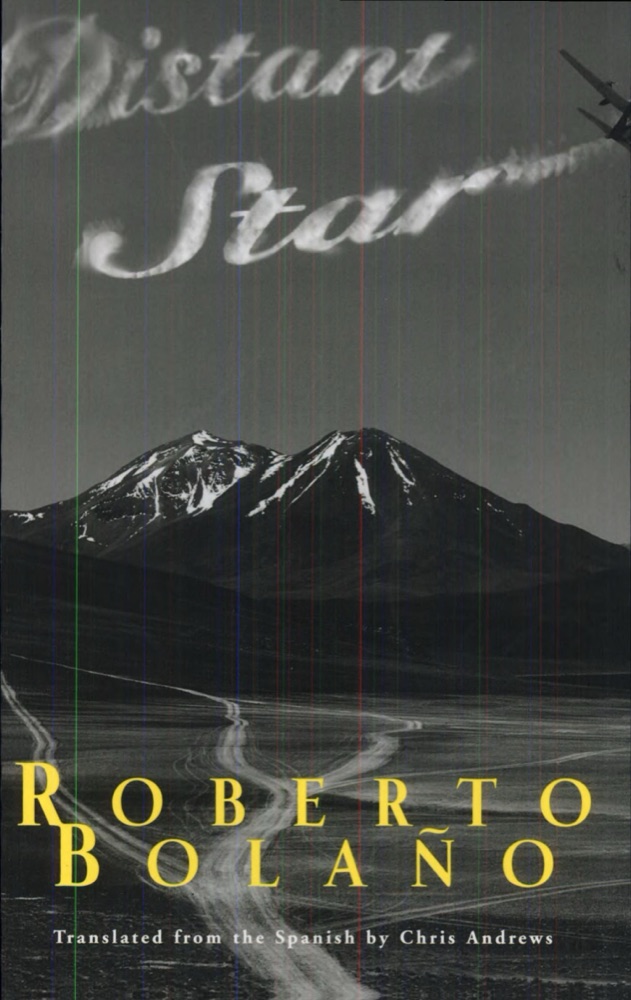
The “star” of Roberto Bolaño’s hair-raising Distant Star is Alberto Ruiz-Tagle, who exploits the 1973 coup to launch his own version of the New Chilean Poetry: a multimedia enterprise involving sky-writing, poetry, torture, and photo exhibitions.
Our unnamed narrator first encounters him in a college poetry workshop (where Ruiz-Tagle only has eyes for the beautiful Garmendia twins, Veronica and Angelica: unfortunately for them).
The next sighting comes as the narrator stands in a prison camp for political undesirables, gazing up at a WWII Messerschmitt sky-writing over the Andes. The aviator is none other than Ruiz-Tagle, now serving in the Chilean air force under his actual name, Carlos Wieder. Behind any evil act in the darkness of Pinochet’s regime, our narrator, more and more obsessed, suspects Wieder’s silent hand.
Within Bolaño’s darkest visions a corrosive, mocking humor
Book details
- First published
- 1996
- Author
- Roberto Bolaño
- Genre
- Fiction
- Goodreads rating
- 3.92 (16k ratings)
Keep reading
 Memoirs
 The Wild Ass's Skin
 Lost Illusions
 My Last Sigh
 The Lost Steps
 Paris Spleen
 Dancing Girls and Other Stories
 So Much for That
 Brodie's Report
 La reina del sur
 The Labyrinth of Solitude and Other Writings
 Ordesa
 Brodeck
 Socrates In Love
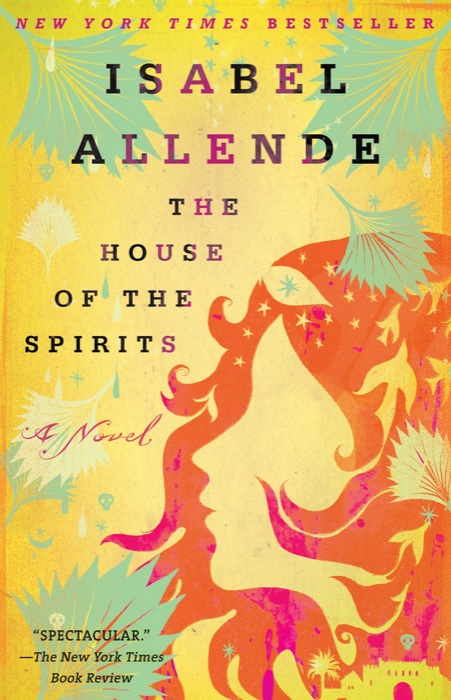 The House of the Spirits
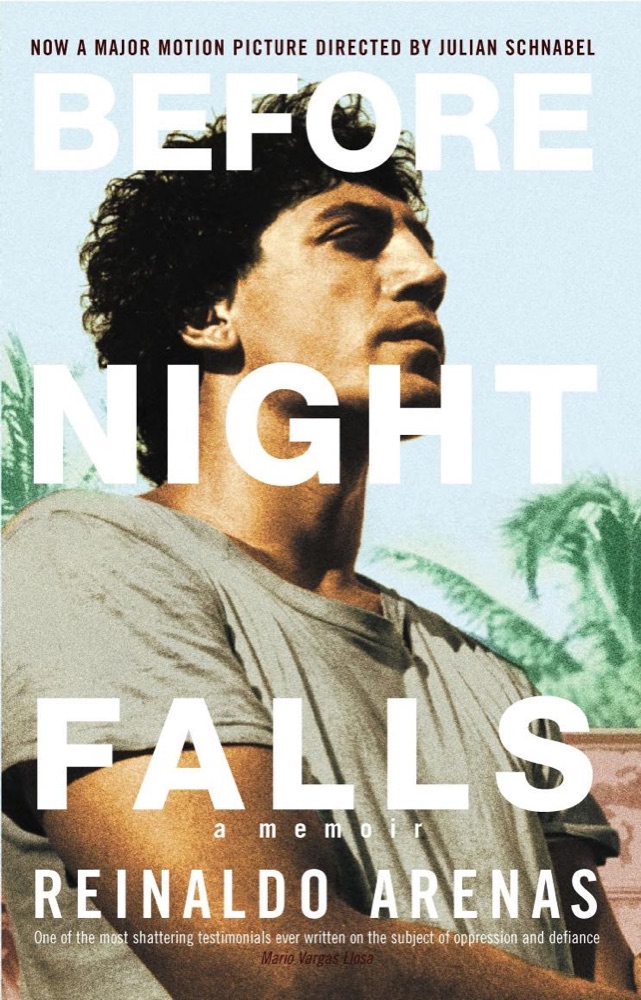 Before Night Falls
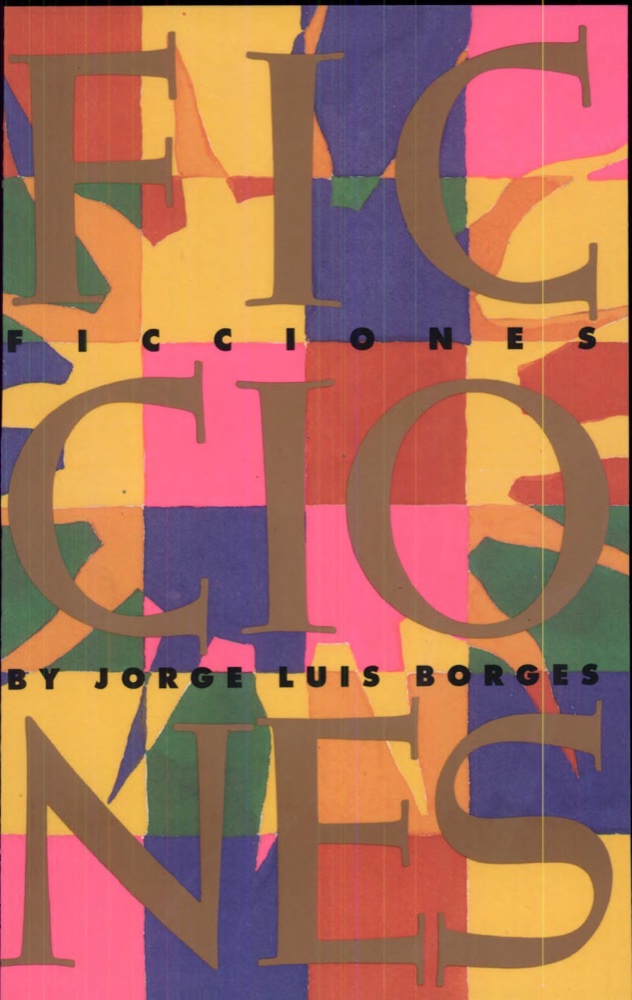 Ficciones
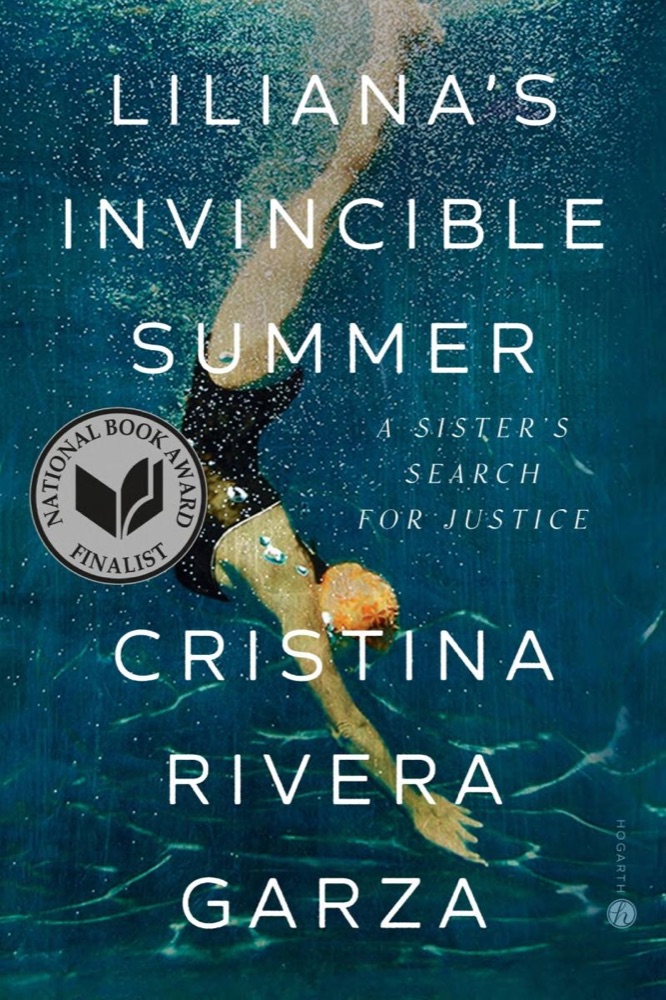 Liliana's Invincible Summer: A Sister's Search for Justice
 Beauty and Sadness
 The Feast of the Goat
 Blow-Up and Other Stories
 Peeling the Onion
 A Sunny Place for Shady People
 Ripper
 The Charioteer
 Amulet
 On Heroes and Tombs
 The Ingredients of Love
 The Little Virtues
 Aunt Julia and the Scriptwriter
 Upside Down: A Primer for the Looking-Glass World
 Of Love and Shadows
 Gomorrah
 The Time of the Hero
 The Prince of Mist
 Firmin: Adventures of a Metropolitan Lowlife
 Stories
 Malinche
 The Third Eye
 Pedro Páramo
 Days and Nights of Love and War
 The Invention of Morel
 Without Feathers
 The Analyst
 Things We Lost in the Fire
 The Autumn of the Patriarch
 Rita Hayworth and Shawshank Redemption
 Doctor Glas
 Hopscotch
 Hornet Flight
 This Craft of Verse
 Don Quixote de La Mancha, Vol. 1
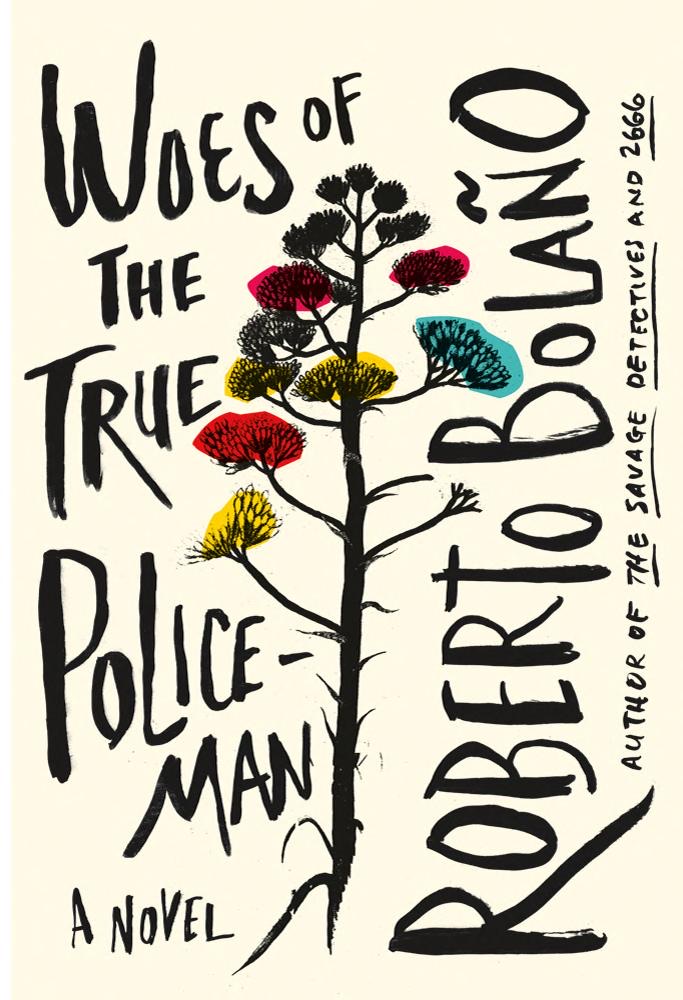 Woes of the True Policeman
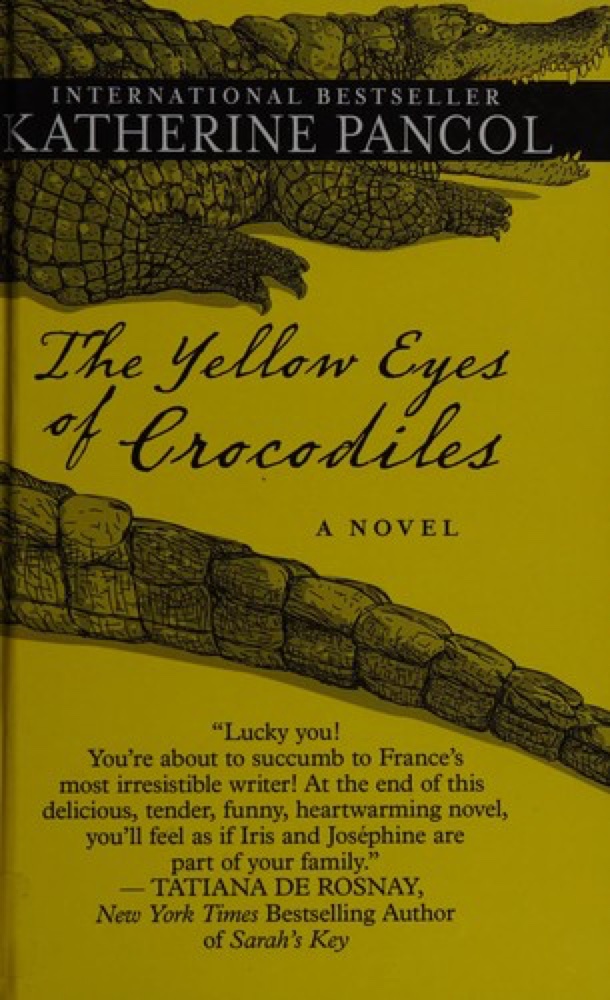 The Yellow Eyes of Crocodiles
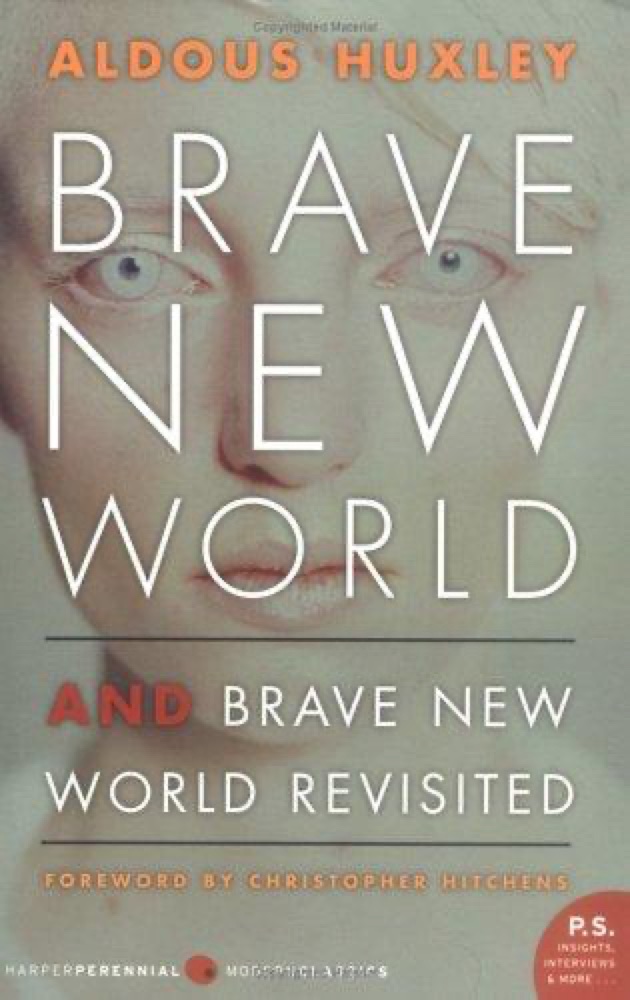 Brave New World / Brave New World Revisited
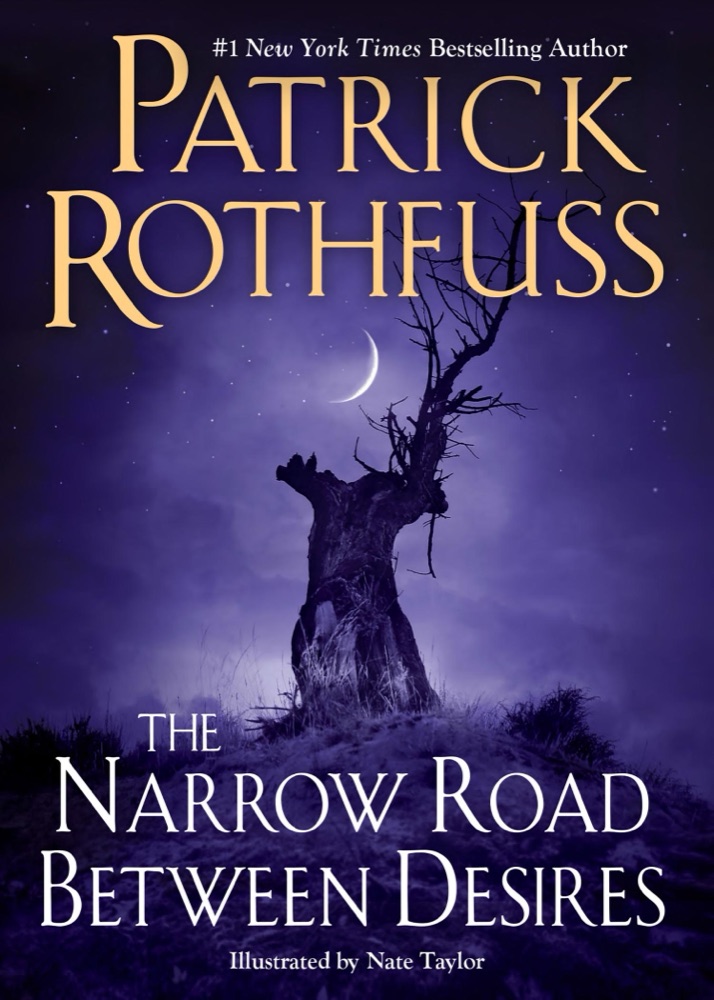 The Narrow Road Between Desires
 The Mystery of Edwin Drood
 Strange Pilgrims
 I'll Be There
 The Sound of Things Falling