

 Happiness, as Such
Quotes from the Book
When I write something I usually think it is very important and that I am a very fine writer. I think this happens to everyone. But there is one corner of my mind in which I know very well what I am, which is a small, a very small writer. I swear I know it. But that doesn't matter much to me. Only, I don't want to think about names: I can see that if I am asked 'a small writer like who?' it would sadden me to think of the names of other small writers. I prefer to think that no one has ever been like me, however small, however much a mosquito or a flea of a writer I may be. The important thing is to be convinced that this really is your vocation, your profession, something you will do all your life.
22
What we must remember above all in the education of our children is that their love of life should never weaken.
12
Human relationships have to be rediscovered every day. We have to remember constantly that every kind of meeting with our neighbor is a human action and so it is always evil or good, true or deceitful, a kindness or a sin.
12
Por lo que respecta a la educación de los hijos, creo que no hay que enseñarles las pequeñas virtudes, sino en las grandes. No el ahorro, sino la generosidad y la indiferencia hacia el dinero; no la prudencia, sino el coraje y el desprecio por el peligro; no la astucia, sino la franqueza y el amor por la verdad; no la diplomacia, sino el amor al prójimo y la admiración; no el deseo del éxito, sino deseo de ser y de saber.
10
Our dreams are never realized and as soon as we see them betrayed we realize that the intensest joys of our life have nothing to do with reality. No sooner do we see them betrayed than we are consumed with regret for the time when they glowed within us. And in this succession of hopes and regrets our life slips by.
7
And we leave home and go to live with this person forever; not because we are sure that he is the right person: in fact we are not entirely sure, and we always suspect that the right person for us is hiding away goodness knows where in the city. But we don’t want to know where he is hiding; we feel that we have by now very little to say to him, because we say everything to this person—who is not perhaps the right person—with whom we now live; and we want to receive the good and the evil of our lives from this person and with him. Every now and then violent differences between us and this person erupt into the open; and yet they are unable to destroy the infinite peace we have within us. After many years, only after many years, after a thick web of habits, memories and violent differences has been woven between us, we at last realize that he is, in truth, the right person for us, that we could not have put up with anyone else, that it is only from him that we can ask everything that the heart needs. Now,
6
He knew how to find time to study and to write, to earn his living and to wander idly through the streets he loved; whereas we, who staggered from laziness to frantic activity and back again, wasted our time trying to decide whether we were lazy or industrious
5
E tuttavia, amo anch'io il cinematografo; ma pur andandoci da tanti anni, non ho saputo farmene una cultura. Lui se ne è fatto, invece, una cultura: si è fatto una cultura di tutto quello che ha attratto la sua curiosità; e io non ho saputo farmi una cultura di nulla, nemmeno delle cose che ho più amato nella mia vita: esse sono rimaste in me come immagini sparse, alimentando sì la mia vita di memorie e di commozione ma senza colmare il vuoto, il deserto della mia cultura.
5
We are adult because we have behind us the silent presence of the dead, whom we ask to judge our current actions and from whom we ask forgiveness for past offences: we should like to uproot from our past so many cruel words, so many cruel acts that we committed when, though we feared death, we did not know--we had not yet understood--how irreparable, how irremediable, death is: we are adult because of the silent answers, because of all the silent forgiveness of the dead which we carry within us.
4
And you have to realize that you cannot hope to console yourself for your grief by writing. You cannot deceive yourself by hoping for caresses and lullabies from your vocation. In my life there have been interminable, desolate empty Sundays in which I desperately wanted to write something that would console me for my loneliness and boredom, so that I could be calmed and soothed by phrases and words. But I could not write a single line. My vocation has always rejected me, it does not want to know about me. Because this vocation is never a consolation or a way of passing the time. It is not a companion. This vocation is a master who is able to beat us till the blood flows, a master who reviles and condemns us. We must swallow our saliva and our tears and grit our teeth and dry the blood from our wounds and serve him. Serve him when he asks. Then he will help us up on to our feet, fix our feet firmly on the ground; he will help us overcome madness and delirium, fever and despair. But he has to be the one who gives the orders and he always refuses to pay attention to us when we need him.
4
As far as the education of children is concerned I think they should be taught not the little virtues but the great ones. Not thrift but generosity and an indifference to money; not caution but courage and a contempt for danger; not shrewdness but frankness and a love of truth; not tact but love for one's neighbor and self-denial; not a desire for success but a desire to be and to know.
2
Algunas veces estaba muy triste, pero durante mucho tiempo nosotros pensamos que se curaría de esa tristeza cuando se decidiera a hacerse adulto, porque la suya nos parecía una tristeza como de muchacho, la melancolía voluptuosa y despistada del muchacho que todavía no tiene los pies sobre la tierra y se mueve en el mundo árido y solitario de los sueños.
2
It seemed to me that I had discovered how people in books should be—funny and at the same time sad.
1
At times he was very unhappy, but for a long time we thought that he would be cured of this unhappiness when he decided to become an adult; his unhappiness seemed like that of a boy—the absent-minded, voluptuous melancholy of a boy who has not yet got his feet on the ground and who lives in the sterile, solitary world of his dreams.
1
La vulgaridad surge de la chabacanería y de la prepotencia. Surge también del capricho, de la fantasía.
We have been advised to defend ourselves from despair with egotism. But egotism has never solved despair. And we are too used to calling our soul’s vices illnesses, to putting up with them and to letting them rule our lives, or to soothing them with sweet syrups in order to cure them as if they were illnesses. Silence must be faced and judged from a moral standpoint. It is not given to us to choose whether we are happy or unhappy. But we must choose not to be demonically unhappy.
Los sueños no se hacen nunca realidad, y en cuanto los vemos rotos, comprendemos de repente que las mayores alegrías de nuestra vida están fuera de la realidad. En cuanto vemos rotos nuestros sueños, nos consume la nostalgia por el tiempo en que bullían dentro de nosotros. Nuestra suerte transcurre en ese alternarse de esperanzas y nostalgia.
Querríamos arrancar de nuestro pasado tantas palabras crueles por nuestra parte, tantos gestos crueles que hemos realizado cuando temíamos a la muerte pero no lo sabíamos, no habíamos entendido, que la muerte era irreparable, que no tiene remedio. Somos adultos por todas las mudas respuestas, por todo el mudo perdón de los muertos que llevamos dentro de nosotros.
And if we ourselves have a vocation, if we have not betrayed it, if over the years we have continued to love it, to serve it passionately, we are able to keep all sense of ownership out of our love for our children. But if on the other hand we do not have a vocation, or if we have abandoned it or betrayed it out of cynicism or a fear of life, or because of mistaken parental love, or because of some little virtue that exists within us, then we cling to our children as a shipwrecked mariner clings to a tree trunk.
En cuanto nuestros hijos empiezan a ir a la escuela, nosotros les prometemos dinero como premio si estudian mucho. Es un error. De este modo mezclamos el dinero, que es una cosa sin nobleza, con una cosa meritoria y digna como es el estudio y el placer del conocimiento. El dinero que damos a nuestros hijos deberíamos dárselo sin motivo, con indiferencia, para que aprendan a recibirlo con indiferencia. Y deberíamos dárselo no para que aprendan a amarlo sino para que aprendan a no amarlo, a comprender su impotencia para satisfacer los deseos más auténticos que son los del espíritu. Elevando el dinero a la función de premio, de punto de llegada, de objetivo que alcanzar, le damos un lugar, una importancia, una nobleza que no debería tener a los ojos de nuestros hijos. Afirmamos implícitamente que el dinero es la coronación de un esfuerzo y su término final. En cambio, el dinero debería ser concebido como el salario de un esfuerzo, no como su término final, es decir como su legítimo crédito. Y es evidente que los esfuerzos escolares de los niños no pueden tener un salario. Por eso es mejor que los niños sepan desde la infancia que el bien no recibe recompensa y el mal no recibe castigo y que, sin embargo, es preciso amar el bien y odiar el mal.
Entre ellas está quizá la persona que nos va bien, que podría amarnos y a quien podríamos amar, la persona adecuada para nosotros; pero, ¿dónde está?, ¿cómo reconocerla?, ¿cómo hacer que nos reconozca entre la multitud de la ciudad? ¿En qué casa de la ciudad, en qué lugar de la tierra, vive la persona adecuada para nosotros, dispuesta a responder a todas nuestras preguntas, dispuesta a escucharnos hasta el infinito sin aburrirse, a sonreír ante nuestros defectos, a vivir toda la vida con nuestro rostro? ¿Qué palabras deberíamos pronunciar para que nos reconozca entre miles? ¿Cómo deberíamos vestirnos, a qué lugares deberíamos ir para encontrarla?
Y los detalles se gastan, se echan a perder si uno los lleva consigo sin utilizarlos durante mucho tiempo. No sólo los detalles sino todo, todas las ocurrencias y las ideas.
Nosotros mismos, sus amigos, decía que no teníamos ya secretos para él y que le aburríamos infinitamente; y nosotros, mortificados de aburrirle, no lográbamos decirle que veíamos perfectamente dónde se equivocaba: en su resistencia a doblegarse y amar el curso cotidiano de la existencia, que avanza uniforme y aparentemente sin secretos. Así, pues, le faltaba por conquistar la realidad cotidiana, pero le estaba prohibida y era inasible para él, que ante ella sentía sed y repugnancia a la vez; por tanto, no podía sino mirarla como desde inconmensurables lejanías.
Diciendo «el gusto por la conversación» no decimos nada que nos ayude a vivir; pero lo que de verdad nos falta es la posibilidad de una relación libre y normal entre los hombres, eso sí nos falta, y nos falta hasta tal punto que algunos de nosotros se han matado por la conciencia de esta privación. El silencio cosecha sus víctimas día tras día. El silencio es una enfermedad mortal.
Watch on YouTube
About Natalia Ginzburg
We have collected 36 quotes from 2 books by Natalia Ginzburg on BookQuoters.
More about the author →More by Natalia Ginzburg
Happiness, as Such
About the book
"As far as the education of children is concerned," states Natalia Ginzburg in this collection of her finest and best-known short essays, "I think they should be taught not the little virtues but the great ones. Not thrift but generosity and an indifference to money; not caution but courage and a contempt for danger; not shrewdness but frankness and a love of truth; not tact but a love of ones neighbor and self-denial; not a desire for success but a desire to be and to know."
Whether she writes of the loss of a friend, Cesare Pavese; or what is inexpugnable of World War II; or the Abruzzi, where she and her first husband lived in forced residence under Fascist rule; or the importance of silence in our society; or her vocation as a writer; or even a pair of worn-out shoes, Ginzburg brings to her reflections the wisdom and grace of a survivor and the spare, wry, and poetically resonant
Book details
- First published
- 1962
- Author
- Natalia Ginzburg
- Genre
- Nonfiction
- Goodreads rating
- 4.08 (12k ratings)
Keep reading
 The Labyrinth of Solitude and Other Writings
 A Heart So White
 Emma in the Night
 At Last Comes Love
 Doctor Glas
 The House of the Spirits
 Ordesa
 How to Be a Stoic: Using Ancient Philosophy to Live a Modern Life
 Still Born
 Brodeck
 Phaedo
 Stories
 Brodie's Report
 Brave New World / Brave New World Revisited
 My Childhood
 Socrates In Love
 Ficciones
 Dancing Girls and Other Stories
 Firmin: Adventures of a Metropolitan Lowlife
 Summertime
 Like Water for Chocolate
 The Sound of Things Falling
 Instrumental: A Memoir of Madness, Medication and Music
 So Much for That
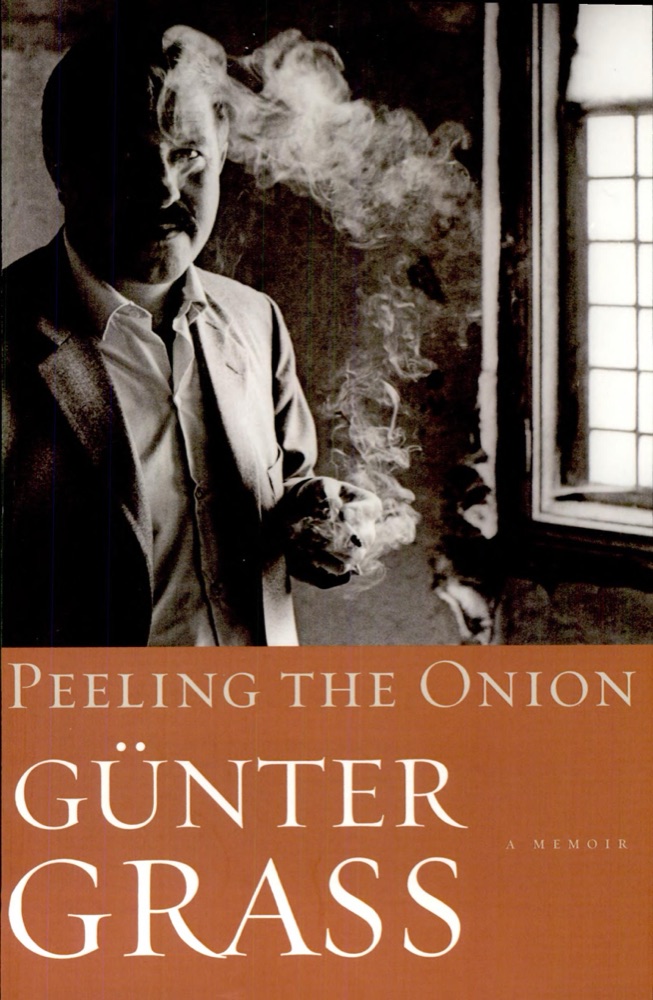 Peeling the Onion
 The Charioteer
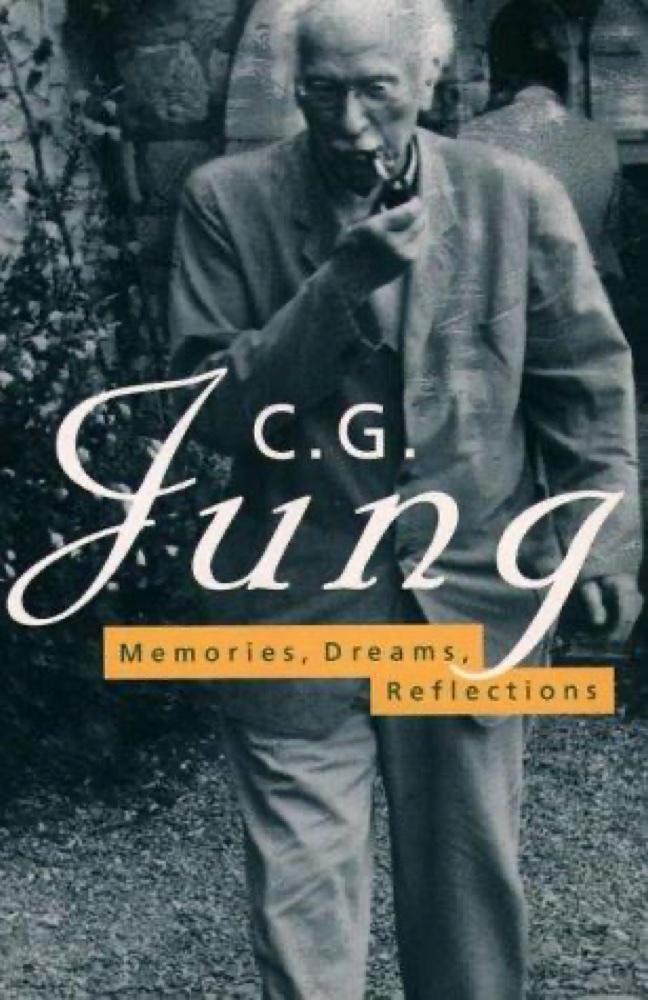 Memories, Dreams, Reflections
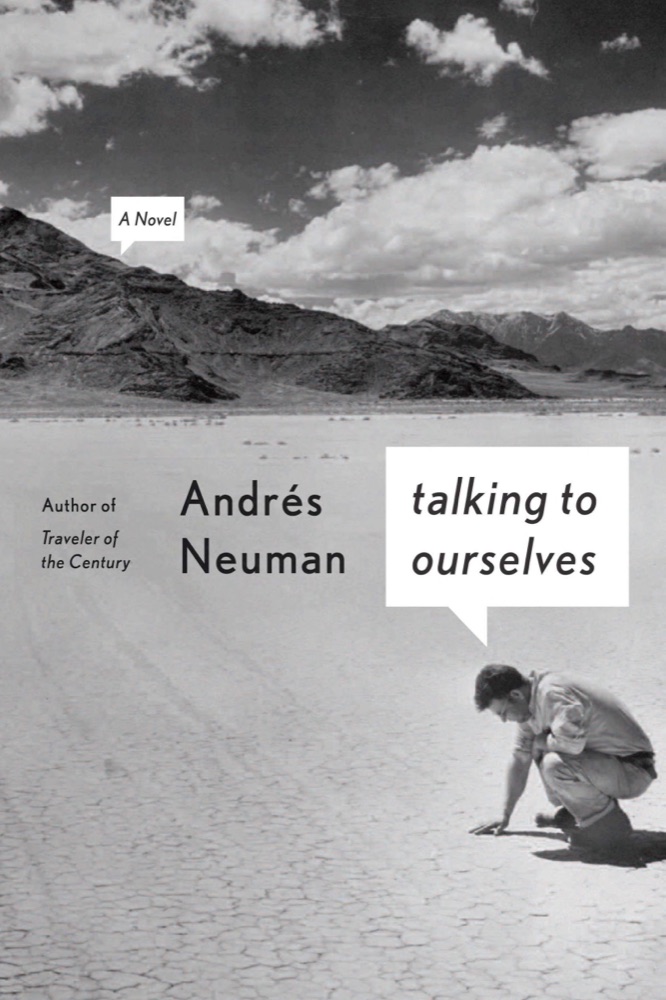 Talking to Ourselves
 Liliana's Invincible Summer: A Sister's Search for Justice
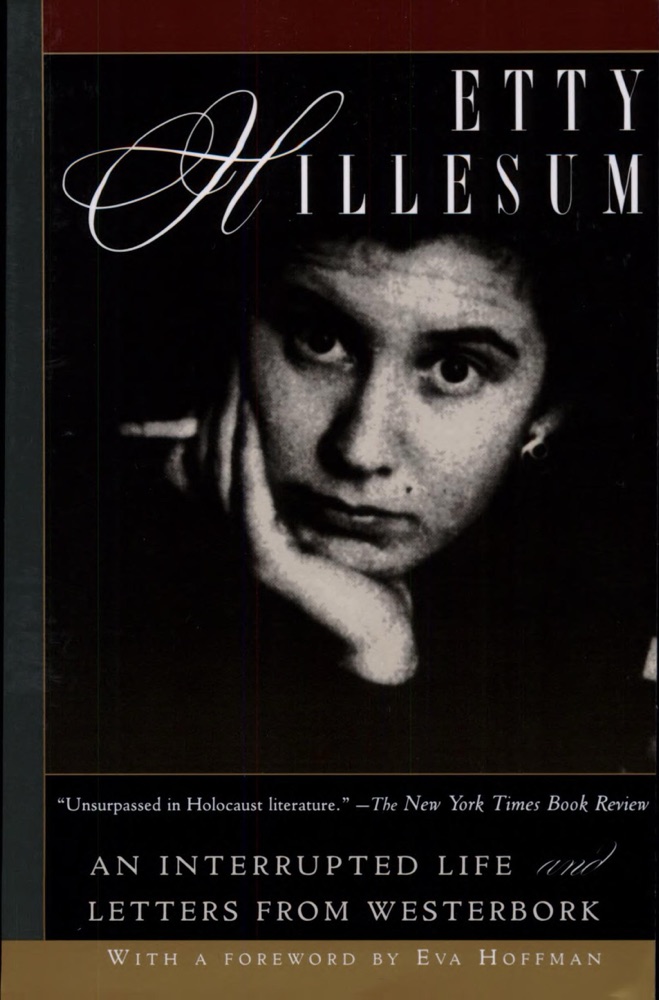 An Interrupted Life: The Diaries, 1941-1943; and Letters from Westerbork
 The Aleph and Other Stories
 Paris Spleen
 The Wild Ass's Skin
 God and the State
 The Narrow Road Between Desires
 Tragic Sense of Life
 My Last Sigh
 Lost Illusions
 Contempt
 Buddenbrooks: The Decline of a Family
 Soul Mountain
 Youth
Youth
 Follow Your Heart
 The White Castle
 My Invented Country: A Nostalgic Journey Through Chile
 Think of a Number
 The Scent of Time: A Philosophical Essay on the Art of Lingering
 The Analyst
 The Devil in the Flesh
 Things We Lost in the Fire
 Shame
Shame
 The Midnight Palace
 Maya's Notebook
 The Bookshop
 Letter to a Child Never Born
 The Mystery of Edwin Drood
 A General Theory of Oblivion
 The Fencing Master
 Necessary Losses: The Loves, Illusions, Dependencies, and Impossible Expectations That All of Us Have to Give Up in Order to Grow
 The Dwarf