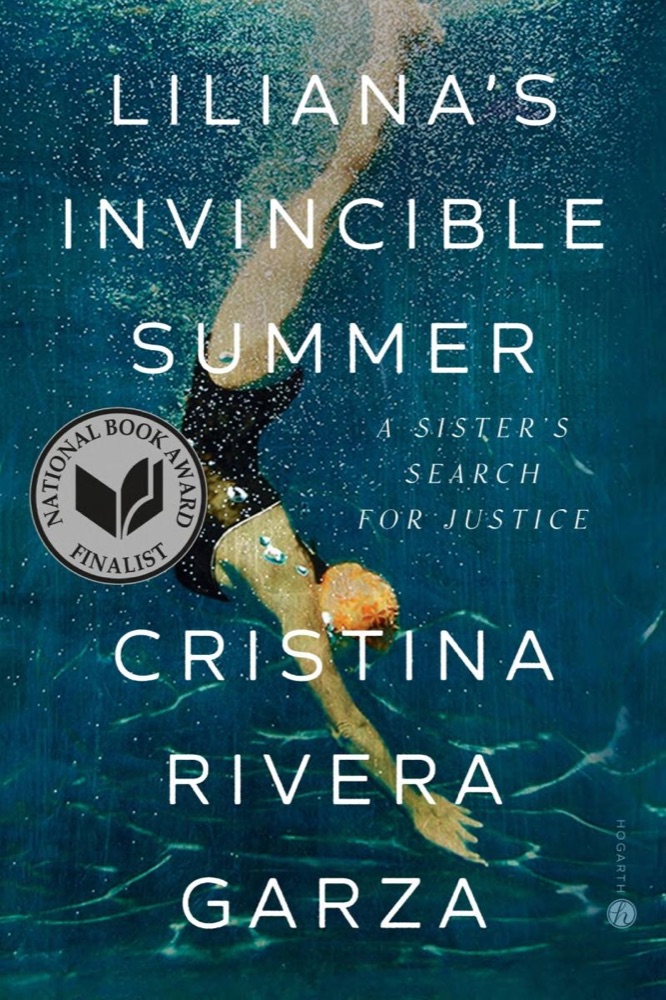

 The Taiga Syndrome
Quotes from the Book
Vivir en duelo es esto: nunca estar sola. Invisible pero patente de muchas formas, la presencia de los muertos nos acompaña en los minúsculos intersticios de los días. Por sobre el hombro, a un lado de la voz, en el eco de cada paso. Arriba de las ventanas, en el filo del horizonte, entre las sombras de los árboles. Siempre están allá y siempre están aquí, con y adentro de nosotros, y afuera, envolviéndonos con su calidez, protegiéndonos de la intemperie. Éste es el trabajo del duelo: reconocer su presencia, decirle que sí a su presencia. Siempre hay otros ojos viendo lo que veo e imaginar ese otro ángulo, imaginar lo que unos sentidos que no son los míos podrían apreciar a través de mis sentidos es, bien mirado, una definición puntual del amor. El duelo es el fin de la soledad.
20
Siempre he creído en la libertad porque sólo en libertad podemos conocer de qué estamos hechos. La libertad no es el problema. El problema son los hombres.
5
We go like bitches, we go like little she-devils, with our loneliness in tow.
3
We are going to topple it, we say, echoing so many women’s voices. Patriarchy will not fall on its own; we have to tear it down. Together, we say.
3
We are them right now and we are others in the future at the same time. We are others, and we are the same as we always have been. Women in search of justice. Exhausted women, yet close together. Fed up women, but bearers of a centuries-old patience. Already and forever enraged.
2
Freedom is not the problem. Men are the problem—violent, arrogant, murderous men.
2
Éramos apenas unas niñas de dieciocho años, pero ahí íbamos junto con todos los demás, pidiendo lo imposible porque, ¿qué más se puede pedir a esa edad?
2
Who am I now? I had a sister and then, all of a sudden, I had none. We were two and then, swiftly, there was only one of us. What kind of orphan are you when rendered sisterless?
2
Pocas actividades requieren más energía, tanta atención al más mínimo detalle, como odiarse a sí mismo. Es una tarea milimétrica. Agotadora. De tiempo. completo.
1
Ella continúa aquí, con nosotros. Sí, Christina Sharpe tiene razón, ella, como tantos otros, sigue a nuestro lado, no como mera metáfora, no como la ensoñación de un sufriente o varios sufrientes, sino como carbono y fósforo, como sodio, y, también, como cloro. [...] Nadar era lo que hacíamos juntas. Íbamos por el mundo cada una por su lado, pero acudíamos a la alberca para ser hermanas. Ese era el espacio de nuestra más íntima sororidad. Y todavía lo es. [...] Quiero volver a encontrarla en el agua. Quiero nadar, como siempre lo hice, al lado de mi hermana".
1
Liliana spoke here, as she had ever since she was a child, of a love that was utterly free. Not the selfish love that tied couples together, but a love so grand, so absolute, that bowed down to no one, to nothing at all.
1
You believe everything is a desperate struggle to be different, but you believe this because that is your own struggle. But it is not mine. Mine is to be honest. Or at least to try. I try to be honest.
1
Take catcalling, for example. For years, the whistling, the hissing, the jeering of men on the streets was generally perceived as an innocent act, an intrinsic feature of public life through which men celebrated women’s beauty. It was, in any case, an experience women of all ages had to deal with on a regular basis. It took generations of feminists to denounce these actions as everyday instances of public harassment.
1
Nunca dudé del amor de Liliana. Nunca dudé, quiero decir, que Liliana me amara a mí. Recelé de todos los demás: los novios, los amigos, los parientes, mis padres. Supuse que los parientes que se me lanzaban a la yugular por mi falta de creencia en dios no me querían. Y me importaba poco. Los que se asqueaban ante modos de vida que ellos llamaban libertinos y yo libertarios, no me querían. E importaban poco. Supuse que tampoco me querían los novios que se alejaban o las amigas que, sin explicación de por medio, me dejaban de hablar. Llegué a creer que la insistencia de mis padres contra una libertad que ellos habían instalado en mí también era falta de cariño. Pero siempre me sentí protegida en el mundo porque sabía, estaba cierta de que pasara lo que pasara, al final de todo, Liliana siempre me querría.
1
Porque yo no quiero para mí ni para ti, ni para nadie, un final así; porque la destrucción y el desencanto no son un romanticismo ardiente sino un romanticismo asesino.
Hacia donde tú decidas ir te seguirá mi apoyo mientras no desistas, porque no hay responsabilidad más atroz ni más sagrada que la que nos obliga a ser nosotros mismos.
Aunque el padre se niega a dar consejos, tiene que aceptar, se diría que a regañadientes, que el poema es, a su manera, tal vez a su pesar, una primera lección. Un gran consejo tutelar. Quiérelo todo, le recomienda a su hija, si te va a quebrar, quiébrate tratando de salir y no de entrar
No protegieron lo que más querían; no notaron lo que debió haber sido claro ante sus ojos; no detuvieron al depredador. El dolor que no se separa, ni un milímetro, de la culpa o de a vergüenza, se atora antes de llegar propiamente al duelo, quedándose en un limbo informe donde las palabras pierden sentido y la conexión con los otros y con el mundo se desvanece poco a poco
Uno puede no saber por muchos años, pero una vez que quiere saber, uno quiere saberlo todo de inmediato
Watch on YouTube
About Cristina Rivera Garza
We have collected 33 quotes from 2 books by Cristina Rivera Garza on BookQuoters.
More about the author →More by Cristina Rivera Garza
The Taiga Syndrome
About the book
A haunting, unforgettable memoir about a beloved younger sister and the painful memory of her murder, from one of Mexico's greatest living writers (Jonathan Lethem).
Can you enjoy yourself while you are in pain? The question, which is not new, arises over and over again during that eternity that is mourning. In the early hours of July 16, 1990, Liliana Rivera Garza was murdered by her abusive ex-boyfriend. A life full of promise and hope, cut tragically short, Liliana's story instead became subsumed into Mexico's dark and relentless history of domestic violence. With Liliana's case file abandoned by a corrupt criminal justice system, her family, including her older sister Cristina, was forced to process their grief and guilt in private, without any hope for justice.
In luminous, poetic prose, Rivera Garza tells a singular yet universally resonant story: that of a spirited, wondrous
Book details
- First published
- 2021
- Author
- Cristina Rivera Garza
- Genre
- Nonfiction
- Goodreads rating
- 4.34 (26k ratings)
The buzz
- The New York TimesReview in The New York Timesprofessional review (via Book Marks)
- The Washington PostReview in The Washington Postprofessional review (via Book Marks)
- Kirkus ReviewsReview in Kirkus Reviewsprofessional review (via Book Marks)
- Publishers WeeklyReview in Publishers Weeklyprofessional review (via Book Marks)
- The Boston GlobeReview in The Boston Globeprofessional review (via Book Marks)
Keep reading
 Things We Lost in the Fire
 Dancing Girls and Other Stories
 So Much for That
 Lost Illusions
 Days and Nights of Love and War
 I'll Be There
 Ordesa
 On Heroes and Tombs
 A Heart So White
 Ripper
 Socrates In Love
 The Labyrinth of Solitude and Other Writings
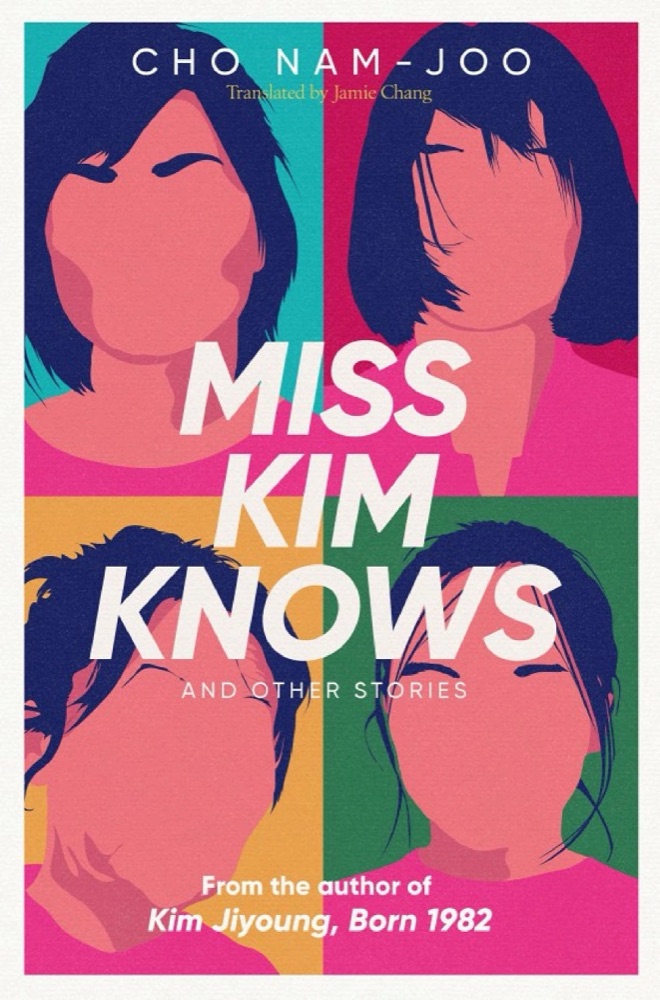 Miss Kim Knows and Other Stories
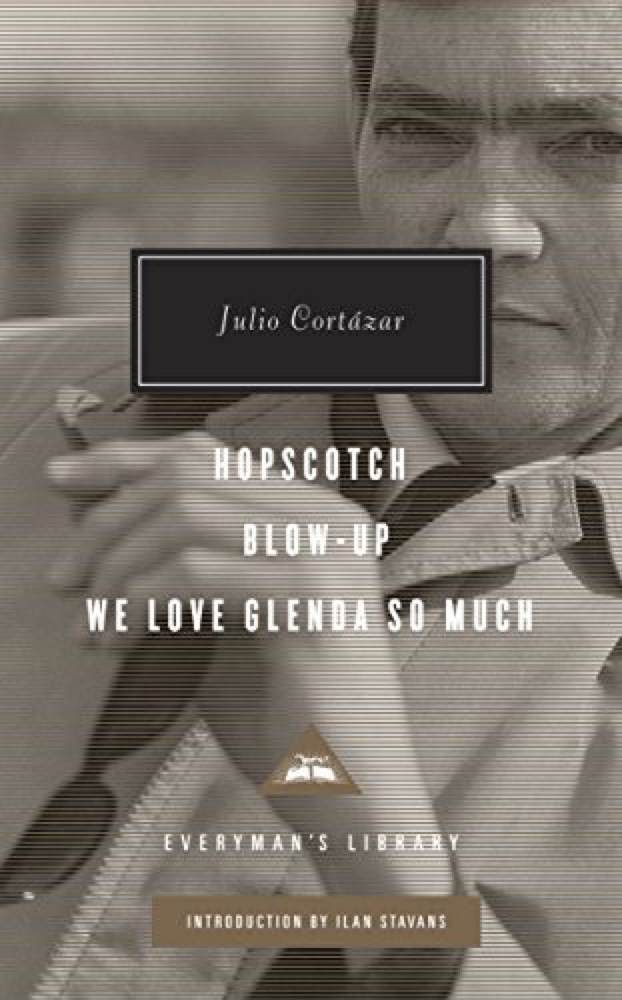 Hopscotch
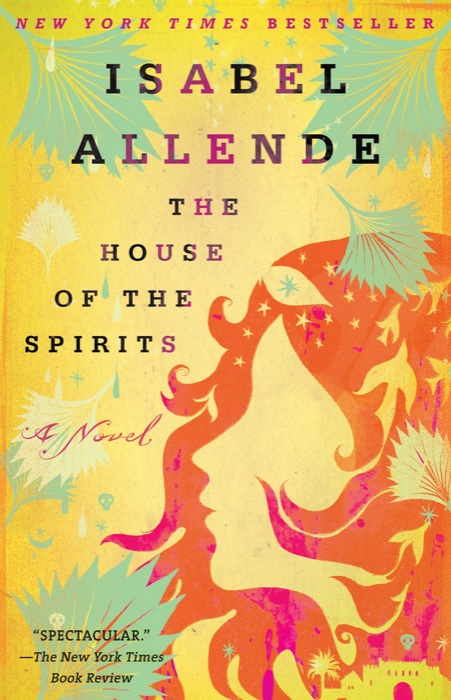 The House of the Spirits
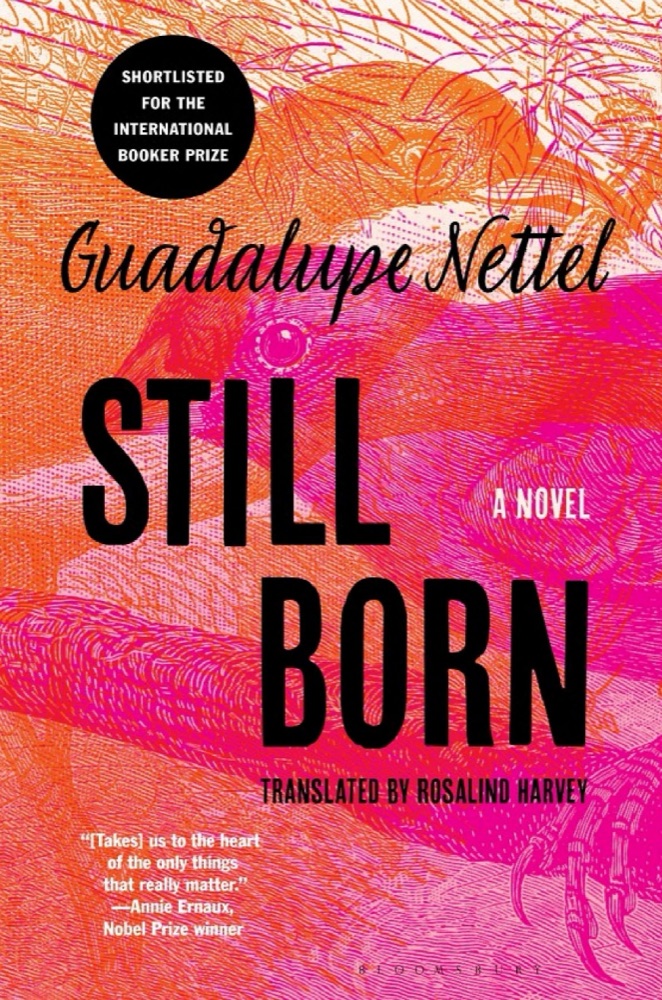 Still Born
 Stories
 Emma in the Night
 Nada
Nada
 Forsaken
 The Time of the Hero
 Nadja
Nadja
 The Little Virtues
 Upside Down: A Primer for the Looking-Glass World
 A Sunny Place for Shady People
 La reina del sur
 Don Quixote de La Mancha, Vol. 1
 Eartheater
 Without Feathers
 The Ingredients of Love
 62: A Model Kit
 Malinche
 Strange Pilgrims
 Brodie's Report
 As You Wish
 Of Love and Shadows
 Everything You and I Could Have Been If We Weren't You and I
 Beauty and Sadness
 Like Water for Chocolate
 Peeling the Onion
 Happening
 Doctor Glas
 Lucinda's Secret
 Distant Star
 The Family of Pascual Duarte
 More Than a Woman: A Brutally Honest and Hilarious Feminist Memoir on Parenting, Marriage, and Middle-Age
 The Lost Steps
 Gomorrah
 The Yellow World
 The Charioteer
 The Wild Ass's Skin
 Instrumental: A Memoir of Madness, Medication and Music
 Aunt Julia and the Scriptwriter
 The Yellow Eyes of Crocodiles
 The Last Cato
 Returning to Reims
 The Mystery of Edwin Drood
 White River Burning
 Cronopios and Famas
 Paris Spleen