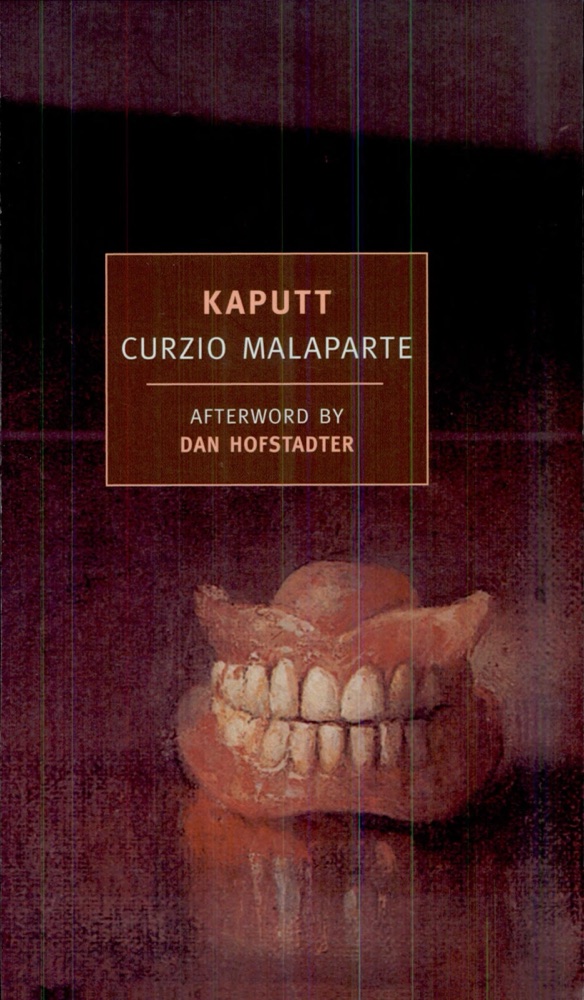
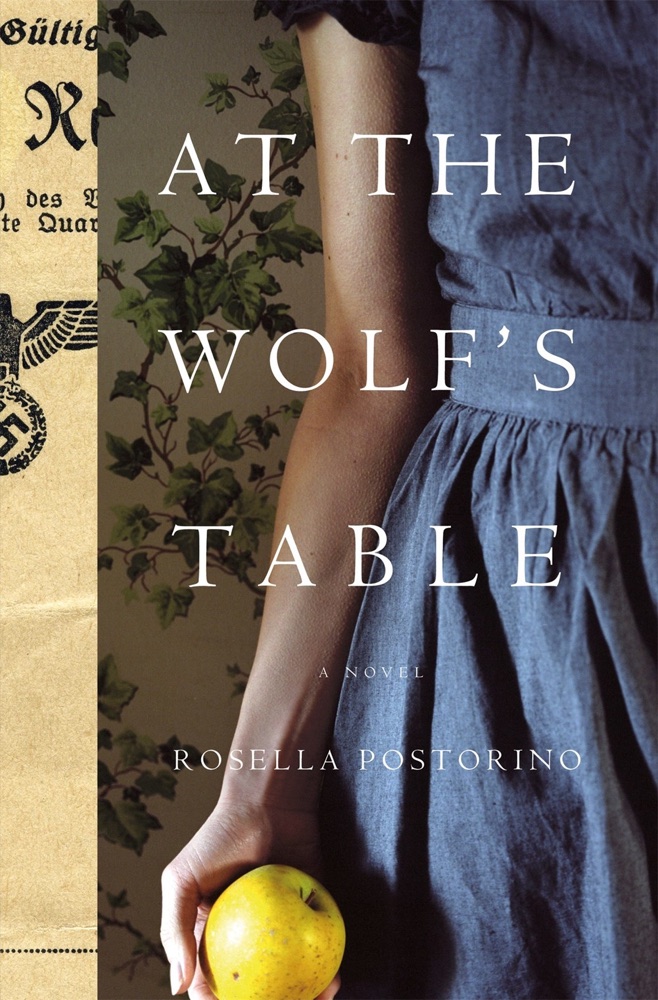
 At the Wolf's Table
Quotes from the Book
Daylight was beginning to lose its youth after the ghostlike endlessness of a pellucid summer day, without dawn or sunset. Already the face of the day was growing wrinkled, and little by little the evening was darkening the first, still-luminous shadows. Trees, rocks, houses and clouds sweeter and more intense in their foreboding of the coming night were slowly melting into the mellow autumnal landscape, as in those landscapes of Elias Martin.
1
May the new era be an era of liberty and respect for everyone--including writers! Only through liberty and respect for culture can Europe be saved from the cruel days of which Montesquieu spoke in the Esprit des lois: "Thus, in the days of fables, after the floods and deluges, there came forth from the soil armed men who exterminated each other." Boook XXXII, Chapter XXIII.
1
Eh, ma anche a Napoli abbiamo fatto la lotta alle mosche, anzi, abbiamo fatto addirittura la guerra alle mosche. Son tre anni che facciamo la guerra alle mosche." "E allora, come mai ci sono ancora tante mosche a Napoli?" "Eh, che volete, signore: hanno vinto le mosche!
Finché giunsi in vista del mare. Il mare mi turbò, e mi misi a piangere. Nulla, né fiume, né pianura, né montagna, e neppure un albero, neppure una nuvola, dà l'idea della libertà quanto il mare.
Messo di fronte al generale von Heunert e ai salmoni della Lapponia, egli stava dalla parte dei salmoni. Ma, in fondo, come tutti i tedeschi, giudici o no, obbediva ai generali. Il guaio di tutti i salmoni d'Europa è questo: che anche i tedeschi stanno dalla parte dei salmoni, ma obbediscono ai generali.
Ils sont tous ivres morts" dice de Foxâ a bassa voce, stringendomi il braccio. "Je commence à avoir peur". Allora io gli dico: "Non mostrare di aver paura, per l'amor di Dio! Se si accorgono che hai paura, sono capaci di offendersi. Non sono cattivi: ma quando hanno bevuto, diventano come bambini". "Non sono cattivi, lo so," dice de Foxâ "son come bambini. Ma io ho paura dei bambini.
Oh! Louise, mi perdoni, ho anch'io orrore delle storie crudeli. Ma lei non deve ignorare certe verità. Non deve ignorare che anche i gatti, in un certo senso, appartengono alla specie di Sigfrido. Non ha mai pensato che anche Cristo è una specie di Sigfrido? Che Cristo è un gatto crocefisso? Lei non deve credere, come tutti i tedeschi sono educati a credere, che Sigfrido è unico, e che tutti gli altri popoli sono gatti. No, Louise, anche Sigfrido è della razza dei gatti. Lei conosce l'origine della parola kaputt? E' una parola che proviene da koppàroth, che vuol dire vittima. Il gatto è un koppâ-roth, è una vittima, è l'inverso di Sigfrido: è un Sigfrido immolato, sacrificato. Vi è un momento, ed è un momento che sempre ritorna, in cui anche Sigfrido, l'unico, diventa gatto, diventa koppàroth, vittima, diventa kaputt: è il momento in cui Sigfrido è prossimo alla sua morte, in cui Hagen-Himmler si prepara a cavargli gli occhi, come a un gatto. Il destino del popolo tedesco è di trasformarsi in koppàroth, in vittima, in kaputt. Il senso riposto della sua storia è in questa sua metamorfosi da Sigfrido in gatto. Lei non deve ignorare certe verità, Louise. Anche lei deve sapere che tutti siamo SIgfrido, che tutti siamo destinati ad essere un giorno koppàroth, vittime, ad essere kaputt; che per questo siamo cristiani, che per questo anche Sigfrido è cristiano, anche Sigfrido è gatto.
Avevamo tutti l'aspetto di cadaveri: perché nulla fa pensare tanto a un morto quanto un uomo vestito da sera in pieno giorno.
Quando li avrete ammazzati tutti, quando in Russia non ci saranno più cani, andranno i ragazzi russi a ficcarsi sotto il ventre dei vostri carri". "Ach, son tutti della stessa razza," rispose "tutti figli di cani". E si allontanò sputando per terra con profondo disprezzo. "I like Russian dogs," disse Westmann "they ought to be fathers of the brave Russian boys".
Artık hiçbir insan ve doğa yasası kalmamıştı. Yıkılıp gitmişti dünya.
Watch on YouTube
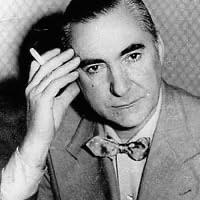
About Curzio Malaparte
We have collected 10 quotes from 1 book by Curzio Malaparte on BookQuoters.
More about the author →About the book
Curzio Malaparte was a disaffected supporter of Mussolini with a taste for danger and high living.
Sent by an Italian paper during World War II to cover the fighting on the Eastern Front, Malaparte secretly wrote this terrifying report from the abyss, which became an international bestseller when it was published after the war. Telling of the siege of Leningrad, of glittering dinner parties with Nazi leaders, and of trains disgorging bodies in war-devastated Romania, Malaparte paints a picture of humanity at its most depraved.
Kaputt is an insider’s dispatch from the world of the enemy that is as hypnotically fascinating as it is disturbing.
Book details
- First published
- 1944
- Author
- Curzio Malaparte
- Genre
- Fiction
- Goodreads rating
- 4.16 (3k ratings)
Keep reading
At the Wolf's Table
 The Late Mattia Pascal
 Native Realm: A Search for Self-Definition
 Margherita Dolce Vita
 The Forty Days of Musa Dagh
 Cassandra: A Novel and Four Essays
 The Grammar of Fantasy: An Introduction to the Art of Inventing Stories
 Babi Yar: A Document in the Form of a Novel
 Gomorrah
 The Tartar Steppe
 The Golem
 Brodeck
 The Children of Freedom
 Under Fire
 Dear Theo
 The Kindly Ones
 Rattlesnake
 The Betrothed
 The Wine of Solitude
 Extinction
 A Fortune-Teller Told Me: Earthbound Travels in the Far East
 Grey Souls
 Finding Zach
 Returning to Reims
 The Genius and the Goddess: a Novel
 Ocean Sea
 Snow White
 The Assistant
 Tonio Kröger
 Stranger Than Fanfiction
 Penguin Island
 Sleep, Pale Sister
 Promise at Dawn
 The Last of the Wine
 Lady of Avalon
 Paris Spleen
 The People's Act of Love
 Distant Star
 The Count of Monte Cristo, V1
 Dom Casmurro
 Aunt Julia and the Scriptwriter
 Travels with Herodotus
 Buddenbrooks: The Decline of a Family
 Diary of a Bad Year
 The Seducer’s Diary
 Doctor Glas
 Q
Q
 Amrita
 Toby Alone
 Heaven and Hell
 Old Masters: A Comedy
 The Parrot's Theorem
 Without Feathers
 Upside Down: A Primer for the Looking-Glass World
 News from Nowhere
 A Season in Hell
 How I Became Stupid
 The Little Virtues
 Bosnian Chronicle
 The Last Day of a Condemned Man