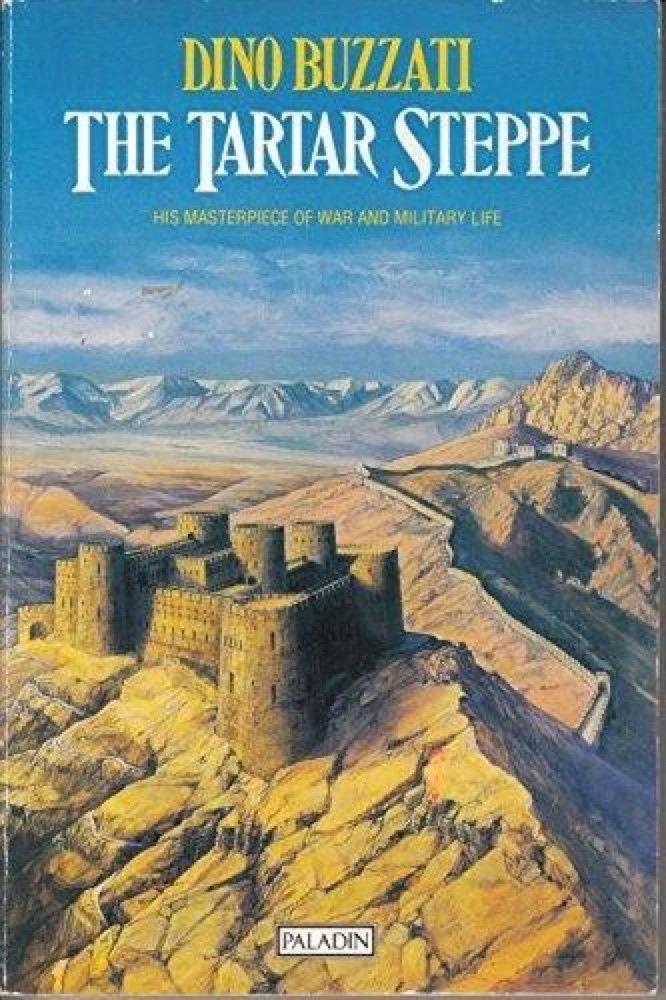
 Margherita Dolce Vita
Quotes from the Book
What a terrible mistake, thought Drogo, perhaps everything is like that — we think there are beings like ourselves around us and instead there is nothing but ice and stones speaking a strange language; we are on the point of greeting a friend but our arm falls inert, the smile dies away because we are completely alone.
It was at this period that Drogo realised how far apart men are whatever their affection for each other, that if you suffer the pain is yours and yours alone, no one else can take upon himself the least part of it; that if you suffer it does not mean that others feel pain even though their love is great: hence the loneliness of life.
Il tempo intanto correva, il suo battito silenzioso scandisce sempre più precipitoso la vita, non ci si può fermare neanche un attimo, neppure per un'occhiata indietro. "Ferma, ferma!" si vorrebbe gridare, ma si capisce ch'è inutile. Tutto quanto fugge via, gli uomini, le stagioni, le nubi; e non serve aggrapparsi alle pietre, resistere in cima a qualche scoglio, le dita stanche si aprono, le braccia si afflosciano inerti, si è trascinati ancora nel fiume, che pare lento ma non si ferma mai.
Twenty-two months are a long time and a lot of things can happen in them- there is time for new families to be formed, for babies to be born and even begin to talk, for a great house to rise where once there was only a field, for a beautiful woman to grow old and no one desire her any more, for an illness- for a long illness- to ripen (yet men live on heedlessly), to consume the body slowly, to recede for short periods as if cured, to take hold again more deeply and drain away the last hopes; there is time for a man to die and be buried, for his son to be able to laugh again and in the evening take the girls down the avenues and past the cemetery gates without a thought. But it seemed as if Drogo’s existence had come to a halt. The same day, the same things, had repeated themselves hundreds of times without taking a step forward. The river of time flowed over the Fort, crumbled the walls, swept down dust and fragments of stone, wore away the stairs and the chain, but over Drogo it passed in vain- it had not yet succeeded in catching him, bearing him with it as it flowed.
Because it may be fine to die in the open, with one’s body still young and healthy amidst the triumphant echoes of the bugles; but it is a sadder fate to die of wounds in a hospital ward after long sufferings, and it is more melancholy still to meet one’s end in one’s bed at home in the midst of fond laments, dim lights and medicine bottles. But nothing is more difficult than to die in some strange, indifferent spot, in the characterless bed of an inn, to die there old and worn and leave no one behind in the world.
Difficile è credere in una cosa quando si è soli, e non se ne può parlare con alcuno. Proprio in quel tempo Drogo si accorse come gli uomini, per quanto possano volersi bene, rimangano sempre lontani; che se uno soffre, il dolore è completamente suo, nessun altro può prenderne su di sé una minima parte; che se uno soffre, gli altri per questo non sentono male, anche se l'amore è grande, e questo provoca la solitudine della vita.
Fino allora egli era avanzato per la spensierata età della prima giovinezza, una strada che da bambini sembra infinita, dove gli anni scorrono lenti e con passo lieve, così che nessuno nota la loro partenza. Si cammina placidamente, guardandosi con curiosità attorno, non c'è proprio bisogno di affrettarsi, nessuno preme dietro e nessuno ci aspetta, anche i compagni procedono senza pensieri, fermandosi spesso a scherzare. Dalle case, sulle porte, la gente grande saluta benigna, e fa cenno indicando l'orizzonte con sorrisi di intesa; così il cuore comincia a battere per eroici e teneri desideri, si assapora la vigilia delle cose meravigliose che si attendono più avanti; ancora non si vedono, no, ma è certo, assolutamente certo che un giorno ci arriveremo. Ancora molto? No, basta attraversare quel fiume laggiù in fondo, oltrepassare quelle verdi colline. O non si è per caso già arrivati? Non sono forse questi alberi, questi prati, questa bianca casa quello che cercavamo? Per qualche istante si ha l'impressione di sì e ci si vorrebbe fermare. Poi si sente dire che il meglio è più avanti e si riprende senza affanno la strada. Così continua il cammino in un'attesa fiduciosa e le giornate sono lunghe e tranquille, il sole risplende alto nel cielo e sembra non abbia mai voglia di calare al tramonto. Ma a un certo punto, quasi istintivamente, ci si volta indietro e si vede che un cancello è stato sprangato alle spalle nostre, chiudendo la via del ritorno. Allora si sente che qualcosa è cambiato, il sole non sembra più immobile ma si sposta rapidamente, ahimè, non si fa in tempo a fissarlo che già precipita verso il confine dell'orizzonte, ci si accorge che le nubi non ristagnano più nei golfi azzurri del cielo ma fuggono accavallandosi l'una all'altra, tanto è il loro affanno; si capisce che il tempo passa e che la strada un giorno dovrà pur finire. Chiudono a un certo punto alla nostre spalle un pesante cancello, lo rinserrano con velocità fulminea e non si fa in tempo a tornare.
Demek ki yaşam bir tür şakaydı: kibrinden, girdiği bir iddia yüzünden her şeyi yitirmişti.
O zamana değin, çocukken insana sonsuz gibi görünen bir yolda yılların yavaş yavaş ve hafifçe geçtiği, böylece hiç kimsenin akıp gittiklerinin ayırdına varmadığı bir yolda, hep ilk gençliğinin kaygısızlığıyla ilerlemişti, insan bu yolda, sakin sakin, çevresine merakla bakarak ilerlerdi, aceleye gerçekten hiç gerek yoktu, ne arkanızda sizi sıkıştıran ne de tabii, bekleyen birileri bulunurdu, arkadaşlarınız da kaygısız, oynamak için sık sık durarak ilerlerlerdi. Evlerinin kapısından büyükler size dostça selam verir ve suç ortaklığı dolu gülüşlerle ufku gösterirlerdi; böylece yürek yiğitçe ve tatlı arzularla çarpmaya başlar ve insan kendisini az ötede bekleyen harikulade şeylerin umudunu tadar; gerçi o şeyler henüz uzaktadır ama bir gün onlara ulaşılacağı kesin, tartışmasız bir biçimde kesindir. Daha çok yol var mıdır? Yoo, şu ilerideki nehri geçmek, şu yeşil tepeleri aşmak yeterlidir. Belki de varmışızdır bile. Şu ağaçlar, kırlar, şu beyaz ev belki de bizim aradığımız şeylerdir. Bir an, bunun doğru olduğuna inanıp, orada durmak isteriz. Sonra, kulağımıza ileride daha iyisinin olduğu çalınır ve tasasız bir biçimde yeniden yola koyuluruz. İnsan, böylelikle, umut dolu, kendi yolunda gider durur; günler uzun ve sakindir, güneş yukarıda gökyüzünde parlamakta ve akşam bastığında üzülerek yok olmaya yüz tutmaktadır. Ama bir noktada, belki de içgüdüsel olarak, insan geri döner ve arkasında bir kapının kapanarak dönüşü olanaksız kıldığım fark eder. İşte o zaman bir şeylerin değişmiş olduğunun ayırdına varırız, güneş eskisi gibi kıpırtısız değildir, hızla hareket etmektedir; ne yazık ki, henüz bakmaya bile fırsat bulamadan, onun ufkun ucuna doğru hızla kaydığını, bulutların da gökyüzündeki mavi koylarda hareketsiz durmadığını, birbirlerinin üzerine çıkarak kaçtıklarını, iyice acele ettiklerini görürüz; zamanın geçtiğini ve günü gelince yolun zorunlu olarak son bulacağını anlarız. Belirli bir zamanda, arkamızda bir kapı kapanır, kapanır ve bir şimşek hızıyla kilitlenir; geri dönecek zaman kalmamıştır.
I muri nudi ed umidi, il silenzio, lo squallore delle luci: tutti là dentro parevano essersi dimenticati che in qualche parte del mondo esistevano fiori, donne ridenti, case allegre e ospitali. Tutto là dentro era una rinuncia, ma per chi, per quale misterioso bene?
Watch on YouTube
About Dino Buzzati
We have collected 10 quotes from 1 book by Dino Buzzati on BookQuoters.
More about the author →Book details
- Author
- Dino Buzzati
- Genre
- Classics
- Goodreads rating
- 4.20 (45k ratings) →
Keep reading
Margherita Dolce Vita
 Heaven and Hell
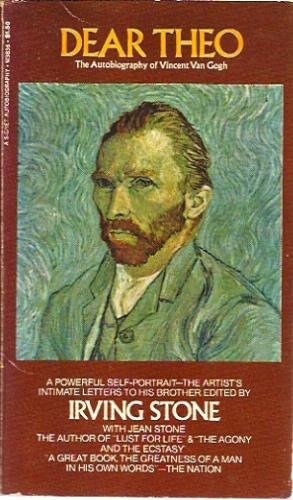 Dear Theo
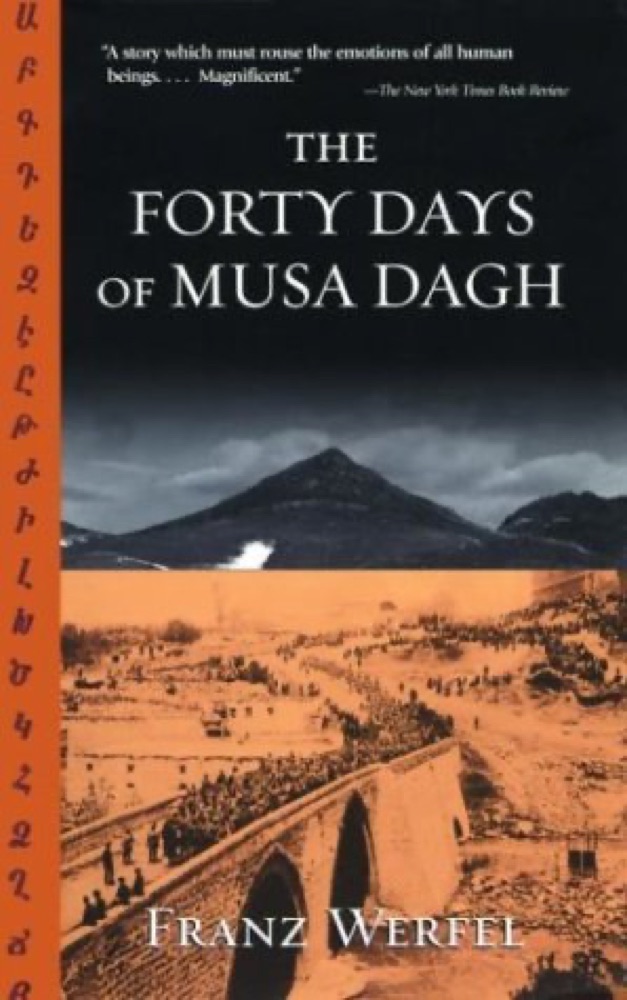 The Forty Days of Musa Dagh
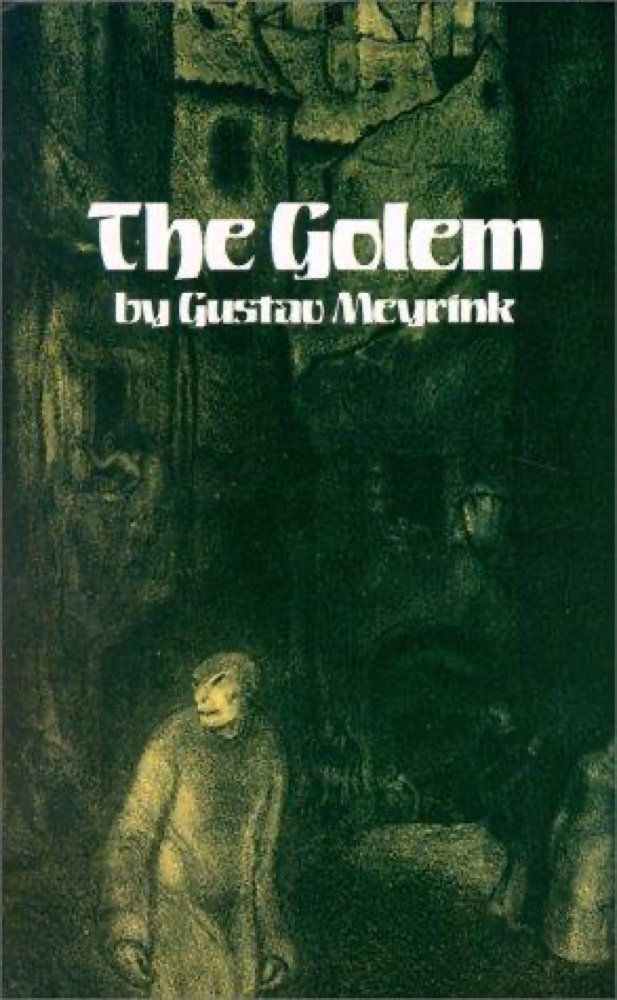 The Golem
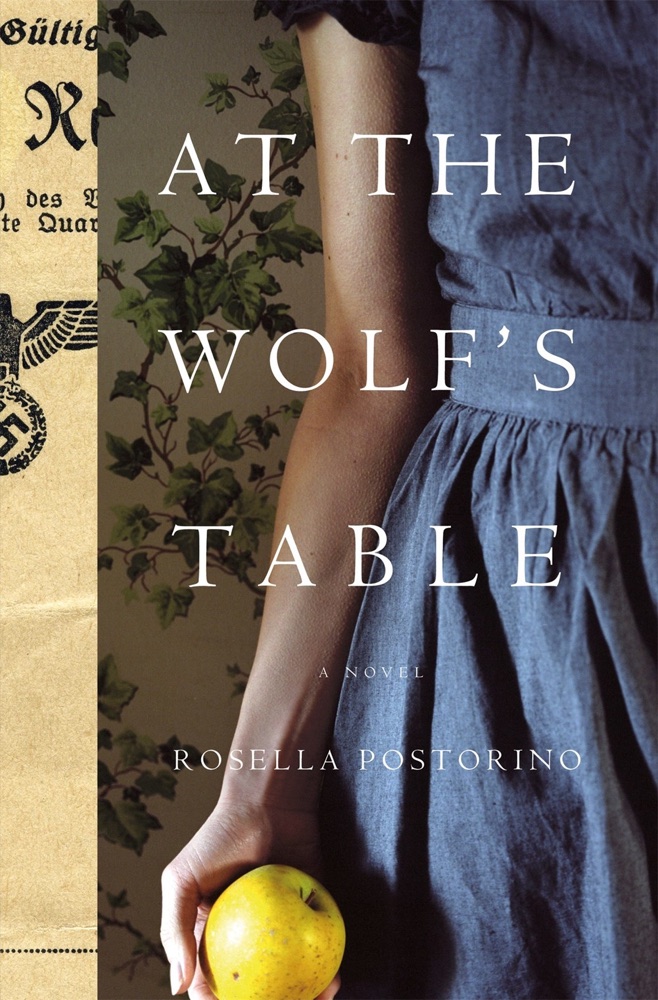 At the Wolf's Table
 Ferdydurke
 Doctor Glas
 Paris Spleen
 Travels with Herodotus
 The Assistant
 The Wine of Solitude
 Poor Folk
 Buddenbrooks: The Decline of a Family
 The Scent of Time: A Philosophical Essay on the Art of Lingering
 Honor
Honor
 The Last of the Wine
 The Kindly Ones
 Lady of Avalon
 Brodeck
 Extinction
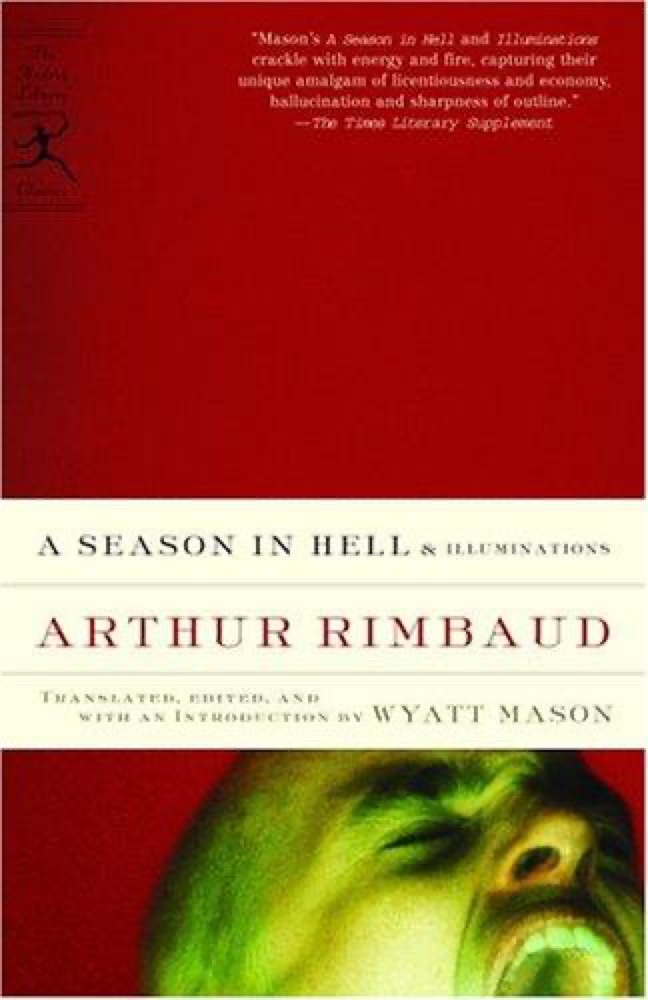 A Season in Hell
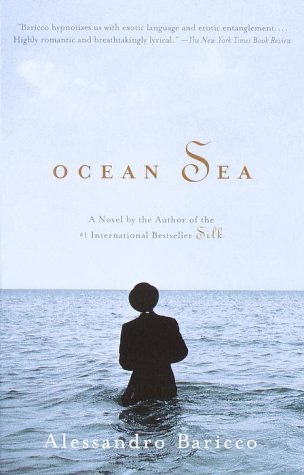 Ocean Sea
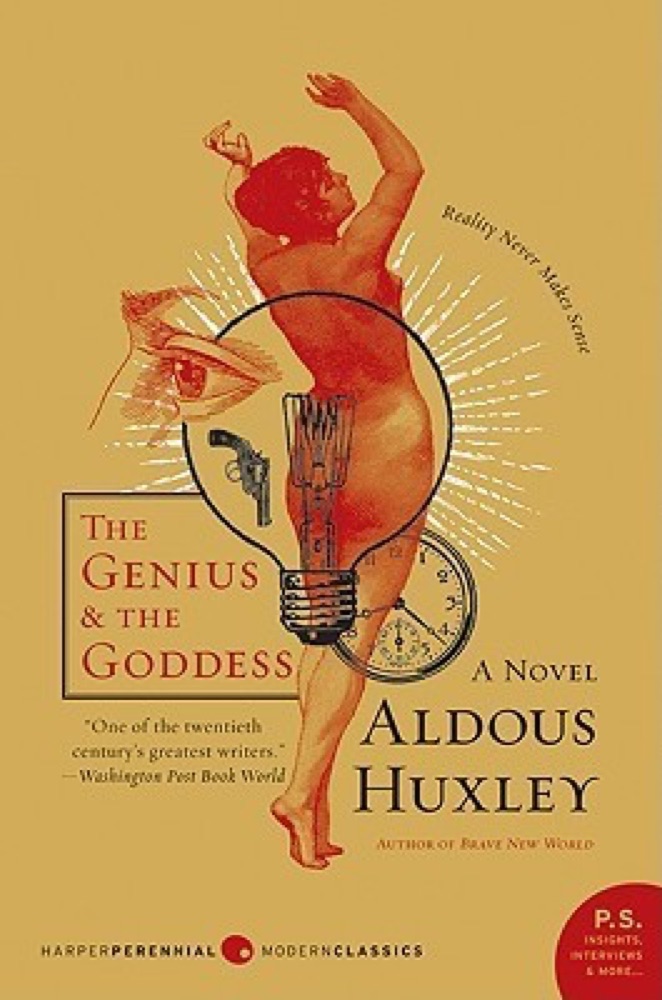 The Genius and the Goddess: a Novel
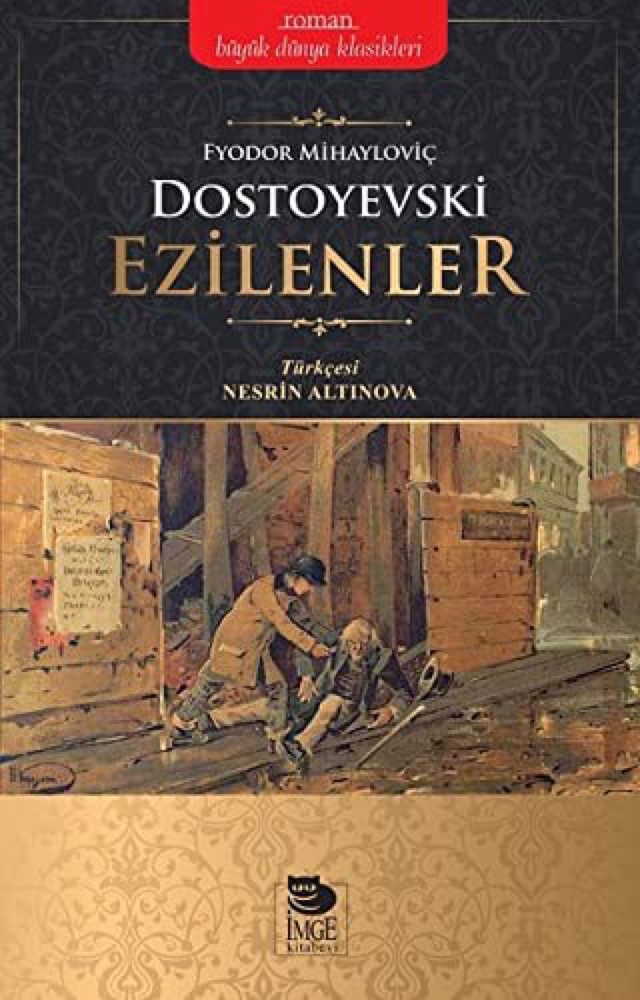 Ezilenler
 Tonio Kröger
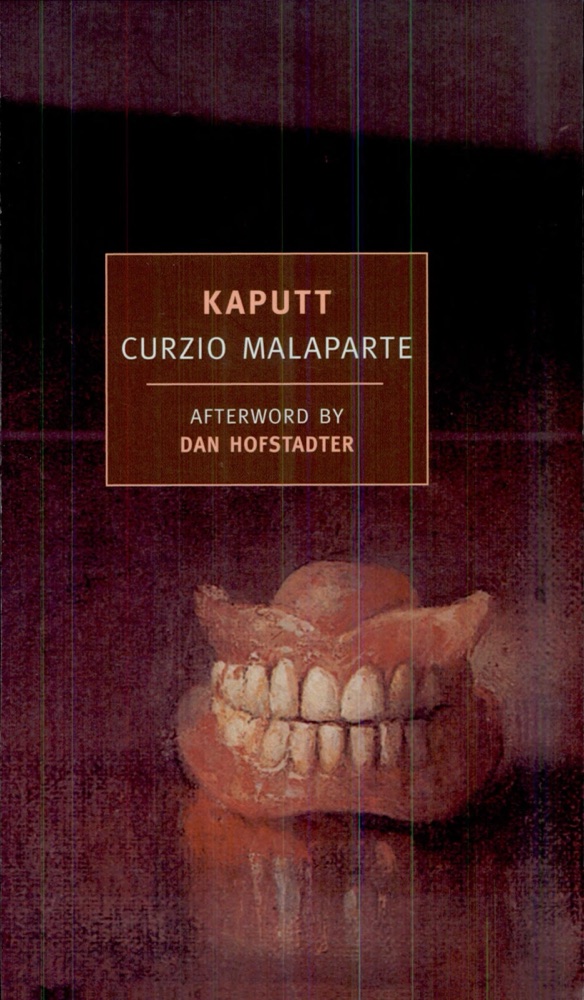 Kaputt
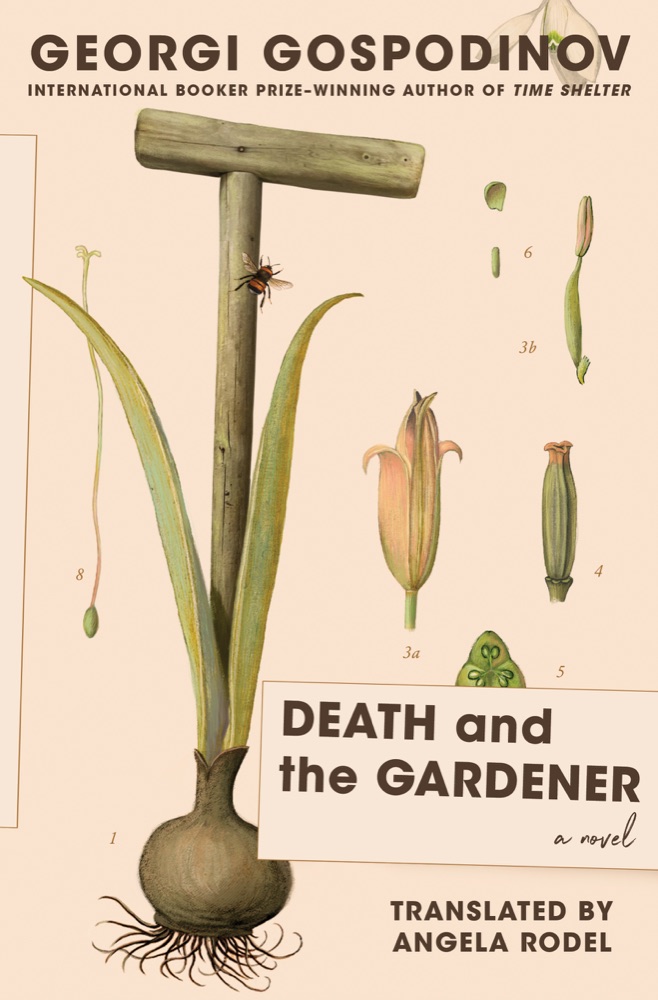 Death and the Gardener
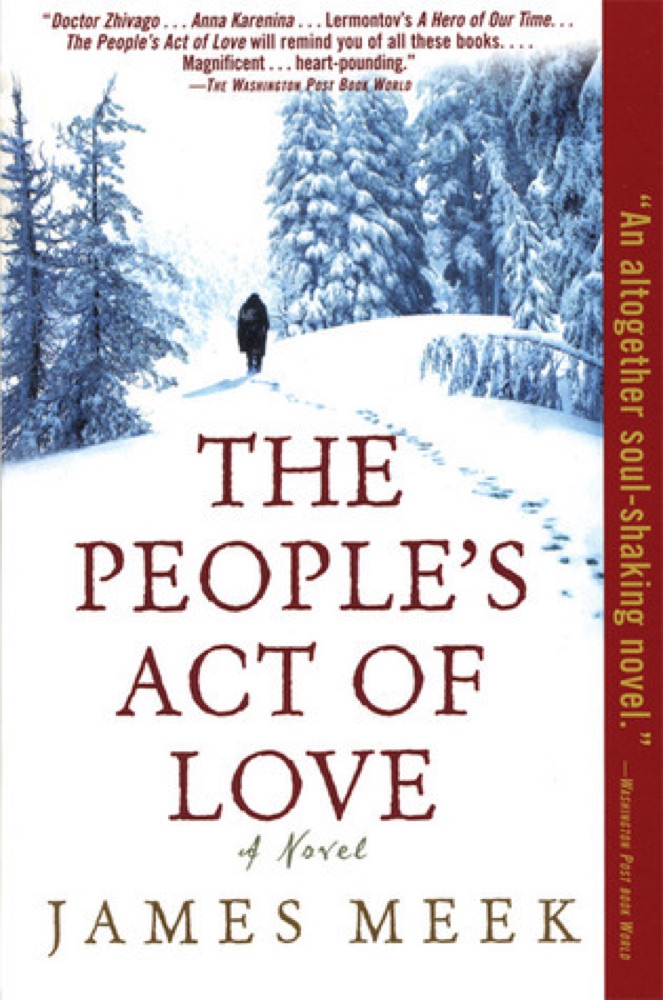 The People's Act of Love
 Platform
 Amrita
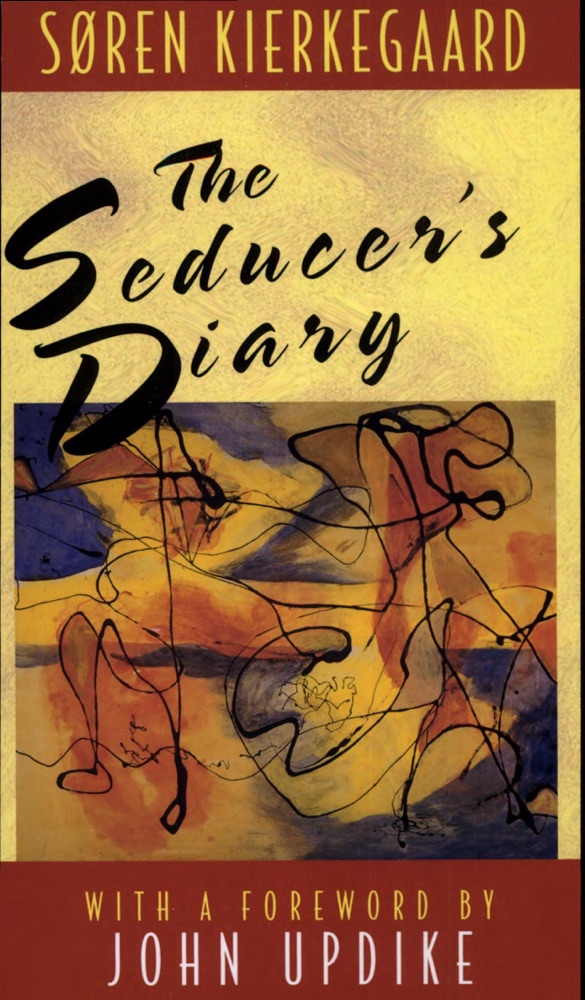 The Seducer’s Diary
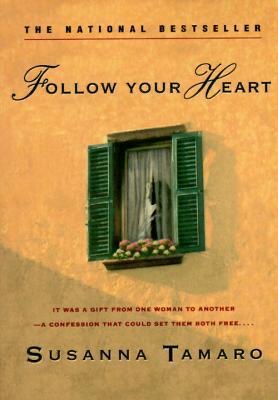 Follow Your Heart
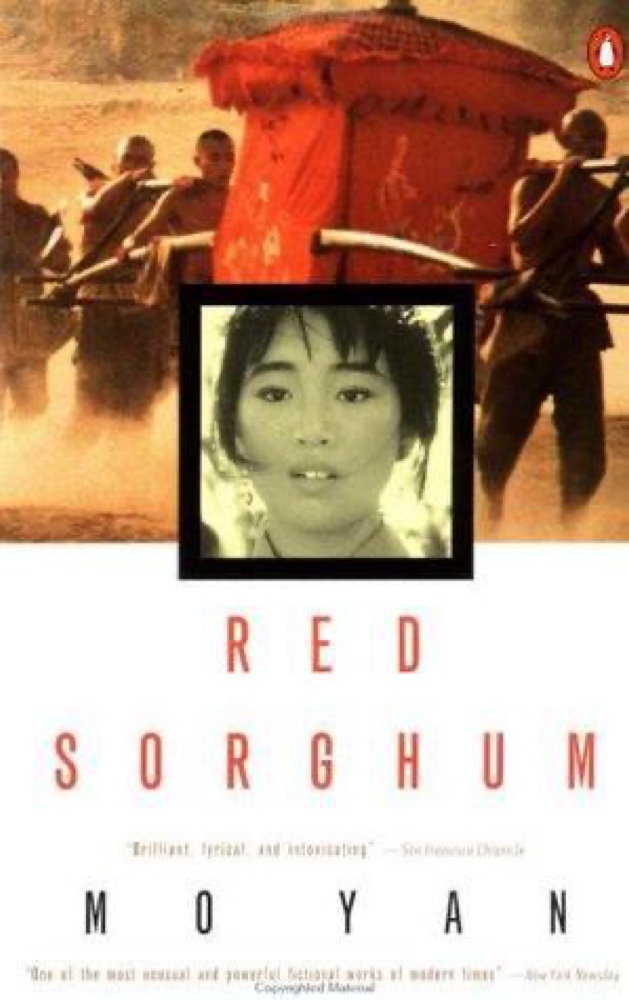 Red Sorghum
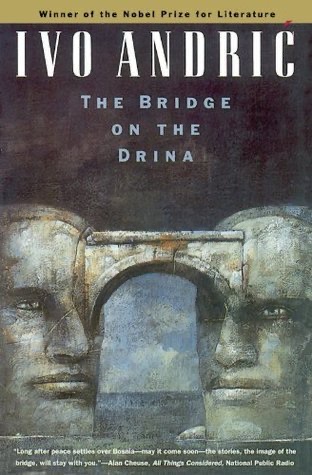 The Bridge on the Drina
 The Wild Ass's Skin
 The Last Day of a Condemned Man
 Auto-da-Fé
 My Childhood
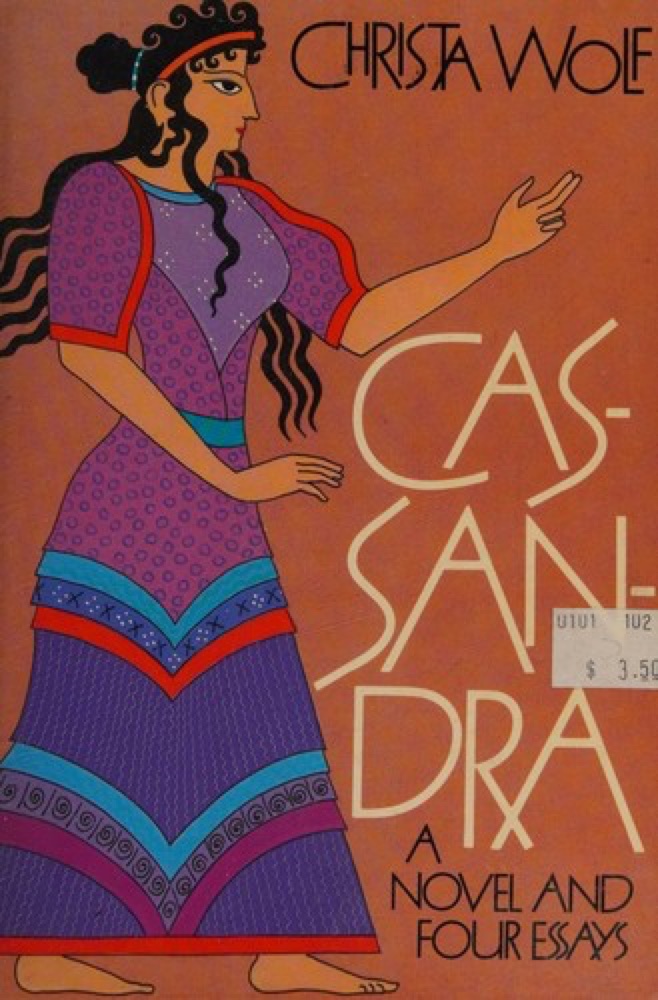 Cassandra: A Novel and Four Essays
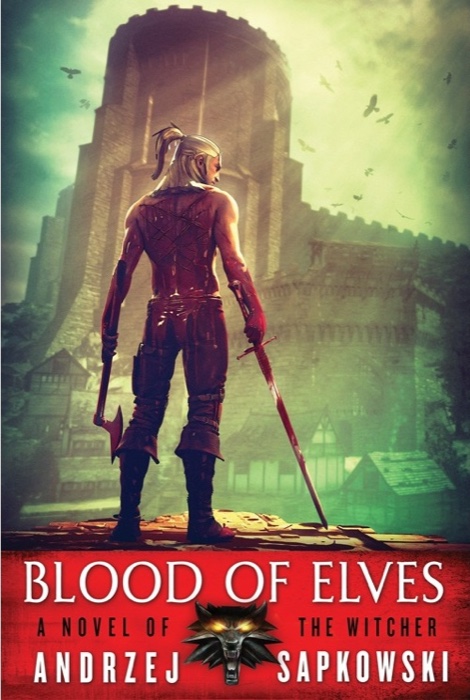 Blood of Elves
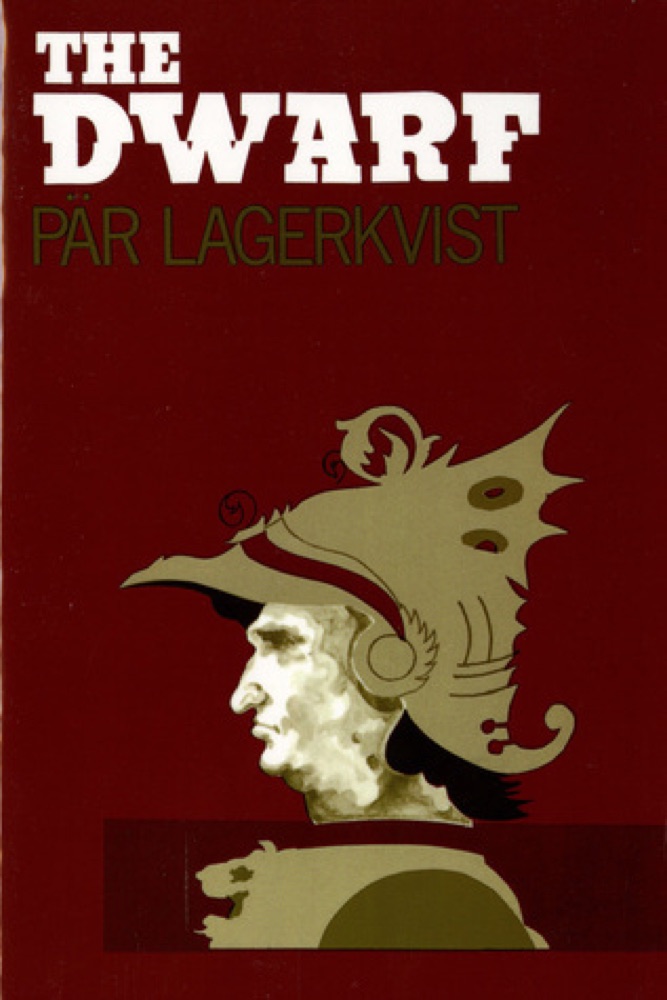 The Dwarf
 The Betrothed
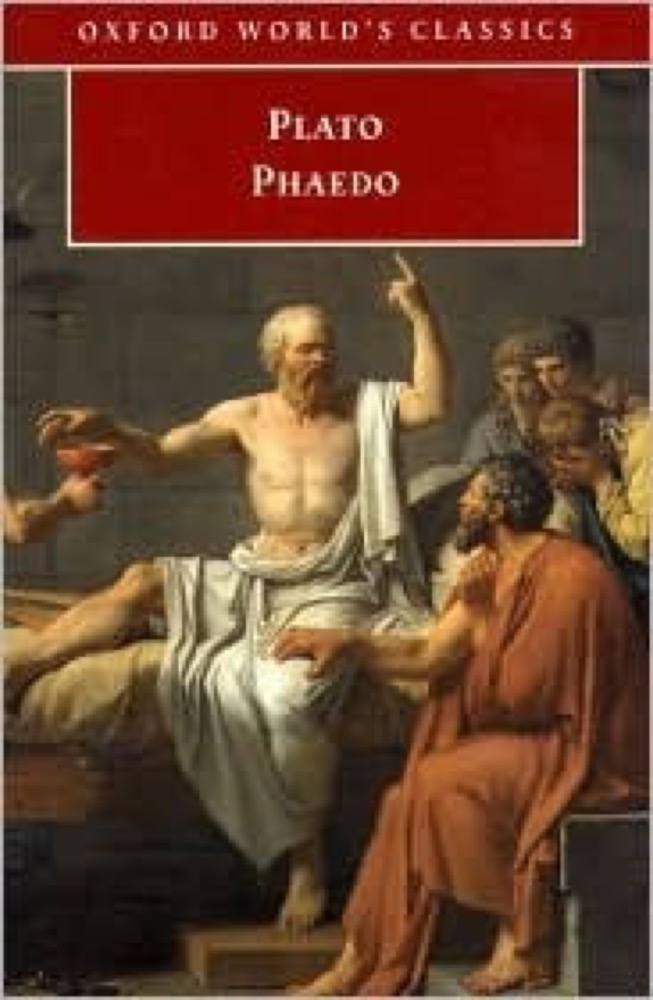 Phaedo
 The Charterhouse of Parma
 Marcovaldo
 Letter to a Child Never Born
 The Toilers of the Sea
 Contempt
 The Double
 The Story of San Michele
 The Devil in the Flesh
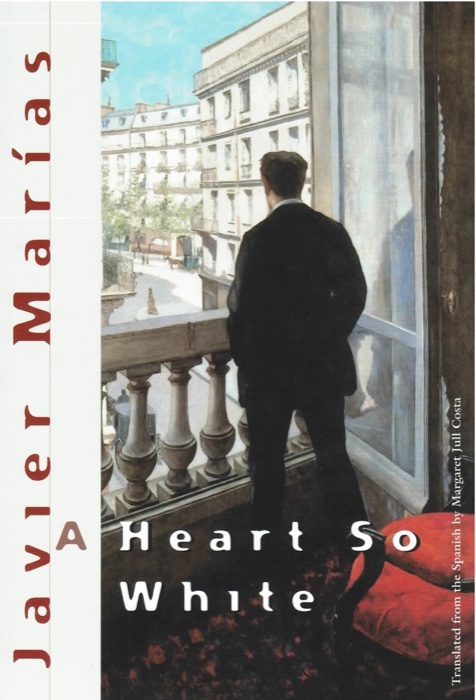 A Heart So White
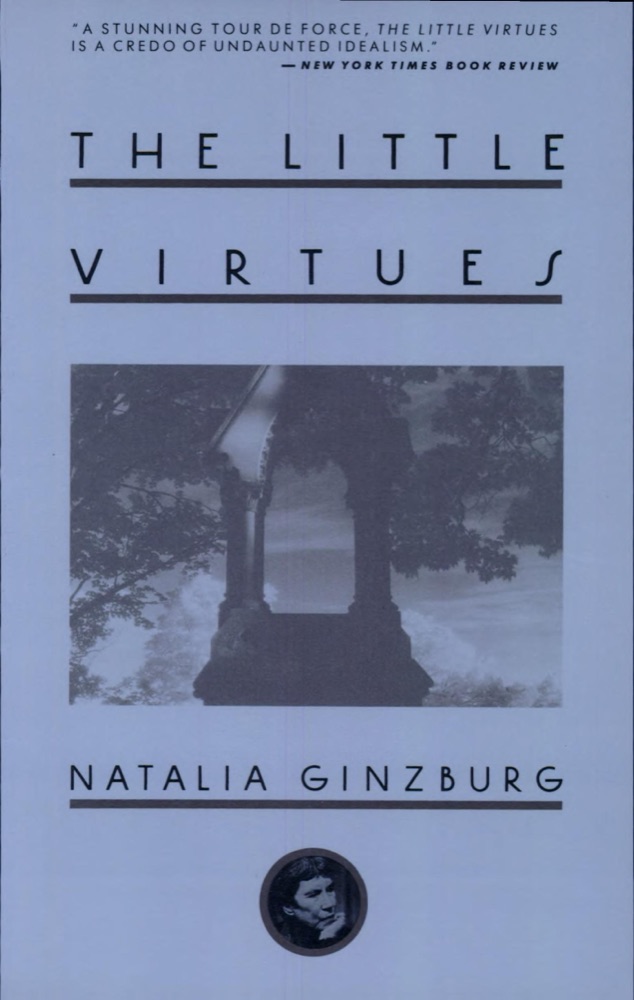 The Little Virtues
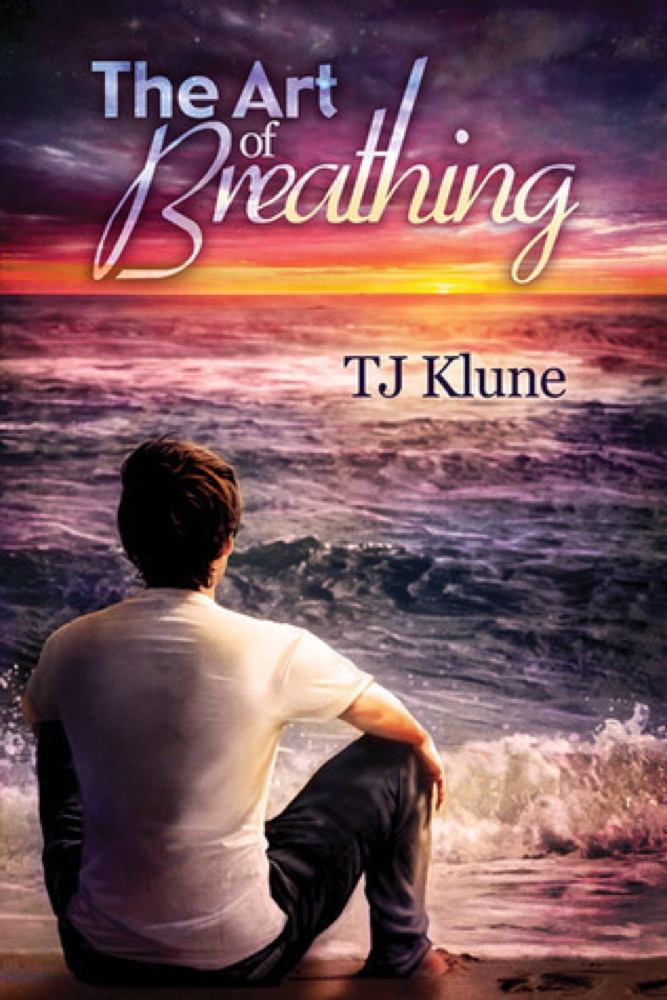 The Art of Breathing
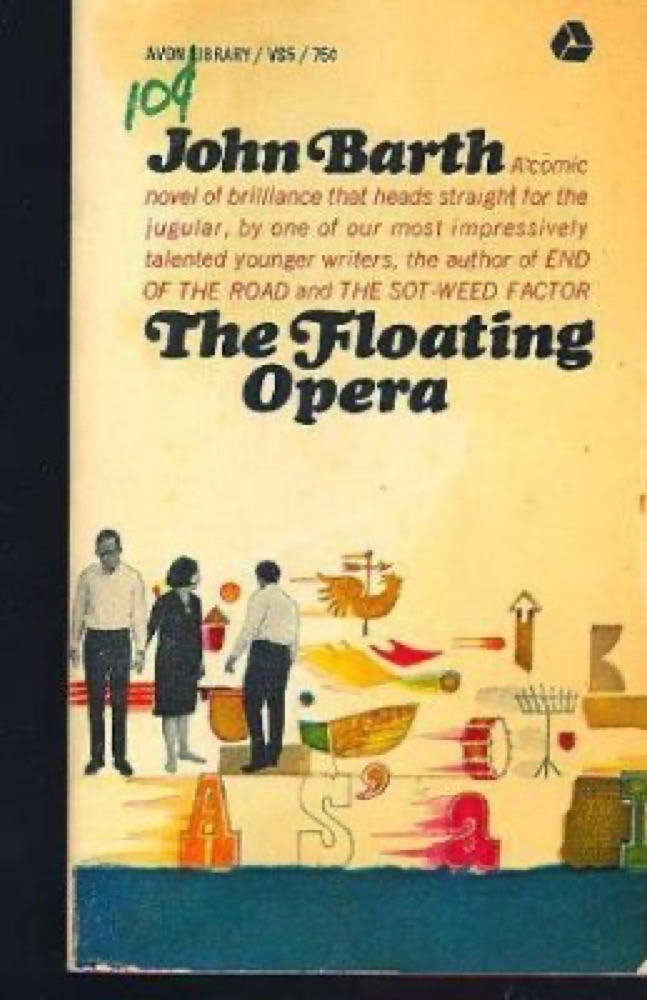 The Floating Opera
 The Leopard
 Beauty and Sadness
 The Castle of Crossed Destinies