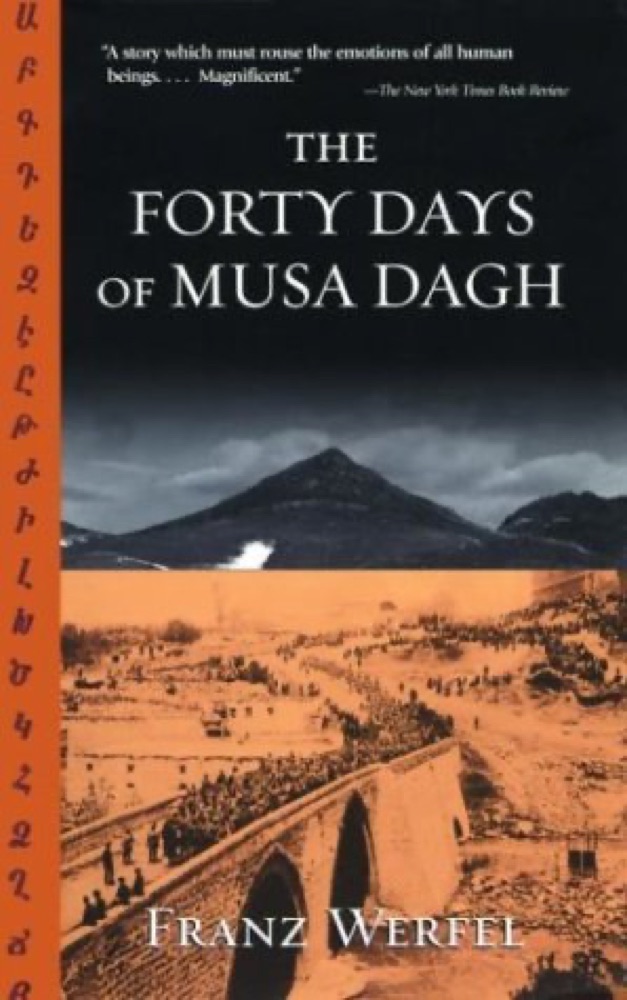
 The Forty Days of Musa Dagh
Quotes from the Book
That there is in this world neither brains, nor goodness, nor good sense, but only brute force. Bloodshed. Starvation. Death. That there was not the slightest hope not even a glimmer of hope, of justice being done. It would never happen. No one would ever do it. The world was just one big Babi Yar. And there two great forces had come up against each other and were striking against each other like hammer and anvil, and the wretched people were in between, with no way out; each individual wanted only to live and not be maltreated, to have something to eat, and yet they howled and screamed and in their fear they were grabbing at each other’s throats, while I, little blob of watery jelly, was sitting in the midst of this dark world. Why? What for? Who had done it all? There was nothing, after all, to hope for! Winter. Night.
11
. . . so just remember that this is the first sign of trouble- if books are banned, that means that things are going wrong.
6
Non ho scritto questo libro per raccontare storie di ieri. È un discorso che faccio OGGI basandomi sul materiale dell’occupazione di Kiev, di cui casualmente sono stato testimone. Ma fenomeni analoghi accadono sulla Terra anche oggi, e non c’è nessunissima garanzia che non si ripresentino in forme ancor più sinistre domani. Non c’è la minima garanzia. Vogliamo contare quanta parte della popolazione della Terra vive oggi sotto sistemi basati sulla violenza? Il mondo non ha imparato niente. Il mondo è diventato più cupo. Si sta riempiendo di marionette ingannate, di automi programmati che con occhi estatici sono pronti a sparare contro qualsiasi bersaglio indichino i loro leader, a calpestare qualsiasi paese dove li mandino, ed è terrificante pensare alle armi che hanno in mano oggi. Se si grida loro in faccia: “Vi hanno ingannati, siete solo carne da macello e strumenti nelle mani di farabutti”, non sentono. Dicono: “Malevole calunnie”. Se si portano loro i fatti, semplicemente non ci credono. Dicono: “Non c’è mai stato nulla del genere”.
1
Continuo a pensare, a pensare, e comincia a sembrarmi che le persone sensibili e intelligenti che vivranno dopo di noi, se poi ce ne saranno, faticheranno a capire come tutto ciò sia potuto accadere, stenteranno a capire la nascita dell’idea stessa dell’omicidio, e a maggior ragione dell’omicidio di massa. Uccidere. In che senso? Perché? Come può annidarsi, questa idea, negli oscuri anfratti delle circonvoluzioni cerebrali di un comune essere umano, nato da una madre, un essere che è stato un bambino che succhiava al seno, che andava a scuola?… Comune come milioni di altri, con mani e piedi sui quali crescono le unghie, mentre sulle guance - se per esempio si tratta di un uomo - cresce la barba, un essere che si affligge, sorride, si guarda allo specchio, ama teneramente una donna, si brucia con un fiammifero, e per quel che lo riguarda non ha nessuna voglia di morire - insomma, comune in tutto, tranne che per una patologica mancanza di immaginazione. Un essere umano normale capisce che non solo lui, ma anche gli altri vogliono vivere. Alla vista, o anche solo al pensiero delle altrui sofferenze, s’immedesima, in ogni caso prova almeno un dolore morale. E alla fine non riuscirà ad alzare la mano per colpire”.
1
C'era stato l'umanesimo SOCIALISTA, in nome del quale di notte sfrecciavano le macchine dell'NKVD, si scaraventavano gli assassinati giù nel burrone, dalle finestre del Palazzo d'Ottobre, e in Siberia si costruivano campi di concentramento grandi come città. Adesso si scopriva che era tutto sbagliato. L'umanesimo TEDESCO, ecco che cosa era stato proclamato, ancora una volta in contrapposizione all'umanesimo universale, indistinto, inefficace e perciò ostile, per il quale c'era un solo posto: Babij Jar.
Watch on YouTube
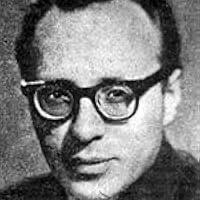
About Anatoly Kuznetsov
We have collected 5 quotes from 1 book by Anatoly Kuznetsov on BookQuoters.
More about the author →About the book
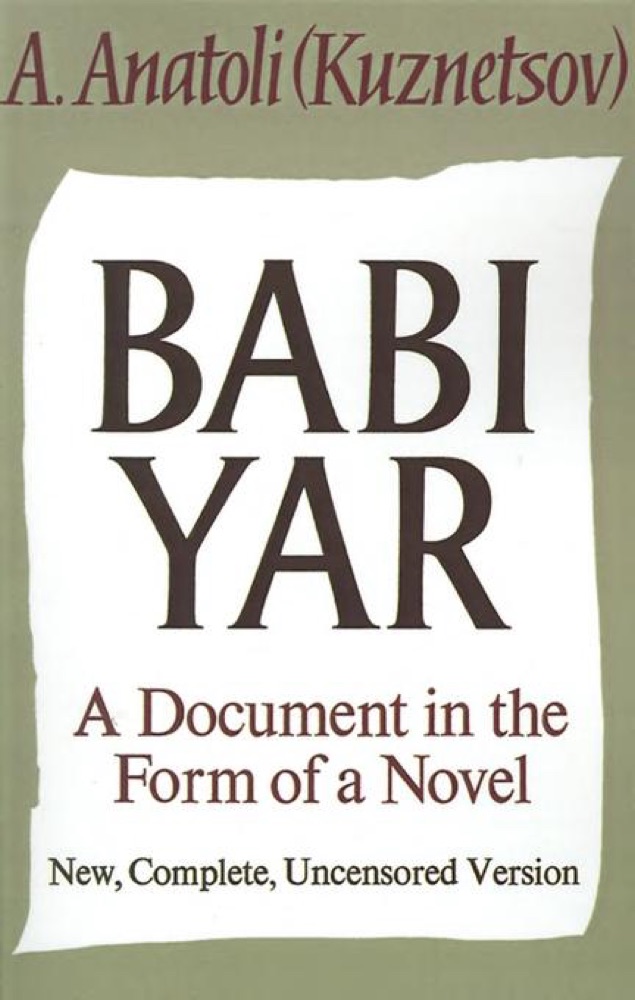
Babi Yar. A Document in the Form of a Novel is an internationally acclaimed documentary novel by Anatoly Kuznetsov about the Babi Yar massacre. The two-day murder of 33,771 Jewish civilians on September 29-30, 1941 in the Kiev ravine was one of the largest single mass killings of the Holocaust.The novel begins as "Everything in this book is true. When I recounted episodes of this story to different people, they all said I had to write the book. The word ‘document’ in the subtitle of this novel means that I have provided only actual facts and documents without the slightest literary conjecture as to how things could or must have happened."
Book details
- First published
- 1966
- Author
- Anatoly Kuznetsov
- Genre
- History
- Goodreads rating
- 4.42 (3k ratings)
Keep reading
The Forty Days of Musa Dagh
 Kaputt
 At the Wolf's Table
 Margherita Dolce Vita
 Brodeck
 Gomorrah
 Native Realm: A Search for Self-Definition
 A Fortune-Teller Told Me: Earthbound Travels in the Far East
 The Kindly Ones
 The Golem
 The Tartar Steppe
 The Late Mattia Pascal
 The People's Act of Love
 The Grammar of Fantasy: An Introduction to the Art of Inventing Stories
 The Genius and the Goddess: a Novel
 Snow White
 Q
Q
 The Last Day of a Condemned Man
 Distant Star
 Extinction
 3,096 Days
 Upside Down: A Primer for the Looking-Glass World
 God and the State
 I Am Legend
 A Thousand Plateaus: Capitalism and Schizophrenia
 Paris Spleen
 This is Not the End of the Book
 The Little Virtues
 Travels with Herodotus
 Dear Theo
 Returning to Reims
 An Interrupted Life: The Diaries, 1941-1943; and Letters from Westerbork
 Doctor Glas
 Under Fire
 Dancing Girls and Other Stories
 Old Masters: A Comedy
 Heaven and Hell
 The Big Green Tent
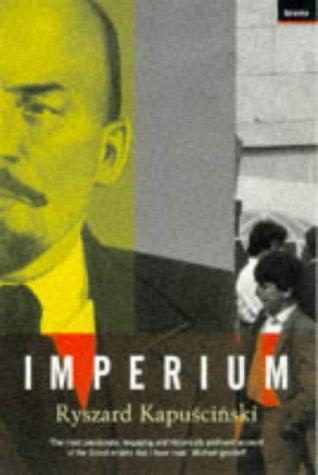 Imperium
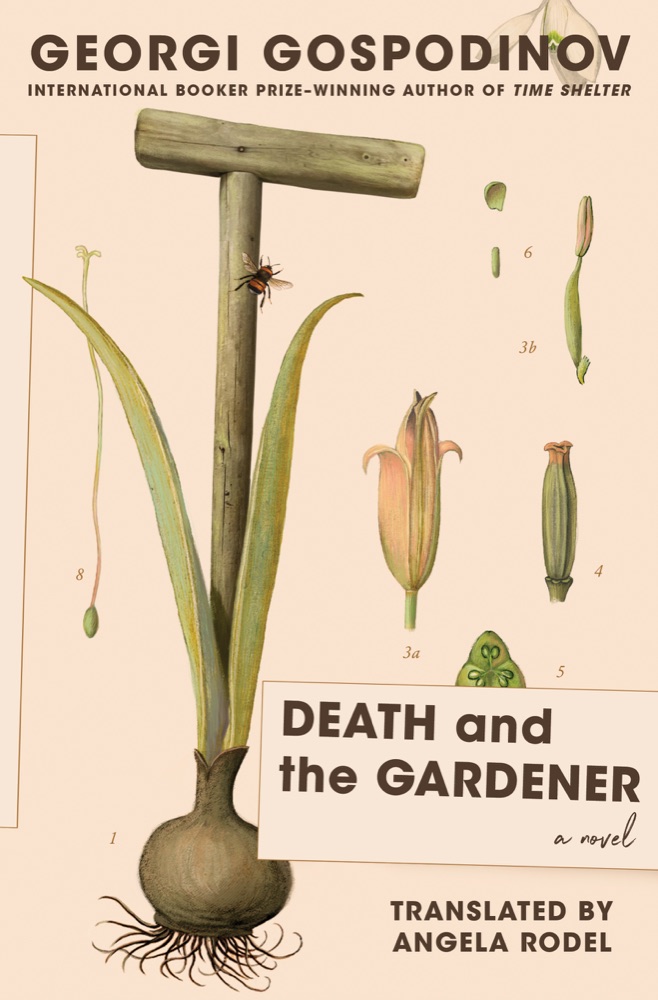 Death and the Gardener
 Tonio Kröger
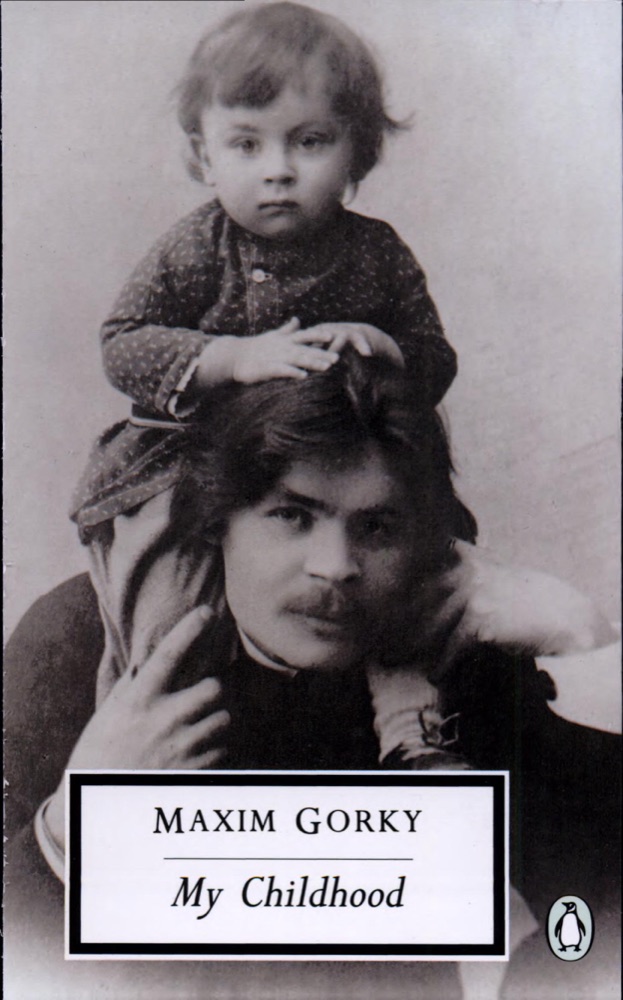 My Childhood
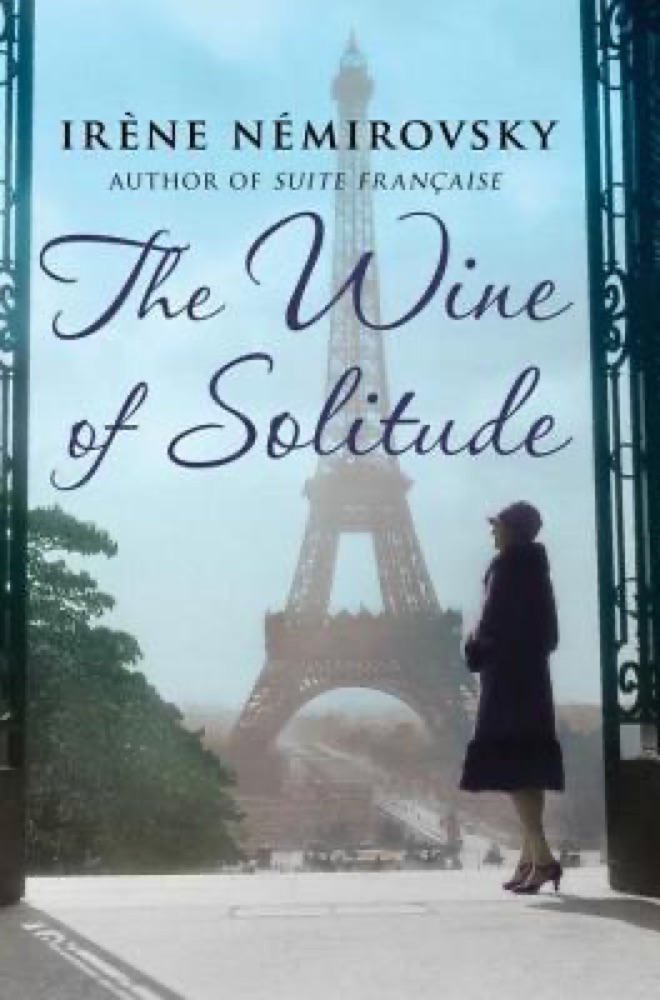 The Wine of Solitude
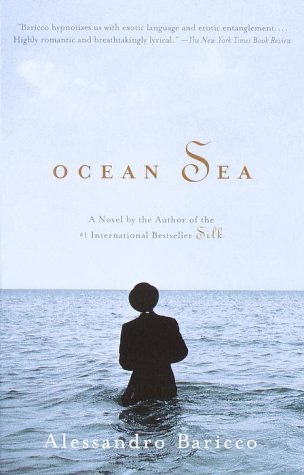 Ocean Sea
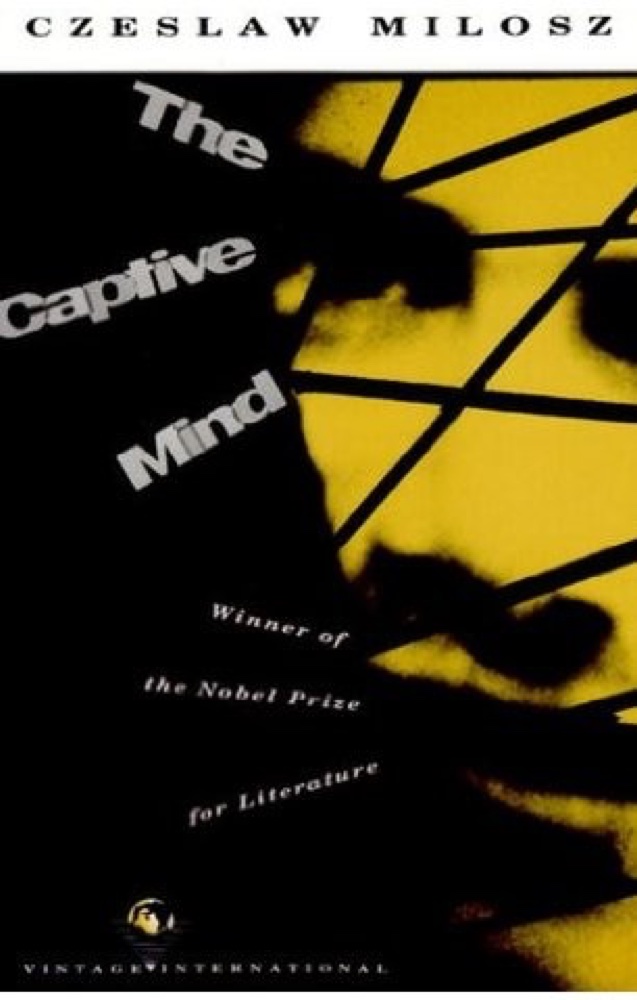 The Captive Mind
 The Betrothed
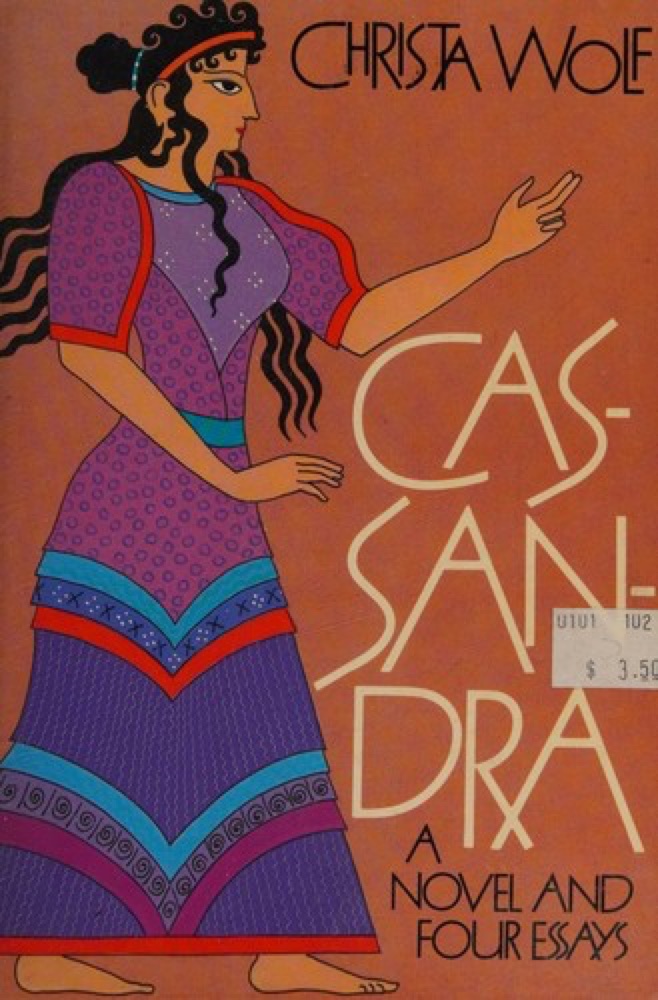 Cassandra: A Novel and Four Essays
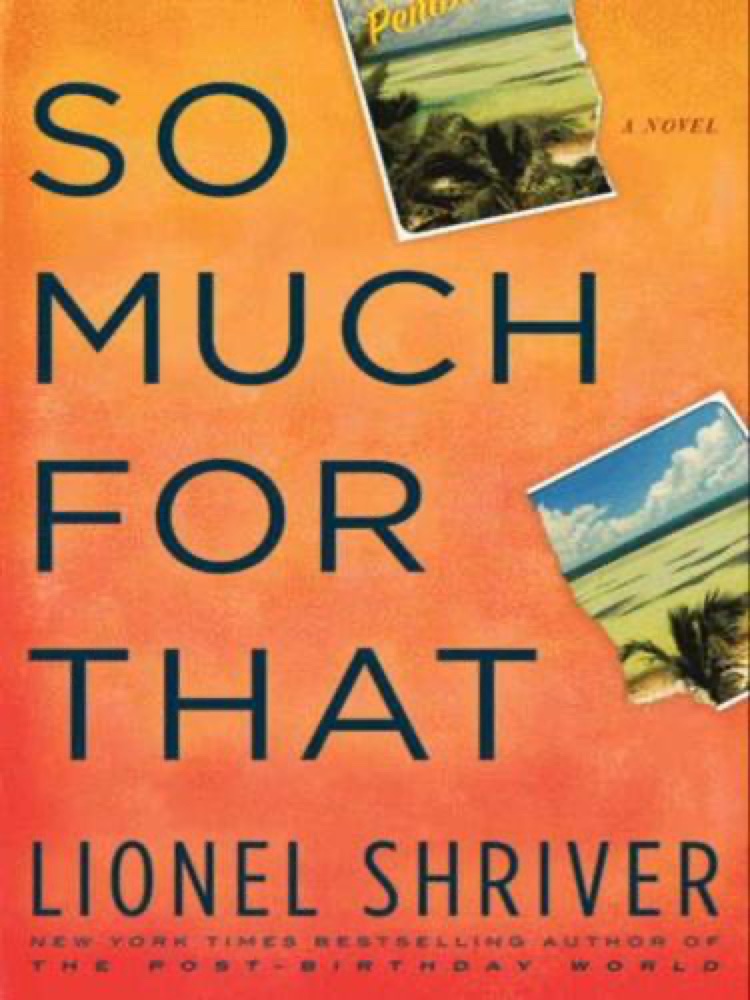 So Much for That
 The Politics of Obedience: The Discourse of Voluntary Servitude
 Diary of a Bad Year
 Peeling the Onion
 Stories
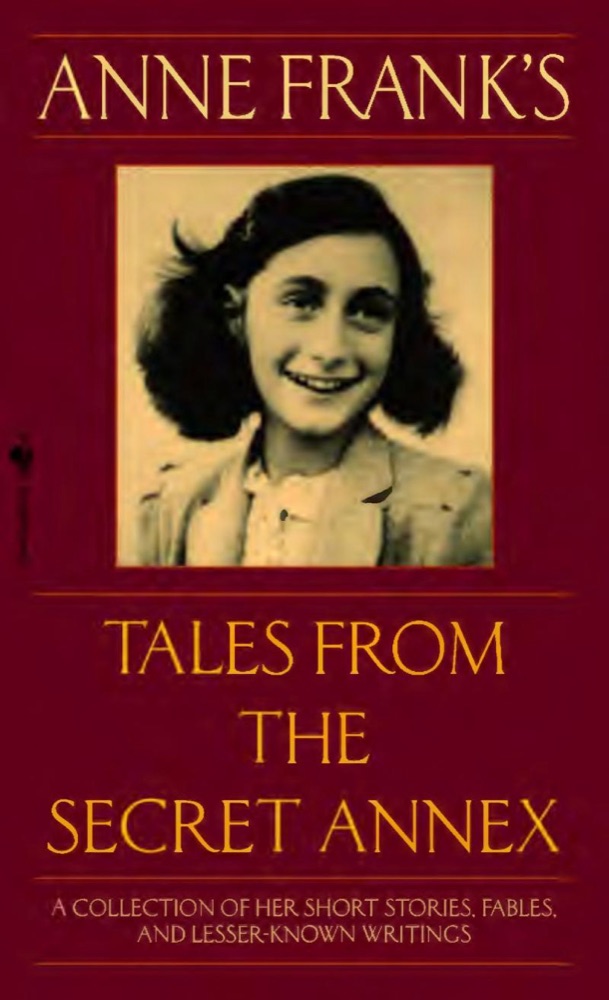 Anne Frank's Tales from the Secret Annex: A Collection of Her Short Stories, Fables, and Lesser-Known Writings
 The Midnight Palace
 Thinking the Twentieth Century
 Grey Souls
 News from Nowhere
 Penguin Island
 If This Is a Man / The Truce
 Moscow to the End of the Line