

 Margherita Dolce Vita
Quotes from the Book
Nowadays people rush into print before they’ve even finished the proof.
Thales did something different. He asked questions to which he didn’t know the answers.
I forzati del portatile lo guardarono con indulgenza, mentre cercava con ansia febbrile. Il portapenne non c'era più. Si era certamente spezzato! Chinandosi per guardare sotto il tavolo, notò il rigonfiamento in una delle opere che trattavano di matematica e, aprendola, trovò il portapenne di Murano, infilato tra due pagine.
I libri non resuscitano i morti, e non fanno di un idiota un uomo capace di ragionare, né di uno stupido un individuo intelligente: aguzzano lo spirito, lo destano, lo affinano e appagano la sua sete di conoscenza. Quanto a chi vuol sapere tutto, è meglio che la famiglia lo faccia curare, perché un simile desiderio non può che nascere da un turbamento dello spirito. Muto quando gli imponi il silenzio, eloquente quando lo fai parlare. Grazie al libro, puoi apprendere nello spazio di un mese quello che un'eternità non ti consentirebbe di apprendere dalle labbra di un sapiente, e questo senza farti contrarre debiti di sapere. Ti libera dall'imbarazzo, ti solleva dalle necessità di frequentare persone odiose e di avere rapporti con individui stupidi e incapaci di comprendere. Ti obbedisce di giorno come di notte, tanto in viaggio quanto nei periodi in cui sei sedentario. Se cadi in disgrazia, non per questo il libro rinuncia a servirti; se venti contrari soffiano contro di te, non ti si rivolta contro. Accade talvolta che il libro sia superiore al suo autore.
Watch on YouTube
About Denis Guedj
We have collected 4 quotes from 1 book by Denis Guedj on BookQuoters.
More about the author →Book details
- Author
- Denis Guedj
- Genre
- Fiction
- Goodreads rating
- 3.66 (4k ratings) →
Keep reading
Margherita Dolce Vita
 The Man Who Counted: A Collection of Mathematical Adventures
 Galileo
 The Grammar of Fantasy: An Introduction to the Art of Inventing Stories
 The Assistant
 Phaedo
 The Golem
 Gargantua and Pantagruel
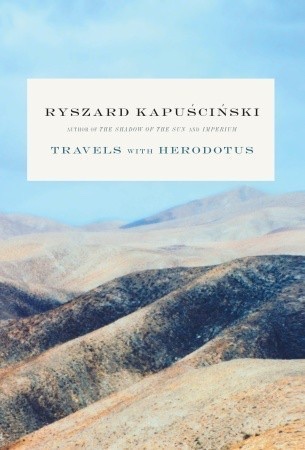 Travels with Herodotus
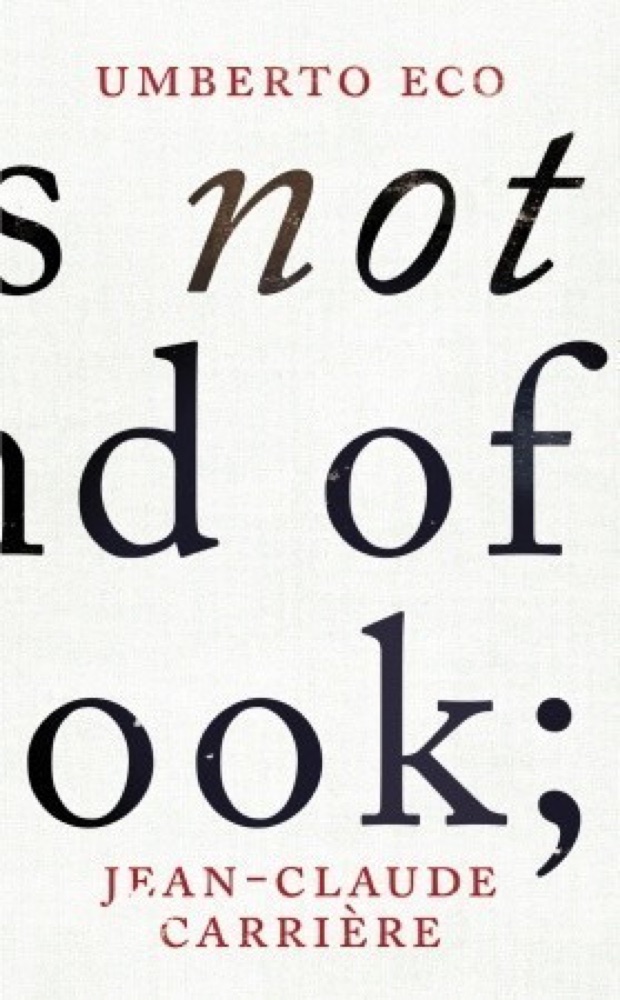 This is Not the End of the Book
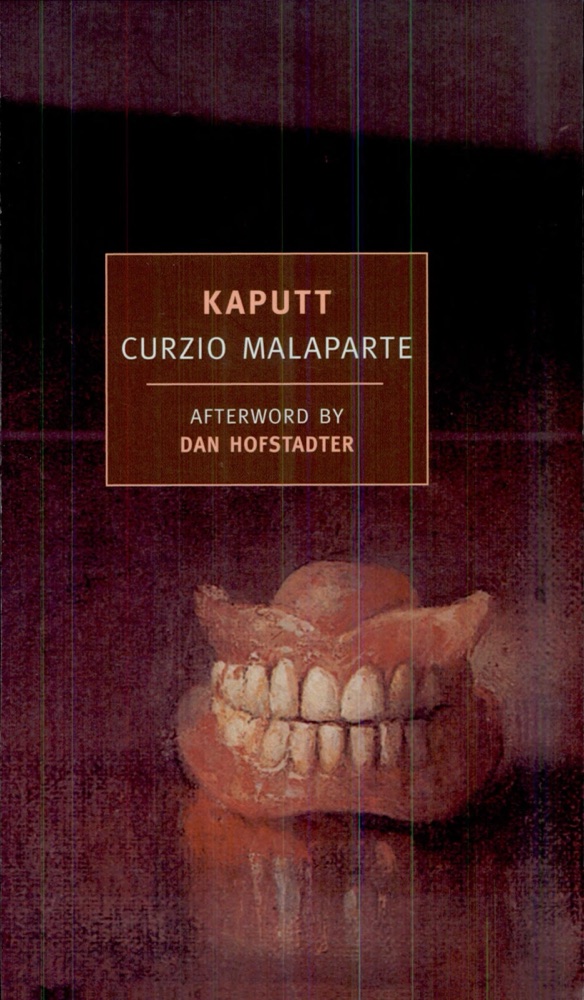 Kaputt
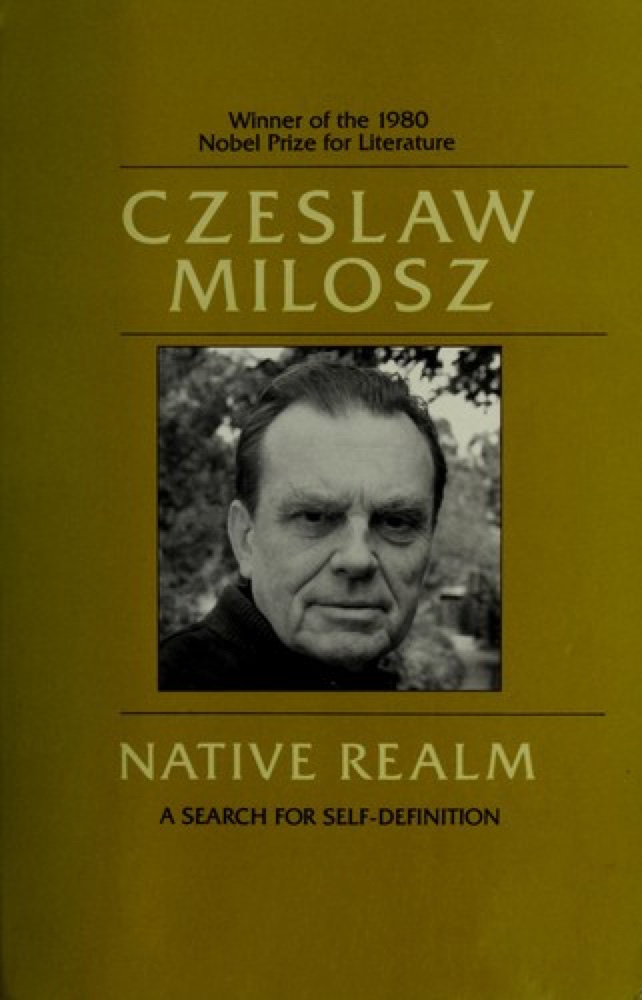 Native Realm: A Search for Self-Definition
 Ficciones
 The Floating Opera
 The Forty Days of Musa Dagh
 The Genius and the Goddess: a Novel
 The Invention of Morel
 Without Feathers
 Penguin Island
 The Bookshop
 Heretics of Dune
 Diary of a Bad Year
 The Club Dumas
 The Seducer’s Diary
 Mr Palomar
 At the Wolf's Table
 Paris Spleen
 The Charioteer
 Ocean Sea
 Chess Story
 Tonio Kröger
 The Periodic Table
 Q
Q
 The Tartar Steppe
 A Winter's Promise
 How I Became Stupid
 The Late Mattia Pascal
 Elizabeth Costello
 Brave New World / Brave New World Revisited
 Dear Theo
 Peeling the Onion
 The Pledge
 The Dogs of Riga
 Brodeck
 The Historian's Craft: Reflections on the Nature and Uses of History and the Techniques and Methods of Those Who Write It.
 Brodie's Report
 So Much for That
 The Prague Cemetery
 The Mystery of Edwin Drood
 Follow Your Heart
 The Charterhouse of Parma
 Dancing Girls and Other Stories
 Incidental Inventions
 The Betrothed
 Lucinda's Secret
 The History of the Siege of Lisbon
 La reina del sur
 Stranger Than Fanfiction
 Sudden Death
 Platform