
 Extinction
Quotes from the Book
And you thought: they're used to it. But that was how those who suffered less always thought about those who suffered more, that they were used to it, that they no longer felt it as you did. Nobody ever got used to it. All they learned to do was to stop letting it show.
7
Anna woke with the wonderful feeling bad sleepers have when they know they have slept well. As if they have stolen something and got away with it. At these times the memories of what led up to such deep sleep keep their distance for a few seconds and those few seconds are perhaps the only time the world can ever be said to show mercy.
4
He'd shot and beaten people because he couldn't talk to them.Violence was the only language nobody could understand. There were no translators.
1
His eyes had seen it all. He was 24 years old.
El chamán preguntó: "¿Traes bebida, avaji?" Le dije que no. Avaji significa "demonio" en tungús, y demonios son todos aquellos que no son tungús. El chamán me preguntó si venía del Jardín Blanco y si allí tenían bebidas fuertes. Le dije que era peligroso ir, que la gente se estaba matando por hambre. El chamán dijo: "Lo he visto. Primero los débiles se comen a los viejos, luego los fuertes se comen a los débiles, y después los listos se comen a los fuertes.
Noi ne trăim viețile ca scrisul. Penița se mişcă pe hârtie în rânduri ordonate. Trecutul e scris şi poate fi citit, viitorul e alb şi penița trebuie să se oprească pe cuvântul care se scrie acum. Mohicanul trăieşte ca desenul. El desenează o tuşă după alta, dar tuşele se pot afla în orice parte a hârtiei. Când priveşti, tuşele arată disparate şi fără sens, dar cu ochii minții el vede întregul tablou, complet. Complet până la moartea lui. El nu face decât să umple spațiile goale.
Violența era singura limbă pe care n-o putea înțelege nimeni. Nu existau traducători. Şi el îmi vorbise mie mai îndelung şi mai dureros decât oricine.
N-am fi lăsat nici o urmă. Noi eram istoria lunii. Eram istoria aerului și a apei. Ne așteptau gropi în gheață, aveam să fim de culoarea gheții și pe măsura gropilor. M-am gândit că dacă alergam până la sârmă și mă izbeam tare de ea n-aș fi simțit nimic, aș fi dormit tot astfel, vântul m-ar fi scuturat ca pe o ancoră în furtună și stofa hainei s-ar fi agățat de țepii sârmei ghimpate și, când mi-ar fi găsit trupul și l-ar fi coborât, n-ar fi reușit să culeagă de pe sârmă toate firele destrămate din haină, și sârma avea să cadă și să ruginească însă zdrențele ar fi rămas acolo, conturul meu, un semn că un bărbat a alergat cândva și s-a izbit de sârma ghimpată, și asta ar reprezenta un mic atom dintr-o lume viitoare, mai bună, amintirea unui bărbat alergând prin întuneric să-și întâmpine moartea, iar nu întinzându-se pe jos, în așteptarea zăpezii care să-l acopere.
Părea oricum că fericirea n-are margini, iar chipul iubitului ei, membrele lui, respirația, ochii lui, cea mai uşoară mişcare a gurii lui sau o simplă clipire din ochi îi şopteau cu o bucurie însutită că universul le aparține, ca să se joace cu el, că lumea întreagă era ghemuită în ascultare şi în aşteptare, că timpul se oprise din cursul lui imprevizibil şi le netezea un loc unde să se iubească în voie, că istorie n-avea să mai fie până când Anna şi iubitul ei n-aveau să spună că totul trebuie luat de la început.
Era norocoasă că se afla acolo, pentru că el era singurul bărbat de pe pământ. Ceilalți erau doar figurine de lut cu încheieturi urâte şi găurele ca de ac în loc de ochi şi cu inimi de carne. El era singurul viu cu adevărat.
Se îmbrățișară cu ochii închişi. Prefăcute, mâinile fiecăruia se plimbau pe spatele celuilalt, cu atât mai cuviincios cu cât se sărutau mai pătimaş. Erau aproape de violență, de dinți şi sânge, când auziră un glas strigând în depărtare şi Katia îl împinse şi rămaseră amândoi privindu-se, respirând adânc şi ursuz, ca nişte opiomani care şi-au risipit, ciorovăindu-se, porția de laudanum.
Watch on YouTube
About James Meek
We have collected 11 quotes from 1 book by James Meek on BookQuoters.
More about the author →About the book
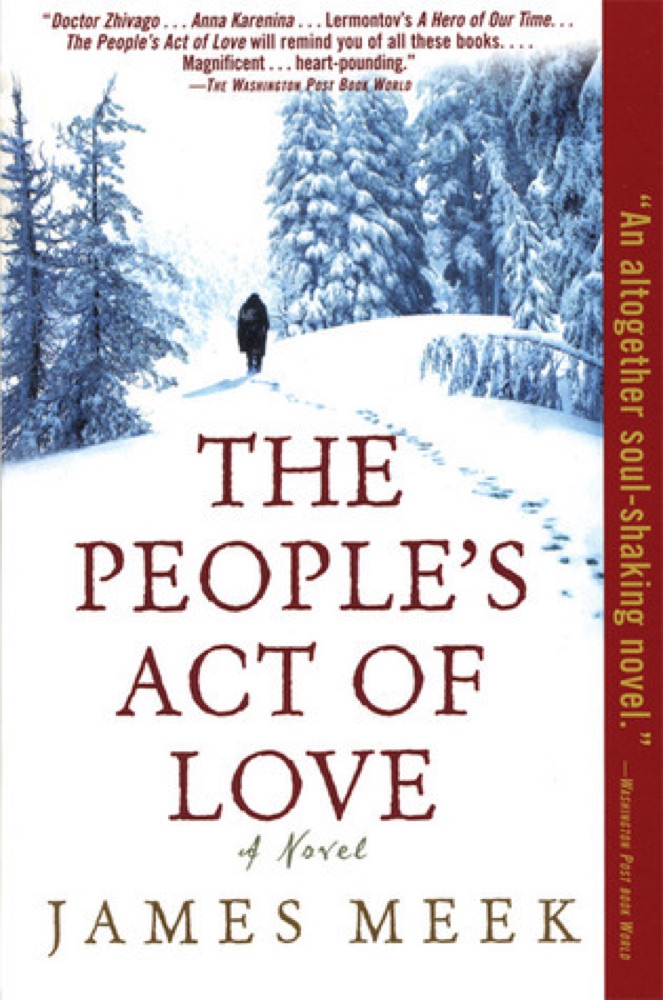
Set in a time of great social upheaval, warfare, and terrorism, and against a stark, lawless Siberia at the end of the Russian Revolution, The People’s Act of Love portrays the fragile coexistence of a beautiful, independent mother raising her son alone, a megalomaniac Czech captain and his restless regiment, and a mystical separatist Christian sect. When a mysterious, charismatic stranger trudges into their snowy village with a frighteningly outlandish story to tell, its balance is shaken to the core.
Book details
- First published
- 2005
- Author
- James Meek
- Genre
- Fiction
- Goodreads rating
- 3.70 (3k ratings)
Keep reading
Extinction
 How I Became Stupid
 Doctor Glas
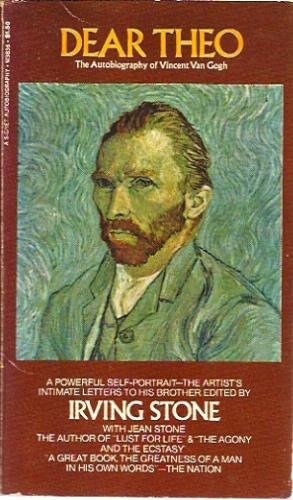 Dear Theo
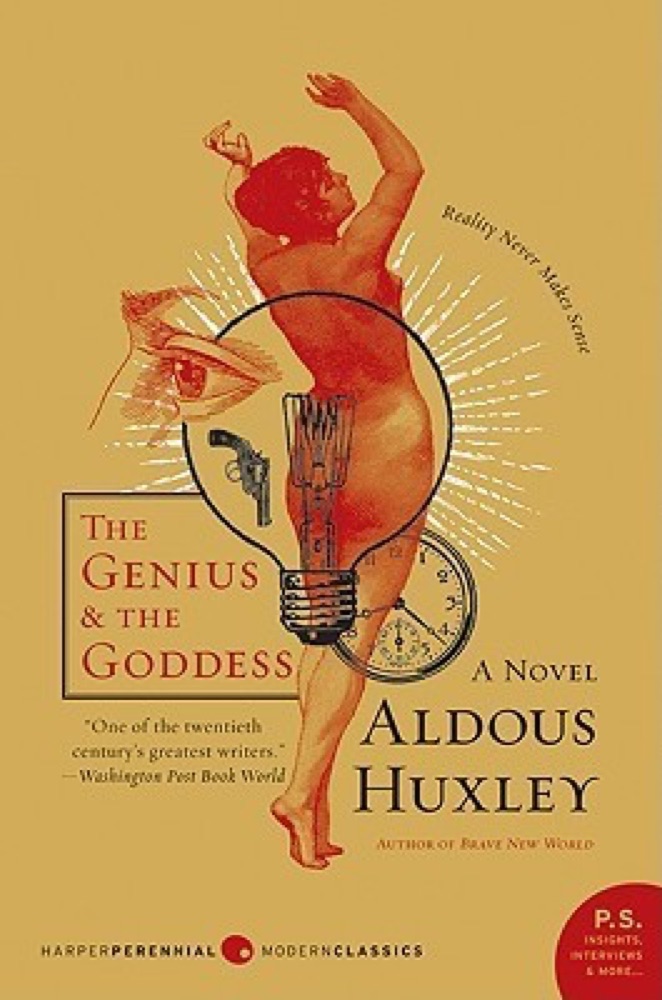 The Genius and the Goddess: a Novel
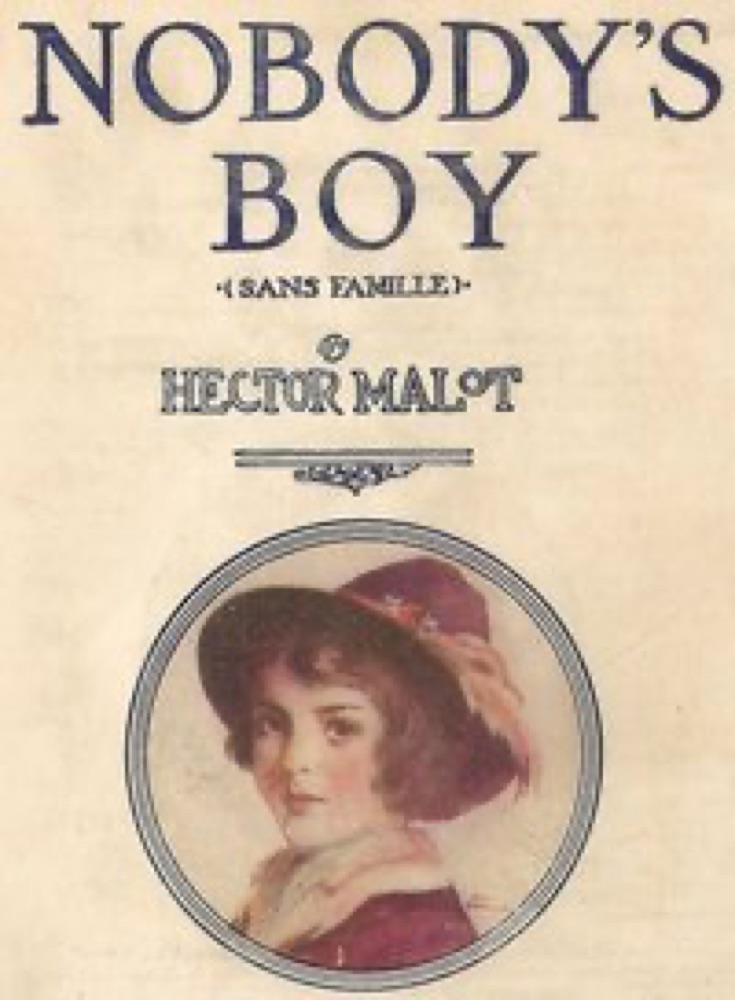 Nobody's Boy
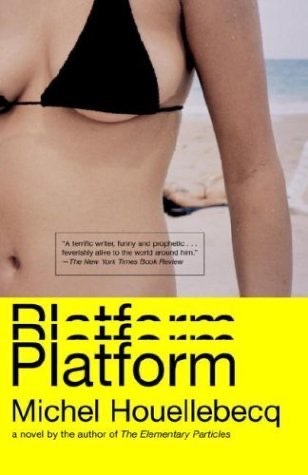 Platform
 The Rice Mother
 Anne Frank's Tales from the Secret Annex: A Collection of Her Short Stories, Fables, and Lesser-Known Writings
 Woman at 1,000 Degrees
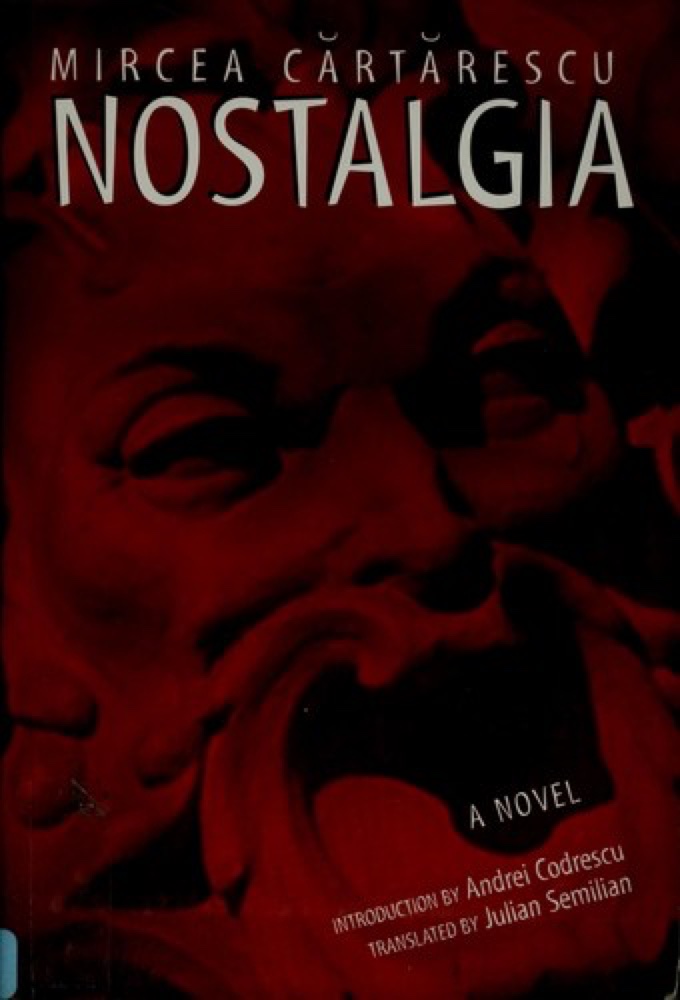 Nostalgia
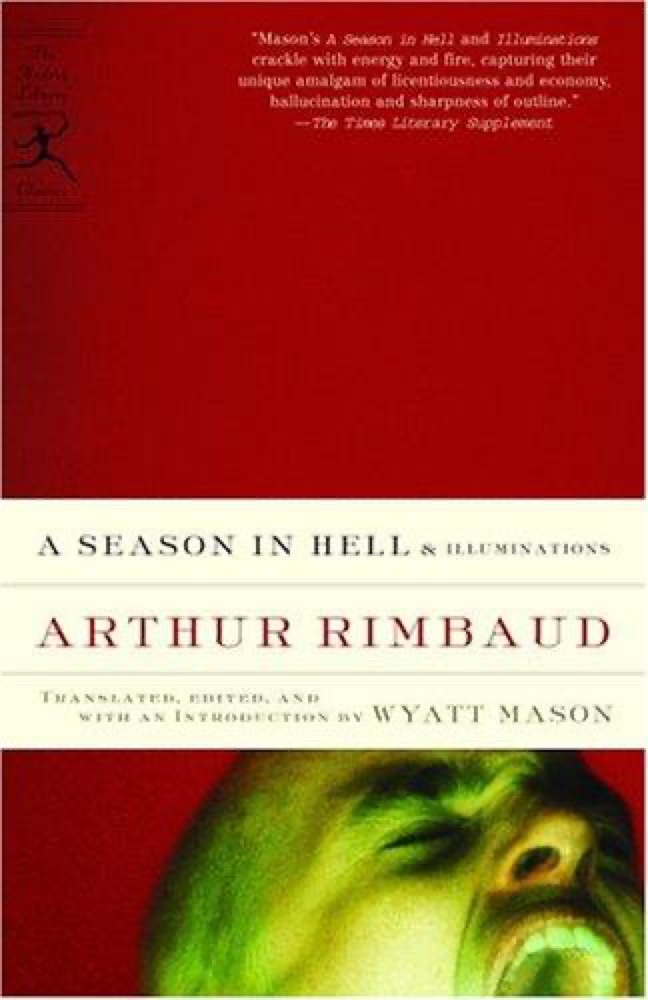 A Season in Hell
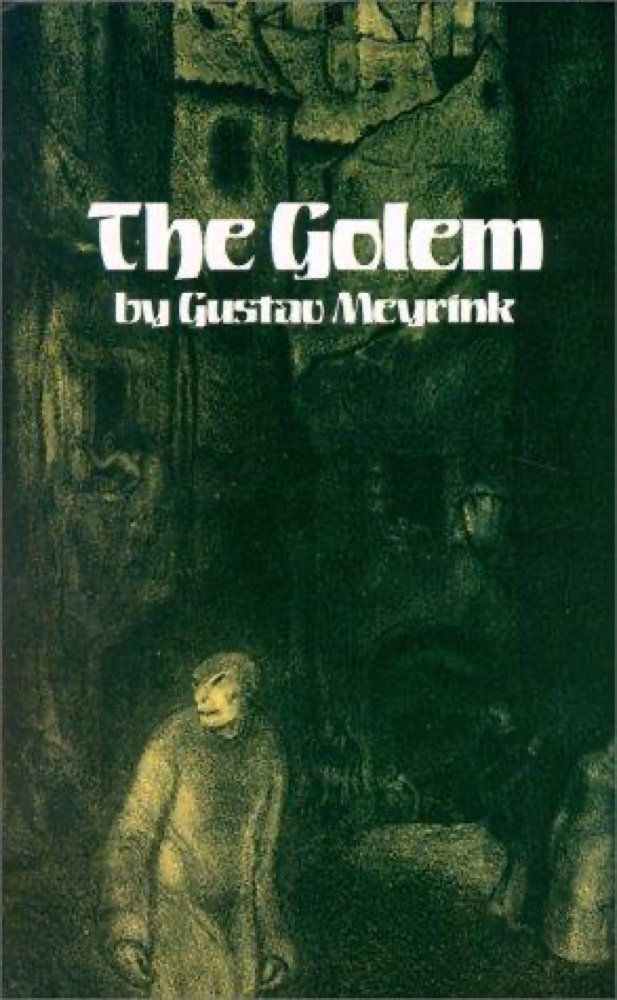 The Golem
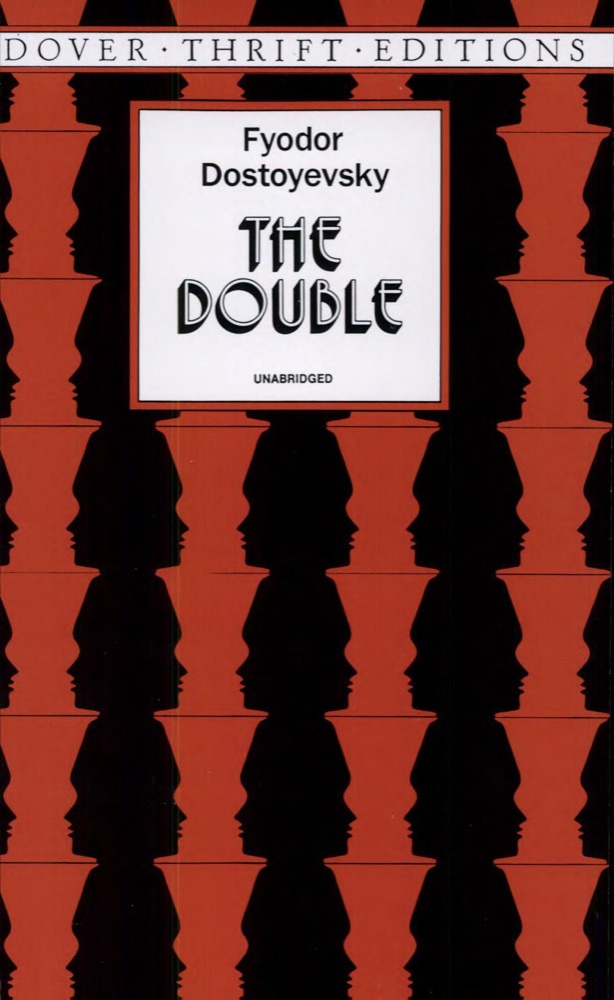 The Double
 The Kindly Ones
 Moscow to the End of the Line
 Ferdydurke
 The Seducer’s Diary
 A Thousand Plateaus: Capitalism and Schizophrenia
 The Cherry Orchard
 Brodeck
 Tonio Kröger
 Buddenbrooks: The Decline of a Family
 Paris Spleen
 Catch the Rabbit
 Promise at Dawn
 Ezilenler
 The Night in Lisbon
 Momma and the Meaning of Life: Tales of Psychotherapy
 Poor Folk
 Viața pe un peron
 My Childhood
 Measuring the World
 Travels with Herodotus
 Amrita
 Gomorrah
 Auto-da-Fé
 Heaven and Hell
 Grey Souls
 Honor
Honor
 The Last Day of a Condemned Man
 The Yellow Eyes of Crocodiles
 The Wild Ass's Skin
 A Man's Place
 So Much for That
 3,096 Days
 The Tartar Steppe
 The Reprieve
 Maitreyi
 The Midnight Palace
 FUTU.RE
 South of No North
 Heretics of Dune
 Under Western Eyes
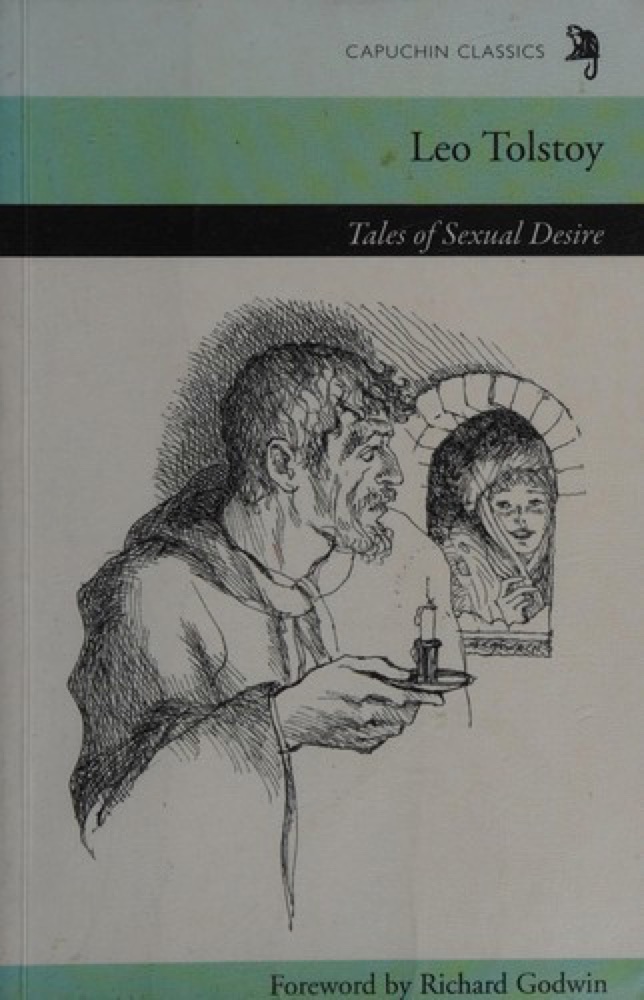 The Kreutzer Sonata
 The Prague Cemetery
 The Toilers of the Sea
 The Prince of Mist