
 The Greek Way
Quotes from the Book
Abraham’s actions are explained not only by what is happening to him at the moment, nor yet only by his character (as Achilles’ actions by his courage and his pride, and Odysseus’ by his versatility and foresightedness), but by his previous history; he remembers, he is constantly conscious of, what God has promised him and what God has already accomplished for him—his soul is torn between desperate rebellion and hopeful expectation; his silent obedience is multilayered, has background. Such a problematic psychological situation as this is impossible for any of the Homeric heroes, whose destiny is clearly defined and who wake every morning as if it were the first day of their lives: their emotions, though strong, are simple and find expression instantly.
9
The Scripture stories do not, like Homer’s, court our favor, they do not flatter us that they may please us and enchant us—they seek to subject us, and if we refuse to be subjected we are rebels.
6
… human beings are not born once and for all on the day their mothers give birth to them, but that life obliges them to give birth to themselves. —Gabriel García Márquez
3
The Bible’s claim to truth is not only far more urgent than Homer’s, it is tyrannical—it excludes all other claims. The world of the Scripture stories is not satisfied with claiming to be a historically true reality—it insists that it is the only real world, is destined for autocracy.
2
Examining the Homeric epics from the perspective of when and by whom they were composed, Vico refutes generations of interpreters who had assumed that because Homer was revered for his great epics he must also have been a wise sage like Plato, Socrates, or Bacon. Instead Vico demonstrates that in its wildness and willfulness Homer’s mind was poetic, and his poetry barbaric, not wise or philosophic, that is, full of illogical fantasy, gods who were anything but godlike, and men like Achilles and Patrocles, who were most uncourtly and extremely petulant.
2
The way in which we view human life and society is the same whether we are concerned with things of the past or things of the present.
1
Vico, who looks at the whole of human history and says, “mind made all this,
1
The writers of Scripture enter into the random everyday depths of popular life, taking seriously whatever is encountered there, clinging to the concrete and refusing to systematize experience in concepts.
1
To be sure, in the case of such long episodes as the one we are considering, a purely syntactical connection with the principal theme would hardly have been possible; but a connection with it through perspective would have been all the easier had the content been arranged with that end in view; if, that is, the entire story of the scar had been presented as a recollection which awakens in Odysseus’ mind at this particular moment. It would have been perfectly easy to do; the story of the scar had only to be inserted two verses earlier, at the first mention of the word scar, where the motifs “Odysseus” and “recollection” were already at hand. But any such subjectivistic-perspectivistic procedure, creating a foreground and background, resulting in the present lying open to the depths of the past, is entirely foreign to the Homeric style; the Homeric style knows only a foreground, only a uniformly illuminated, uniformly objective present.
1
The effect, to be sure, is precisely that which they describe, and is, furthermore, the actual source of the conception of epic which they themselves hold, and with them all writers decisively influenced by classical antiquity. But the true cause of the impression of “retardation” appears to me to lie elsewhere—namely, in the need of the Homeric style to leave nothing which it mentions half in darkness and unexternalized.
1
Thus the figural interpretation of history emerged unqualifiedly victorious.
Figural interpretation “establishes a connection between two events or persons in such a way that the first signifies not only itself but also the second, while the second involves or fulfills the first.
I do not believe that there is a single passage in an antique historian where direct discourse is employed in this fashion in a brief, direct dialogue.
Watch on YouTube
About Erich Auerbach
We have collected 13 quotes from 1 book by Erich Auerbach on BookQuoters.
More about the author →About the book
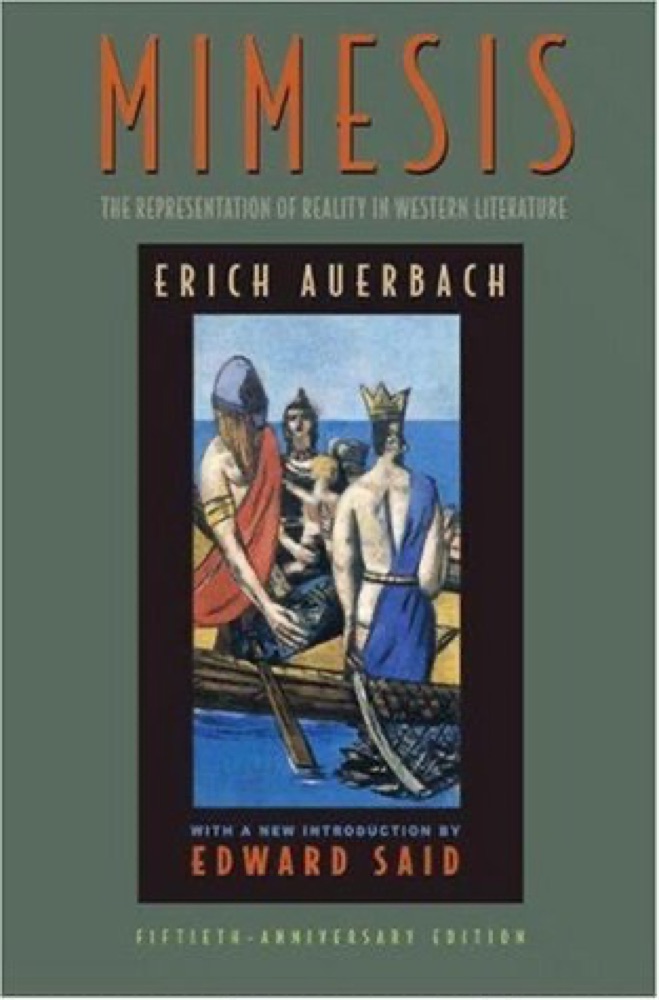
A half-century after its translation into English, Erich Auerbach's "Mimesis" still stands as a monumental achievement in literary criticism. A brilliant display of erudition, wit, and wisdom, his exploration of how great European writers from Homer to Virginia Woolf depicted reality has taught generations how to read Western literature. This new expanded edition includes a substantial essay in introduction by Edward Said as well as an essay, never before translated into English, in which Auerbach responds to his critics.A German Jew, Auerbach was forced out of his professorship at the University of Marburg in 1935. He left for Turkey, where he taught at the state university in Istanbul. There he wrote "Mimesis," publishing it in German after the end of the war. Displaced as he was, Auerbach produced a work of great erudition that contains no footnotes, basing his arguments instead on se
Book details
- First published
- 1942
- Author
- Erich Auerbach
- Genre
- Nonfiction
- Goodreads rating
- 4.29 (4k ratings)
Keep reading
The Greek Way
 The Curtain: An Essay in Seven Parts
 The Birth of Tragedy/The Case of Wagner
 The Birth of Tragedy
 How to Read Literature
 Illuminations: Essays and Reflections
 The Essays of Ralph Waldo Emerson
 The Mind of the Maker: Dorothy L. Sayers' Witty Classic on the Trinity, Christianity, and Human Creativity
 Myths to Live By
 From Dawn to Decadence: 500 Years of Western Cultural Life, 1500 to the Present
 Aspects of the Novel
 Against Interpretation and Other Essays
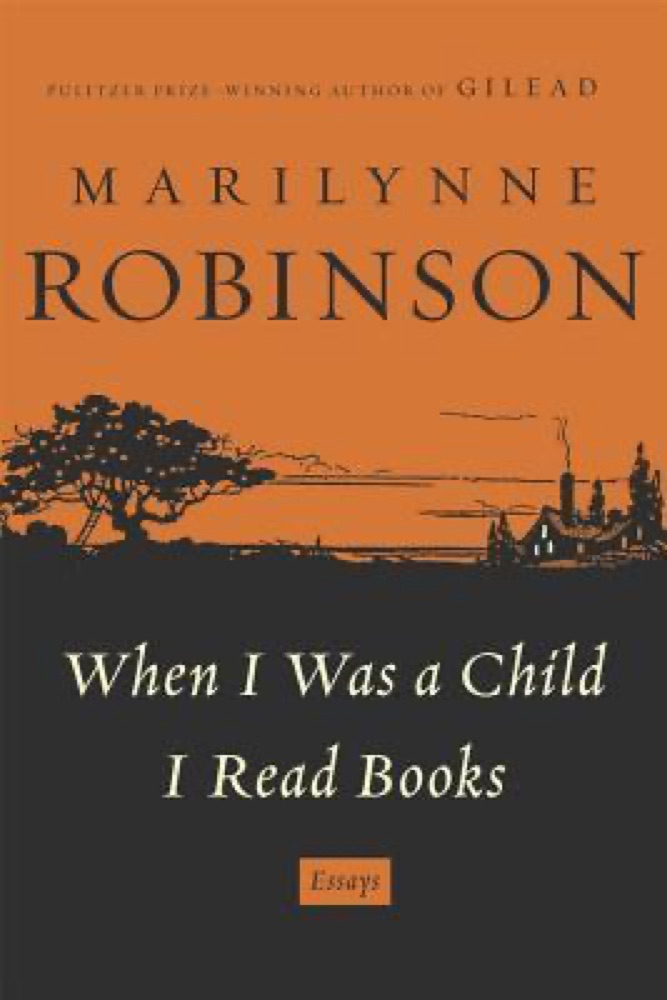 When I Was a Child I Read Books
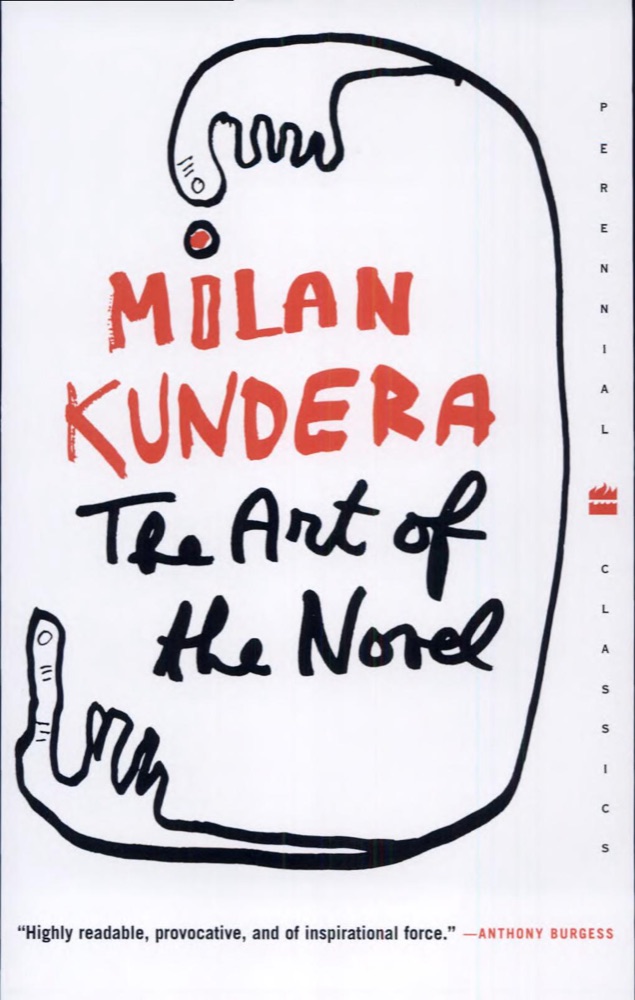 The Art of the Novel
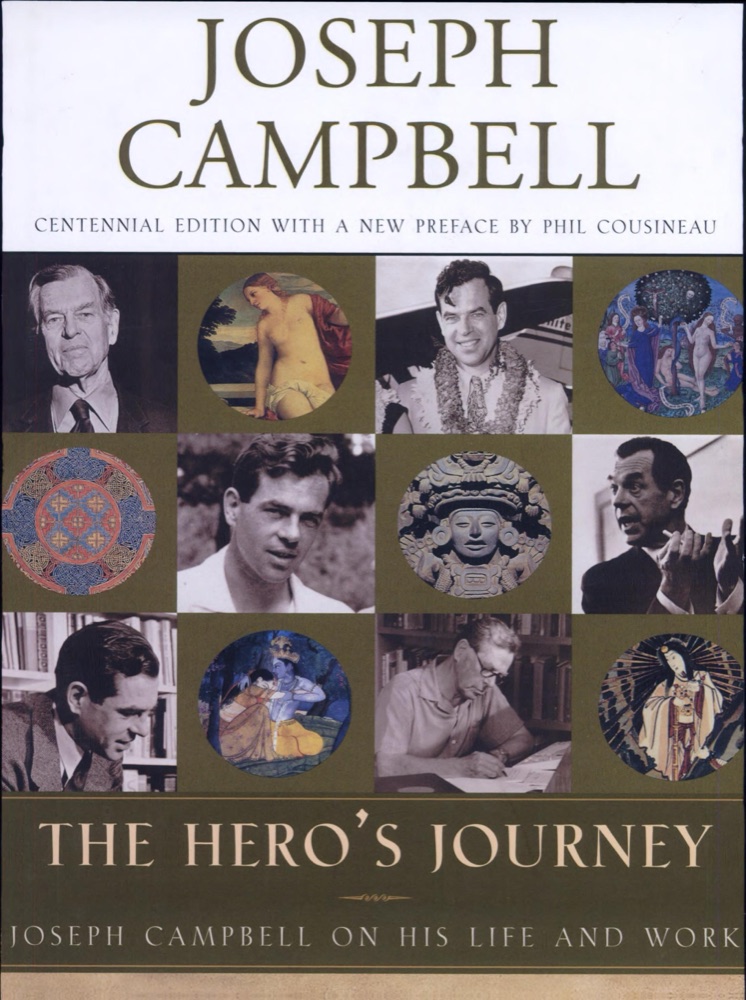 The Hero's Journey: Joseph Campbell on His Life & Work
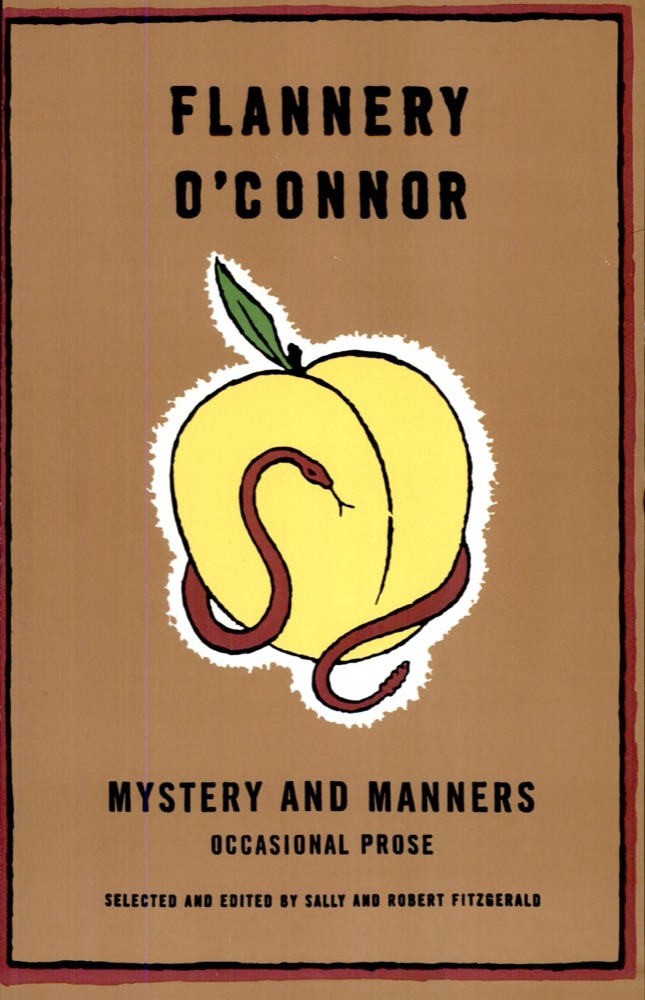 Mystery and Manners: Occasional Prose
 The Everlasting Man
 Labyrinths: Selected Stories and Other Writings
 How to Read Literature Like a Professor
 Basic Writings of Nietzsche
 Dæmon Voices
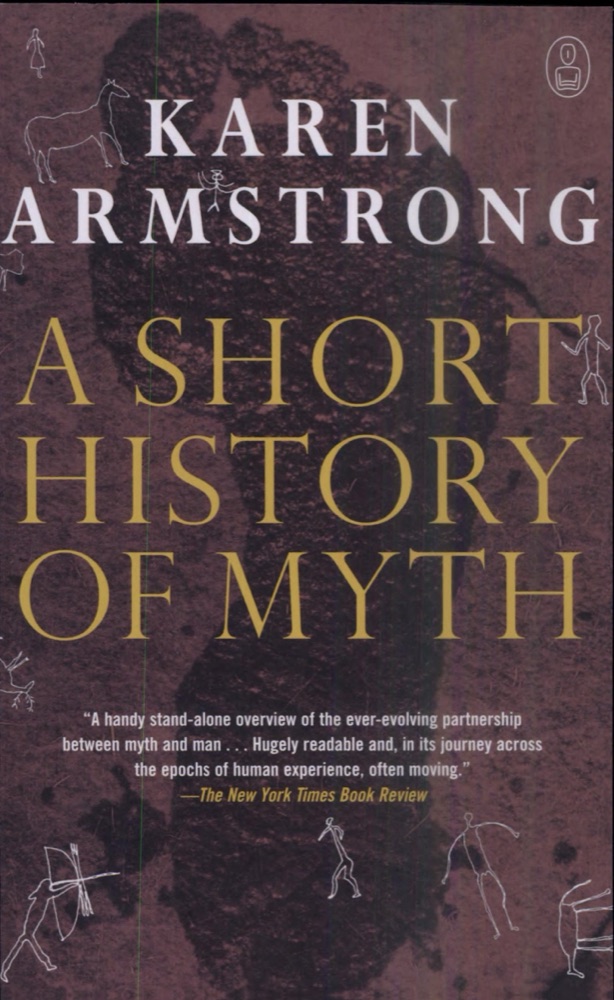 A Short History of Myth
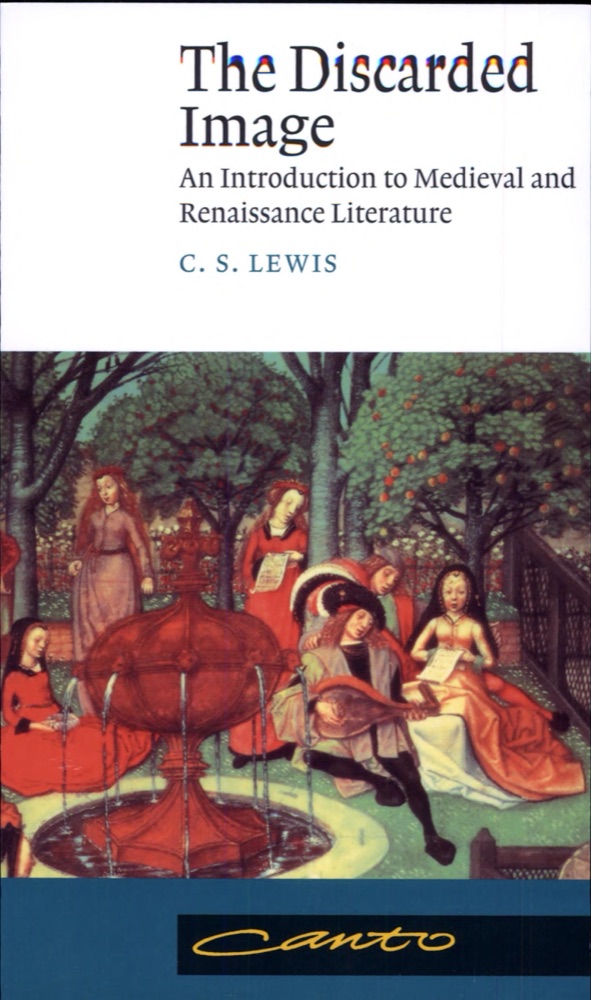 The Discarded Image: An Introduction to Medieval and Renaissance Literature
 Selected Non-Fictions
 A Treatise of Human Nature
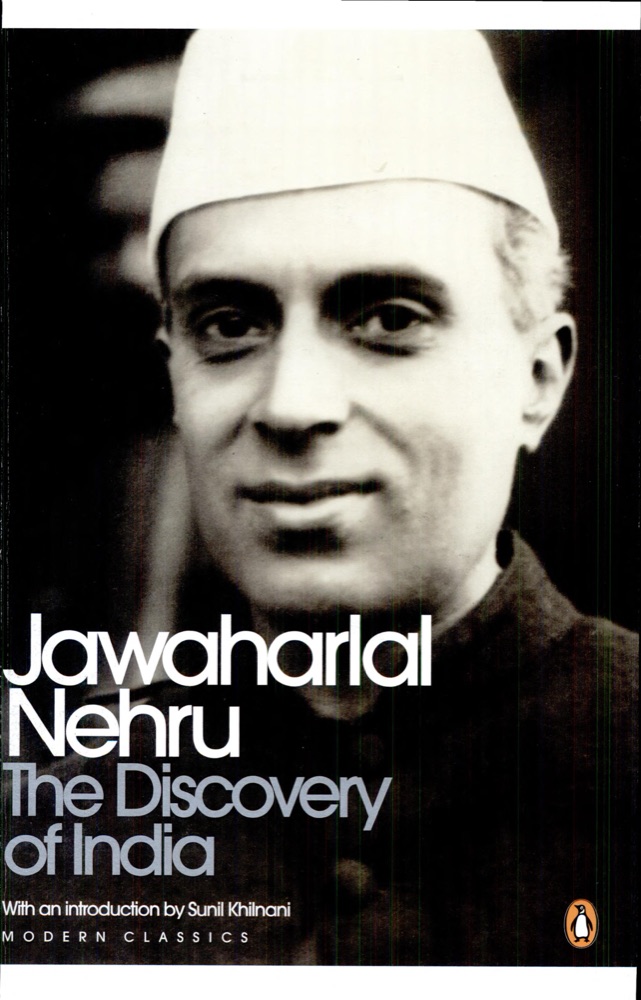 The Discovery of India
 The Jesus Incident
 In Other Worlds: SF and the Human Imagination
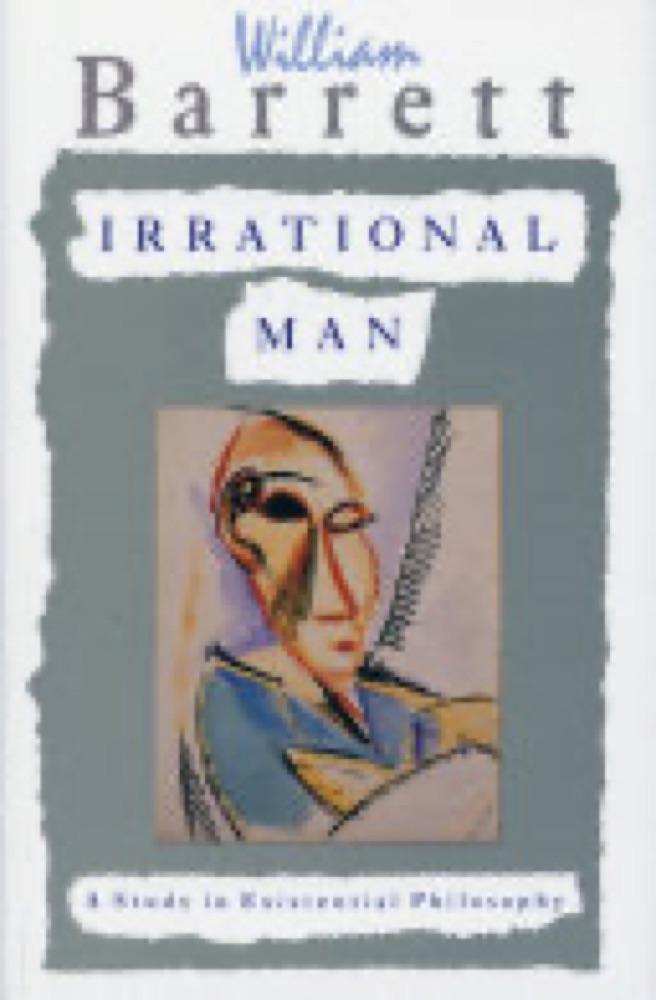 Irrational Man: A Study in Existential Philosophy
 The Rhetoric & The Poetics of Aristotle
 A History of the World in 100 Objects
 The Ides of March
 The Common Reader
 Phaedrus
 The World as Will and Representation, Vol 1
 Two Years Eight Months and Twenty-Eight Nights
 Complete Works of Oscar Wilde
 Last and First Men
 The Letters of J.R.R. Tolkien
 Elizabeth Costello
 Monday or Tuesday
 Too Like the Lightning
 How to Live: A Life of Montaigne in One Question and Twenty Attempts at an Answer
 Dialectic of Enlightenment: Philosophical Fragments
 The Histories
 The Swerve: How the World Became Modern
 The Years of Rice and Salt
 Philosophical Dictionary
 After Virtue
 Persian Letters
 Orthodoxy
 The Occult
 The Historian's Craft: Reflections on the Nature and Uses of History and the Techniques and Methods of Those Who Write It.
 Maps of Meaning: The Architecture of Belief
 The Wave in the Mind: Talks and Essays on the Writer, the Reader and the Imagination
 The Master and His Emissary: The Divided Brain and the Making of the Western World
 Essays and Poems
 Poetics
 Voices
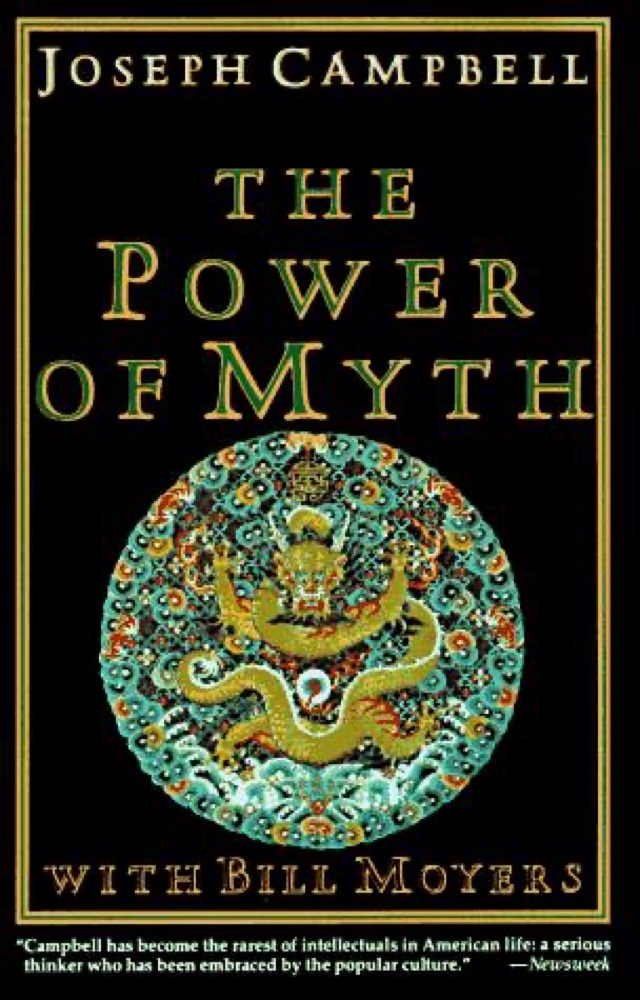 The Power of Myth