

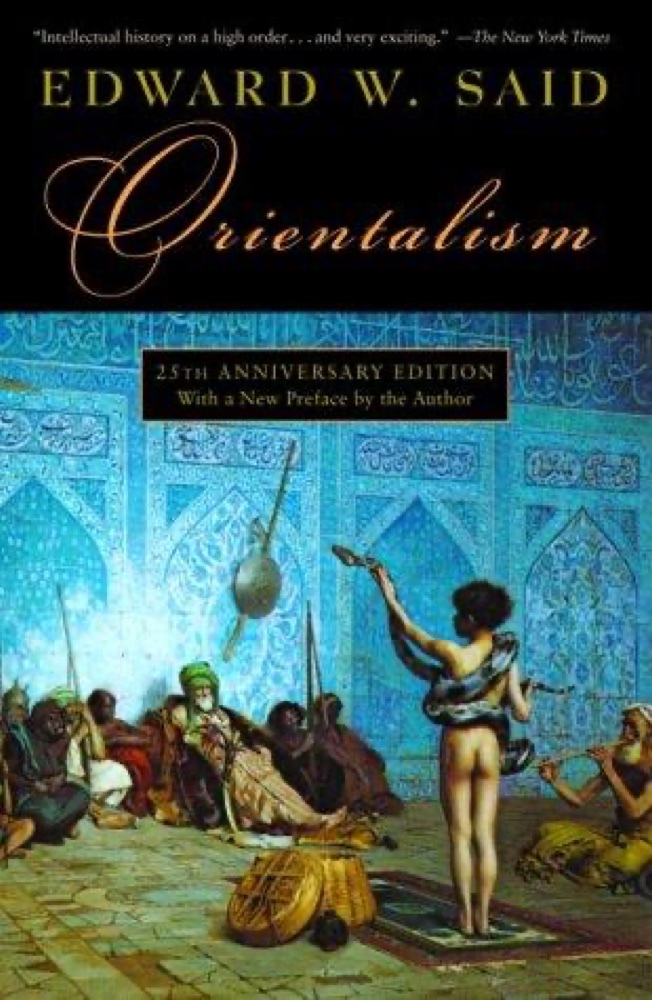
 Orientalism
Quotes from the Book
Imperialism, of course, cannot be blamed on science, but what needs to be seen is the relative ease with which science could be deformed into a rationalization for imperial domination.
4
because Zionism was so admirably successful in bringing Jews to Palestine and constructing a nation for them, that the world has not been concerned with what the enterprise meant in loss, dispersion, and catastrophe for the Palestinian natives
2
The long-run goal is, I think, the same for every human being, that politically he or she may be allowed to live free from fear, insecurity, terror, and oppression, free also from the possibility of exercising unequal or unjust domination over others.
2
It was not thought too unusual during the 1973 war for the army to issue a booklet (with a preface by General Yona Efrati of the central command) written by the central command’s rabbi, Abraham Avidan, containing the following key passage: When our forces encounter civilians during the war or in the course of a pursuit or a raid, the encountered civilians may, and by Halachic standards even must be killed, whenever it cannot be ascertained that they are incapable of hitting us back. Under no circumstances should an Arab be trusted, even if he gives the impression of being civilized.
1
There are the chastening examples of John Stuart Mill and Karl Marx (both of whom I have discussed in Orientalism), two thinkers known doctrinally to be opponents of injustice and oppression. Yet both of them seemed to have believed that such ideas as liberty, representative government and individual happiness must not be applied in the orient for reasons that today we would call racist.
...I have the strongest belief that the historical and moral sufficiency of the Palestinian cause will finally outlast and outstrip any attempts to misrepresent it.
most liberation struggles in the Third World have produced undistinguished regimes, dominated by state worship, unproductive bureaucracies, and repressive police forces.
he was realistic, he saw facts and dealt with them, he knew the value of truth.
getting international legitimization for its own accomplishments, thereby making the Palestinian cost of these accomplishments seem to be irrelevant.
(this is the role Gramsci assigned to traditional intellectuals, that of being “experts in legitimation”),
It is too often forgotten that the modern Middle East has almost unquestioningly inherited a terribly divisive political legacy from nineteenth-century colonialism.
Yet the whole point of rational discussion, in which I strongly believe, is to attempt to change the terms and the perspectives in which insoluble-appearing problems are understood—
not as they are hidden (no evidence I cite here and elsewhere is arcane or obscure; most of it is to be found in easily available documents), but as they are ignored or denied.
the ethos of a European mission civilisatrice—nineteenth-century, colonialist, racist even—built on notions about the inequality of men, races, and civilizations, an inequality allowing the most extreme forms of self-aggrandizing projections, and the most extreme forms of punitive discipline toward the unfortunate natives whose existence, paradoxically, was denied.
In a very literal way the Palestinian predicament since 1948 is that to be a Palestinian at all has been to live in a utopia, a nonplace, of some sort. In an equally literal way, therefore, the Palestinian struggle today is profoundly topical, and it illustrates what I shall say later about the change in Palestinian politics, from fantasy to effectiveness. One redeeming feature of the cubistic form of Palestinian life is that it is focused on the goal of getting a place, a territory, on which to be located nationally. The mere retrospective fact of having been in such a place once, or the contemporary fact of being nonpersons in that place now, no longer supply Palestinians with righteousness or wrath enough to go on fighting. The 1967 war and, ironically, the additional acquisition of Palestinian territory by Zionism put the exiled and dispersed Palestinians in touch with their place. From an esoteric policy of dealing with Palestinians as if they were not there, utopian beings whose brutish presence could be distributed and made to disappear in a maze of regulations forbidding their national presence
The question of Palestine is therefore the contest between an affirmation and a denial, and it is this prior contest, dating back over a hundred years, which animates and makes sense of the current impasse between the Arab states and Israel. The contest has been almost comically uneven from the beginning
there are at present three types of Arab Palestinians: those inside pre-1967 Israel, plus those inside the Occupied Territories, plus those elsewhere outside former Palestine. There has never been a plebiscite conducted among Palestinians as to their wishes
It was perfectly apparent to Western supporters of Zionism like Balfour that the colonization of Palestine was to be made a goal for the Western powers from the very beginning of Zionist planning: Herzl used the idea, Weizmann used it, every leading Israeli since has used it.
For the first time the idea of an Arab Palestine underwent historical acculturation. For the first time in the region’s modern history—and this is what I find of immense value—an attempt was made to grapple with the human and political material for which in the past imported, absolutist philosophies (like Zionism and Arabism) had served. With almost no exceptions at all, political commentators in the West have not grasped the meaning of this change.
discussion of the Arab world in general, and of the Palestinians in particular, is so confused and unfairly slanted in the West that a great effort has to be made to see things as, for better or worse, they actually are for Palestinians and for Arabs
Il sionismo, dalle prime fasi della sua evoluzione moderna sino alla creazione dello stato d'Israele, fece sempre appello a un'opinione pubblica europea, per la quale la classificazione dei territori d'oltremare e degli indigeni in classi inferiori era giusta e “naturale”. Ecco perché oggi ogni singolo stato o movimento di liberazione nelle ex colonie dell'Africa o dell'Asia comprende, si identifica e sostiene la lotta palestinese. In molti casi c'è un'indiscutibile coincidenza tra l'esperienza degli arabi palestinesi sotto il dominio sionista e la storia di quelle persone dalla pelle nera, gialla o scura che venivano descritte dagli imperialisti del XIX secolo come esseri inferiori e non propriamente umani.
Watch on YouTube
About Edward W. Said
We have collected 69 quotes from 3 books by Edward W. Said on BookQuoters.
More about the author →More by Edward W. Said
Orientalism
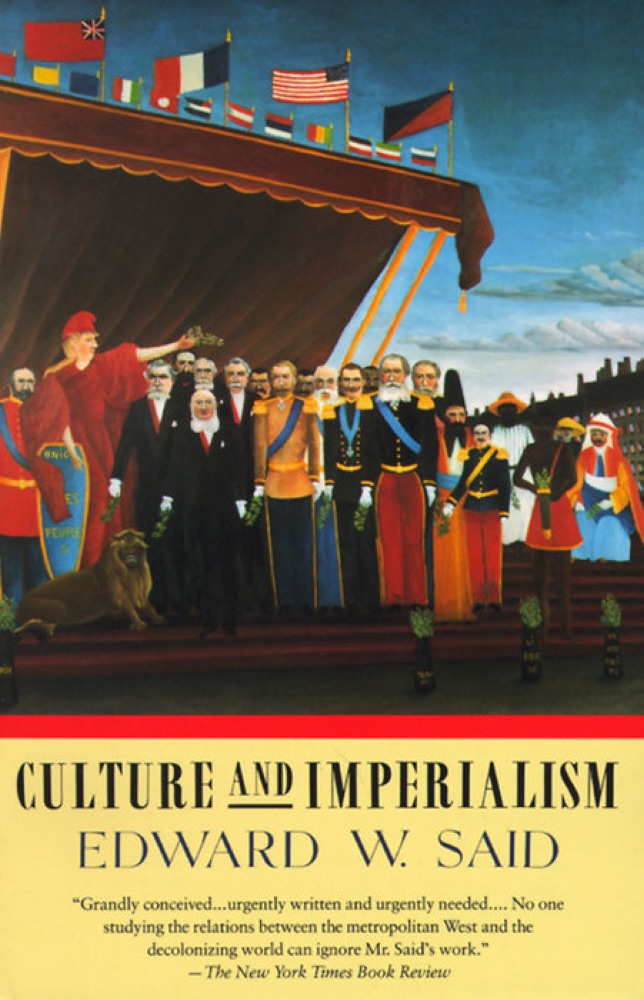 Culture and Imperialism
About the book
This original and deeply provocative book was the first to make Palestine the subject of a serious debate—one that remains as critical as ever. With the rigorous scholarship he brought to his influential Orientalism and an exile's passion (he is Palestinian by birth and has been a member of the Palestine National Council), Edward W. Said traces the fatal collision between two peoples in the Middle East and its repercussions in the lives of both the occupier and the occupied—as well as in the conscience of the West. He has now updated this landmark work to portray the changed status of Palestine and its people in light of such developments as the Israeli invasion of Lebanon, the intifada, the Gulf War, and the ongoing Middle East peace initiative.
For anyone interested in this region and its future, The Question of Palestine remains the most useful and authoritative account available.
Book details
- First published
- 1979
- Author
- Edward W. Said
- Genre
- Nonfiction
- Goodreads rating
- 4.39 (3k ratings)
Keep reading
 Ten Myths About Israel
 On Palestine
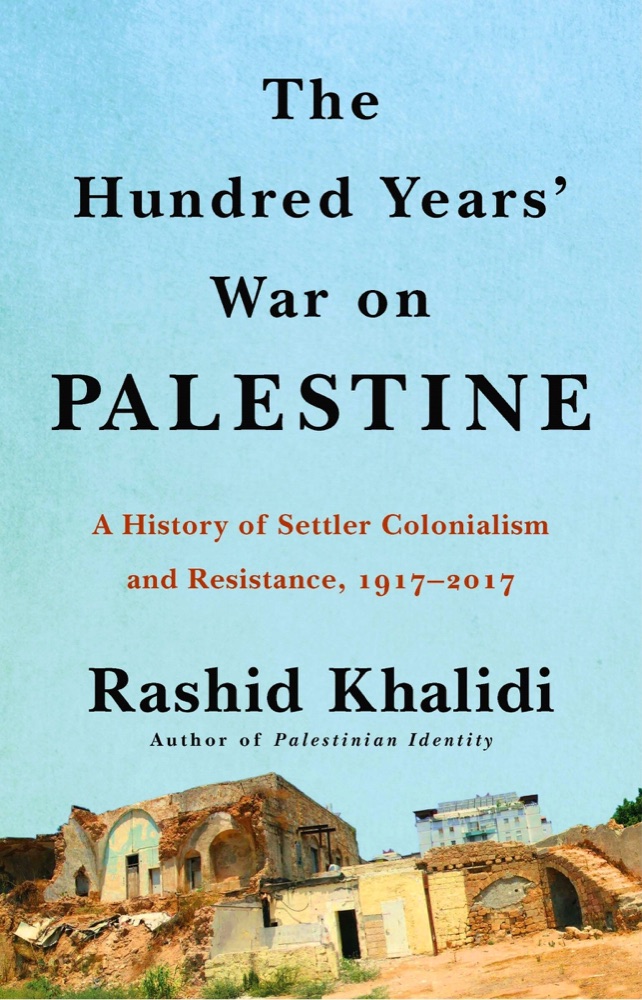 The Hundred Years’ War on Palestine: A History of Settler Colonialism and Resistance, 1917–2017
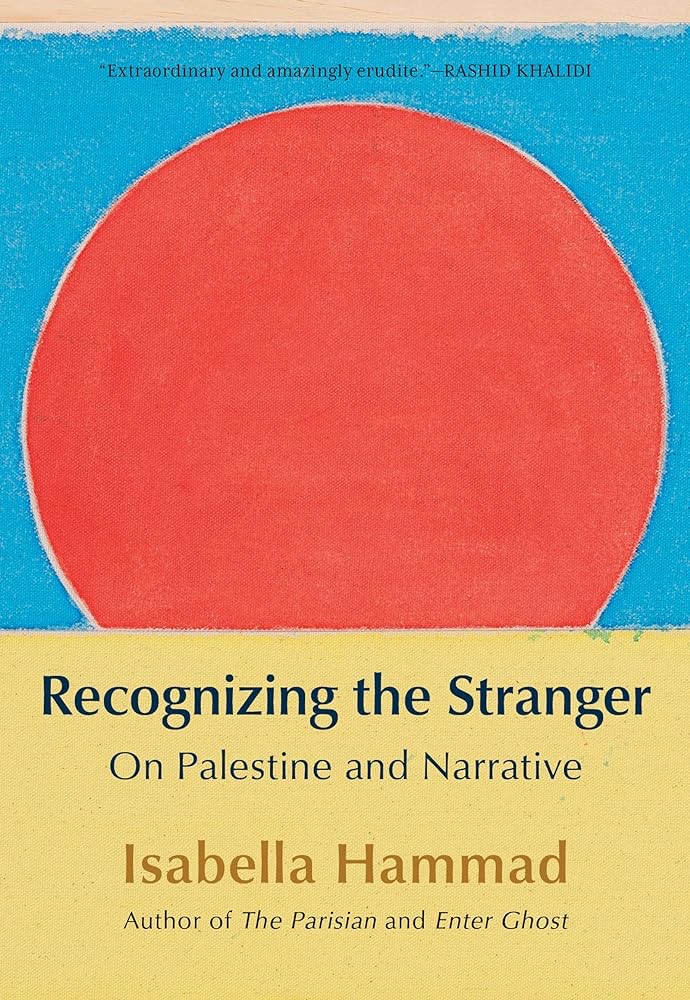 Recognizing the Stranger: On Palestine and Narrative
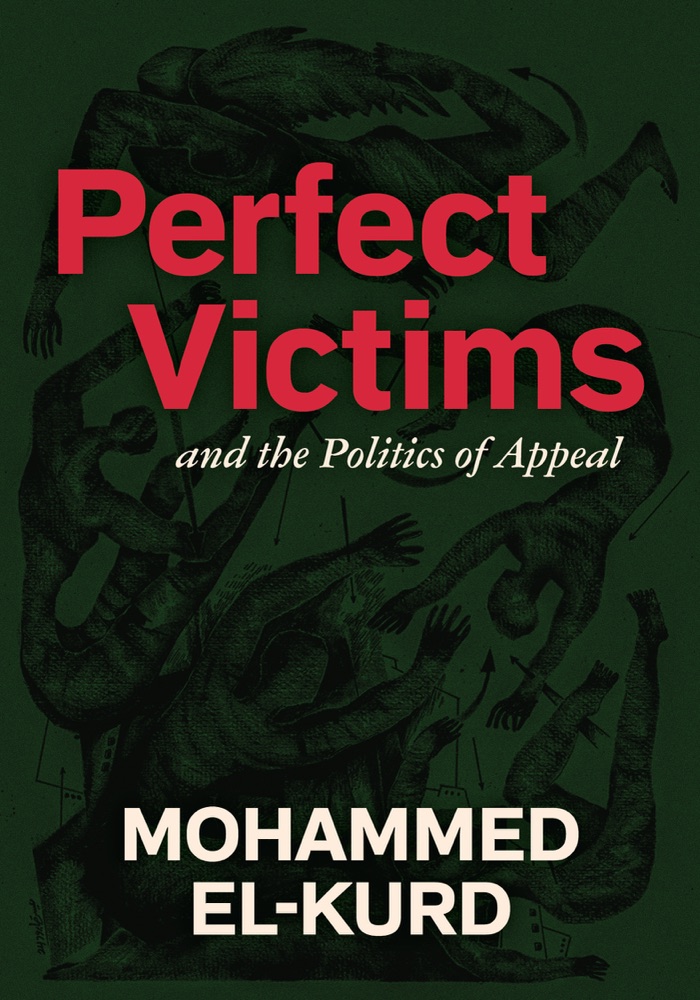 Perfect Victims and the Politics of Appeal
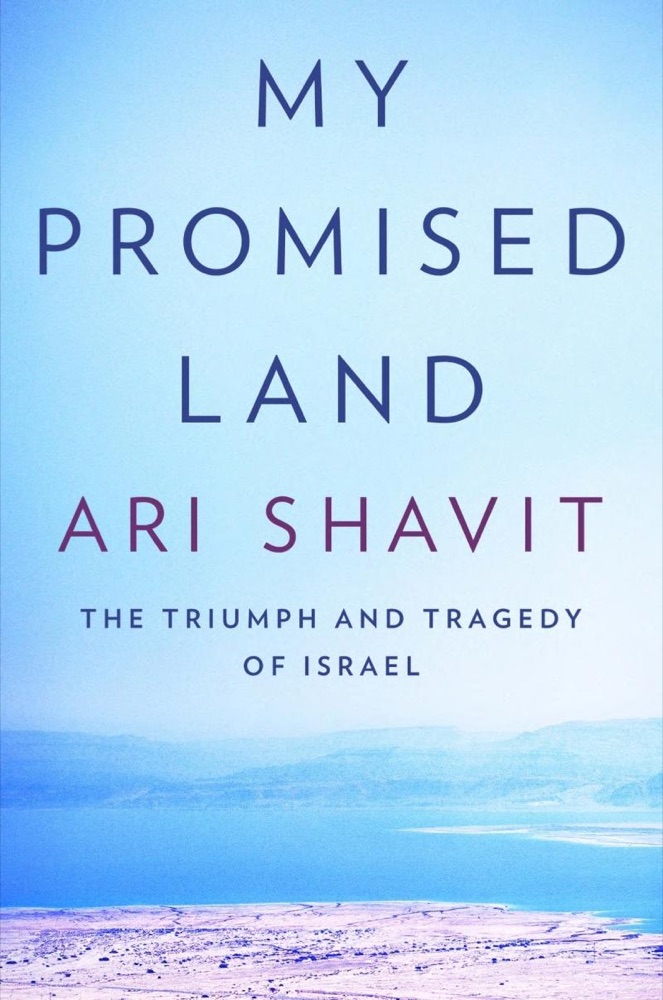 My Promised Land: The Triumph and Tragedy of Israel
 The Ethnic Cleansing of Palestine
 The Message
Orientalism
The Message
Orientalism
 The Wretched of the Earth
 From Beirut to Jerusalem
 One Day, Everyone Will Have Always Been Against This
 The Origins of Totalitarianism
 A Very Short History of the Israel–Palestine Conflict
 The Invention of the Jewish People
 The Strange Death of Europe: Immigration, Identity, Islam
Culture and Imperialism
The Strange Death of Europe: Immigration, Identity, Islam
Culture and Imperialism
 Exodus
 On Democracies and Death Cults: Israel and the Future of Civilization
 Discourse on Colonialism
 Arguably: Selected Essays
 Flashpoints: The Emerging Crisis in Europe
 A People's History of the United States
 The Muqaddimah: An Introduction to History
 World Order
 The Revenge Of Geography: What the Map Tells Us About Coming Conflicts and the Battle Against Fate
 The Looming Tower: Al-Qaeda and the Road to 9/11
 The War on the West: An Instant NYT Bestselling History of the Modern World
 The Argumentative Indian: Writings on Indian History, Culture and Identity
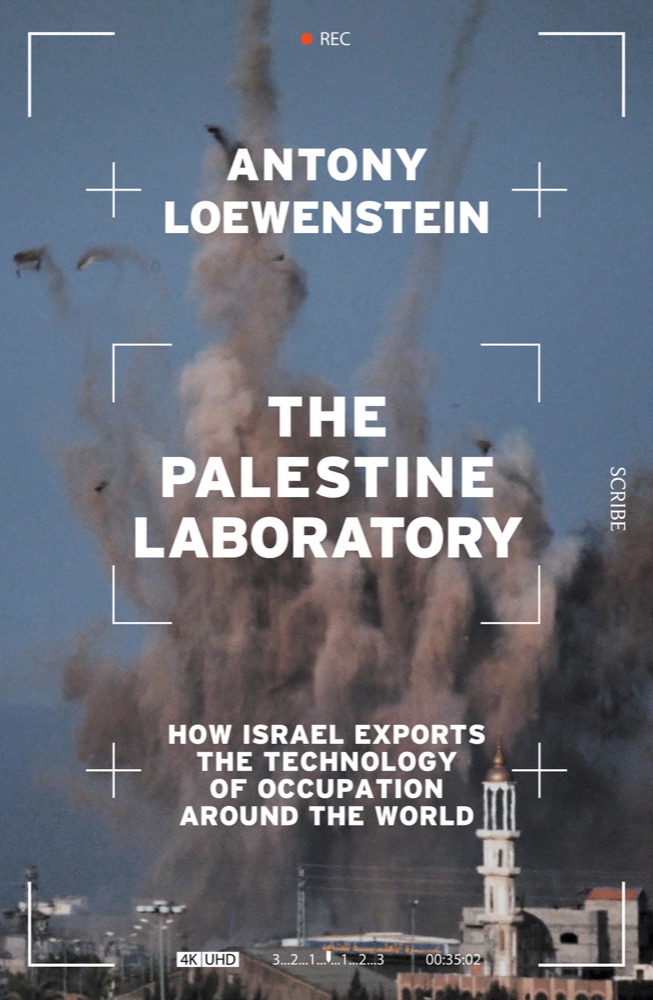 The Palestine Laboratory: How Israel Exports the Technology of Occupation Around the World
 Imperial Ambitions: Conversations on the Post-9/11 World
 The Chomsky-Foucault Debate: On Human Nature
 What's Left?
 We Wish to Inform You That Tomorrow We Will Be Killed with Our Families
 Where Do We Go from Here: Chaos or Community?
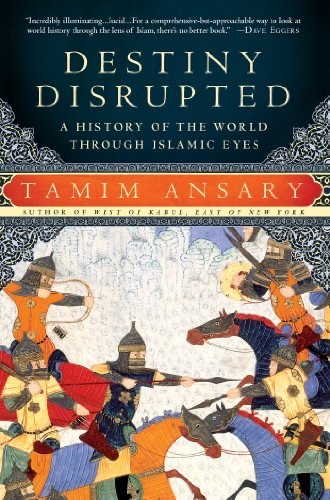 Destiny Disrupted: A History of the World Through Islamic Eyes
 Black Rednecks and White Liberals
 Modern Times: The World from the Twenties to the Nineties
 Postwar: A History of Europe Since 1945
 In the Shadow of the Sword: The Birth of Islam and the Rise of the Global Arab Empire
 Notes on Nationalism
 The Colonizer and the Colonized
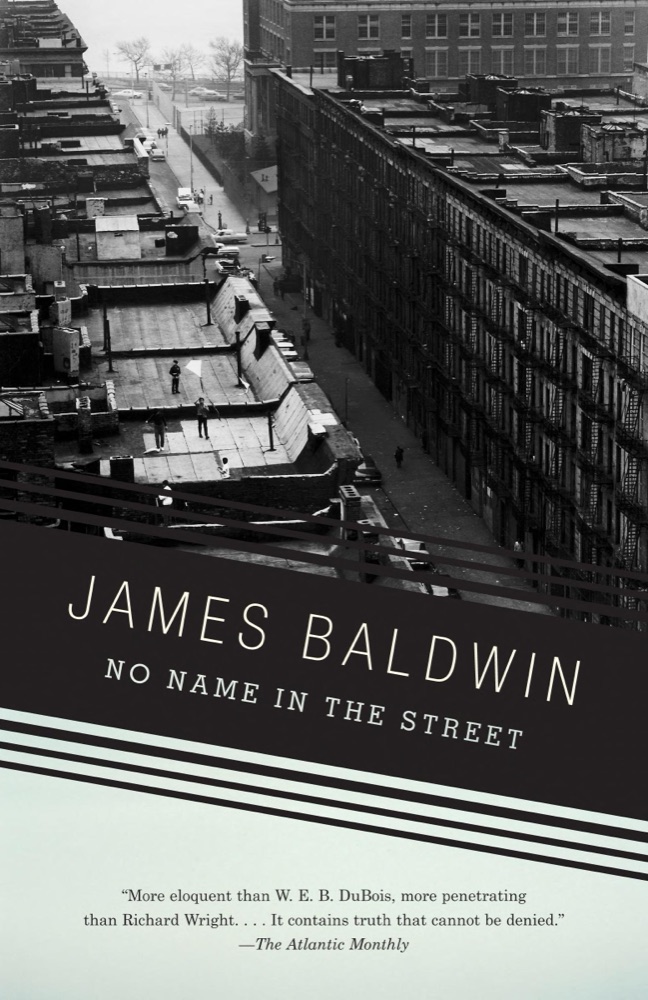 No Name in the Street
 Quotations from Chairman Mao Tsetung
 Son of Hamas
 The Lessons of History
 Civilization: The West and the Rest
 A History of the World in 100 Objects
 Imperium
 Islam and the Future of Tolerance: A Dialogue
 Pedagogy of the Oppressed
 A World Without Islam
 The Road to Serfdom
 Apeirogon
 From Dawn to Decadence: 500 Years of Western Cultural Life, 1500 to the Present
 The Machiavellians: Defenders of Freedom
 Defying Hitler
 The New Penguin History of The World
 O Jerusalem
 Resistance, Rebellion and Death: Essays