
 Into the Silence: The Great War, Mallory and the Conquest of Everest
Quotes from the Book
If diversity is a source of wonder, its opposite - the ubiquitous condensation to some blandly amorphous and singulary generic modern culture that takes for granted an impoverished environment - is a source of dismay. There is, indeed, a fire burning over the earth, taking with it plants and animals, cultures, languages, ancient skills and visionary wisdom. Quelling this flame, and re-inventing the poetry of diversity is perhaps the most importent challenge of our times.
46
The world can only appear monochromatic to those who persist in interpreting what they experience through the lens of a single cultural paradigm, their own. For those with the eyes to see and the heart to feel, it remains a rich and complex topography of the spirit.
18
Culture is not trivial. It is not a decoration or artifice, the songs we sing or even the prayers we chant. It is a blanket of comfort that gives meaning to lives. It is a body of knowledge that allows the individual to make sense out of the infinite sensations of consciousness, to find meaning and order in a universe that ultimately has neither. Culture is a body of laws and traditions, a moral and ethical code that insulates a people from the barbaric heart that lies just beneath the surface of all human societies and indeed all human beings. Culture alone allows us to reach, as Abraham Lincoln said, for the better angels of our nature.
17
The full measure of a culture embraces both the actions of a people and the quality of their aspirations, the nature of the metaphors that propel their lives. And no description of a people can be complete without reference to the character of their homeland, the ecological and geographical matrix in which they have determined to live out their destiny. Just as a landscape defines character, culture springs from a spirit of place.
10
What is even more astonishing is that the entire science of wayfinding is based on dead reckoning. You only know where you are by knowing precisely where you have been and how you got to where you are.
3
Without doubt, images of comfort and wealth, of technological sophistication, have a magnetic allure. Any job in the city may seem better than back-breaking labour in sun-scorched fields. Entranced by the promise of the new, people throughout the world have in many instances voluntarily and in great earnest turned their backs on the old. The consequences, as we have seen in Kenya, can be profoundly disappointing. The fate of the vast majority of those who sever their ties with their traditions will not be to attain the prosperity of the West, but to join the legions of urban poor, trapped in squalor, struggling to survive. As cultures wither away, individuals remain, often shadows of their former selves, caught in time, unable to return to the past, yet denied any real possibility of securing a place in a world whose values they seek to emulate and whose wealth they long to acquire. This creates a dangerous and explosive situation, which is precisely why the plight of diverse cultures is not a simple matter of nostalgia or even of human rights alone, but a serious issue of geopolitical stability and survival. [..] Outside of the major industrial nations, globalization has not brought integration and harmony, but rather a firestorm of change that has swept away languages and cultures, ancient skills and visionary wisdom.
2
Our economic models are projections and arrows when they should be circles. To define perpetual growth on a finite planet as the sole measure of economic well-being is to engage in a form of slow collective suicide. To deny or exclude from the calculus of governance and economy the costs of violating the biological support systems of life is the logic of delusion.
2
They have no illusions of permanence,” she explains. “There is no time for regret. Despair is a sin against the imagination. Their grocery store is out there on the land and this creates an emotional life that’s so much bigger than that of those who live in cities. They deal with death every day. To live they must kill the things they most love. Blood on ice is not a sign of death but an affirmation of life. Eating meat becomes a sacramental experience.
1
Evolutionary theory, distilled from the study of bird beaks, beetles, and barnacles, slipped into social theory in a manner that proved useful to the age. It was anthropologist Herbert Spencer who coined the phrase “survival of the fittest.” At a time when the United States was being built by the labour of African slaves, and the British class system was so stratified that children of the wealthy were on average 6 inches taller than those of the poor, a theory that provided a scientific rationale for differences in race and class was a welcome convenience. Evolution
1
Every effort should be made, he argued, to understand the perspective of the other, to learn the way they perceive the world, and if at all possible, the very nature of their thoughts. This demanded, by definition, a willingness to step back from the constraints of one’s own prejudices and preconceptions. This
1
all these people teach us that there are other options, other possibilities, other ways of thinking and interacting with the earth.
Science is only one way of knowing, and its purpose is not to generate absolute truths but rather to inspire better and better ways of thinking about phenomena.
Watch on YouTube
About Wade Davis
We have collected 37 quotes from 3 books by Wade Davis on BookQuoters.
More about the author →More by Wade Davis
Into the Silence: The Great War, Mallory and the Conquest of Everest
 The Serpent and the Rainbow: A Harvard Scientist's Astonishing Journey into the Secret Societies of Haitian Voodoo, Zombis, and Magic
About the book
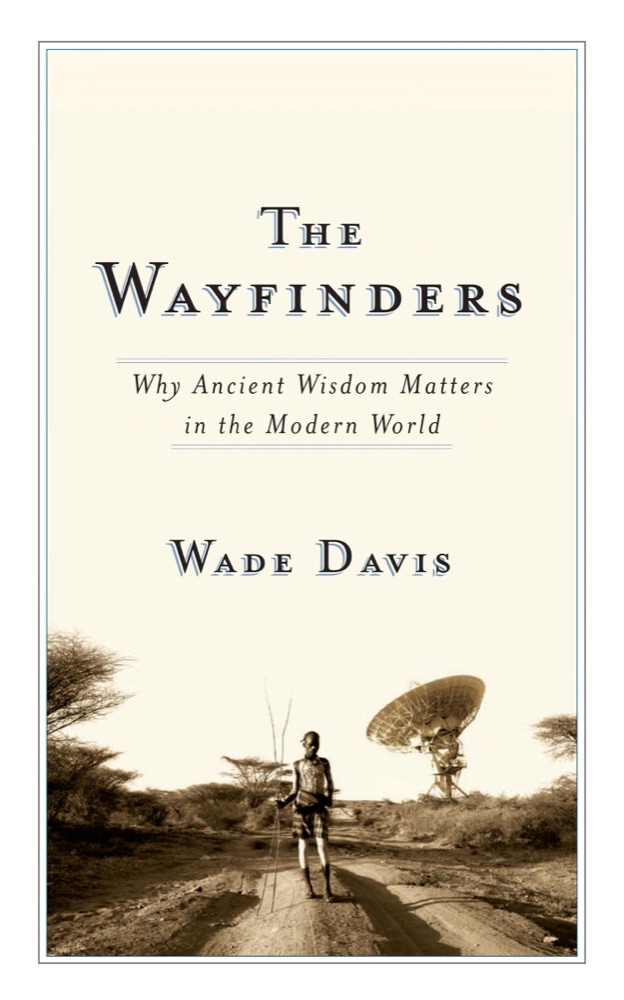
Every culture is a unique answer to a fundamental question: What does it mean to be human and alive? In The Wayfinders, renowned anthropologist, winner of the prestigious Samuel Johnson Prize, and National Geographic Explorer-in-Residence Wade Davis leads us on a thrilling journey to celebrate the wisdom of the world's indigenous cultures. In Polynesia we set sail with navigators whose ancestors settled the Pacific ten centuries before Christ. In the Amazon we meet the descendants of a true lost civilization, the Peoples of the Anaconda. In the Andes we discover that the earth really is alive, while in Australia we experience Dreamtime, the all-embracing philosophy of the first humans to walk out of Africa. We then travel to Nepal, where we encounter a wisdom hero, a Bodhisattva, who emerges from forty-five years of Buddhist retreat and solitude. And finally we settle in Borneo, where th
Book details
- First published
- 2009
- Author
- Wade Davis
- Genre
- Nonfiction
- Goodreads rating
- 4.22 (4k ratings)
Keep reading
 Enlightenment Now: The Case for Reason, Science, Humanism, and Progress
 Myths to Live By
 The Social Conquest of Earth
 Arctic Dreams
 On Trails: An Exploration
 The Story of B: An Adventure of the Mind and Spirit
 Ishmael: An Adventure of the Mind and Spirit
 Straw Dogs: Thoughts on Humans and Other Animals
 The Discovery of India
 The Cosmic Serpent: DNA and the Origins of Knowledge
 Sapiens: A Brief History of Humankind
 21 Lessons for the 21st Century
 The Big Picture: On the Origins of Life, Meaning, and the Universe Itself
 Becoming Wise: An Inquiry into the Mystery and Art of Living
 The Occult
 The Book: On the Taboo Against Knowing Who You Are
 The Fifth Science
 The Meaning of It All: Thoughts of a Citizen-Scientist
 Why Fish Don’t Exist: A Story of Loss, Love, and the Hidden Order of Life
 Maps of Meaning: The Architecture of Belief
 Endgame, Vol. 1: The Problem of Civilization
 All We Can Save: Truth, Courage, and Solutions for the Climate Crisis
 The Art of the Commonplace: The Agrarian Essays
 The Spell of the Sensuous: Perception and Language in a More-Than-Human World
 Emergent Strategy: Shaping Change, Changing Worlds
 In the Light of What We Know
 The Ascent of Man
 A Language Older Than Words
 The Mountain in the Sea
 Consilience: The Unity of Knowledge
 Figuring
 The Perennial Philosophy
 Homo Deus: A History of Tomorrow
 The Master and His Emissary: The Divided Brain and the Making of the Western World
 Beyond Civilization: Humanity's Next Great Adventure
 The Culture of Make Believe
 Starry Messenger: Cosmic Perspectives on Civilization
 The Lost World
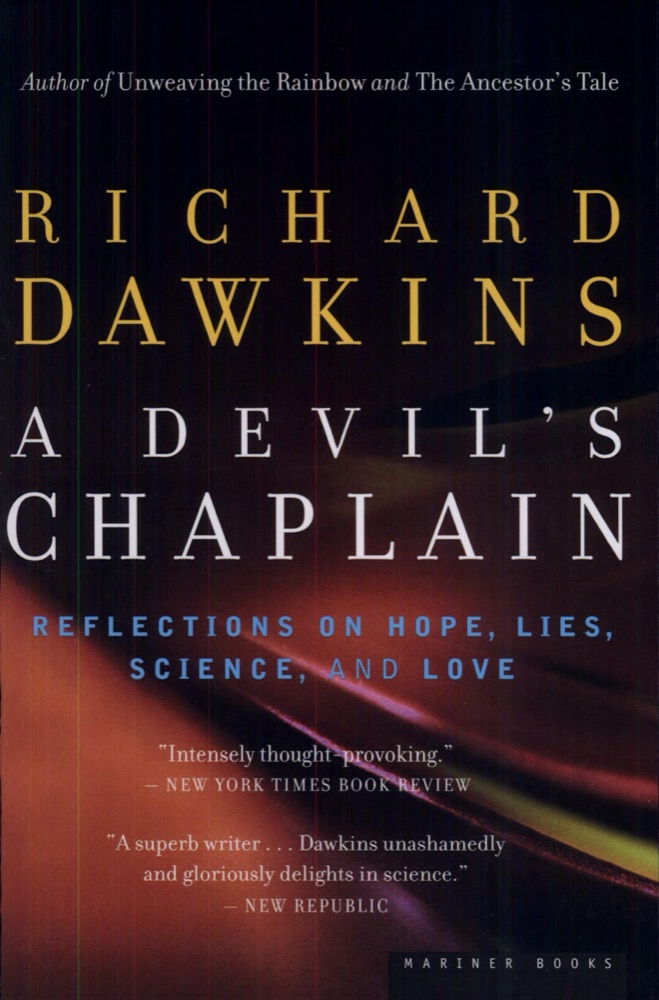 A Devil's Chaplain: Reflections on Hope, Lies, Science, and Love
 Genesis
 When I Was a Child I Read Books
 Untimely Meditations
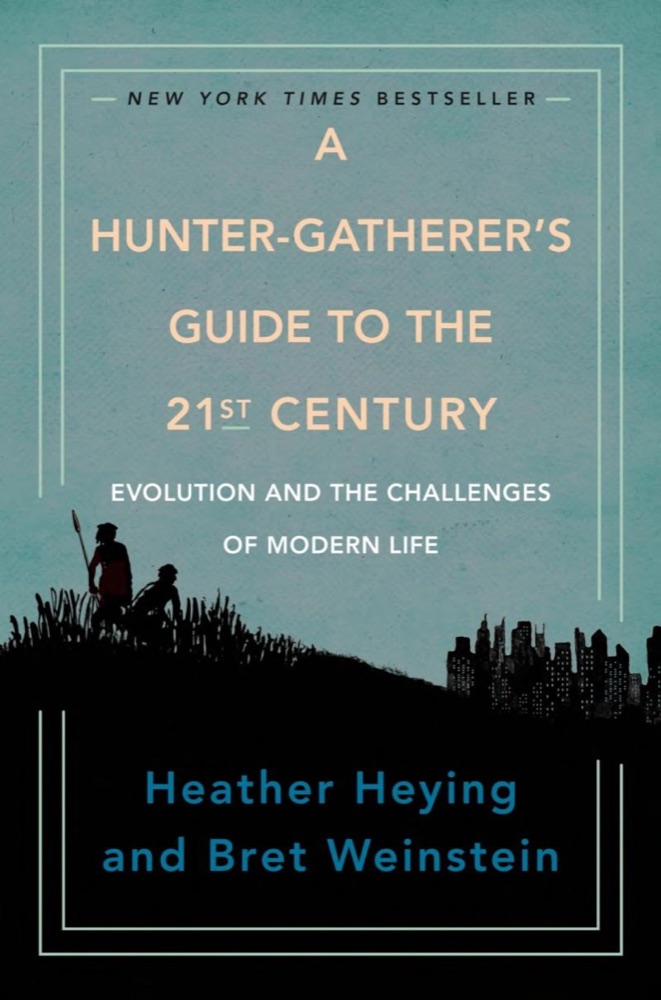 A Hunter-Gatherer's Guide to the 21st Century: Evolution and the Challenges of Modern Life
 The Convoluted Universe, Book 1
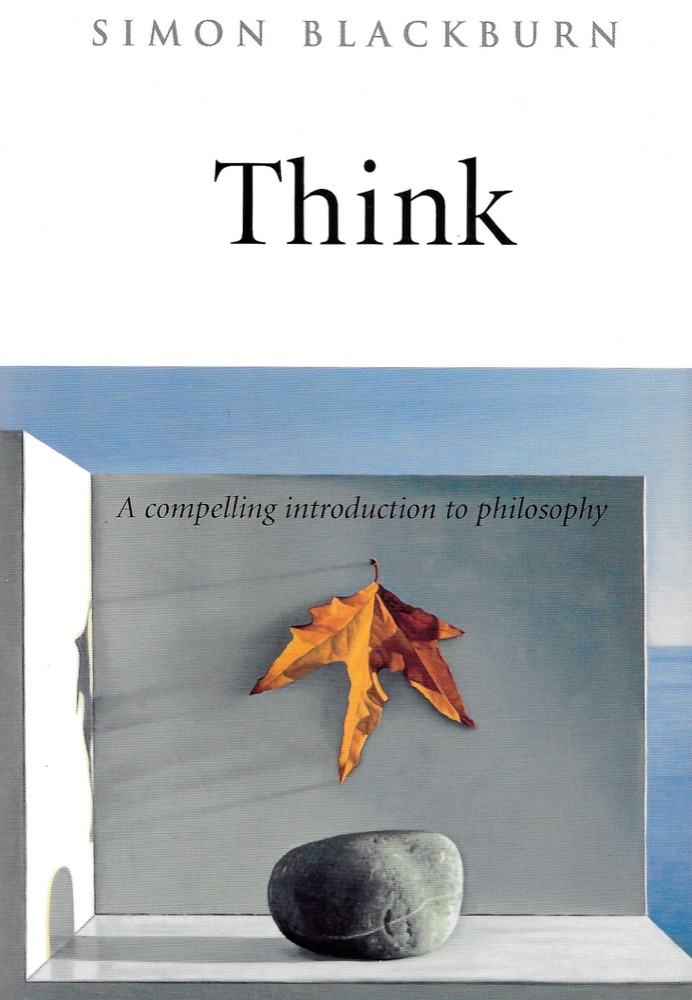 Think: A Compelling Introduction to Philosophy
 Irrational Man: A Study in Existential Philosophy
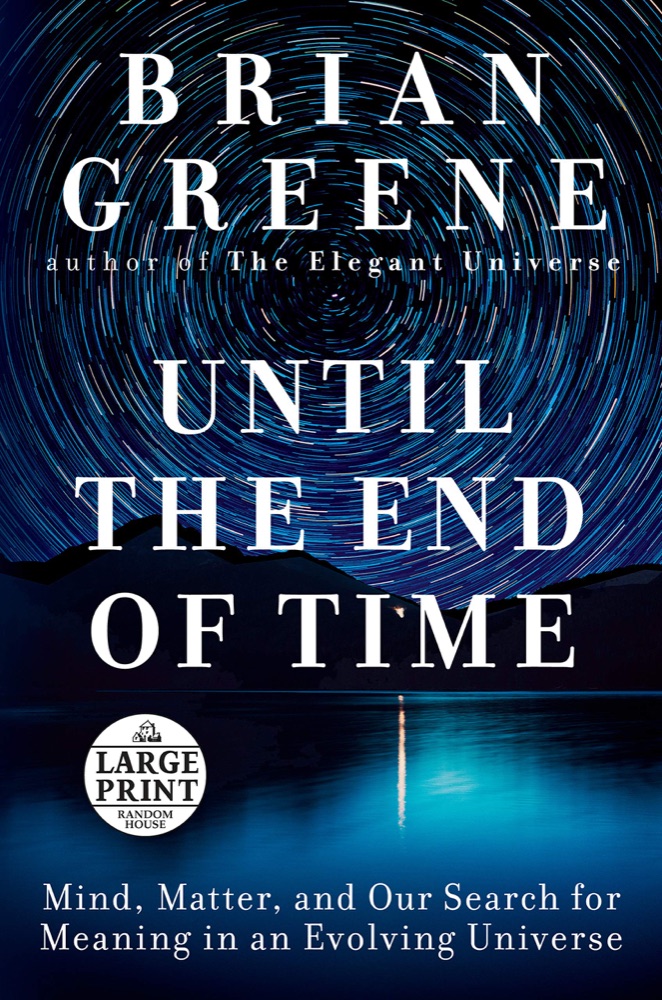 Until the End of Time: Mind, Matter, and Our Search for Meaning in an Evolving Universe
 A History of the World in 100 Objects
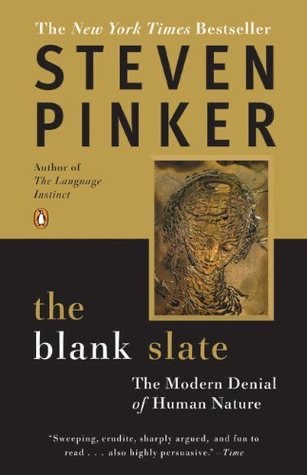 The Blank Slate: The Modern Denial of Human Nature
 The Abundance
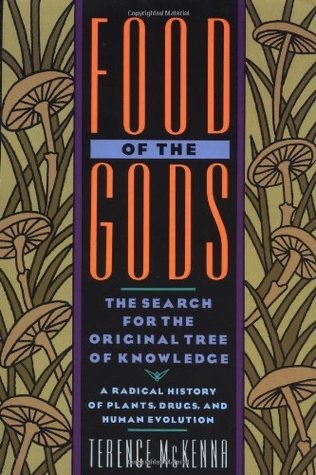 Food of the Gods: The Search for the Original Tree of Knowledge
 Last and First Men
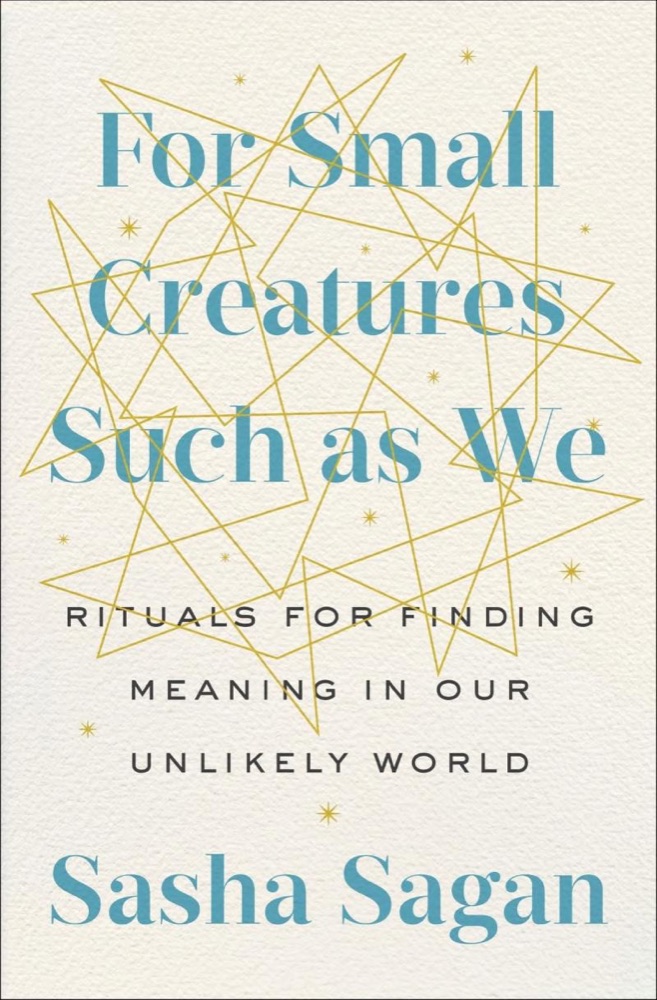 For Small Creatures Such as We: Rituals for Finding Meaning in Our Unlikely World
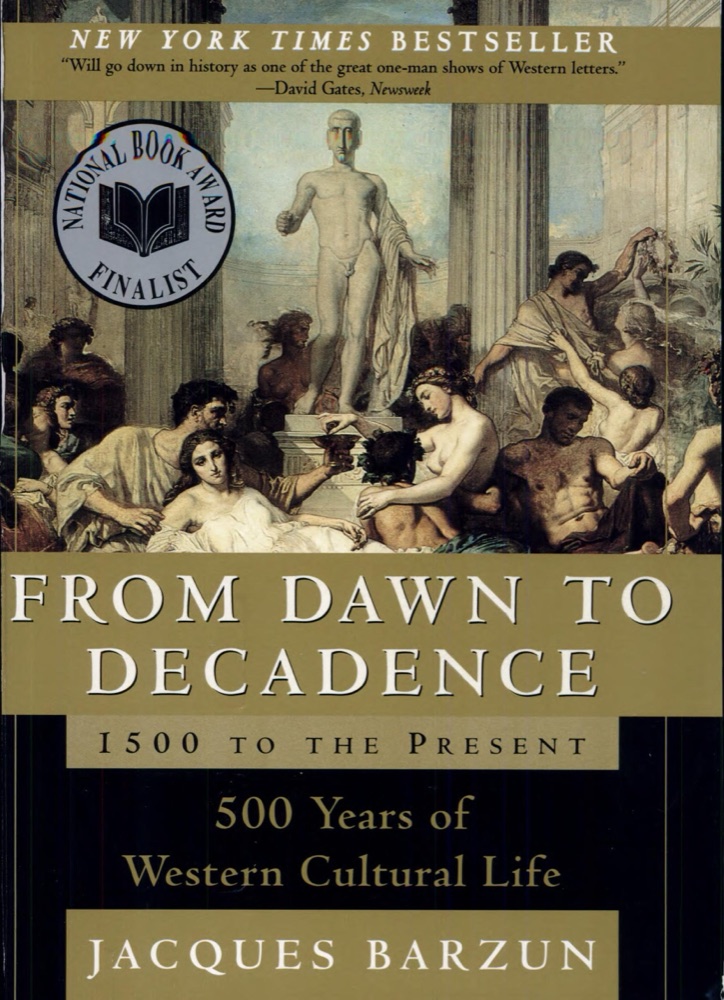 From Dawn to Decadence: 500 Years of Western Cultural Life, 1500 to the Present
 The Wizard and the Prophet: Two Remarkable Scientists and Their Dueling Visions to Shape Tomorrow's World
 Dragons of Eden: Speculations on the Evolution of Human Intelligence
 Billions & Billions: Thoughts on Life and Death at the Brink of the Millennium
 Shadows of Forgotten Ancestors
 The Nutmeg's Curse: Parables for a Planet in Crisis
 Why People Believe Weird Things: Pseudoscience, Superstition, and Other Confusions of Our Time