
 The Love Songs of W.E.B. Du Bois
Quotes from the Book
People, especially elders, repeat stories over and over again with purpose. In the arrogance of youth, we often think they do I because they are absent-minded. Now I know they repeat themselves because they’ve whittled like down into observations that should not be forgotten. They are authoring scriptures of their own.
3
We haunt the past to refuse to let it lie comfortably as it was.
2
Melancholy is part of social movement, as is restraint. They are companions. The work of organizing for freedom requires a management of rage that can break your heart. There is no good reason one should have to endure spittle and bombs, insult, dogs, and jail in order to achieve simple legal recognition.
2
This blue-black living and doing is a bittersweet virtue, mastery in heartbreak, and raw laughter from the underside. We people who created a sound for the world’s favorite color—the blues—offer a testimony.
1
Haiti has suffered. The first free Black republic was punished for its valor. The debt imposed upon it in exchange for a too-meager and inconsistent political recognition has kept it beholden to France, and along with that, it has born the weight of the US empire’s strategic investments and habitual efforts at military control. Internally, color and caste continued to matter long after the French were gone. Raimond changed, but the legacy of that plantation hierarchy is felt even today.
1
blue took on particular meanings in specific contexts. On the revolutionary side, it was a color of Black self-adornment in the face of disregard. It reflected tastes retained across the oceans. And blue had an array of symbolic spiritual meanings.
1
Self-regard takes many forms, and it is the precondition for seeing to a future not yet realized but deeply yearned for—that is freedom.
1
As far back as I can remember, I was aware of belonging to a group for whom the word “color” was potent. “The color of your skin,” “colored people,” “colorful people,” and “people of color” are all phrases that are associated with us Black Americans. And while “black” is our nominal color, even though our bodies range from alabaster to jet, the blues are our sensibility, hence the designation made famous by the writer Amiri Baraka: “blues people.
1
That's the calling, to see through time in order to see today. Each act of haunting and witnessing the past is also the work of living in the along. You know the plot device of time-travel stories, how if the contemporary figure goes into the past, her meddling can forever shape the future? In popular culture, that's considered a bad thing. But in our lives, it can be holy.
1
Learning the history of Liberia is a lesson in the vexing complexity and always just-around-the-bend hypocrisy of human beings.
Imagine what it must have been like, to be a person with faculties—thoughts and imaginings that lay far beyond that which those who claimed to own you could reach. They—masters—could possess body but not mind. Your thoughts, your feelings, your prayers, your art were yours. A sound could be released to attest to all of that, a sound to make the hairs on the back of a body’s neck stand up. A sound without words but fully imbued with meaning. Held but never possessed. A BLUE NOTE.
The widely embraced Christian God works in mysterious ways, not certain results. Hoodoo was therefore a necessary partner. Prior to emancipation, or widespread literacy, it was a system for collecting and preserving information to navigate life.
The slave trade was central to Portuguese interest in the Kongo kingdom. And though King Afonso I was nominally opposed to slavery, he practically accepted it, so long as those who were enslaved were their war captives or those who were being punished for wrongdoing. However, he balked when Portuguese merchants began demanding Kongo citizens as chattel slaves in exchange for Portuguese goods. The Portuguese turned to taking Kongo citizens with abandon, despite the king’s protests.
When a person was placed on an auction block, they were actively removed from civil society. But when the enslaved adorned burial grounds and even their own bodies, they sustained a belief in their souls and intellect.
Catholicism and other forms of Christianity would become tools to control and dominate enslaved and colonized people. The Kongo did not meet the Europeans with that assumption. They would learn it the hard way.
Consistently, in most places in the New World—as varied as Haiti, Liberia, South Carolina, Jamaica, the Dominican Republic, and Louisiana—and among most people, the creation of Blackness meant that proximity to Whiteness, while favored, was not Whiteness.
We often think, and reasonably so, that the condition of the enslaved is one of indistinction and disregard. But taste and even idiosyncrasy show both collective and personal self-regard. The enslaved fashioned themselves with care, even as their lives were considered fungible and not their own. This sense of self that existed, even when wholly dispossessed and literally being the legal property of another, became a feature of what it was to be Black in the New World.
James Field Stanfield was a sailor aboard the True Blue in a 1775 voyage from West Africa to Jamaica and then Liverpool.
This voyage of the True Blue was stacked tragedy. The European crew members were impressed, meaning forced into service. They were hungry. They were sick. They were beaten. The human chattel were far worse off. And this was part of how Blackness was made into the category of “the least of these.” It was never that others wouldn’t suffer. It was that Black people were designated as those who would suffer worst, and the others who suffered mightily but not so badly could feel both terror and relief at being close to Black life but not of it. Resentment was felt too. The crew worked for the slave trade. They didn’t make much money. And in the Americas, the presence of the enslaved would suppress the wages of the poor but free. Their labor would be worth less. It must have been unsettling to be so close to captivity and to have such a vulnerable freedom. It must have soured potential stirrings of sympathy into bitter gall.
Hortense Spillers describes as an approach of treating all differences between cultures as demanding a hierarchy. Someone always had to be better or worse.
Beloved is an embodied sorrow—the returned dead—who has to be contended with, coming from the water. Morrison knew Black life is a sea epic—a story of encounters with deep blue. There was no other way to get us so far from where our ancestors began.
On each hand that day, my uncle wore a single lapis ring. I was curious and asked him questions. Later he sent me articles about the symbolic meanings of lapis. I told him that I live according to one of his precepts, that as long as I can read, I can teach myself to do anything. Even survive a broken heart. And I have found something out along this way of grief-reading the sound and color and text. We Black people are not quite like other Americans. We do not live in the same fantasy that we might evade death by collecting things like dollars, houses, fences, and passports. But we are as human as humans come. The incomprehensible keeps happening. Death comes fast, frequent and unfair. And we're still here. We know how to breathe underwater. Living after death.
You see? Blue is a portal. Our ancestors have worked so hard from the other side to keep us going; this is how we tend to them in return.
A romance of Africa, a romance of America, a fetish of nationalism, myths of superior origins, or rankings of authenticity or admixture-each type of posturing, myth, and hierarchy is a danger because they lead us to either believe the funhouse distortion of the blue-eyed mirror or run away from the ugliness of history.
Movement is divine word. To call organizing for freedom "the movement" was a strike of genius. The moves in our culture of art and performance-be they dancing, playing jazz, blues, or hambone, singing or hoofing-are all the art of living. And forgive us, Lord, for the Western sacrilege of sometimes being mere spectators to that divinity. It beckons participation.
It's freedom we're seeking, after all; it's not a war or a board game in which we easily declare victory or defeat.
One strange feature of Blackness is how often it is treated as static. Like Black just is as it will ever be. But displaced and misnamed people are ever evolving out of necessity. The truth is the condition is like waterways, blood vessels, circuits.
Black watching, worry, caution, are wise because what if the ones holding out their hands don't, in fact, shake yours warmly, but instead snatch you into snares? And you lose your balance, gone in an instant, like a fly in Venus flytrap.
It is a strange but persistent thing: to be possessed, desired, revolting. This triad of relations to power has been a long burden of Blackness, and its people.
If Ellison's words serve as a meditation on the existential challenges of a Black life, then Toni Morrison's famous quip of a response "Invisible to whom?"-is a reminder that Black folks have had to see each other regardless of what the larger world will recognize. That too is the majesty of the blues, a beauty shared and witnessed by its people, no matter who is listening. It is not the sound of appeal; it is the act of living. Together.
Did you know?
- The book uses the color blue as an organizing thread to tell a history of Black life across roughly five centuries.
- Perry connects blue to the indigo-dyed textiles of West Africa that became entangled with the transatlantic slave trade.
- It received starred reviews from both Kirkus Reviews and Publishers Weekly.
- It was a finalist for the 2025 Kirkus Prize in nonfiction.
- Perry previously won the 2022 National Book Award for Nonfiction for "South to America."
About Imani Perry
Imani Perry is a scholar and writer who serves as a professor of African and African American Studies at Harvard University. She won the 2022 National Book Award for Nonfiction for "South to America" and was named a MacArthur Fellow in 2023.
More about the author →About the book
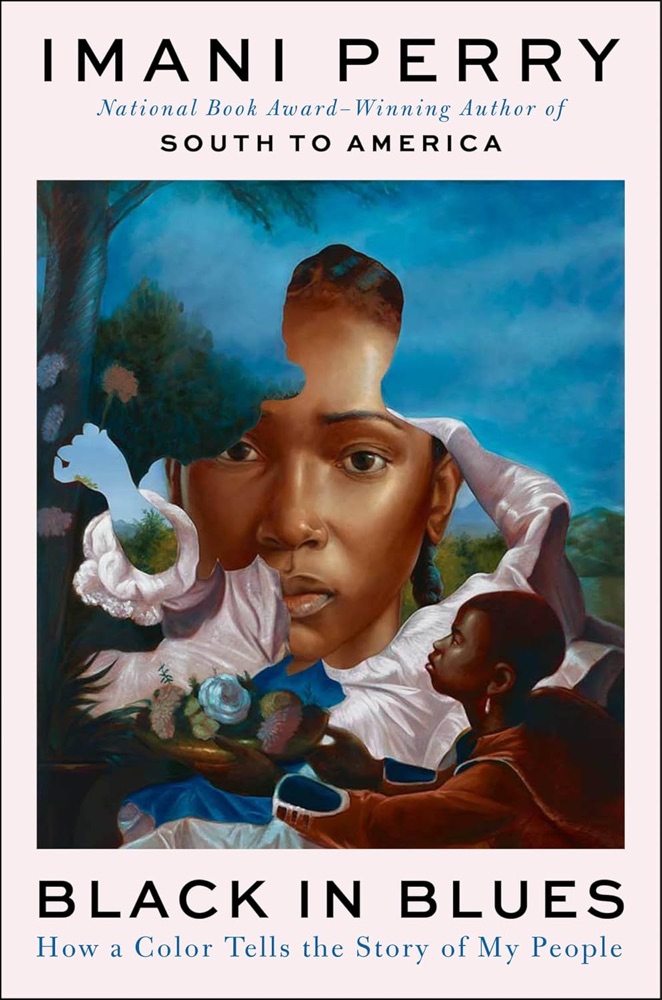
"Black in Blues: How a Color Tells the Story of My People" is a cultural history by Imani Perry that uses a single color, blue, as a lens onto five centuries of Black life. Moving associatively across history, art, literature, music, and folklore, Perry traces how Blackness and the color blue have been intertwined, beginning with the indigo-dyed cloth produced and traded in West Africa that became bound up with the transatlantic slave trade, and extending through to the American blues tradition and beyond.
At its heart the book treats blue as a color of doubled meaning, evoking both melancholy and hope, sorrow and possibility. Perry threads together images such as the blue of the sky and sea glimpsed during the Middle Passage, the blue dresses worn by figures like Coretta Scott King and Fannie Lou Hamer, and the resonance of blue in writers like Toni Morrison, building a meditation on memory, identity, and survival in which the past is treated as a living force shaping the present.
The book was published to wide acclaim in early 2025, earning starred reviews from Kirkus Reviews and Publishers Weekly and being named a finalist for the 2025 Kirkus Prize in nonfiction. Critics praised it as an innovative, lyrical work of cultural history, and it drew significant attention in outlets including NPR and The Nation, building on Perry's reputation as a leading scholar of African American studies.
Book details
- First published
- 2025
- Length
- 243 pages
- Reading time
- 4 hours
- Author
- Imani Perry
- Genre
- Nonfiction
- Goodreads rating
- 4.26 (3k ratings)
Critical reception
- Kirkus Reviews gave the book a starred review, calling it an innovative cultural history.
- Publishers Weekly gave a starred review, describing it as a lyrical meditation that synthesizes a wide range of research.
- The book was named a finalist for the 2025 Kirkus Prize in the nonfiction category.
- It was widely covered in major outlets including NPR and The Nation following its January 2025 release.
The buzz
- NPRIn 'Black in Blues,' Imani Perry traces the color blue through Black history2025Interview on blue as a symbol of both hope and melancholy
- The Nation"Blues People" and Black Life: A Conversation With Imani Perry2025Q&A on blue as a historical lens on Black identity
Keep reading
The Love Songs of W.E.B. Du Bois
 The Fire This Time: A New Generation Speaks About Race
 Four Hundred Souls: A Community History of African America, 1619-2019
 Barracoon: The Story of the Last "Black Cargo"
 Aftershocks
 Black Skin, White Masks
 A Song Flung Up to Heaven
 The Souls of Black Folk
 I'm Still Here: Black Dignity in a World Made for Whiteness
 We Were Eight Years in Power: An American Tragedy
 Between the World and Me
 The Autobiography of an Ex-Coloured Man
 Dark Days
 Notes of a Native Son
 Homegoing
 Nobody Knows My Name
 The Heart of a Woman
 The Source of Self-Regard: Selected Essays, Speeches, and Meditations
 Mumbo Jumbo
 Blood Done Sign My Name: A True Story
 Sky Full of Elephants
 All God's Children Need Traveling Shoes
 Stamped: Racism, Antiracism, and You
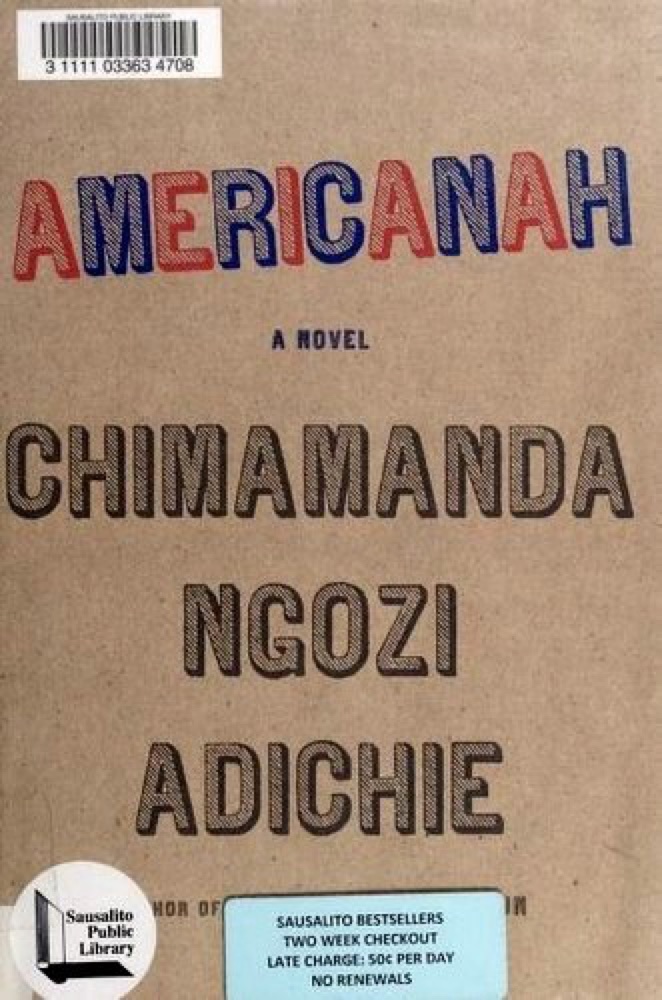 Americanah
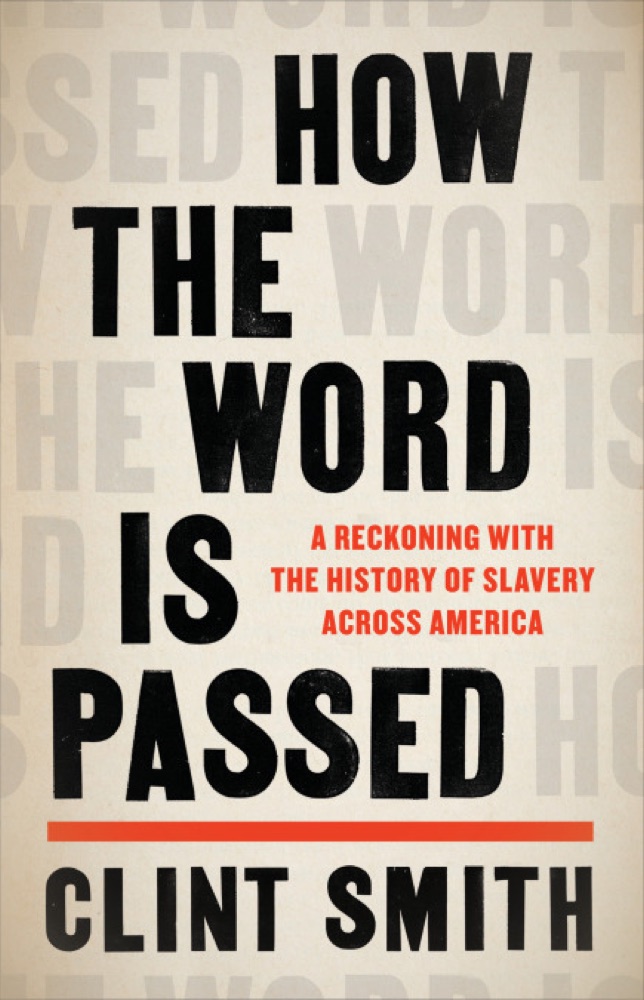 How the Word Is Passed: A Reckoning with the History of Slavery Across America
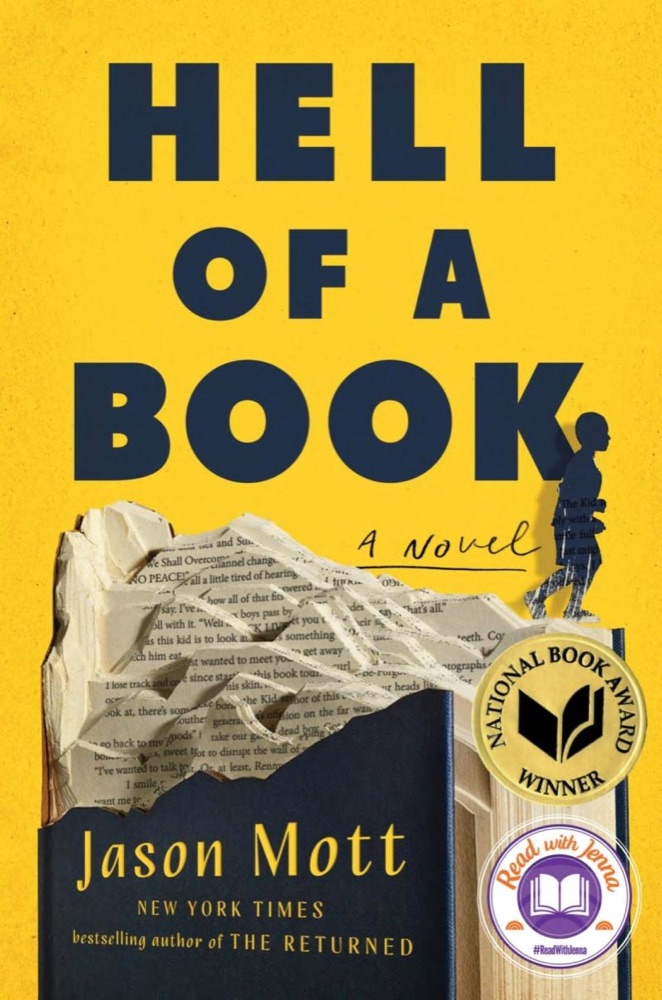 Hell of a Book
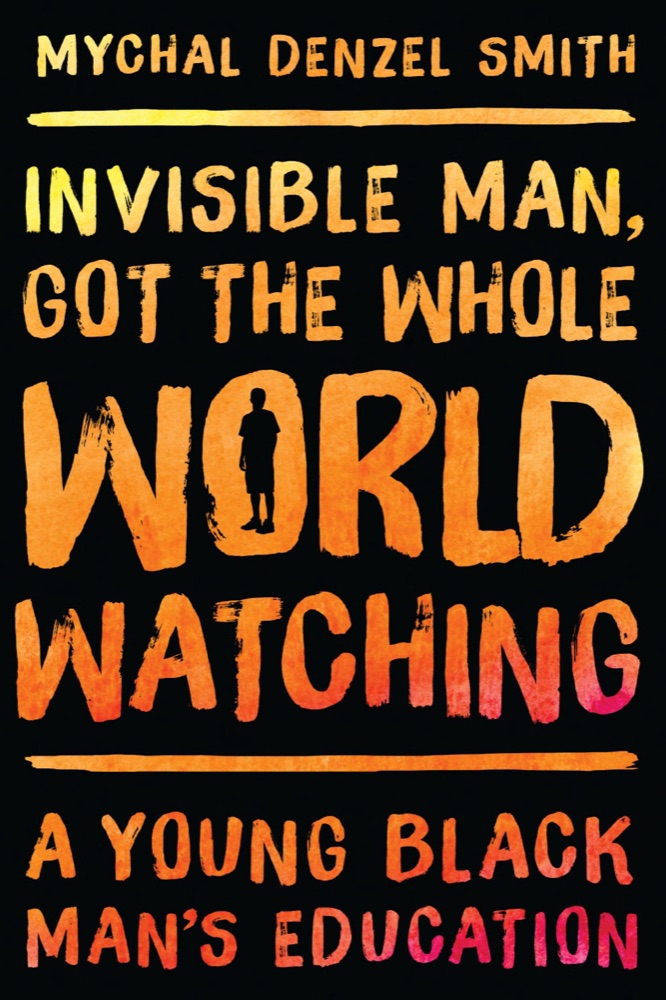 Invisible Man, Got the Whole World Watching: A Young Black Man's Education
 Why We Can't Wait
 Dreams from My Father: A Story of Race and Inheritance
 A Mind Spread Out on the Ground
 Varina
 Born a Crime: Stories From a South African Childhood
 American Sonnets for My Past and Future Assassin
 White Like Me: Reflections On Race From A Privileged Son
 This Here Flesh: Spirituality, Liberation, and the Stories That Make Us
 The 1619 Project: A New Origin Story
 Notes from No Man's Land
 Just Us: An American Conversation
 When They Call You a Terrorist: A Black Lives Matter Memoir
 Wizard of the Crow
 The Water Dancer
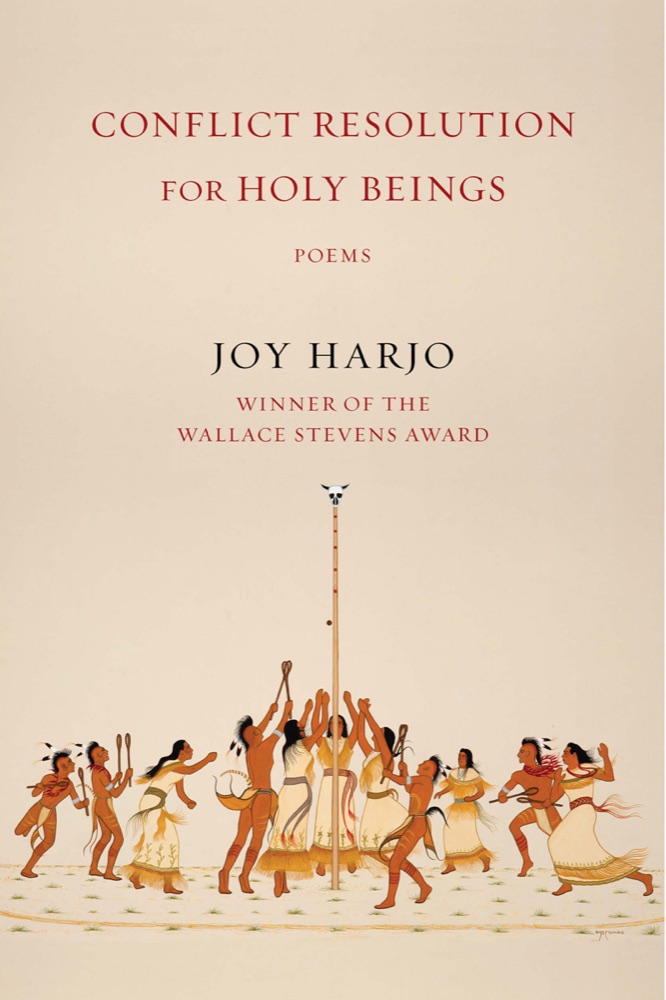 Conflict Resolution for Holy Beings: Poems
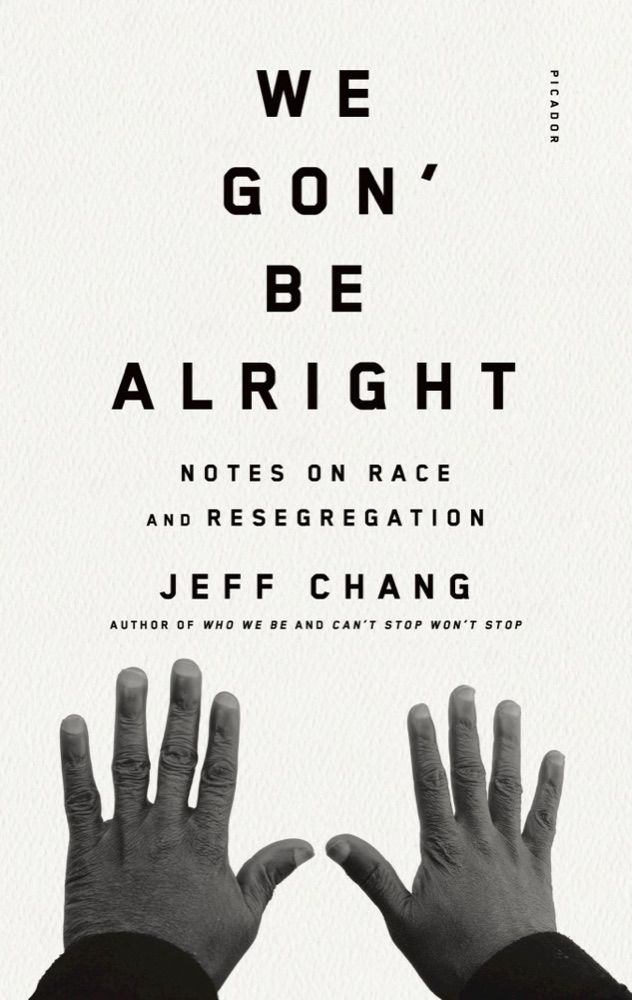 We Gon' Be Alright: Notes on Race and Resegregation
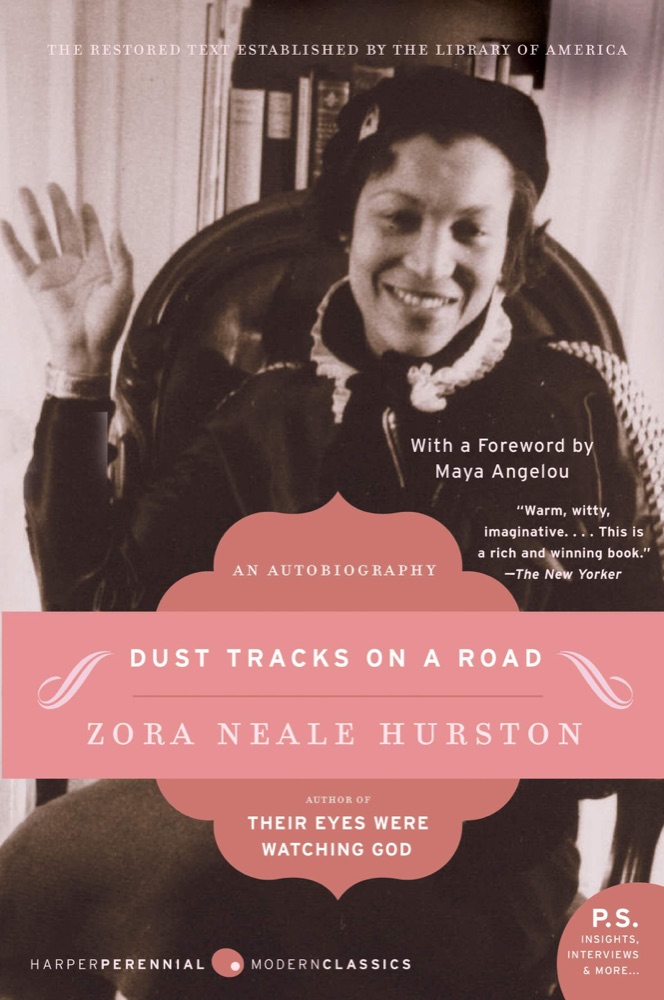 Dust Tracks on a Road
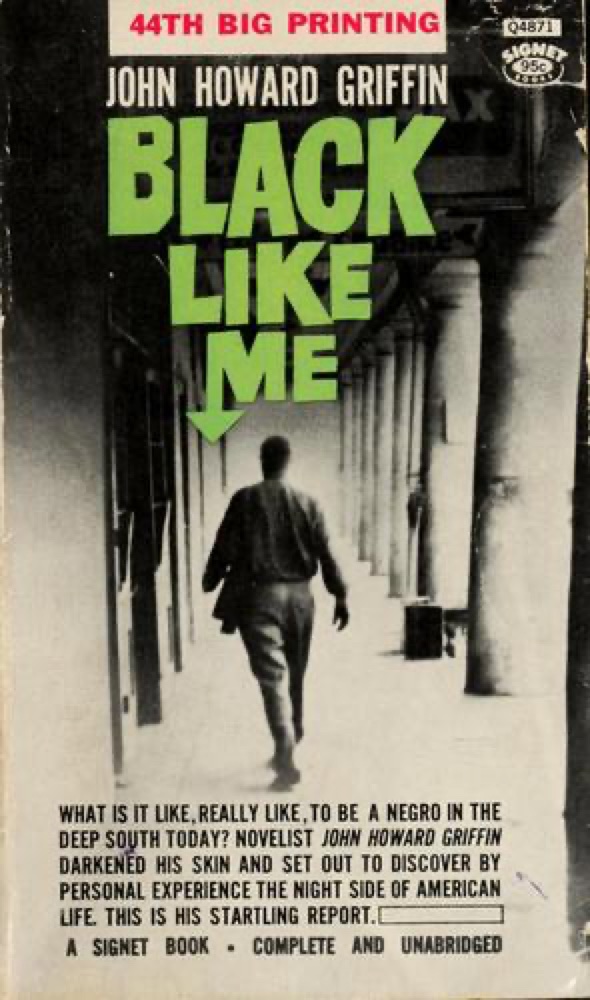 Black Like Me
 The Autobiography of Martin Luther King, Jr.
 Where Do We Go from Here: Chaos or Community?
 Creation Lake
 Black AF History: The Un-Whitewashed Story of America
 The Sea Keeper's Daughters
 The Kingdom on the Waves
 Stony the Road: Reconstruction, White Supremacy, and the Rise of Jim Crow
 Well-Read Black Girl: Finding Our Stories, Discovering Ourselves
 What Doesn't Kill You Makes You Blacker: A Memoir in Essays
 Go Ahead in the Rain: Notes to A Tribe Called Quest
 Washington Black
 The Warmth of Other Suns: The Epic Story of America's Great Migration
 Black Is the Body: Stories from My Grandmother's Time, My Mother's Time, and Mine
 The Book That Broke the World
 Across That Bridge: A Vision for Change and the Future of America