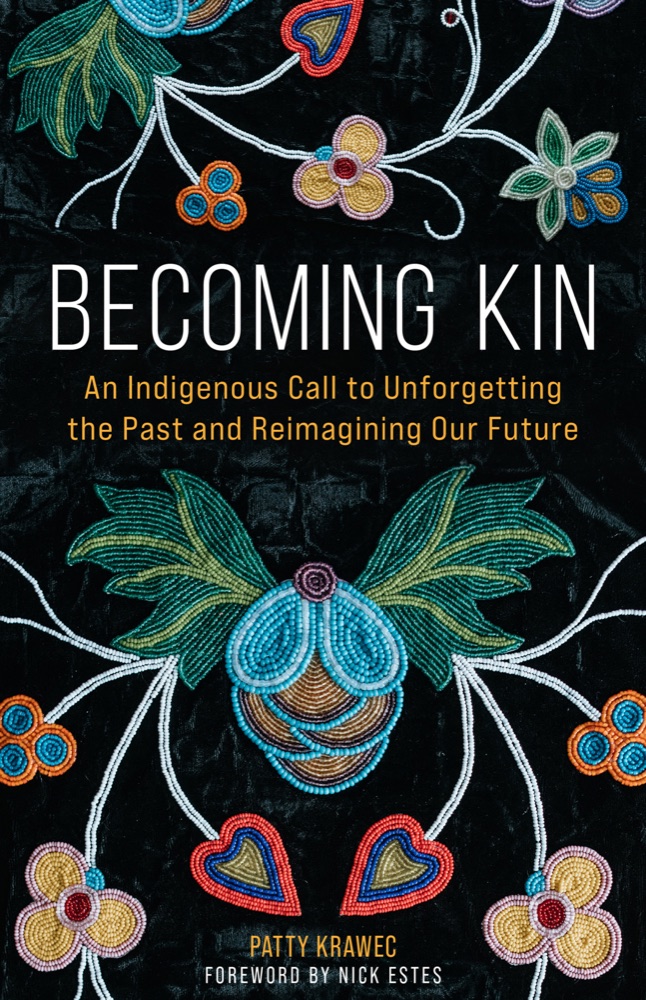
 The Inconvenient Indian: A Curious Account of Native People in North America
Quotes from the Book
Settlers are not immigrants. Immigrants come to a place and become part of the existing political system.
7
Being confronted with racist ideas or behavior—our own or in the systems we’re part of—is hard, but it is not the worst thing. The worst thing is being unwilling to listen, unwilling to do better.
5
p. 26: Unlike the Christian creation story, the Anishinaabe creation story does not contain a fall or an expulsion. Our expulsion only happens later: at the time of colonization, when the Western world arrives at our doorstep.
4
Historian Roxanne Dunbar-Ortiz talks about the process of “unforgetting.” The divisions between us are only possible because we have forgotten our history, forgotten our creation stories. Forgotten how to articulate the knowledge that is held in unspoken ways. Unforgetting is the process of reclaiming that knowledge—of moving these truths that our society holds silently out to where we can articulate them and examine them. Then we can see if they really are a center worth revolving around, worth the emotional response they engender.
4
Grief is the persistence of love,” Krawec writes. Indeed. Grief and love are not bound by time and space. In Indigenous worlds, Land Defenders act out of necessity and survival, protecting rivers and landscapes from destruction. They do so out of mourning for a world taken from them through centuries of colonialism. But they also do so out of love and solidarity for life that currently exists and life that has yet to be created on this planet. They are ancestors of the future, motivated by grief as the persistence of love. Grief is also about remembering, or unforgetting, the future and a history that could have been.
3
Concepts of race are malleable and strategic, always benefiting those in power. A particular understanding of race allowed Americans to increase the population of those they wanted to continue enslaving and to erase the population of those they wanted to disappear.
3
As I told you, Anishinaabe is a verb-based language. In the Anishinaabe way of seeing and naming the world, we are humans being. But this applies elsewhere too. In Anishinaabe, my shirt is not blue; it is being blue. The rock is not hard; it is being hard. The things that we observe are not the inherent qualities of whatever we are looking at; the shirt or the rock is simply what it is being in this moment. This is a very quantum-mechanics way of thinking. Remember: light, depending on how you look at it, is both particle and wave. This applies to people as well.
2
It isn't wrong to think about your ancestors, to hear their stories and understand where they came from. And if your ancestors have been in the United States or Canada for a long period of time, it is possible that there is a Native ancestor back there. And if you have a Native ancestor -- somebody who married or moved out of their community by choice or by force -- it is understandable that you would want to know more about them, more about how they left and why...they didn't return to their communities and instead remained among the colonists....Our ancestors' communities are not always our communities, but we can build relationship with each other and honor our ancestors in that way.
2
Work through the tasks together with others so that when the difficult emotions come, you have somebody to sit with. Be with someone as you let the floodwaters of history—and your ancestors’ and your role in it—wash over you. That way you don’t need to fear the waters of guilt or loss or grief. With the support of others, you can trust that you will surface, still breathing and holding on to a handful of mud with which to imagine and create something new.
2
When we talk about demonizing or dehumanizing people as part of that destroy-and-replace process, we can take another important lesson from the wendigo. Although he sees beavers instead of people—as something he could consume rather than as humans, like him—the people are unchanged. They may appear to be beavers to the wendigo, but in the stories they remain human. It is the man who consumes them who is transformed. It is the man who consumes them who is dehumanized.
2
Ultimately what we inherit are relationships and our beliefs about them,” writes Aurora Levins Morales. “We can’t alter the actions of our ancestors, but we can decide what to do with the social relations they left us.” In order to understand these relationships, we need to listen to the histories that we were not told so that we can begin to remember the things buried beneath the histories we were.
2
Land theft is not only the taking of land; it is the profound alteration of it through extraction rather than relationship. Land theft includes extracting water, extracting lumber, extracting minerals and animals and people.
1
Each of these terms is correct and wrong, and it is likely that whatever term you use will at some point be corrected by somebody else to a term they think is more appropriate. The best thing to do is thank them for the correction and move on, recognizing that language is complicated. These terms were rarely what we called ourselves and represent colonial ways of thinking about us. And so they will all be wrong in some way.
1
The book Living in Indigenous Sovereignty, by Elizabeth Carlson-Manathara and Gladys Rowe, is a collection of essays and interviews written by settlers who are working through what it means to become kin,
1
Settler colonialism does not notice what abundance is already there, what good news we might have to share that would help them.
1
In her book As We Have Always Done, Michi Saagiig Nishaabeg author and artist Leanne Betasamosake Simpson writes about the importance of thinking backward and forward at the same time. Thinking in cyclical rather than linear time, we see more clearly the ways that generations are linked.
1
This is a story about a lot of different things. It’s about being lazy and trying to get something without working for it. But it’s also about our own willingness to keep our eyes closed to what is happening around us—to enjoy the things we have without paying attention to what they might be costing others.
1
Days and vigils—those meant to honor those who attended residential schools or who disappeared into prisons or who simply disappeared—mean different things in different communities. For Indigenous people, these are moments to collectively grieve. For others, they may mean something different.
1
In Indigenous worlds, Land Defenders act out of necessity and survival, protecting rivers and landscapes from destruction. They do so out of mourning for a world taken from them through centuries of colonialism. But they also do so out of love and solidarity for life that currently exists and life that has yet to be created on this planet.
1
Throughout the book, I offer Anishinaabe stories and Indigenous knowledge not so that you can claim them as your own but so that they can provide a lens through which you can see your own stories differently. That is part of what I hope to explore in these pages: how we can read these histories differently and find a way to live together in peace, honesty, and respect.
1
Nick Estes (Lower Brule Sioux Tribe) is a historian and author of Our History Is the Future, Standing with Standing Rock, and Red Nation Rising
In these pages, Patty Krawec, an Anishinaabekwe, meditates on those moments of calm, which seem always on the brink of being entirely consumed by a terrible danger. It is the moment a Water Protector locks down pipeline equipment, silencing the guns and money people with a humble prayer, even if for a moment. It is the moment humble people try to make sense of why another brother, sister, mother, relative, river, mountain, and life is needlessly destroyed or stolen. A
Settlers and migrants and the forcibly displanted get worried when Native people start talking about Land Back. What about their house? Where will they go? Unable to imagine any scenario other than what settler colonialism unleased on us, people assume that Land Back means evictions, relocations, and eliminations. In some cases, that might be appropriate... And although we are often, and I think reasonably, looking for change in ownership, at its core, Land Back means profoundly changing our relationship with land.
Blood quantum is a race theory that still forms the basis for legal Indian status in the United States and Canada.
In the May 2021 issue of The Atlantic, Ojibwe writer David Treuer wrote a piece entitled “Return the National Parks to the Tribes.” In it, he describes how the US government displaced the Miwok tribe from the land that would, thirty-nine years later, become Yosemite Park.
As a profession, social work, of which child welfare is one branch, emerged in the late nineteenth century as a way to manage the problem of poverty in a growing and prosperous country.
This is a central theme in literature and movies; from Wagon Train to Star Trek, Americans admire this desire to boldly go and then bravely defend themselves from those who resent discovery.
These myths are packaged and sold to newcomers and working-class white people so that they will chase promises that were never meant for them.
Iroquois may be more familiar to you than Haudenosaunee, Sioux more familiar than Lakota. But the former terms are French versions of Wendat and Anishinaabe words meaning something like “snakes.
Watch on YouTube
About Patty Krawec
About the book
We find our way forward by going back. The invented history of the Western world is crumbling fast, Anishinaabe writer Patty Krawec says, but we can still honor the bonds between us. Settlers dominated and divided, but Indigenous peoples won't just send them all "home." Weaving her own story with the story of her ancestors and with the broader themes of creation, replacement, and disappearance, Krawec helps readers see settler colonialism through the eyes of an Indigenous writer. Settler colonialism tried to force us into one particular way of living, but the old ways of kinship can help us imagine a different future. Krawec asks, What would it look like to remember that we are all related? How might we become better relatives to the land, to one another, and to Indigenous movements for solidarity? Braiding together historical, scientific, and cultural analysis, Indigenous ways of knowin
Book details
- First published
- 2022
- Author
- Patty Krawec
- Genre
- Nonfiction
- Goodreads rating
- 4.49 (3k ratings)
Keep reading
The Inconvenient Indian: A Curious Account of Native People in North America
 Truth Telling: Seven Conversations about Indigenous Life in Canada
 Thinning Blood: A Memoir of Family, Myth, and Identity
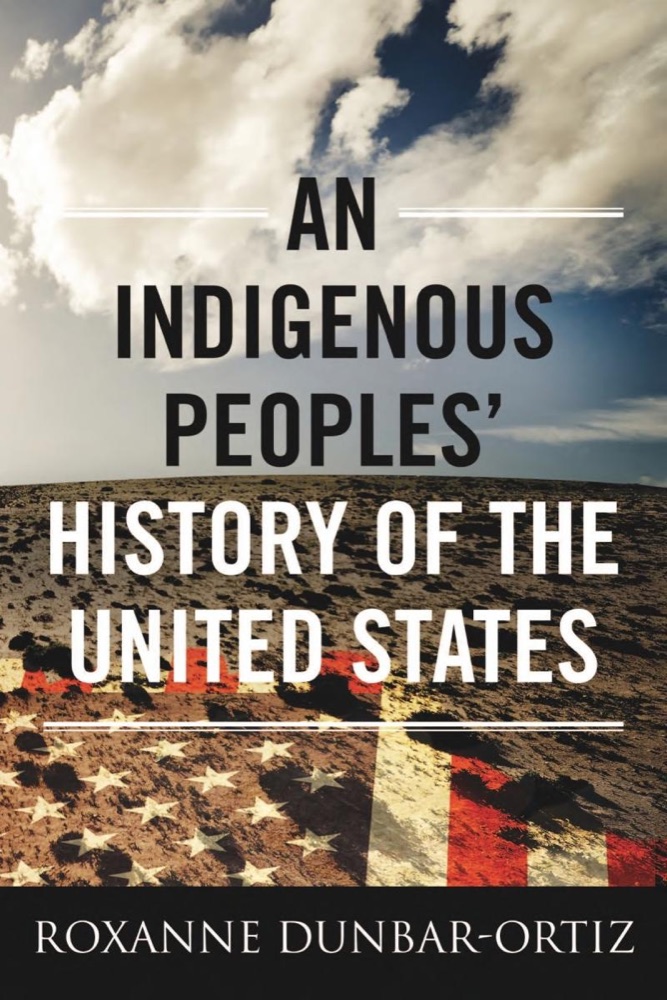 An Indigenous Peoples' History of the United States
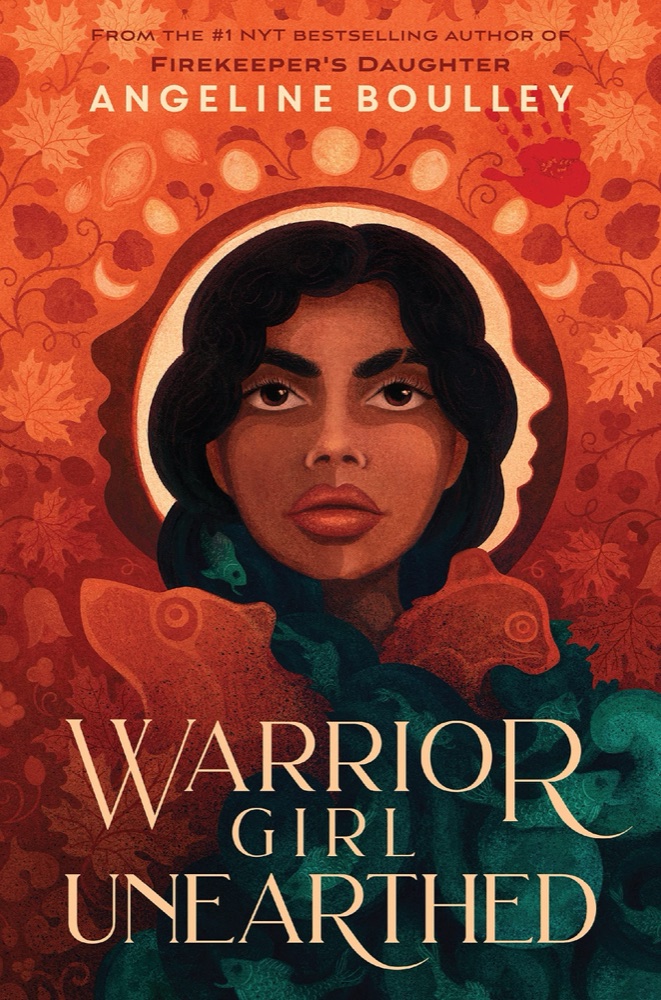 Warrior Girl Unearthed
 Neither Wolf Nor Dog: On Forgotten Roads with an Indian Elder
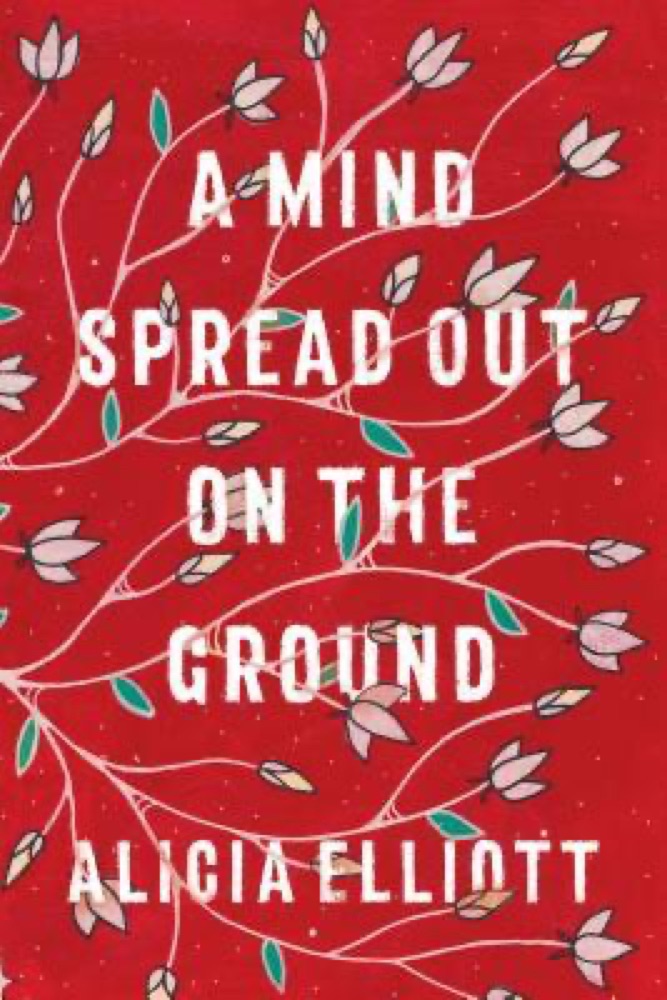 A Mind Spread Out on the Ground
 The Dawn of Everything: A New History of Humanity
 Custer Died for Your Sins: An Indian Manifesto
 The Love Songs of W.E.B. Du Bois
 White Like Me: Reflections On Race From A Privileged Son
 Aftershocks
 Just Us: An American Conversation
 The Culture of Make Believe
 The War on the West: An Instant NYT Bestselling History of the Modern World
 Notes from No Man's Land
 Born a Crime: Stories From a South African Childhood
 Black in Blues: How a Color Tells the Story of My People
 Dear America: Notes of an Undocumented Citizen
 Stamped: Racism, Antiracism, and You
 What White People Can Do Next: From Allyship to Coalition – An Empowering Guide to Interrogating Whiteness and Creating Justice
 How the Word Is Passed: A Reckoning with the History of Slavery Across America
 Wandering Stars
 Beyond Civilization: Humanity's Next Great Adventure
 The Wisdom of the Native Americans: Including The Soul of an Indian and Other Writings of Ohiyesa and the Great Speeches of Red Jacket, Chief Joseph, and Chief Seattle
 Culture and Imperialism
 Where the Bluebird Sings to the Lemonade Springs: Living and Writing in the West
 You Sound Like a White Girl: The Case for Rejecting Assimilation
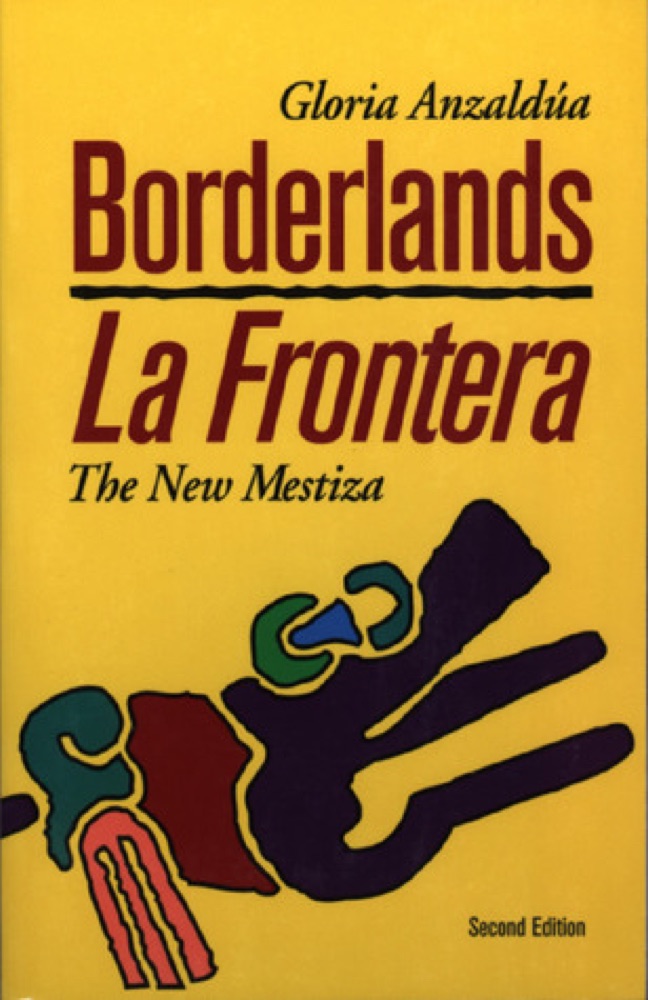 Borderlands/La Frontera: The New Mestiza
 A People's History of the United States
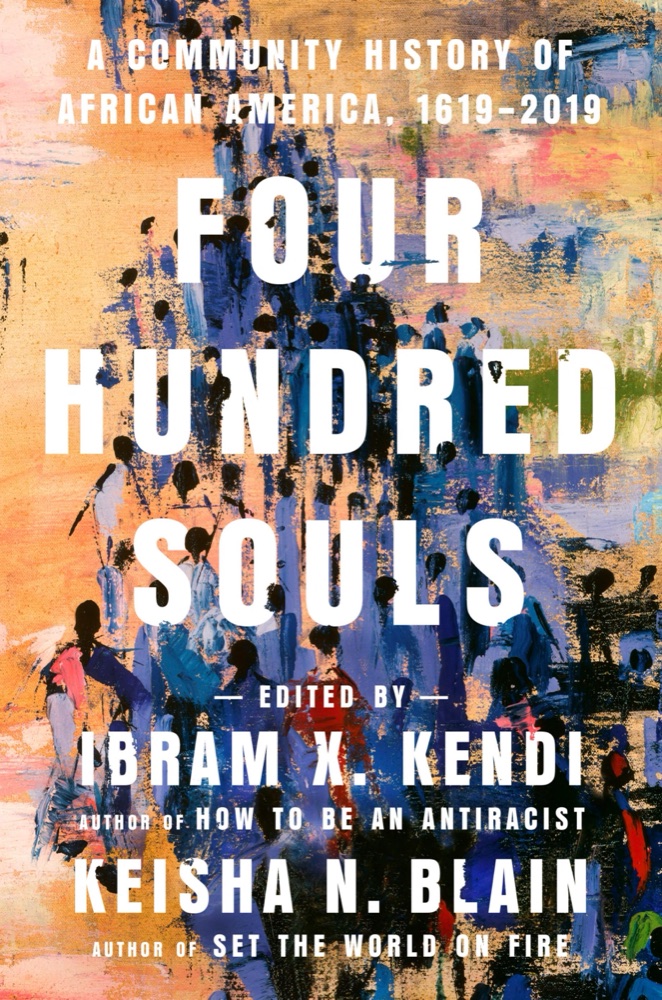 Four Hundred Souls: A Community History of African America, 1619-2019
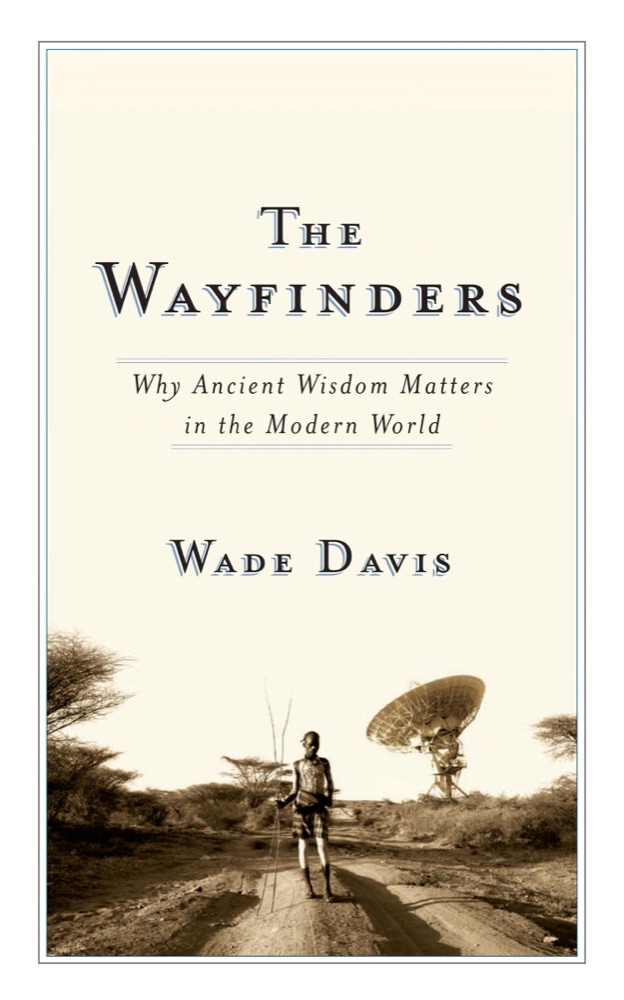 The Wayfinders: Why Ancient Wisdom Matters in the Modern World
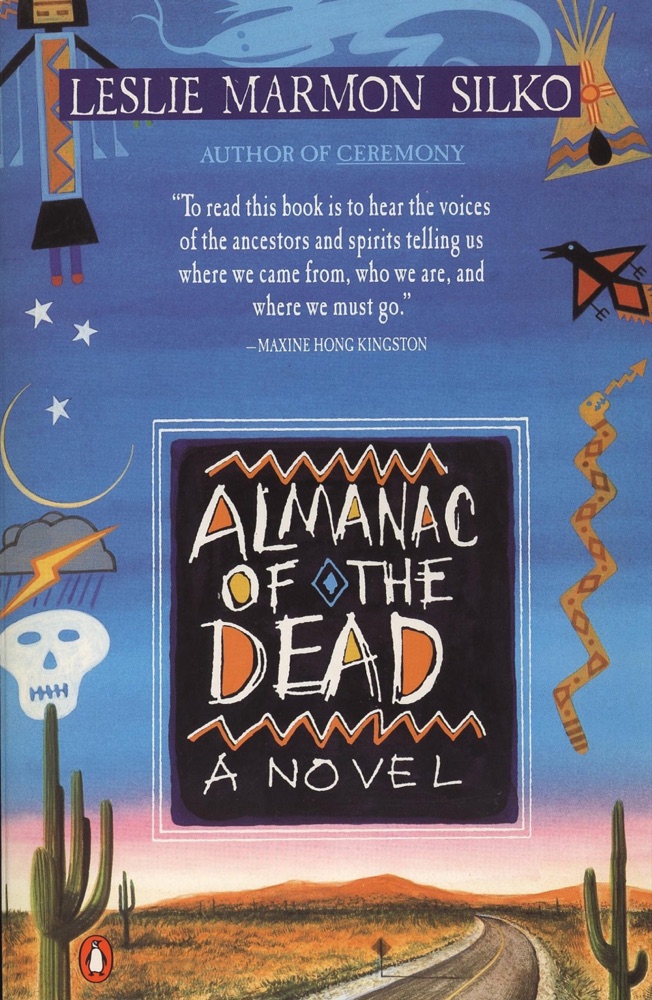 Almanac of the Dead
 A History of the World in 100 Objects
 Doppelganger: A Trip into the Mirror World
 Always Coming Home
 We Gon' Be Alright: Notes on Race and Resegregation
 The Wretched of the Earth
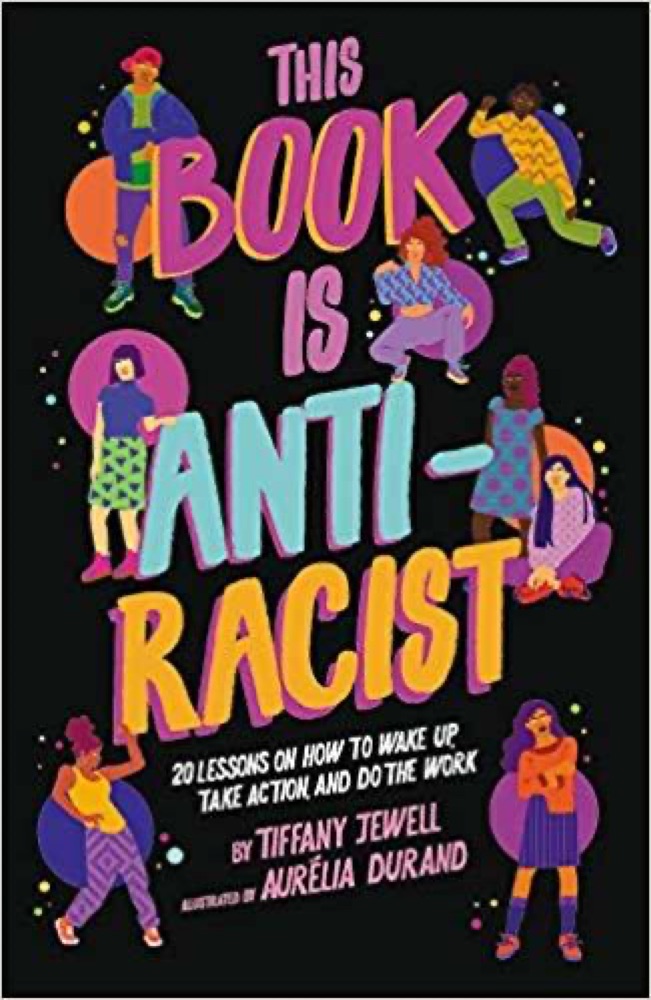 This Book Is Anti-Racist: 20 Lessons on How to Wake Up, Take Action, and Do the Work
 1491: New Revelations of the Americas Before Columbus
 The Message
 The Source of Self-Regard: Selected Essays, Speeches, and Meditations
 Collapse: How Societies Choose to Fail or Succeed
 Across That Bridge: A Vision for Change and the Future of America
 Emergent Strategy: Shaping Change, Changing Worlds
 Homegoing
 The Island of Missing Trees
 This Bridge Called My Back: Writings by Radical Women of Color
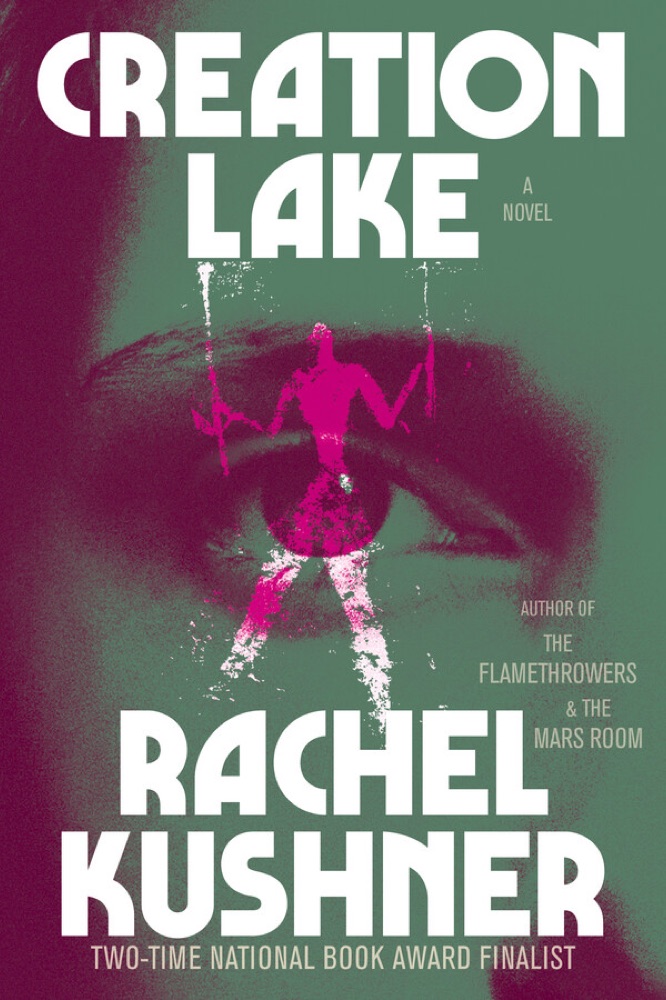 Creation Lake
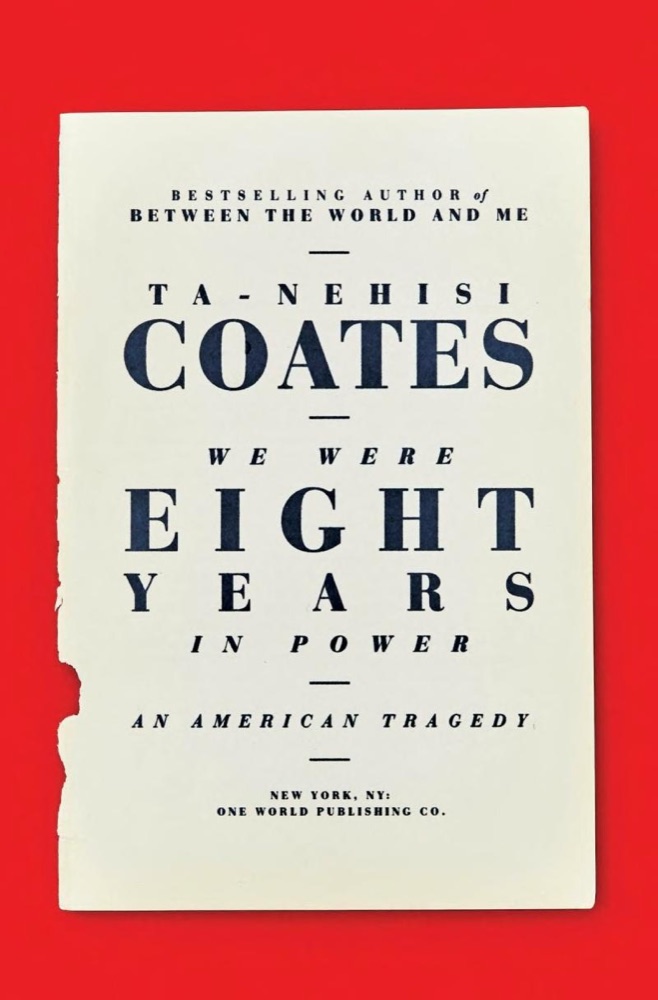 We Were Eight Years in Power: An American Tragedy
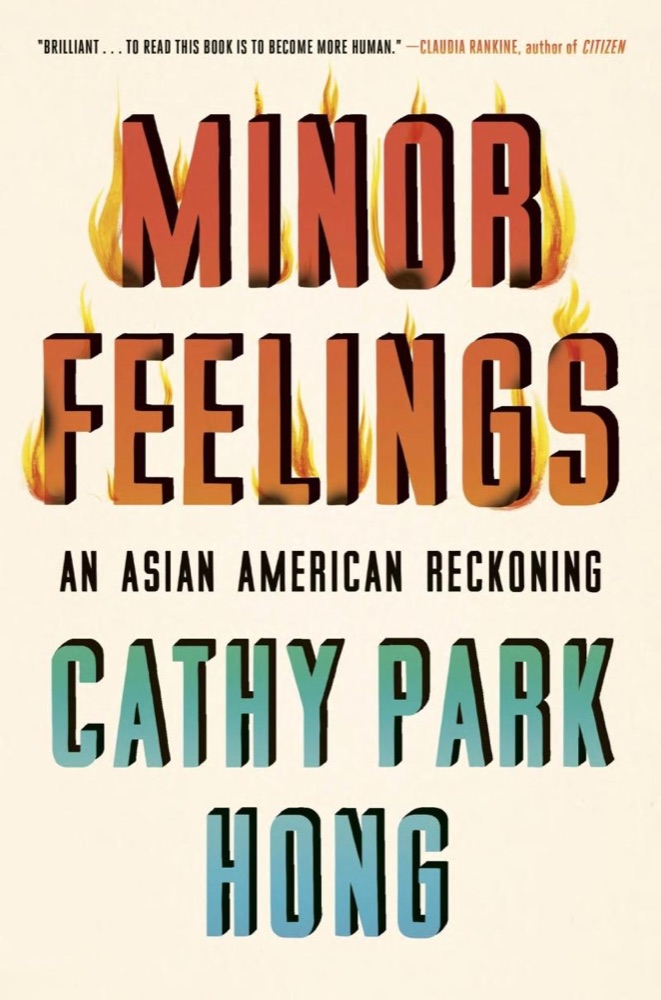 Minor Feelings: An Asian American Reckoning
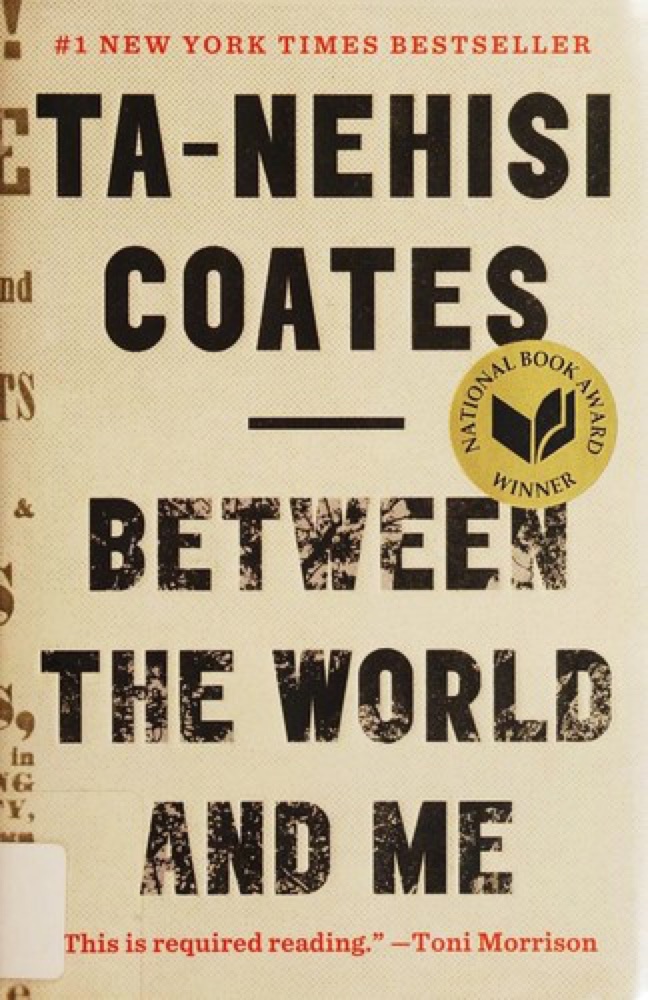 Between the World and Me
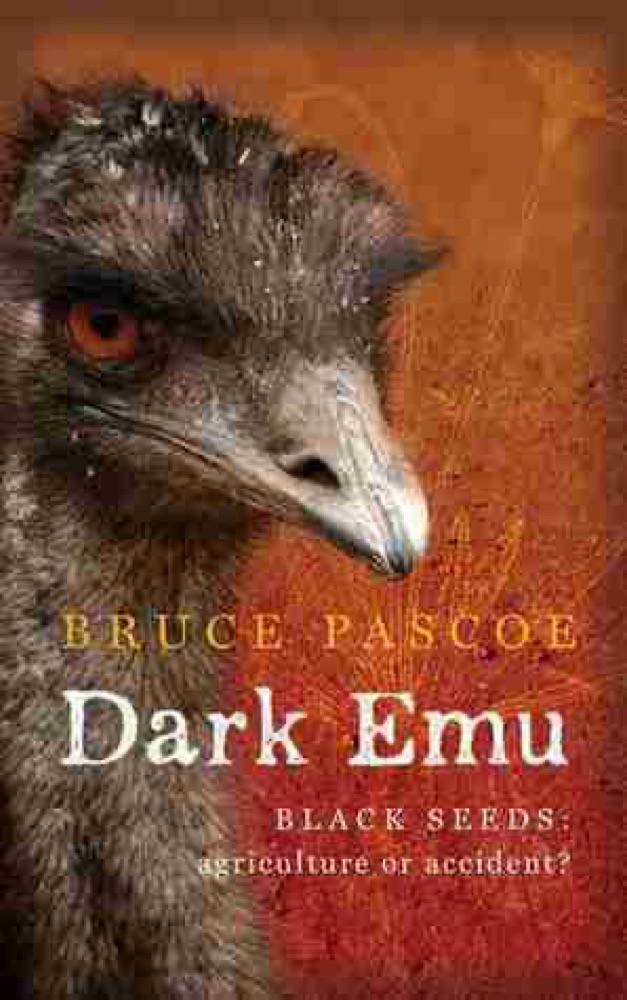 Dark Emu
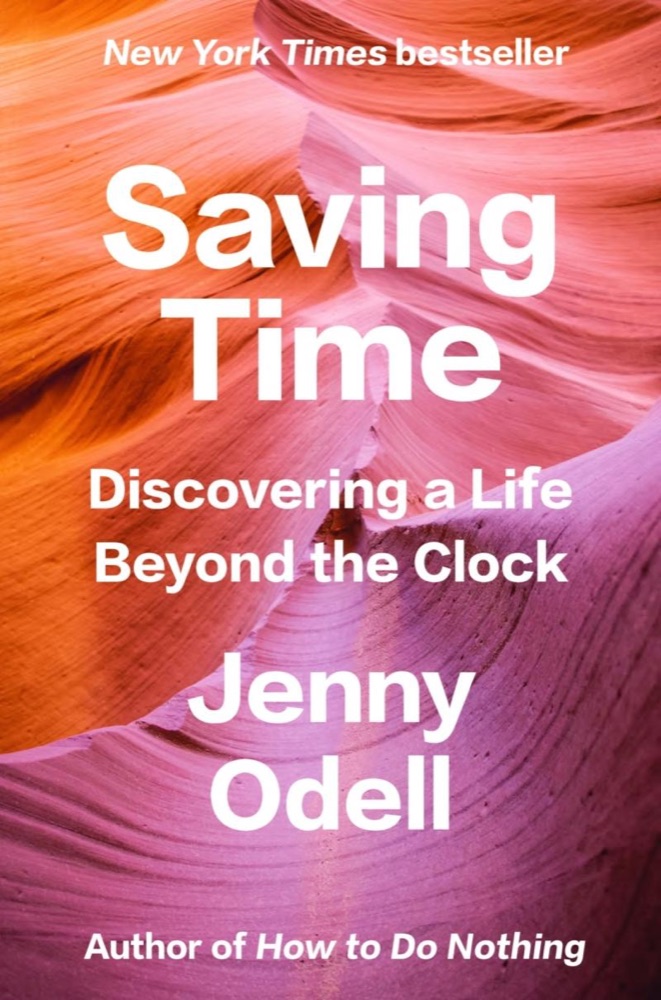 Saving Time: Discovering a Life Beyond the Clock
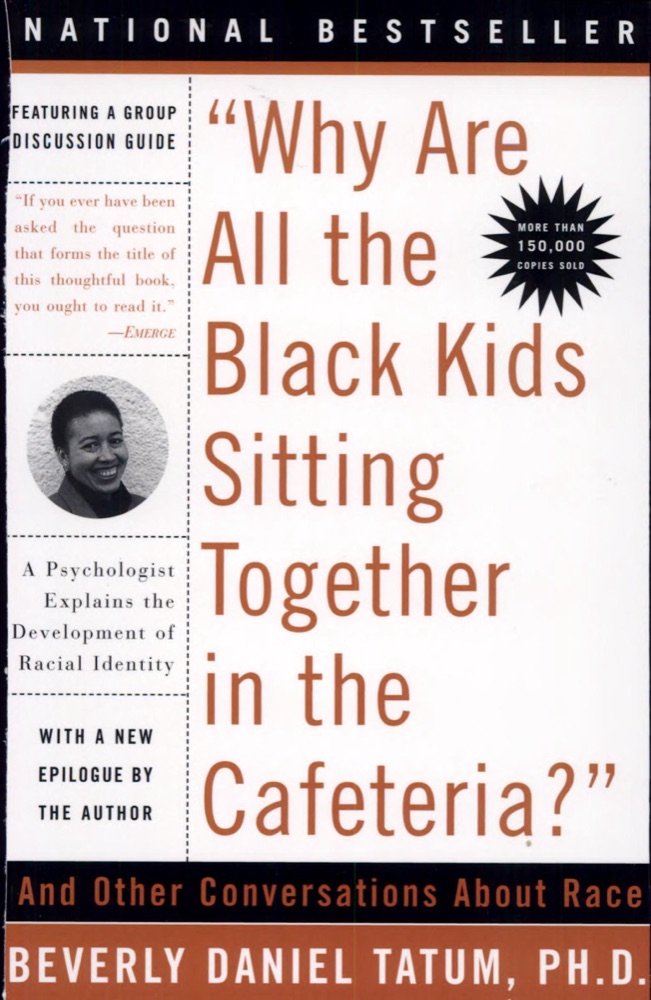 Why Are All The Black Kids Sitting Together in the Cafeteria?
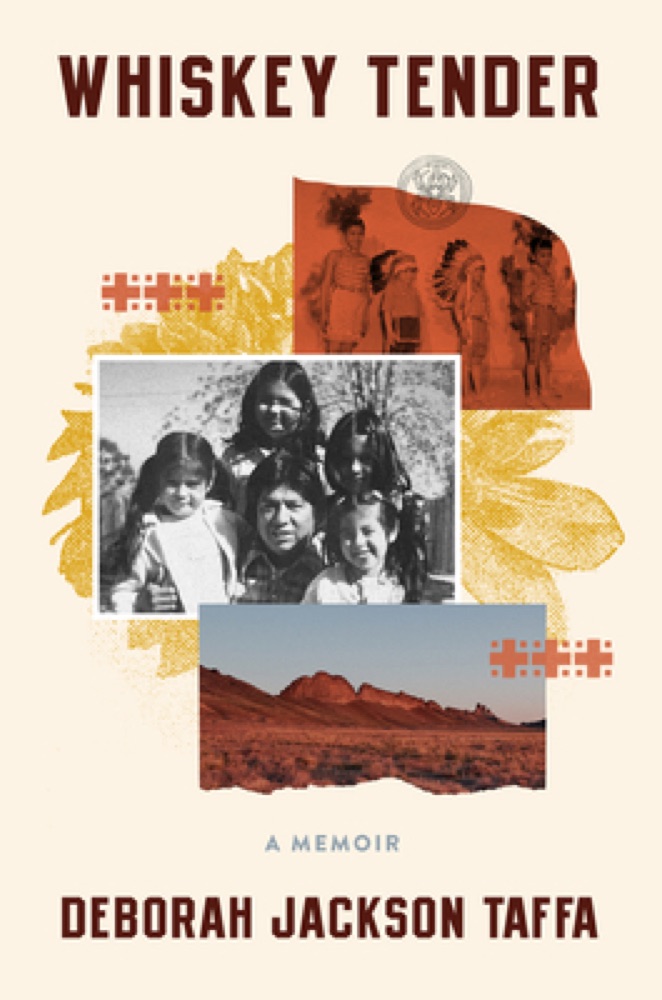 Whiskey Tender: A Memoir
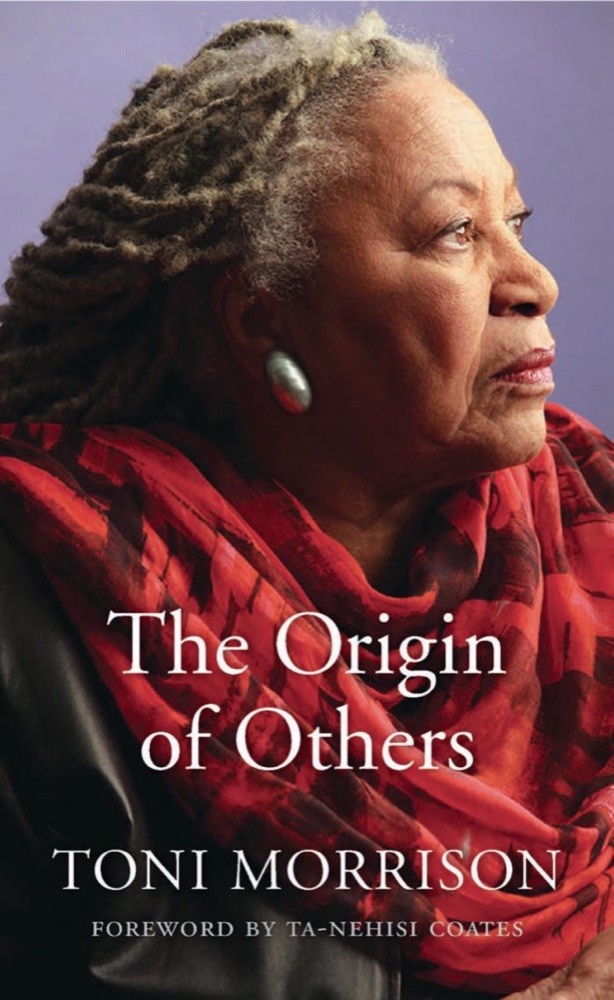 The Origin of Others
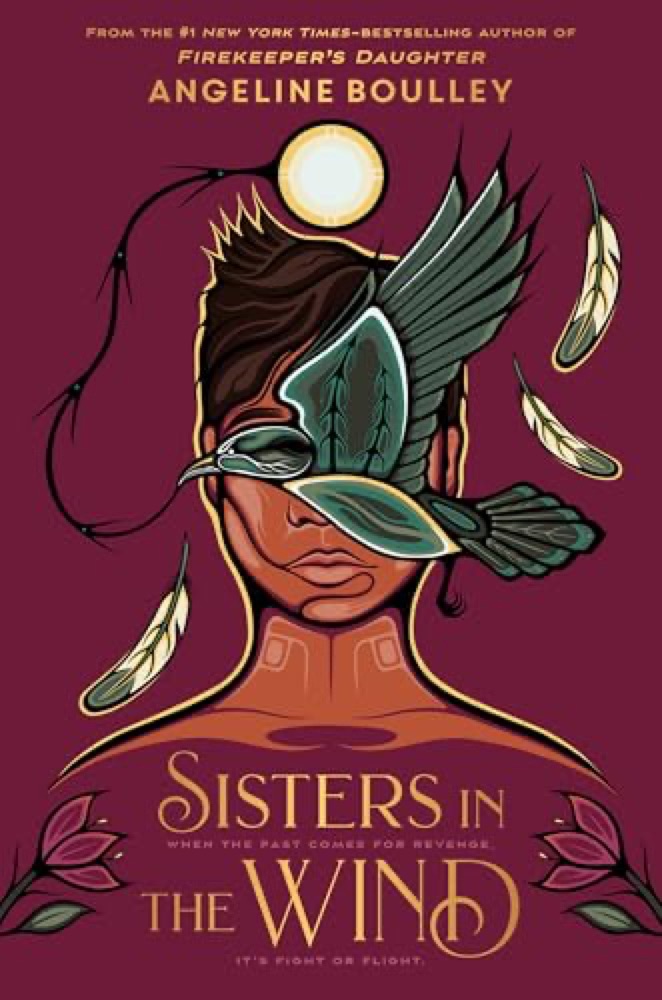 Sisters in the Wind
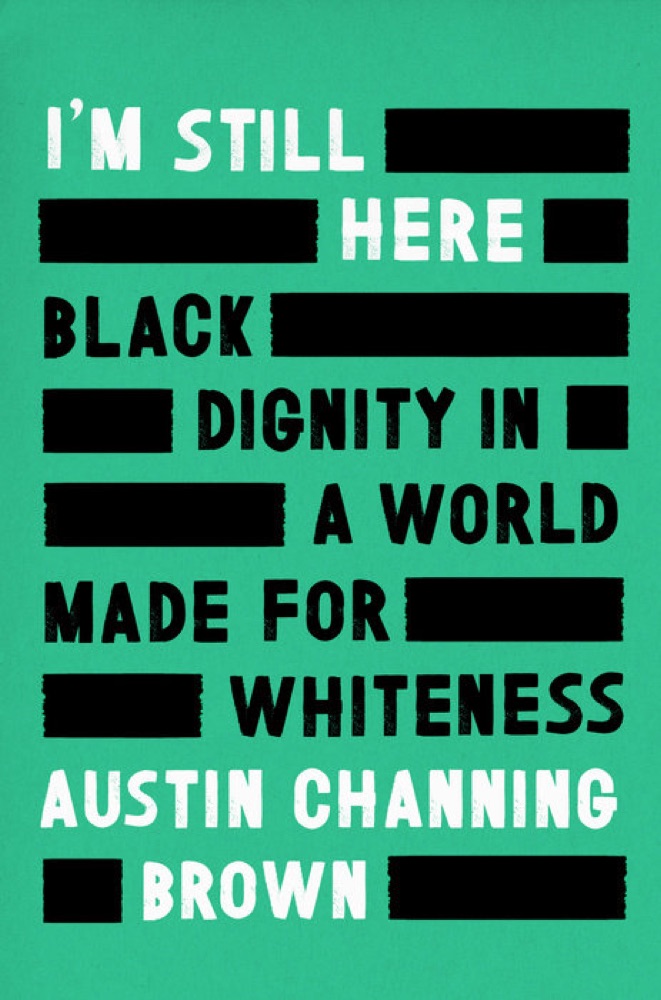 I'm Still Here: Black Dignity in a World Made for Whiteness
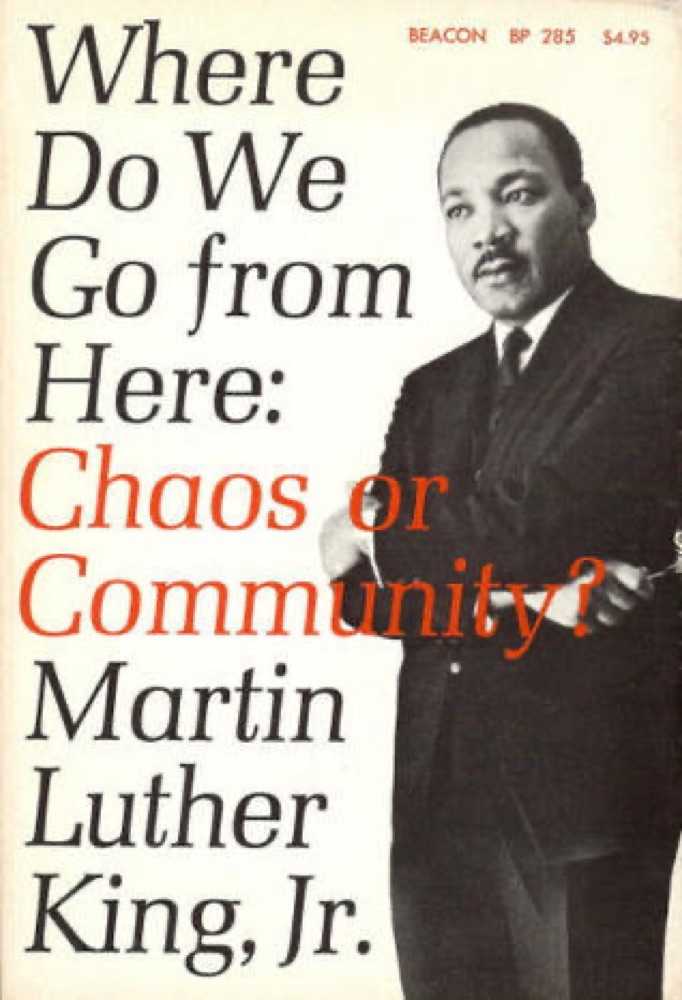 Where Do We Go from Here: Chaos or Community?