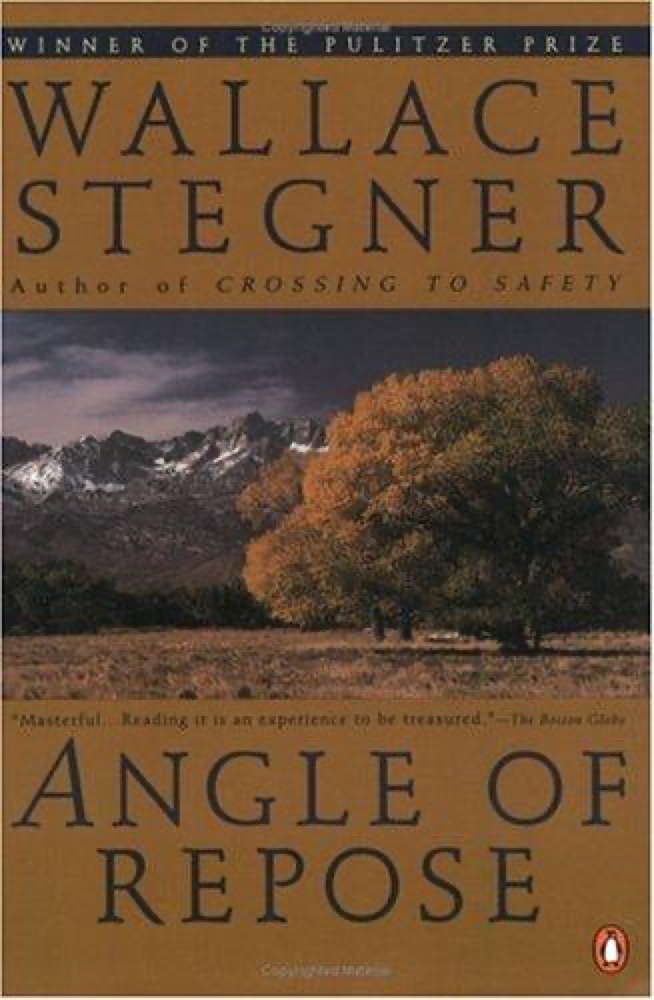
 Angle of Repose
Quotes from the Book
The deep ecologists warn us not to be anthropocentric, but I know no way to look at the world, settled or wild, except through my own human eyes. I know that is wasn't created especially for my use, and I share the guilt for what members of my species, especially the migratory ones, have done to it. But I am the only instrument that I have access to by which I can enjoy the world and try to understand it. So I must believe that, at least to human perception, a place is not a place until people have been born in it, have grown up in it, have lived in it, known it, died in it--have both experienced and shaped it, as individuals, families, neighborhoods, and communities, over more than one generation. Some are born in their place, some find it, some realize after long searching that the place they left is the one they have been searching for. But whatever their relation to it, it is made a place only by slow accrual, like a coral reef.
19
Homesickness is a great teacher. It taught me, during an endless rainy fall, that I came from the arid lands, and like where I came from. I was used to dry clarity and sharpness in the air. I was used to horizons that either lifted into jagged ranges or rimmed the geometrical circle of the flat world. I was used to seeing a long way. I was used to earth colors--tan, rusty red, toned white--and the endless green of Iowa offended me. I was used to a sun that came up over mountains and went down behind other mountains. I missed the color and smell of sagebrush, and the sight of bare ground.
12
It is not an unusual life curve for Westerners - to live i n and be shaped by the bigness, sparseness, space clarity & hopefulness of the West, to go away for study and enlargement and the perspective that distance and dissatisfaction can give, and then to return to what pleases the sight and enlists the loyalty and demands the commitment.
10
Literature is a function of temperament, and thank God there are many kinds of temperament and therefore many kinds of literature. I can speak only for my own, and after considerable acquaintance I have determined that my temperament is quiet, recessive, skeptical, and watchful. I don't like big noisy scenes, in fiction or in life. I avoid riots and mass meetings. It would embarrass me to chase fire engines. I have a hard enough time making sense out of what my life hands me, without going out to hunt for more exciting events.
8
Perceptions trained in another climate and another landscape have had to be modified. That means we have had to learn to quit depending on perceptual habit. Our first and hardest adaptation was to learn all over again how to see. Our second was to learn to like the new forms and colors and light and scale when we had learned to see them. Our third was to develop new techniques, a new palette, to communicate them. And our fourth, unfortunately out of of our control, was to train an audience that would respond to what we wrote or painted.
8
How to write a story, though ignorant or baffled. You take something that is important to you, something you have brooded about. You try to see it as clearly as you can, and to fix it in a transferable equivalent. All you want in the finished print is the clean statement of the lens, which is yourself, on the subject that has been absorbing your attention. Sure, it's autobiography. Sure, it's fiction. Either way, if you have done it right, it's true.
5
You are at once a lasting presence and an unhealed wound.
4
The only life we know well, the one on which we are the ultimate authority, is our own. The only experience to which we can bear witness is that which we have personally endured and observed.
4
Maybe we were the Diggers of literature.
3
And so this is the long road the nation traveled to get to Earthday, 1970, and beyond. Those who lead us down it… did not leave us a bad legacy considering the mood in which the continent was settled, and the amount we had to learn, we can be grateful that those battles do not have to be fought, at least not on the same fields, again. We can be just as certain that others will have to be. Environmentalism or conservation or preservation, or whatever it should be called, is not a fact, and never has been. It is a job.
2
Westerners live outdoors more than people elsewhere because outdoors is mainly what they've got.
2
As the country at large grows more stressful as a dwelling place, the quiet, remoteness, and solitude of a week on a wild river become more and more precious to more and more people.
1
In fiction I think we should have no agenda except to try to be truthful. The shouters in thunder roar from their podiums and pulpits; I squeak from my corner.
We have made a tradition out of mourning the passing of things we never had time really to know, just as we have made a culture out of the open road, out of movement without place.
Neither place nor I had a chance of being anything unless we could live together for a while. I spent my youth envying people who had lived all their lives in the houses they were born in, and had attics full of proof that they had lived.
I think the attitude is characteristically western. We feel more affinity with Romulus and Remus than with Nero. We are still busy founding Rome while in New York they fiddle to celebrate its burning.
Some Heisenberg principle frustrates critics who try to analyze how stories are written. Whatever they can analyze has to be dead before it can be dissected.
We can't tell who first had an idea; we can only tell who first had it influentially, who formulated it in a striking way and left it in some form, poem or equation or picture, that others could stumble upon with the shock of recognition. The radical ideas that have been changing our attitudes toward our habitat have been around forever.
I really only want to say that we may love a place and still be dangerous to it.
Dutton describes a process of westernization of the perceptions that has to happen before the West is beautiful to us. You have to get over the color green; you have to quit associating beauty with gardens and lawns; you have to get used to an inhuman scale; you have to understand geological time.
The outsider never gets over its heightened and romantic notions of the West. The West never gets over its heightened and romantic notions of itself.
The best thing we have learned from nearly five hundred years of contact with the American wilderness is restraint, the willingness to hold our hand: to visit such places for our souls’ good, but leave no tracks.
For somehow, against probability, some sort of indigenous, recognizable culture has been growing on western ranches and in western towns and even in western cities. It is the product not of the boomers but of the stickers, not of those who pillage and run but of those who settle, and love the life they have made and the place they have made it in.
About Wallace Stegner
We have collected 120 quotes from 6 books by Wallace Stegner on BookQuoters.
More about the author →More by Wallace Stegner
All books by Wallace Stegner →
About the book
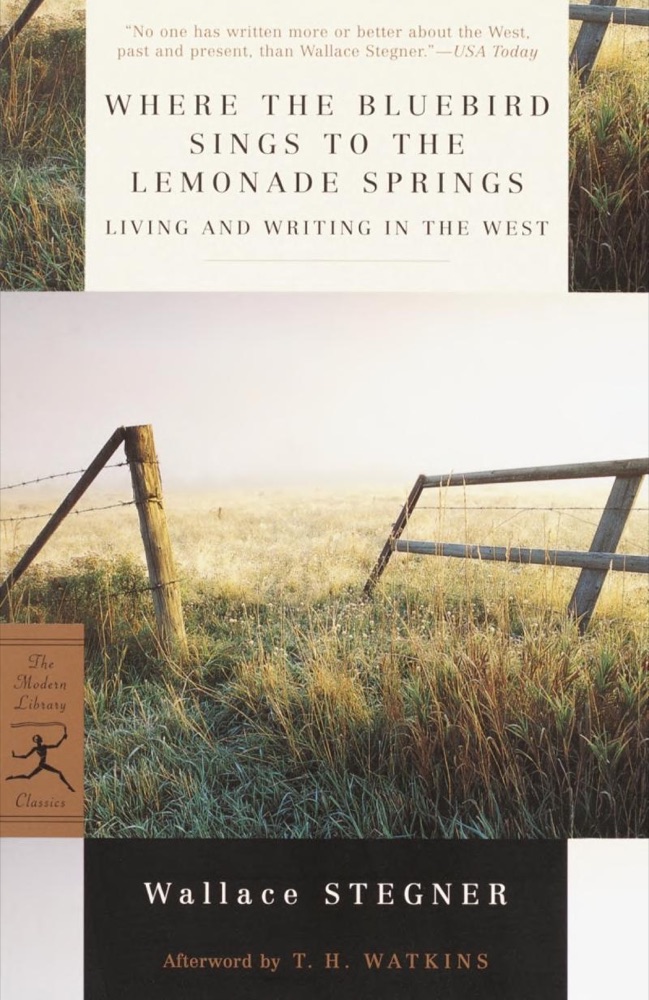
Nominated for a National Book Critics Circle award, Where the Bluebird Sings to the Lemonade Springs gathers together Wallace Stegner’s most important and memorable writings on the American its landscapes, diverse history, and shifting identity; its beauty, fragility, and power. With subjects ranging from the writer’s own “migrant childhood” to the need to protect what remains of the great western wilderness (which Stegner dubs “the geography of hope”) to poignant profiles of western writers such as John Steinbeck and Norman Maclean, this collection is a riveting testament to the power of place. At the same time it communicates vividly the sensibility and range of this most gifted of American writers, historians, and environmentalists.
Book details
- First published
- 1992
- Author
- Wallace Stegner
- Genre
- Nonfiction
- Goodreads rating
- 4.09 (2k ratings)
Keep reading
 West with the Night
 Travels with Charley: In Search of America
 Arctic Dreams
 Deep Creek: Finding Hope in the High Country
 The Sea Keeper's Daughters
 The Journey Home: Some Words in Defense of the American West
 When I Was a Child I Read Books
 The World-Ending Fire: The Essential Wendell Berry
 Big Sur and the Oranges of Hieronymus Bosch
 O Pioneers!
 On Trails: An Exploration
 The Solace of Open Spaces
 Island Home
 Always Coming Home
 The Faraway Nearby
 The Abundance
 The White Album
 There Are Rivers in the Sky
 Open City
 Small Wonder
 The Last American Man
 Flights
 White Noise
 The Plover
 Upstream: Selected Essays
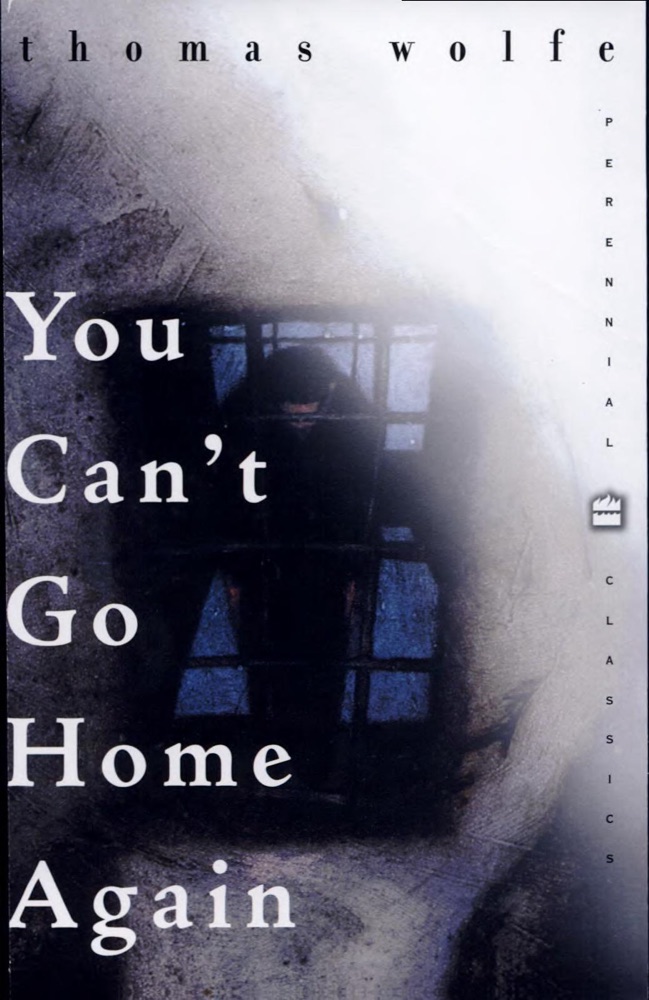 You Can't Go Home Again
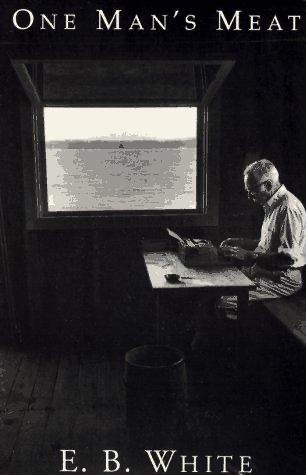 One Man's Meat
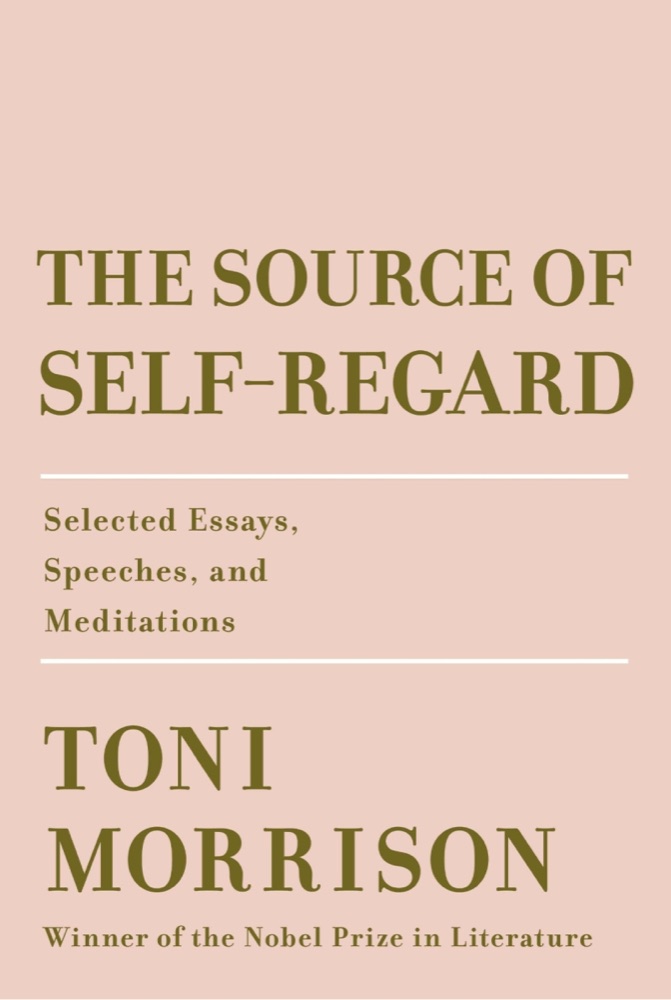 The Source of Self-Regard: Selected Essays, Speeches, and Meditations
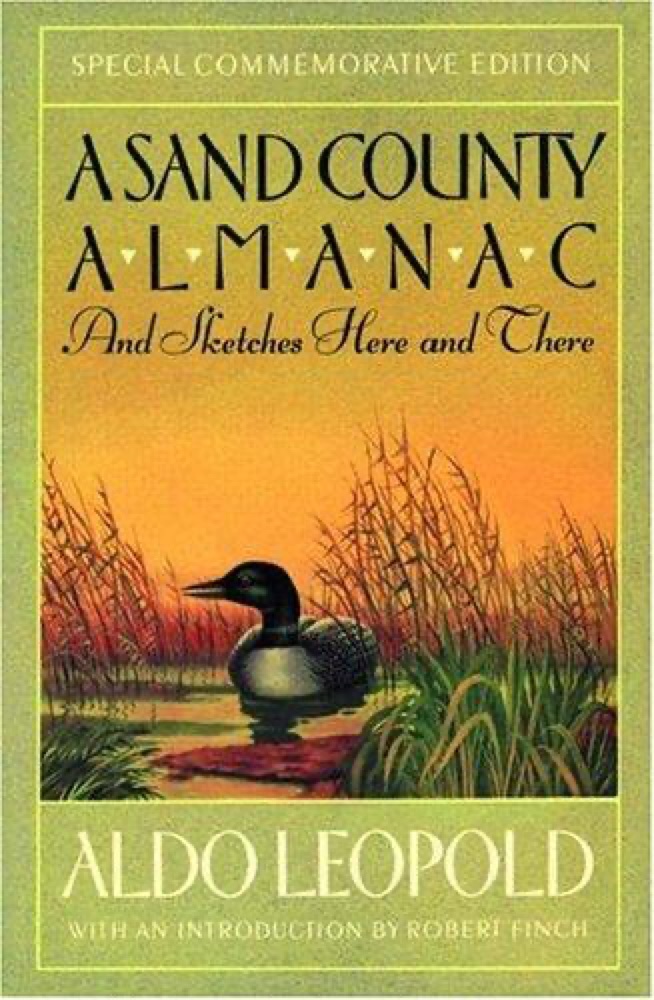 A Sand County Almanac and Sketches Here and There
 Leaving Before the Rains Come
 Blue Highways
 The Golden House
 Essays of E.B. White
 Winter Hours: Prose, Prose Poems, and Poems
 The Cat's Table
 Wandering Stars
 These Precious Days: Essays
 Notes from No Man's Land
 The Hour of Land: A Personal Topography of America's National Parks
 In the Light of What We Know
 Creation Lake
 H is for Hawk
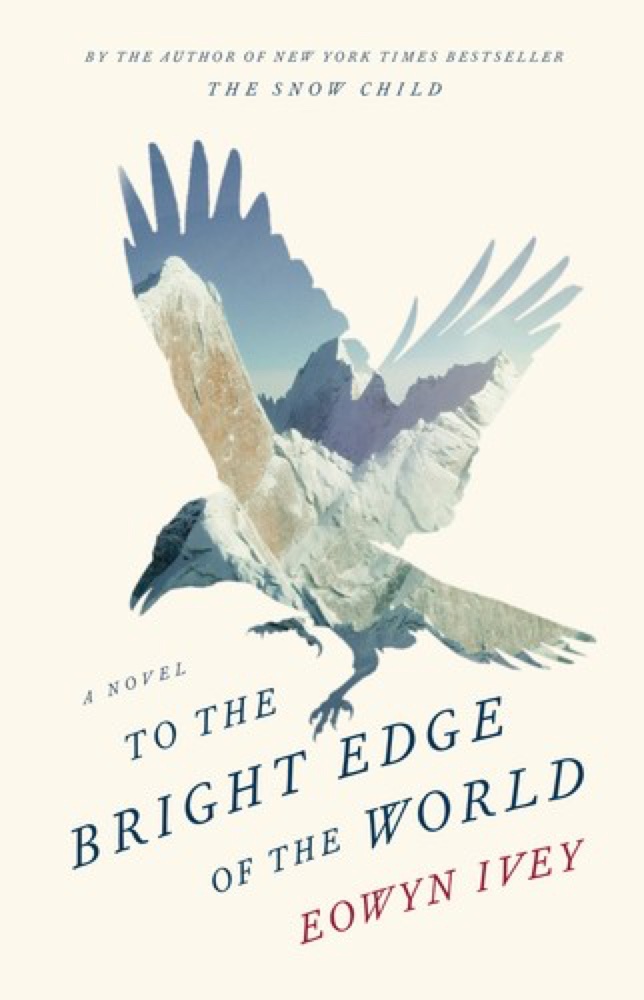 To The Bright Edge of the World
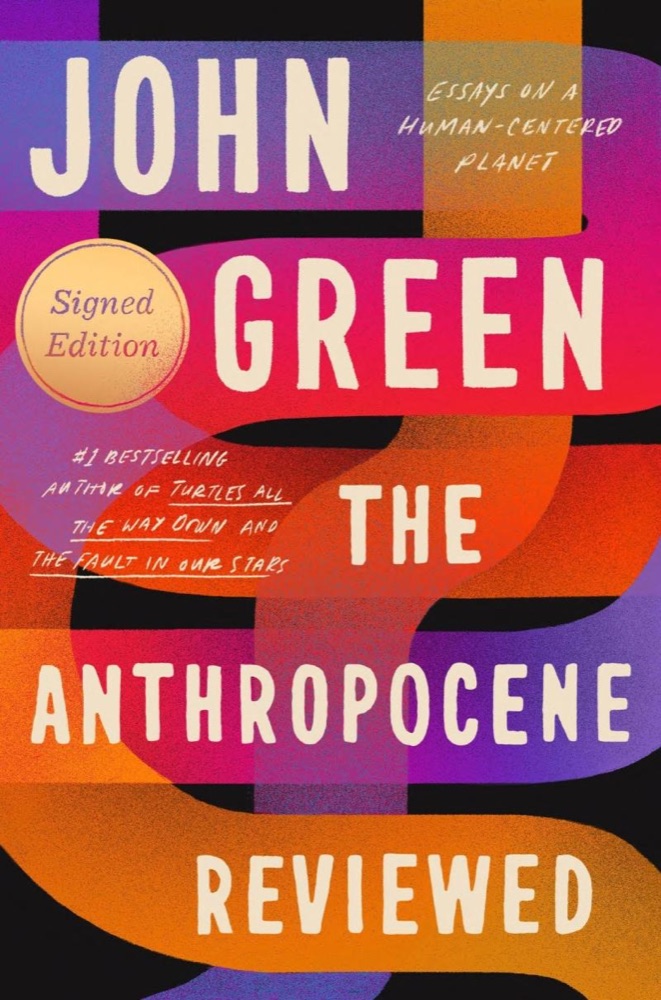 The Anthropocene Reviewed: Essays on a Human-Centered Planet
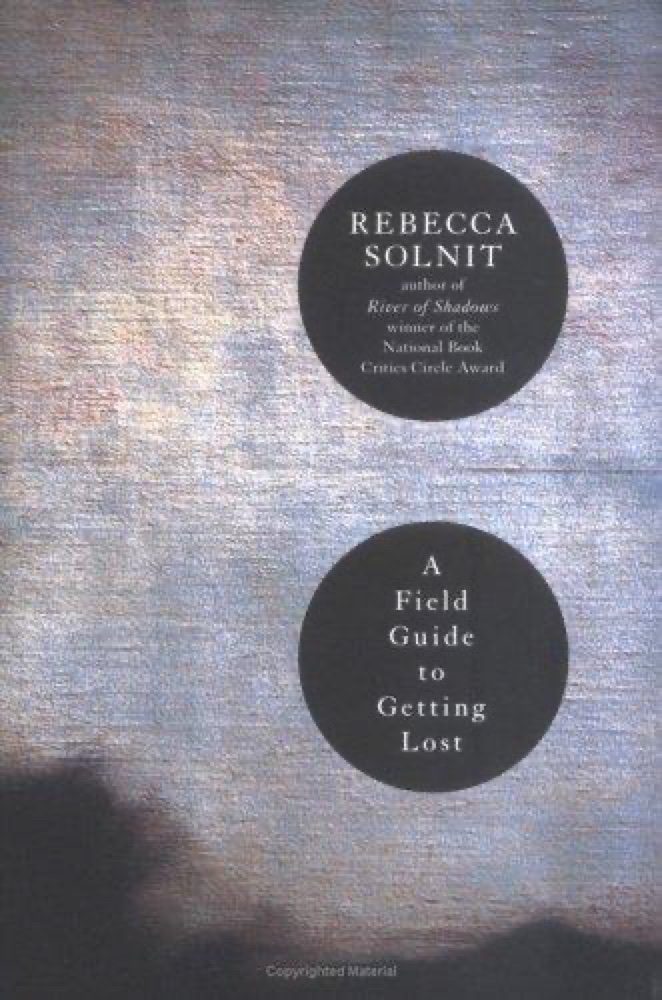 A Field Guide to Getting Lost
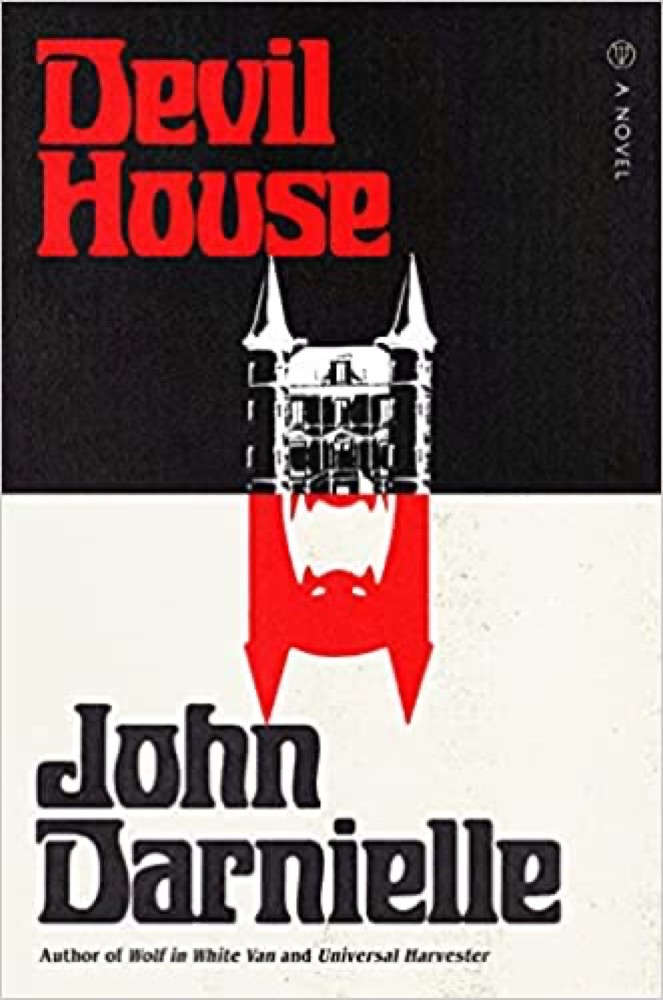 Devil House
 On Such a Full Sea
 The Common Reader
 Plainwater: Essays and Poetry
 Opened Ground
 The Ground Beneath Her Feet
 The House at Riverton
 Wild Ducks Flying Backward
 Vesper Flights
 A River Runs Through It and Other Stories
 Walden and other writings
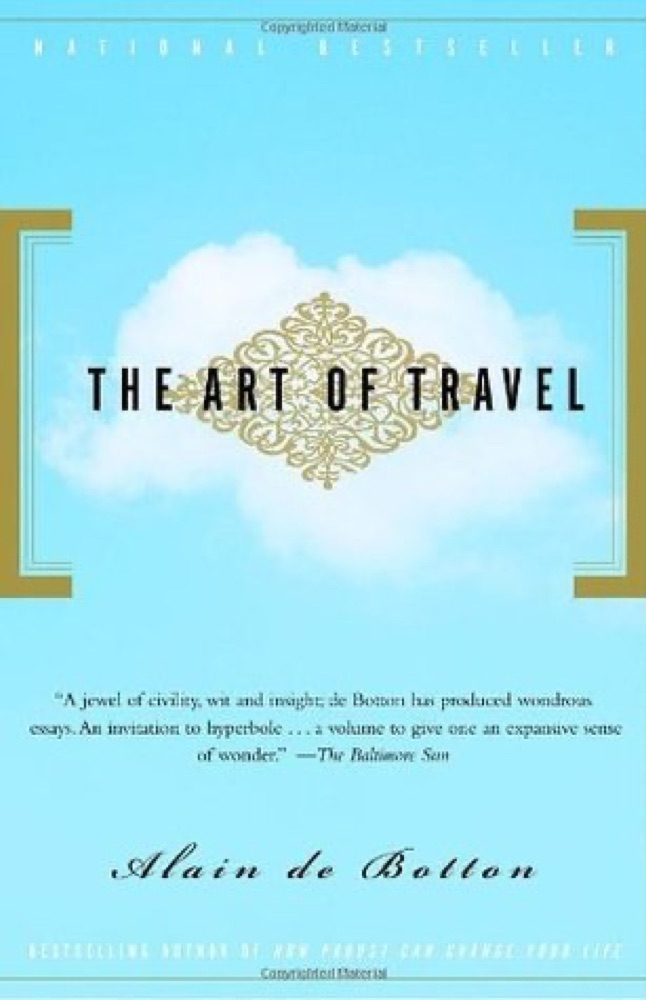 The Art of Travel
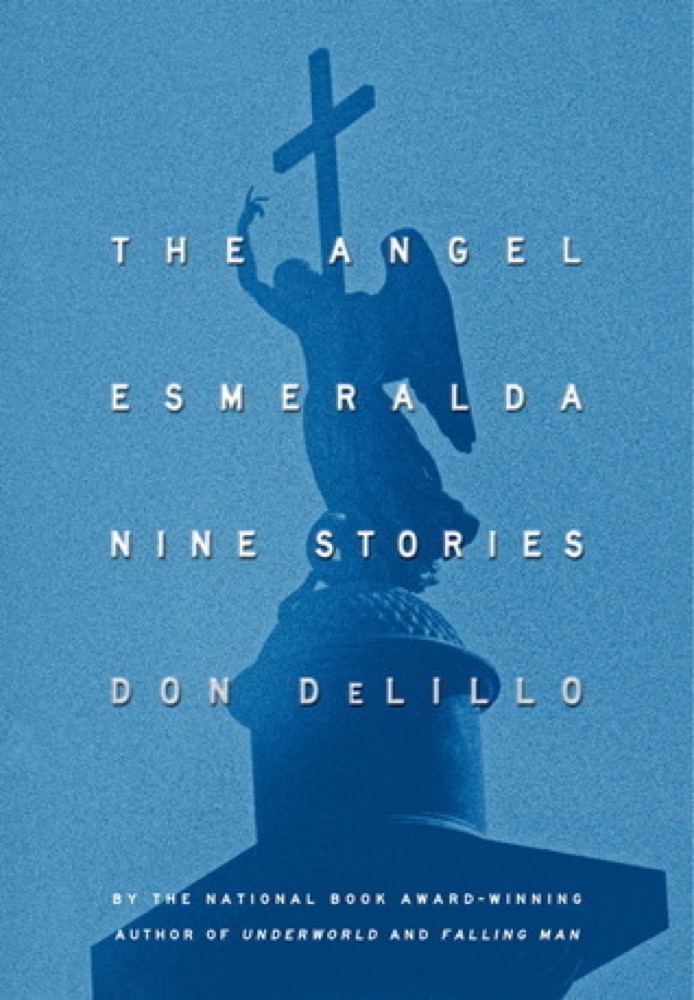 The Angel Esmeralda
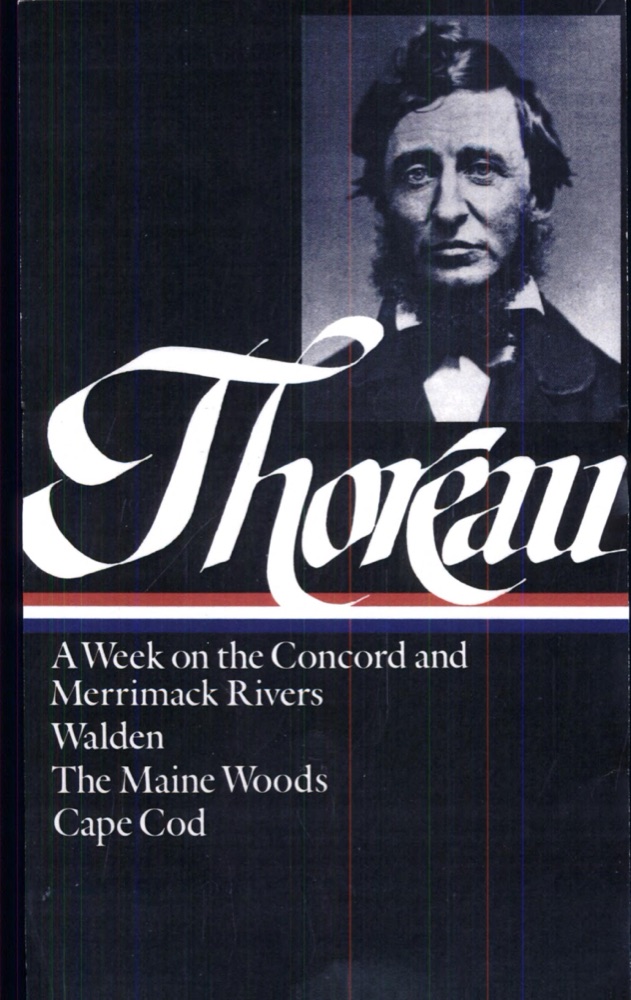 Henry David Thoreau: A Week, Walden, The Maine Woods, Cape Cod
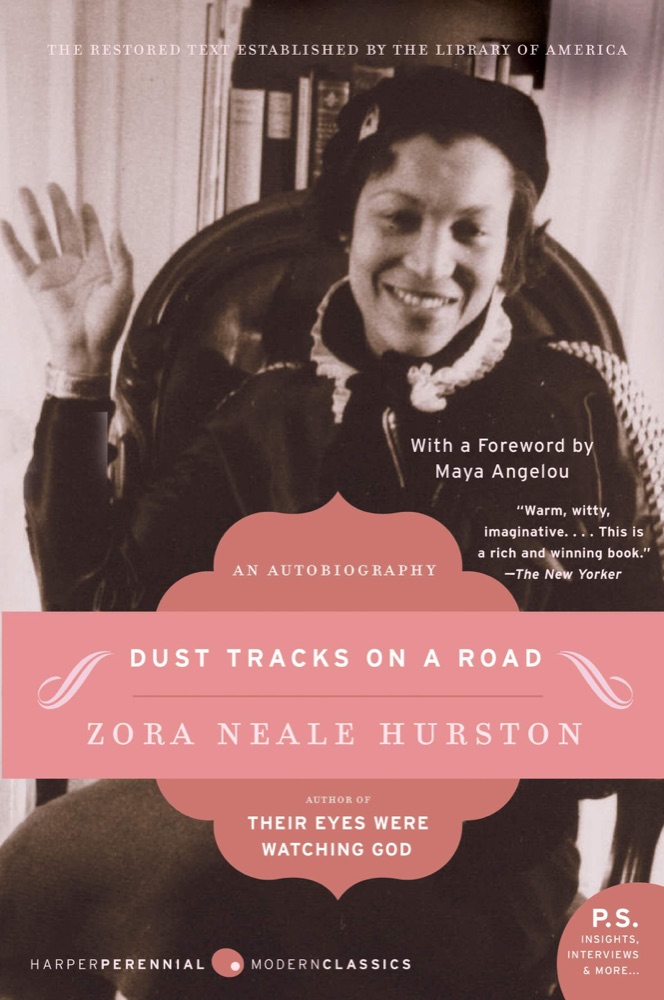 Dust Tracks on a Road