
 Hope in the Dark: The Untold History of People Power
Quotes from the Book
Men explain things to me, still. And no man has ever apologized for explaining, wrongly, things that I know and they don't.
Every woman knows what I’m talking about. It’s the presumption that makes it hard, at times, for any woman in any field; that keeps women from speaking up and from being heard when they dare; that crushes young women into silence by indicating, the way harassment on the street does, that this is not their world. It trains us in self-doubt and self-limitation just as it exercises men’s unsupported overconfidence.
Some women get erased a little at a time, some all at once. Some reappear. Every woman who appears wrestles with the forces that would have her disappear. She struggles with the forces that would tell her story for her, or write her out of the story, the genealogy, the rights of man, the rule of law. The ability to tell your own story, in words or images, is already a victory, already a revolt.
How can I tell a story we already know too well? Her name was Africa. His was France. He colonized her, exploited her, silenced her, and even decades after it was supposed to have ended, still acted with a high hand in resolving her affairs in places like Côte d'Ivoire, a name she had been given because of her export products, not her own identity. Her name was Asia. His was Europe. Her name was silence. His was power. Her name was poverty. His was wealth. Her name was Her, but what was hers? His name was His, and he presumed everything was his, including her, and he thought be could take her without asking and without consequences. It was a very old story, though its outcome had been changing a little in recent decades. And this time around the consequences are shaking a lot of foundations, all of which clearly needed shaking. Who would ever write a fable as obvious, as heavy-handed as the story we've been given? ... His name was privilege, but hers was possibility. His was the same old story, but hers was a new one about the possibility of changing a story that remains unfinished, that includes all of us, that matters so much, that we will watch but also make and tell in the weeks, months, years, decades to come.
We have an abundance of rape and violence against women in this country and on this Earth, though it's almost never treated as a civil rights or human rights issue, or a crisis, or even a pattern. Violence doesn't have a race, a class, a religion, or a nationality, but it does have a gender.
We know less when we erroneously think we know than when we recognize that we don’t.
Most women fight wars on two fronts, one for whatever the putative topic is and one simply for the right to speak, to have ideas, to be acknowledged to be in possession of facts and truths, to have value, to be a human being.
Afraid of the darkness of the unknown, the spaces in which we see only dimly, we often choose the darkness of closed eyes, of obliviousness.
Feminism is an endeavor to change something very old, widespread, and deeply rooted in many, perhaps most, cultures around the world, innumerable institutions, and most households on Earth—and in our minds, where it all begins and ends. That so much change has been made in four or five decades is amazing; that everything is not permanantly, definitively, irrevocably changed is not a sign of failure. A woman goes walking down a thousand-mile road. Twenty minutes after she steps forth, they proclaim that she still has nine hundred ninety-nine miles to go and will never get anywhere.
Women in the online gaming community have been harassed, threatened, and driven out. Anita Sarkeesian, a feminist media critic who documented such incidents, received support for her work, but also, in the words of a journalist, 'another wave of really aggressive, you know, violent personal threats, her accounts attempted to be hacked. And one man in Ontario took the step of making an online video game where you could punch Anita's image on the screen. And if you punched it multiple times, bruises and cuts would appear on her image.' The difference between these online gamers and the Taliban men who, last October, tried to murder fourteen-year-old Malala Yousafzai for speaking out about the right of Pakistani women to education is one of degree. Both are trying to silence and punish women for claiming voice, power, and the right to participate. Welcome to Manistan.
To spin the web and not be caught in it, to create the world, to create your own life, to rule your fate, to name the grandmothers as well as the fathers, to draw nets and not straight lines, to be a maker as well as a cleaner, to be able to sing and not be silenced, to take down the veil and appear: all these are the banners on the laundry line I hang out.
There are other ways women have been made to disappear. There is the business of naming.In some cultures women keep their names, but in most their children take the father's name, and in the English-speaking world until very recently, prefaced by Mrs. You stopped, for example, being Charlotte Bronte and became Mrs. Arthur Nicholls. Names erased a woman's genealogy and even her existence.
Women’s liberation has often been portrayed as a movement intent on encroaching upon or taking power and privilege away from men, as though in some dismal zero-sum game, only one gender at a time could be free and powerful.
billions of women must be out there on this seven-billion-person planet being told that they are not reliable witnesses to their own lives, that the truth is not their property, now or ever.
Despair is a form of certainty, certainty that the future will be a lot like the present or decline from it. Optimism is similarly confident about what will happen. Both are grounds for not acting. Hope can be the knowledge that reality doesn't necessarily match our plans.
Rape culture is an environment in which rape is prevalent and in which sexual violence against women is normalized and excused in the media and popular culture. Rape culture is perpetuated through the use of misogynistic language, the objectification of women’s bodies, and the glamorization of sexual violence, thereby creating a society that disregards women’s rights and safety. Rape culture affects every woman. Most women and girls limit their behavior because of the existence of rape. Most women and girls live in fear of rape. Men, in general, do not. That’s how rape functions as a powerful means by which the whole female population is held in a subordinate position to the whole male population, even though many men don’t rape, and many women are never victims of rape.
There’s no good reason (and many bad reasons) colleges spend more time telling women how to survive predators than telling the other half of their students not to be predators.
The worst criticism seeks to have the last word and leave the rest of us in silence; the best opens up an exchange that need never end.
Still, even now, when a woman says something uncomfortable about male misconduct, she is routinely portrayed as delusional, a malicious conspirator, a pathological liar, a whiner who doesn’t recognize it’s all in fun, or all of the above.
The ability to tell your own story, in words or images, is already a victory, already a revolt.
(Another way to put it: the more than 11,766 corpses from domestic-violence homicides between 9/11 and 2012 exceed the number of deaths of victims on that day and all American soldiers killed in the “war on terror.”)
At my glummest, I sometimes think women get to chose- between being punished for being unsubjugated and the continual punishment of subjugation.
But explaining men still assume I am, in some sort of obscene impregnation metaphor, an empty vessel to be filled with their wisdom and knowledge. A Freudian would claim to know what they have and I lack, but intelligence is not situated in the crotch—even if you can write one of Virginia Woolf’s long mellifluous musical sentences about the subtle subjugation of women in the snow with your willie.
...you don't have the memory of your future; {that}the future is indeed dark, which is the best thing it could be; and that, in the end, we always act in the dark. The effects of your actions may unfold in ways you cannot foresee or even imagine.
Marriage equality is a threat: to inequality. It's a book to everyone who values and benefits from equality. It's for all of us.
We tend to treat violence and the abuse of power as though they fit into airtight categories: harassment, intimidation, threat, battery, rape, murder. But I realize now that what I was saying is: it’s a slippery slope. That’s why we need to address that slope, rather than compartmentalizing the varieties of misogyny and dealing with each separately. Doing so has meant fragmenting the picture, seeing the parts, not the whole.
It's rare that anyone says what this medical study does, even if in the driest way possible "Being male has been identified as a risk factor for violent criminal behavior in several studies, as have exposure to tobacco smoke before birth, having antisocial parents, and belonging to a poor family". It's not that I want to pick on men. I just think that if we noticed that women are, on the whole, radically less violent, we might be able to theorize where violence come from and what we can do about it a lot more productively. Clearly the ready availability of guns is a huge problem for United States, but despite this availability to everyone, murder is still a crime committed by men 90 percent of the time.
After my book Wanderlust came out in 2000, I found myself better able to resist being bullied out of my own perceptions and interpretations. On two occasions around that time, I objected to the behavior of a man, only to be told that the incidents hadn't happened at all as I said, that I was subjective, delusional, overwrought, dishonest- in a nutshell, female.
The ways creative work gets done are always unpredictable, demanding room to roam, refusing schedules and systems. They cannot be reduced to replicable formulas.
Of course, women are capable of all sorts of major unpleasantness, and there are violent crimes by women, but the so-called war of the sexes is extraordinarily lopsided when it comes to actual violence. Unlike the last (male) head of the International Monetary Fund, the current (female) head is not going to assault an employee at a luxury hotel; top-ranking female officers in the US military, unlike their male counterparts, are not accused of any sexual assaults; and young female athletes, unlike those male football players in Steubenville, aren't likely to urinate on unconscious boys, let alone violate them and boast about it in YouTube videos and Twitter feeds. No female bus riders in India have ganged up to sexually assault a man so badly he dies of his injuries, nor are marauding packs of women terrorizing men in Cairo's Tahrir Square, and there's no maternal equivalent to the 11 percent of rapes that are by fathers or stepfathers.
Watch on YouTube
About Rebecca Solnit
We have collected 285 quotes from 10 books by Rebecca Solnit on BookQuoters.
More about the author →More by Rebecca Solnit
Hope in the Dark: The Untold History of People Power
 A Field Guide to Getting Lost
 Wanderlust: A History of Walking
 The Mother of All Questions
Book details
- Author
- Rebecca Solnit
- Genre
- Nonfiction
- Goodreads rating
- 3.83 (90k ratings) →
The buzz
- Kirkus ReviewsReview in Kirkus Reviewsprofessional review (via Book Marks)
- Toronto StarReview in Toronto Starprofessional review (via Book Marks)
- NewrepublicReview in Newrepublicprofessional review (via Book Marks)
- ForewordreviewsReview in Forewordreviewsprofessional review (via Book Marks)
- UtneReview in Utneprofessional review (via Book Marks)
- ProspectmagazineReview in Prospectmagazineprofessional review (via Book Marks)
Keep reading
The Mother of All Questions
 Not That Bad: Dispatches from Rape Culture
 Sex Object: A Memoir
 The Truth Will Set You Free, But First It Will Piss You Off!: Thoughts on Life, Love, and Rebellion
 The Geek Feminist Revolution
 Boys Will Be Boys: Power, Patriarchy and the Toxic Bonds of Mateship
 Whose Story Is This? Old Conflicts, New Chapters
 It's Not About the Burqa
 The Women's Room
 Headscarves and Hymens: Why the Middle East Needs a Sexual Revolution
 Cunt: A Declaration of Independence
 My Life on the Road
 Unspeakable Things: Sex, Lies and Revolution
 Bad Feminist
 The Soul of a Woman
 Everyday Sexism
 The Witches Are Coming
 Recollections of My Nonexistence: A Memoir
 Cassandra Speaks: When Women Are the Storytellers, the Human Story Changes
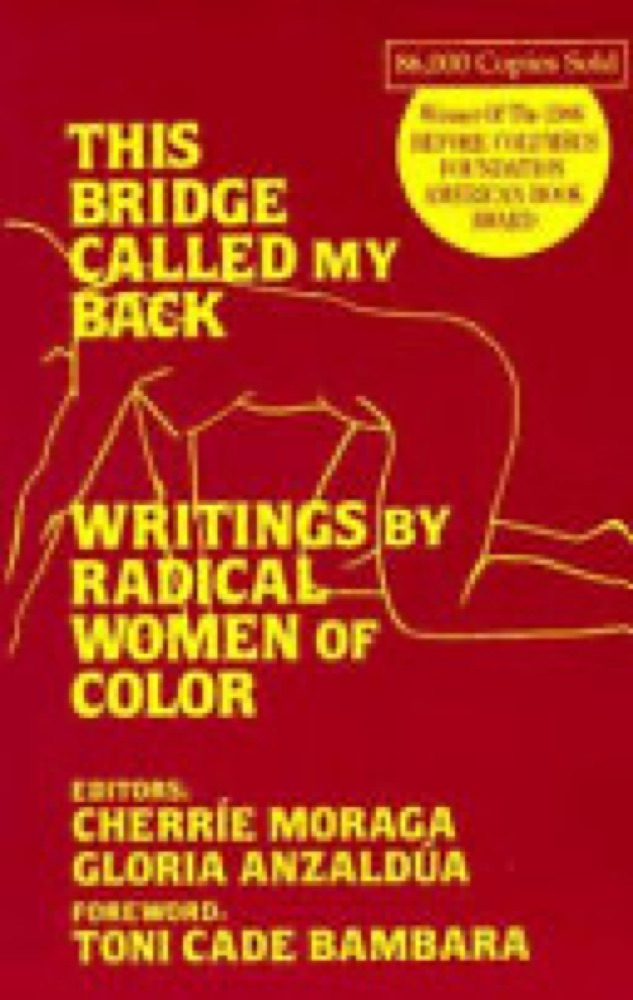 This Bridge Called My Back: Writings by Radical Women of Color
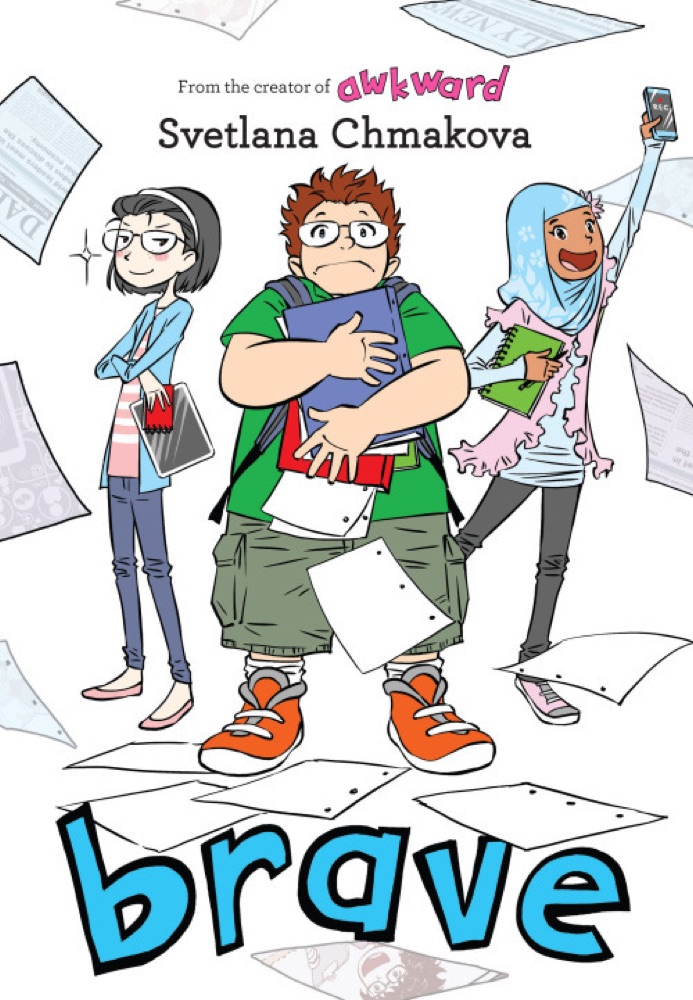 Brave
Brave
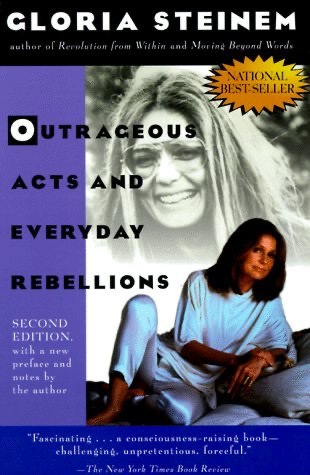 Outrageous Acts and Everyday Rebellions
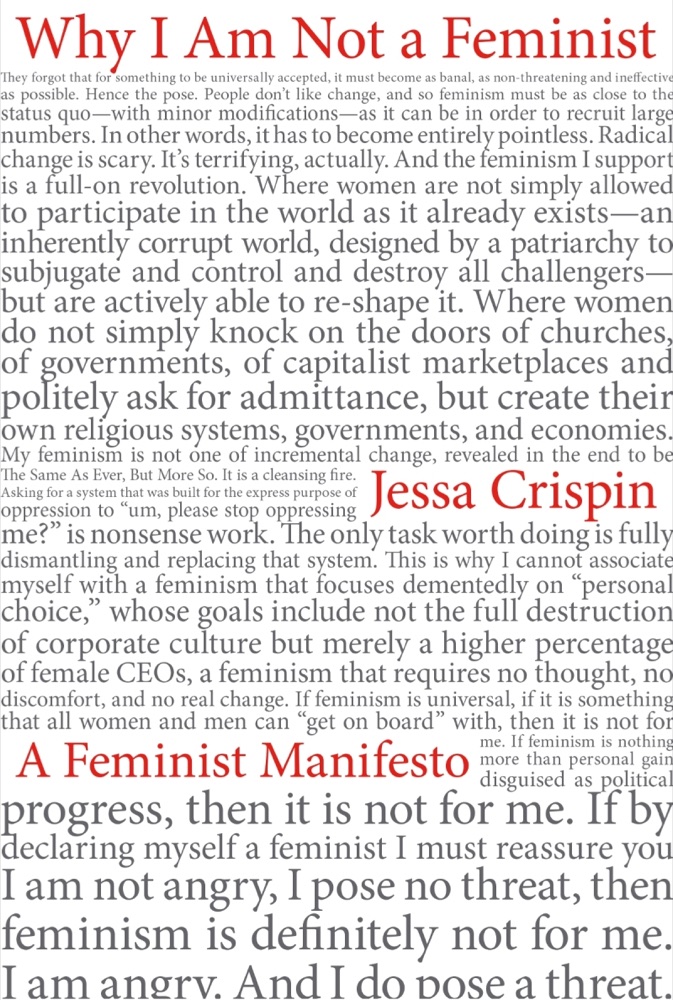 Why I Am Not a Feminist: A Feminist Manifesto
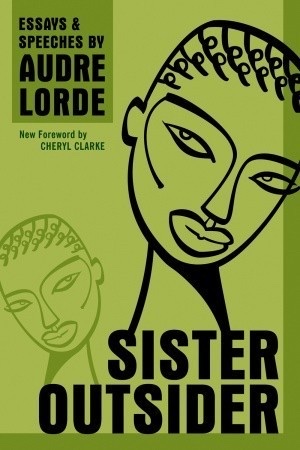 Sister Outsider: Essays and Speeches
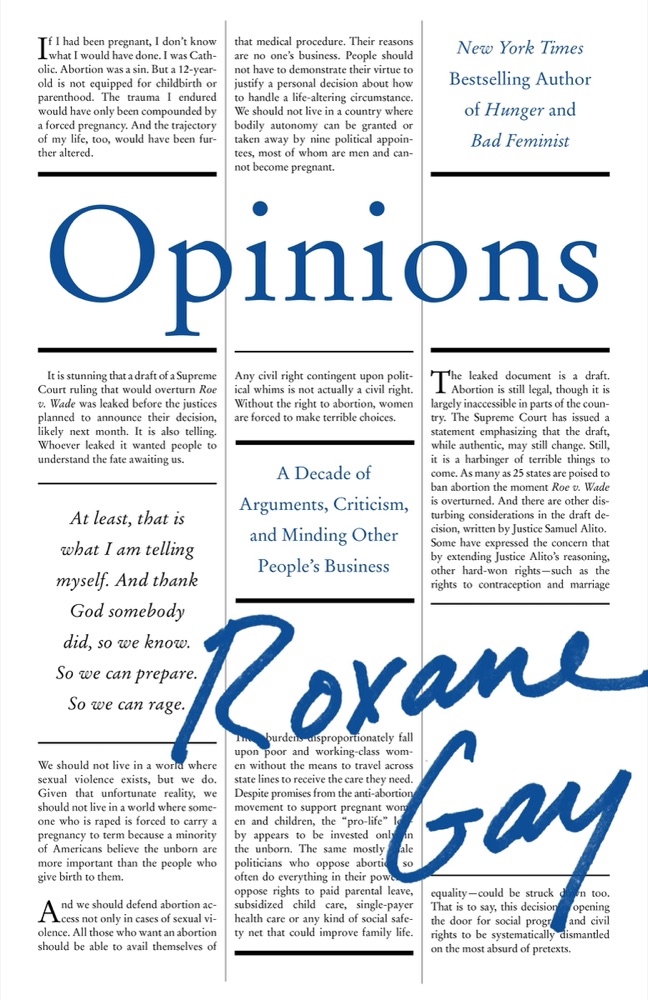 Opinions: A Decade of Arguments, Criticism, and Minding Other People’s Business
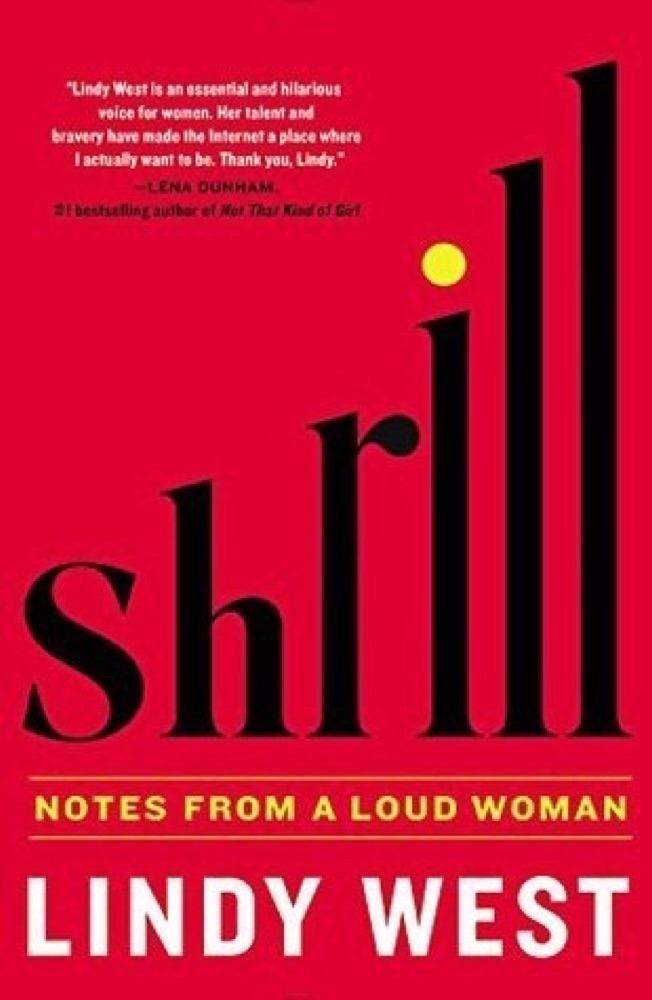 Shrill: Notes from a Loud Woman
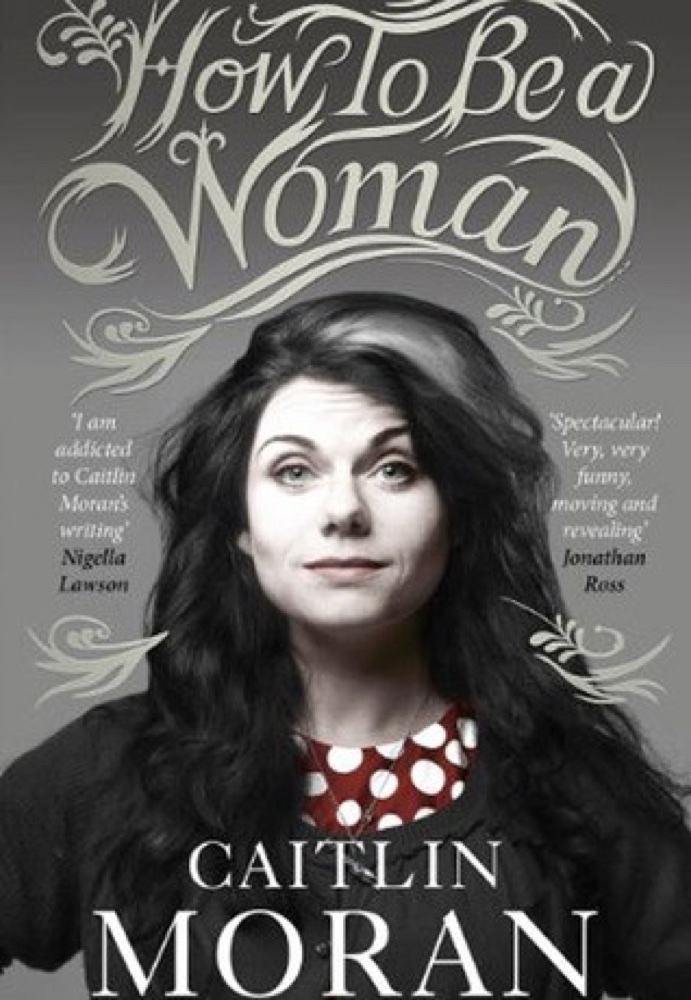 How to Be a Woman
 Living a Feminist Life
 Women Talking
 Disclosure
 When Women Were Dragons
 Bright Young Women
 Trainwreck: The Women We Love to Hate, Mock, and Fear... and Why
 Old Babes in the Wood: Stories
 Feminists Don't Wear Pink (And Other Lies): Amazing Women on What the F-Word Means to Them
 On Our Best Behavior: The Seven Deadly Sins and the Price Women Pay to Be Good
 The Master's Tools Will Never Dismantle the Master's House
 What Happened
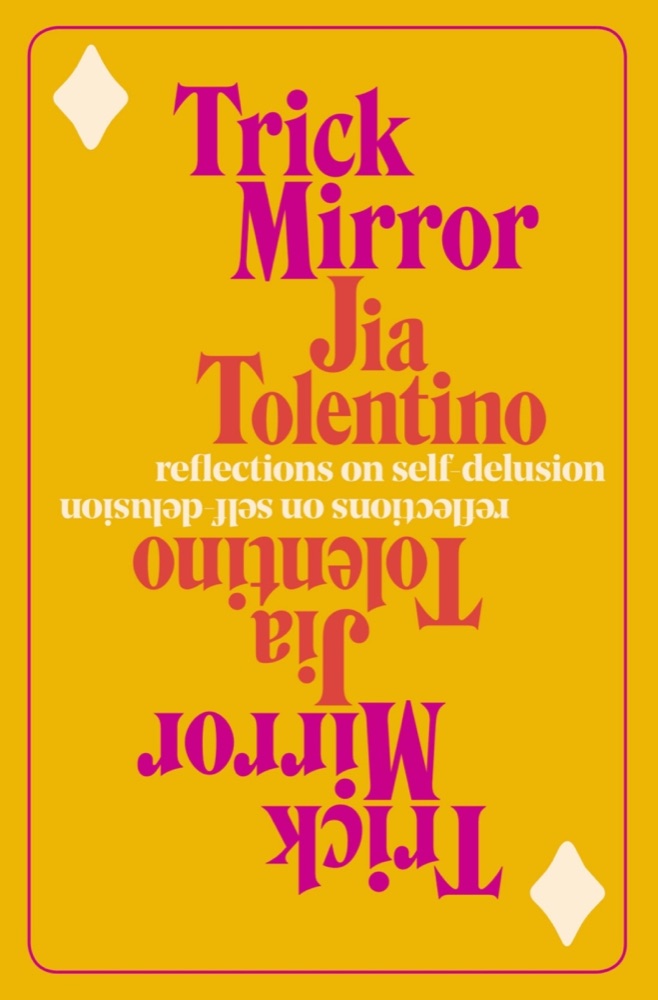 Trick Mirror: Reflections on Self-Delusion
 A Woman's Worth
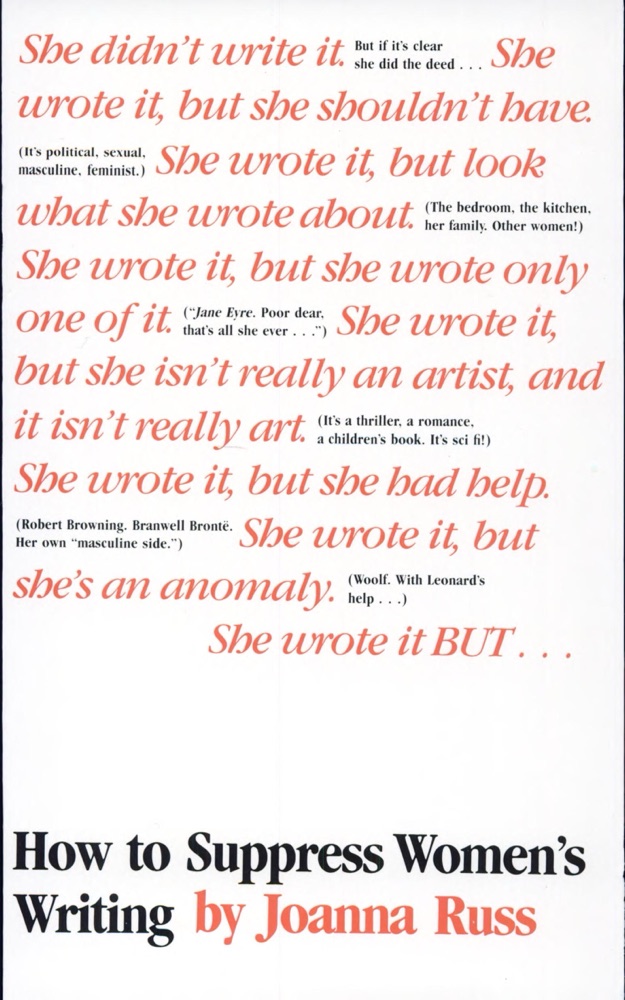 How to Suppress Women's Writing
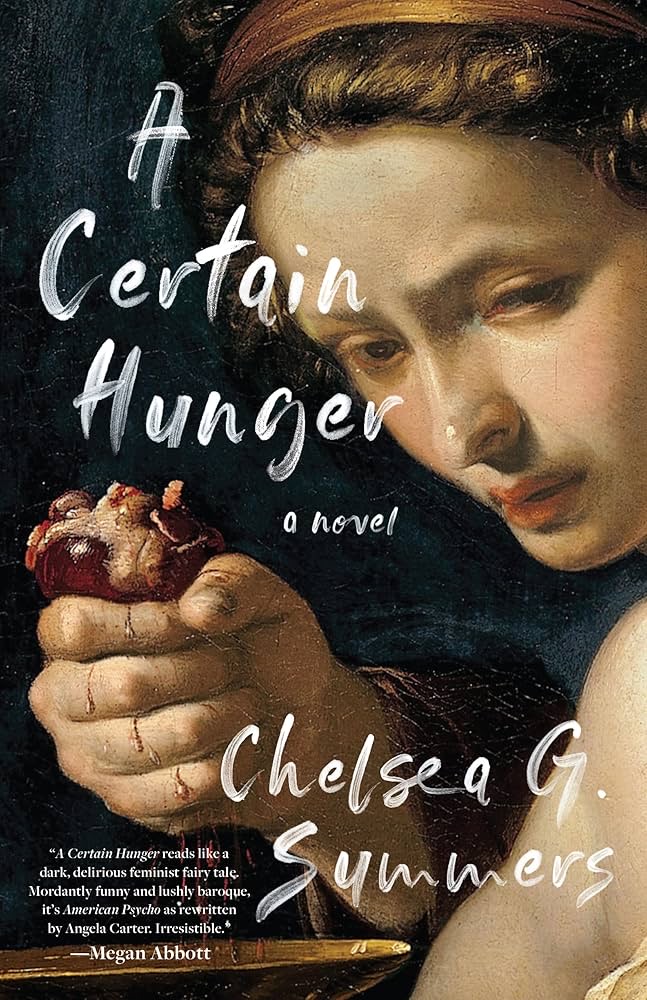 A Certain Hunger
 The Female Eunuch
 The Argonauts
 Difficult Women: A History of Feminism in 11 Fights
 Conviction
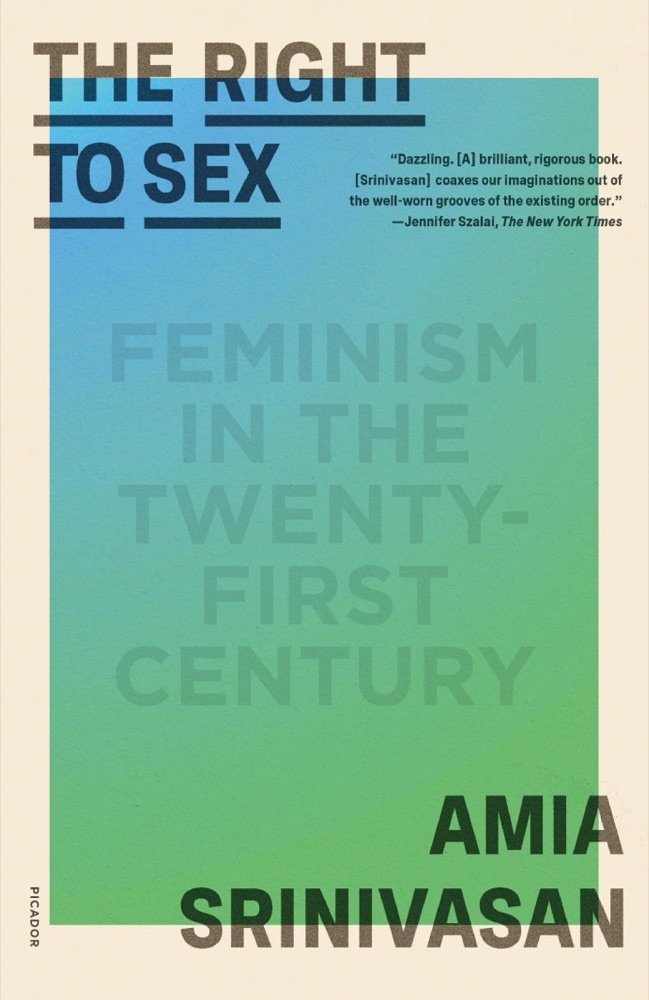 The Right to Sex: Feminism in the Twenty-First Century
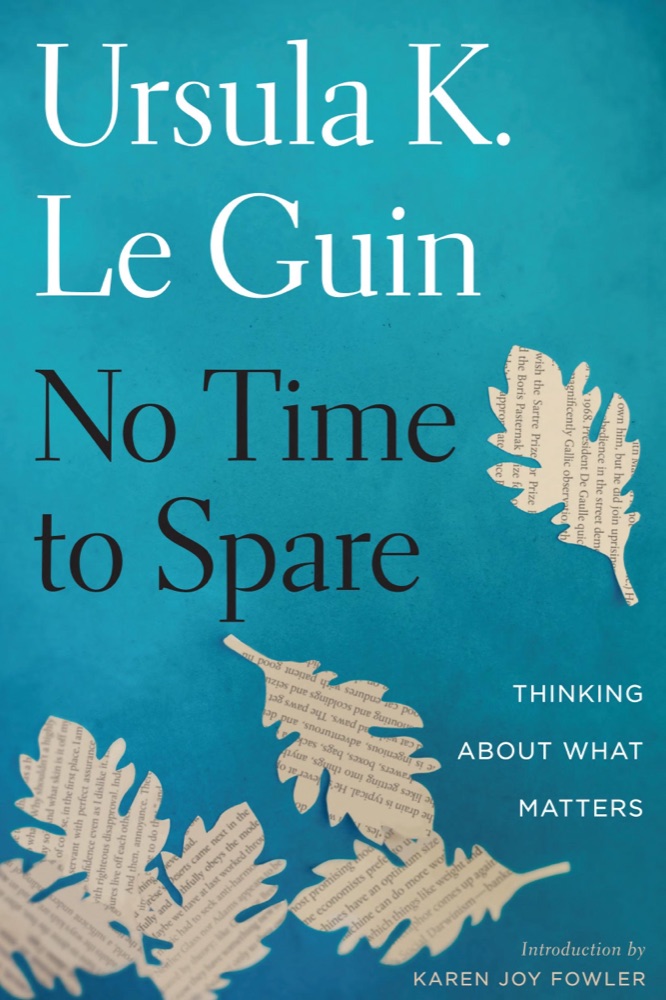 No Time To Spare: Thinking About What Matters
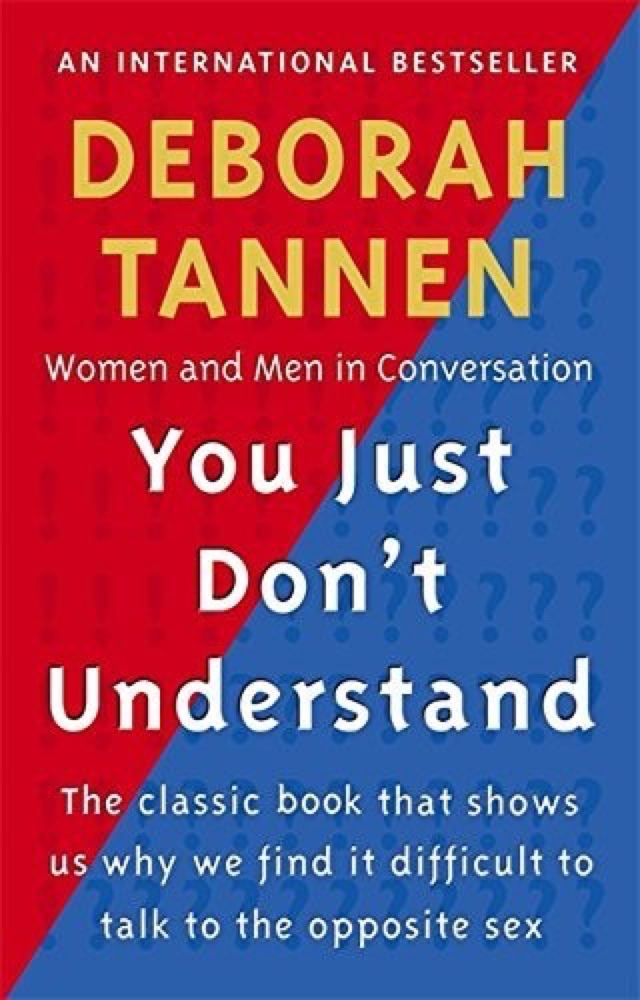 You Just Don't Understand: Women and Men in Conversation
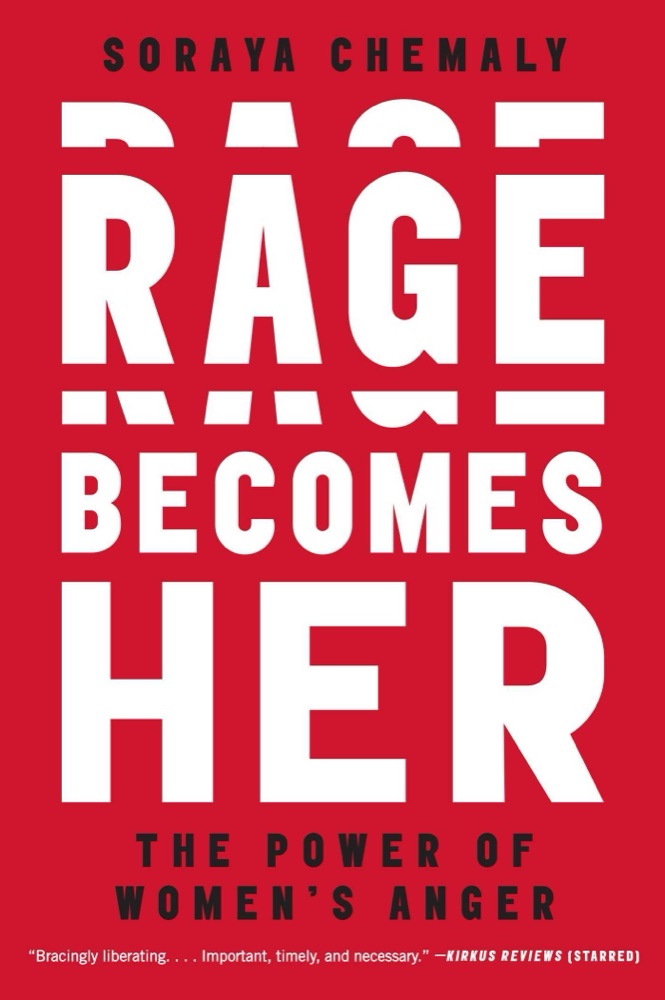 Rage Becomes Her: The Power of Women's Anger
 The Change
 The Feminine Mystique
 Brief Interviews with Hideous Men
 The Summer Without Men
 We Should All Be Feminists
 What's Wrong with the World
 The Dialectic of Sex: The Case for Feminist Revolution
 The Power
 An Experiment in Love
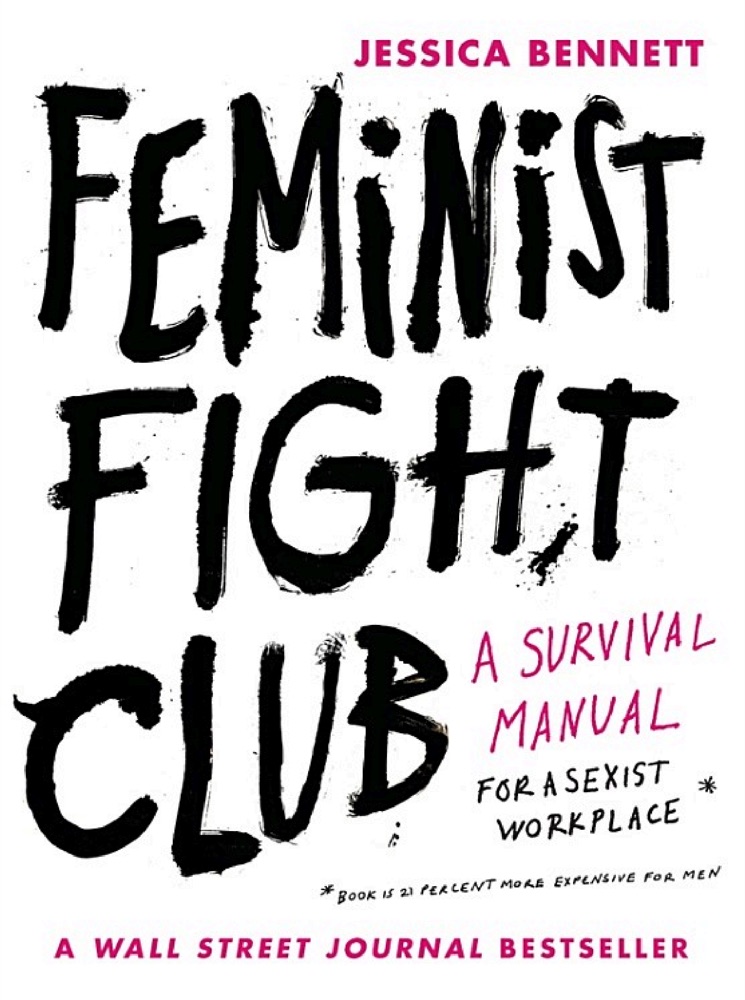 Feminist Fight Club: An Office Survival Manual for a Sexist Workplace